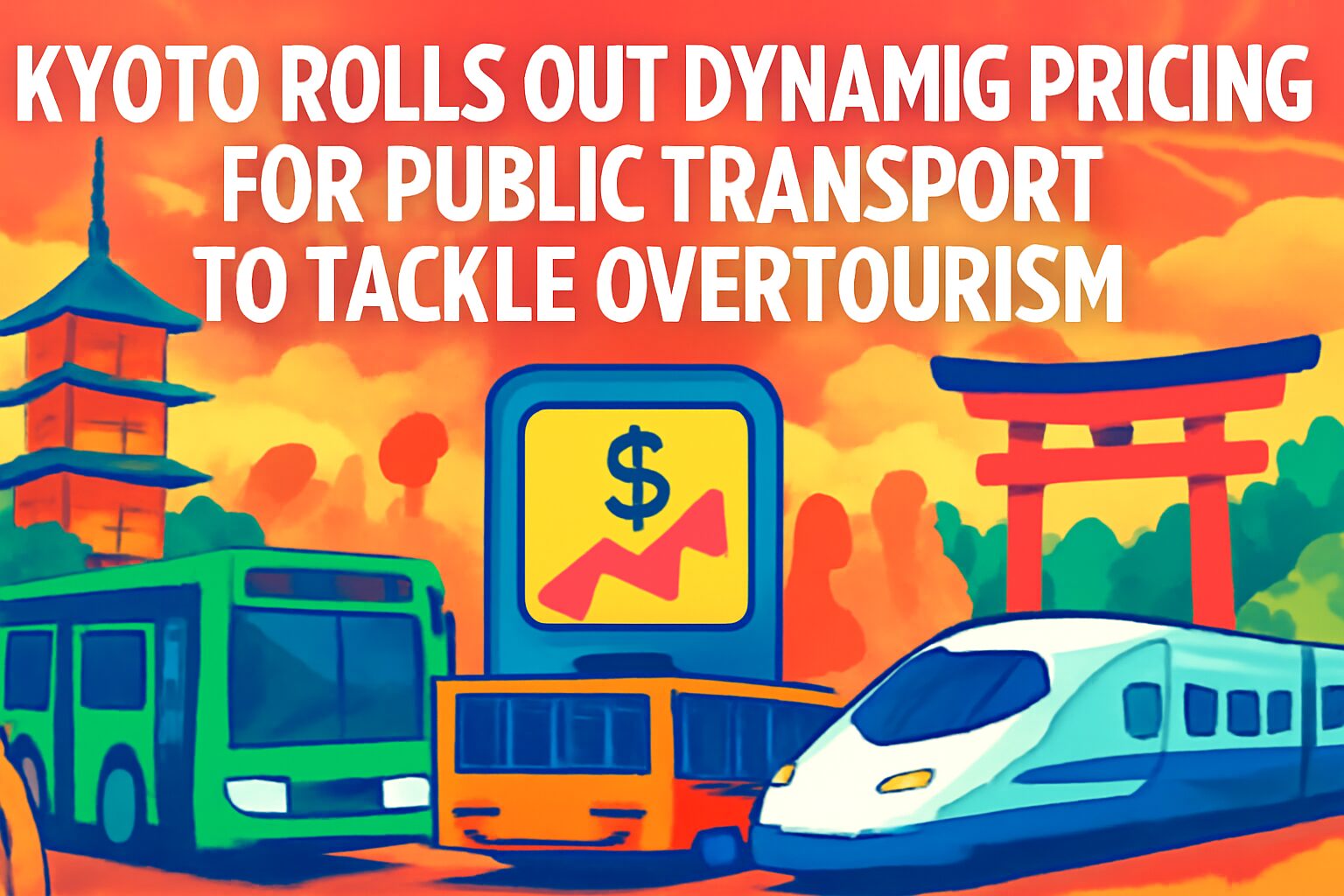
Kyoto, a city synonymous with timeless beauty and cultural heritage, is taking a bold step to address a very modern problem: overtourism. The Kyoto city government has officially approved a dynamic pricing system for its municipal buses and subways, a strategic move aimed at alleviating the intense congestion that has plagued its most popular districts.
The Background: A City Strained by its Own Popularity
For years, Kyoto has been a top destination for both domestic and international travelers. The numbers before the pandemic were staggering. In 2019, the city struggled to manage the flow of visitors, which placed an unprecedented strain on its public transportation system. City buses, in particular, became a symbol of the issue, often so packed with tourists that local residents were unable to board for their daily commutes. This situation created a growing tension between the vital tourism economy and the quality of life for Kyoto’s citizens.
The new policy is a direct response to this challenge. It aims to rebalance the flow of people, making the travel experience more comfortable for everyone while preserving the city’s unique atmosphere.
How the New Dynamic Pricing System Works
The system, scheduled for implementation within the next quarter, is straightforward: fares will fluctuate based on demand.
- Peak Hours & Hotspots: Fares for municipal buses and subways will increase during peak tourist hours. This will also apply to routes serving highly congested areas, such as the historic Gion district, the iconic Arashiyama Bamboo Grove, and the paths leading to Kiyomizu-dera Temple.
- Real-Time Information: To help travelers make informed decisions, real-time fare information will be integrated into major navigation apps. Visitors can check prices before they travel, allowing them to plan their routes and schedules in a more cost-effective manner.
- The Goal: The primary objective is to incentivize tourists to alter their travel patterns. By making peak-time travel more expensive, the city hopes visitors will choose to travel during off-peak hours or explore fascinating but less-crowded neighborhoods, distributing the economic benefits of tourism more evenly across the city.
What This Means for Your Trip to Kansai
This new policy will undoubtedly change how visitors navigate Kyoto and could have a ripple effect across the entire Kansai region.
Predicted Impacts on Travelers
For tourists, this change requires a shift in planning. Spontaneous trips to famous sites during midday might become more costly. Travelers on a budget will be encouraged to become early risers to catch off-peak fares or to explore the city in the later afternoon and evening. This could lead to a more pleasant experience, with fewer crowds and a more relaxed pace. The reliance on navigation apps for fare-checking will become an essential part of trip planning in Kyoto.
Future Implications for Kyoto and Beyond
If successful, Kyoto’s dynamic pricing model could become a blueprint for other tourism-heavy cities in Japan grappling with similar issues. The policy is a significant move towards sustainable tourism, aiming to protect the city’s infrastructure and the well-being of its residents.
For travelers exploring the wider Kansai area, this may also present new opportunities. Visitors might choose to stay in nearby Osaka, which offers excellent and direct transport links, and plan more strategic day trips to Kyoto during off-peak times. This could encourage a more diverse travel itinerary, with more time spent discovering the unique charms of Osaka, Kobe, and Nara, further enriching the overall Kansai experience. This policy isn’t just about managing crowds; it’s about reshaping the future of travel in one of the world’s most beloved cultural capitals.