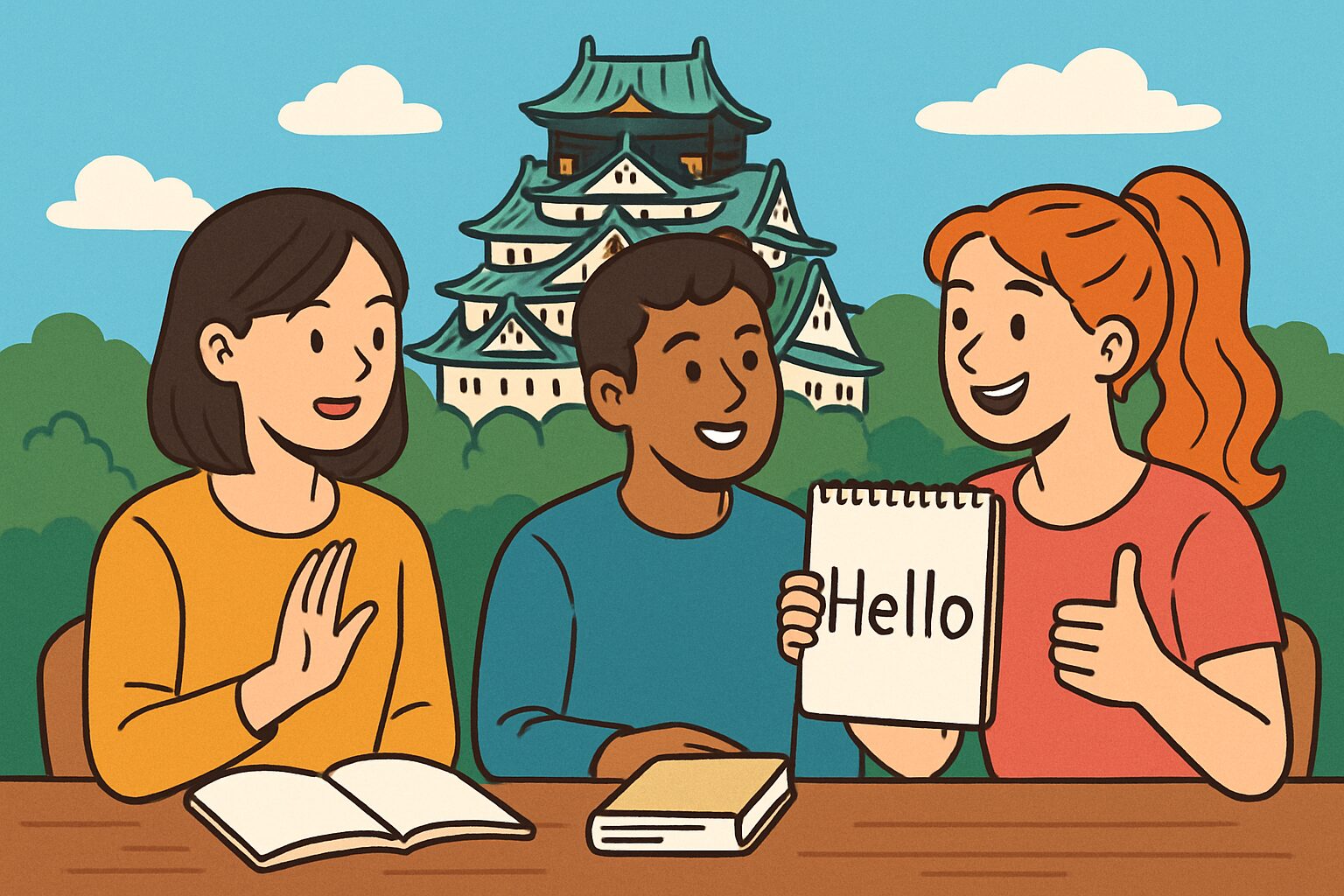
Osaka. The name itself crackles with an electric energy, a city that dances to its own boisterous rhythm. It’s a place of neon-drenched canals, sizzling street food that warms the soul, and a populace known for its candid humor and open heart. For any foreigner choosing to build a life here, the city offers an intoxicating welcome. Yet, beneath the vibrant surface of this urban playground lies a universal challenge: the quest for genuine connection. It’s easy to have a thousand fleeting conversations, to exchange pleasantries over a shared table, but how do you cross the invisible bridge from casual acquaintance to trusted friend? This is where the ubiquitous language exchange meetup comes in—a social nexus, a cultural classroom, and, if you navigate it with intention, the fertile ground where real friendships can take root and blossom. These gatherings, held in cozy cafes in Nakazakicho or bustling pubs near Umeda, are more than just an opportunity to practice your Japanese verb conjugations. They are a microcosm of Osaka itself: a dynamic, sometimes chaotic, and always fascinating melting pot of stories, dreams, and a shared desire to connect. This guide is your map and compass, designed not to teach you grammar, but to illuminate the subtle art of turning those first, tentative hellos into the lasting bonds that make a foreign city truly feel like home. It’s about understanding the heartbeats behind the words, the cultural currents beneath the conversation, and the uniquely Osakan way of saying, “You’re one of us now.”
For those looking to expand their social circle beyond cafes, mastering the art of conversation at Osaka’s standing bars can be another fantastic way to build genuine local friendships.
The Osaka Language Exchange Scene: More Than Just a Classroom
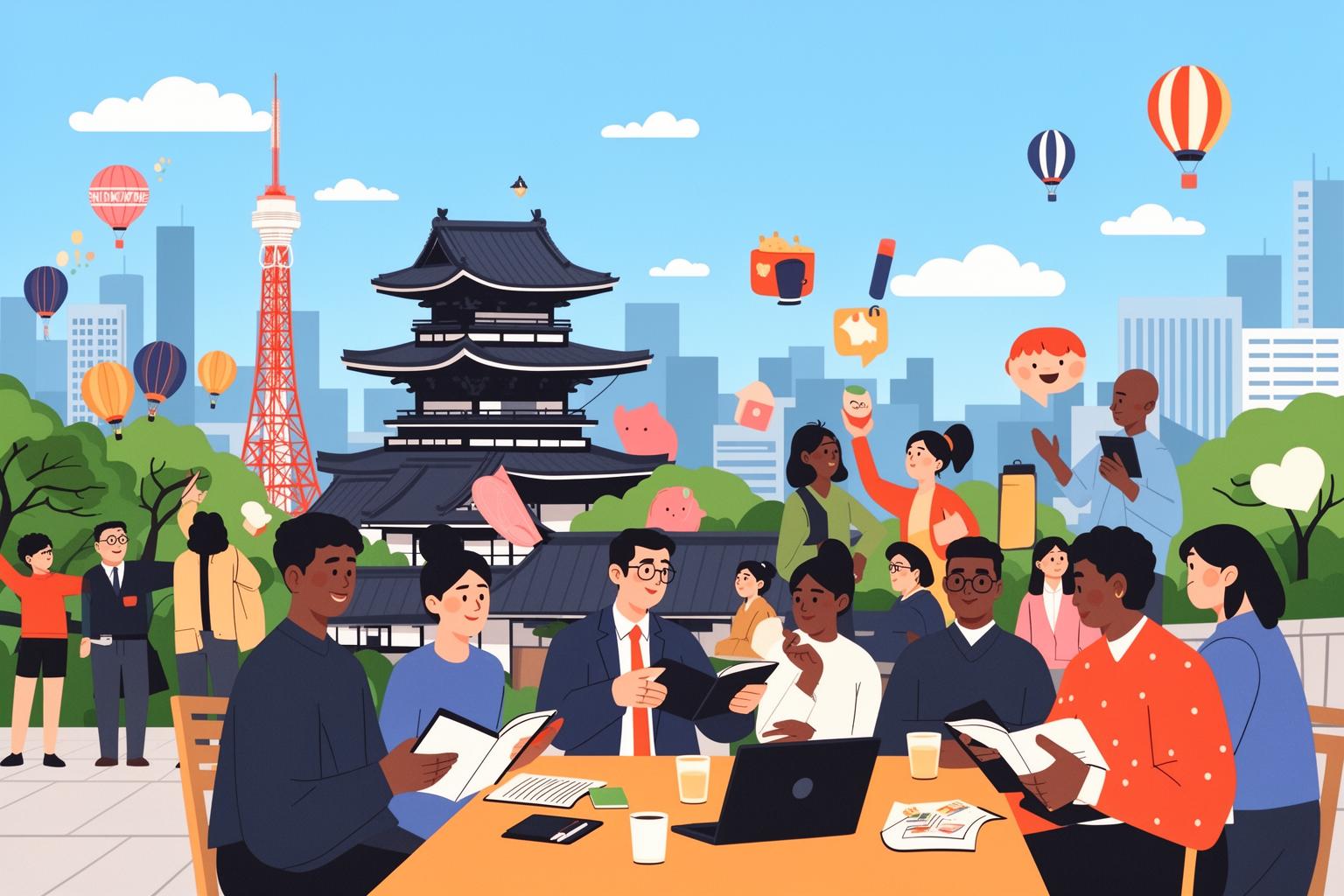
Step into a typical Osaka language exchange, and the first thing that strikes you is the sound. It’s a symphony of controlled chaos, a lively hum that instantly sets it apart from a sterile learning environment. Forget silent, studious rows of desks. Instead, imagine a dimly lit pub nestled in the winding alleys of Namba, where the clinking of beer glasses intersperses rapid-fire conversations in a mix of Japanese, English, and a dozen other languages. Or picture a bright, airy café in Shinsaibashi, the scent of freshly brewed coffee blending with the excited chatter of university students and seasoned expatriates. The atmosphere focuses less on academic precision and more on the raw, joyful energy of communication. This is Osaka’s spirit distilled into a social event. While Tokyo meetups can sometimes carry a more formal, business-like tone, Osaka’s gatherings often feel like a party you’ve just stumbled into. People laugh louder here. Gestures are broader. The invisible barrier of politeness seems, somehow, more permeable.
This distinctively relaxed vibe directly reflects the city’s character. Osaka has long been Japan’s merchant capital, a place where directness, pragmatism, and a good sense of humor were indispensable for trade and survival. This history has shaped a personality that is notably more outgoing and less hierarchical than other regions of Japan. You’ll sense this in how people introduce themselves, often dropping formalities quickly and diving into personal topics with refreshing candor. The people you meet represent a cross-section of this dynamic city. You might share a table with a university student from Kobe University, eager to polish their English before a study-abroad trip. Beside them could be a systems engineer in her thirties, looking to network and relax after a long week. You’ll encounter artists, chefs, fellow English teachers, and retirees exploring a new hobby. Each person opens a door to a different facet of Japanese life, a living archive of experiences waiting to be shared. The common thread connecting everyone is a palpable curiosity—a genuine interest in the world beyond their own experience. It’s this shared curiosity that makes these meetups such a powerful catalyst for connection. They aren’t just for language; they are for perspective.
Breaking the Ice and Building Rapport: The First Five Minutes
The early stages of any new conversation can feel like treading through a minefield. The usual script is predictable: “What’s your name? Where are you from? How long have you been in Japan? What do you do?” While these questions serve as necessary icebreakers, they seldom create a memorable connection. To move past this superficial level, you need to anchor your conversation in shared experiences and genuine curiosity, seasoned with a distinctly Osakan touch. The aim isn’t just to exchange information but to ignite a spark of recognition and warmth.
Find Common Ground, the Osaka Way
Rather than focusing on your origins, concentrate on where you are now. Anchoring the conversation in your shared Osaka experience is the quickest path to building rapport. The city’s culture, especially its love for food, speaks a universal language. Don’t just say you enjoy Japanese food—get specific. Discuss the incredible takoyaki you had from a street vendor near Tennoji, describing the perfectly crispy exterior and the molten, creamy inside. Ask for their recommendation with genuine enthusiasm: “I’m on a mission to find the best okonomiyaki in Osaka. Some say it’s Mizuno, others swear by a tiny place in Tsuruhashi. What’s your secret spot?” This turns a generic question into a shared adventure. This method goes beyond food. Talk about the Hanshin Tigers, the city’s passionately adored baseball team. Even if sports aren’t your thing, recognizing their cultural significance shows you’re paying attention. Mention a trip to the Open Air Museum of Old Japanese Farmhouses in Ryokuchi Park or a recent visit to Shitennoji Temple, and ask about their impressions. By showing sincere engagement with their city, you become more than just a visitor; you become a fellow resident, a participant in Osaka’s ongoing story.
The Art of the Specific Compliment
In Japan, compliments require finesse. The generic “Your Japanese is very good” (Nihongo ga jouzu desu ne) is so common it’s often dismissed as mere politeness. To leave a real impression, your praise must be specific and heartfelt. Pay close attention to what your conversation partner says and how they say it. If they use a particularly interesting word or phrase, comment on it. For instance: “Wow, the way you explained the meaning of ‘ikigai’ was so clear and beautiful. I’ve never understood it like that before. Thank you.” This shows you’re not just listening but genuinely appreciating their effort and insight. You can also compliment their choices or style. Instead of a vague “You have good taste,” try something more personal: “That’s a really cool Tenugui towel. The pattern is fantastic. Did you find it in the Namba Parks shopping area?” This opens the door to a conversation about shopping, design, or local artisans, elevating the interaction far beyond small talk. A sincere, detailed compliment affirms the other person’s individuality and signals that you see them as more than just a language practice partner.
Master the Rhythm of Listening: Aizuchi
If conversation is like a tennis match, aizuchi are the small, encouraging sounds you use to show you’re ready for the next serve. These interjections—like un (yeah), hai (yes), sō desu ne (that’s right), and naruhodo (I see)—are essential to Japanese conversation. To Western ears, they might seem excessive, but their absence often creates an awkward silence that can be taken as disinterest or disagreement. Mastering aizuchi is about more than just adding sounds; it’s about finding the rhythm of engagement. It’s a non-verbal way of saying, “I’m with you. I’m following your story. Please go on.” When someone is describing their weekend trip to Kyoto, nodding and responding with a well-timed “Heeh!” (an expression of mild surprise or admiration) shows you’re actively absorbing and valuing their story. This kind of active listening makes speakers feel appreciated and understood, fostering a strong sense of comfort and trust. It’s among the most vital yet often overlooked skills for building deep connections in Japan.
From Meetup Acquaintance to Weekend Friend: The Crucial Next Step
So you’ve enjoyed a great conversation—laughing, sharing stories, and finding common ground. As the meetup winds down and goodbyes begin, this is a crucial moment when a pleasant evening can either remain a fond memory or become the start of a genuine friendship. Moving from a structured social event to an informal hangout takes courage, tact, and an understanding of subtle social signals. In a culture that often values indirect communication, extending an invitation is truly an art form.
The Low-Pressure Group Invitation
The most effective and least intimidating way to suggest a second meeting is to propose a group activity. A one-on-one invitation, especially between different genders, can sometimes be misread or feel too intense early on. In contrast, a group outing is casual, communal, and safe. As the meetup wraps up, you might turn to the person you connected with and a few others nearby and say something like, “Hey, some of us were talking about how great the ramen is around here. Would you guys be interested in grabbing a bowl together after the next meetup?” or “Since we all seem to love coffee, maybe we could check out that new cafe in Kitahama next Saturday?” This method has many benefits. It lowers the pressure, making it easier for people to agree. It also lets the budding friendship grow within a relaxed social setting. If the idea catches on, create a temporary group chat on LINE to coordinate plans. This naturally shifts the connection from the public meetup space to a more personal but still communal digital forum.
The Hobby-Based Connection
Your initial conversation is a valuable search for shared interests. Once you find one, it serves as a perfect, natural reason for a follow-up invitation. For example, if you discover a mutual love of photography, the invitation practically writes itself: “You mentioned you enjoy street photography. I’m planning to explore Shinsekai this weekend to capture that retro Showa-era vibe. It’d be great to have a fellow photographer join me if you’re free.” This kind of invitation is powerful because it’s not just about “hanging out” but sharing a specific passion. It includes a built-in agenda that helps make the interaction focused and less awkward. The same idea applies to any shared hobby, whether it’s hiking Mount Ikoma, visiting the Osaka Museum of History, checking out a live music venue in Amerikamura, or exploring the huge bookstore at Umeda Tsutaya. By centering the invitation on a mutual activity, you provide a compelling reason to meet again that feels both exciting and completely natural.
Interpreting the Response: Navigating the Nuances
After extending an invitation, the response may not always be a clear “yes” or “no.” Japanese communication often hinges on subtlety to preserve harmony. A vague or non-committal reply like “Chotto kangaemasu” (I’ll think about it) or “Mata kondo ne” (Maybe next time) is often a polite way of declining. It’s important not to push further. The best reaction is a cheerful and understanding, “Wakarimashita! Zenzen daijoubu desu!” (I understand! No problem at all!). This shows that you are socially attentive and respectful. Conversely, if they respond with “Ii desu ne! Itsu desu ka?” (That sounds great! When?), you have a clear green light. The key is to notice their enthusiasm. If they actively help plan—suggesting dates, times, or places—their interest is sincere. If they remain passive, it’s best to drop the idea for now. The invitation dance is about extending your hand; if they reach back, you move forward together. If not, you gracefully step back and try again another time with someone else.
Deepening the Connection: Cultural Keys to Lasting Friendship in Japan
Transitioning from that initial successful hangout to a solid, lasting friendship is a journey marked by consistency, mutual respect, and cultural understanding. In Japan, friendships are often nurtured gradually, much like a carefully tended garden. They develop not through grand gestures but through a steady stream of small, thoughtful actions and an increasing sense of shared trust and history. To genuinely cultivate these emerging relationships, it’s important to grasp some of the fundamental cultural principles that shape social bonds.
The Foundations of Consistency and Reciprocity
A single hangout, no matter how enjoyable, does not establish a friendship. The bedrock of a strong relationship in Japan is consistency. This involves consciously making an effort to keep in touch and meet up regularly. After a group outing, be the person to send a follow-up message on LINE, maybe sharing a photo from the day and saying, “That was so much fun! Let’s do it again soon.” More critically, friendship is reciprocal. The idea of reciprocity is deeply embedded in the culture. If someone invites you out for dinner and pays, it’s considerate to invite them next time and cover the cost or at least your share. This principle also applies to small gifts, or omiyage. If you take a weekend trip to Nara, it is customary to bring back a small box of local sweets or crackers for your friends. This gesture isn’t about the gift’s monetary value; it’s a tangible way of expressing, “I was thinking of you.” This continuous, balanced exchange of gestures, invitations, and thoughtfulness strengthens an unspoken bond of mutual care.
Navigating Inner and Outer Selves: Honne and Tatemae
One of the most discussed ideas in Japanese social interaction is the concept of honne (one’s true feelings) and tatemae (the public facade or behavior appropriate to the setting). In initial meetings, you’re almost always interacting with someone’s tatemae. This is the polite, harmonious, and agreeable face that facilitates smooth social interaction. It isn’t dishonesty but a display of social intelligence and respect. The real sign of a deepening friendship emerges when the walls of tatemae begin to come down, and you start seeing glimpses of your friend’s honne. This may appear as sharing their work worries, humorously complaining about family, or expressing strong, unfiltered opinions. When this happens, it is a profound act of trust, showing they feel safe enough to be vulnerable with you. The key is to practice patience. This shift takes time and cannot be rushed. By being a reliable, non-judgmental, and supportive presence, you create the safe space necessary for a friend to reveal their true self.
The Digital Lifeline: Understanding LINE Etiquette
In contemporary Japan, the messaging app LINE serves as the central hub of social interactions. Exchanging LINE contacts is an essential step after any meaningful connection. Using the app effectively means understanding its unspoken rules. LINE stamps—large, expressive cartoon stickers—are more than decorative; they are vital communication tools. They convey emotions that might be hard to put into words, soften requests, or politely end conversations when there’s nothing further to add. For example, a giant bowing bear sticker expresses gratitude more warmly than a simple “thank you.” Conversely, sending multiple messages before the other person has replied is considered poor etiquette. Everyone leads busy lives, and an immediate response is not always expected. Learning the rhythm of LINE communication—knowing when to chat, when to use stamps, and when to give space—is crucial for maintaining a healthy digital connection that supports your real-life friendship.
Practical Tips for Finding the Right Meetup in Osaka
With a city as large and diverse as Osaka, the sheer number of language exchange and social groups can feel overwhelming. Finding the right one for you is essential to increasing your chances of forming meaningful connections. It’s not about choosing the biggest or most popular event, but about discovering the environment where you feel most comfortable and can be your true self. A bit of thoughtful searching can make all the difference.
Look Beyond the Obvious Platforms
While international platforms like the Meetup app are excellent starting points and host many of the largest gatherings, don’t overlook local resources. Check bulletin boards at your local community center or city hall (kuyakusho), which often advertise smaller, community-run language circles (eikaiwa circles) that tend to be more intimate and consistent in membership. Social media is another valuable tool. Search Facebook for groups using keywords like “Osaka International Friends,” “Kansai Expats,” or “Japanese-English Exchange Osaka.” These online communities not only help you find events but also allow you to ask for recommendations and connect with people who share similar interests even before attending a meetup.
The Power of the Niche
Often, the best opportunities for deep friendships arise not from large “international parties” with hundreds of attendees but from smaller, more focused groups centered around specific hobbies. A shared activity provides an immediate, powerful common ground that goes beyond language barriers. Look for meetups that match your interests. Are you a fan of board games? There are groups that play both Japanese and Western board games. Do you enjoy outdoor activities? Seek out hiking or cycling groups that welcome international members. Do you love cooking? A Japanese cooking class or food-focused social group might be ideal. Meeting someone in these contexts offers a natural conversation starter, and you already know you share at least one significant passion. This shared interest often makes transitioning to friendship outside the group feel much more natural and effortless.
Location and Timing Matter
Consider the logistics. Choosing meetups that are convenient for you to attend regularly is key to building consistency. Osaka’s major transportation hubs—Umeda, Namba, Shinsaibashi, and Tennoji—are popular locations for these events precisely because they are easily accessible by various train and subway lines. Attending a group in one of these central areas increases the likelihood you’ll stick with it. Also, pay attention to timing. A meetup on a Tuesday evening will likely attract working professionals looking to unwind, resulting in conversations about careers and city life. In contrast, a Saturday afternoon event might be filled with university students and have a more relaxed, leisurely atmosphere. Try out different events at various times and places to find the atmosphere and crowd you connect with best.
A Gentle Closing: The Rhythm of Friendship in the City of Waterways
Osaka, known as the “City of Water,” was developed around a network of canals and rivers. These waterways served as the city’s lifeblood, linking diverse neighborhoods, enabling the movement of goods, and nurturing a sense of shared, interconnected community. In many respects, forming friendships here resembles navigating those very currents. It takes patience to grasp their flow, courage to set your small boat afloat, and skill to guide it toward a welcoming shore. The path from a crowded language exchange to a calm, comfortable friendship is rarely direct. It winds, featuring moments of smooth progress and times when you may feel adrift.
Yet, the effort is the most valuable investment you can make in your life in Japan. Every step—from sharing a laugh over a plate of takoyaki, to offering the first tentative invitation, to learning the delicate art of reciprocity and trust—is a way of weaving yourself into the rich, vibrant, and wonderfully complex social fabric of the city. The aim is not to gather a large number of acquaintances but to nurture a small, cherished circle who will celebrate your victories, hear your frustrations, and share a warm bowl of udon with you on a chilly winter night. Osaka is a city that rewards boldness, warmth, and sincerity. So attend that meetup. Begin that conversation. Take that small risk. Because beyond the small talk lies a world of genuine connection, ready to transform this bustling metropolis from merely a place you live into a place you truly call home.