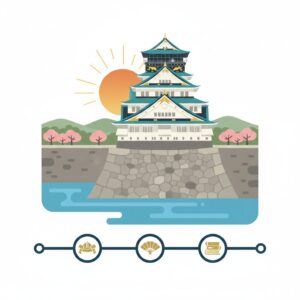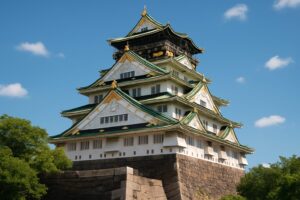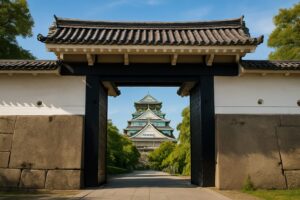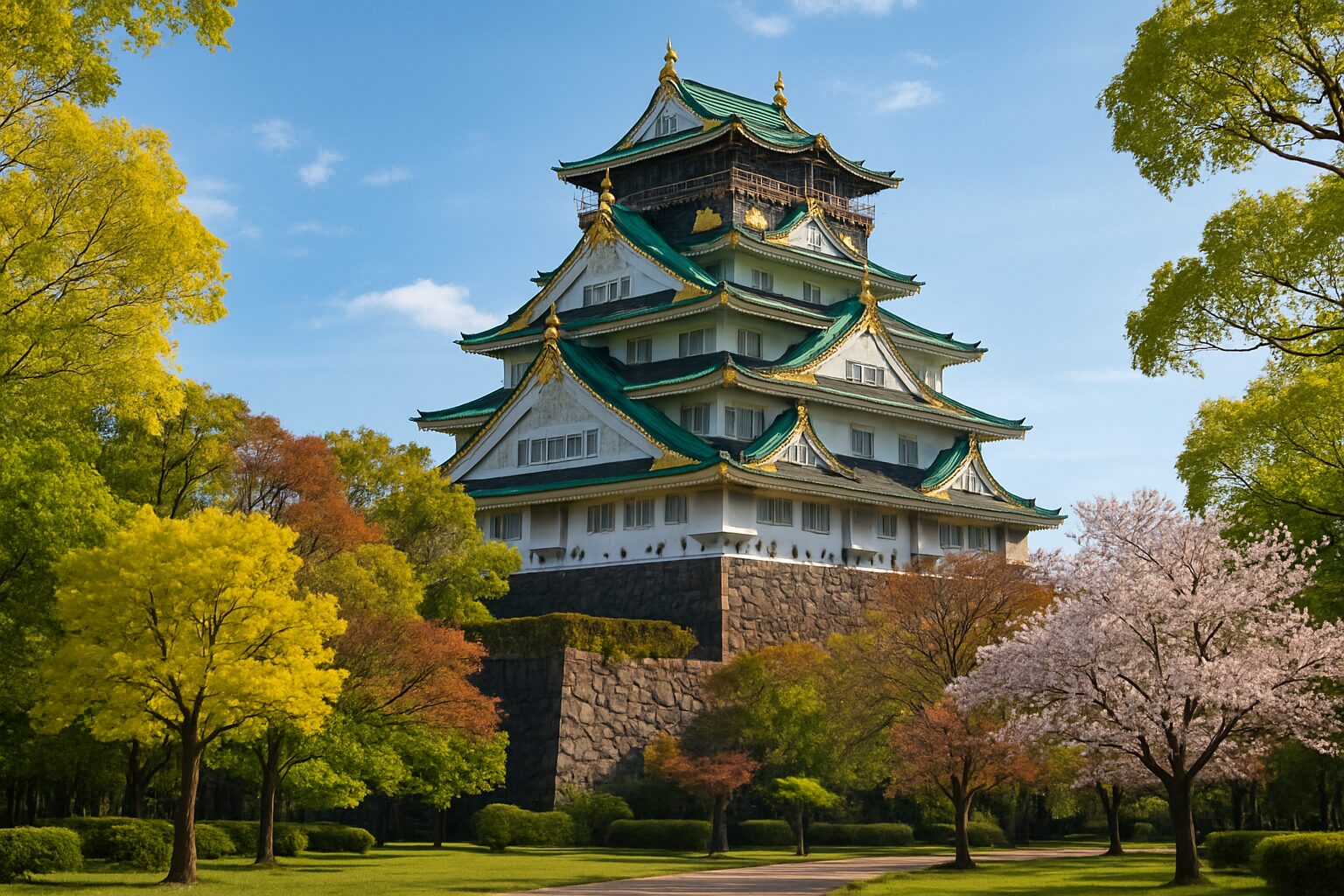
There’s a certain kind of magic that settles over a city when its heart is a castle. Not a relic behind velvet ropes, but a living, breathing centerpiece that dictates the rhythm of the seasons and the pulse of daily life. Here in Osaka, that heart is Osaka Castle, a magnificent fortress of history and legend. But for those of us who call the neighborhoods surrounding its vast park home, it’s something more intimate. It’s our backyard, our jogging track, our quiet escape, and our constant, beautiful companion. Living here isn’t about being a tourist in your own town; it’s about weaving the epic scale of history into the simple fabric of your everyday routine. It’s the surreal, wonderful experience of sipping your morning coffee while gazing at a centuries-old keep, of hearing the distant sounds of a festival while you hang your laundry, of feeling the deep, resonant connection to a past that refuses to be forgotten, all while being plugged into the vibrant, forward-thumping beat of modern Osaka. This isn’t just an address; it’s a lifestyle, a conversation between then and now, played out every single day across sprawling greens, under ancient stone walls, and through the charming streets that cradle this urban oasis.
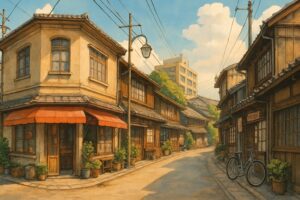
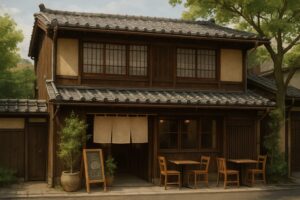
This unique lifestyle is perfectly embodied in the nearby Tanimachi 6-chome, where historic nagaya row houses have been transformed into trendy cafes and shops.
The Park as Your Personal Playground
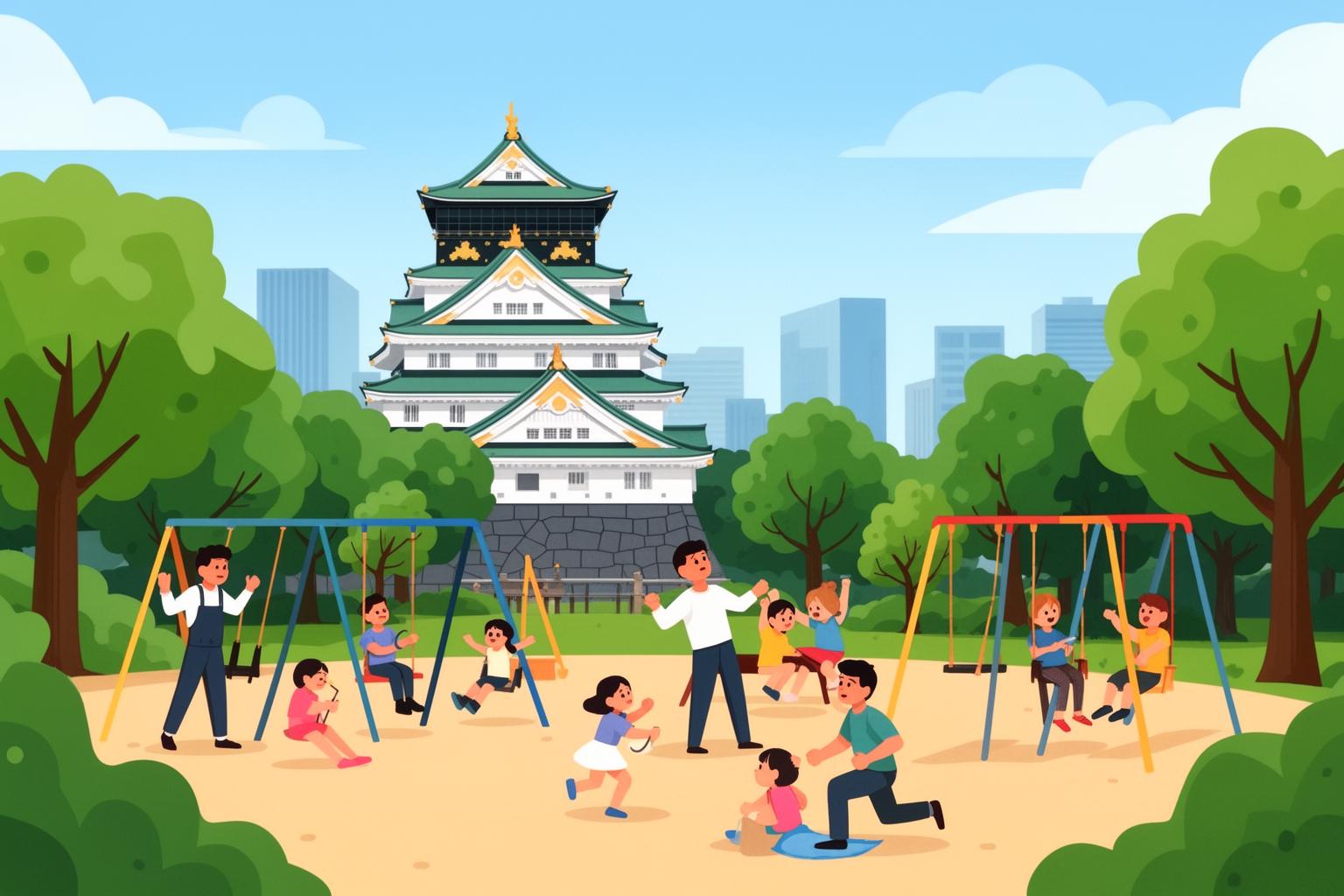
Forget about a gym membership. Living beside Osaka Castle Park means having the world’s most picturesque fitness center right outside your door. At dawn, the castle keep is bathed in golden and rosy hues, signaling early risers. Each morning, you see a devoted group of joggers circling the outer moat, their footsteps creating a gentle, rhythmic pattern on the gravel paths. Tai chi practitioners move in quiet, graceful harmony on Nishinomaru Garden’s lawns, their slow, purposeful movements a sharp contrast to the city’s busy pace just beyond the trees. Dog walkers and their joyful pets provide a constant, friendly presence, a colorful mix of breeds exploring the ancient grounds. The park in the morning is a place of calm intention, a shared space where people gather to greet the day, breathe, move, and find a brief moment of peace before the city awakens.
As the day progresses, the park’s character evolves. On a weekday afternoon, it serves as a sanctuary for salarymen escaping the gleaming towers of Osaka Business Park (OBP) nearby. They rest on benches, eating their bento lunches, with the imposing castle walls framing their short break. Young families stroll along wide paths pushing strollers, while art students sketch the elaborate details of turrets and gates. This is a space that soaks up the city’s overflow, providing a green refuge for a quick pause or leisurely walk.
But it’s on weekends that the park truly bursts with communal, festive energy. The air is filled with children’s laughter, guitar music from friends picnicking under shady trees, and the lively chatter of families. People spread blue tarps, unpack elaborate meals, and simply enjoy being together in this beautiful setting. It’s a vivid reminder that this historic site isn’t merely a monument to behold; it’s an essential hub for community life, a place for connection and relaxation. As evening falls, the mood softens again. The crowds thin, daytime noises quiet, and the castle and its walls glow under dramatic floodlights. Standing against the twilight sky, it becomes a silent, majestic guardian. Evening joggers return for their final rounds, their silhouettes framed by the radiant city skyline. Living here means experiencing this full spectrum, seeing the park not just as a destination but as a vibrant stage where daily life unfolds from sunrise to starry night.
A Tale of Two Neighborhoods: Tanimachi and Kyobashi
Living “near” Osaka Castle Park offers a variety of experiences. The nature of your daily life is largely influenced by which part of this vast green space you call home. To the west and south is Chuo Ward, including neighborhoods like Tanimachi Yonchome. To the east lies the vibrant Kyobashi area, positioned between Joto and Miyakojima Wards. Each neighborhood presents its own unique atmosphere and a different way to connect with the city and the park.
The Historic Elegance of Tanimachi Yonchome
Stepping out of Tanimachi Yonchome station, you immediately sense a weight of history. This area serves as the administrative center of Osaka Prefecture, with impressive government buildings lining wide streets. Yet, just a short walk from these official corridors, the environment shifts to a quiet, distinguished residential calm. The mood here is more reserved, more established—feeling like a neighborhood deeply aware of its historical surroundings. The streets are tidy, and the buildings range from stately older apartment blocks—referred to as “mansions” in Japan—to sleek, modern condominiums.
Life in Tanimachi Yonchome offers sophisticated convenience. Your local walks might take you past the Osaka Museum of History, where the city’s story is revealed layer by layer, or by the excavated remains of the Naniwa Palace, a subtle yet profound reminder that this area has been a political center for over a thousand years. Grocery shopping might happen at an upscale supermarket like Life or a small, family-run produce shop tucked away on a quiet street. The café culture here leans toward chic and artisanal, with spots perfect for savoring a carefully crafted pour-over coffee. This neighborhood attracts professionals, history enthusiasts, and those who appreciate a quieter, more refined urban lifestyle. The park, accessible through the Otemon Gate, offers a peaceful retreat for thoughtful walks rather than lively gatherings. Living here feels like being a guardian of the castle’s tranquil side, in a community that values history and substance as much as modern comfort.
The Vibrant Pulse of Kyobashi
Crossing to the park’s northeastern edge, you enter an entirely different scene. Kyobashi is a major transportation hub, buzzing with an energetic and unfiltered vibe. The moment you step out of the station, you are immersed in a flow of people, sounds, and lights. Kyobashi is a place of constant movement. It’s gritty, lively, and openly populist. The area is known for its winding shotengai (covered shopping arcades) and a dense array of standing bars (tachinomi) and affordable, tasty eateries nestled in narrow alleys and under train tracks.
Living in Kyobashi means convenience reigns supreme. You have direct access to the JR Osaka Loop Line, the Keihan Line to Kyoto, and the Osaka Metro, making it one of the city’s most well-connected neighborhoods. Daily shopping is less about upscale boutiques and more a treasure hunt through the bustling shotengai, where you can find everything from fresh seafood and produce to discount clothing and household items, all amid a lively cross-section of Osaka’s population. The dining scene is wonderfully chaotic: one night might be a 500-yen bowl of ramen at a tiny counter that seats six; the next, grilled skewers and cheap beer at a smoky izakaya filled with loud laughter and flowing conversation. The park, reached via Osakajokoen Station or Kyobashi Gate, serves as a release valve. After the sensory overload of the station area, the park’s open spaces provide a refreshing breath of air, a place to unwind and recharge. Life in Kyobashi suits those energized by activity, who thrive in a busy urban center, and who want seamless access to the entire city and the wider Kansai region.
The Seasons of the Castle: A Yearlong Spectacle
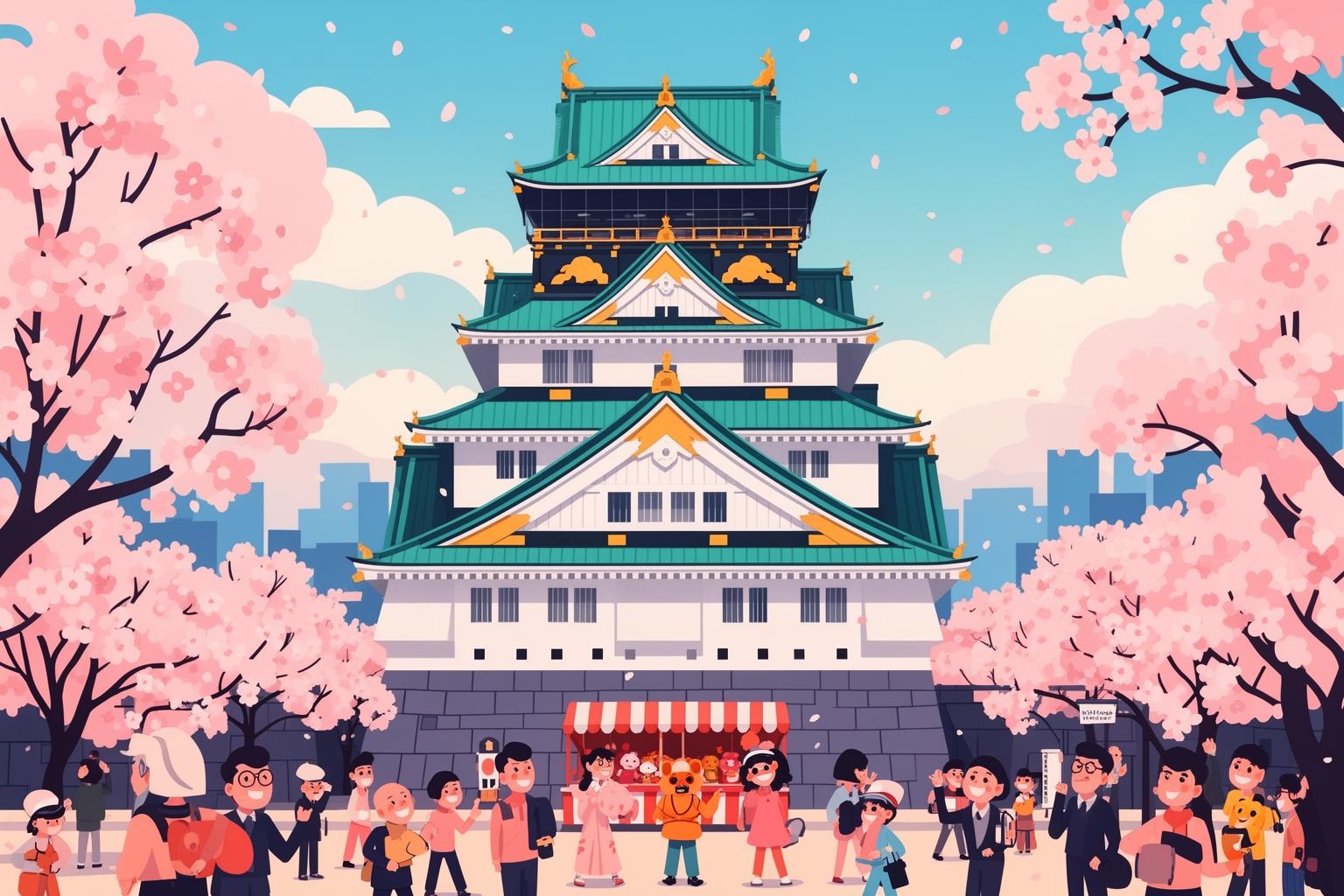
To truly appreciate life beside the park, you need to witness its transformation across the four distinct seasons. Each season brings a unique character, new traditions, and fresh reasons to fall in love with this place all over again.
Spring: A Burst of Pink and White
Spring is undoubtedly the park’s star season. It starts gently in late February with the Ume Grove, or bairin, in the eastern area. Over a thousand plum trees burst into a fragrant sea of deep pinks, reds, and whites—a stunning sign that winter’s chill is finally fading. This serves as a quiet prelude before the crowds arrive. But when the cherry blossoms—the famed sakura—arrive in late March and early April, the park undergoes a total transformation. The expansive Nishinomaru Garden, home to hundreds of cherry trees, becomes the heart of hanami (flower viewing) culture. From dawn till dusk, and even into the night for illuminated viewings, blue tarps cover the lawns as friends, families, and coworkers gather for large picnics beneath the ethereal pink canopy. The air is rich with the scent of blossoms and grilled food, filled with laughter and the pop of sake bottles opening. As a resident, you learn the insider tips: the best time is a weekday morning to enjoy the blossoms almost alone, or to explore quieter, less-famous cherry trees scattered elsewhere in the park. You navigate the joyful, festive chaos with pride, knowing your neighborhood hosts one of Japan’s most iconic and joyous celebrations. Here, spring is a shared, city-wide festival of rebirth and beauty, unfolding right outside your door.
Summer: A Symphony of Green and Cicadas
Summer in Osaka is a powerful force—hot, humid, and vibrantly alive. The park transforms into a lush jungle of deep greens. Trees, now thick with leaves, offer welcome patches of shade. The air buzzes with the relentless, high-pitched drone of cicadas, the unmistakable soundtrack of a Japanese summer. Though the midday sun can be fierce, early mornings and late afternoons are enchanting. The moats, covered with lotus leaves, become a lively ecosystem, while hydrangeas splash blues and purples along the paths. Summer also brings grand festivals. The mighty Tenjin Matsuri, one of Japan’s top three festivals, takes place on the river just north of the park. As a resident, you feel the excitement building weeks in advance. On festival days, a walk to the riverbanks reveals spectacular boat processions and stunning fireworks displays. Inside the park, smaller events appear, from traditional music at Hōkoku Shrine to contemporary concerts at Osaka-jo Hall. Summer is a season of endurance and vitality, a time to embrace the heat, find refuge under ancient trees, and immerse yourself in the electrifying festival spirit that energizes the city.
Autumn: A Canvas of Fire and Gold
With summer’s humidity finally lifted, the city breathes a collective sigh of relief. Autumn arrives as the most comfortable and visually stunning season after spring. The air grows crisp and clear, and the park slowly transforms into a masterpiece of color. The great ginkgo tree in front of the castle keep turns brilliant gold, dropping fan-shaped leaves to create a dazzling carpet below. This iconic sight draws photographers and artists alike. The cherry trees, their blossoms long gone, now display a second show as their leaves burnish into shades of orange, red, and deep burgundy. Maple trees in the Japanese Garden offer their own fiery spectacle. Autumn invites long, aimless walks, sitting on benches with a warm drink and a good book, simply absorbing the shifting light’s beauty. The Chrysanthemum Exhibition showcases intricate and carefully cultivated blooms. Crowds thin compared to spring, creating a more reflective atmosphere. This season encourages slowing down, noticing subtle shifts, and appreciating the poignant beauty of the year winding down. For residents, it offers perfect weather and breathtaking scenery before winter’s chill arrives.
Winter: A Study in Structure and Silence
Winter strips the park to its essentials. Deciduous trees stand as stark, elegant silhouettes against the pale sky. Crowds disappear, leaving the vast grounds to locals and the few hardy visitors. This is when you truly appreciate the park’s architecture—the graceful curves of stone walls, the imposing gates and turrets, the expansive moats. The air is cold and clear, and on a bright day, the castle keep stands out sharply against the deep blue sky. It is a season of quiet and solitude. Morning runs become brisk and invigorating, your breath visible in the cold air. Silence reigns, broken only by crows cawing from bare branches. Yet winter holds its own magic. The park often hosts stunning illumination events, where thousands of lights turn the grounds into a sparkling wonderland, a modern digital art display set against a historic backdrop. And just as winter seems endless, the first plum blossoms appear—tiny, defiant sparks of color promising spring’s return. Living here through winter feels like a secret privilege, witnessing the park in its most honest, vulnerable state—a quiet giant resting before its next grand performance.
Practical Living in the Castle’s Orbit
Beyond the poetic cycle of the seasons, living near Osaka Castle Park offers a daily reality filled with exceptional convenience and diversity. This neighborhood is a crossroads where history meets cutting-edge modernity, providing residents with a rich variety of options for shopping, dining, and transportation.
Your Daily Essentials: From Supermarkets to Shotengai
Whichever neighborhood you select, you’ll always be close to essential daily goods. Major supermarket chains like Life, Kohyo, and Mandai are conveniently situated near the main residential areas, offering a broad range of fresh produce, meats, fish, and international items. For those residing in the sleek residential towers of OBP, high-end grocery stores are often available right within the building complexes.
However, to truly shop like a local, embracing the shotengai is key. The Kyobashi Chuo Shotengai is a prime example—a long, covered arcade bustling with life. Here, you’ll encounter specialized vendors who have perfected their craft for generations: the warm fishmonger who can advise how to best prepare your sea bream, the butcher who will slice your pork shabu-shabu paper-thin, and the elderly lady at the pickle stand offering samples of a dozen varieties of tsukemono. Shopping here is a social experience, a world apart from the impersonal aisles of large supermarkets. In the quieter streets around Tanimachi, smaller, independent greengrocers and tofu shops welcome you by name. This mix of modern convenience and traditional charm allows you to tailor your shopping experience.
A Culinary Crossroad
Dining options around the park are as varied as the neighborhoods themselves. The Osaka Business Park and the nearby JO-TERRACE OSAKA complex provide a curated, modern dining atmosphere. Here, stylish cafes, Italian restaurants with terraces overlooking the castle, and popular franchise eateries cater to those seeking reliable and comfortable meals. It’s the perfect spot for a business lunch or a slightly upscale dinner.
For a completely different atmosphere, explore Kyobashi. This area is a haven for lovers of affordable, unpretentious, and incredibly tasty food. Beneath the train tracks and along smoky side streets, a dense cluster of izakayas, ramen shops, okonomiyaki joints, and tachinomi bars await. It’s the place for lively nights out with friends, fueled by highballs and grilled chicken skewers. It’s loud, chaotic, and quintessentially Osaka.
Meanwhile, the Tanimachi neighborhood offers a more balanced, mature dining scene. Here you’ll find excellent neighborhood bistros, traditional soba and udon restaurants with decades of history, and quiet kissaten (old-style coffee shops) perfect for a relaxed afternoon of reading. This area is full of hidden gems where quality and tradition often outshine trends.
Unmatched Connectivity
One of the biggest advantages of living near Osaka Castle Park is the outstanding transportation network at your fingertips. The park is surrounded by a ring of train and subway stations, making it one of the most accessible residential areas in the city. The JR Osaka Loop Line, a vital loop circling the city center, includes three key stations serving the park: Morinomiya, Osakajokoen, and Kyobashi. This provides direct access to major hubs such as Osaka Station (Umeda), Tennoji, and Tsuruhashi.
Additionally, the Osaka Metro offers a complex web of connections. The Tanimachi Line and Chuo Line serve the Tanimachi Yonchome area, offering direct routes to shopping districts like Higashi-Umeda and business centers like Honmachi. The Nagahori Tsurumi-ryokuchi Line runs along the park’s southern edge from Morinomiya Station, providing easy access to the Shinsaibashi shopping arcade. This multi-layered transit system ensures that virtually anywhere in Osaka is just one or two train rides away. For day trips, Kyobashi Station’s Keihan Line takes you straight to central Kyoto, while JR lines connect to Nara, Kobe, and Kansai International Airport with ease. This exceptional accessibility makes the area an ideal base not only for exploring Osaka but also for experiencing everything the vibrant Kansai region has to offer.
A Final Thought
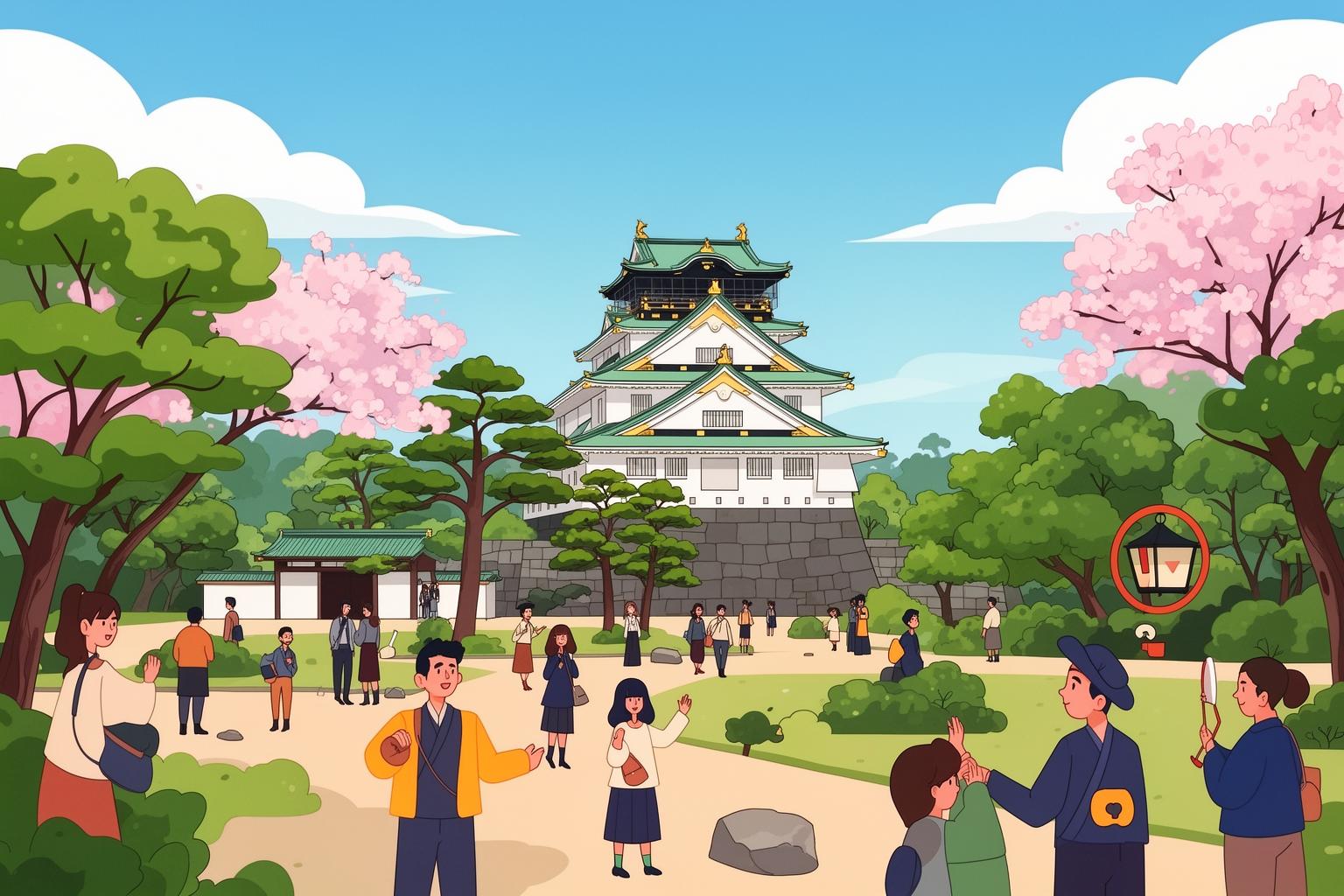
Living in the shadow of Osaka Castle means being part of a grand, continuing story. It is a life marked by contrasts: the quiet solitude of a winter morning walk versus the lively cheer of a hanami party; the ancient, moss-covered stone walls alongside the sleek glass towers of the business park; the timeless elegance of the castle keep contrasted with the vibrant, energetic atmosphere of Kyobashi’s back alleys. This place connects you to the deep roots of Japanese history while grounding you firmly in the dynamic present. Each day brings a new perspective, a different play of light on the castle keep, or a fresh discovery in a neighborhood side street. You begin to see that the castle and its park are not merely a backdrop to your life but an active participant, shaping your routines, marking your seasons, and providing a constant, comforting presence of beauty and strength. It is an experience that gets under your skin, a distinctive urban rhythm that is, simply put, unforgettable.