Step out of the glittering, hyper-modern chaos of Umeda, a place where skyscrapers pierce the clouds and train stations swallow crowds whole. Walk for just fifteen minutes, past the roar of traffic and the neon glow, and you’ll feel a shift in the air. The concrete canyons give way to a tangle of narrow, winding alleyways. The noise softens to a gentle hum. You’ve found Nakazakicho, Osaka’s best-kept secret and a living, breathing testament to a time long past. This isn’t a museum or a theme park; it’s a genuine neighborhood that miraculously survived the ravages of World War II, its pre-war wooden houses standing as defiant relics in a city that was almost entirely rebuilt. Today, this labyrinthine pocket of history has been lovingly embraced by a new generation of artists, dreamers, and artisans. They have transformed the old kominka (traditional houses) and nagaya (row houses) into a wonderland of quirky cafes, independent boutiques, and tiny art galleries. To wander through Nakazakicho is to peel back the layers of Osaka’s history, to get lost on purpose, and to discover that the soul of this vibrant city often resides in its quietest corners. It’s a place to slow down, to sip meticulously brewed coffee in a room that has seen a century pass by, and to reconnect with the simple beauty of craftsmanship and community. Prepare to leave the frantic pace of the 21st century behind; you’re about to enter a world where every creaking floorboard and sliding paper screen has a story to tell.
For a different kind of cafe experience with scenic views, explore the picturesque riverside cafes in Kitahama.
The Neighborhood That Time Forgot
To truly appreciate the magic of Nakazakicho, one must grasp its story of survival. During World War II, Osaka, a major industrial center, endured devastating air raids. The firebombing campaigns of 1945 were particularly catastrophic. Much of the city was built from wood and paper, and large areas were consumed by fire, reduced to ash and rubble. The central Osaka landscape was flattened, only to be rebuilt later as the modern metropolis we know today. Yet, through a combination of luck and possibly its slightly off-centered location, the small residential enclave of Nakazakicho was largely spared. It remained a remnant of the past, with its narrow streets and closely packed wooden houses preserved while the surrounding world changed irreversibly.
For decades after the war, Nakazakicho stayed a quiet, working-class neighborhood, a relic often overlooked. The buildings that give it character are mainly nagaya and kominka. A nagaya is a traditional wooden row house—a long structure divided into several smaller residences, typically sharing walls. These were the common homes for merchants and artisans in pre-modern Japan. In contrast, a kominka is a broader term referring to older, traditional Japanese houses, often larger and more substantial than a nagaya. These buildings, with their tiled roofs, latticed windows, and dark-stained timber, represent the very soul of the neighborhood.
It wasn’t until the turn of the millennium that a new wave of pioneers recognized the potential in these aging, often neglected structures. Young artists, designers, and entrepreneurs, seeking affordable spaces and an escape from the commercialized sheen of mainstream districts, were drawn to Nakazakicho. Rather than demolishing the old buildings, they revitalized them. They carefully renovated interiors, preserving original wooden beams, earthen walls, and delicate sliding screens while adapting the spaces for modern use. A former family home became a cozy café; a small workshop transformed into a vintage clothing store. This gentle, organic revitalization is what makes Nakazakicho unique. It wasn’t a top-down development project but a grassroots movement rooted in deep appreciation for history and the desire for authentic, creative spaces. Walking through its streets today is like walking through a living history book, where every storefront tells a new chapter blending past and present.
Wandering the Wooden Maze
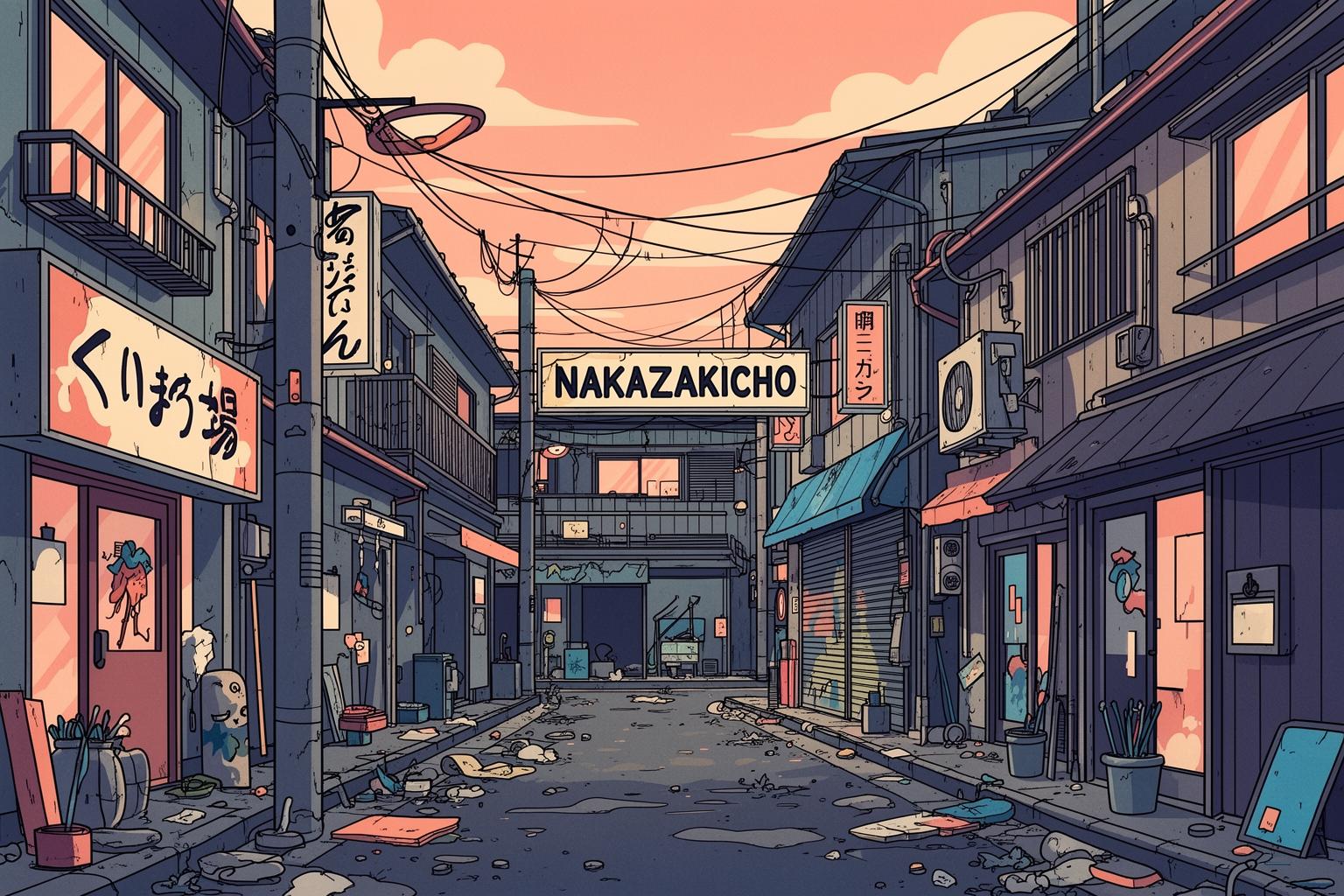
Exploring Nakazakicho is, above all, a sensory experience. The moment you leave the main road and step into one of its narrow alleys, the scale of the city transforms. The world shrinks to a human size. There are no sidewalks because there are no cars. The laneways form a tangled web, some barely wide enough for two people to pass, and getting lost is not just possible but an essential part of the adventure. Let your curiosity lead you. Follow the path that seems most intriguing. Rewards await around every corner.
The air here feels different. It carries the faint, sweet scent of soil from potted plants lining every doorway, the rich aroma of coffee roasting in a hidden cafe, and occasionally, the nostalgic fragrance of incense drifting from a small local shrine. The sounds are softer too. The city’s roar is replaced by cheerful chatter spilling from open doorways, the distant clang of a railway crossing, the rustle of leaves from an overgrown vine climbing a weathered wall, and the satisfying creak of wooden screen doors sliding open and shut.
Visually, it’s a feast for anyone who appreciates beautiful imperfection. Look up and you’ll see a chaotic yet charming tangle of electrical wires crisscrossing the sky—a distinctly Japanese urban scene. Look down and you’ll notice uneven stone paving and perhaps a hand-painted sign for a shop you might otherwise overlook. The buildings themselves are studies in texture: the dark, weathered grain of wooden slats, the rough surface of an old earthen wall, and the smooth, cool feel of decorative tiles set into facades. Dappled sunlight filters through narrow gaps between buildings, casting shifting patterns of light and shadow on the ground. You might spot a lazy cat napping on a sunlit tile roof, a tiny art installation tucked into a window frame, and bicycles leaning against walls covered in flourishing morning glories. This isn’t a polished, pristine version of old Japan; it’s authentic and lived-in, a place where the patina of age is celebrated as beauty. It feels less like a tourist spot and more like stumbling into a secret village—a vibrant community alive with quiet, creative energy.
Where Coffee and Creativity Converge
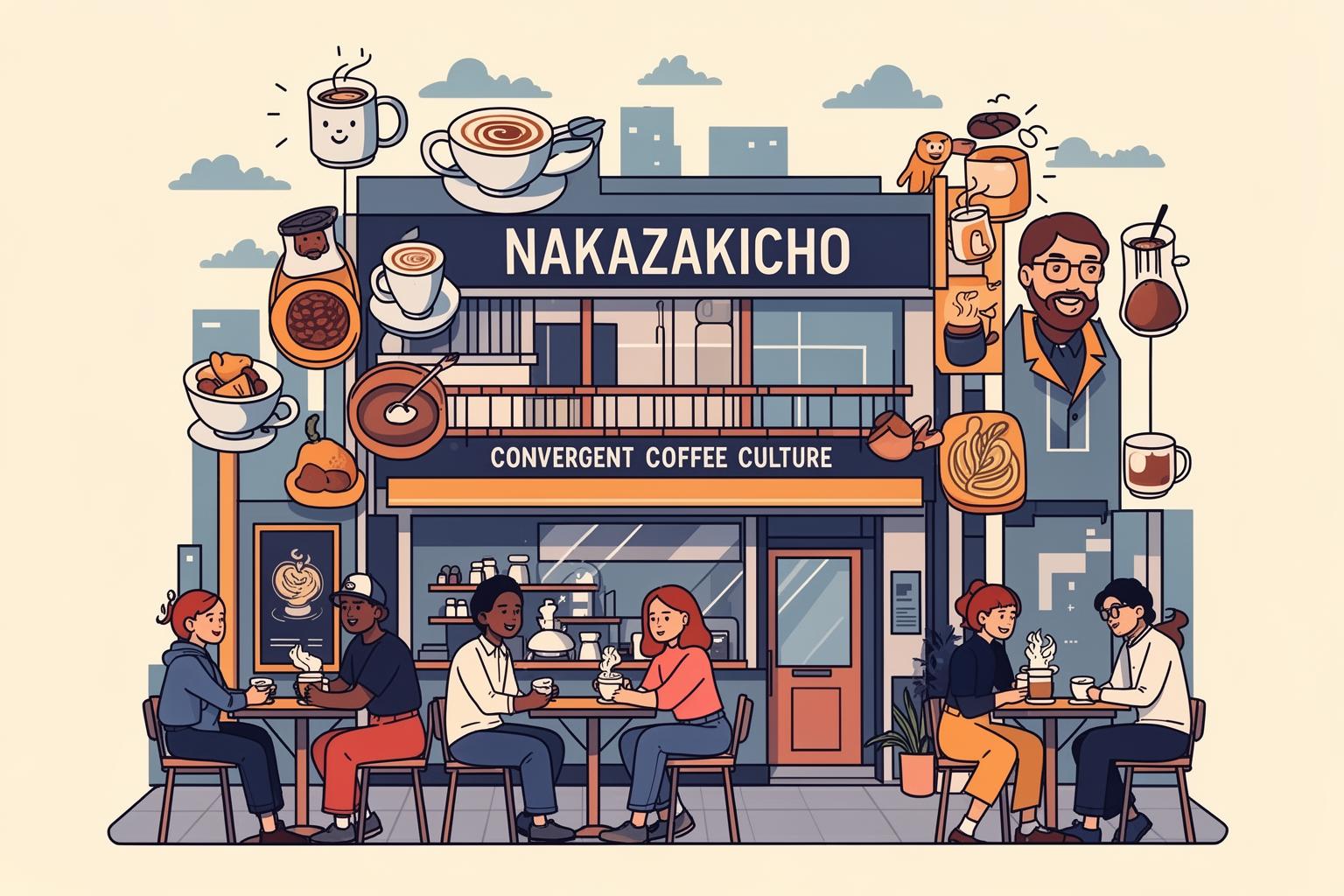
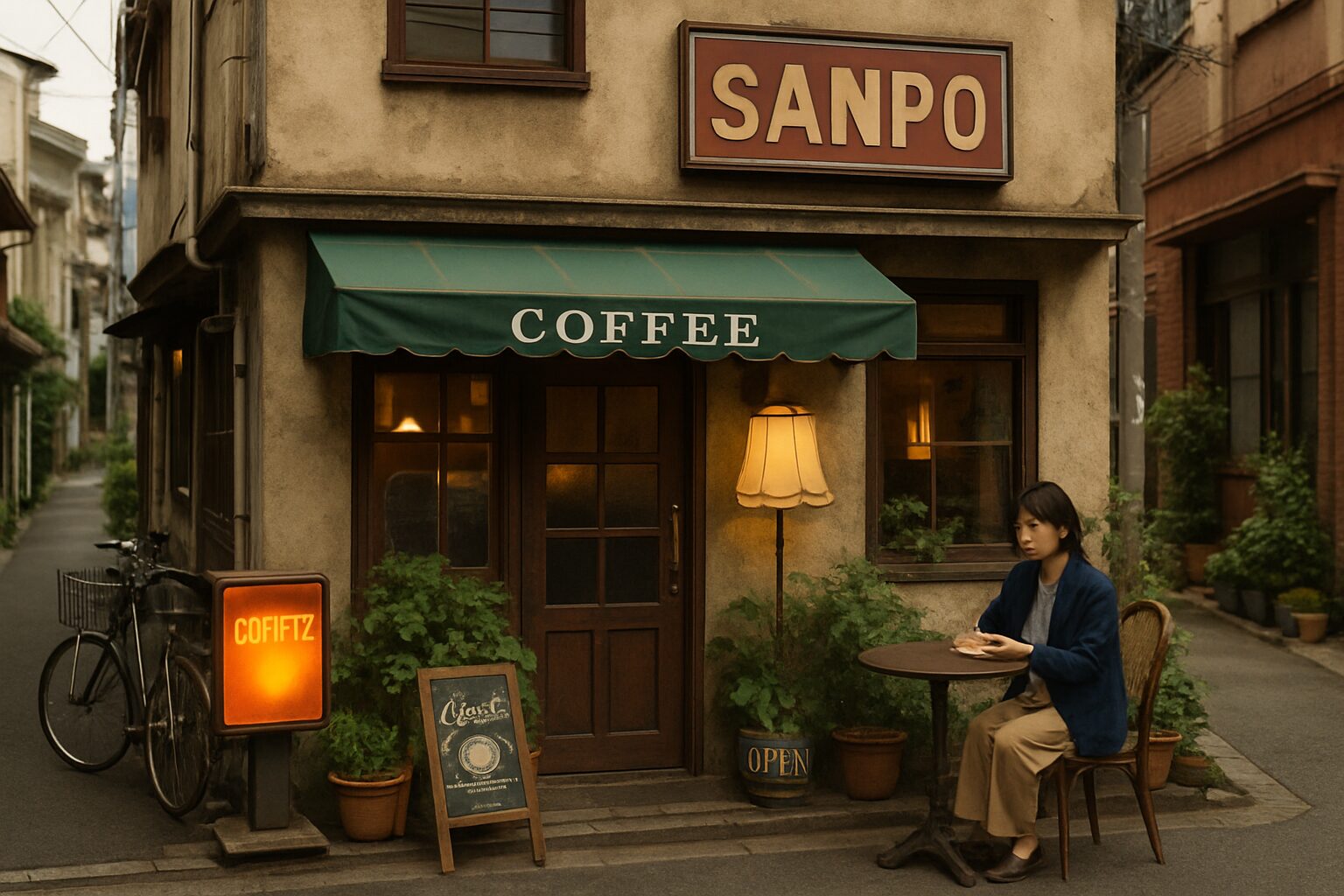
At the core of the Nakazakicho experience is its unmatched cafe culture. These are far from the typical, cookie-cutter coffee chains. Each cafe is a world unto itself, a deeply personal reflection of its owner’s passion, nestled within the historic framework of a traditional building. Cafe-hopping here is more than just a caffeine run; it’s a journey of exploration, a way to encounter diverse atmospheres, aesthetics, and stories. The thrill of discovering a cafe is part of the adventure—spotting a subtle, modest sign, slipping through a low doorway, and stepping into an entirely unexpected realm.
The Tatami Sanctuary: Discovering Zen in a Teacup
Some of Nakazakicho’s most enchanting cafes invite you to experience a traditional Japanese style of relaxation. You’ll recognize one by a small stone step and a cluster of shoes at the entrance. The first ritual is removing your footwear at the genkan (entryway) and stepping onto the cool, smooth wooden floors in your socks. The main seating area is frequently a room covered with tatami mats, the iconic woven rush flooring of Japanese homes. You’ll be offered a zabuton, a soft floor cushion, to sit on beside a low wooden table. The shift in posture, sitting closer to the ground, brings a soothing calmness. The air carries an earthy, clean scent from the tatami. Often, these cafes are designed around a tiny, exquisite inner garden called a tsuboniwa. A large window or sliding glass door frames a perfect view of a single maple tree, a moss patch, and a stone lantern, creating an atmosphere of serene tranquility. The menu enhances the ambiance, often including not just coffee but also premium matcha green tea, roasted green tea (hojicha) lattes, and a selection of delicate wagashi (traditional Japanese sweets) or beautifully crafted cakes. In a tatami cafe, time seems to slow. It’s a space meant for quiet conversation, reading, or simply gazing into the garden while the city’s stresses melt away.
The Artist’s Canvas: Cafes as Galleries
Echoing the neighborhood’s creative energy, many cafes also serve as art galleries, offering a vital platform for local artists. These spaces often feature minimalist designs that allow the artwork to shine. Imagine pristine white walls contrasting with dark, exposed timber beams from the original century-old ceiling. The furniture is simple yet elegant, chosen not to detract from the paintings, photographs, or sculptures on display. The art rotates regularly, so each visit brings a new experience. One month, you may be surrounded by vivid, abstract canvases; the next, you might sip your latte among poignant black-and-white street photography. Owners are typically deeply involved in the local art scene and are happy to discuss the artists featured. These gallery cafes hum with a quiet, intellectual energy. They are gathering places for creatives, where you might overhear an engaging conversation about a new exhibit or see an artist sketching in a corner. The coffee is always excellent but is part of a broader cultural experience—savoring art alongside your cappuccino. It’s a harmonious blend of Nakazakicho’s historic architecture and contemporary artistic spirit.
The Showa Era Time Capsule: A Nostalgic Journey
Step into another type of cafe, and you’ll be transported back to Japan’s Showa Era (1926–1989), a mid-20th-century boom period. These cafes, often styled as traditional kissaten (old-fashioned coffee shops), are heartfelt tributes to a bygone era of warmth and nostalgia. Interiors feature dark wood paneling, deep red or green vinyl booths, and the soft glow of Tiffany-style lamps. The air is rich with the aroma of dark-roast coffee, sometimes brewed theatrically with a siphon brewer bubbling on the counter. Shelves brim with memorabilia: vintage manga, antique clocks, rotary dial phones, classic movie posters, and quirky figurine collections. The soundtrack matters just as much, with old Japanese pop songs (kayōkyoku) or city pop playing softly from a vintage stereo. The menu is a comforting trip, offering classics like thick, fluffy Japanese toast (shokupan) topped with butter and sweet red bean paste, hearty Napolitan spaghetti (a uniquely Japanese ketchup-based pasta), and vibrant melon cream sodas crowned with vanilla ice cream and a bright cherry. These cafes are more than just places to drink coffee; they’re immersive, lovingly curated time capsules that offer a nostalgic embrace for Japanese patrons and an intriguing cultural glimpse for visitors.
The Artisan’s Roastery: For the Dedicated Coffee Enthusiast
Finally, among the more atmospheric cafes are sanctuaries for true coffee purists. These are spots where coffee craftsmanship is elevated to an art form. The contrasts are striking: a sleek, gleaming chrome espresso machine or a line of delicate glass pour-over drippers set against the rustic backdrop of original clay walls or massive wooden beams. The focus is firmly on the bean. The owner is often a master roaster and barista who can speak in depth about the flavor profiles of their single-origin offerings, whether it’s the fruity, floral notes of an Ethiopian Yirgacheffe or the lush, chocolatey richness of a Guatemalan Antigua. The air is filled with the intoxicating aroma of freshly roasted beans, sometimes roasted in a small roaster in the back. The menu is typically simple: black coffee prepared with meticulous care, and perhaps a latte or cappuccino. No syrups, no elaborate toppings—just an homage to the coffee’s pure flavor. Seating may be limited to a few stools at the counter, encouraging conversation with the barista as they perform their precise, meditative ritual of grinding, weighing, and brewing. For those who see coffee as more than a morning pick-me-up, these artisan roasteries are essential pilgrimage destinations.
Unearthing Hidden Treasures
While the cafes are undoubtedly the main attraction, the charm of Nakazakicho reaches far beyond its coffee culture. The same winding alleys host a delightful variety of independent shops and creative spaces, making it a haven for those who enjoy browsing and discovering unique finds. This truly stands in contrast to mass-market consumerism; nearly everything here is curated, handmade, or vintage, sold by passionate owners who truly love their craft.
Many of the most enchanting storefronts belong to zakka shops. The Japanese concept of zakka is difficult to translate precisely but refers to a diverse range of thoughtfully designed miscellaneous goods that brighten your home and daily life. It’s about finding happiness in small, everyday objects. These shops are carefully curated treasure troves, filled with items like beautifully hand-thrown ceramic mugs and bowls by local potters, charming stationery with whimsical designs, delicately hand-printed textiles, quirky accessories, and cleverly designed homewares. Each piece feels special, selected for its beauty, functionality, and craftsmanship. They are ideal spots to find meaningful souvenirs that stray far from typical tourist trinkets.
Nakazakicho is also a hub for vintage and secondhand clothing. Yet, these aren’t your average thrift stores brimming with random cast-offs. The boutiques here are meticulously curated, each embodying its own distinct style and aesthetic. You may encounter shops specializing in exquisitely preserved kimonos and haori jackets, some ingeniously repurposed into modern wearable art. Others might offer premium American workwear and denim from the 1970s and 80s, while still others showcase a whimsical collection of retro dresses and accessories drawn from Japan’s fashion history. It’s a stylish and sustainable way to shop, often leaving you with a truly unique piece that carries its own narrative.
Beyond shopping, the neighborhood is sprinkled with small, independent art galleries and artist studios. Often no larger than a single room, you might glance through a window and see a potter focused at their wheel, a leatherworker hand-stitching a wallet, or a painter at their easel. Some workshops welcome the public, offering a close-up view of the creative process and the chance to purchase works directly from the artist. This direct relationship between creator and customer is increasingly rare today and lies at the heart of Nakazakicho’s appeal. Here, you’re not just buying an object; you’re supporting a local artist and bringing home a piece of the neighborhood’s creative spirit.
Your Compass for Nakazakicho
Navigating this delightful maze is part of the charm, but a few practical tips will help you fully enjoy your visit.
Getting There
Nakazakicho’s excellent location is one of its greatest advantages. It’s conveniently close to the Umeda/Osaka Station hub, making access easy. The simplest route is to take the Osaka Metro Tanimachi Line (the purple line) just one stop from Higashi-Umeda Station to Nakazakicho Station. Use Exit 2, and you’ll find yourself right at the heart of the neighborhood’s main street. Alternatively, if you prefer a walk and want to witness the striking shift from modern to traditional, it’s a pleasant 15 to 20-minute stroll eastward from Hankyu Umeda Station. Just head toward the elevated JR loop line tracks and pass underneath them; you’ll notice the atmosphere beginning to change almost immediately.
When to Go
Your experience in Nakazakicho can vary significantly depending on your timing. For a quiet, reflective visit with fewer crowds, aim for a weekday afternoon. This is the ideal time for photography, as you may often have whole alleyways to yourself, plus a better chance to find a seat at popular cafes without waiting. Weekends—especially Saturday and Sunday afternoons—are when the area truly buzzes with life. The streets fill with an energetic mix of locals and tourists, creating a lively atmosphere. However, expect queues at the more well-known spots. One important tip: many small, independent shops and cafes in Nakazakicho close on Mondays and/or Tuesdays, a common practice in Japan. To avoid disappointment, it’s wise to check the latest opening hours and closing days on individual shops’ or cafes’ social media accounts (Instagram tends to be the most current) before you go.
What to Bring
First, wear your most comfortable walking shoes. You’ll be spending hours on your feet, navigating uneven pavement and winding through countless lanes. Second, although Japan is becoming more credit card-friendly, Nakazakicho is still home to many small, independent businesses that mostly accept cash only. It’s essential to carry enough Japanese yen to cover coffee, snacks, and any unique finds you might wish to buy. Lastly, bring a curious and open mind. The greatest joy of the neighborhood lies in unplanned discoveries, so be prepared to stray from any set itinerary.
Local Etiquette
Remember that Nakazakicho is not just a commercial area; it’s a living residential neighborhood. People’s homes are nestled between the very cafes and shops you’ve come to explore. Please be a respectful visitor. Keep your voice down, especially when walking through the quieter residential alleys. Be considerate when taking photos; although the buildings are charming, avoid pointing your camera directly at private homes or capturing residents without their consent. A smile and a polite nod to those you pass can make a big difference. By being a thoughtful guest, you help maintain the peaceful and welcoming atmosphere that makes this neighborhood so uniquely special for everyone.
Embrace the Art of Getting Lost
In a city as fast-paced and forward-thinking as Osaka, Nakazakicho serves as a gentle, essential reminder of the beauty found in slowing down. It’s a neighborhood that rewards those who are curious and patient. More than just a collection of retro cafes and charming shops, it invites you to engage with the city on a more intimate, human level. It’s about appreciating the skill of a barista, the vision of an artist, and the resilience of a community that has preserved its history against all odds.
So, on your next free day in Osaka, set aside detailed plans and digital maps. Give yourself the gift of a few hours to simply wander. Follow the scent of roasting coffee down an unfamiliar lane, let a colorful mural catch your attention, or push open a door that seems intriguing. Chat with a shop owner. Sit on a tatami mat and watch the leaves rustle in a tiny garden. Allow yourself to become completely and wonderfully lost in the timeless labyrinth of Nakazakicho. The best discoveries here won’t be found in any guidebook; they’ll be the personal moments of connection and quiet beauty that you uncover on your own.