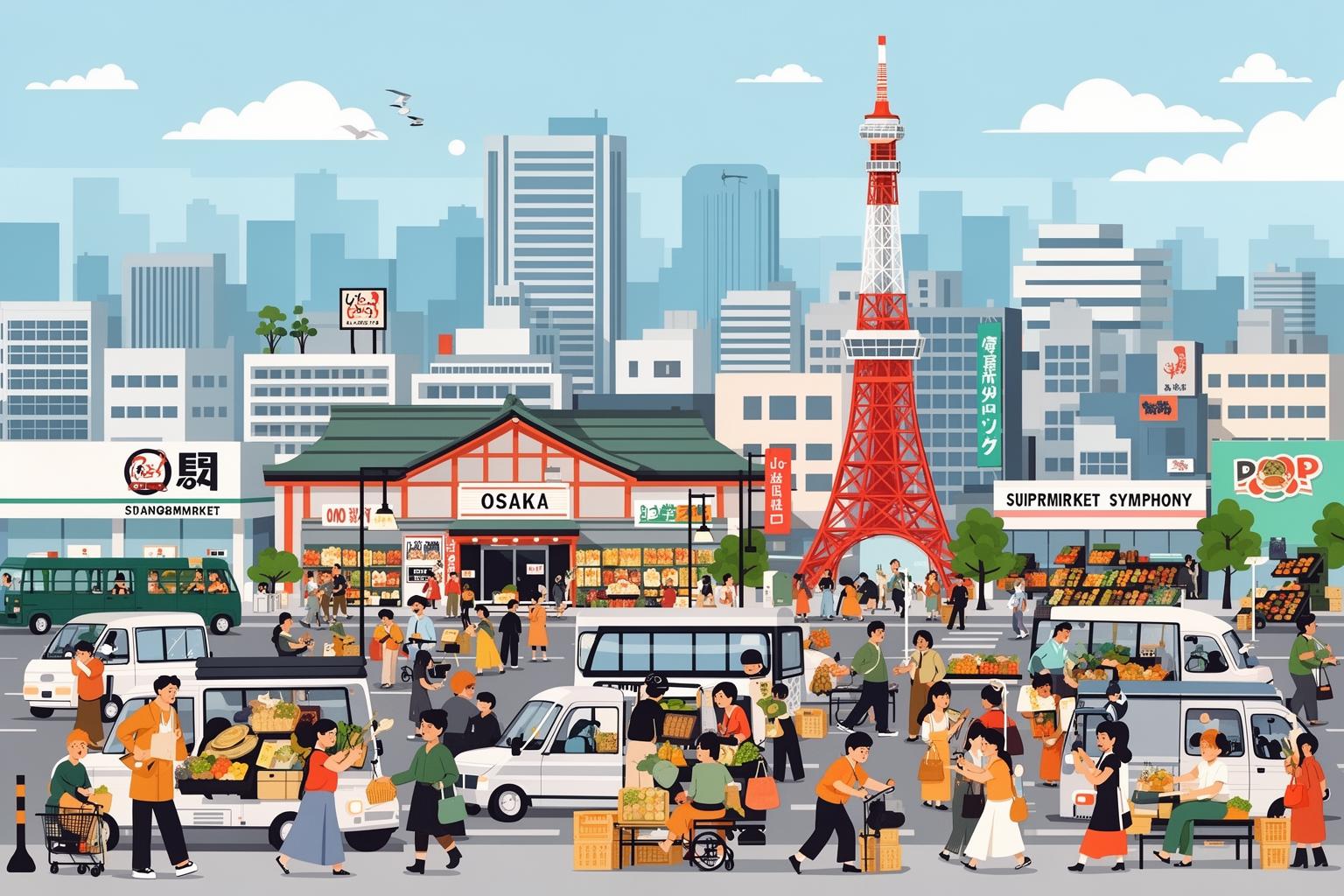
They call Osaka Tenka no Daidokoro—The Nation’s Kitchen. It’s a title worn with a fierce, yet casual pride, a reputation built on centuries of being the distribution hub for rice and produce for the entire archipelago. Today, that reputation manifests in the steam rising from a takoyaki stand, the sizzle on an okonomiyaki griddle, and the impossibly long queues for a famed ramen shop. But to truly understand the relentless, delicious heartbeat of this city, you must look past the street food stalls and the Michelin-starred restaurants. You must venture into the bright, noisy, and utterly captivating world of the local supermarket. This is where the philosophy of kuidaore—to eat oneself into ruin—is not a tourist slogan but a daily, meticulously planned practice. It’s a world that exists on a spectrum, from the refined, quiet halls of gourmet grocers to the gloriously chaotic, neon-drenched aisles of the one and only Super Tamade. To walk through these automatic doors is to take a step into the real, unvarnished soul of Osaka, a place where the city’s profound love for food, its legendary thriftiness, and its pragmatic, no-nonsense character all converge under the steady hum of fluorescent lights. This is not just shopping; it’s a cultural immersion, a daily ritual that defines life in the Nation’s Kitchen.
This daily ritual of culinary immersion is as essential to understanding Osaka as experiencing the city’s unique social culture in a traditional neighborhood sento.
The Symphony of the Supermarket: An Overture in Light and Sound
The experience starts with a gentle whoosh. The automatic doors slide open, and you step not just into a building, but into a carefully designed sensory environment. The first thing that welcomes you is a wall of sound and scent. A cheerful, high-pitched electronic jingle, unique to the store chain, plays on an endless loop—a melody that will embed itself into your subconscious for the rest of the day. This is immediately followed by a chorus of staff voices, a cascade of energetic “Irasshaimase!” (Welcome!), echoing from the cash registers to the back of the store. It’s a greeting that feels both automatic and genuinely warm, providing a constant vocal reassurance that you have entered a space dedicated to service.
The air itself is a rich tapestry of smells. Near the entrance, the clean, earthy scent of fresh produce dominates—the sharp aroma of cut daikon radish, the subtle sweetness of ripe strawberries, the green fragrance of shiso leaves. As you move further in, this yields to the savory, mouth-watering scents of the sozai, or prepared foods section. It’s a tantalizing blend of frying oil from the tempura and korokke, the sweet and savory soy glaze of teriyaki chicken, and the comforting aroma of freshly cooked rice from the bento box assembly line. Deeper still, the sharp, briny scent of the ocean rises from the fish department, a testament to the freshness of the daily catch. It’s a symphony of aromas that tells the story of meals yet to come.
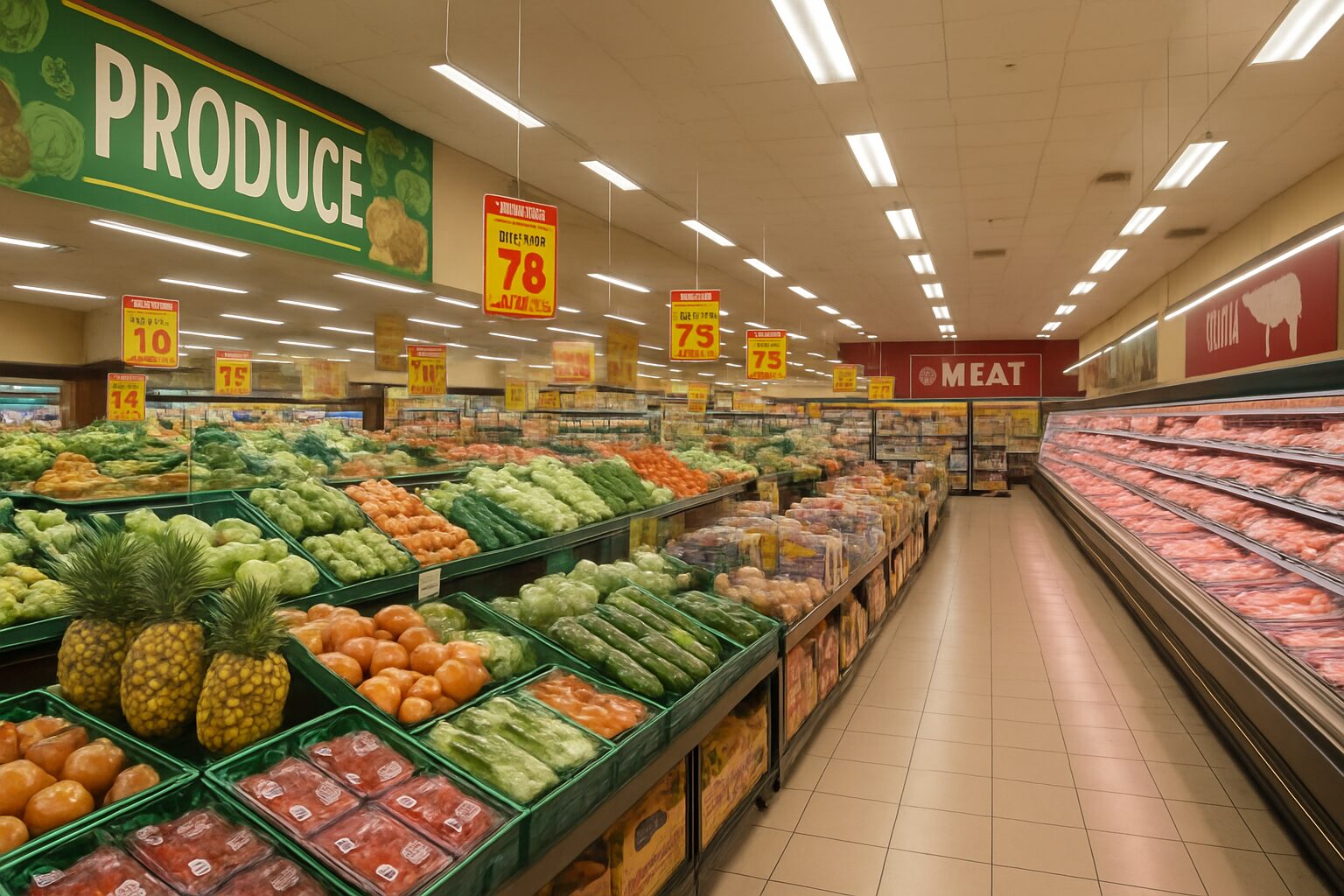
Visually, the Japanese supermarket is a study in organized abundance. The lighting is consistently bright, flat, and fluorescent, designed for maximum clarity, leaving no blemish on a piece of fruit or fish unnoticed. Every surface seems to gleam. Produce is stacked with geometric precision, a vibrant mosaic of reds, greens, and yellows. Hand-written signs—a flurry of katakana and hiragana rendered in thick marker pen—shout the day’s bargains in bursts of bright orange and yellow paper. They’re pinned to shelves, hung from the ceiling, and taped to refrigerator doors, creating a sense of dynamic, urgent opportunity. The aisles are a river of humanity—mothers with children in tow, elderly couples moving at a steady pace, office workers in suits grabbing a quick bento for lunch. This is not the quiet, contemplative shopping experience of a European market; it is a bustling, energetic, and highly functional ecosystem, a perfectly calibrated machine designed for the daily, essential task of feeding a city that lives to eat.
Super Tamade: The Electric Heartbeat of Osakan Frugality
Then there is Super Tamade. To call Tamade just a supermarket is like calling a bolt of lightning a mere spark. It is an institution, a local legend, and a cultural icon embodying the most extreme—and perhaps most authentic—aspects of Osaka’s character. You don’t simply come across a Super Tamade; it announces itself from blocks away. Its exterior is an unapologetic assault on the senses, a wild burst of garish yellow and fire-engine red. The walls are covered with enormous, roughly drawn mascots and blazing neon signs that flash and blink with the intensity of a Las Vegas casino or a pachinko parlor. Giant, three-dimensional models of sea bream or pufferfish often hang from the facade, their glass eyes staring blankly down at the street. At night, a Super Tamade store doesn’t just light up the block; it floods it with an otherworldly, pulsating yellow glow. It is a deliberate, calculated rejection of subtlety, a beacon for bargain hunters across the city.
This aesthetic directly reflects its core philosophy: radical, uncompromising cheapness. Tamade is founded on the very bedrock of the Osakan spirit of kechinbo—a word often translated as ‘stingy’ but more accurately understood as a deeply ingrained cultural shrewdness and an absolute refusal to pay more than necessary. This principle is best exemplified by Tamade’s legendary “1-Yen Sale.” This is no myth. On any given day, customers who spend over 1,000 yen can purchase a selection of items for the nominal price of a single yen. These are not insignificant products; they might include a carton of eggs, a block of tofu, a pack of udon noodles, or a bottle of tea. This promotion is more than a marketing gimmick; it is a masterful piece of commercial theater. It breeds a treasure-hunt mindset, turning an ordinary shopping trip into a quest for unbelievable bargains and fostering a loyal customer base who plan their visits with strategic care.
Stepping inside a Super Tamade means leaving conventional retail behind. The aisles are narrow, often packed with precariously stacked boxes and overflowing displays. The relentless store jingle is louder here, the fluorescent lights harsher. The hand-written signs are even more chaotic, a flurry of red and black ink detailing prices that seem impossibly low. The selection is specifically tailored to budget-conscious shoppers. You’ll find enormous trays of meat with uncertain origins, massive bags of rice, and a bewildering array of inexpensive fish and obscure cuts of horumon (offal) that are essential to Osaka’s working-class cuisine. The bento boxes and sozai are famously, almost suspiciously, cheap, with whole meals priced less than a cup of coffee. The quality is, to put it mildly, variable. Tamade is not the place for artisanal cheese or organic, farm-to-table vegetables. It’s where you go to stretch your yen farther than you imagined possible. It is a place of pure, unvarnished pragmatism, a raw and honest reflection of an Osaka that works hard, saves hard, and eats heartily. Watching the diverse clientele—the elderly lady counting her coins carefully, the student stocking up on instant noodles, the young mother filling her basket with discounted sausages—is to witness the economic engine of the city at its most fundamental level.
The Everyday Sanctuaries: Life, Mandai, and the Rhythm of Reliability
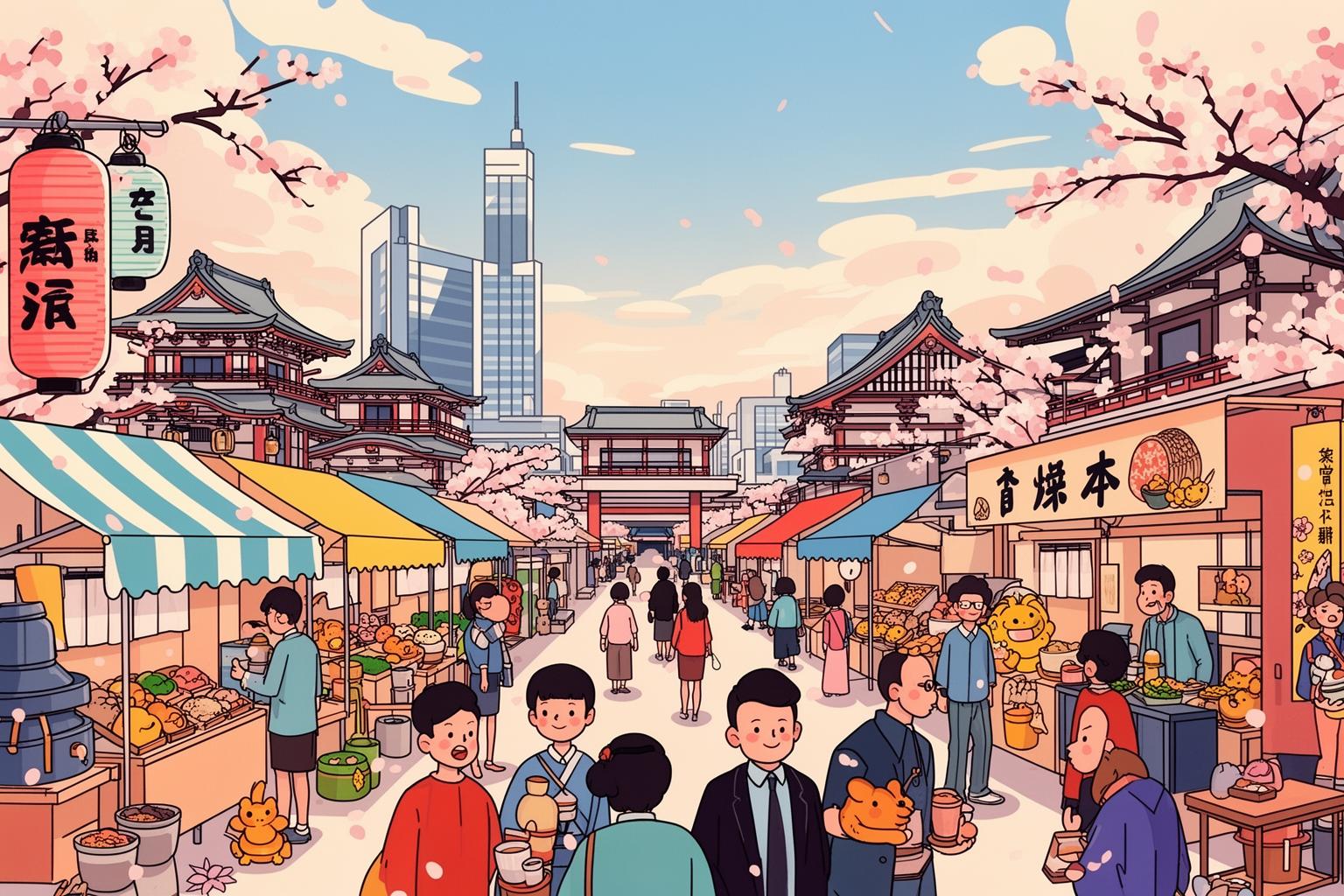
While Super Tamade embodies the thrilling, chaotic edge of Osaka’s grocery scene, most of the city’s residents rely on a network of large, dependable, and fiercely competitive supermarket chains for their everyday needs. These supermarkets serve as the backbone of the food industry, where the weekly shopping routine takes place with reassuring consistency. Among these giants are Life Corporation and Mandai, two chains with stores that are ubiquitous throughout the Kansai region.
Stepping into a Life supermarket means entering a space defined by clean lines, spacious aisles, and bright, well-organized layouts. It strikes a comfortable balance between Tamade’s aggressive price cuts and the exclusivity of gourmet grocers. Life emphasizes freshness, quality, and affordability. Their produce section is spotless, the fish is fresh, and the meat is neatly packaged with clear labels. They have also heavily invested in their private brand, “Smile Life,” which offers everyday essentials such as milk, bread, sauces, and frozen foods at slightly lower prices than name-brand items. The environment is calm and welcoming to families, with the shopping experience designed for minimal hassle. Life also excels in customer loyalty programs—its point card is a staple in nearly every Osakan’s wallet, and special discount days offering 5% off entire purchases are marked on household calendars, often determining the main shopping day each week.
Mandai provides a similar experience but with its own unique character. Frequently positioned in direct competition with nearby Life stores, Mandai aggressively battles on price, especially with fresh produce. Mandai stores often feel more lively and grounded than Life’s, creating a vibrant shopping atmosphere. A defining feature of Mandai is its jingle. The catchy, upbeat tune—“Ningen, Aisuru, Mandai” (Mandai, Loving People)—has become a local cultural icon, so ingrained that nearly any Osakan can sing it instantly. This highlights the power of branding in a competitive market where supermarkets function not just as stores but as essential parts of the community fabric.
A key aspect of life with these supermarkets is the culture of the chirashi, the weekly advertising flyer. These brightly colored and densely packed sheets land in mailboxes throughout the city, serving as sacred texts for the thrifty shopper. Spread out on the kitchen table, the chirashi shapes the week’s menu. It highlights tokubai (special sale) items with bold graphics and eye-catching prices: pork belly at 98 yen per 100 grams on Tuesday, a head of cabbage for 128 yen on Wednesday, eggs for 158 yen on Thursday. The Osakan homemaker becomes a strategy expert, planning shopping trips across multiple stores to capitalize on the best deals each day’s flyer offers. This is viewed not as a chore but as a skillful exercise in managing household finances—a small triumph in the ongoing pursuit of economic efficiency.
For the Discerning Palate: Ikari, Seijo Ishii, and the Pursuit of Premium
At the opposite end of the spectrum from Super Tamade lies the tranquil and refined world of the koukyuu suupaa, or high-end supermarket. These stores cater to a different kind of food passion—one focused not on price, but on quality, rarity, and international flavors. The undisputed leader in this category is Ikari Supermarket. Stepping into an Ikari is like entering a food museum. The lighting is soft and warm, classical music plays gently in the background, and the aisles are spacious enough to feel calm even when busy. The staff are impeccably trained, providing a level of service more reminiscent of a luxury department store.
The products offered are carefully curated. Here you’ll find items simply unavailable in a typical supermarket: a wide range of imported French and Italian cheeses, freshly baked artisanal bread, a wine cellar stocked with bottles from around the globe, and prime cuts of expertly marbled Wagyu beef that can cost a small fortune. The produce section features organic vegetables sourced from specific, named farms, alongside perfectly formed, blemish-free fruits often presented in elegant gift boxes. Ikari is the destination for ingredients for a special occasion dinner, a rare spice for a foreign recipe, or simply to indulge in a luxury you won’t find elsewhere. It embodies an aspirational side of Osaka’s food culture, quietly acknowledging that sometimes, quality is worth the price.
Seijo Ishii inhabits a similar niche but with a slightly different emphasis. Also a premium grocer, Seijo Ishii has built its reputation on an exceptional selection of imported goods and its own line of gourmet prepared foods. It’s the place to find authentic Thai curry pastes, high-quality Italian pasta, or American craft beer. Their own brand of desserts, especially their rich, dense cheesecake, has developed a cult following. Seijo Ishii stores are often located in prime spots within major train stations, catering to commuters and affluent city-dwellers seeking something special to take home for dinner. Together, Ikari and Seijo Ishii serve as a vital counterpoint to budget-oriented chains, demonstrating that Osaka’s kuidaore spirit embraces not only quantity and value but also a deep appreciation for exceptional quality and global flavors.
Gyomu Super: The Professional’s Pantry for the Public
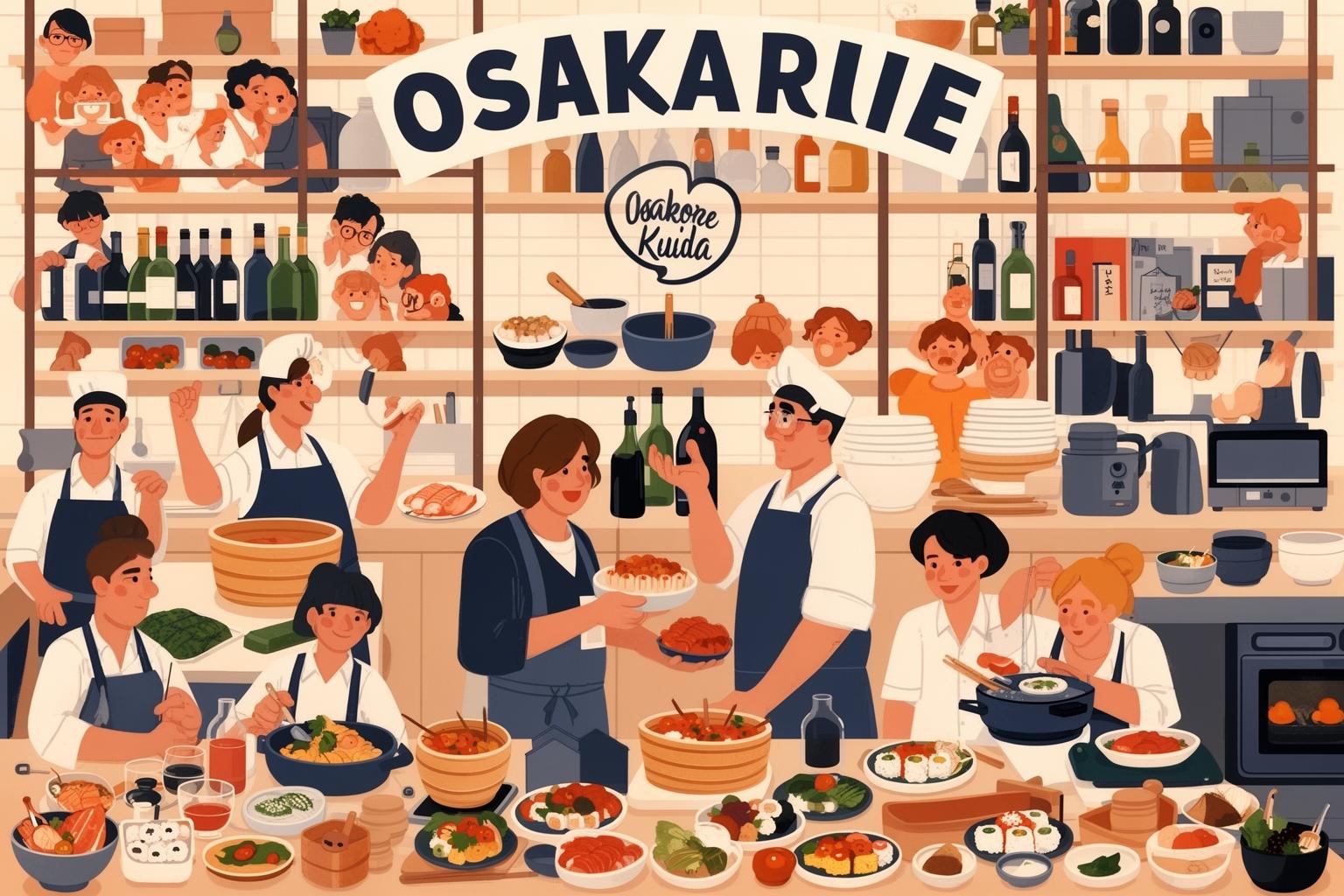
Gyomu Supermarket occupies a distinctive niche in the grocery ecosystem, with a name that literally means “Business Supermarket.” As the name implies, these stores were originally designed to cater to the restaurant and food service industries. However, they are open to the general public, and savvy shoppers have long since uncovered the incredible value within their vast, warehouse-style spaces. Shopping at Gyomu Super is a fundamentally different experience—an unpretentious setting with concrete floors and industrial shelving stocked high with products in impressively large quantities.
This is the ultimate destination for bulk buying. You don’t purchase a small jar of spices; you buy a huge bag. You don’t pick up a single can of tomatoes; you buy a whole case. The frozen food section is especially noteworthy—a wide array of freezer chests loaded with large bags of frozen vegetables, chicken, seafood, and ready-made items like gyoza and korokke, all offered at rock-bottom prices per unit. Gyomu Super is also a goldmine for international ingredients. Thanks to its global supply chain, you can find authentic sauces from Southeast Asia, massive blocks of cheese from Europe, and spices from the Middle East at a fraction of what premium grocers charge. It embodies another aspect of Osakan thriftiness: the strategic long-term saving that comes from stocking a pantry. It’s the go-to spot before a big family gathering or barbecue, or for anyone with enough freezer space to benefit from economies of scale. It’s pragmatism at its most straightforward and oversized.
A Journey Through the Aisles: Deconstructing the Osakan Shopping Cart
To truly understand the culture, one must follow the path of the local shopper to grasp the logic and flow of a typical grocery trip. The ritual starts at the entrance with grabbing a shopping cart and often placing a smaller, hand-held basket inside it—a system that makes unloading at checkout easy. The journey almost always begins in the Seika Uriba, the fruit and vegetable section.
Here, the concept of shun (seasonality) is paramount. The Japanese culinary calendar is deeply connected to the changing seasons, and the produce section is its most vibrant showcase. In spring, shelves overflow with tender bamboo shoots (takenoko) and strawberries. Summer brings heavy watermelons and a variety of vegetables ideal for grilling. Autumn heralds sweet persimmons (kaki), fragrant matsutake mushrooms, and sweet potatoes for yaki-imo. Winter offers heaps of hakusai (napa cabbage) and long, white daikon radishes, essential for warming nabe hot pot dishes. The presentation is an art form itself. Fruits are often flawless, sometimes individually wrapped or cushioned to avoid bruising. Vegetables are neatly bundled or pre-chopped into convenient packs for specific dishes—a “curry set” with potatoes, carrots, and onions, or a “yakisoba set” with cabbage, bean sprouts, and carrots. This is not merely produce; it is a curated array of culinary possibilities.
Next, one moves to the Sengyo Uriba, the fish department, which is the soul of the Nation’s Kitchen. The air is cool and scented with the sea. Shimmering whole fish rest on beds of crushed ice, their eyes clear and bright. Nearby, perfectly portioned fillets (kirimi) await grilling or simmering, alongside beautiful, deep-red blocks of tuna (saku) for slicing into sashimi at home. The selection is vast and seasonal. The arrival of sanma (Pacific saury) in autumn is a celebrated event, its long, silver body perfect for grilling whole with salt. Winter brings fatty buri (yellowtail), ideal for teriyaki or simmering in soy sauce. Alongside the finfish, an incredible variety of other sea creatures popular in the local diet can be found: glistening squid, enormous octopus tentacles destined for takoyaki, and a multitude of shellfish.
The Seiniku Uriba, or meat department, offers another spectacle. Pork, chicken, and beef are staples. Pork is often sold in paper-thin slices, perfect for quick-cooking dishes like shogayaki (ginger pork) or for dipping into a bubbling hot pot. Chicken is precisely broken down into parts: thigh meat (momo), breast meat (mune), wings (tebasaki), and even cartilage (nankotsu) for grilling into yakitori. And of course, there is beef, ranging from affordable imported cuts to the sublime, domestically produced wagyu, its meat so intensely marbled it appears almost pink. Watching a butcher meticulously arrange these cuts is a daily piece of theater.
However, the true heart of a Japanese supermarket, and arguably the most culturally significant section, is the prepared foods area. The world of sozai and bento is a cornerstone of modern Japanese life, offering a delicious and convenient solution for busy families, single professionals, or anyone without the time or inclination to cook from scratch. The display cases are a feast for the eyes: golden-brown korokke filled with potato or cream, mountains of crispy karaage (Japanese fried chicken), delicate vegetable and shrimp tempura, glistening yakitori skewers, and perfectly grilled fillets of mackerel or salmon. The bento boxes themselves are complete, balanced meals featuring a main protein, a portion of rice, and several small, artfully arranged side dishes like pickled vegetables and rolled omelet slices. This section is a lifesaver, but also the stage for one of the most exciting daily rituals: the evening discount hunt. A few hours before closing, a staff member appears with a sticker gun, sparking a quiet, polite frenzy. Shoppers who have been circling the area converge as items are marked down with stickers for 20% off, then 30% off, and finally the coveted red sticker for han-gaku—half price. Scoring a half-price tonkatsu or bento is a moment of pure triumph, perfectly capturing Osaka’s love for great food and a good deal.
The Final Act: Checkout and Beyond
The final stage of the shopping journey is the checkout, a process honed to near-perfect efficiency. The cashiers exemplify Japanese customer service—quick, precise, and consistently polite. They greet you, verify your total, inquire about your point card, and handle your payment with seamless grace, all while maintaining a steady flow of courteous language. The true skill, however, often comes after payment. Most Japanese supermarkets have separate bagging counters called sakudai, where customers take their paid baskets and pack their own groceries. This communal, self-service system keeps the checkout lines moving swiftly. The store provides everything you might need: plastic bags (now frequently available for a small fee to encourage reusable eco-bags), ample counter space, and often complimentary amenities such as ice machines to keep cold items fresh for the journey home and purified water dispensers for customers to refill bottles. It’s a system built on trust and shared responsibility. With your bags neatly packed, you give a final nod to the staff, receive a parting “Arigatou gozaimashita!” (Thank you very much!), and step back out into the city, your mission complete.
Tips for the Intrepid Shopper
For a newcomer, navigating an Osakan supermarket can be both delightful and occasionally confusing. A few tips can help make the experience smoother. First, timing is crucial. To avoid peak crowds, try shopping on weekday mornings. For the best discounts on fresh and prepared foods, visit within the last hour or two before closing. Second, although credit cards and electronic payments are commonly accepted, it’s prudent to carry some cash, especially for smaller neighborhood shops. Third, embrace the seasons. Rather than searching for out-of-season fruits or vegetables, base your meals on what is fresh, plentiful, and discounted. This is the authentic Japanese approach to cooking and eating. Finally, don’t hesitate to explore and ask questions. The wide variety of products—from numerous types of miso and soy sauce to the unusual and fascinating sea creatures—invites culinary curiosity. A simple gesture and a curious look will almost always receive a helpful response from staff or even fellow shoppers.
Strolling through the aisles of an Osaka supermarket is more than just buying food. It’s participating in a vital daily ritual, witnessing the city’s values reflected on the shelves. It’s a place of community, a stage for commerce, and a living archive of the region’s rich culinary traditions. Whether you’re dazzled by the neon lights of Super Tamade, calmed by the refined ambiance of Ikari, or strategically planning your shopping around the Life chirashi deals, you are experiencing the true, vibrant heart of the Nation’s Kitchen. The greatest pleasure lies not only in finding a bargain or a rare ingredient but in taking those items home, preparing a meal, and feeling, even briefly, deeply connected to the delicious, unending rhythm of life in Osaka.