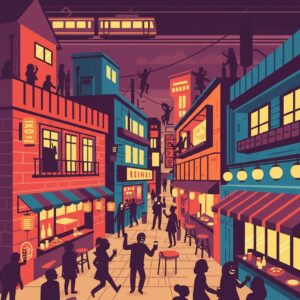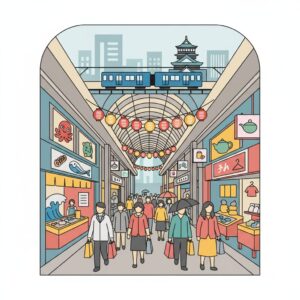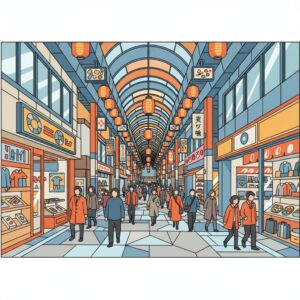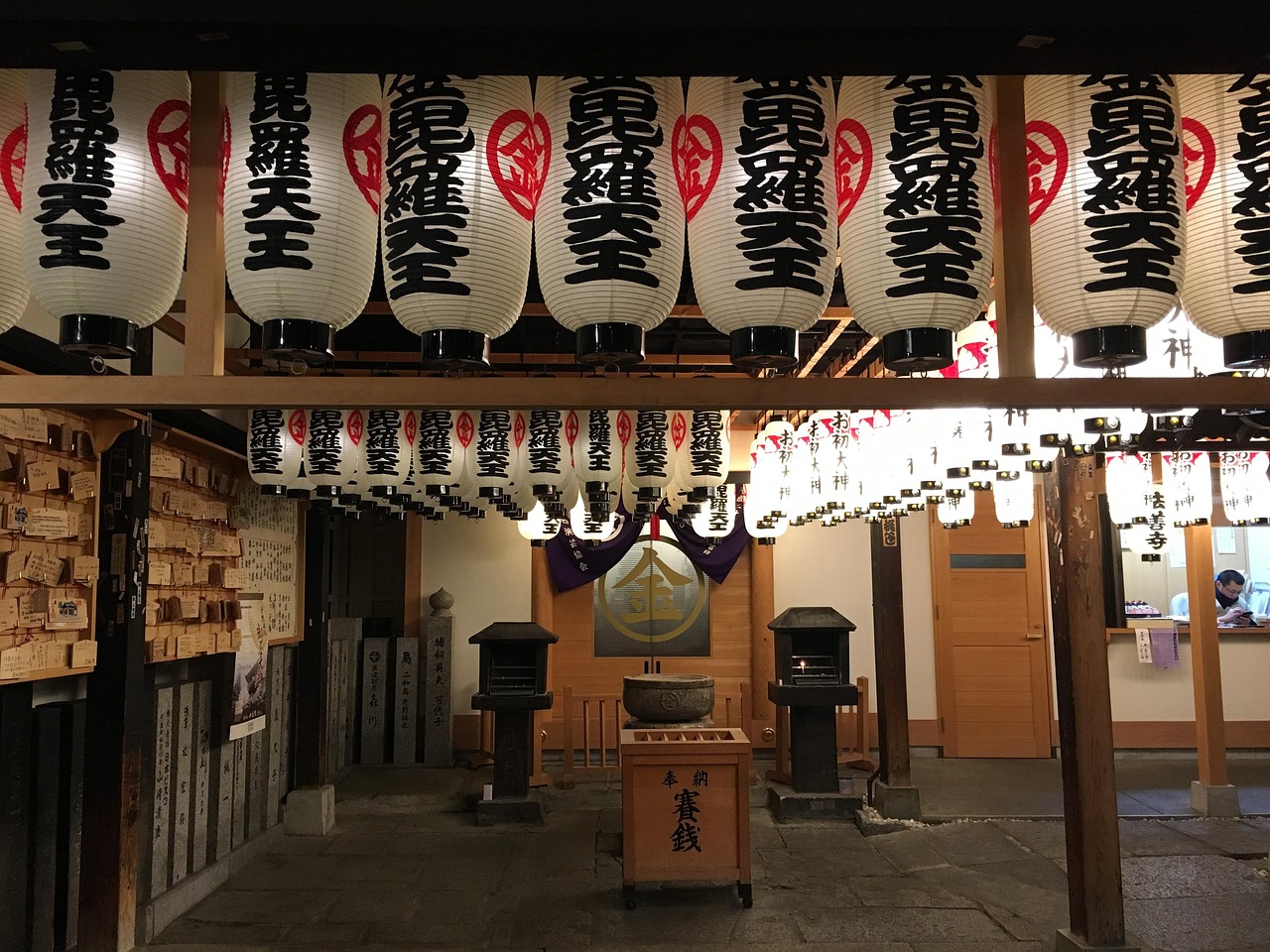
Osaka. The name itself crackles with energy, a city that pulsates with a rhythm all its own. It conjures images of neon-drenched streets, colossal crab signs moving their mechanical claws, and the boisterous, life-affirming creed of ‘kuidaore’—to eat oneself into ruin. You can feel this electric pulse strongest in Namba, the city’s southern heart, a whirlwind of shopping arcades, crowded bridges, and the iconic Dotonbori canal reflecting a million shimmering lights. It’s a spectacular, dizzying dance of modernity. Yet, tucked away just a whisper from this vibrant chaos, lies a portal to another time. A narrow, stone-paved artery that beats with a slower, more deliberate heart. This is Hozenji Yokocho, an alley where the glow of paper lanterns replaces the glare of LEDs, and the scent of grilling delicacies and temple incense hangs in the air, a fragrant ghost of old Naniwa, the ancient name for Osaka. To step into this yokocho is to step out of the present. It’s a journey of a few feet that transports you back centuries, offering not just a meal, but an atmospheric immersion into the soul of a city that has masterfully preserved its past amidst relentless progress. It’s here, under the watchful gaze of a moss-covered deity, that you’ll discover the true, enduring flavor of Osaka.
For a different kind of cultural immersion, consider experiencing the profound artistry of Bunraku puppet theater.
The Heart of Naniwa: A Step into a Different Era
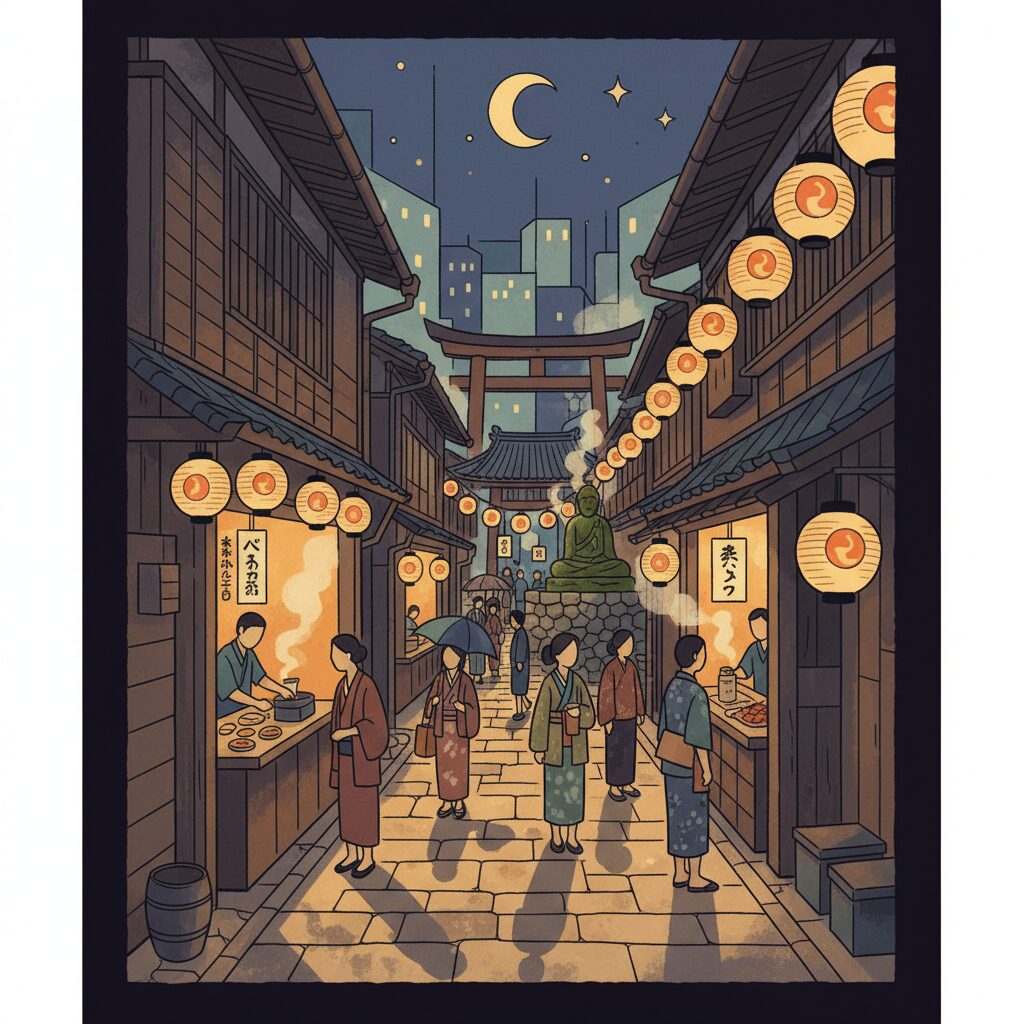
Hozenji Yokocho is more than just an old street; it stands as a living testament to Osaka’s resilience and profound respect for tradition. The alley stretches east-west, bordering the modest grounds of Hozenji Temple, from which it takes its name. Its roots date back to the Edo period, when the temple grounds were bustling with small teahouses and stalls catering to worshippers and theater-goers from the nearby Dotonbori entertainment district, which was then the heart of Bunraku puppet theater and Kabuki. The atmosphere you experience today is a direct continuation of that vibrant, artistic past. While much of Osaka was devastated during the World War II air raids, this small area, almost miraculously, remained intact. The community, with unwavering determination, rebuilt and restored the alley, preserving its spirit. Walking its eighty-meter length, you can feel this history in the very stones beneath your feet—uneven, smoothed by generations of footsteps, each carrying its own story.
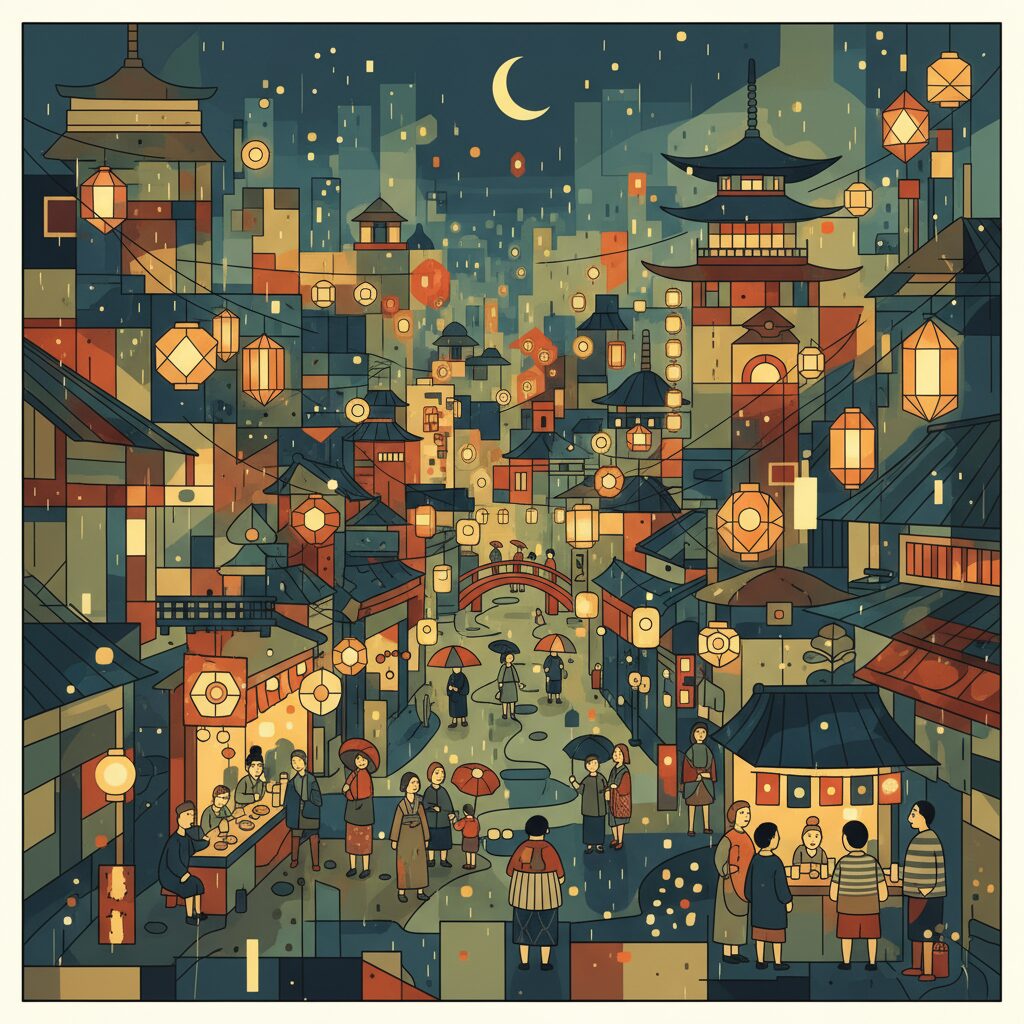
The sensory experience is immediate and profound. The narrow lane, barely wide enough for two people to pass comfortably, creates an intimacy that is missing from the broad boulevards of the modern city. Above, a web of electrical wires crisscrosses under the eaves of traditional two-story wooden buildings. By day, the lane is quiet, almost sleepy—a cool refuge from the sun. But as dusk falls, the magic begins. One by one, paper lanterns hanging outside each establishment flicker to life. Their soft, warm glow casts long, dancing shadows on the stone path and highlights the dark, polished wood of the restaurant facades. The ‘noren’ curtains at the entrances, adorned with calligraphed shop names, sway gently as patrons come and go. The air fills with a captivating blend of aromas: the sweet and savory scent of grilled unagi, the sharp sizzle of okonomiyaki on a hot griddle, the faint, clean fragrance of dashi broth, all underscored by the earthy incense drifting from Hozenji Temple. The sounds are equally evocative—the gentle clatter of dishes behind sliding doors, murmured conversations, bursts of laughter, and the rhythmic chop of a chef’s knife. It is a world apart from the electronic noise just around the corner.
Mizu-kake Fudo: The Moss-Covered Guardian
At the spiritual heart of the yokocho, tucked within the temple grounds, stands one of Osaka’s most cherished and visually captivating figures: Mizu-kake Fudo. This is Fudo Myo-o, a formidable Buddhist deity often portrayed surrounded by flames, but here, he is draped in a thick, vibrant green blanket of living moss. Legend has it that long ago, a woman visiting the temple made a wish to the statue, pouring water over it as she prayed. When her wish was granted, she continued the ritual in gratitude. Others followed her example, and after decades of countless splashes from hopeful visitors, a lush moss carpet began to grow, softening the deity’s fierce expression and transforming him into a unique symbol of faith and fortune. He stands as a protector, a guardian of the alley and its people.
The ritual is simple yet beautiful. Visitors pick up one of the wooden ladles, or ‘hishaku’, fill it with water from the stone basin, and gently pour it over the statue. As the cool water flows down the verdant surface, they offer a prayer—for health, for success, for a safe journey. It’s a moment of quiet reflection, a shared act of hope connecting every person who has stood in that same spot. Watching the water darken the deep green moss, or seeing steam rise from it on a cold evening, is a profoundly meditative experience. The statue itself is a work of art, shaped not only by an artist’s hand but also by time, nature, and the collective wishes of a city. For many Osakans, a visit to Namba isn’t complete without stopping to pay their respects to ‘O-Fudo-san’, as he is lovingly called. He is a symbol of endurance and renewal, a reminder that even the fiercest figures can become sources of gentle comfort, and that with time and care, life blossoms in the most unexpected ways.
A Symphony of Flavors: The Culinary Soul of the Yokocho
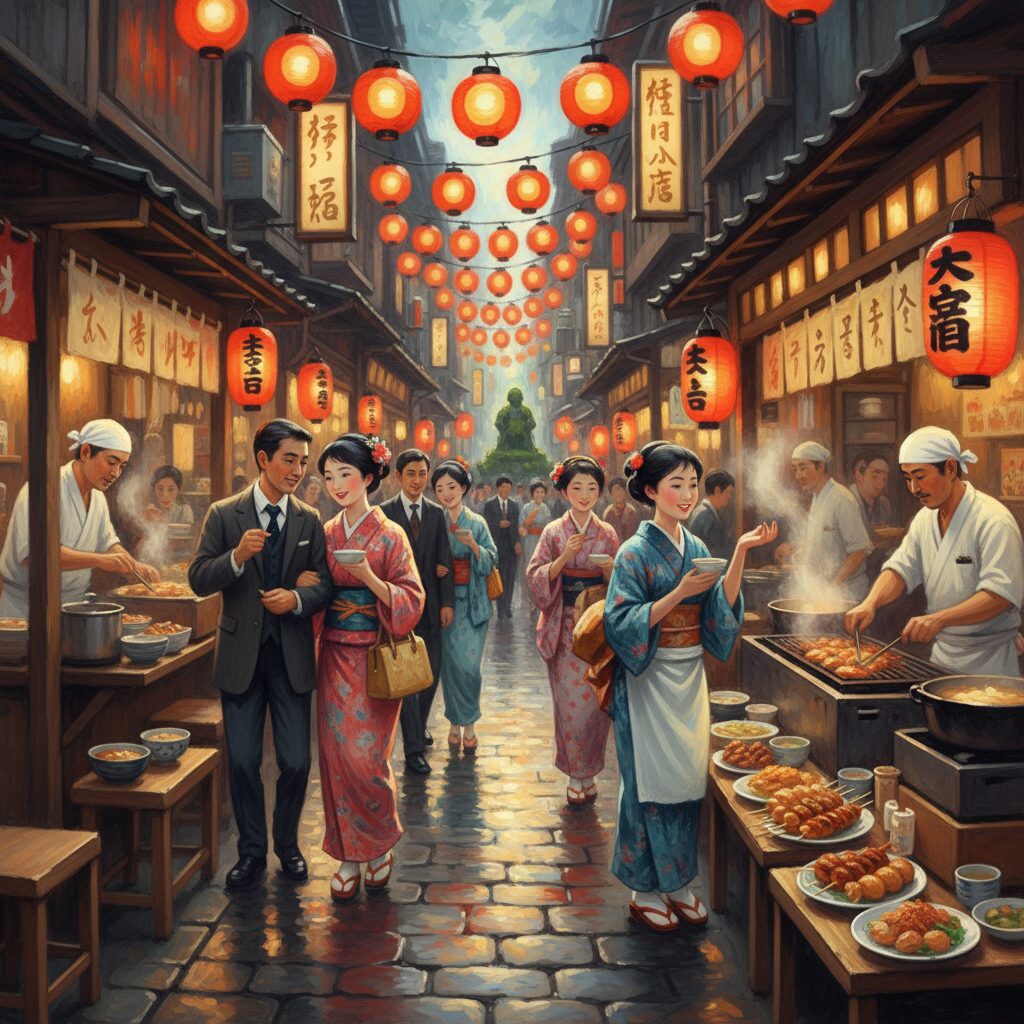
The true essence of a stroll through Hozenji Yokocho is, naturally, ‘kuidaore’. This alley serves as a compact encyclopedia of Osakan cuisine, showcasing everything from Michelin-starred ‘kappo’ dining to humble, soul-warming street food. The eateries here aren’t flashy; instead, they are small, often family-run spots where the emphasis lies on quality, tradition, and ‘omotenashi’—wholehearted Japanese hospitality. Deciding where to eat becomes part of the adventure, with each entrance promising a unique and authentic taste of the city.
Kappo Dining: An Intimate Experience
Hozenji Yokocho is well-known for its upscale ‘kappo’ restaurants. The term ‘kappo’ means ‘to cut and to cook’, defining a style of dining that is less formal than refined ‘kaiseki’ but more elegant than a casual ‘izakaya’. The experience revolves around a counter, where diners can closely watch master chefs, the ‘itamae’, perform their craft. It’s a culinary performance—a ballet of precise knife skills, graceful movements, and extensive knowledge of seasonal ingredients. Menus are often ‘omakase’, meaning ‘I leave it to you’, entrusting the chef to present a series of small, exquisite dishes that highlight the best offerings of the market that day. You might be served a delicate slice of sashimi so fresh it melts on your tongue, followed by charcoal-grilled fish with perfectly crisp skin, and then a simmered vegetable dish that captures the purest essence of its flavor. The intimacy of the counter encourages conversation with the chef, who may explain the origin of a particular fish or the best way to enjoy a dish. It’s as much an education as a meal, a deep dive into the philosophy of Japanese cuisine. Though a significant splurge, a ‘kappo’ dinner in Hozenji Yokocho is an unforgettable experience for any serious food enthusiast.
Osaka’s Soul Food: Okonomiyaki and Kushikatsu
For a truly Osakan flavor, look no further than the alley’s cherished ‘okonomiyaki’ spots. The name means ‘grilled as you like it’, referring to a savory pancake made from a flour-and-egg batter mixed with shredded cabbage and ingredients such as pork belly, squid, or shrimp. In Hozenji Yokocho, you’ll find places that have honed their craft over generations. The clanging of metal spatulas against the hot ‘teppan’ grill forms part of the alley’s soundtrack. Watching the chef expertly flip the pancake, press it down, and then lavishly coat it with a sweet and tangy brown sauce, a swirl of Japanese mayonnaise, a sprinkle of green ‘aonori’ seaweed, and a flurry of dancing ‘katsuobushi’ (bonito flakes) is pure theater. The finished dish is crispy on the outside, fluffy inside, bursting with layers of flavor and texture—the ultimate comfort food. One of the most famous establishments, Hozenji Sanpei, has been serving this local delicacy for decades, its walls adorned with autographs from celebrities who have come to pay homage at its ‘teppan’.
Equally iconic is ‘kushikatsu’, another Osaka specialty whose simple concept is elevated by perfect execution. ‘Kushi’ means skewer, and ‘katsu’ means cutlet. Various ingredients—meat, seafood, vegetables—are skewered on bamboo sticks, dipped in a light batter and ‘panko’ breadcrumbs, then deep-fried to a crisp golden brown. Served piping hot, they are meant to be dipped into a communal container of thin, savory tonkatsu-like sauce. Here, the cardinal rule of ‘kushikatsu’ comes into play: no double-dipping! Once a skewer touches your lips, it must not return to the sauce pot. This is both for hygiene and a deeply rooted part of ‘kushikatsu’ culture. You can enjoy everything from lotus root and shiitake mushrooms to pork loin and scallops, each bite delivering a delightful crunch and burst of flavor.
Sweets and Sips: Finishing the Night
No culinary journey is complete without dessert, and Hozenji Yokocho offers a particularly charming and iconic destination: Meoto Zenzai. This tiny shop has been operating for over a century, serving just one item: ‘zenzai’, a warm, sweet soup of adzuki red beans with two toasted ‘mochi’ rice cakes. The name ‘Meoto’ means ‘married couple’, and the ‘zenzai’ is served in two small, separate bowls representing the couple. Eating it is said to bring happiness and harmony to one’s relationship. Even solo travelers can appreciate the symbolism, and the dessert itself is a comforting, soul-soothing treat. The sweetness of the beans balances perfectly with the chewy mochi, making it an ideal conclusion to a savory meal. The shop’s old-fashioned interior and nostalgic ambiance enhance the experience, transporting you to a scene from an old Japanese film.
For those wishing to extend the evening, the alley hides a few intimate, wood-paneled bars. These spots aren’t loud, boisterous pubs but quiet, contemplative spaces where you can savor a glass of fine Japanese whisky, a craft cocktail, or a carafe of premium sake recommended by knowledgeable bartenders. It’s the perfect setting for a quiet conversation and reflection on the sights and flavors of the night while soaking in the timeless atmosphere of the yokocho.
Navigating the Lantern Glow: Practical Tips for Your Visit
Discovering Hozenji Yokocho is surprisingly easy, despite its hidden-gem charm. It’s situated in the heart of Namba, a key transportation and entertainment district. The simplest way to reach it is by using the Osaka Metro. Take the Midosuji, Sennichimae, or Yotsubashi Line to Namba Station. From any exit, it’s just a five-to-ten-minute walk. If you’re coming from the Dotonbori area, head south from the famous Glico Running Man sign, and you’ll spot the narrow entrance to the alley just off one of the main shopping streets. Look for the elegant stone signpost bearing the alley’s name in Japanese.
The best time to visit Hozenji Yokocho is definitely in the evening, from around 6 PM onwards. That’s when the lanterns glow, the restaurants fill with energy, and the alley’s enchanting atmosphere is at its height. A daytime visit can also be enjoyable, offering a quieter view of the temple and the Mizu-kake Fudo statue, but the alley’s true spirit comes alive after dark. Note that while the alley itself is always open, the operating hours of individual restaurants vary, with most opening for dinner and closing late.
For many popular or upscale restaurants, especially the ‘kappo’ style ones, reservations are necessary. These venues tend to be small, with only a few counter seats, and they often book up weeks or even months in advance. If you have a particular restaurant in mind, it’s wise to reserve ahead through your hotel concierge or an online booking service. In contrast, more casual spots like ‘okonomiyaki’ or ‘kushikatsu’ restaurants usually accept walk-ins, though you might experience a short wait during peak dining hours.
When visiting, wear comfortable shoes. The stone-paved path is charming but can be uneven. The alley is also quite narrow, so be considerate of other pedestrians and the flow of traffic entering and leaving the restaurants. Although it’s a historic area, the atmosphere is warm and welcoming to international visitors. A little Japanese helps, but most places are accustomed to foreigners and often have English menus or picture guides. Don’t hesitate to point and smile—the universal language of a hungry traveler!
Beyond the Alley: Exploring the Neighborhood
One of the main attractions of Hozenji Yokocho is its prime location, which lets you effortlessly combine a traditional experience with the vibrant excitement of Namba. Whether before or after your dinner, be sure to explore the nearby area. A nighttime stroll along the Dotonbori canal is a must. The bright neon lights reflecting off the water create a cyberpunk-inspired riverscape that perfectly captures Osaka’s essence. You can even enjoy a short river cruise to take in the scenery from a new vantage point.
For those who enjoy shopping, the Shinsaibashi-suji Shopping Arcade—a vast covered street stretching for several hundred meters—is just a brief walk away. It features everything from luxury department stores and international brands to unique local boutiques and souvenir shops. Just south of Dotonbori lies Doguyasuji, also known as ‘Kitchen Town.’ This intriguing street is filled with shops offering every type of Japanese kitchenware imaginable, from professional-grade knives and elegant ceramic bowls to the highly realistic plastic food replicas seen in restaurant windows. It’s an excellent spot to browse for a distinctive, practical memento.
To complement your evening in Hozenji Yokocho, consider visiting Kuromon Ichiba Market during the day. Often called ‘Osaka’s Kitchen,’ this bustling market is where many city chefs source their fresh ingredients. You can stroll through the stalls, admiring the vast selection of fresh seafood, premium meats, and local produce. Numerous vendors also serve ready-to-eat snacks such as grilled scallops, fresh sea urchin, and toro tuna skewers, letting you taste the market’s offerings on the spot.
A Final Thought: The Enduring Magic of Hozenji Yokocho
Visiting Hozenji Yokocho is more than a culinary trip; it is a passage into the essence of Osaka’s cultural heritage. It’s a place where time seems to fold, allowing past and present to blend in a charming, lantern-lit embrace. In a city that continuously reinvents itself, this narrow alley stands as a proud and gentle reminder of its lasting roots. It’s found in the taste of a perfectly grilled piece of pork, the sight of moss growing on a stone statue shaped by a thousand whispered prayers, and the sound of laughter spilling from behind a wooden door. This is the enchantment of the yokocho: it doesn’t just satisfy your hunger, it nourishes your soul. So, when you find yourself in the vibrant, bustling world of Namba, take a moment to seek out this hidden alley. Let the lanterns’ glow guide you, and discover for yourself the quiet, unforgettable flavor of old Osaka.