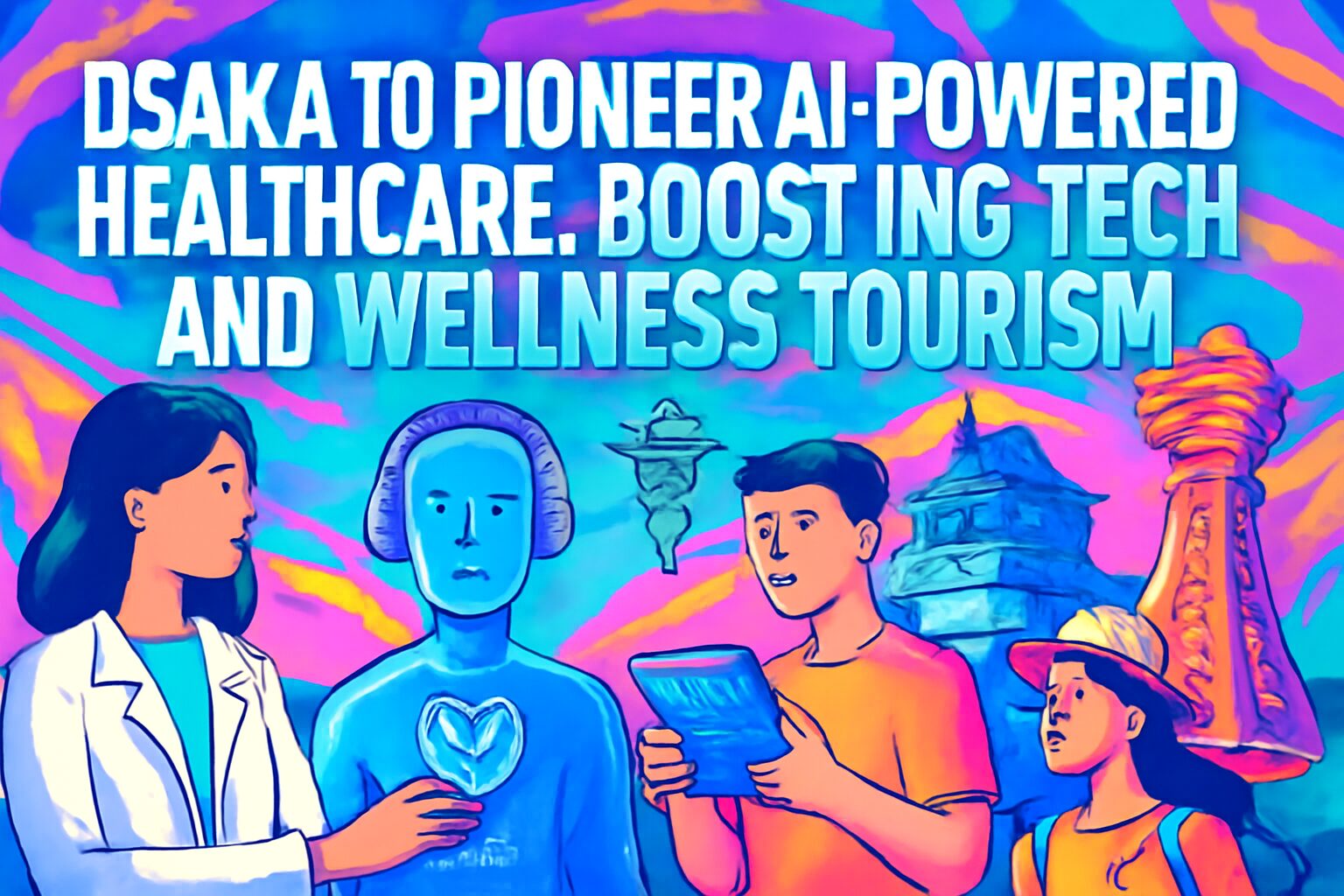
Osaka City is set to become a testbed for the future of public health, launching a groundbreaking demonstration project for an AI-powered preventive healthcare service in Konohana Ward. Scheduled to begin on January 14, 2026, this initiative is not just a technological trial but a strategic move to address Japan’s aging population, stimulate the local tech economy, and reposition Osaka as a hub for well-being and innovation.
The Konohana Ward Project: A Glimpse into the Future
This ambitious project, selected for support by Japan’s Ministry of Economy, Trade and Industry, is a collaboration between Wellmira, a health-tech startup, and Real World Games, a company known for its location-based gaming technology. The service aims to foster healthy habits, particularly among the elderly, by merging an intuitive AI health management app with engaging, real-world activities.
Participants will use a smartphone application that provides personalized health advice, tracks physical activity, and encourages social interaction. By integrating location-based technology, the service will guide users to local parks, community centers, and health-related events, transforming routine health management into an interactive and enjoyable experience. The core objective is to prevent lifestyle-related diseases and improve the quality of life for residents, creating a sustainable model for community healthcare.
Why Osaka? The Strategic Context for Innovation
Osaka’s selection as the host for this project is no coincidence. It aligns perfectly with the city’s long-term vision and pressing societal needs.
Addressing a Super-Aged Society
Japan is one of the world’s most rapidly aging nations. According to data from the Ministry of Internal Affairs and Communications, as of 2023, approximately 29.1% of Japan’s total population is aged 65 or older. In Osaka Prefecture, this figure is also significant, highlighting the urgent need for innovative solutions that can reduce healthcare costs and promote independent living for seniors. This project directly confronts this demographic challenge, seeking to create a scalable solution that could be deployed nationwide.
Building on the Legacy of Expo 2025
With the upcoming Expo 2025 Osaka, Kansai, held under the theme “Designing Future Society for Our Lives,” the region is already buzzing with innovation. This healthcare initiative embodies the Expo’s spirit by focusing on “いのち (inochi)” or “life.” It serves as a tangible legacy of the Expo, translating its forward-thinking concepts into practical applications that will benefit the community long after the event concludes. The project also complements other major developments, such as the Umekita 2nd Project (Grand Green Osaka), which aims to create a hub for technology and life sciences.
Future Impact: From Local Trial to Global Model
The implications of this demonstration project extend far beyond Konohana Ward. Its success could trigger a cascade of positive effects for Osaka and the wider Kansai region.
Bolstering the Kansai Tech Economy
This initiative is a significant investment in the region’s digital health sector. It is expected to attract more tech startups, create high-skilled jobs, and foster a vibrant ecosystem for health-related innovation. By proving the viability of such a service, Osaka can position itself as a leading city in the global digital health market, attracting further investment and talent.
A New Model for Community Well-Being
If successful, the project will provide a blueprint for other municipalities in Japan and around the world facing similar demographic shifts. The data-driven insights gained from the trial will be invaluable for developing more effective public health policies and reducing the strain on traditional healthcare systems.
Enhancing Osaka’s Appeal as a “Well-Being” Destination
For visitors, this forward-thinking approach enhances Osaka’s image as a dynamic and progressive city. It signals a shift towards not only being a capital of food and entertainment but also a center for wellness and advanced technology. In the long term, this could pave the way for a new type of tourism—”wellness tourism”—where visitors can experience a city that actively invests in the health and happiness of its people. This project, while focused on residents, helps build a brand identity for Osaka as a city that truly cares for life, making it an even more attractive destination for global travelers.