When I first moved to Osaka, I’d walk my daughter to her daycare and pass by these little neighborhood coffee shops, the kind with faded awnings and plastic food models in the window. Outside each one, a sign would be propped up, often handwritten, with the same magical word: モーニング (Mōningu). For a price that seemed almost suspiciously low—around 400 or 500 yen—it promised a coffee plus a small meal. My Australian brain, conditioned by years of paying top dollar for avocado toast and a flat white, couldn’t quite process it. Was this a typo? A special offer for seniors? A clever trap for unwary foreigners?
It was none of those things. It was “Morning Service,” or mōningu sābisu, a cornerstone of daily life here. This isn’t just a cheap breakfast; it’s a cultural institution, a daily ritual that reveals more about the Osakan mindset than any guidebook ever could. It’s a quiet handshake between a shop owner and their community, an economic philosophy served on a small plate. In a city known for its loud, boisterous energy, the morning service is its soft, steady heartbeat. It’s where you go to understand the unspoken rules of Osakan commerce, community, and the profound importance of a good deal. Forget the flashy lights of Dotonbori for a moment; the real soul of the city is found over a thick slice of toast and a boiled egg in a dimly lit kissaten.
This unique culinary ritual mirrors the vibrant local spirit, and exploring Osaka’s sizzling konamon home party further uncovers the city’s deep-rooted food culture.
The Anatomy of a Morning Service
Before understanding the why, you must first grasp the what. The concept is simple yet beautifully structured. You enter a kissaten—a traditional, often Showa-era coffee shop—before a set cutoff time, usually around 11 AM. You order a single drink at the regular price. Then, the magic unfolds. For no additional cost, or perhaps a minimal 50 or 100 yen, a plate of food is served alongside it. This isn’t optional; it’s the norm.
The Holy Trinity: Toast, Egg, and Coffee
The classic Morning Service exemplifies comforting simplicity. At its heart, you will almost always find three essential elements.
First, the coffee. This isn’t some complicated triple-venti-half-caf-caramel-drizzle concoction. It’s straightforward, unpretentious coffee, often a dark roast blend refined over decades. It comes in a thick ceramic cup, crafted to retain heat while you read the paper. You can order it “hotto” (hot) or “aisu” (iced), but the quintessential experience is a steaming cup of black coffee.
Second, the toast. This isn’t a thin slice from a plastic-wrapped loaf. It’s shokupan, Japanese milk bread, cut into a delightfully thick slab, often an inch or more. Toasted to a perfect golden-brown, its crispy crust yields to a fluffy, cloud-like interior. It usually arrives pre-buttered, accompanied by a small packet of strawberry jam. The generous portion of toast makes its own statement.
Third, the boiled egg, or yude tamago. A humble offering, served either in a little egg cup or simply on the plate. Not elaborate, but always present, it provides a small protein boost to start your day. The ritual of cracking and peeling the shell is part of the meditative Osakan morning experience.
The Supporting Cast of Characters
Beyond this core trio, variations abound, reflecting the character of each kissaten. Some places add a tiny side salad—iceberg lettuce leaves, a cucumber slice, and a dollop of dressing. Others offer a folded slice of ham or a small sausage. Fruit, like an orange wedge or a few banana slices, is also commonly and welcome served. More adventurous spots might present different toast toppings, such as a sprinkle of cheese or a smear of red bean paste (ogura toast, a Nagoya specialty happily adopted in Osaka). The goal isn’t gourmet complexity; it’s the feeling of receiving a little unexpected bonus—a small extra to brighten your morning.
The Theater of the Kissaten
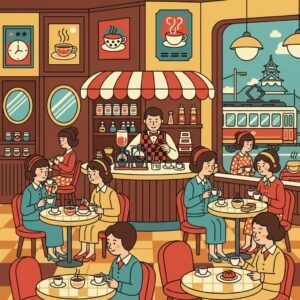
The Morning Service doesn’t occur in isolation. The setting in which it’s offered is just as crucial as the food itself. A true kissaten feels worlds apart from the bright, sterile efficiency of a modern chain cafe. It’s a time capsule, a living museum of a past era, and stepping inside is like entering a different dimension where time slows down.
A Symphony in Wood and Vinyl
The traditional kissaten atmosphere is warm, dark, and inviting. The walls are often lined with dark wood paneling, polished over time by conversation and quiet reflection. Seating usually consists of plush, high-backed booths upholstered in burgundy or forest green vinyl, providing a sense of privacy and comfort. The lighting is gentle and ambient, emanating from ornate, occasionally slightly dusty lamps or sconces. The air may carry the subtle, sweet scent of old paper from the newspaper rack alongside the rich, constant aroma of freshly brewed coffee. These spaces exude a reassuring permanence. They aren’t designed to be trendy; they are meant to be timeless.
Music plays softly in the background, but it’s seldom a contemporary selection. More often, it’s the soothing melodies of classical music—a bit of Bach or Chopin—or the cool, melancholic tones of American jazz from the 1950s and 60s. The music is chosen not to draw attention but to set a particular mood: calm, focused, and respectfully understated. It’s the perfect soundtrack for reading, thinking, or simply observing the world outside.
The Master and the Regulars
At the center of every great kissaten is the “Master.” This is the owner, typically a man or woman of maturity who has been managing the place for decades. The Master is more than just a barista; they are the conductor of this quiet orchestra. Their movements are efficient and deliberate, refined through years of experience—polishing glasses, preparing toast, and pouring coffee with a steady hand. They may not be talkative, especially with newcomers, but they observe everything. They recognize their regulars by name, know their usual orders without needing to be asked, and understand exactly how they like their coffee.
The patrons make up the other half of the experience. The Morning Service crowd represents a cross-section of the neighborhood. In one booth, a group of elderly men sit with newspapers spread out, occasionally murmuring about the day’s news. In another, a pair of local shopkeepers hold a brief, quiet meeting before opening their stores. At the counter, a lone salaryman methodically eats his toast and egg, mentally preparing for a long day at the office. These aren’t tourists. These are people for whom this place isn’t a novelty, but an essential part of their daily routine. The bonds here aren’t formed by grand gestures but through the simple, consistent act of showing up day after day.
Unpacking the Osakan Mindset
So, why does this culture flourish so strongly in Osaka? The Morning Service offers an ideal perspective to understand the city’s distinctive mindset, a philosophy molded by centuries of commerce and a grounded pragmatism.
The Gospel of Cost Performance
If there’s one key concept to grasp about Osaka, it’s kosupa, a shortened form of kosuto pafōmansu (cost performance). This isn’t merely about being cheap; it’s about getting the most value. An Osakan will gladly pay a premium for something truly exceptional, but they almost recoil at paying for something that doesn’t justify its price. They are savvy, discerning consumers who expect the same from businesses.
The Morning Service epitomizes kosupa. For the cost of a single cup of coffee, you receive a small yet satisfying meal. It’s an unbeatable bargain, and the appreciation for such value is shared by all. This mindset is directly inherited from Osaka’s history as Japan’s merchant capital. For centuries, this city thrived on commerce, where fortunes were made and lost on the rice exchange. This legacy produced a population that is practical, resourceful, and always seeking a good deal. The phrase kuidaore, often translated as “eat until you drop,” is less about indulgence and more about a culture of demanding customers who only spend on food that offers remarkable taste and value. A restaurant that doesn’t provide good kosupa won’t survive long in Osaka. The Morning Service is the embodiment of this principle at the start of the day.
Service Means Something Different Here
In English, “service” means helping or doing work for someone. In Japanese, the loanword sābisu (サービス) carries an additional, charming meaning: a freebie, a bonus, something extra given to a customer as a token of goodwill. When a shopkeeper throws in an extra orange or a butcher adds some extra grams of meat and says, “Sābisu desu!”, it’s a gesture that nurtures a relationship. It says, “Thank you for your patronage. Here’s a little extra to show appreciation.”
The entire concept of Morning Service is essentially one large, institutionalized act of sābisu. The toast and egg are gifts from the Master to the customer. It’s a business tactic—it draws people in during an otherwise slow period—but it’s also a cultural expression of hospitality. It’s a way to start the day positively, with a small act of generosity. This contrasts sharply with Tokyo, where mornings tend to be more transactional and efficient. In Tokyo, you might grab a coffee and pastry from a chain to consume quickly on the way to work. The focus is speed and convenience. In Osaka, the morning ritual centers on value and community. It’s a moment to pause, receive a little something extra, and engage with your neighborhood before the day begins.
A Third Space for the Community
The kissaten serves as what sociologists refer to as a “third space”—a place that is neither home nor work, where informal community life can happen. It’s a neutral zone where people gather, relax, and connect. For many elderly regulars, it’s a crucial social outlet, a reason to leave the house and see familiar faces. It quietly combats isolation with dignity. There’s no pressure to perform or dive into deep conversation. Simply sharing the same space and being recognized by the Master fosters a sense of belonging.
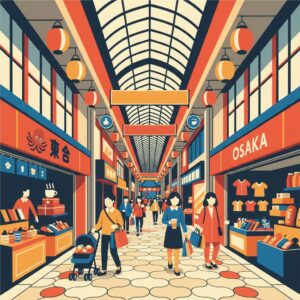
This is the truth behind the often-repeated cliché that “Osaka people are friendly.” It’s not necessarily that they will start a conversation with you on the street, but that the entire city is organized around these casual, repeated moments of human contact. Shopkeepers in the local shotengai (shopping arcade), the Master at the kissaten, and staff at the neighborhood bathhouse—these relationships weave the invisible fabric of community. Friendliness is expressed through consistency, reliability, and the occasional act of sābisu.
How to Embrace the Morning Ritual
For any foreigner living in Osaka, joining the Morning Service is one of the best ways to genuinely connect with the city. It offers an accessible, affordable, and authentic cultural experience. However, there are a few important things to keep in mind to do it properly.
Finding the Real Deal
First, you need to locate a genuine kissaten. Avoid the main boulevards and sterile chain coffee shops. Instead, explore the local shotengai or wander through the side streets of residential neighborhoods. Look for the telltale signs: a hand-painted sign, a slightly faded Noren curtain hanging over the door, and a display of plastic food that looks like it hasn’t been updated since 1985. The shop’s name will often be something charmingly classic and somewhat European in style, like “Cafe de Paris” or “Windsor.” These are the spots you want.
When you enter, don’t be discouraged if the Master seems a bit gruff or reserved. This isn’t the overly enthusiastic “Irasshaimase!” you’d hear in a convenience store. It’s a quieter, more subdued greeting. Their focus is on their craft and their regular customers. Your best approach is to take a seat, place a simple order, and just observe. Over time, with repeated visits, that reserve will soften, replaced by a nod of recognition and perhaps even a quiet smile. Loyalty in a kissaten is a currency earned.
A Few Key Phrases
While you can certainly manage by pointing, knowing a few key phrases will make the experience easier. When you enter, you can hold up one finger and say “Hitori desu” (I’m one person). When you’re ready to order, ask, “Mōningu, arimasu ka?” (Do you have the morning set?). The Master will likely nod and inquire about your drink. “Hotto koohii de, onegaishimasu” (Hot coffee, please) is the classic choice. When you’re finished and ready to pay, catch the Master’s eye and say, “Okanjo, onegaishimasu” (The bill, please). Many of these smaller, older places are cash-only, so it’s always wise to carry some yen.
The Enduring Charm of a Slow Morning

In a world that seems to be speeding up every day, the Osaka Morning Service feels like a gentle form of rebellion. It rejects the notion that breakfast must be a hurried, purely functional activity. It stands as a reminder of a time when community was nurtured through small, everyday interactions and when value was measured not only in yen but also in the warmth of a cup of coffee and the kindness of a complimentary slice of toast.
Naturally, these establishments face challenges. The Masters are aging, and their children don’t always wish to inherit the family business. The competition from sleek, contemporary cafes is intense. Yet, the culture persists because it meets a deep and fundamental need. It offers a space for connection, a moment of calm, and an unbeatable bargain. For the people of Osaka, it’s more than just a meal. It’s the proper, practical, and value-oriented way to start the day. It serves as a daily reaffirmation of an identity grounded in common sense, community, and the simple, profound joy of receiving a little something extra for free. And that, I’ve come to realize, is as Osaka as it gets.