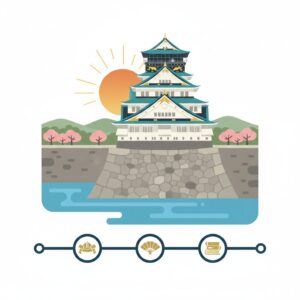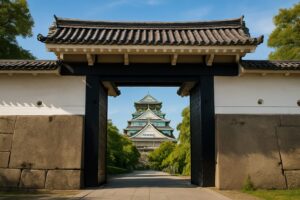
Yo, let’s talk real. You’re living in Osaka now. You see it every day, don’t you? That majestic silhouette piercing the skyline, a constant, proud reminder of the city’s epic past. From the windows of the Loop Line, from the top of the Umeda Sky Building, there it is: Osaka Castle. It’s the face of the city, the number one postcard shot, the place every visiting friend and relative will demand to see. But you, the seasoned resident, you’ve heard the whispers, the caveats, the hushed debates among fellow expats. “It’s a reconstruction,” they say. “The inside is a modern museum.” So, the real question bubbles up, the one you’ve been pondering on a lazy Sunday morning: Is it truly worth dedicating a precious day off to explore, or is it just a beautiful mirage, a tourist trap best admired from a distance? As someone who has walked its grounds in every season, with a toddler in tow and a healthy dose of skepticism, I’m here to give you the lowdown. This isn’t a tourist guide; this is a reality check. We’re going to peel back the layers of myth and concrete to discover if the heart of this castle still beats with the spirit of old Japan, or if it’s simply a monument to a time long gone. Let’s dig in, find the truth, and figure out how to make Osaka’s greatest landmark a meaningful part of your life in this vibrant city. Before we take our first step onto those hallowed grounds, let’s get our bearings and see where this grand dame of Osaka resides.
To truly appreciate the castle’s place in the city’s soul, consider learning about the local dialect with this rhythmic guide to Osakaben at the gates of Osaka Castle Park.
The Grand Illusion: A Fortress Reborn in Concrete and Steel
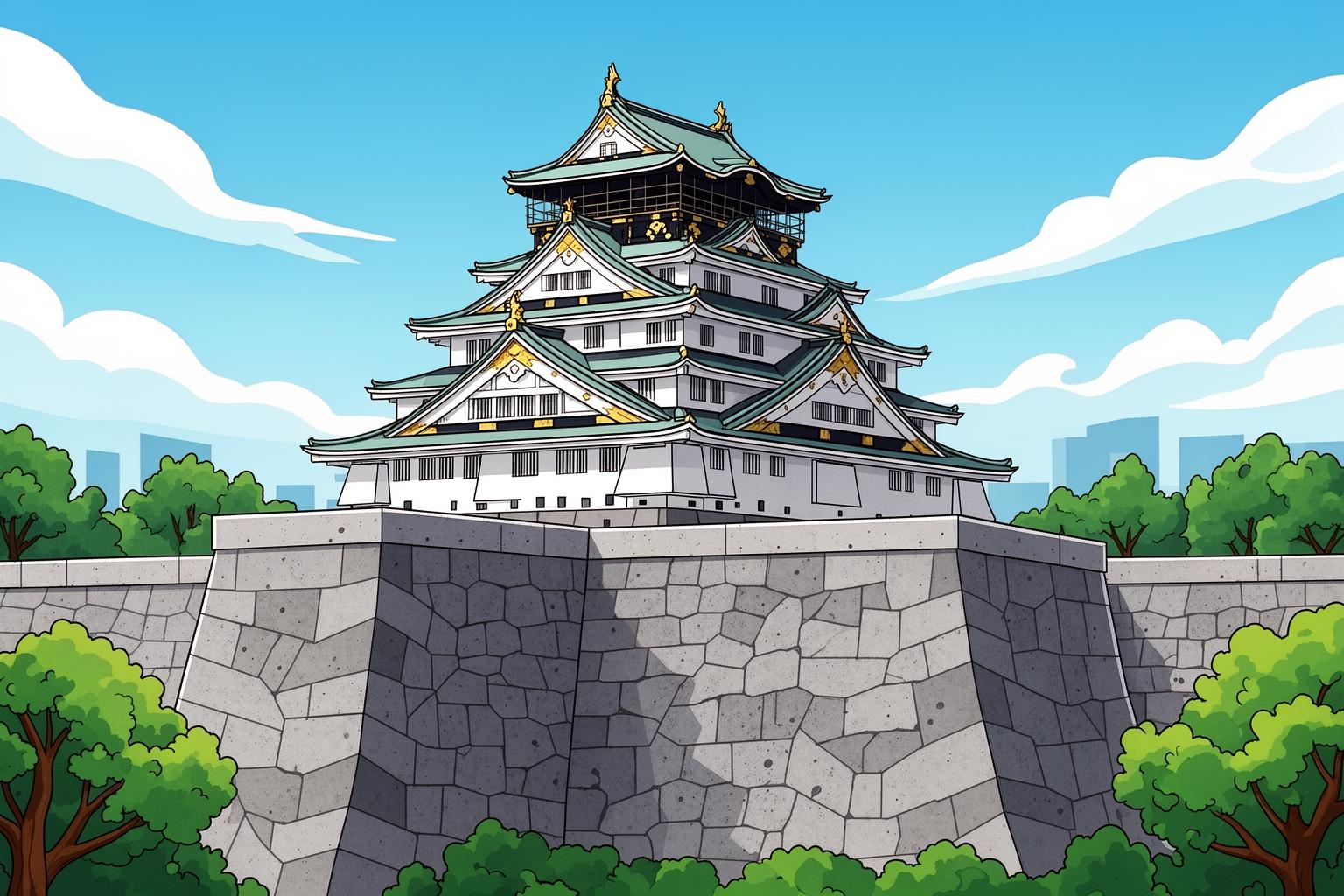
To truly grasp Osaka Castle, you need to understand its dramatic, fiery, and undeniably tumultuous history. This is not just the tale of a building that has endured through time. Rather, it’s a saga of ambition, destruction, and reinvention that reflects the very spirit of Osaka. The first key figure in this story was the legendary Toyotomi Hideyoshi, who rose from humble peasant origins to become the great unifier of Japan in the late 16th century. He desired a castle that was more than a fortress; he wanted a statement—a symbol of his unmatched power, wealth, and authority that would both dazzle and intimidate all who beheld it. And he succeeded. The original Osaka Castle, completed in 1585, was a breathtaking masterpiece of Momoyama period architecture, adorned with gold leaf, intricate carvings, and built on a scale never seen before. It served as the heart of his empire, a bustling political and commercial hub.
But, as with all grand tales, tragedy loomed. Following Hideyoshi’s death, his legacy was challenged by the shrewd Tokugawa Ieyasu. This conflict culminated in the famous Siege of Osaka in 1614-1615. This was no ordinary battle—it was the final, bloody act of Japan’s Sengoku (Warring States) period. Through overwhelming numbers and relentless strategy, the Tokugawa forces emerged victorious. The Toyotomi clan was wiped out, and their magnificent castle was reduced to ashes. The Tokugawa shogunate, intent on erasing the memory of their rival and asserting their own authority, rebuilt the castle in the 1620s. They erected even taller, more imposing stone walls—the very ones still admired today—and constructed a new, grander keep. Yet fate had a cruel irony in store: in 1665, lightning struck the main keep’s gunpowder magazine, causing a catastrophic explosion that once again consumed the tower in flames. For more than two centuries after, Osaka Castle stood as a wounded giant, its formidable walls and moats enclosing an empty space where its heart had once thrived.
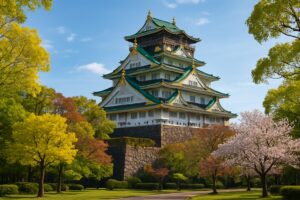
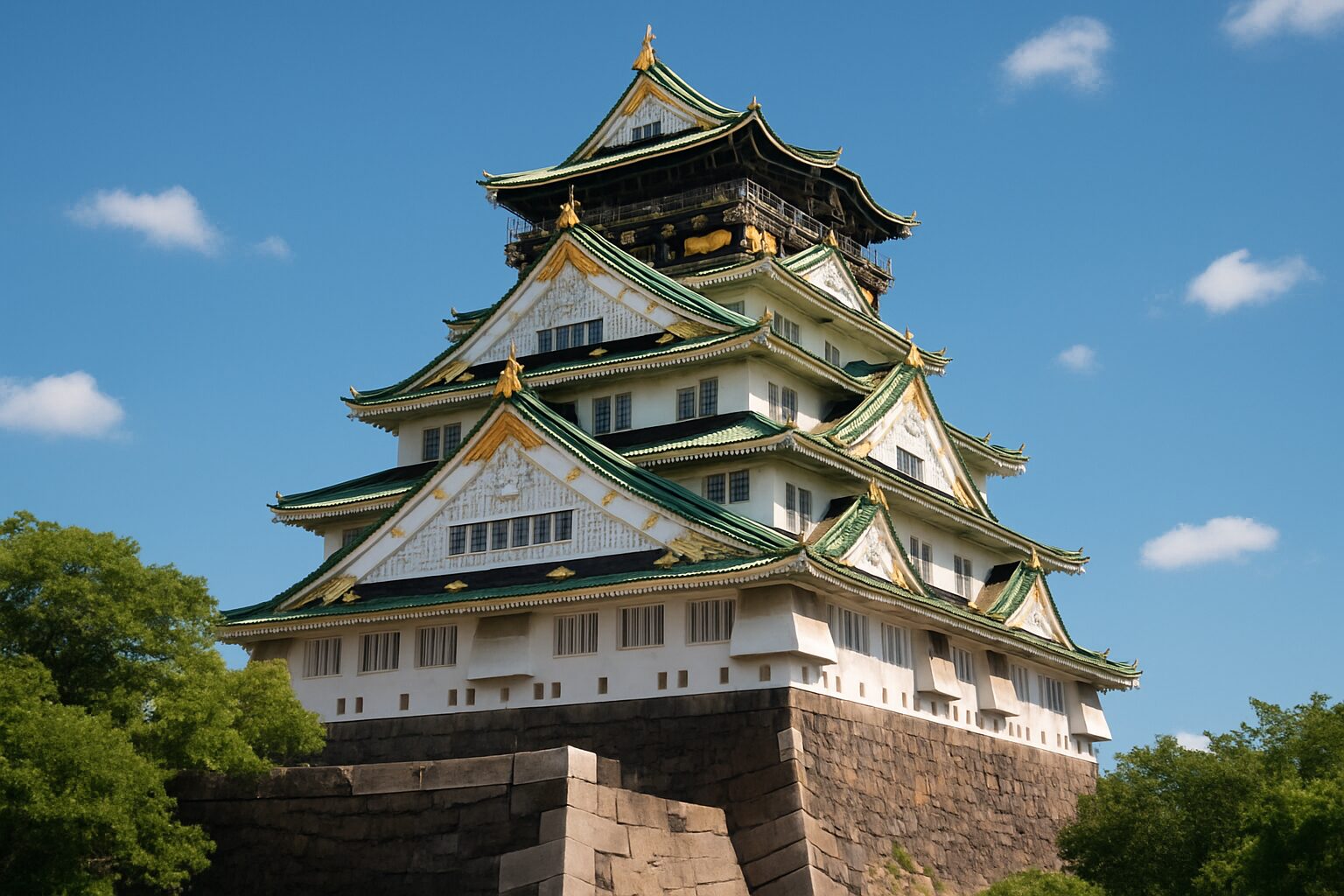
Jump ahead to the early 20th century. Osaka had become a thriving industrial city, and its citizens, fueled by civic pride, longed to see their most famous landmark restored. A massive fundraising effort was launched, and in 1931, the castle keep rose from the ashes for the third time. Here lies the crucial fact, the very essence of our “reality check”: the current structure is a ferro-concrete reconstruction. While its exterior was designed to mimic the Toyotomi original, its internal framework was thoroughly modern for that era. Remarkably, it survived the extensive Allied bombing raids of World War II that devastated much of the surrounding city, standing as a symbol of resilience. So when you face it today, you are not looking at a 400-year-old wooden fortress. Instead, you’re witnessing a 20th-century tribute—an emblem built by the people of Osaka to reclaim their history. This understanding changes everything. It transforms your view from that of a tourist seeking ancient authenticity to that of a resident appreciating a rich, complex story of a city that refuses to let its icons fade away.
Inside the Keep: A Vertical Museum with a Killer View
Alright, let’s step inside. You pay your 600 yen, pass through the entrance, and the first thing you notice is… an information desk and a queue for an elevator. Yes, an elevator. This is the moment the romantic fantasy of storming a samurai fortress fades, and you find yourself firmly in the 21st century. For parents with strollers or those with mobility challenges, it’s a blessing. For the history purist, it’s a bit of a shock. My advice? Embrace it. Take the elevator straight to the 5th floor to avoid the crowds and begin your exploration there.
The interior is unmistakably a museum. Each floor is devoted to a specific chapter in Toyotomi Hideyoshi’s life and the castle’s history. You won’t find tatami rooms or drafty wooden hallways. Instead, there are polished floors, climate control, and glass display cases. The exhibits offer a captivating blend of old and new. There are priceless original artifacts: striking suits of samurai armor, gleaming katanas, intricate folding screens (byobu) depicting famous battles, and personal letters written by the warlords themselves. These are the true treasures.
To bring the history alive for a modern audience, the museum uses some impressive technology. On one floor, you’ll encounter high-definition dioramas featuring tiny, meticulously crafted figures reenacting key scenes from the Siege of Osaka. On another, a hologram of Toyotomi Hideyoshi springs to life, narrating his story. It’s educational, engaging, and excellently presented. You’ll learn a great deal about the political intrigue and military strategy of the time. The downside is it can get very crowded, especially on weekends. The narrow viewing areas for popular exhibits can feel cramped. My tip for locals: visit on a Tuesday or Wednesday morning. The difference is remarkable.
But the undeniable highlight of the interior experience is on the 8th floor: the observation deck. Step outside into the open air, and the entirety of Osaka stretches out beneath you. This view alone is arguably worth the admission fee. It’s a 360-degree panorama that gives perspective to your life in the city. You can follow the Yodo River as it winds towards the bay. You can spot the shining towers of Umeda to the north, the neon-lit districts of Namba and Shinsaibashi to the south, and the faint, hazy outline of the Ikoma mountains to the east. The contrast is breathtaking. From this vantage point, perched atop a symbol of feudal power, you look out over one of the world’s most vast, futuristic megacities. The wind rushes around you, the golden shachihoko (mythical fish-like creatures) atop the roof glisten in the sunlight, and for a fleeting moment, you feel like the shogun of it all. It’s the perfect place to get your bearings, connect the dots of the city you call home, and capture some truly spectacular photos.
Beyond the Tower: The Enduring Magic of Osaka Castle Park
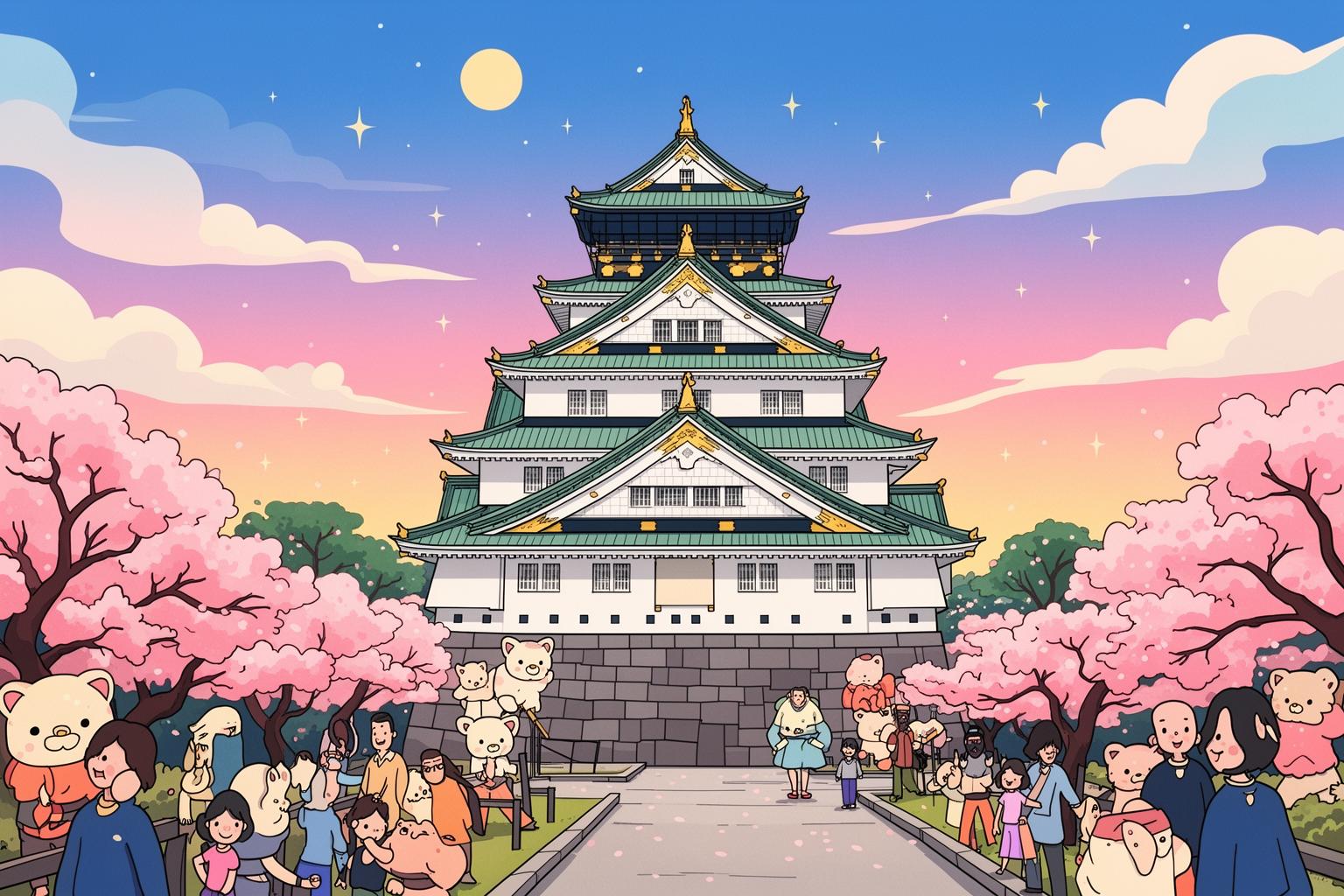
Here’s the secret that distinguishes the fleeting tourist from the savvy local: the true essence of Osaka Castle isn’t limited to the walls of its concrete keep. It extends across the vast, sprawling 105-hectare park that surrounds it. While the castle tower serves as the symbol, the park offers the real experience. This is a place where you can spend hours, days, or even an entire year and never grow tired of its charm. The best part? Access to the park grounds is entirely free.
Your first stop should be the Nishinomaru Garden, situated in the castle’s former western bailey. This area requires a separate, modest entrance fee (around 200 yen), which is well worth it, especially in spring. Here’s where you capture that iconic shot—a postcard-perfect photo of the castle keep rising majestically above a sea of cherry blossoms. The garden boasts about 300 cherry trees and during hanami season, it transforms into an awe-inspiring spectacle of pink and white. With its carefully manicured lawns, it offers an unobstructed view and a sense of tranquility that’s rare in the more crowded spots. The former Osaka Guest House, an elegant building once used for hosting dignitaries, adds a touch of stately grace to the scenery.
But don’t focus solely on the garden. Take in the real, tangible history nearby: the moats and walls. These are parts of the castle that have endured since the Tokugawa era. Walk along the perimeter and try to grasp the sheer scale of it all. The inner moat is a formidable trench, and the stone walls rising from it are a masterpiece of Japanese military engineering. Some of the stones are massive, the size of small cars, and imagining how they were moved and fitted perfectly without modern machinery is truly astonishing. Be sure to find the ‘Tako-ishi’ or ‘Octopus Stone’ near the Sakura-mon Gate—one of the largest face stones in the entire complex. Here, you can feel the raw power and deep history of the site.
For a fresh viewpoint, try the Gozabune boat tour. These golden, ornate boats are replicas of the one used by Hideyoshi himself. The 20-minute ride cruises around the inner moat, letting you look up at the towering stone walls from the water’s surface. It provides insight into the castle’s defensive design and offers unique photo opportunities that are impossible to get on foot. Although somewhat touristy, the ride is genuinely enjoyable and a relaxing way to explore the foundations of this impressive fortress.
Scattered throughout the park are other hidden treasures. In a quiet corner lies the Hokoku Shrine, a serene Shinto shrine dedicated to the spirit of Toyotomi Hideyoshi and his family. Often overlooked by the crowds rushing to the main keep, it’s a perfect place for a moment of peaceful reflection. On the opposite side of the park, you’ll find a vast Plum Grove (Bairin), which bursts into fragrant bloom with over a thousand plum trees in late February and early March—a beautiful, less crowded prelude to the cherry blossom season frenzy.
For a touch of modern convenience, there’s Jo-Terrace Osaka, a sleek and contemporary complex of restaurants, cafes, and shops located just inside the park near Osakajokoen Station. It’s an ideal spot to grab a quality coffee, enjoy a meal with a view, or pick up a stylish souvenir. While it may feel somewhat disconnected from the historical atmosphere, its practicality is undeniable. It transforms a visit from a purely historical trip into a comfortable, full-day experience—a big plus for families and locals seeking more than just a history lesson.
A Year in the Life of a Castle: Embracing the Seasons
Living in Osaka grants you the unique privilege of witnessing the castle and its surrounding park transform with the four distinct seasons, an experience that day-trippers can never fully savor. Each season casts the landscape in a fresh light and brings its own rhythm and customs. Grasping this annual cycle is essential to making the castle a recurring character in your Osaka story.
Spring, naturally, reigns supreme. From late March to early April, the entire park bursts into a vibrant display of pink and white as the cherry blossoms reach full bloom. This is hanami season, a spectacular celebration. The atmosphere buzzes with energy. Thousands flock to the park, spreading blue tarps beneath the flowering trees, sharing food and drinks, and marveling at the fleeting beauty of the sakura. Nishinomaru Garden is the prime spot, offering that iconic view, but the whole park is alive with festivity. As a resident, you can avoid the largest crowds by visiting on a weekday morning. Pack a bento and a flask of tea, find a quiet spot away from the main paths, and simply enjoy the scene. The sight of delicate petals drifting down like snow against the stoic castle backdrop is pure magic.
When summer’s heat and humidity arrive, the park transforms into a lush, green sanctuary. The cherry blossoms give way to a thick, vibrant canopy of leaves, providing welcome shade from the relentless sun. The cicadas create a steady, buzzing soundtrack. This is the season for early morning jogs along the moats or leisurely afternoon boat rides on the Gozabune. The crowds thin out, especially during the hottest midday hours. The castle often hosts summer festivals or evening events, with lanterns and music adding to a lively, festive atmosphere after sunset. It’s a season of deep greens, long days, and finding cool respite beneath ancient trees.
Autumn, my personal favorite season at the castle, follows. As the oppressive heat fades and the air turns crisp and clear, the park undergoes a stunning transformation. Maple and ginkgo trees ignite the grounds with fiery reds, brilliant oranges, and dazzling yellows. The wide avenue of ginkgo trees on the east side of the keep forms a breathtaking golden tunnel. This season offers a quieter, more reflective beauty compared to spring’s exuberance. The softer light casts long shadows from the castle walls. It’s the perfect time for a long, introspective walk, camera in hand, to capture the striking contrast between the colorful foliage and the gray stone fortress. The air feels fresh, the crowds manageable, and the park both grand and intimate.
Winter presents a different kind of beauty—stark, quiet, and subtle. Bare, skeletal branches trace intricate patterns against the sky, revealing the landscape’s true structure. The crisp, cold air makes the views from the observation deck exceptionally clear. The highlight of winter is the blooming plum blossoms. From late January through February, the Plum Grove becomes the star attraction. With more than 1,200 trees across 100 varieties, it is a sea of white, pink, and deep red flowers. Their sweet, fragrant scent fills the chilly air, a hopeful sign of spring’s approach. The park often hosts winter illumination events as well, bathing the castle and its walls in spectacular colored lights after dark, creating a surreal and enchanting experience worlds apart from the daytime bustle.
A Resident’s Playbook: Nailing the Logistics
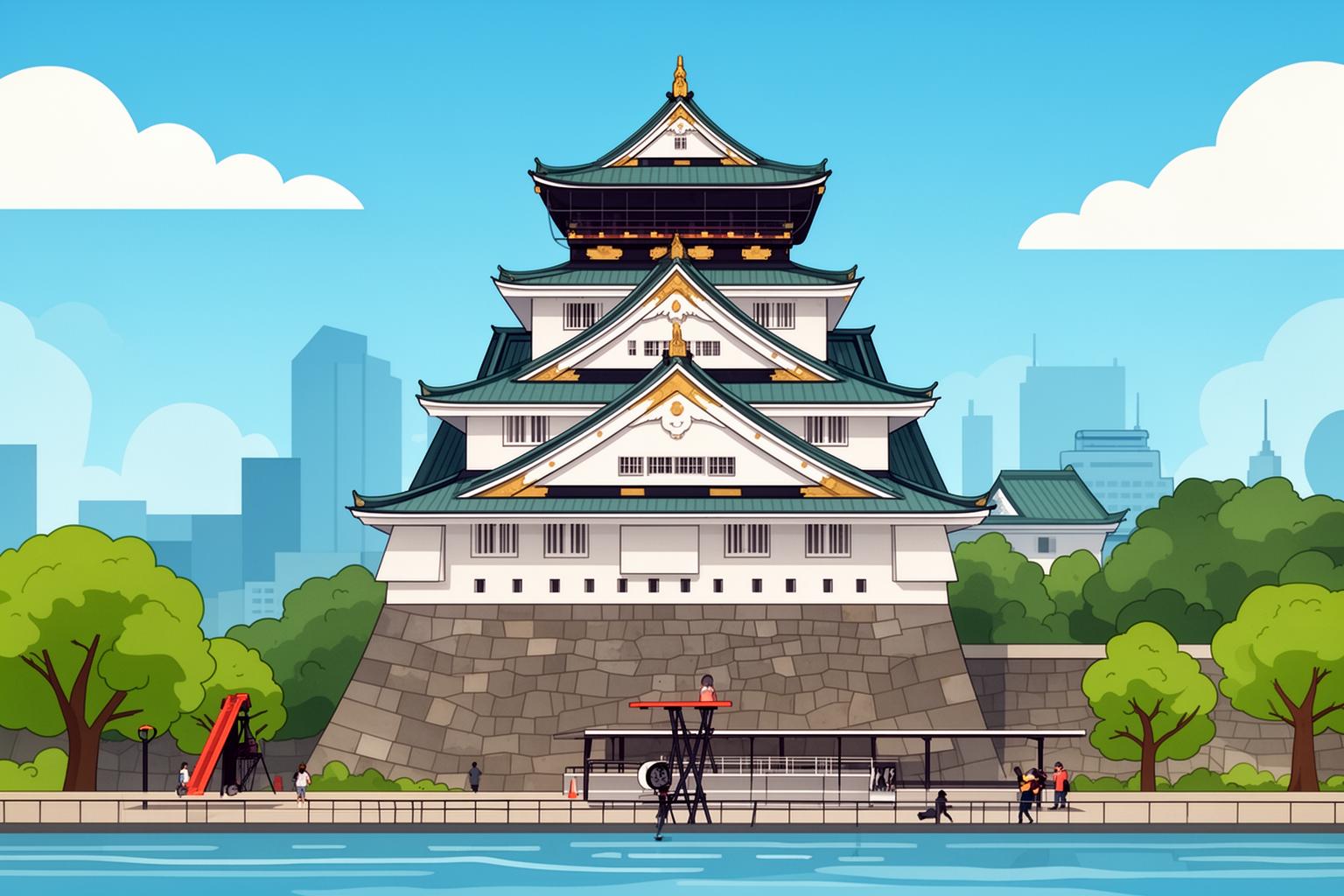
Alright, let’s get into the details. Knowing the practical information can make the difference between a stressful, tiring day and a smoothly executed, enjoyable outing. As a resident, you have the benefit of flexibility, so use it wisely.
First, access. The park is vast, with several train stations serving it. Your choice of station should depend on what you plan to do. The JR Osaka Loop Line offers two excellent options: Morinomiya Station to the southeast and Osakajokoen Station to the northeast. Morinomiya is ideal if you want a longer, scenic walk through the park’s southern grounds, including the plum grove. Osakajokoen puts you right at Jo-Terrace, making it the most convenient for quick access to food, drinks, and the main castle approach. On the Osaka Metro, Tanimachi 4-chome Station (on the Tanimachi and Chuo lines) is your best option for the western side of the park. It’s a short walk to the main Otemon Gate and provides easy access to the Osaka Museum of History, located just across the street.
Timing is crucial. I can’t emphasize this enough. Unless you enjoy moving slowly in crowds, avoid visiting the castle keep on weekends and national holidays, especially during peak sakura season. The grounds will be crowded, and the wait to enter the tower can be long. The advantage of living here is visiting on weekdays. A Tuesday morning or Wednesday afternoon—these are the golden times. The park is peaceful, the museum accessible, and you can actually take your time reading the displays without being rushed. If a weekend is your only option, arrive as early as possible. Be at the gate right when the keep opens at 9:00 AM to beat the tour bus crowds.
Now, let’s talk costs. The park itself is free to enter and enjoy, which is a great resource for us locals. Want to go for a run, have a picnic, or just read a book with a nice view? It won’t cost you a yen. Fees apply only to specific attractions. As of my last visit, the main keep (Tenshukaku) is 600 yen for adults. Nishinomaru Garden is 200 yen (350 yen during peak sakura season). The Gozabune boat costs 1,500 yen. My advice? You don’t have to do everything at once. On your first comprehensive visit, maybe choose the keep. On a beautiful spring day, just visit Nishinomaru Garden. When family visits, consider the boat ride. Think of the castle complex as a set of à la carte experiences rather than one mandatory package.
For those with families, Osaka Castle Park is a dream. The vast open space for kids to run around is a lifesaver in such a dense urban area. The paths are generally wide and stroller-friendly. The elevator in the main keep is a huge relief for tired little legs. Jo-Terrace offers a variety of kid-friendly food options—from ramen to pancakes—and has clean, modern restrooms. Packing a picnic and letting the kids burn off energy on the expansive lawns of the outer bailey is one of the simplest and most enjoyable family outings you can have in the city.
Finally, a top local tip: combine your visit. Just across the moat from the Otemon Gate is the fantastic Osaka Museum of History. The upper floors of the museum provide what many consider the best photo opportunity of Osaka Castle, perfectly framed. You can buy a combined ticket for the museum and the castle keep to save a few yen. It’s a wonderful way to spend a full day, immersing yourself in the city’s past from ancient times to the modern era, with the castle as the centerpiece.
The Final Verdict: An Icon for Your Osaka Life
So, after everything is considered, we return to the original question: Is Osaka Castle worth visiting for someone who lives here? The answer is a definite, though somewhat nuanced, yes. It all depends on managing your expectations.
If you’re looking for the creaking sound of ancient floorboards, the genuine atmosphere of a feudal Japanese fortress, and the experience of climbing steep, narrow wooden stairs to a samurai lookout, then the interior of Osaka Castle’s keep will leave you disappointed. For that kind of experience, you need to make the trip to the stunning, entirely original Himeji Castle, a perfect day trip from Osaka. Let’s be clear and straightforward about that.
On the other hand, if you can appreciate Osaka Castle for what it truly represents—a magnificent 20th-century symbol of the city’s resilience, a fantastic museum honoring one of Japan’s most captivating historical figures, the home of a breathtaking panoramic city view, and the heart of a wonderful public park—then it is an essential part of the Osaka experience. Its value to a resident is not in a single, perfect visit but in its potential for countless varied experiences.
It’s the place where you go for a morning run along the ancient moat. It’s the setting for your annual hanami party with friends, a celebration of fleeting beauty. It’s where you bring visiting family to give them that iconic photo and a sweeping view of your new home city. It’s the spot for a quiet autumn walk when you need to clear your mind, with golden leaves crunching underfoot. It’s a history lesson, a green space, a recreational area, and a constant, comforting presence on the horizon.
Don’t treat Osaka Castle as just a checkbox on a tourist list to be ticked off and forgotten. Treat it as your park. Learn its rhythms, explore its hidden corners, and watch it change with the seasons. See the concrete keep not as a replica, but as a proud testament to Osaka’s unbreakable spirit—a city that has been knocked down time and again but always, always rebuilds, often grander than before. In that respect, the reconstructed castle might just be the most authentic symbol of Osaka we could hope for.