Walk with me for a minute. Picture this: it’s four in the afternoon in a quiet residential neighborhood of Osaka, the kind of place where the hum of the city fades into the rhythmic clatter of a passing bicycle and the distant chime of a train crossing. My neighbor, Tanaka-san, a woman whose age is as indeterminate as the weather, steps out of her home. She’s on a mission. She has her ‘my-baggu’, a foldable shopping tote, and a look of quiet determination. She walks right past the gleaming, automatic doors of the Life supermarket, a perfectly respectable chain. She ambles past the smaller, cozier Mandai. She even ignores the 24-hour Family Mart with its surprisingly decent selection of essentials. Where is she going? She’s heading for the shotengai, the old-school covered shopping arcade, a ten-minute walk away. But here’s the kicker: I know for a fact that after she buys her green onions and a single, perfect horse mackerel from the fishmonger there, she will walk fifteen minutes in the opposite direction to the chaotic, neon-drenched palace of frugality known as Super Tamade to buy milk, eggs, and a block of tofu.
This isn’t an anomaly. This is the norm. This is the strategic art of grocery shopping in Osaka. For an outsider, this multi-stop, seemingly inefficient ritual is baffling. Why not just go to one place? Why expend so much energy crisscrossing the neighborhood for a handful of items? The answer, my friend, is the key to unlocking the very soul of this city. It’s a philosophy woven into the fabric of daily life, a dance between community, quality, and a relentless pursuit of value that sets Osaka apart from the buttoned-up efficiency of Tokyo. This isn’t just about food. It’s about a mindset. It’s a lived-in economic theory practiced daily on the streets of Osaka, revealing what people truly value: specialist knowledge for things that matter, and rock-bottom prices for things that don’t. It’s a masterclass in discernment, hidden in plain sight. Before we dive into the psychology of why that fish absolutely must come from the arcade and the tofu from the glowing yellow supermarket, let’s ground ourselves in the heart of this world: the shotengai.
This strategic, multi-stop shopping ritual is a form of competitive sport that reveals the city’s unique economic and social priorities.
Deconstructing the Osaka Kitchen: The Philosophy of “One Place, One Specialty”
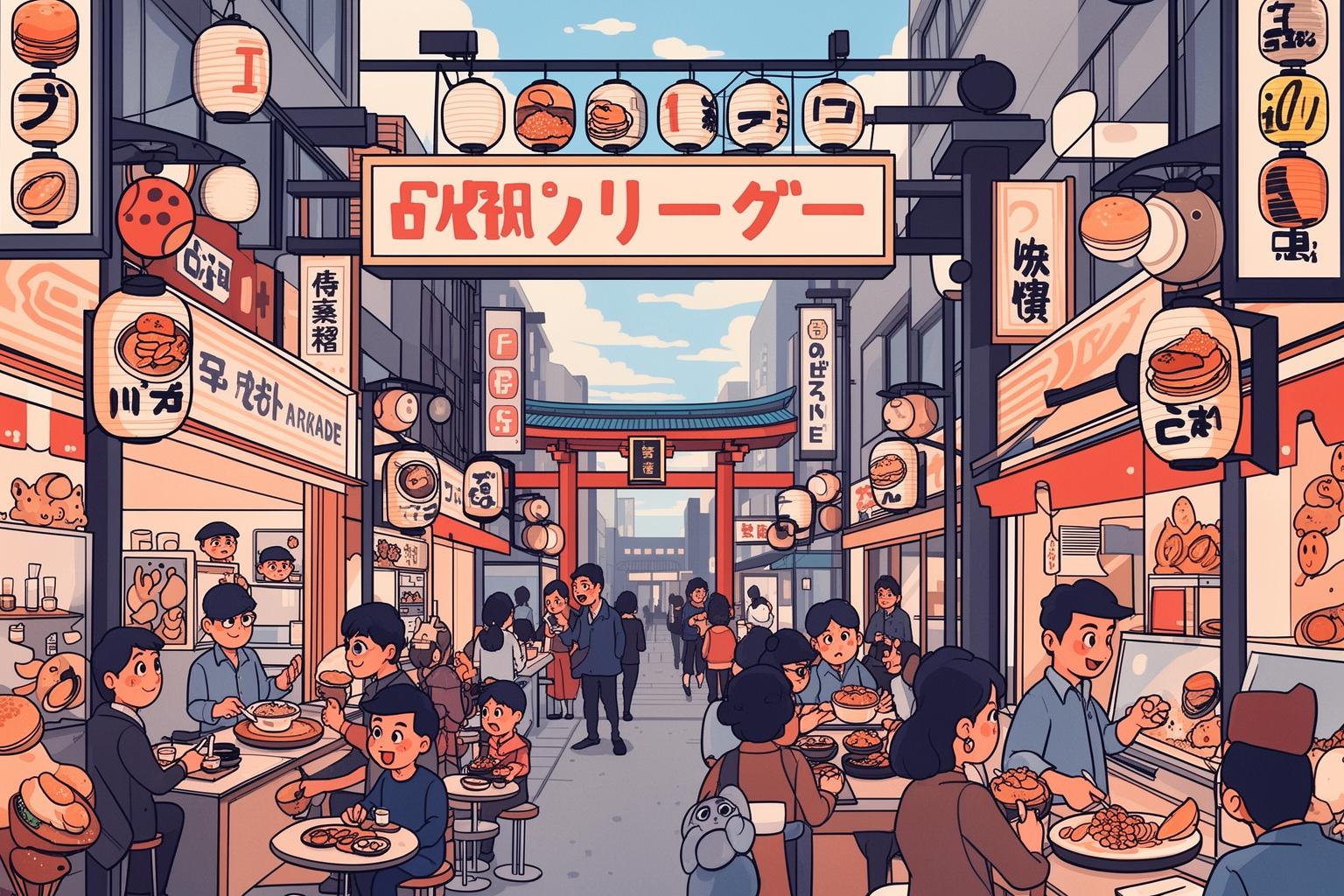
To truly understand the Osaka shopper, you must first discard the Western—and frankly, modern Tokyo—notion of the “one-stop shop.” The hypermarket, a massive suburban store where you can buy everything from tires to rotisserie chicken to widescreen TVs under one roof, is an unfamiliar concept here. That model places convenience above all else, treating time as the most precious resource and aiming to minimize the time spent shopping. Osaka, however, follows a different value system. Here, shopping itself, or ‘kaimono’, is not a chore to be rushed but an activity—a deliberate process of careful selection, a daily pilgrimage through a realm of specialized vendors. It’s a quest for the holy grail of Osaka living: superior ‘cos-pa’, or cost performance.
The ‘Kaimono’ Mindset: Beyond Simply Buying Food
In Osaka, ‘kaimono’ is a verb, an ongoing action, a dynamic process rooted in a centuries-old merchant culture. This city, which pioneered rice futures trading during the Edo period, has calculation, risk assessment, and the pursuit of an advantage ingrained in its DNA. This mindset directly influences grocery shopping. The well-known local saying, ‘ichi-en demo yasui hou e’ (go where even one yen is cheaper), is often mistaken by outsiders as stinginess. But it’s not about cheapness for its own sake; it’s about not being taken advantage of. It’s about getting the greatest value for every yen spent. Why pay 100 yen for a carton of milk at a fancy department store basement when the exact same product, from the same factory, sells for 78 yen at Super Tamade? Doing so would be illogical—a misstep in the daily economic game.
This mindset is intimately linked with a deep respect for ‘shun’, or peak seasonality. An Osaka home cook doesn’t choose a dish first and then shop for ingredients; rather, they visit the market to see what is at its absolute best that day and then decide what to prepare. This reverses the typical Western approach. The shopping trip shapes the menu, not vice versa. In June, greengrocers’ stalls overflow with vibrant green ‘edamame’ and plump, glossy ‘nasu’ eggplants. In the fall, the earthy aroma of ‘matsutake’ mushrooms and the rich orange of persimmons dominate. Shoppers engage in a constant dialogue with the seasons, and the best place for that conversation is not the climate-controlled supermarket aisles but the open-air stalls of the shotengai, where the produce still glistens with morning dew.
The Anatomy of a Shopping Trip: A Multi-Stop Route
Let’s shadow Tanaka-san and outline what a typical, strategic shopping trip for one evening meal might look like. Suppose the aim is a classic Japanese dinner: grilled fish, simmered vegetables, miso soup, and rice. The journey exemplifies optimization.
First stop: The ‘yaoya’, the local independent greengrocer in the shotengai. The owner, with earth-stained hands, offers a carefully curated selection. He doesn’t stock everything, but what he carries is peak season and likely sourced nearby. You need daikon radish for the miso soup. He has three varieties and will tell you which is least fibrous and best for simmering today. You also want green onions; he pulls a fresh, crisp bunch from a water bucket. The exchange is brief but full of insight. He’s not just a cashier—he’s your vegetable consultant.
Second stop: The ‘sakanaya’, the fishmonger a few stalls down. The air smells of the sea and is cool. Gleaming silver skins of ‘aji’ (horse mackerel) and deep red cuts of ‘maguro’ (tuna) rest on beds of ice. Behind the counter, a gruff yet friendly master in a rubber apron deftly breaks down a large sea bream. This is freshness’s temple. You don’t point to a pre-packaged fillet wrapped in plastic; you ask, “Kyou no osusume wa?” (What’s your recommendation today?). He may point to a beautiful mackerel. “Caught this morning,” he grunts. You say you’re grilling it. He nods, and with a swift, precise cut, he guts, scales, and scores it perfectly for the grill. This service is part of the price and the relationship—you’re buying expertise, not just fish.
Third stop, perhaps: The local ‘tofu-ya’. In many neighborhoods, a small shop still makes tofu fresh daily. The subtle sweetness of soybeans fills the air. Here, you can purchase ‘kinugoshi’ (silken) tofu for your miso soup, so delicate it barely holds together, a far cry from the dense, vacuum-sealed supermarket blocks. The woman behind the counter might offer your child a warm cup of ‘tonyu’ (soy milk) while she wraps your tofu in paper.
Final stop: Super Tamade. Now that the main ingredients demanding quality and freshness are secured, it’s time for the staples. You enter Tamade’s sensory chaos to pick up items that are identical everywhere: a carton of Meiji milk, factory-made bread, a bottle of Kikkoman soy sauce, perhaps some inexpensive cleaning products. These are products where only price differentiates them, and Tamade nearly always wins. You might also grab a pack of ‘natto’ (fermented soybeans) or a bag of frozen ‘gyoza’. The quality is standard, but the price is unbeatable.
This entire expedition might take an hour. To someone obsessed with efficiency, it’s an hour wasted. To an Osaka shopper, it’s an hour invested in securing the best meal at the best price. It’s not inefficiency; it’s a finely tuned system of resource allocation. Time and effort focus on the high-value items, while straightforward price-hunting is reserved for the rest. It’s a vivid, living example of microeconomic theory in action.
The Shotengai: The Beating Heart of Community and Quality
The shotengai is more than just a place to shop—it’s the neighborhood’s living room. In a society that can often feel socially reserved, the shotengai provides a space for casual, functional intimacy. It’s a lively, chaotic, and deeply human ecosystem that sharply contrasts with the sterile, impersonal atmosphere of a modern supermarket. To truly understand Osaka, one must grasp the rhythm and role of these covered arcades.
What is a ‘Shotengai’? Beyond a Covered Street
Step into a classic shotengai like Tenjinbashisuji, the longest in Japan, or a smaller neighborhood one near my apartment. The experience engages all your senses. First, the sounds envelop you. There’s the energetic, repeated call of vendors: “Irasshai, irasshai! Yasukutte oishii yo!” (Welcome, welcome! It’s cheap and delicious!). The sizzle of a takoyaki stand, the clatter of a shopkeeper’s shutter, cheerful but slightly distorted J-pop from an old speaker, and neighbors exchanging greetings create a symphony of commerce.
Next come the smells: the fresh, briny scent from the fishmonger; the sweet and savory aroma of soy sauce and mirin grilling eel at the ‘sozai’ (deli); the earthy fragrance of fresh burdock root at the greengrocer; and the warm, sugary scent drifting from the ‘wagashi’ (Japanese sweets) maker. These layered scents form an environment that a supermarket, with its industrial air filtration, could never reproduce. Visually, it can be overwhelming: hand-written price signs in thick black ink hang everywhere, and products spill from storefronts onto the street. There’s an organized chaos here, a richness of information and goods that requires you to slow down and really look.
But the shotengai’s true purpose is social. It’s where weak ties, those casual yet vital community relationships, are formed. You’re not an anonymous customer here. You’re “the young woman from the new apartment building” or “the father of the kid in elementary school.” Shopkeepers know you; they ask about your family and remember that you prefer your pork sliced thin for ‘shabu-shabu.’ This social fabric is invaluable, providing security, information, and a buffer against the loneliness often felt in modern urban life.
The Fishmonger’s Kingdom: Trust, Freshness, and the Daily Catch
The importance of the shotengai is most evident at the ‘sakanaya’ (fishmonger). In a country that consumes so much raw fish, freshness is not optional—it’s essential. While supermarket fish sections offer convenience with neatly packed trays, the fishmonger offers confidence. This confidence is built on a trust chain that begins at the Osaka Central Fish Market in the early morning hours.
Your local fishmonger was probably there at 4 AM, bidding on the best catch. He’s an expert who can judge the quality of tuna by its color and fat, or the freshness of sardines by the clarity of their eyes. He has a personal stake in selling you quality fish because his reputation depends on it. If he sells inferior fish, you won’t return—and you’ll tell your neighbors. This accountability ensures a high standard.
The interaction resembles a consultation. You might ask, “How should I cook this?” and he’ll share recipes passed down through generations. He might advise you simply to salt and grill ‘sanma’ (Pacific saury) in autumn or simmer ‘karei’ (flounder) with soy sauce and ginger. As someone raised with a Chinese tradition of steaming whole fish, I found this specific, technique-based guidance invaluable. He isn’t just selling protein; he’s helping you prepare a meal. Watching him prepare the fish—the swift, precise cuts and near-surgical removal of bones—is a form of theater and a display of the ‘shokunin’ (artisan) spirit applied to everyday needs. This is something a faceless corporation cannot offer.
The Specialist’s Pride: The Butcher, the Greengrocer, and the Pickle Stand
This sense of specialist pride runs throughout the shotengai. The ‘nikuya’ (butcher) doesn’t merely sell meat. He offers solutions. Want to make ‘nikujaga’ (meat and potato stew)? He’ll provide thinly sliced beef with just the right amount of fat to melt into the broth. Planning a barbecue? He’ll recommend a thicker pork belly cut. He knows his product intimately, building his business on being the best at his craft: meat.
The greengrocer curates the seasons. In spring, he offers tender bamboo shoots and bitter mountain vegetables, and he’ll advise on preparation, like removing bamboo shoot bitterness by simmering them with leftover rice bran from your rice cooker. This folk wisdom is practical knowledge passed from vendor to customer—something no algorithm or poorly paid supermarket clerk can offer.
Then there are the ultra-specialists: the ‘tsukemono-ya’ (pickle shop), with giant wooden barrels brimming with dozens of pickled vegetable varieties, from spicy kimchi to subtly salty pickled daikon; and the ‘okome-ya’ (rice shop), where customers select from various rice strains, freshly milled on the spot to preserve flavor and freshness. Each of these shops is a treasure trove of deep, specialized knowledge. Shopping in the shotengai is like assembling a team of expert consultants for your dinner, resulting in a meal far superior to anything you’d find in a supermarket aisle.
Super Tamade: The Temple of Unapologetic Frugality
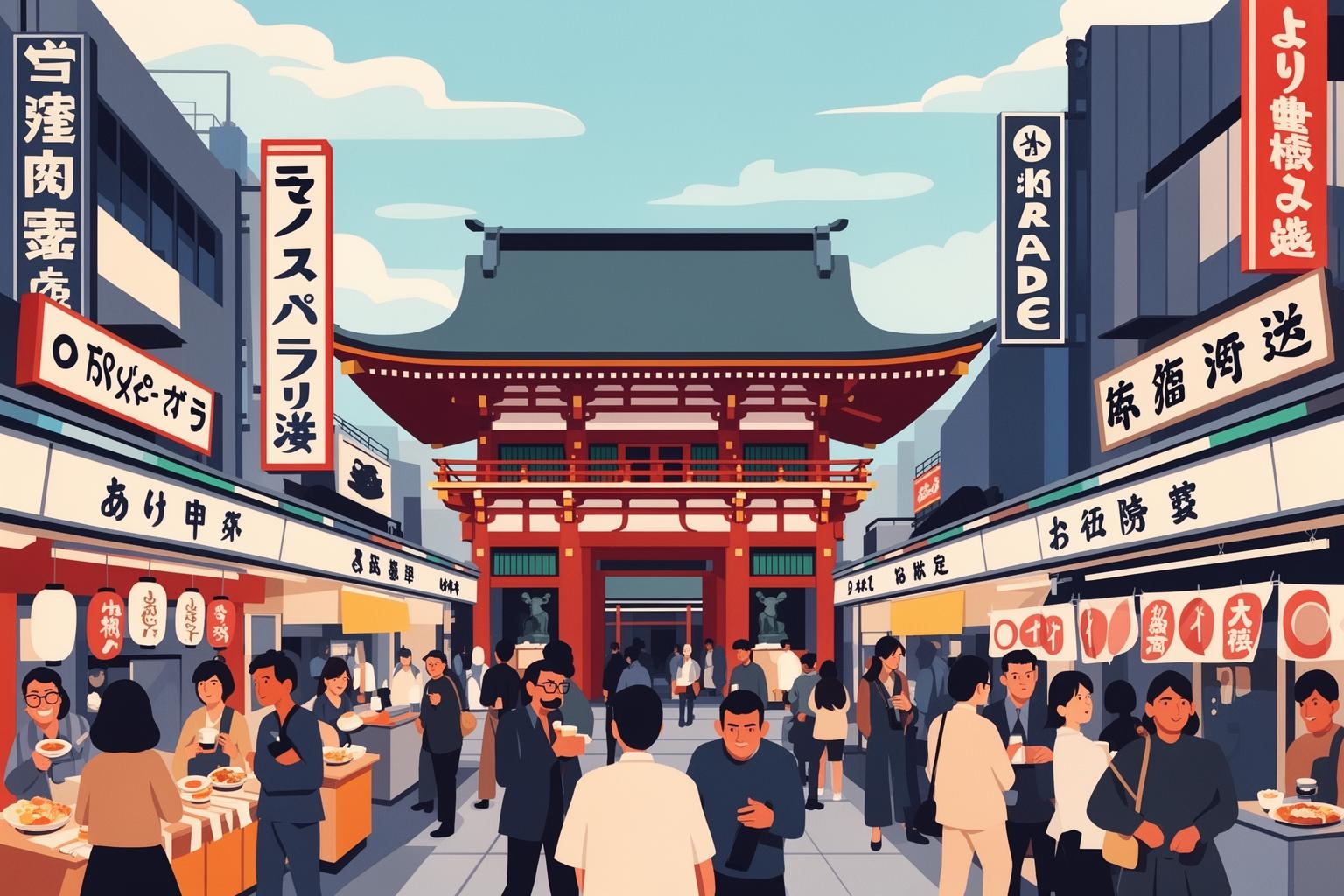
If the shotengai represents the soulful, historic core of Osaka’s food culture, then Super Tamade embodies its loud, pragmatic, and slightly unhinged intellect. Stepping into a Tamade means abandoning any expectation of subtlety or refined aesthetics. It is an all-out sensory bombardment—a chaotic cathedral devoted to a single deity: the lowest possible price. In its own unique way, it is just as crucial to grasping the Osaka character as the shotengai.
A Sensory Onslaught: The Notorious Yellow Palace
From blocks away, a Super Tamade is often unmistakable. Its trademark garish yellow exterior, frequently decked out with flashing neon lights and enormous, cartoonish signs, demands attention. It looks less like a grocery store and more like a pachinko parlor or a discount electronics shop from the ’80s. Inside, the chaos continues. Harsh fluorescent lighting floods narrow aisles cluttered with hand-written signs in bright, clashing colors shouting deals and discounts. And the music—a relentless, high-energy loop of upbeat J-pop or the store’s maddeningly catchy jingle—is interrupted by loud, urgent PA announcements about the latest limited-time sale. “Tadaima yori!” (“Starting right now!”) the announcer bellows, igniting a mild frenzy as shoppers rush toward discounted cup noodles.
This hectic ambiance is entirely intentional. It’s a deliberate tactic to fuel excitement and urgency, creating a treasure-hunt atmosphere that makes shopping feel like a competitive game. The aesthetic—or deliberate lack of one—is a statement in itself. Tamade spares no expense on interior designers, mood lighting, or soothing background music. Every yen saved on overhead is theoretically passed on to customers. This visual and auditory chaos conveys a simple, core message: price is everything, and nothing else matters. This resonates deeply with pragmatic Osaka consumers.
The ‘1-Yen Sale’ and the Bargain’s Psychology
At the heart of the Tamade experience lies the legendary “1-Yen Sale,” the ultimate loss-leader. On specific days or times, if you spend a minimum amount (usually 1,000 yen), you gain the right to purchase a particular item for just one yen. These aren’t obscure or unwanted products but staples: six eggs, a block of udon noodles, a can of coffee, a loaf of bread. Lines for these sales can stretch long, with shoppers clutching baskets, carefully calculating purchases to meet the 1,000-yen requirement.
Rationally, saving 99 yen on a 100-yen item isn’t transformative. Yet, the psychology runs deeper—it’s about the thrill of scoring the deal, the satisfaction of outsmarting the system. In a city of merchants and negotiators, landing a bargain is a point of pride, a tale to tell neighbors. “I got these eggs for one yen at Tamade today!” is a badge of skill and savvy. The 1-yen sale turns an ordinary shopping trip into a game, and Osakans love to play.
This strategy is clever because it guarantees a baseline spend. You arrive for the 1-yen udon but must spend 1,000 yen on other goods to qualify. Tamade knows once inside, you’ll fill your basket with other unbelievably cheap items—from discounted snacks to their own brand of ‘chuhai’ (canned cocktails). It’s a masterful demonstration of behavioral economics unfolding daily in a fluorescent-lit wonderland.
Why Tofu? Understanding the Commodity Logic
This brings us back to the central question: why does the same person who insists on buying fish from an expert at the shotengai happily purchase tofu from Super Tamade? The answer lies in the Osaka shopper’s instinctive product categorization. They mentally sort their grocery list into two types: high-variance and low-variance goods.
High-variance goods are those where quality, freshness, and expert skill make a critical difference. Fish is the prime example—the contrast between a fresh, expertly filleted mackerel and a day-old, pre-packaged one is stark. Likewise, prime beef cuts, perfectly ripe peaches, or freshly baked bread demand specialist care. For these products, shoppers seek out experts, paying a premium not just for the item but for the assurance of quality that knowledge and reputation provide. The vendor relationship is integral.
Low-variance goods, or commodities, are standardized, mass-produced items. A block of tofu from a major brand like Morinaga is identical whether purchased at a luxury department store or Super Tamade. It’s made in the same factory, shipped in the same truck, with the same expiration date. The product doesn’t vary; thus, price becomes the only sensible purchasing criterion. This applies equally to milk, yogurt, eggs from major producers, bottled soy sauce, packaged snacks, and cleaning products. For these, the vendor relationship doesn’t matter; the transaction is impersonal and purely financial. In this category, Super Tamade reigns supreme.
This discerning logic is key. Osaka shoppers are not indiscriminately cheap; they are selectively frugal. They willingly pay for quality where it counts but refuse to overpay for brand or ambiance when buying standardized commodities. It’s a rational, efficient approach to consumption—an ongoing, subconscious cost-benefit calculation.
The Cultural Divide: Osaka vs. Tokyo Grocery Habits
The strategic, multi-stop shopping ritual in Osaka highlights the contrasting habits found in other cities, especially Tokyo. The way people purchase their daily essentials powerfully reflects the deeper cultural and economic forces shaping these two urban centers. It’s a story of convenience versus value, of speed versus careful selection.
Tokyo’s Convenience Culture: Efficiency Rules
Life in Tokyo often feels like a race against time. The city is characterized by its immense size, intricate rail system, and a corporate culture that frequently demands long working hours. In this setting, time is the most precious resource. This reality is mirrored in its grocery shopping habits. The prevailing model is the large, efficient supermarket located in or near major train stations. Stores such as Seijo Ishii, Queen’s Isetan, and the basement food halls (‘depachika’) of large department stores cater primarily to busy professionals. Their appeal is straightforward: obtain everything you need, of consistently high quality, in one place and as quickly as possible.
These establishments exemplify efficiency. They are clean, well-lit, and meticulously organized, offering a wide selection including imported goods, organic produce, and gourmet prepared meals for those with little time to cook. The growth of online grocery delivery services like Amazon Fresh and specialized supermarket apps is a natural extension of this philosophy. The ultimate convenience is avoiding the store visit altogether. Spending an hour moving between a fishmonger and a greengrocer would strike many Tokyoites as an unthinkable waste of time. The aim is to eliminate hassle and simplify daily routines to carve out more time for work and other activities.
Osaka’s ‘Cost Performance’ Culture: Value Comes First
Osaka, although also a major metropolis, functions at a slightly different pace. There is a stronger focus on work-life balance and a cultural obsession with ‘cos-pa’ (cost performance) that influences all aspects of life. As observed, cost performance is a more complex idea than merely being cheap. It represents a refined balance of quality against price. The Osaka shopper is an expert in evaluating this balance.
Take this example: a beautiful sea bream fillet from the shotengai might cost 600 yen, while a smaller, less appealing fillet at a generic supermarket could be 400 yen. The Tokyo convenience approach might favor the cheaper supermarket option, especially since it’s more accessible. However, the Osaka ‘cos-pa’ perspective sees the 600-yen fillet as offering far superior value. The improvement in quality (freshness, taste, skilled preparation) far outweighs the 50% price difference. In effect, you get more ‘quality points’ per yen. Conversely, a bottle of brand-name soy sauce might be 198 yen at the upscale supermarket but only 158 yen at Tamade. Since the product is identical, the Tamade option has significantly higher ‘cos-pa’; paying an extra 40 yen at the fancier store is, from the Osaka viewpoint, throwing money away for no reason.
This persistent, almost instinctive calculation stems from Osaka’s history as Japan’s merchant capital. Known as the ‘nation’s kitchen’, the city was built on trade, negotiation, and astute value assessment. Residents take pride in living well without excess, discovering hidden treasures, and securing the best deals. Conversations between Osaka friends are more likely to include remarks like “I got this for a great price at a little shop” rather than “I bought this at a luxury department store.” The former signals savvy and resourcefulness; the latter can sometimes imply foolishness.
What This Means for You, the Foreign Resident
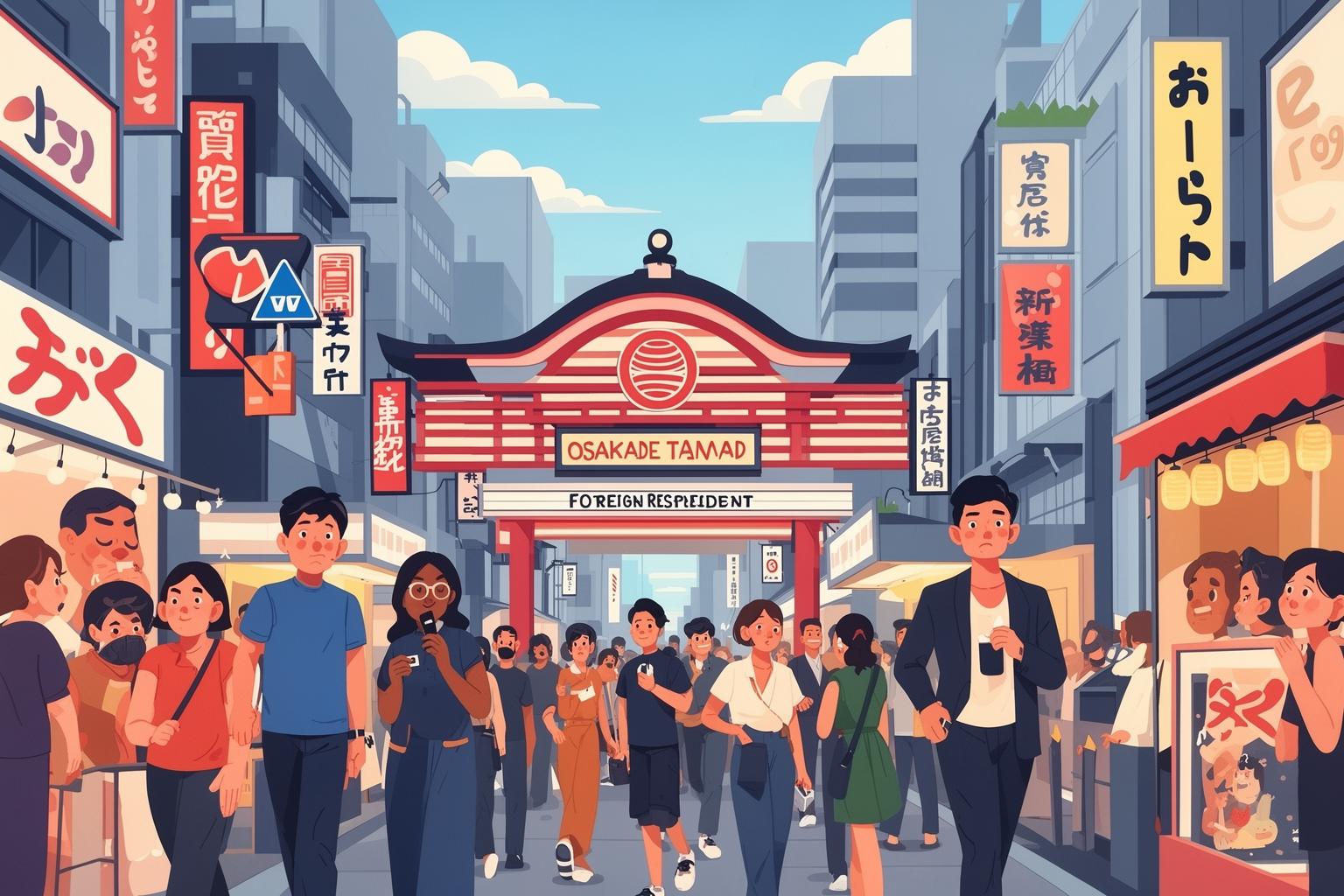
So, you’ve relocated to Osaka. You’re figuring out the train system, learning the garbage sorting rules, and trying to decipher the local dialect. How do you handle the everyday task of feeding yourself? You could, of course, just head to the nearest large supermarket and be done with it. But if you want to genuinely understand and connect with this city, you need to embrace the grocery challenge. You need to learn to shop like a local.
Navigating the System: A Practical Guide
First, don’t be overwhelmed by the shotengai. It might seem hectic, but it’s incredibly welcoming. Start small. Choose one item you want to buy—like some seasonal fruit—and visit the greengrocer. You don’t need to speak fluent Japanese. A simple point and a smile will get you far. Learn a few key phrases: “Kore, kudasai” (This one, please); “Ikura desu ka?” (How much is it?). The essential phrase, however, is “Osusume wa?” (What do you recommend?). This simple question turns you from a mere customer into someone seeking guidance. It shows respect for the vendor’s expertise, and they will almost always respond enthusiastically, directing you to the best item of the day.
Next, embrace the multi-stop lifestyle. Don’t think of it as a hassle. Think of it as exploring your neighborhood. On Saturday morning, take a stroll. Buy your bread from the local bakery, your vegetables from the yaoya, and your chicken from the nikuya. Each stop is a small, positive social interaction. It’s how you learn the rhythm of your neighborhood. It roots you in your environment in a way that driving to a hypermarket never can.
Finally, learn to appreciate Super Tamade for what it is. Don’t be a snob. Go there for your milk, eggs, cleaning supplies, and instant noodles. Enjoy the chaos. Try to catch a 1-yen deal. Pick up one of their ridiculously cheap bento boxes for lunch sometime. Understanding Tamade is grasping the city’s deep-rooted pragmatism and its fondness for a good, honest bargain. It represents one half of Osaka’s shopping spirit.
Understanding the Unspoken Rules
There is etiquette in shotengai shopping that differs from the impersonal supermarket experience. Have cash ready, especially at smaller stalls. Many don’t accept credit cards. Bring your own shopping bag; it’s both eco-friendly and expected. Most importantly, acknowledge the shopkeepers. A simple “Konnichiwa” when you arrive and “Arigatou gozaimasu” when you leave makes a big difference. You’re taking part in a community, not merely completing a transaction.
The social contract is real. As you become a regular, you’ll notice changes. The fishmonger might throw in an extra shrimp for you. The butcher may give you a better cut of meat. The greengrocer might save the last bunch of a certain vegetable for you because she knows you like it. This isn’t bribery or special favors. It’s the natural outcome of a human relationship. You support their small, local business, and in return, they take care of you. It’s a beautiful, symbiotic system that’s been weakened by the rise of corporate retail.
Beyond the Groceries: Finding Your Place in Osaka
Ultimately, learning how to shop in Osaka is a metaphor for learning how to live here. It teaches you to slow down, observe, and engage with the people around you. It reveals the city’s core values: a deep appreciation for artisanal skill and fresh, seasonal food; a sharp, witty pragmatism that refuses to overpay for basics; and the importance of the intricate fabric of community relationships that bind neighborhoods together.
Every trip to the shotengai is a lesson in Japanese food culture. Every visit to the neon-lit Super Tamade is a lesson in Osaka’s economic mindset. When you instinctively know, “I’ll get the fish from Tanaka-san at the arcade, but I’ll grab the tofu from Tamade on the way home,” you’ve crossed a threshold. You’re no longer just a foreign resident looking in from the outside. You’re beginning to think like a local. You’re participating in the daily, strategic art of living well in this vibrant, practical, and endlessly fascinating city. You’re weaving yourself into Osaka’s fabric, one perfectly chosen daikon radish at a time.