The ocean air whips around you, fresh and salty, carrying the faint calls of gulls and the distant hum of a city that never sleeps. You’ve just spent hours lost in another world, a vertical metropolis of water and wonder at the Osaka Aquarium Kaiyukan. You descended from sunlit rainforests into the deep, dark blue of the Pacific Ocean, mesmerized by the silent, graceful dance of a giant whale shark. You watched playful otters, majestic sea lions, and ethereal jellyfish float like living galaxies. Now, emerging from that cool, silent world back into the vibrant energy of Tempozan Harbor Village, a different kind of hunger awakens. It’s a craving for something terrestrial, something rich and savory, a perfect counterpoint to the aquatic journey you’ve just completed. This is the moment your Osaka adventure pivots from the spectacle of the sea to the legendary artistry of Japanese cuisine. This is the moment you decide to seek out the world’s most coveted beef: Wagyu, and its crown jewel, Kobe beef.
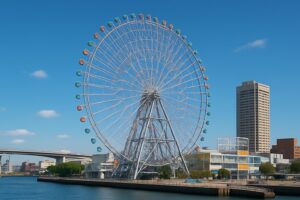
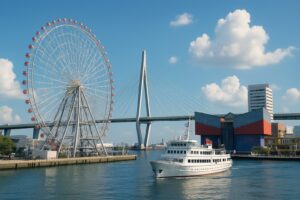
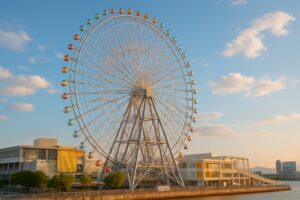
Nestled on the bay, the Tempozan area is more than just the home of the Kaiyukan. It’s a complete entertainment district, with the giant Tempozan Ferris Wheel painting slow, colorful circles in the sky, offering panoramic views of the port and the city skyline. There’s the Naniwa Kuishinbo Yokocho, a food theme park designed to look like a street from 1960s Osaka, and the Legoland Discovery Center. It’s a place of joy, laughter, and discovery. But for the discerning traveler, it’s also the perfect launchpad for a culinary quest. While Tempozan itself offers many delightful dining options, the true treasures of the Kansai food scene, especially when it comes to premium beef, are just a short, easy journey away. This guide is your map, leading you from the harbor’s edge into the heart of Osaka’s gastronomic soul, where sizzling grills and master chefs await to introduce you to an experience that will redefine your understanding of flavor. Get ready to embark on a journey that satisfies a hunger you didn’t even know you had, turning a great day at the aquarium into an unforgettable epicurean memory.
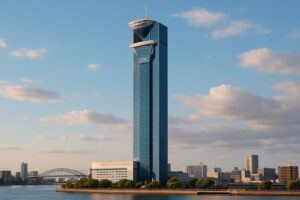
After your aquatic adventure, consider extending your culinary journey to savor exquisite Wagyu beef at the Asia and Pacific Trade Center, a perfect oceanfront dining experience.
The Primal Craving: Why Wagyu After an Aquarium Visit Feels So Right
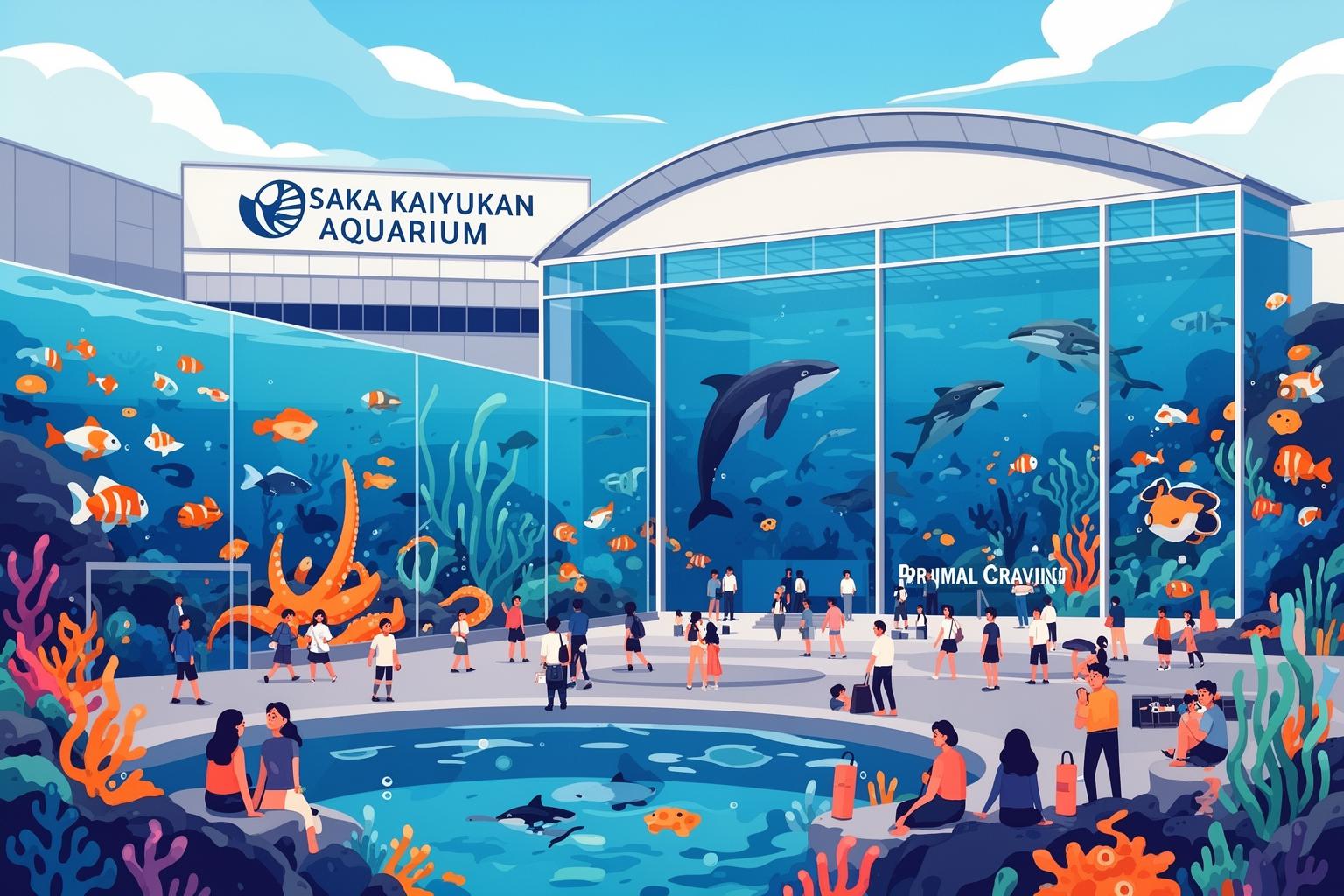
There’s a beautiful, almost poetic symmetry in pairing a deep exploration of marine life with an equally profound dive into one of Japan’s most renowned land-based delicacies. The Kaiyukan experience is one of total immersion. You are enveloped by the fluid, graceful movements of the ocean’s creatures. It’s a realm of cool blues, shimmering silvers, and profound silence. The sensations are chiefly visual and auditory—the gentle flutter of a manta ray’s wings, the mesmerizing pulse of a jellyfish bell, the deep, soothing blue of the central tank.
When you return to the pier at Tempozan, your senses are jolted back to the world of air and solid ground. The sun feels warmer, the city sounds sharper, and your sense of smell, muted inside the aquarium’s filtered air, bursts vividly back to life. This is where the craving emerges. It’s a longing for warmth, for fire, for something rich with a deep, savory aroma and a grounding, robust flavor. The sizzle of beef on a hot grill, the smoky fragrance filling the air, the melt-in-your-mouth texture—it’s the perfect, elemental counterpoint to the cool, fluid world you just left behind. It’s a shift from observing life to indulging in one of its greatest pleasures. This is more than merely having dinner; it’s about completing the sensory journey of your day, harmonizing the ethereal beauty of the ocean with the sublime, earthy satisfaction of an exceptional meal.
Demystifying the Legend: Understanding Wagyu and Kobe Beef
Before deciding where to eat, it’s crucial to understand the experience you’re about to have. Visitors often use the terms ‘Wagyu’ and ‘Kobe beef’ interchangeably, but they embody distinct worlds of tradition, genetics, and strict standards. Knowing the difference transforms your meal from mere consumption into a genuine appreciation of culinary artistry.
What Exactly is Wagyu?
The term is straightforward: ‘Wa’ (和) means Japanese, and ‘gyu’ (牛) means cow, so Wagyu literally means ‘Japanese cow’. However, it specifically refers to four native Japanese cattle breeds genetically inclined to produce intense marbling within their muscle tissue. This marbling, called ‘sashi’ in Japanese, is key to its unmatched flavor and texture. Unlike typical Western steak fat, which usually surrounds the muscle, Wagyu fat is intricately dispersed throughout. When cooked, this fat melts at a low temperature, basting the meat from inside and delivering a buttery, tender, and juicy experience unlike any other. Additionally, the fat is rich in unsaturated fatty acids like omega-3 and omega-6, contributing subtle sweetness and a deep umami that lingers on the palate.
The four main breeds are:
- Japanese Black (Kuroge Washu): The most prominent breed, making up over 90% of Wagyu cattle in Japan. Known for exceptional marbling, it is the source of famous brands such as Kobe, Matsusaka, and Omi beef.
- Japanese Brown (Akage Washu): Also called ‘red cattle,’ this breed is leaner than Japanese Black but still offers rich, savory flavor.
- Japanese Shorthorn (Nihon Tankaku Washu): A rare breed mostly found in northern Tohoku, prized for lean meat with robust flavor.
- Japanese Polled (Mukaku Washu): The rarest breed, leaner yet valued for its high umami content.
The Essential Grading System
Menus often display codes like ‘A5’ or ‘B4’, which come from the Japanese Meat Grading Association’s system—a mark of quality assurance. The grade consists of two parts: a letter and a number.
- Letter (Yield Grade): Ranges from A to C, with A being the highest. It indicates the ‘yield’ or percentage of usable meat from the carcass. An ‘A’ grade means the cow produced a high quantity of quality meat.
- Number (Quality Grade): From 1 to 5, with 5 being the highest. This reflects the meat’s quality based on four criteria:
- Marbling (BMS – Beef Marbling Standard): The most important factor, rated from 1 to 12. A quality score of 5 requires a BMS of 8 to 12, representing the famed ‘A5’ Wagyu, characterized by dense, snowflake-like marbling nearly pinkish-white in color.
- Meat Color and Brightness: The meat should be bright, fresh red.
- Firmness and Texture: The meat should be firm yet finely textured.
- Fat Color and Luster: The fat should be clean, bright white.
Ordering ‘A5 Wagyu’ means receiving the highest grade for both yield and quality, embodying the pinnacle of craftsmanship and guaranteeing an extraordinary culinary experience.
What Makes Kobe Beef So Special?
Here lies the crucial distinction: all Kobe beef is Wagyu, but not all Wagyu is Kobe beef. Kobe beef isn’t a breed but a brand—arguably the most prestigious and exclusive beef brand worldwide. To be labeled ‘Kobe beef,’ meat must meet an exceptionally strict set of criteria beyond standard Wagyu grading.
- Bloodline: It must come from purebred Tajima-gyu, a Japanese Black strain, raised and processed exclusively in Hyogo Prefecture, whose capital is Kobe.
- Raising Standards: Cattle are raised on designated farms with specific feeding regimens, including rice straw, maize, barley, and fresh water. A stress-free environment is essential for the meat’s delicate texture.
- Grading: The beef must score 4 or 5 in quality, with a Beef Marbling Standard (BMS) of 6 or above.
- Weight: Strict carcass weight limits ensure the animal matures perfectly.
- Certification: Authentic Kobe beef bears an official Japanese chrysanthemum seal. Certified restaurants often display a bronze statue or plaque as proof.
This rarity and rigorous process make Kobe beef highly prized and expensive. It represents centuries of breeding, careful husbandry, and unwavering dedication to quality. Its flavor is often described as more refined and delicate than other A5 Wagyu, with a sweet aroma and richness that melts away without any greasy aftertaste. Eating Kobe beef is more than a meal—it’s an encounter with perfection.
Your Culinary Compass: Styles of Wagyu Dining
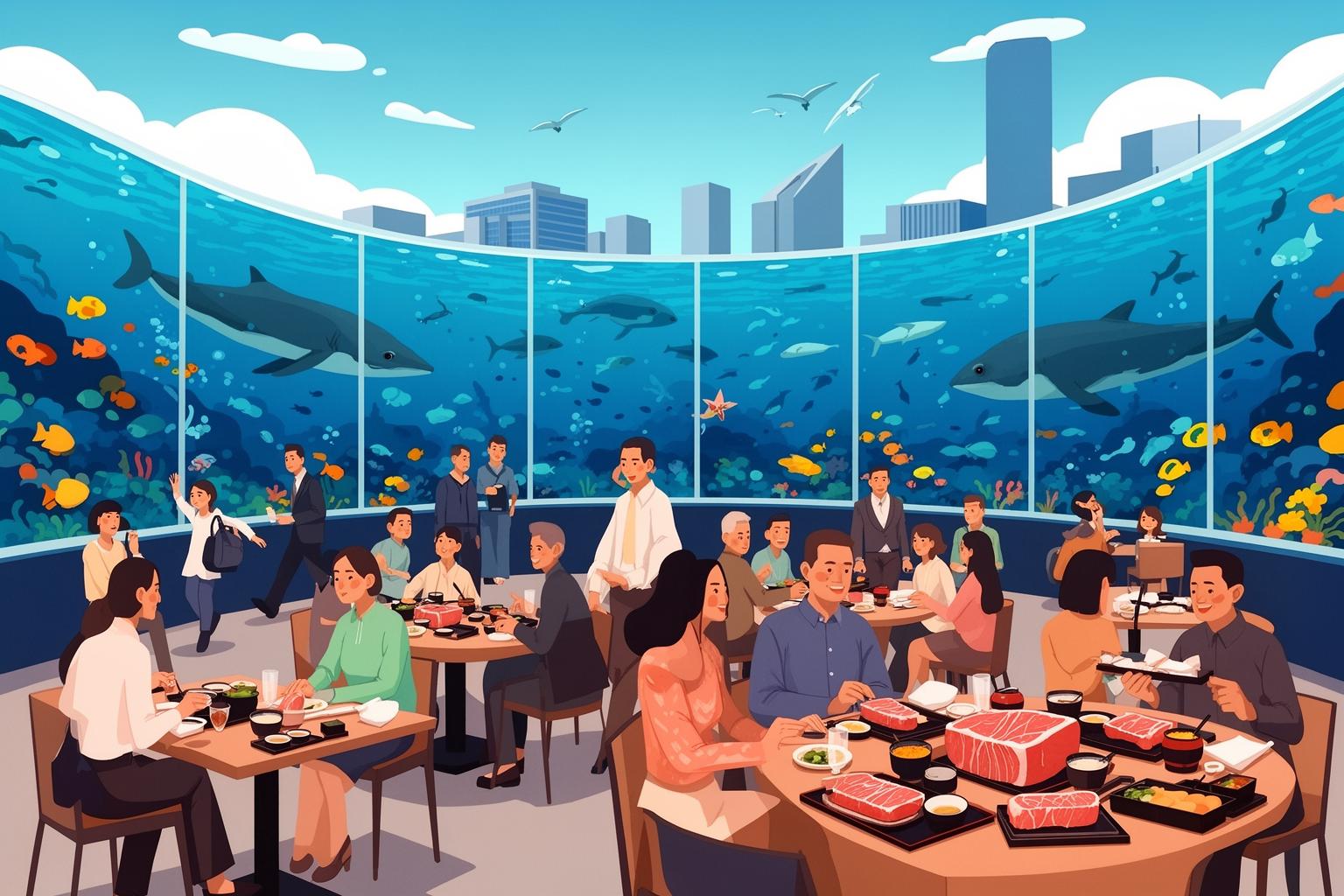
Now that you know the treasure you’re chasing, the next step is choosing how you’d like to savor it. Japanese cuisine presents several distinct and delightful methods to enjoy premium beef, each with its own unique ambiance, customs, and flavor nuances. The choice you make will define your entire evening.
Yakiniku: The Sizzling, Social Experience
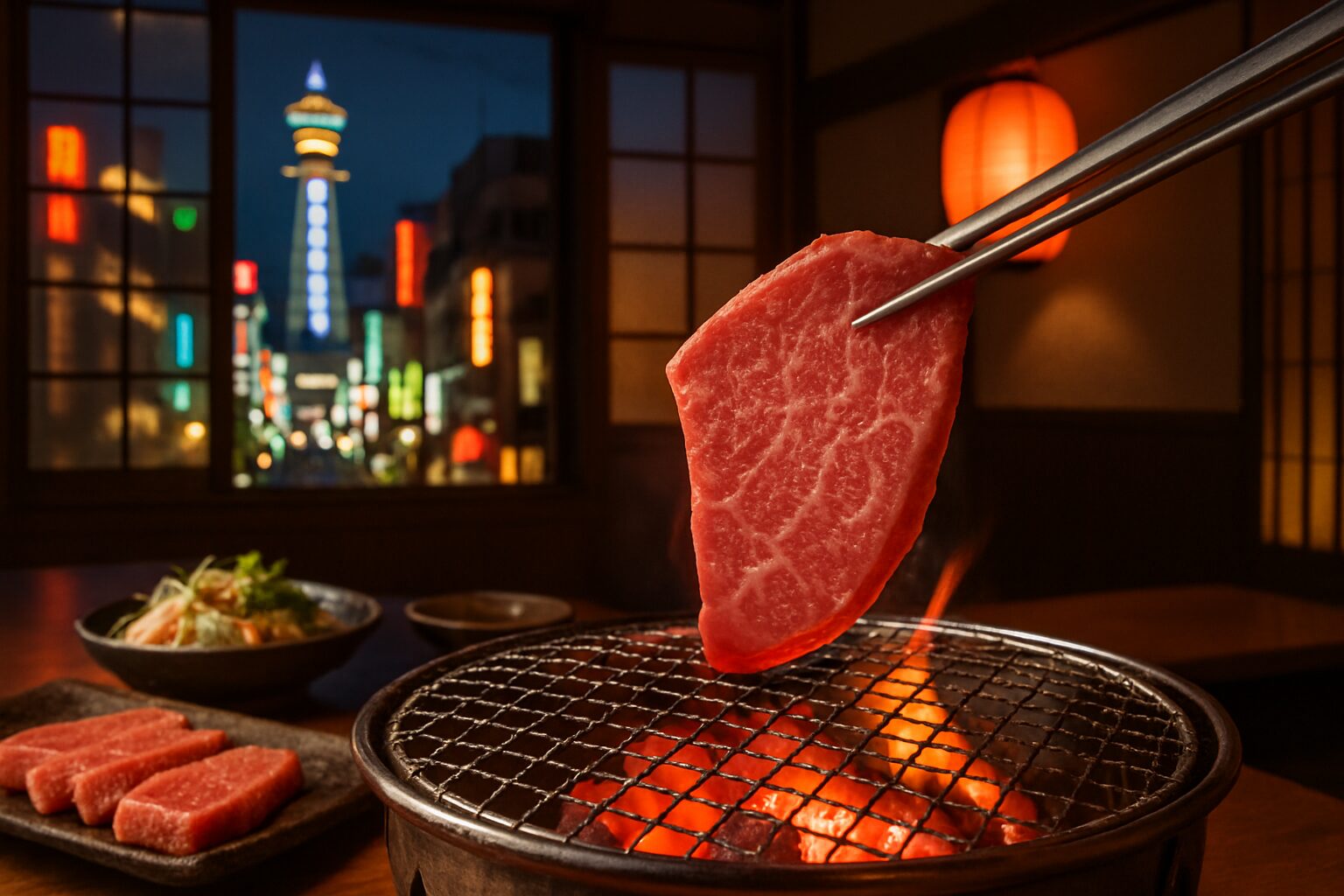
Picture a lively, friendly setting. The air is rich with the tempting scent of grilling meat and the joyful conversations of friends and family. At the center of your table sits a charcoal brazier or gas grill, glowing with anticipation. This is yakiniku, the Japanese style of tabletop barbecue.
The Vibe: Yakiniku is enjoyable, hands-on, and often wonderfully informal. It’s an interactive experience where you become the chef, grilling thin slices of various beef cuts to your preferred doneness. The emphasis is on tasting and comparing different parts of the cow, each offering its own texture and flavor. It’s a fantastic way to sample a variety of Wagyu without committing to a large single steak.
What to Expect: Platters of beautifully marbled, raw meat will be served. The menu is organized by cut—karubi (short rib), rosu (loin), harami (skirt steak), tan (tongue), plus more exotic selections. A great way to begin is with a ‘moriawase’, or assorted platter, which offers a chef’s curated selection. You’ll use tongs to place the meat on the grill. The key with high-quality Wagyu is not to overcook it. For most thin slices, just a few seconds on each side is enough to sear the outside while keeping the inside tender and juicy. The fat will sizzle and drip, releasing an enticing aroma. Once cooked, dip the meat into various sauces called ‘tare’, ranging from a classic sweet and savory soy-based sauce to a simple salt and lemon blend that highlights the pure beef flavor.
Best For: Groups, families, and anyone seeking a relaxed, social, and delicious dining experience. It’s an excellent and relatively affordable way to taste premium Wagyu.
Teppanyaki: Dinner as Performance Art
If yakiniku is a casual jam session, teppanyaki is a symphony led by a master conductor. Here, you sit at a counter facing a large, flat iron griddle—the ‘teppan’—while a highly skilled chef prepares your entire meal before your eyes with breathtaking precision and flair.
The Vibe: Teppanyaki is elegant, theatrical, and deeply personal. It’s both dinner and a show. The chef is your host, cook, and entertainer all in one. You’ll watch the flash of knives, the precise flick of a spatula, and the controlled sizzle as each ingredient is cooked to perfection. The atmosphere is often more refined and intimate, ideal for special occasions.
What to Expect: Teppanyaki usually consists of a full-course meal. It may begin with a delicate appetizer, followed by grilled seasonal vegetables and fresh seafood like prawns or scallops, all expertly prepared on the griddle. The highlight, of course, is the Wagyu. The chef will first present the raw steak, a piece so beautifully marbled it resembles artwork. Then they’ll cook it to your exact preference, slicing it into bite-sized cubes seared to perfection. A memorable finale is the garlic fried rice, made with beef drippings and crispy garlic chips for incredible flavor. Every step is intentional, every movement part of the performance.
Best For: Couples, special celebrations, or anyone who values culinary skill and wants a truly memorable, high-end dining experience. It’s the classic way to enjoy a premium Kobe beef steak.
Steakhouse: The Best of Both Worlds
For lovers of the traditional steak dinner, Osaka offers a Japanese take that elevates the experience. These are not your typical Western steakhouses. They blend the Japanese reverence for ingredients with the familiar format of a thick-cut steak.
The Vibe: Japanese steakhouses are typically sophisticated and serene. The focus is solely on the beef’s quality. The décor is often minimalist and elegant, creating a calm setting where you can fully appreciate the meal’s complex flavors. Service is impeccable and deeply respectful.
What to Expect: You select your preferred cut—sirloin, filet, or the ultra-rare and prized chateaubriand—and its weight. The steak is often cooked over ‘binchotan’, a special charcoal that burns extremely hot without smoke or flame, forming a perfect crust while keeping the interior moist and tender. The steak is served simply, with a side of grilled vegetables, a small salad, and a selection of dipping salts, fresh wasabi, and a light soy-based sauce. The aim is not to mask the beef’s flavor but to enhance its natural richness and umami.
Best For: Purists and steak aficionados who want to experience Wagyu in its purest, most potent form. It offers a contemplative and deeply satisfying meal.
Sukiyaki and Shabu-Shabu: The Communal Hot Pot
Though not focused on grilling, these two hot pot styles are classic and beloved ways to enjoy thinly sliced, premium Wagyu.
The Vibe: Like yakiniku, these are communal, comforting meals, perfect for chilly evenings. You gather around a simmering pot in the center of the table.
What to Expect:
- Sukiyaki: Wagyu slices simmer in a shallow iron pot with a sweet and savory broth of soy sauce, sugar, and mirin. You cook the beef alongside tofu, leeks, mushrooms, and translucent shirataki noodles. A key tradition is dipping the cooked beef into a bowl of raw, beaten egg before eating. Though it may sound unusual, the creamy egg coats the rich beef perfectly, balancing the broth’s sweetness and creating an incredibly silky texture.
- Shabu-Shabu: A lighter, more savory option. The name mimics the ‘swish-swish’ sound made when swishing thin slices of Wagyu back and forth for just seconds in a pot of simmering clear ‘kombu’ (kelp) broth. Once cooked, dip the meat in either a citrusy ‘ponzu’ sauce or a creamy ‘goma’ (sesame) sauce. It’s a delicate, elegant way to savor the pure, unadulterated flavor of the beef.
Best For: Those seeking a traditional, comforting, and interactive Japanese meal. It’s a wonderful way to experience how Wagyu’s texture transforms when gently simmered rather than grilled.
The Journey from Tempozan: Finding Your Perfect Wagyu Meal
While Tempozan Harbor Village is a great destination, the highest concentration of premier Wagyu and Kobe beef restaurants can be found in Osaka’s lively downtown areas. The good news is that reaching these spots from the Kaiyukan is very easy and part of the experience. Osakako Station on the Chuo Line is just a five-minute walk from the aquarium and serves as your gateway to the city’s culinary hotspots.
Option 1: Head to Namba and Dotonbori (The Epicenter of Fun and Food)
Travel Time: About 15-20 minutes by subway. Take the Chuo Line from Osakako Station to Awaza Station, then transfer to the Sennichimae Line to Namba Station.
The Atmosphere: This is Osaka at its most vibrant and iconic. The neon lights of the Glico Running Man sign, the giant mechanical crab, and the endless lanterns reflecting on the Dotonbori canal create a dazzling, Blade Runner-like cityscape. The streets are filled with people, energy, and, most importantly, a remarkable number of restaurants. Here you’ll find a dense concentration of dining options, from lively, affordable yakiniku spots to world-class teppanyaki venues.
What You’ll Find:
- Yakiniku Alleys: Explore the backstreets, where countless yakiniku restaurants with smoke billowing from their doors offer great value with moriawase platters of quality Wagyu at reasonable prices. Look for places bustling with local patrons—that’s always a good sign.
- Teppanyaki with a View: Several Namba-area restaurants, especially those in hotels or on upper floors of department stores, provide stunning teppanyaki meals paired with panoramic views of the sparkling city. This is the place for a truly spectacular dining experience.
- Kobe Beef Specialists: Thanks to its proximity to Kobe, Osaka boasts many certified Kobe beef restaurants. In Namba, you’ll find establishments proudly displaying their certification and bronze statues, guaranteeing an authentic experience. Expect a higher price point, but for a once-in-a-lifetime meal, it’s absolutely worth it.
Local Tip: Don’t hesitate to explore the smaller shotengai (covered shopping arcades) branching off the main Dotonbori strip. These hidden gems often offer a more local and less touristy dining experience.
Option 2: Explore Umeda (The Sophisticated Urban Hub)
Travel Time: Roughly 25-30 minutes by subway. Take the Chuo Line from Osakako Station to Hommachi Station, then transfer to the Midosuji Line to Umeda Station.
The Atmosphere: Umeda is Osaka’s northern downtown, a polished and sophisticated district known for gleaming skyscrapers, high-end department stores, and vast underground malls. The vibe is more upscale and businesslike than Namba, but it’s equally rich in culinary delights. Landmarks like the Umeda Sky Building and Grand Front Osaka showcase modern architecture and fine dining.
What You’ll Find:
- Refined Dining: Umeda hosts many of the city’s most renowned restaurants, often located within luxury hotels like the Ritz-Carlton or InterContinental. Here you’ll find impeccable service, exquisite presentation, and some of the finest Wagyu and Kobe beef teppanyaki and steakhouse experiences in Osaka.
- Department Store Delights: A highlight of Japanese cities is the quality found on department store dining floors. The upper levels of Hankyu, Hanshin, and Daimaru department stores in Umeda feature a collection of excellent restaurants, many specializing in Wagyu, sukiyaki, and shabu-shabu. The quality is outstanding, and the atmosphere is convenient and comfortable.
- Kitashinchi District: A short walk from Umeda Station lies Kitashinchi, Osaka’s premier nightlife and entertainment district. This maze of narrow streets houses exclusive restaurants and bars. Though it can be daunting for newcomers, it’s home to some of the best—and priciest—Wagyu and Kobe beef restaurants in Japan, many of which are small, chef-owned establishments. Reservations are essential here.
Option 3: Make the Pilgrimage to Kobe (The Source)
Travel Time: Approximately 45-60 minutes. From Osakako Station, take the subway to Bentencho Station, then catch the JR Osaka Loop Line to Osaka Station (next to Umeda Station). From Osaka Station, transfer to the JR Kobe Line for a rapid train to Sannomiya Station, Kobe’s main station.
The Atmosphere: For purists, nothing compares to enjoying Kobe beef in its hometown. Kobe is a stylish, cosmopolitan port city tucked between mountains and the sea, with a more relaxed, international ambiance than Osaka. The area around Sannomiya and Kitano-cho is dotted with steakhouses and teppanyaki restaurants specializing in this famed local delicacy.
What You’ll Find:
- Unrivaled Authenticity: Every Kobe beef specialty restaurant here is certified. Fierce competition ensures consistently outstanding quality. Being at the source, you’ll sense the chefs’ pride and expertise.
- Steakland and Beyond: Popular spots well-known among tourists offer fantastic lunch deals that make Kobe beef surprisingly affordable. You’ll also discover older, historic establishments with generations of experience.
- A Complete Experience: The trip to Kobe turns your meal into a full excursion. Spend the afternoon exploring the scenic harbor, the historic foreign settlement, or the Nunobiki Herb Garden before enjoying a meal that serves as the grand finale. Savoring the world’s most famous beef in the city that gave it its name is an unforgettable experience.
Practical Advice for a Perfect Beef Experience

Navigating the realm of high-end Japanese dining can feel overwhelming, but with some preparation, your experience will be much smoother and more enjoyable. Here are key tips to ensure your Wagyu journey is seamless, delightful, and delicious.
Reservations Are Essential
For any mid-range to upscale Wagyu restaurant—especially teppanyaki spots or renowned Kobe beef specialists—making a reservation is strongly advised, if not required. Popular venues often book weeks ahead, particularly on weekends. Walking in for dinner at a highly rated restaurant is rarely successful.
- Booking Tips: Many upscale restaurants now offer online reservations, sometimes in English. If not, your hotel concierge is a great ally—they can call on your behalf, bridge any language gaps, and secure your table. There are also online third-party booking platforms that assist with reservations.
- Be On Time: Punctuality is deeply valued in Japanese culture. Arriving promptly for your reservation shows respect to both the chef and the establishment.
Decoding the Menu and Ordering
Don’t be put off by menus filled with unfamiliar Japanese terms. Here’s a brief guide to common cuts you’ll encounter at a yakiniku restaurant:
- Karubi (カルビ): Short rib. A classic favorite, known for its juicy, richly marbled flavor. It’s always a crowd pleaser.
- Rosu (ロース): Loin. Includes cuts like sirloin and ribeye, offering a balanced taste and tender texture.
- Harami (ハラミ): Skirt steak. Though technically offal, it has a deep, meaty flavor and a satisfying chew. Its appearance resembles red meat and it’s beloved by many enthusiasts.
- Tan (タン): Tongue. Typically served as an appetizer, thinly sliced and grilled with lemon and salt. It has a unique, slightly crunchy texture and tastes excellent.
- Moriawase (盛り合わせ): Assorted platter. This is an ideal way to start, allowing you to sample multiple cuts without ordering each one separately. The chef chooses a well-balanced mix of textures and flavors.
Planning Your Budget
Wagyu is a premium ingredient, reflected by its pricing, which corresponds to the quality and care involved in raising the cattle. Nevertheless, pricing varies widely.
- Casual Yakiniku: A satisfying Wagyu yakiniku meal can be enjoyed for about ¥5,000 to ¥10,000 per person.
- Mid-Range Teppanyaki/Steakhouse: Expect to spend ¥12,000 to ¥20,000 per person for a full-course dinner at a quality restaurant.
- Luxurious Kobe Beef: Dining on certified A5 Kobe beef at top-tier restaurants often costs ¥20,000 to ¥30,000 or more per person, depending on the cut and portion size.
Money-Saving Tip: Take advantage of lunch specials! Many high-end teppanyaki and steak places, including those in Kobe, offer lunch menus featuring the same premium beef at a fraction of the dinner cost. If you’re budget-conscious without wanting to compromise on quality, lunchtime is the perfect opportunity to indulge in Wagyu.
Dining Etiquette
Japanese dining customs are straightforward and mostly centered on respect.
- At Yakiniku: Use the tongs provided to handle raw meat, avoiding your own chopsticks when placing meat on the grill. Cook only a few pieces at a time, and don’t overcrowd the grill.
- At Teppanyaki: Interaction with the chef is encouraged. Feel free to ask questions or compliment their skills—it’s part of the experience. Photographing is generally allowed, but be polite and ask first, especially if you want to use a flash.
- General: The small wet towel (‘oshibori’) given at the start of the meal is for cleaning your hands only, not your face or the table. It’s also considerate to finish all the food on your plate, particularly rice, as wasting food is frowned upon.
A Final Thought: Savoring the Memory
Your day begins with a journey into the quiet, enigmatic depths of the ocean at the Kaiyukan and concludes with a celebration of flavor, fire, and mastery. Experiencing authentic Wagyu or Kobe beef in Osaka is far more than just a meal; it’s a cultural immersion, a lesson in artistry, and a sensory memory that lingers long after you return home. It’s the sizzle of the grill, the chef’s intense focus, the intricate marbling of a perfect slice of beef, and that first, unforgettable bite that melts on your tongue, releasing a wave of umami that is both complex and deeply satisfying.
As you ride the train back from Namba or Umeda, with the bright lights of Osaka blurring past your window, you’ll carry the satisfaction of a day well spent. You’ve connected with the wonders of nature and the pinnacle of culinary excellence. You have encountered the gentle giant of the sea and savored the legendary jewel of the land. This is the magic of travel in Japan—where a simple day’s plan can become an epic journey, a story you’ll cherish sharing for years to come. So depart from the beautiful bay of Tempozan, and let your appetite be your guide. A world of flavor awaits.