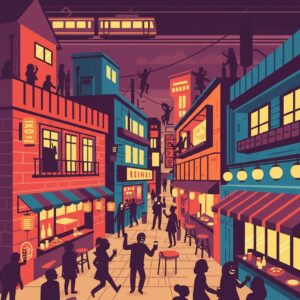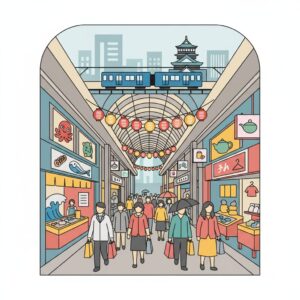
Step off the Shinkansen in Osaka, and the first thing you notice isn’t a landmark. It’s the sound. The air hums with a different frequency than the polished, orderly silence of Tokyo. It’s a rhythmic cacophony of vendors hawking their wares, of boisterous laughter spilling from restaurants, of a dialect that tumbles and rolls with a musical cadence. People walk faster, talk louder, and stand closer. For many foreigners, and even for Japanese from other regions, the initial feeling can be overwhelming, a sensory overload that defies the stereotypical image of a reserved Japan. You might ask yourself, “Why is Osaka so… different?” The answer isn’t found in a travel guide or a history book. It’s written in the city’s DNA, in a philosophy born from centuries of trade and commerce. This is Akindo Bunka—the Merchant Culture. And to understand it is to understand the very soul of Osaka.
This isn’t a lesson in economics. The akindo mindset is far more than just a way to do business. It’s a pragmatic, deeply human, and fiercely rational approach to life that shapes everything from how your neighbor greets you in the morning to the way a chef prepares your okonomiyaki. It’s the invisible software running in the background of every daily interaction, valuing results over formality, connection over protocol, and a good deal over a pretty package. It’s the reason conversations can feel blunt, why humor is a social currency, and why the city feels less like a pristine museum and more like a sprawling, energetic workshop. We’re going to peel back the layers of polite assumption and explore the engine room of Osaka culture. This is your guide to the unspoken rules, the hidden logic, and the practical wisdom of a city built not by samurai or aristocrats, but by merchants who knew that the best deal is one where everyone walks away smiling. Forget what you think you know about Japan; you’re in Osaka now.
To see this akindo mindset in action, look no further than the city’s unique culture of humor and banter.
The Akindo DNA: More Than Just Money
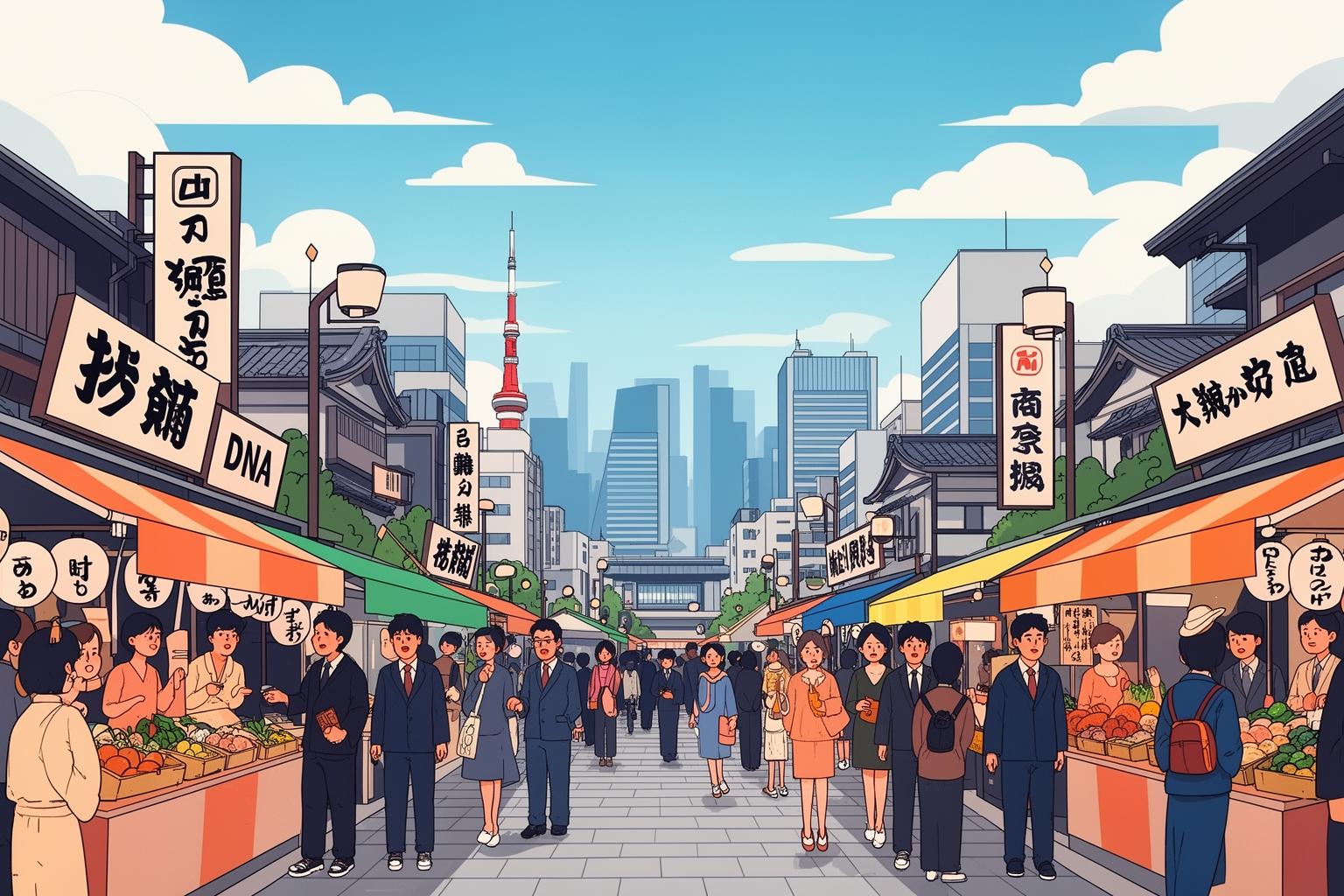
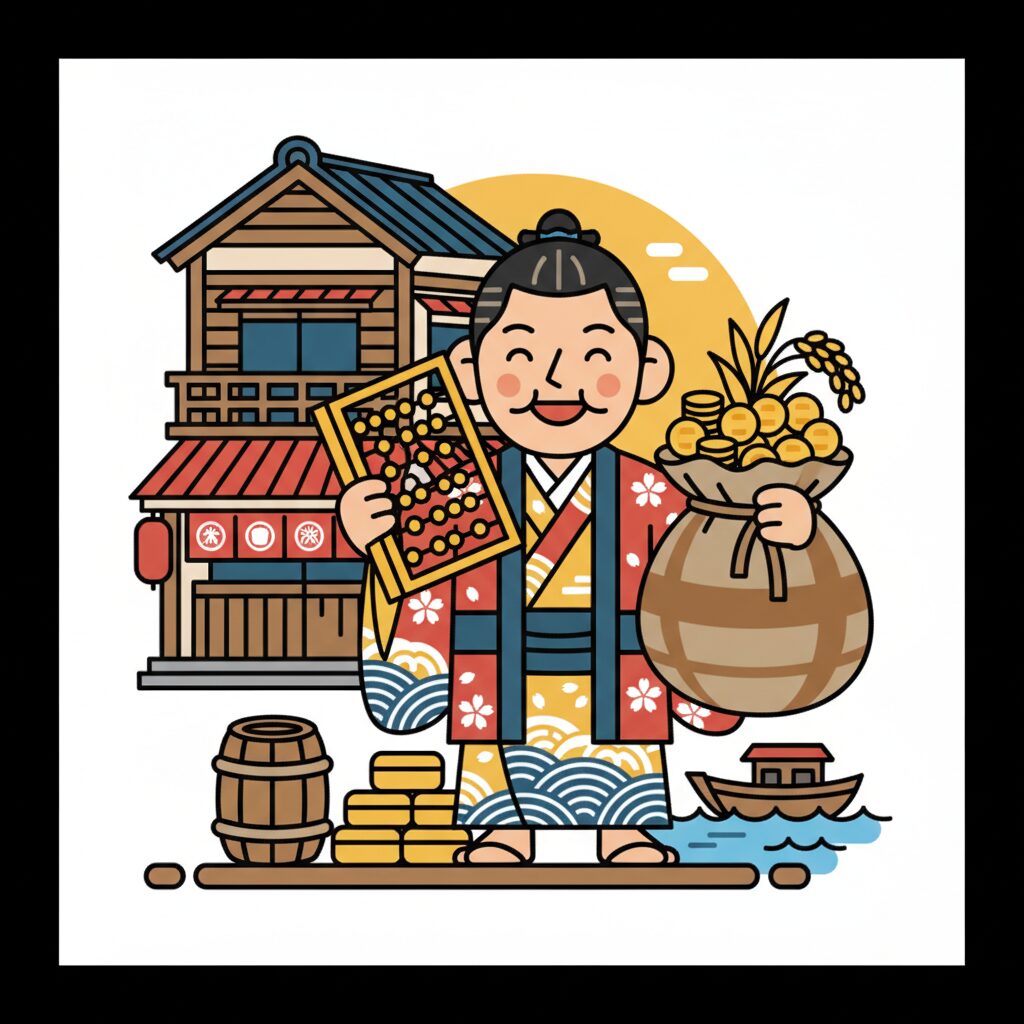
To understand what drives Osaka, you need to look back in time. The city’s character wasn’t shaped on battlefields or in imperial courts, but rather in the bustling markets of the Edo Period. Known as Tenka no Daidokoro, or “The Nation’s Kitchen,” Osaka was Japan’s economic powerhouse, a vast distribution center where rice, sake, and goods from across the nation were gathered, stored, and traded. This wasn’t a city defined by rigid class hierarchies; it was a city of ambition, where intelligence and a strong work ethic could elevate a commoner to wealth and influence. Status was directly tied to success in the marketplace. This history is more than just a quaint fact for a museum—it’s the city’s foundational myth, whose influence can still be felt everywhere.
A History Rooted in Commerce
The samurai class, with its strict honor codes, wielded little influence over the everyday lives of Osaka merchants. Different values prevailed here. Was a deal fair? Was the quality worth the price? Was the other party trustworthy? These questions built fortunes and reputations. This fostered a culture valuing pragmatism and concrete results over abstract ideas of honor or ornate formalities. The merchant’s realm was one of numbers, negotiation, and keenly reading people and situations. There was no room for the flowery, indirect speech of the court. Time was, quite literally, money. This historical context is vital because it underpins the modern Osaka mindset: a deeply ingrained belief that value, competence, and straightforwardness are paramount virtues.
Core Principles: Straight to the Point
This history has distilled into core principles guiding Osakans today. The first is gōrisei, or rationality. People in Osaka almost instinctively conduct cost-benefit analyses. Is this train route the fastest and cheapest? Does this restaurant offer the best cospa (cost performance)? Is this conversation productive? It’s not about cold calculation but about cutting out waste—wasted time, money, and effort. It’s a philosophy of optimization applied to everyday life.
This goes hand in hand with jitsuyōsei, or practicality. Things should work and fulfill their purpose well. That’s why flashy luxury brands are less prized in Osaka than in Tokyo. An expensive handbag is acceptable, but a sturdy, well-designed, reasonably priced bag that does the job is often more admired. The ultimate aim is a win-win scenario, central to the merchant’s creed. A good deal isn’t one where one party is tricked; it’s one where both sides feel they received value. This applies to social exchanges as well. A conversation should be mutually beneficial, whether sharing useful information or simply enjoying a laugh. This mindset explains why business meetings in Osaka contrast sharply with those in Tokyo. While a Tokyo meeting might begin with a lengthy, ritualized exchange of pleasantries and subtle diplomacy, an Osaka meeting is more likely to get straight to the numbers within the first five minutes. It’s not rude; it’s a respect for everyone’s time. The shared objective is to reach a mutually beneficial outcome—so why delay?
The Language of the Deal: Communication in Osaka
The way people speak in Osaka directly mirrors the akindo mindset. This communication style prioritizes clarity, efficiency, and connection, often following a different set of norms than those found in the rest of Japan. To outsiders, it can feel like a challenging code to decipher, perceived as either overly blunt or refreshingly sincere.
Honne is the Only Policy
In Japan, the concepts of honne (true feelings) and tatemae (public facade) are well known. While this balance exists nationwide, in Osaka it shifts significantly. Here, honne is the default mode. People tend to express their thoughts plainly, without layers of polite ambiguity. This reflects merchant efficiency: why risk misunderstanding when a clear statement can quickly resolve an issue? This straightforwardness can be surprising initially. For example, a shopkeeper in the Shinsaibashi arcade might glance at the shirt you’ve picked and say, “Ah, no, that color doesn’t suit you at all. It makes you look pale. This one over here, this is your color.” In Tokyo, such blunt feedback from a stranger would be almost unthinkable, likely seen as intrusive or rude. But in Osaka, it’s considered good service. The shopkeeper isn’t trying to offend; they aim to help you get the best value from your purchase, building trust and encouraging your return. Similarly, a coworker might candidly highlight issues in your proposal—not to attack you personally but to strengthen the idea and ensure its success. The objective is a better team outcome, and direct feedback is the fastest route to achieve it.
Humor as Social Lubricant
This direct style would feel harsh if not for its essential companion: humor. Osaka is the undisputed comedy capital of Japan. The renowned manzai (stand-up comedy) duos, with their rapid exchanges and classic boke (funny man) and tsukkomi (straight man) roles, serve not just as entertainment but as a model for everyday interaction. This dynamic unfolds constantly in streets, shops, and offices. Humor softens the bluntness of honesty; it builds rapport, eases tension, and fosters a sense of shared experience. If you accidentally bump into someone on the subway, a Tokyo response might be a silent bow or a murmured “sumimasen.” In Osaka, you might instead hear a theatrical “Uwa! Nani suru nen!” (“Whoa! What’re you doing?!”) said with a grin. It’s not an accusation but an invitation to share a moment of mild absurdity—a way of saying, “We’re both human; mistakes happen, so let’s laugh about it.” Foreigners often miss this nuance, hearing the direct words but missing the playful tone, misinterpreting it as hostility. Learning to spot the twinkle in the eye accompanying a sharp tsukkomi is crucial for navigating life in Osaka. It’s the city’s way of giving you a wink.
The Art of the ‘Chotto Makete’
The merchant spirit is perhaps most alive in the ritual of requesting a small discount—the famous “chotto makete?” (“can you knock a little off?”). This gesture is often misunderstood by outsiders as cheapness or stinginess, but that misses the real point. Asking for a discount is less about saving a few yen and more about communication—a conversational opening, a game. Engaging in this ritual, especially in a traditional shotengai (shopping arcade), signals to the shop owner, “I see you. I want to connect with you as a person, not just be a faceless customer.” The owner’s response—whether granting a small discount, adding a little extra (reflecting the famous omake culture), or playfully refusing—is part of this performance. It builds a human connection, transforming a simple transaction into a memorable interaction. Of course, knowing the rules is essential: this wouldn’t be appropriate in a department store or major chain. But at a local fish market, a family-run vegetable stand, or a flea market, it shows appreciation for local culture. It’s a way to participate in the akindo spirit and often earns not just a better price but a lasting relationship.
Living the Akindo Life: Values Beyond the Marketplace
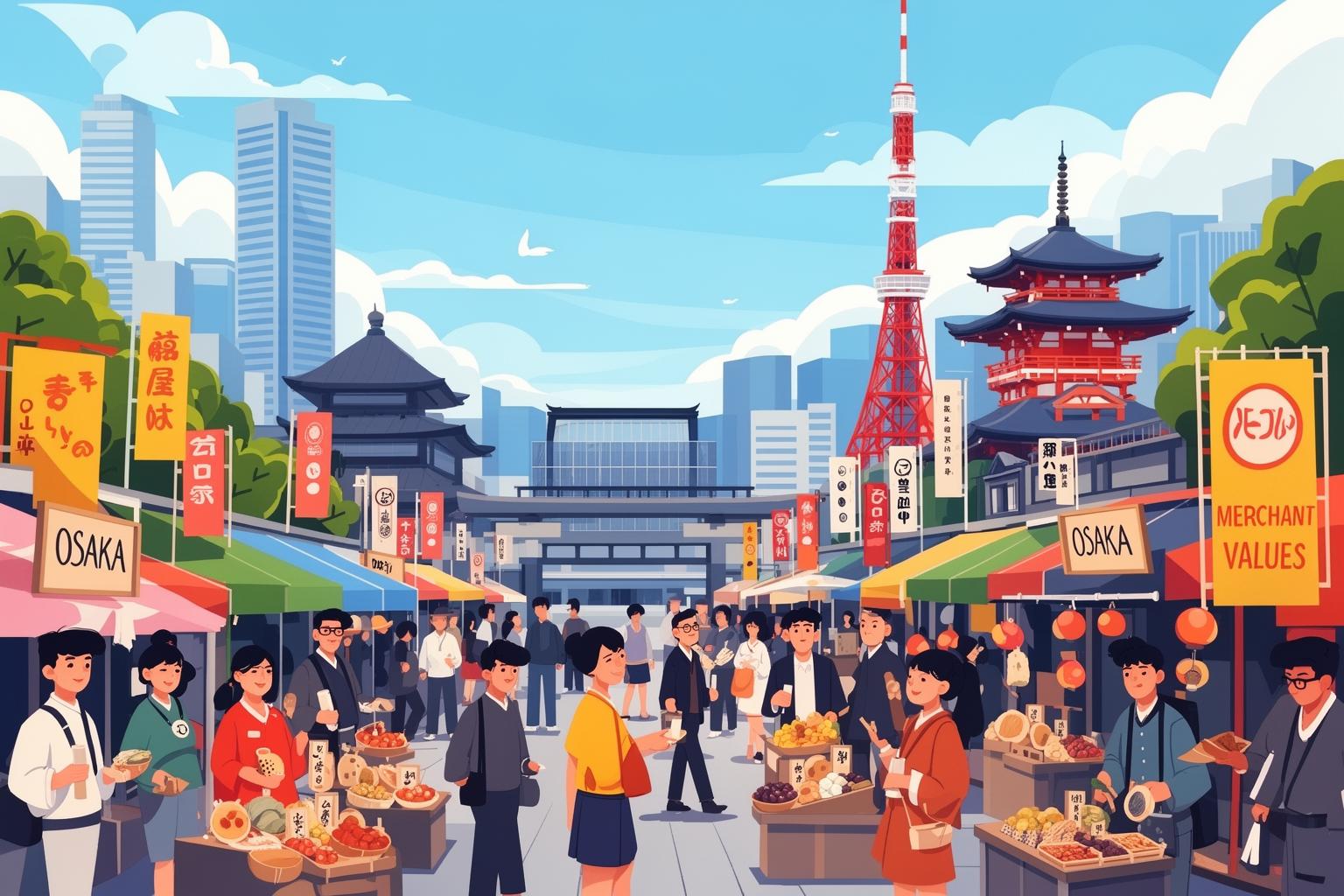
The akindo mindset isn’t something Osakans leave behind at the office or the marketplace. It seeps into every aspect of daily life, influencing personal values, community dynamics, and social hierarchies. It’s a practical philosophy that values resourcefulness and tangible well-being.
The Religion of Rationality
Life in Osaka is a continual practice of practical optimization. The idea of cospa (cost performance) is almost revered with religious devotion. A meal isn’t merely good; it’s good for the price. That’s why the city boasts an impressive concentration of restaurants offering delicious, satisfying, and incredibly affordable lunch sets. Osaka’s residents are discerning consumers who seek value, and the market delivers. This principle applies across the board. People will bike an extra ten minutes to Gyomu Supermarket, famous for its bulk items and rock-bottom prices. They’ll stand in line for an hour just to snag a deal on cream puffs. It’s not about being frugal out of necessity; it’s a shared cultural pastime to uncover the best bargains. This practical mindset also shapes fashion. Unlike Tokyo, known for its cutting-edge high-fashion runways, Osaka’s style often prioritizes practicality and personal expression. Comfort, durability, and a playful touch tend to outweigh strict brand loyalty. Living in Osaka long enough will change you: you’ll start comparing prices per 100 grams instinctively, develop fierce loyalty to the supermarket with the best tofu deals, and find yourself fully inducted into the cult of cospa.
Community as a Business Network (in a Good Way)
In many parts of Japan, neighborhood ties can be polite but distant, regulated by formal customs. In Osaka, especially in older districts and bustling shotengai, communities operate more like informal business networks—yet ones built on warmth and mutual exchange. The bond between neighbors and local merchants is deeply symbiotic. The tofu shop owner buys vegetables from the nearby grocer, who sources meat from the butcher next door. When you become a regular, you become part of this ecosystem. The fishmonger will reserve the best cuts of tuna for you, the fruit vendor might toss your child an extra orange. This is mutual benefit in practice. Though transactional, these exchanges are as social as they are economic. The same applies to neighborly relations. Help tends to be practical rather than sentimental. Instead of a formal inquiry about your well-being, a neighbor will likely show up at your door with some extra daikon radishes from their garden, saying, “I’ve got too many of these—want some?” This offer is also a deposit in a bank of mutual support, with the expectation that you’ll reciprocate in kind eventually. It’s a community sustained by a network of small, useful, and kindhearted exchanges.
Status is Earned, Not Given
One of the most refreshing things about Osaka for many foreigners is its relatively flat social hierarchy. In Tokyo, a person’s identity is often tightly linked to their business card—their company, university, or official title. These carry great weight and shape social interactions. In Osaka, although these factors are not irrelevant, they hold far less importance. Respect is earned through your deeds and character. Are you competent? Reliable? Honest? Fair? These are the criteria people judge you by. The man running a popular takoyaki stand in Tennoji, known for his skill and friendly banter, can command as much or even more respect locally than a mid-level manager at a large company. This fosters a more egalitarian social fabric, where people from all backgrounds mingle freely. There’s less pretense and far less of the rigid social stratification that can make Tokyo feel stifling. In Osaka, what you can do and who you are as a person always outweigh the title on your meishi.
Osaka vs. Tokyo: A Tale of Two Mindsets
Comparing Osaka and Tokyo is a classic Japanese pastime, yet the differences extend far beyond common stereotypes about food or dialect. They embody two fundamentally distinct ways of life, each shaped by its own unique history. Tokyo, as the seat of the shogunate and the imperial government, cultivated a culture centered on order, precision, and formality. Osaka, known as the city of merchants, fostered a culture of pragmatism, flexibility, and people-focused commerce.
Speed and Rhythm
Both cities move rapidly, but their rhythms are completely different. Tokyo’s pace resembles a flawlessly synchronized machine. People stream through train stations like data flows, all moving in quiet, predictable patterns. There is an unspoken, collective understanding to preserve order and reduce friction. Standing on the left side of the escalator is just one small example of this shared code. Osaka’s speed, by contrast, is the lively, chaotic buzz of a marketplace. It’s more improvisational, more individualistic. People weave through crowds, chat on the phone while on the train, and engage actively with their surroundings. And famously, they stand on the right side of the escalator. This isn’t merely a quirky, contrarian habit; it symbolizes Osaka’s independent spirit. The city collectively created its own system—a system that suits them perfectly—and sees no reason to conform to Tokyo’s standard. It’s a daily assertion of cultural independence.
Public vs. Private Space
The idea of personal space also differs drastically. In Tokyo, public spaces like trains and cafes are regarded as zones of private anonymity. People keep to themselves, avoid eye contact, and refrain from imposing on others. The social contract is one of mutual invisibility. In Osaka, the boundary between public and private is much more fluid. Life spills onto the streets. Strangers are far more likely to initiate conversation. An elderly woman (obachan) might start chatting with you while waiting in line at the bank, asking where you’re from and what you’re doing in Osaka. She might even offer you candy from her purse. People will comment on your clothes, your baby, or what’s in your grocery basket. For someone used to the anonymity of other large cities, this can feel quite intrusive at first and mistaken for nosiness. But it rarely stems from judgment. Instead, it reflects a worldview where the community extends family ties. It’s an expression of interest and a way of briefly drawing you into the shared social fabric. The city views a stranger not as a potential threat, but as a potential conversational partner.
The Definition of ‘Good Service’
Customer service presents another clear contrast. Tokyo service is famous for its flawless politeness and meticulous attention to detail. It is perfect, deferential, and carried out with robotic precision. Staff follow the manual to the letter, ensuring a smooth, predictable experience. Osaka service, on the other hand, prioritizes the human element. It may be less polished, more familiar, and occasionally blunt, but often more sincerely helpful. A Tokyo clerk might politely inform you that an item is out of stock. An Osaka clerk is more likely to say, “Ah, we’re out of that. But the shop three doors down, Tanaka-san’s place, usually has it. Tell him I sent you.” Their focus is on solving your actual problem, not just fulfilling a transactional role. Good service in Osaka isn’t about bowing at the perfect angle; it’s about offering practical, effective solutions, often accompanied by friendly advice and a bit of conversation. It reflects the merchant’s approach: build relationships, solve problems, and make sure customers leave genuinely satisfied.
Navigating Osaka: Practical Advice for the Foreign Resident
Understanding the akindo culture is one thing; living it is quite another. For non-Japanese residents, adapting to Osaka’s distinctive social rhythm often involves trial and error. Yet, with the right attitude, it can become an exceptionally rewarding experience.
Embrace the Directness
The biggest challenge for many foreigners is recognizing that directness doesn’t equate to rudeness. When someone offers unsolicited advice or blunt remarks, your initial reaction might be to take offense. The important thing is to reframe this perception: see it as a sign of engagement and an efficient way of communicating that respects your time and intelligence. They believe you are strong enough to handle honesty. Try meeting them halfway by being a bit more straightforward in your own interactions. If something confuses you, ask clear questions. If you need something, state it plainly. Often, you’ll find this approach is not only accepted but valued. It eliminates ambiguity and helps everyone reach solutions more quickly.
Find Your Shotengai
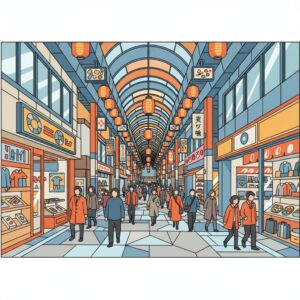
If you plan to live in Osaka, one of the first steps is to explore the local shotengai around your neighborhood. These covered shopping arcades are the vibrant core of the city’s merchant culture. Don’t just pass through them on your way to the station—make them part of your daily routine. Purchase vegetables from one vendor, fish from another. Engage in small talk. Ask questions. Let people get familiar with your face. This is how you connect with the local community. The shotengai is more than a shopping place; it’s a social hub, an information network, and a support system. Becoming a regular is the quickest way to stop feeling like a visitor and start feeling like a local. It’s where you’ll learn the unwritten customs and pace of your neighborhood.
Laugh a Little
Humor is a universal key to understanding Osaka. You don’t need to be a professional comic, but showing you enjoy a good joke and don’t take yourself too seriously will open many doors. Learn to join in on gentle teasing. If a shopkeeper jokes about you buying too much, laugh and play along. A little self-deprecating humor is a strong tool for building rapport. Try learning some simple, playful phrases in Osaka-ben. Even a clumsy “Meccha oishii!” (“Super delicious!”) or “Nande ya nen!” (“Why the heck!”) will be welcomed warmly. It signals your effort to understand and participate in the local culture. It shows you get the joke—and in Osaka, getting the joke is half the battle.
Beyond the Stereotype: The Modern Akindo
It’s essential to remember that Osaka is a vast, diverse city with millions of residents. Not everyone fits the stereotype of fast-talking, animal-print-wearing, joke-cracking individuals. There are quiet people, reserved people, and those who have never bargained in their lives. Yet, the akindo spirit is the cultural undercurrent that gives the city its distinct character. It expresses itself in ways far beyond mere market transactions.
This spirit is evident in Osaka’s vibrant startup scene, known for being scrappy, resourceful, and less hierarchical compared to Tokyo’s. It’s about having a great idea and the determination to see it through, no matter your background. It’s visible in the city’s creative communities, where collaboration and mutual support are highly treasured. Artists and musicians share resources and promote one another’s work, recognizing that a rising tide lifts all boats. It even shows in how the city approaches urban challenges, often with a practical, straightforward strategy that prioritizes solutions that truly benefit its citizens over those that merely look good on paper.
The merchant culture of Osaka is not just a thing of the past. It’s a living, evolving philosophy that continues to shape one of Japan’s most dynamic and exciting cities. This culture can be loud, chaotic, and sometimes confusing. But underneath, it is built on a foundation of rationality, reciprocity, and a profound respect for the human connections that underpin every successful deal. Living in Osaka means learning to appreciate value in all things—not just monetary worth, but the value of shared laughter, honest advice, and a community that supports one another. The city reminds you that life, at its best, is a series of good-faith negotiations, where the ultimate goal is a life that is both prosperous and deeply, wonderfully human.