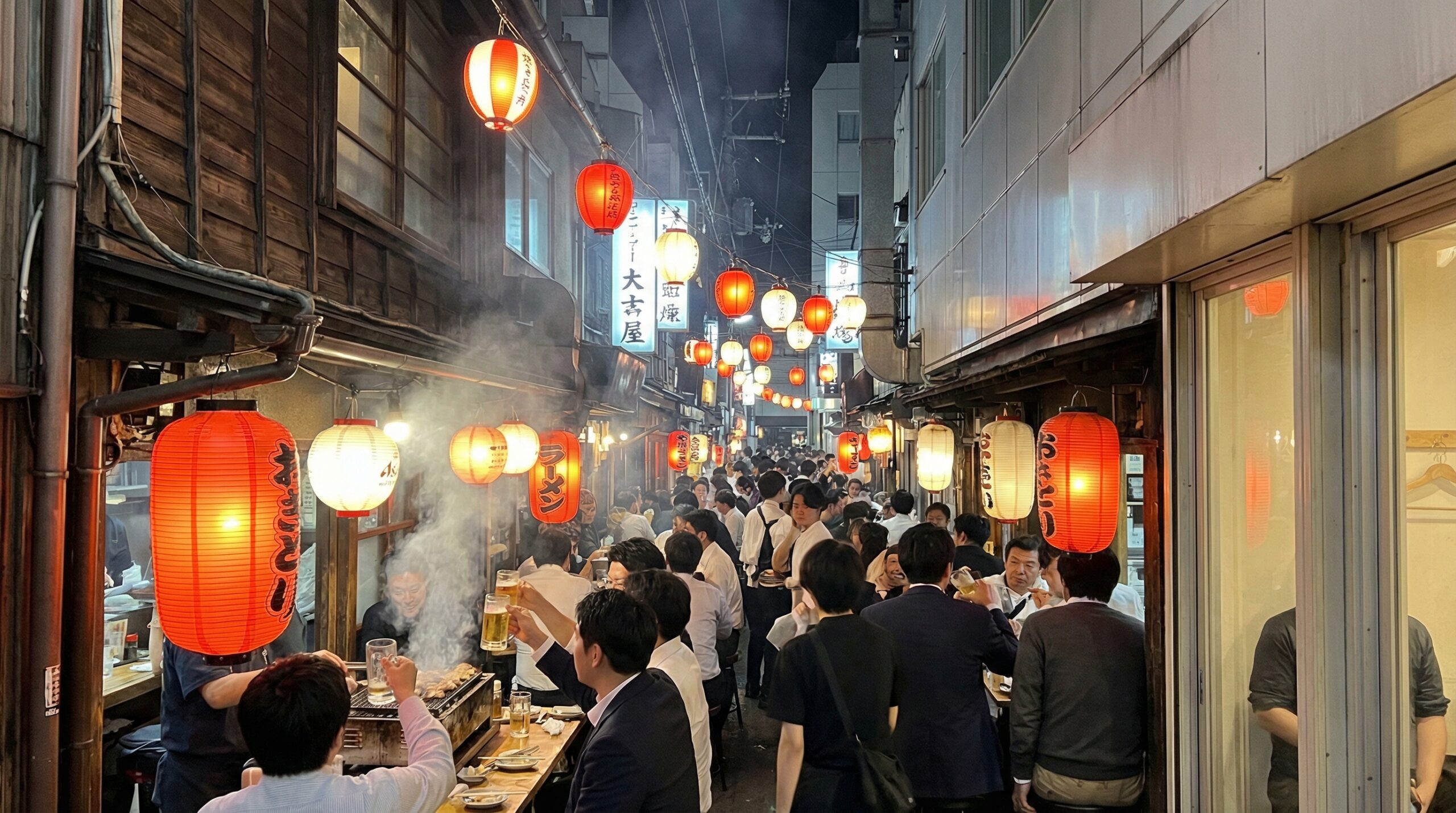
There’s a rhythm to Osaka that you won’t find in a travel guide, a heartbeat that thumps loudest not in the neon glare of Dotonbori or the polished corridors of Umeda’s high-rises, but in the tangled, lantern-lit arteries of a neighborhood like Tenma. This is where the city sheds its daytime skin and reveals its true, unvarnished soul. Forget what you think you know about a night out. We’re diving into the world of hashigo-zake, the art of bar-hopping, a sacred ritual for the Osaka local. It’s not just about drinking; it’s a moving feast, a symphony of small plates, clinking glasses, and fleeting friendships conducted under the rumbling overture of the Japan Rail Loop Line. Tenma isn’t just a place; it’s a feeling. It’s the scent of grilled yakitori mingling with sweet soy sauce, the sound of hearty laughter spilling from behind a steamed-up sliding door, the sight of a thousand red lanterns casting a warm, nostalgic glow on narrow alleyways. This is Osaka, raw and real. It’s a place where you don’t just visit; you participate. You become part of the nightly chorus, one small bar at a time. It’s an invitation to get wonderfully, gloriously lost and, in doing so, find the very essence of this magnificent city. So, take a deep breath, leave your map at the hotel, and let’s wander into the heart of the Osaka night together. The first round is just around the corner, and a whole world of flavor and fellowship awaits in the labyrinthine paradise of Tenma.
Before you dive into the night, consider exploring the authentic soul of Osaka by day with a stroll down the historic Tenjinbashisuji Shotengai.
The Soul of Tenma: A Labyrinth of Lanterns and Laughter
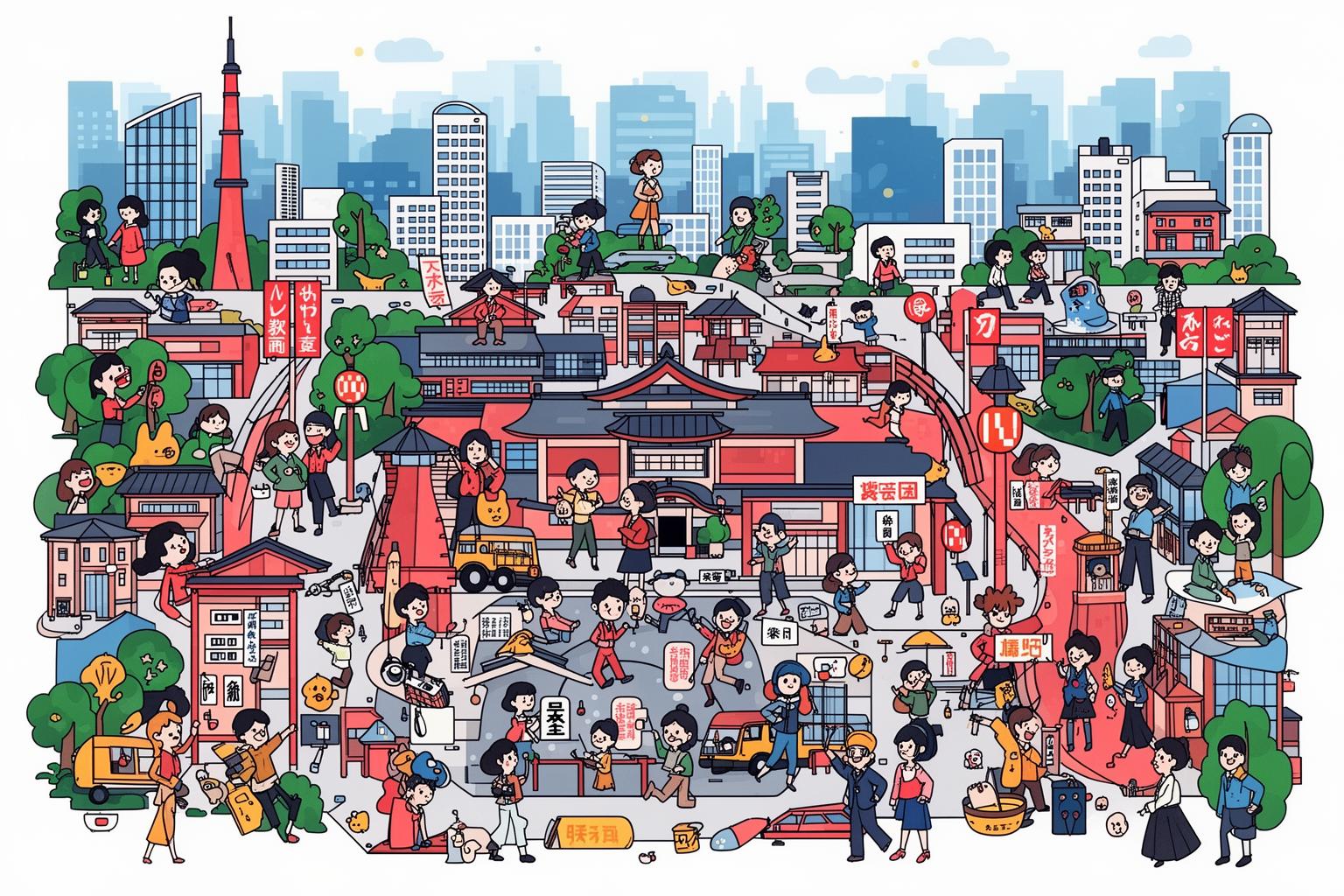
To truly understand Tenma, you must first grasp its geography, which relies less on street names and more on sensory landmarks. It’s a sprawling, organic ecosystem of joy that thrives in spaces often overlooked or dismissed by other parts of the city. It stands as a testament to Osaka’s talent for finding happiness and community tucked away in the nooks and crannies of urban life. The district has no grand entrance or formal gate; instead, you simply find yourself enveloped by it, the atmosphere shifting subtly at first, then all at once. The air thickens with the promise of delicious food and even better company, charged with an energy that hums just beneath the surface of the city’s daily hustle.
Under the Tracks: The Soundscape of Gado-shita
The true pulse of Tenma is synchronized with the rhythm of the trains. The area directly beneath the elevated JR Loop Line tracks, known as gado-shita, forms the district’s spiritual center. This is no place for quiet, contemplative sipping. It is a vibrant, pulsating corridor of life where the ceiling is the concrete underside of the railway, and the soundtrack is the percussive roar of trains passing overhead every few minutes. The vibrations travel through the concrete pillars, the wooden stools, and deep into your bones. Rather than an annoyance, this steady rumble serves as the district’s metronome—a constant reminder of the city’s kinetic energy. The venues here are small, often just a counter with a few seats, tucked into arched alcoves that feel like secret culinary caves. Steam wafts from grills, carrying the irresistible aroma of charring meat and vegetables. Chefs, masters of their compact domains, move with practiced efficiency, their actions a blur of focused grace. The close quarters are part of the allure. You find yourself shoulder-to-shoulder with salarymen loosening their ties, young couples on casual dates, and old friends catching up over skewers and beer. Conversations are lively, punctuated by laughter and the clatter of plates. It’s an immersive experience where the boundary between patron and proprietor, and between different groups of friends, fades into a shared, communal atmosphere. In these gado-shita spots, you’re not just eating and drinking—you’re taking part in a living, breathing slice of Osaka culture, feeling the city’s pulse in the most literal way.
The Tenjinbashi-suji Connection: From Commerce to Celebration
Tenma’s drinking district does not exist in isolation; it is deeply connected to the grand Tenjinbashi-suji Shotengai, the longest covered shopping arcade in Japan. This sprawling 2.6-kilometer artery of commerce serves as the daytime lifeblood of the area. By day, it bustles with shops selling everything from fresh tofu and pickles to traditional kimonos and discounted electronics, filled with vendors’ calls and shoppers’ chatter. But as dusk settles, a magical transformation unfolds. The daytime shops’ shutters roll down, and lanterns from izakayas and bars flicker to life. The energy shifts from transactional to communal. The very people who were shopping for their evening meal hours earlier now return to relax, connect, and celebrate the close of another day. The narrow side streets branching off the main arcade, quiet and unassuming by day, become the star attraction. They are the veins drawing energy from the main shotengai artery. This daily transition is a beautiful ritual, a collective exhale as the neighborhood switches from work to play. Walking the length of Tenjinbashi-suji as evening approaches feels like watching a stage being set for a grand performance, with Tenma’s countless alleys hosting the real drama, comedy, and heartfelt moments of the night.
Back Alley Discoveries: The Thrill of the Unknown
While the gado-shita area is Tenma’s beating heart, its back alleys, or yokocho, embody its soul. This is where the true spirit of hashigo-zake—bar hopping—thrives in the joy of discovery. Exploring Tenma means embracing the unknown, turning down a narrow lane simply because a single red lantern flickers in the dark. These alleys form a maze of wonders, each a gateway to your next favorite spot. Some are so narrow you must turn sideways to pass another patron. Buildings lean closer, creating an intimate, almost conspiratorial atmosphere. Here, hyper-specialized establishments give Tenma its remarkable depth. You might find a tiny tempura bar with standing room only, where the chef fries each piece to order and hands it directly to you from bubbling oil. Around the corner could be a dim sake bar lined with hundreds of bottles, each with stories the owner is eager to share. You could discover a rustic Italian wine bar serving prosciutto right next to a traditional Japanese spot grilling eel. The diversity is astonishing. Many of these places are tiny, seating merely six or eight people around a single counter. This intimacy is crucial. It sparks conversation—not only with your companions but with strangers beside you and the bar master, the taisho, who orchestrates the experience. These are not anonymous transactions but fleeting moments of real human connection. You might learn about a new type of sake from a fellow patron or pick up a cooking tip from the chef. This is the magic of the yokocho—not just passageways, but destinations themselves, each a unique chapter in the unfolding story of a night in Tenma.
The Art of Hashigo-zake: A Practical Guide to Hopping
Hashigo-zake translates to “ladder drinking,” an evocative phrase that perfectly captures the experience of moving from one drinking spot to the next. It’s a marathon, not a sprint. The aim isn’t to reach a final point, but to enjoy the journey itself. Each venue offers a unique experience, distinctive flavors, and a fresh ambiance. The key is to keep moving, stay light on your feet, and sample the best each small, specialized venue has to offer without lingering too long or overindulging. It takes a touch of strategy, a bit of spontaneity, and plenty of curiosity. Let’s walk through a possible evening, a blueprint for your own Tenma adventure.
The First Stop: Warming Up the Engine
Begin your evening at a tachinomi, or standing bar, the classic starting point for a night of hashigo-zake. These spots are quick, lively, and wonderfully informal. There are no seats; you stand at a high counter or around repurposed barrels, creating a dynamic, ever-flowing atmosphere where people come and go. The entry barrier is low—just find a spot and you’re in. Your first drink should be simple, the traditional kickoff in Osaka: “Toriaezu, nama!” meaning, “For now, a draft beer!” The crisp, cold Japanese lager cleanses the palate, a refreshing start for the culinary journey ahead. Food at a tachinomi is crafted for quick, easy enjoyment. Look for staples like doteyaki, beef sinew slow-cooked in a rich, sweet miso broth until tender. Or maybe some kushikatsu—deep-fried skewers of meat, vegetables, and cheese. The famous rule with kushikatsu: no double-dipping in the communal sauce! These dishes are bold, flavorful, and affordable, perfect for a quick, satisfying bite with your first beer. Spend no more than thirty to forty minutes here. The goal of this first stop is to whet your appetite, get your bearings, and soak in the early buzz before diving deeper into Tenma’s maze.
The Second Leg: Diving Deeper into Flavor
With the first beer settling in and the initial chill gone, it’s time for your second stop. This is where you can get a bit bolder and stay a little longer. Seek out a specialty spot—perhaps a seafood izakaya marked by piles of styrofoam boxes filled with the day’s catch and the salty scent of the sea. Inside, you’ll find a wooden counter displaying glistening fish on crushed ice. Now’s the time to shift from beer to sake or shochu. Don’t be daunted by the selection. The best move is to ask, “Osusume wa?” (“What do you recommend?”). The staff will happily guide you, maybe asking if you prefer sweet (amakuchi) or dry (karakuchi). Trust their advice. They might serve a local Osaka sake or a renowned brand from elsewhere. Pair your drink with fresh sashimi or, for a true taste of Tenma’s grilling tradition, charcoal-grilled fish or squid. Watch the chef, a master of fire and timing, carefully managing the coals for perfect heat. This second-stop atmosphere is a bit calmer than a tachinomi, yet still lively with conversation. You’re no longer just warming up; you’re fully engaged, savoring complex flavors and delving deeper into local culinary artistry. This is the heart of your multi-stop dining journey.
The Third Round: A Change of Pace
After the familiar flavors of the first two stops, the third is a chance to explore Tenma’s modern side. Though rooted in tradition, the district isn’t a museum. It’s a vibrant, evolving neighborhood, with new and exciting venues constantly emerging, adding fresh dimensions. This is an ideal moment to visit a local craft beer pub. Japan’s craft beer scene has flourished recently, offering fantastic IPAs, stouts, and pilsners from breweries nationwide. It provides an intriguing contrast to classic lagers and a different flavor profile to relish. Alternatively, you might visit one of the chic wine bars nestled in older alleyways. There, sip natural wines from France or Italy, paired with Japanese-inspired charcuterie or cheese plates. These spots often attract a younger, more eclectic crowd, creating a relaxed, contemporary vibe. This change of pace is vital for a successful hashigo-zake. It refreshes your palate and senses, preventing flavor fatigue and keeping the night exciting. It’s a reminder that Tenma’s strength lies not only in its history but also in its seamless blend of old and new.
The Shime: The Final, Comforting Stop
Every great night of hashigo-zake requires a fitting conclusion. This isn’t just about one last drink; it’s the shime, a final comforting dish that marks the end of the journey and helps absorb the evening’s libations. The shime is a cherished part of Japanese drinking culture, a ritual of closure. In Tenma, there are plenty of delicious options. The classic choice is a steaming bowl of ramen. Look for a small ramen-ya where the master has perfected a single, soul-satisfying broth. The rich soup, chewy noodles, and tender slices of chashu pork provide the perfect finale to a night of diverse flavors. Another favorite shime is ochazuke—a simple yet profound dish of rice topped with salted salmon or pickled plums, doused with hot green tea or dashi broth. It’s light, warming, and deeply comforting. You might also find a late-night udon stand serving thick noodles in a delicate, smoky broth. The shime is a quiet, reflective pause. The lively energy of earlier stops fades into a profound sense of satisfaction. It’s the final note of the evening’s symphony—a warm send-off that leaves you full, content, and already dreaming of your next Tenma adventure.
Navigating Tenma: Tips from a Local
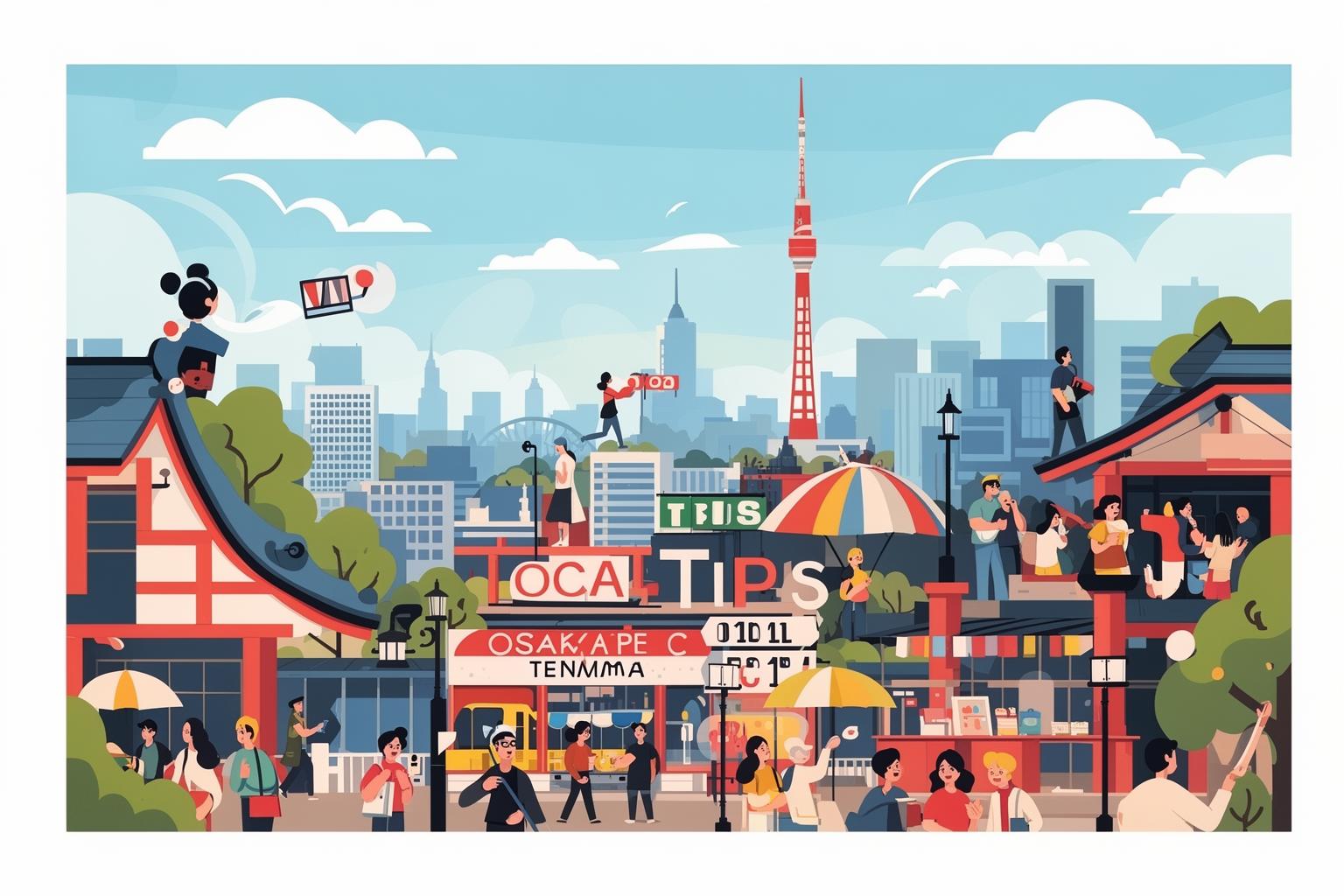
Tenma can feel like an insider’s secret—a delightful puzzle box of a neighborhood. Yet, it’s a secret the locals are more than happy to share. With a few tips, you can navigate its charming chaos with the confidence of a regular. The key is to stay observant, respectful, and open to the experience. This isn’t a place for strict plans; it’s a place to follow your senses and see where the night leads you. The rewards for your curiosity are immense, from discovering a hidden gem of a restaurant to sharing a laugh with a new friend over a shared plate of tempura.
When to Go and What to Expect
Timing is crucial in Tenma. The district truly comes alive after 6:00 PM on weekdays, as the local workforce finishes for the day and streams in, eager for delicious food and drink. Arriving between 6:30 and 7:00 PM is ideal; you’ll catch the first surge of energy, but most places will still have some room. Weeknights, Monday through Thursday, offer a more classic, local experience. It’s lively but manageable, filled with regulars and a strong sense of post-work camaraderie. Friday and Saturday nights, however, are an entirely different scene. The energy soars, crowds grow, and the entire district becomes one massive, joyous street party. It’s a lot of fun, but be prepared for a more intense atmosphere and possible waits for popular spots. Don’t forget to consider the seasons. In winter, the steam from hot pots and noodle soups fogs the windows, and the appeal of warm, comforting sake is irresistible. In summer, many izakayas extend onto the pavement with makeshift tables, creating a lively, open-air beer garden vibe. Each season brings its own unique dishes and distinct charm to the Tenma nightlife.
The Unspoken Rules: Tenma’s Etiquette
Although Tenma is incredibly welcoming, there are a few unspoken rules that will help you blend in and respect the local culture. The essence of hashigo-zake is movement. It’s considered good form to have a drink and a dish or two, then move on—especially in smaller, crowded venues. Lingering for hours over a single drink blocks others from enjoying the spot and goes against the spirit of hopping around. When entering a small bar, a friendly nod and a greeting like “Konbanwa” (Good evening) to the staff goes a long way. In many smaller cash-on-delivery places, you’ll find a small tray or bowl on the counter; this is where you place your money for your order, and where they’ll leave your change. Most importantly, embrace the squeeze. Space is limited, so don’t hesitate to find a small gap at the counter. A polite “Sumimasen” (Excuse me) is all you need. This close proximity is part of what makes Tenma special, breaking down barriers and fostering a shared experience. Finally, when you leave, a simple but heartfelt “Gochisousama deshita!” (Thank you for the meal, it was a feast!) perfectly expresses your gratitude to the chef and staff.
Language and Communication
Don’t let a language barrier hold you back. Tenma’s primary language is hospitality. While knowing some Japanese will certainly enrich your experience, it’s by no means essential. Many places have picture menus or simple English descriptions, and the staff are experts in non-verbal communication. Pointing at something delicious on a neighbor’s plate is perfectly acceptable—and often encouraged! Learning a few key phrases, however, will open doors and show your respect. We’ve already covered the basics: “Toriaezu, nama!” (A draft beer for now!), “Osusume wa?” (What’s your recommendation?), and “Gochisousama deshita” (Thank you for the meal). Adding “Okanjo onegaishimasu” (Check, please) will be useful at places where you don’t pay as you go. The most important tool in your communication kit, though, is a smile. A friendly, open expression will be met with warmth and generosity. The people of Osaka are famously outgoing and welcoming. They take pride in their city and its food culture and often delight in seeing foreign visitors enjoying the authentic, local side of their hometown. Don’t be surprised if a regular strikes up a conversation—it’s all part of the fun.
Beyond the Drink: The Cultural Heartbeat of Tenma
To view Tenma merely as a collection of bars and restaurants is to overlook its deeper narrative. The district’s vibrant nightlife is not a recent development; it represents the modern expression of a history deeply embedded in Osaka’s cultural and spiritual identity. The community’s roots run deep, nourished by a legacy of commerce, faith, and festivals that have shaped this area for centuries. Appreciating this background adds a rich dimension to your evening of hashigo-zake, turning it from a simple night out into a journey through the city’s living history.
The Spirit of Osaka Tenmangu Shrine
Just a short walk from the bustling heart of the drinking district stands the serene and dignified Osaka Tenmangu Shrine. This is no random neighbor; it serves as the spiritual cornerstone of the entire area. Founded in the 10th century, the shrine honors Sugawara no Michizane, the deity of scholarship and learning. For over a millennium, it has been a focal point of worship and community life. The presence of this sacred site has influenced the neighborhood’s character, imparting a sense of tradition and continuity. Yet the shrine’s greatest contribution to the area’s identity is the Tenjin Matsuri, held annually on July 24th and 25th. Recognized as one of Japan’s top three festivals, it is a stunning spectacle of color, music, and pageantry. The entire Tenma district transforms into an enormous festival ground. Thousands dressed in period costumes parade the streets, while a magnificent procession of boats glides down the nearby Okawa River, their lanterns shimmering on the water. The festival concludes with a dazzling fireworks display. During these two days, the energy of Tenma is almost beyond words. Izakayas and food stalls spill into every corner, traditional music blends with the crowd’s cheers, and the festive spirit is infectious. Experiencing Tenma during the Tenjin Matsuri reveals its heart laid bare—a place where the sacred and celebratory intertwine in perfect harmony.
A Legacy of Merchants and Merriment
Long before its nightlife fame, Tenma was one of Osaka’s key market districts. The Tenma Aomono Ichiba, a vast wholesale fruit and vegetable market, sustained the city for centuries. This heritage as a hub of commerce and distribution is essential to understanding Tenma’s character today. It has always been a place for ordinary people—merchants, laborers, and artisans—not a spot of pretension or luxury. Its culture is rooted in practicality, value, and a down-to-earth appreciation for good food and good company. The spirit of the old market endures in the DNA of the modern drinking district. The focus is on fresh, high-quality ingredients served without fuss or extravagance. The atmosphere remains unpretentious and democratic, where a wealthy business owner might stand shoulder to shoulder with a construction worker at the same tachinomi counter. This embodies Osaka’s kuidaore (“eat till you drop”) culture, centered on enjoying the best food at the most reasonable prices. The merchants’ legacy also explains the area’s layout—a dense, chaotic, yet highly efficient network of small businesses. As you wander the labyrinthine alleys of Tenma, you walk in the footsteps of centuries of commerce and a tradition of community and conviviality that finds modern expression in the joyous ritual of hashigo-zake.
So, as you raise a glass in a crowded bar beneath rumbling train tracks, remember that you are part of something far greater than just a night out. You are engaging in a living tradition—a nightly celebration of community in a neighborhood that perfectly captures the warm, witty, and wonderful spirit of Osaka. Tenma is more than a destination; it is an experience, a story you get to write one delicious stop at a time. It is a place that welcomes you with open arms, inviting you to lose yourself in its rhythm and become, for one unforgettable evening, a true Osaka local. The lanterns are glowing, the grills are blazing, and a thousand new friends await. What are you waiting for?