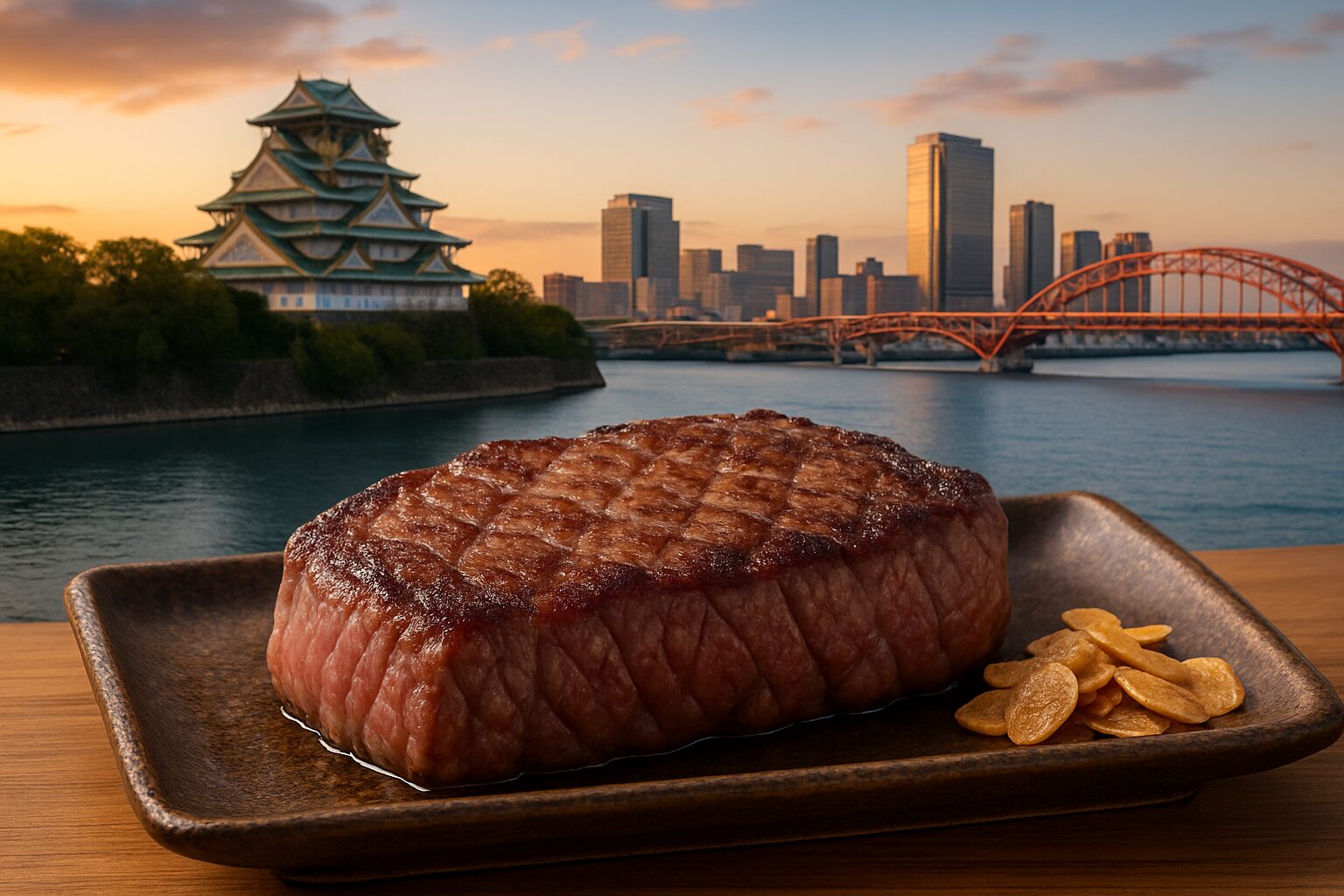
There’s a certain rhythm to Osaka, a pulse that beats from the neon-drenched streets of Dotonbori to the historic ramparts of its castle. But venture west, where the city opens its arms to the sea, and you’ll find a different cadence. Here, in the expansive and modern Osaka Bay Area, the frantic energy of the metropolis gives way to the gentle ebb and flow of the tide. This is a place of wide-open skies, futuristic architecture, and breathtaking panoramic views. Nestled right at the heart of this scenic waterfront is the Asia and Pacific Trade Center, or ATC, a sprawling complex that offers more than just shopping and events—it offers an experience. It’s here, against a backdrop of shimmering water and endless sky, that you can indulge in one of Japan’s most celebrated culinary treasures: Wagyu beef. This isn’t just about having a meal; it’s about creating a memory, where the sublime, melt-in-your-mouth texture of premium Japanese beef is paired with the mesmerizing beauty of an ocean vista. It’s a symphony of flavor and sight, a moment of pure indulgence that defines the modern luxury of Osaka.
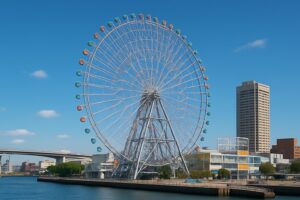
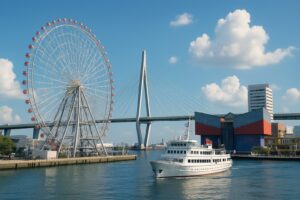
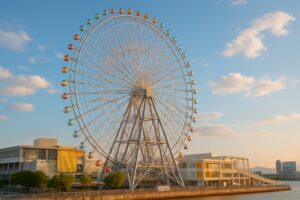
After savoring your Wagyu feast, extend your evening by taking in the breathtaking panoramic views from the Tempozan Ferris Wheel.
The Allure of the Osaka Bay Area: A Canvas of Sky and Sea
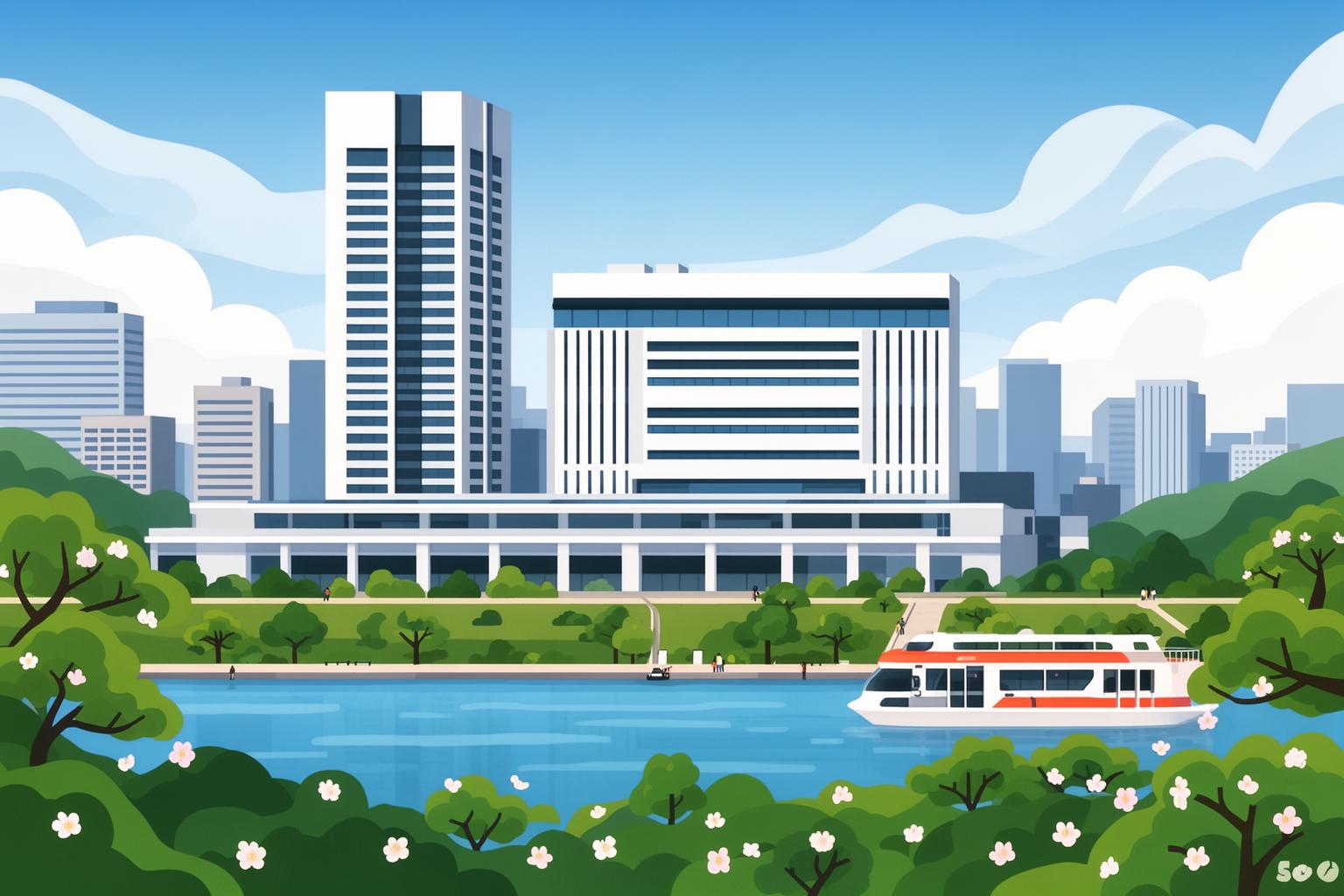
Before you even sit down to eat, the journey to the Asia and Pacific Trade Center sets a unique tone. Traveling on the New Tram line, suspended above the water, the cityscape shifts. The densely packed buildings of central Osaka give way to the bold, clean lines of the Bay Area’s architecture. The ATC itself is a marvel of contemporary design—a vast, light-filled structure that feels both grand and welcoming. Its long, arching corridors and expansive atriums are crafted to capture natural light and, more importantly, the breathtaking views of the surrounding sea. This is not a dim, enclosed dining district; it is a bright, airy stage for a culinary performance. The atmosphere exudes relaxed sophistication. You hear the distant hum of ships navigating the port, the cry of gulls, and the gentle lapping of water against the piers—a sensory escape from the urban hustle. The true magic of the location reveals itself through the enormous windows lining the dining floors. By day, the sun sparkles on the waves, and on a clear day, the distant mountains of Awaji Island come into view. As dusk approaches, the sky presents a spectacular display, with colors blending from fiery orange to soft lavender. Then, as night falls, the view shifts again into a glittering tapestry of lights—from the cars streaming across the Hanshin Expressway bridge to the illuminated port facilities and the distant city glow. This ever-changing panorama is a constant, silent companion to your dining experience, lifting it from a simple meal to a truly immersive event. It’s a place that invites you to breathe deeply, slow down, and simply savor the moment.
Wagyu: More Than a Meal, It’s an Art Form
To fully appreciate the dining experience at ATC, one must first grasp the legend of Wagyu. The term literally means “Japanese Cow,” yet it embodies a world of precise husbandry, genetics, and culinary passion that has created arguably the most sought-after beef on earth. This is more than just steak; it embodies centuries of tradition and a profound cultural reverence for food. The defining feature of Wagyu is its intense, intricate marbling, known in Japanese as sashi. Unlike the fat cap found on Western beef cuts, sashi consists of fine, delicate intramuscular fat woven through the muscle fibers. When cooked, this fat melts at a low temperature, basting the meat from within and yielding an incredibly tender, buttery texture that melts in the mouth. The flavor is equally rich—a deep, savory umami that is both beefy and subtly sweet, a complex taste that lingers long after the final bite. While many are familiar with Kobe beef, it is only one of several prestigious Wagyu brands, alongside others like Matsusaka and Omi, each with its own unique heritage and flavor profile. In Japan, this quality is officially recognized through a rigorous grading system. The letter grade (A, B, or C) indicates yield, or the amount of usable meat from the carcass, while the number grade (1 to 5) evaluates the meat’s quality based on marbling, color, firmness, and texture. A5 is the highest possible grade, representing the pinnacle of Wagyu—a cut so perfectly marbled it resembles a work of abstract art. The restaurants at ATC take great pride in sourcing this exceptional beef, offering you the opportunity to savor this culinary masterpiece in a variety of traditional styles. Whether it’s the interactive delight of Yakiniku, the dramatic flair of Teppanyaki, or the comforting warmth of Sukiyaki, each method highlights the distinct qualities of Wagyu and delivers an unforgettable gastronomic experience.
The Stage is Set: Wagyu Havens within ATC
Within the contemporary expanse of the Asia and Pacific Trade Center, you will discover culinary havens dedicated to the art of Wagyu, each providing a unique experience united by the stunning ocean view. Although the exact names and menus may evolve over time, the core styles of Wagyu dining persist, offering a foundation for the exceptional experiences that await.
The Premier Yakiniku Experience
Picture a space where sleek, modern design meets the primal delight of grilling. This captures the essence of a high-end Yakiniku restaurant at ATC. Imagine dark wood accents, minimalist decor, and most notably, floor-to-ceiling windows framing Osaka Bay like a living masterpiece. Each table features its own smokeless grill, a shining centerpiece inviting you to become the chef of your own feast. The atmosphere is lively yet refined, filled with the gentle hum of conversation and the enticing sizzle of meat on heat. The experience often begins with selecting a moriawase, an assorted platter curated by the chef to highlight various cuts and textures. You might find gleaming slices of karubi (short rib), prized for its rich marbling and bold flavor, alongside leaner, more delicate cuts of rosu (loin). For the adventurous, rarer cuts like misuji (top blade), known for intricate marbling and tenderness, or zabuton (chuck flap), offering a sublime, beefy richness, are available. The ritual is part of the charm. Using your chopsticks, you gently place a slice of beef onto the hot grill. You watch as the delicate sashi melts, releasing a fragrant, mouth-watering aroma. A few moments on each side suffice. The goal isn’t to char the meat but to gently coax it to a perfect, juicy pink. Dip it in a light, soy-based tare sauce, a sprinkle of salt, or a squeeze of lemon to balance the richness. The view plays a vital role here. The dynamic, sparkling lights of the bay at night contrast beautifully with the warm, intimate glow of your grill, making the communal, hands-on Yakiniku experience both festive and deeply special.
The Elegant Teppanyaki Theater
For a more refined and theatrical dining experience, a Teppanyaki restaurant offers a captivating show. The dining room is centered around a large, flat iron griddle—the teppan—serving as the chef’s stage. The ambiance is one of hushed anticipation and composed elegance. You are not just a diner but an audience member, seated with a front-row view of a master at work. The chef, dressed in pristine whites, moves with fluid, practiced grace. The clatter of metal spatulas, the precise slicing of ingredients, the controlled flare of ignited oil—all part of a culinary ballet. A Teppanyaki meal usually unfolds as a multi-course journey through flavors and textures. It might begin with a delicate appetizer, followed by fresh seafood like plump prawns or scallops seared to perfection before your eyes. Then arrives the centerpiece: the Wagyu. The chef presents the raw steak first—a beautifully marbled slab of A4 or A5 beef. You watch as it’s expertly seasoned with just salt and pepper, allowing the meat’s natural flavor to shine. The steak is then cooked on the griddle with exact precision, creating a perfect caramelized crust while keeping the interior exquisitely rare and juicy. The cooked steak is sliced into bite-sized cubes and served straight to your plate, often accompanied by grilled vegetables and an assortment of dipping sauces such as citrusy ponzu or rich sesame-miso. The performance concludes with the preparation of fragrant garlic fried rice, a Teppanyaki staple. Against the serene, endless ocean backdrop, the chef’s focused energy and artistry create a powerful, intimate experience that is both mesmerizing and deeply satisfying.
The Refined Sukiyaki & Shabu-Shabu Sanctuary
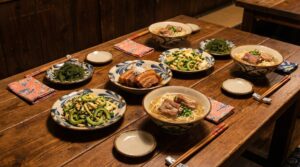
Enter a realm of tradition and communal warmth at a restaurant specializing in Japanese hot pot: Sukiyaki and Shabu-Shabu. These establishments often combine traditional Japanese aesthetics with modern comfort, featuring private rooms with expansive windows or elegant dining areas with horigotatsu seating, where you can stretch your legs under the table. The atmosphere is calm and restorative, designed for leisurely conversation and shared enjoyment. Sukiyaki is a rich and indulgent affair. A shallow iron pot is brought to your table and heated. Beef fat is melted to coat the pot, followed by a pour of sweet and savory broth made from soy sauce, sugar, and mirin. Then, paper-thin slices of highly marbled Wagyu are gently placed in the simmering sauce, cooked briefly until tender and infused with the flavorful broth. The traditional way to eat Sukiyaki is to dip the hot, savory beef into a bowl of raw, beaten egg. The egg acts as a cooling, silky coating that balances the richness of the meat and the salty broth. Alongside the beef, ingredients like grilled tofu, shiitake mushrooms, leeks, and translucent shirataki noodles simmer in the pot, absorbing all the delicious flavors. In contrast, Shabu-Shabu offers a lighter, more delicate experience. A pot of simmering, savory broth, often a simple kombu (kelp) dashi, is placed at the center of the table. You are presented with platters of even thinner sliced Wagyu and a variety of fresh vegetables. Using your chopsticks, you pick up a slice of beef and swish it back and forth in the broth for a few seconds—the name “shabu-shabu” mimics this very sound. Once it turns pale pink, dip it into one of two classic sauces: a light, citrusy ponzu or a creamy, nutty goma-dare (sesame sauce). The process is interactive and meditative, letting you cook each bite to your liking. Enjoying either hot pot meal while gazing at the calm, expansive sea offers a deeply comforting and quintessentially Japanese experience—a perfect harmony of flavor, tradition, and nature.
Navigating Your Wagyu Journey: A First-Timer’s Guide
Experiencing high-end Wagyu can seem a bit daunting, but a few simple tips can help make your meal as smooth and enjoyable as the view from your table. First and foremost, be sure to make reservations. The restaurants at ATC, especially those with prime window seats, are popular spots. Booking ahead is crucial, particularly if you plan to dine on weekends or holidays. When reserving, don’t hesitate to request a window seat—madogawa no seki o onegaishimasu. Most places will do their best to accommodate this. Reservations can often be made through your hotel’s concierge, which can help overcome any language barriers, or via online booking platforms. Upon receiving the menu, you’ll likely find options for both full-course meals and à la carte selections. For first-timers, a course menu is a great choice, as it allows the chef to guide you through a balanced meal, often highlighting various cuts or preparations without requiring you to decide everything yourself. If you’re feeling adventurous or want to focus on specific cuts, don’t hesitate to ask for recommendations. Simply saying osusume wa nan desu ka? (What do you recommend?) usually leads to the best dishes of the day. One key tip for enjoying Wagyu is to pace yourself. The beef is incredibly rich due to its high fat content, so a little goes a long way. It’s meant to be savored in small portions, not eaten like a large Western steak. Start by ordering modestly; you can always add more if you’re still hungry. Lastly, consider the time of day. A Wagyu dinner at ATC is a magical experience, with the sparkling night view adding romance and drama. However, many of these same restaurants offer lunch sets that are often much more affordable. A Wagyu lunch delivers the same top-quality beef and stunning daytime bay view, making it a wonderful choice for those seeking luxury on a slightly smaller budget.
Beyond the Plate: Exploring the Asia and Pacific Trade Center and its Vistas

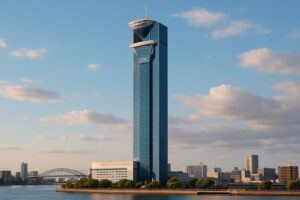
A meal at ATC is best savored as the highlight of a broader adventure in the Osaka Bay Area. The complex itself is an intriguing destination worth exploring. Before or after dining, take a walk through its vast, interconnected buildings. You’ll discover the ATC Town Outlet Mare, a collection of brand-name outlet shops perfect for bargain hunting on fashion and goods. The center also houses a variety of other shops and cafes and frequently hosts special events, exhibitions, and concerts, particularly on weekends. The true delight, however, comes from its connection to the outdoors. Step out onto the expansive seaside decks and promenades. The ATC Seaside Stage is a large open-air venue right by the water, offering an ideal spot to relax and watch ferries and container ships glide past. The sea breeze, open space, and unobstructed views create a perfect setting to digest your delicious meal and enjoy the ambiance. For an even grander perspective, visit the nearby Osaka Prefectural Government Sakishima Building Observatory, formerly known as the WTC Cosmo Tower. A quick elevator ride will take you to the 55th floor, where a 360-degree observation deck provides a bird’s-eye view of the entire region—from the ATC complex below to the skyscrapers of central Osaka, distant mountains, and Kansai International Airport. Viewing the landscape from this height adds wonderful context to your waterfront dining experience. The area also features family-friendly attractions like the Legoland Discovery Center Osaka, making it an excellent destination for a full day of activities. You can even take a bay cruise aboard the Santa Maria, a replica of Christopher Columbus’s flagship, departing from the nearby Kaiyukan Aquarium. Planning these activities around your Wagyu reservation turns a simple dinner into a memorable all-day adventure along Osaka’s stunning coast.
The Rhythm of the Bay: When to Visit
While the Wagyu and the view at ATC remain spectacular throughout the year, each season adds its own distinct charm to the experience. Spring offers mild, pleasant weather, ideal for a leisurely walk along the waterfront before your meal. The air is crisp and fresh, and although the bay area isn’t known for cherry blossoms, the overall sense of renewal and comfortable temperatures make it a perfect time to visit. Summer brings vibrant, dramatic sunsets that splash brilliant colors across the sky and water. A luxurious meal in a cool, air-conditioned restaurant provides a welcome escape from the heat and humidity of the Japanese summer. It’s also a season when distant fireworks displays from summer festivals might be visible, adding an extra touch of magic to the night view. Autumn is perhaps the most comfortable season, with humidity dropping and the air turning crisp and clear, delivering the sharpest, most detailed views of the bay and surrounding landscape. The deep blue daytime sky and the brilliant clarity of city lights at night are especially striking. Winter offers its own stark beauty; the cold, dry air sharpens and brightens the night views, making the city lights sparkle with greater intensity, giving the entire scene a jewel-like quality. Additionally, winter is illumination season in Japan, with the ATC and nearby bay area often adorned with elaborate light displays, making a post-dinner stroll a magical, festive experience. No matter when you visit, the ever-shifting light and atmosphere of the bay guarantee that no two visits are exactly alike.
Practical Pathways: Getting to ATC
Reaching the Asia and Pacific Trade Center is a simple and scenic journey, seamlessly connected to Osaka’s excellent public transportation system. The most common and direct way is by train. From major Osaka hubs such as Umeda, Namba, or Shinsaibashi, you first head to the Osaka Metro Chuo Line, marked green on transit maps. Board a westbound train bound for Cosmosquare. The Chuo Line ride is interesting, as it travels underground through the city center before rising above ground near the bay area. At the final stop, Cosmosquare Station, transfer to the Nanko Port Town Line, also known as the New Tram. This automated, rubber-tired train runs on an elevated track, providing great views of the port and bridges. Your stop is Trade Center-mae Station, just two stations from Cosmosquare. The ATC complex is directly connected to the station, so you will be indoors and only steps from the restaurants upon exiting the ticket gates. For travelers coming from farther away, such as from Shin-Osaka Station via the Shinkansen, take the Midosuji subway line to Hommachi Station, then transfer to the Chuo Line. If arriving from Kansai International Airport (KIX), a convenient choice is the airport limousine bus, some of which stop directly at a nearby hotel within a short walk of ATC. For those driving, the complex is easily reached via the Hanshin Expressway Wangan Route, with ample parking available.
A Final Taste: The Lingering Impression of an Oceanfront Feast
Long after the last piece of Wagyu has melted on your tongue, the memory of dining at the Asia and Pacific Trade Center lingers. It is an experience made up of more than just taste. It is the visual impression of the sun setting over the water, casting long shadows and a warm golden glow across your table. It is the sound of a gentle sizzle on the grill, harmonizing with the quiet hum of a distant ship. It is the sensation of being suspended between the vibrant, man-made world of Osaka and the timeless, natural expanse of the sea. This unique blend is what makes dining here so exceptional. It embodies the essence of modern Osaka—a city that honors its rich culinary traditions while embracing bold, forward-thinking design and its identity as a great port city. To savor world-class Wagyu while gazing out at the stunning bay is to connect with the heart and soul of this dynamic place. It is a moment of serene indulgence, a feast that delights all the senses, and an invitation to experience a different side of Osaka—one as open and expansive as the ocean view itself.