Hola, lovely people! Sofia here, ready to spill the tea on one of Osaka’s most charming, and initially baffling, cultural quirks. When I first landed here, my suitcase full of Spanish sunshine and my head full of guidebooks, I thought I understood Japan. I pictured serene temples, hyper-polite interactions, and a society that ran with the precision of a Swiss watch. And in many parts of Japan, that’s exactly what you get. But Osaka… well, Osaka plays by its own rules, with a rhythm that’s a little more salsa than symphony. The biggest tell? The glorious, unspoken art of ‘omake’.
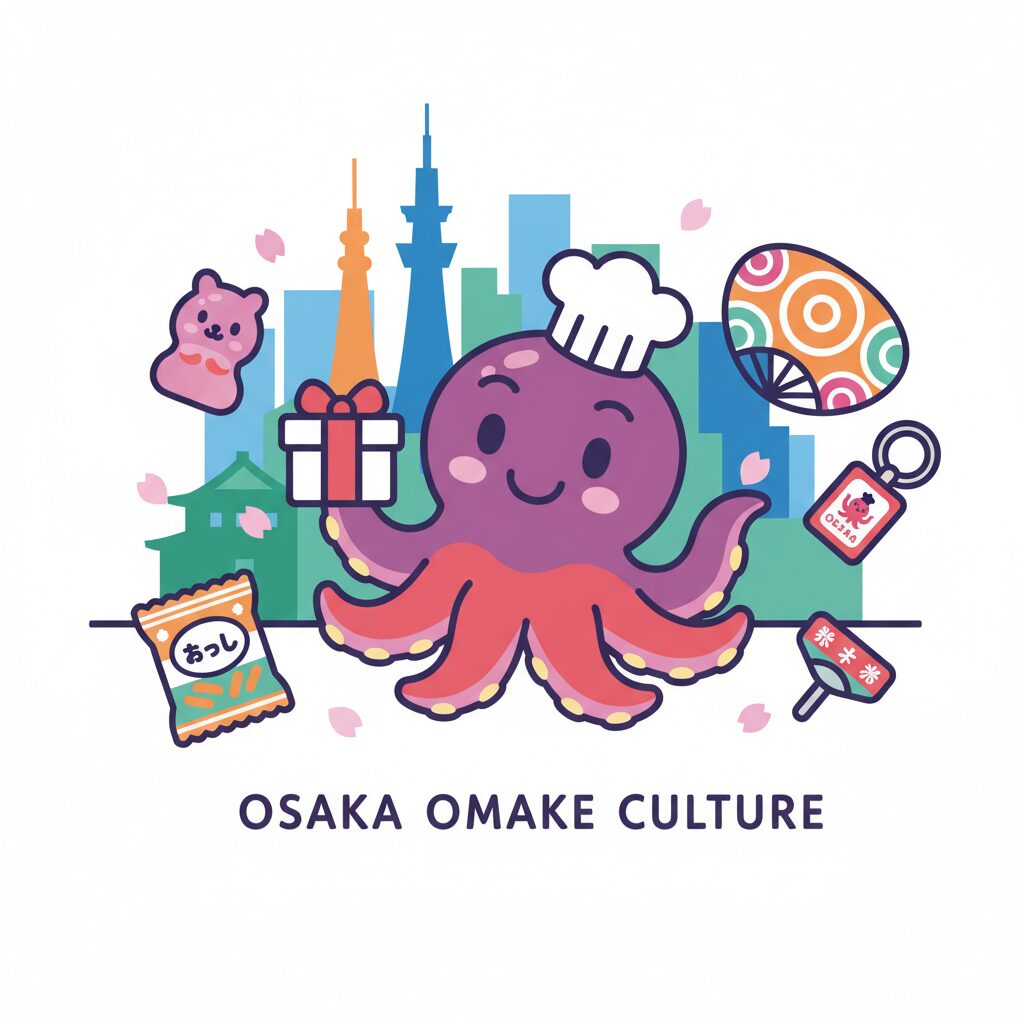
So, what is omake? Literally, it translates to something like ‘a little extra’ or ‘a bonus’. But in Osaka, it’s so much more than that. It’s a language, a currency of kindness, a social contract written in free scallions and extra slices of fish. It’s the old woman at the fruit stand who, after a quick chat about the weather, tosses an extra mikan orange into your bag with a wink. It’s the butcher who, recognizing you from last week, adds a handful of extra ground pork to your order, muttering, “Service, service.” In Tokyo, a transaction is a transaction. It’s clean, efficient, and precise to the gram. Getting an un-scanned, un-paid-for item in your bag would be a system error. In Osaka, it’s a sign the system is working perfectly. It’s a fundamental difference in the philosophy of commerce and community that tells you everything you need to know about what makes this city tick. It’s the reason why, after years of living here, I can confidently say that the soul of Osaka isn’t found in its towering castles or flashy billboards, but in the simple, generous act of getting a little something more.
This spirit of informal generosity is also evident in the way locals use small gestures, like the practice of ame-chan, to build rapport and start conversations.
The Unspoken Language of a Free Scallion
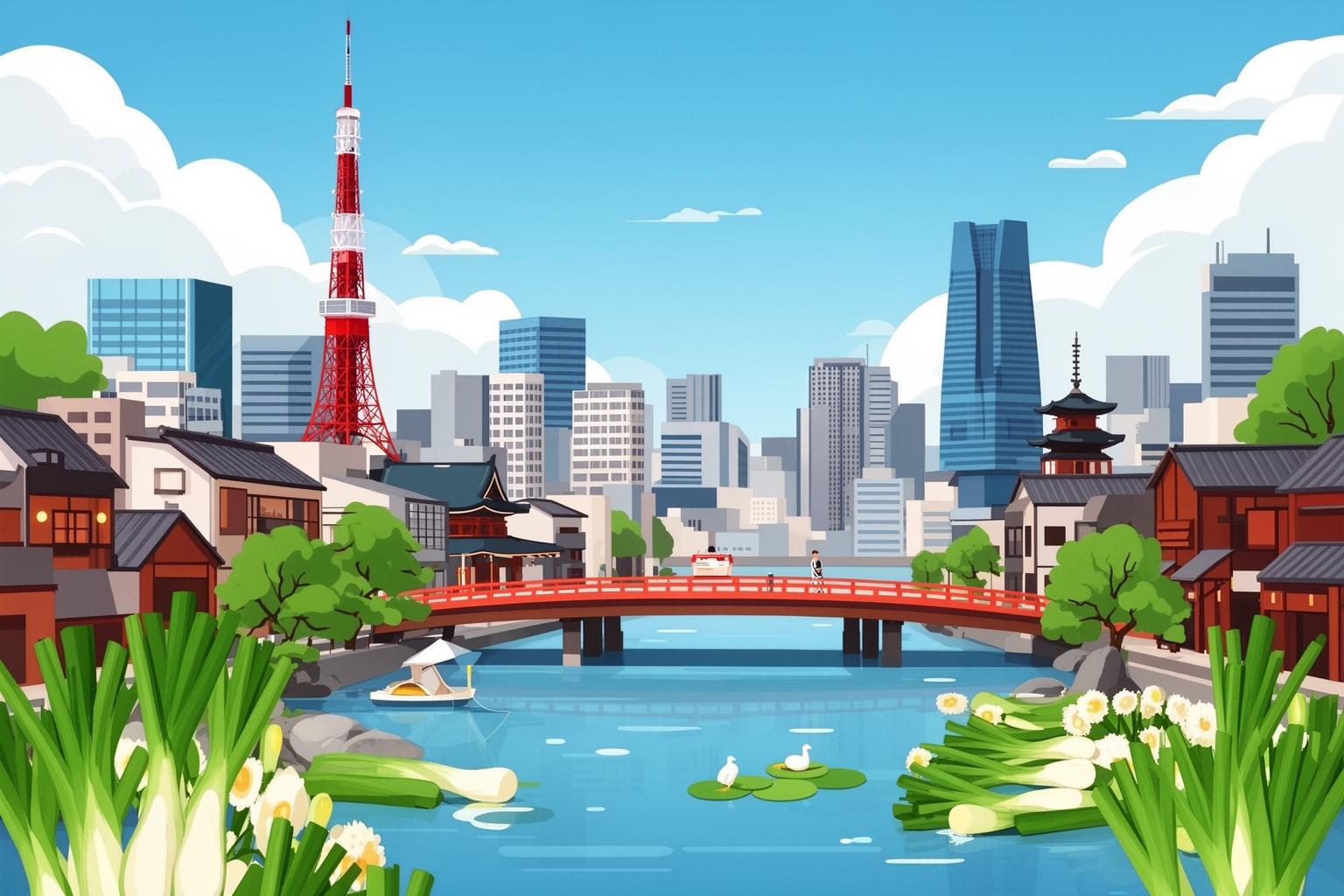
To truly understand Osaka, you need to realize that a transaction is seldom just about exchanging money for goods. It’s an opportunity for connection—a tiny piece of theater performed countless times daily in markets and shops throughout the city. Omake is the punctuation mark that concludes a successful interaction, signaling that you’ve gone beyond being just another customer.
It’s Not a Discount, It’s a Conversation Starter
When my friend from Tokyo visited, I took her to my local shotengai, one of those delightfully chaotic covered shopping arcades that serve as the heartbeat of any Osaka neighborhood. We paused at my favorite vegetable stall, a colorful array of earthy daikon radishes, shiny eggplants, and towering heaps of citrus fruits. The obachan (aunty) running the stall greeted me with a warm “Maido!” (Welcome back!). We chatted—she asked how work was going, I complimented her son’s new haircut I’d noticed the day before, and we debated the best way to pickle cucumbers. After I paid, as she packed my items, her hand slipped into a box of fiery togarashi peppers and dropped a handful into my bag. “For a bit of a kick,” she said with a grin. My Tokyo friend’s eyes widened. “Did you pay for those?” she whispered. “Does she give those to everyone?”
The answer is no—she doesn’t give them to everyone. And no, I didn’t pay for them. The omake isn’t part of the price; it’s a reward for the relationship, a physical symbol of our friendly rapport. This is the first rule of omake: it’s earned through genuine engagement. In Tokyo, efficiency reigns supreme, aiming for smooth, frictionless transactions. Small talk is pleasant but not essential. The system is designed to minimize variables. In Osaka, the variables are the point. Merchants are often the owners themselves, thriving on personality. They want to know you, banter with you, and build a human connection. Omake is tangible proof of that bond. It says, “I see you. I like you. Please come again.” It turns a simple purchase into a memorable, personal experience.
The ‘Maido Ookini’ Economy
The phrase you constantly hear in Osaka shops, “Maido,” is often paired with “Ookini.” Together, “Maido Ookini” means roughly, “Thank you for your continued patronage.” It’s not just “thank you for this one purchase.” It acknowledges the past and invests in the future. Osaka was built by merchants; it has always been Japan’s kitchen, its commercial powerhouse. The city’s DNA is infused with the principles of savvy, relationship-driven business.
A Tokyo merchant might focus on attracting new customers. An Osaka merchant obsessively aims to bring the same customers back tomorrow, and the day after. Omake is their most direct and effective loyalty-building tool. It’s a tiny, strategic investment. That extra onion may cost the shopkeeper five yen, but the goodwill it generates is worth a hundred times more. It ensures that next time you need an onion, you won’t consider the sterile, anonymous supermarket. You’ll return to your vegetable lady. This is the “Maido Ookini” economy at work—a deeply human, almost tribal form of commerce valuing long-term loyalty over short-term profit. Omake is the glue that binds customer to shop, weaving them into the community’s fabric, one freebie at a time.
Omake in the Wild: Where to Find It and How to Get It
Once you know what to watch for, you start spotting omake everywhere. It’s a hidden layer of the city that reveals itself to those who get involved. It’s not about searching for freebies; it’s about engaging with the culture and being rewarded for it. From the lively markets to the cozy backstreet bars, the spirit of omake is always simmering just beneath the surface.
The Shotengai: The Natural Habitat of Omake
The shotengai is the quintessential Osaka stage. These covered shopping streets offer a sensory feast—the rhythmic thud of a fishmonger’s cleaver, the sweet-savory aroma of grilling takoyaki, the vibrant array of colorful pickles in huge wooden barrels. For a photographer, it’s a dream, but the true magic lies in the interactions. This is ground zero for omake. Stroll through Tenjinbashisuji, Japan’s longest shotengai, and you’ll see it in full swing. Watch the regulars at the butcher shop. They don’t simply point and pay. They ask the butcher for his recommendation for tonight’s curry, and joke about the Hanshin Tigers’ latest game. Then comes the magical moment. After weighing out 300 grams of beef, the butcher’s hand slips back into the tray, grabs a small extra scoop, and drops it on top. “Omake,” he says, as casually as breathing.
This is where the culture of tainai baibai (face-to-face selling) truly shines. The sellers are performers, and the customers are their audience. They remember your face, they remember what you bought last week. The fishmonger might notice you eyeing the pricey sea bream and slip a few extra clams into your miso soup. The lady at the tsukemono (pickle) stand will let you sample three varieties before you choose, then pack your daikon with a little extra kombu seaweed because she knows you like it. This isn’t a place for quiet, shy shopping. To unlock omake’s potential, you have to lean in, smile, ask questions, and be part of the performance.
Beyond the Market: Omake in Bars and Restaurants
The spirit of giving a little extra extends beyond the markets into the city’s famed food and drink scene. Head to a tachinomi (standing bar) in Umeda or Namba. These tiny, intimate spots often consist of just a counter with room for a few patrons. At first, you might be just another face. But if you become a regular, a jouren-san, the dynamic changes. The bar master starts anticipating your drink order. You begin chatting with other regulars. Then it happens. The master slips a small dish your way that you didn’t order—a few slices of simmered octopus, a small potato salad. “Service,” he murmurs, a sign of recognition and welcome. This isn’t the otoshi, the mandatory appetizer charge common at many izakayas. This is a genuine gift, a sign you’ve been embraced into the bar’s little family.
Small, family-run restaurants are also prime spots for omake. I have a favorite curry place where the owner, a kind old man, sometimes offers me an extra scoop of rice when I look especially hungry, or a bonus piece of fried chicken because I praised it last time. It’s his way of saying, “I’m glad you’re here, and I’m glad you enjoy my food.” This isn’t something you can request or expect on your first visit. It’s a reward earned through loyalty.
The Art of the “Negotiation”
Now here’s where things get especially interesting for outsiders. Osakans are known as master negotiators. You’ll often hear the playful phrase, “Chotto makete~?” which roughly means, “Can you give me a little discount?” To Western ears, this might sound like firm haggling, but in Osaka, it’s more like a game, a type of conversational sport. It’s an invitation to engage.
The brilliant part is how sellers respond. In many cases, especially for small items, they won’t lower the price. Dropping the price can feel like admitting the initial price was too high. Instead, they pivot to omake. “Ah, the price is fixed, sorry… but here, I’ll give you an extra one of these.” It’s a clever move. The seller keeps their price integrity and doesn’t lose face. The buyer gets more value and also doesn’t lose face. Both sides leave happy, and the relationship grows stronger. It transforms a potentially tense price negotiation into a friendly, value-adding exchange. It’s the ultimate win-win, Osaka style. The goal isn’t just to save money; it’s to enjoy the dance of the deal.
The Tokyo Counterpoint: Efficiency, Formality, and the Fear of Being a Nuisance
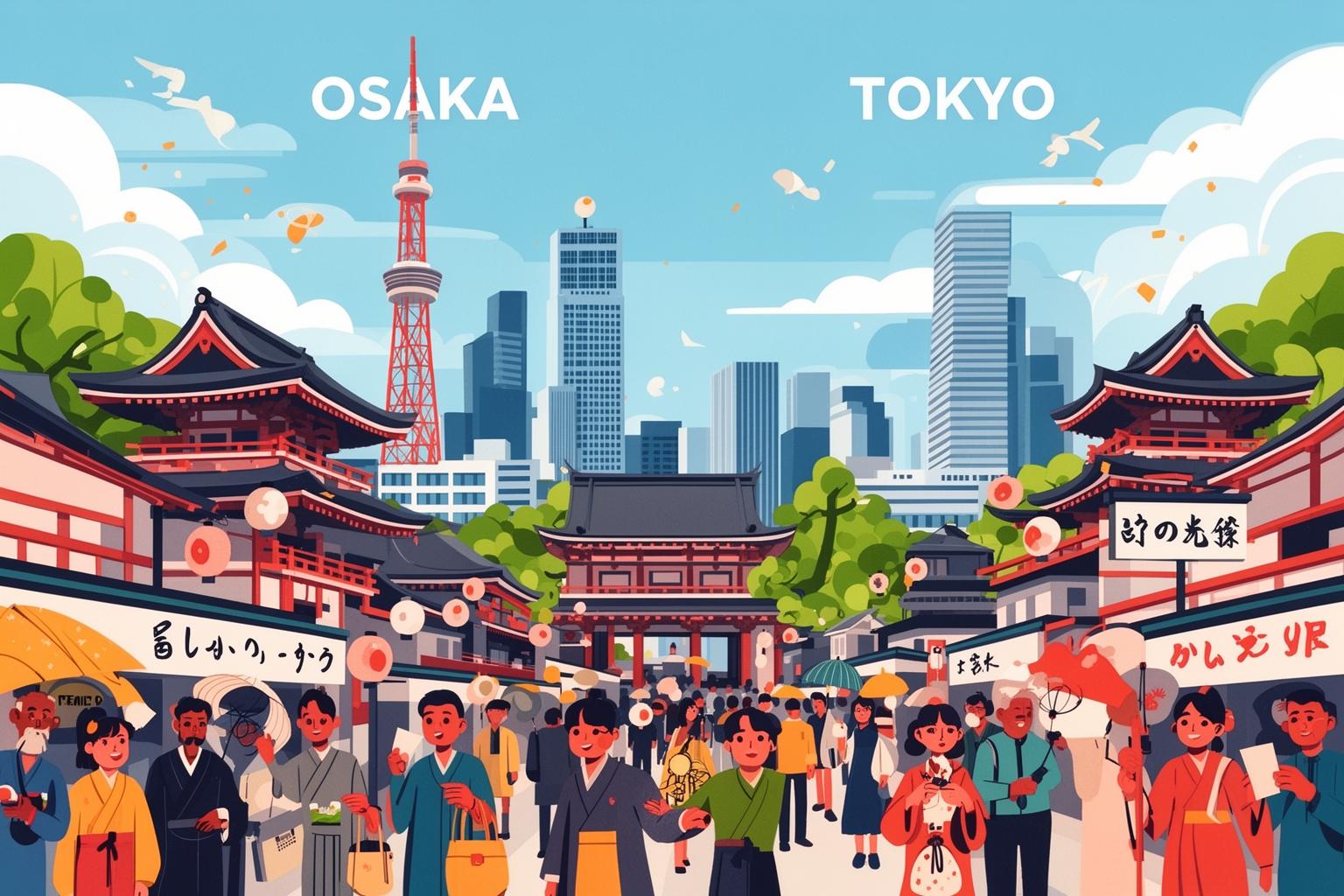
To truly grasp the distinctive flavor of Osaka’s omake culture, you need to view it in contrast with its major rival, Tokyo. Spending time in both cities is like listening to two different genres of music. Tokyo resembles a flawlessly executed classical symphony—precise, elegant, and stunning in its complexity and order. Osaka, by contrast, is like a lively, improvisational jazz session—brimming with energy, personality, and surprising twists.
The Pricetag is Law
In Tokyo, especially in the department stores of Ginza or the stylish boutiques of Omotesando, the price tag is sacred. It is not a mere suggestion; it is a definitive statement. The system relies on absolute accuracy. Inventory is monitored down to the last item. The presentation is impeccable. The idea of a shop assistant spontaneously adding an un-barcoded item to your perfectly wrapped purchase is almost unimaginable. It would be an anomaly, disrupting the finely tuned commercial machine. It would spoil the stock count. It would be… inefficient.
This connects to a fundamental Japanese cultural concept that is particularly strong in Tokyo: avoiding meiwaku, or causing trouble and inconvenience to others. A customer asking for a discount might be viewed as putting the staff in an uncomfortable position. For a staff member to offer something free could be seen as unprofessional or a violation of company policy. The social contract in Tokyo depends on mutual respect through non-imposition. Everyone fulfills their role flawlessly within the established rules. Omake, by its very nature, involves bending those rules, which is a deviation that feels less natural in Tokyo’s highly structured environment.
Service vs. Hospitality
This is the key difference. Tokyo provides what may be the world’s finest service. It is meticulous, courteous, and profoundly respectful. Department store staff bow with perfect form. They use the highest honorific language. Your purchase is wrapped with the care and precision of a masterpiece. It’s about flawlessly executing a well-rehearsed process, a perfect script. It’s intended to make you feel honored as a customer.
Osaka, meanwhile, shines in hospitality. Hospitality is warmer, more informal, and much more personal. It’s less about following a rigid script and more about connecting with the person in front of you. An Osaka shopkeeper might speak casually, joke with you, ask personal questions. They might not bow as deeply, but they’ll share a laugh with you. And then, they’ll give you an omake. Osaka’s style aims to make you feel like a friend. Service focuses on strict standards; hospitality focuses on forging a human connection. Omake is perhaps the purest form of Osakan hospitality—it’s an unscripted act of generosity that says, “Let’s step beyond the formal roles of ‘seller’ and ‘customer’ and just be two people enjoying a pleasant exchange.”
What Foreigners Get Wrong About Omake
As with any subtle cultural practice, there are many ways for outsiders to misunderstand the art of omake. It’s easy to view it simply as a transaction—free stuff!—but that completely misses the point. Grasping the nuanced etiquette is essential to truly appreciating and engaging in this charming aspect of Osaka life.
It’s Not a Handout for Foreigners
When you first arrive, with your distinct appearance and broken Japanese, you might receive a lot of omake. It’s tempting to think, “Oh, they’re just being nice to the tourist/foreigner.” While your novelty might initiate conversation, omake is not a tourist gimmick. It’s an integral part of the local economy. The true masters of omake are the local grandmas who have shopped at the same stalls for decades. They receive the best extras because they’ve invested time and fostered strong relationships.
The biggest misstep is feeling entitled to it. Demanding or even hinting at omake is the quickest way to guarantee you never receive it. It must be given freely, not asked for. It’s a gift, and the magic disappears the moment it’s treated as a right. The expectation lies with the seller—they hope to build relationships that might lead to omake. Buyers don’t expect it every time. It’s a delightful surprise that becomes a comforting habit once you’re accepted.
The Fine Line Between “Value” and “Cheapness”
The most persistent and frankly lazy stereotype about Osakans is that they are kechi—stingy. This is a serious misunderstanding of the local mindset. An Osakan won’t hesitate to spend a lot on a fantastic meal—the city’s unofficial motto is kuidaore, meaning “to eat oneself into ruin.” They value quality and are willing to pay for it.
They aren’t cheap; they are obsessively value-conscious. An Osakan wants to be sure they’re getting the absolute best for their money. It’s a mindset of savvy consumerism, of being a smart shopper. Omake taps directly into this. The joy isn’t just in the free item’s monetary worth but in the emotional value of the deal. It’s the thrill of participating skillfully in the marketplace, being recognized and rewarded. Scoring a good deal makes the purchase sweeter. Omake doesn’t make the product affordable; it makes the experience worthwhile. It’s the difference between saving a hundred yen and feeling like you’ve won a hundred yen. One is about scarcity; the other is about abundance and connection.
Living the Omake Life: How It Shapes Daily Reality in Osaka
This culture of giving a little extra is not just a charming quirk of shopping; it profoundly shapes the fabric of daily life in Osaka. It promotes a lifestyle that is more connected, more human-scaled, and more communal than what you might encounter in other vast, modern cities.
Building Your Network of “Regular” Spots
To live well in Osaka means becoming a jouren-san—a regular. You don’t simply visit a coffee shop; you go to your coffee shop, where the barista knows your order. You don’t just purchase bread from a bakery; you go to the one where the owner sets aside your favorite loaf if you’re running late. Life forms a constellation of these personal connections. In these places, the spirit of omake flourishes. It could be a free cookie with your coffee, an extra sprinkle of cheese on your pasta, or simply a warmer, bigger smile. These small gestures constantly affirm that you belong. They are the little rewards for weaving yourself into the social and commercial fabric of your neighborhood. In Osaka, loyalty flows both ways, paved with tiny, delightful bonuses.
A More Human-Scaled City
In an era of growing automation, self-checkouts, and impersonal online shopping, Osaka’s omake culture stands as a beautiful act of resistance. It insists on the importance of human interaction in commerce. It encourages you to slow down, to look the person selling your food in the eye, and to engage in a real conversation. It transforms errands from a chore into an opportunity for social connection. This is why, despite being a sprawling metropolis of millions, Osaka often feels like a collection of small villages. The shotengai, the local bar, and the family restaurant are modern-day village squares, where the currency exchanged isn’t just yen, but stories, laughter, and the occasional free potato.
The Ripple Effect: Generosity as a Norm
Ultimately, the spirit of omake extends beyond the marketplace into the wider culture. This idea of giving “a little extra” becomes a common practice. It’s the grandmother on the train who insists you take one of her rice crackers. It’s the neighbor who brings you a bag of tomatoes from their balcony garden because they have too many. It’s a mindset where generosity isn’t a grand, formal gesture but a small, everyday habit. It nurtures an environment where people are a bit more open, more willing to share, and less bound by the rigid, unspoken rules of social distance that can characterize life in other parts of Japan. It’s a culture that recognizes that sometimes, the best things in life are the unexpected, unasked-for extras.