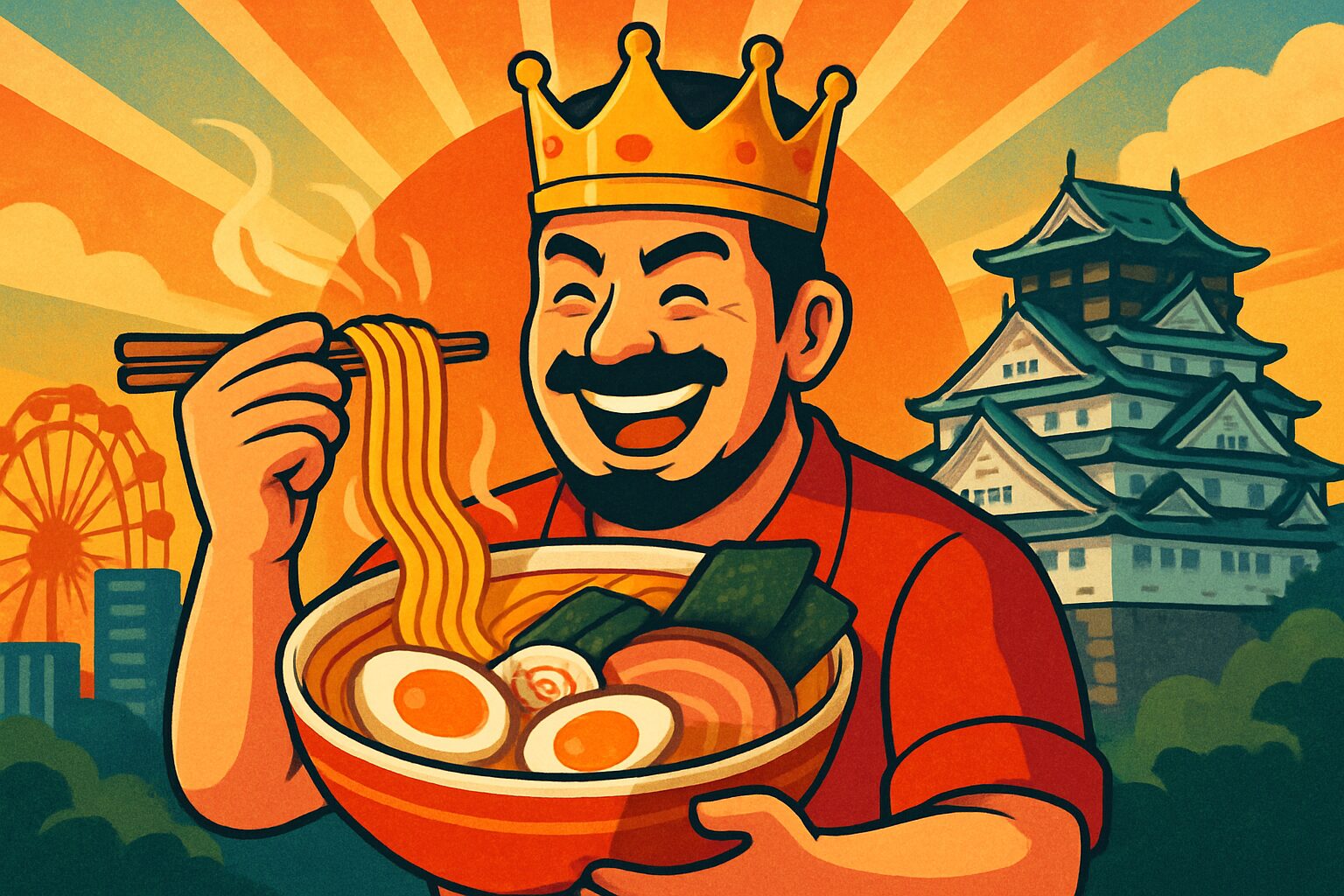
Hey lovelies, Sofia here! Picture this: a city that breathes in contrasts, where futuristic glass towers shimmer against the ancient stone walls of a samurai fortress. This is Osaka, a place where the pulse of commerce beats strong and fast, especially in the sleek, ambitious district known as Osaka Business Park, or OBP as the locals call it. I found myself wandering here, camera in hand, mesmerized by the reflections of the sky on a thousand windows. The air crackles with energy, filled with smartly dressed professionals striding with purpose, their minds on deadlines and deals. It’s a world of polished steel and sharp angles. But just a stone’s throw away, the magnificent Osaka Castle stands as a timeless sentinel, a silent testament to centuries of history, drama, and resilience. In this fascinating nexus of past and future, of hustle and history, I discovered a secret. Not in a boardroom or a museum, but in a humble, steamy, soul-warming noodle shop. It’s a place that serves as the unofficial fueling station for the titans of OBP, a culinary sanctuary where they shed their corporate armor for a few blissful moments. I’m talking about Ramen King, a name whispered with reverence, and specifically, their life-altering Miso Ramen. This isn’t just lunch; it’s a ritual, a cornerstone of the daily grind for those who shape the city’s economy. I followed the lunchtime crowds, drawn by an irresistible aroma that cut through the crisp city air, and what I found was so much more than a bowl of soup. It was a taste of Osaka’s heart, a delicious paradox that perfectly mirrors the city itself: profoundly complex, deeply comforting, and utterly unforgettable. Let’s dive in and discover why this one ramen shop holds such a powerful sway over the hearts and stomachs of Osaka’s busiest people.
While the rich miso ramen at Ramen King is a local legend, those seeking a lighter yet equally revered bowl should explore the silky chicken broth ramen that draws its own dedicated queues elsewhere in the city.
The Neon Beacon in a Sea of Skyscrapers

Finding Ramen King is part of the journey. You leave the manicured plazas and expansive spaces of Osaka Business Park, crossing a bridge over the Second Neya River, and suddenly, the atmosphere transforms. The sleek, international vibe of OBP gives way to the lively, lived-in energy of Kyobashi. Here, the streets grow narrower, the buildings older, and the air is thick with the enticing aromas of countless tiny eateries. Nestled within this charming urban mosaic is Ramen King. It doesn’t demand attention with grand architecture. Instead, it glows softly. A simple, bright sign bearing its bold name serves as a warm, inviting beacon, offering a striking and delightful contrast to the cool blue glass of the skyscrapers looming behind.
Pushing aside the traditional noren curtain at the entrance feels like stepping into another realm, a portal from the high-pressure corporate grind into a sanctuary of pure, unadulterated comfort. The initial sensation is a warm embrace of savory steam, rich with the promise of pork, miso, and garlic. The interior is compact, intimate, and alive with rhythmic energy. It’s the quintessential Japanese ramen-ya experience. A long wooden counter dominates the space, giving you a front-row view of the culinary performance. There are no large tables for extended meetings here. This space is made for focus, for a singular, personal connection with your bowl of ramen. The lighting is warm and golden, casting a soft glow on diners’ faces, each absorbed in their own world of flavor. The soundtrack isn’t soft jazz or pop; it’s the symphony of the shop itself—the cheerful, guttural greetings of the staff, the rhythmic clatter of utensils, the sizzle of gyoza on the griddle, and, most importantly, the chorus of appreciative slurps from satisfied customers. In Japan, this sound is the highest compliment a chef can receive. The walls are decorated with simple menus and perhaps a few accolades, but the decor takes a backseat. The real art unfolds behind the counter. Watching the chefs is mesmerizing. They move with an economy of motion that almost resembles dance, a blur of ladles, strainers, and bowls assembled with precision and care. Their faces show deep concentration, yet they work with calm, practiced grace. This place feels genuine, authentic, and utterly without pretense. It’s a sanctuary where your job title doesn’t matter, your stock portfolio is irrelevant. All that counts is the steaming, perfect bowl of ramen soon to be placed before you.
A Symphony in a Bowl: Deconstructing the Legendary Miso Ramen
Ordering at Ramen King is an experience in itself, often involving a ticket machine, or ‘kenbaiki,’ located near the entrance. You insert your yen, press the button for your chosen dish—the glorious Miso Ramen, naturally—and hand the small ticket to the chef. This efficient system is the gateway to noodle nirvana. When that bowl finally arrives, it’s a moment of pure, unfiltered joy. The presentation is a masterpiece, a vibrant array of colors and textures promising an epic flavor journey. Its sheer beauty makes you pause, compelling you to snap a photo before disturbing its perfection. But it is the aroma that truly captivates—a complex, deeply savory scent rising with the steam, whispering stories of long-simmered broths and expertly blended seasonings. This isn’t merely a meal; it’s the culmination of immense skill, tradition, and a profound understanding of comforting food. Let’s explore the elements that make this Miso Ramen legendary.
The Broth – A Liquid Hug from Osaka
The heart of any ramen is its broth, and at Ramen King, the miso broth is a masterpiece of liquid alchemy. This is no ordinary, one-dimensional miso soup. It is something entirely different. The color is a deep, opaque, inviting caramel brown, hinting at the richness within. Lifting the spoon for that first sip is a revelation. The flavor is profoundly deep and multi-layered. It begins with a wave of intense, earthy savoriness from the fermented soybean paste—the miso itself. But it’s not just one type of miso; you taste a complex blend, perhaps robust red miso for depth and sweeter white miso for balance, creating a harmony both powerful and nuanced.
Beneath that initial miso kick lies the foundation: a rich, luscious tonkotsu-style pork bone broth simmered for hours, patiently coaxing out all its collagen and flavor. This gives the soup incredible body, a velvety, almost creamy mouthfeel that coats your tongue and warms you from within. There are hints of chicken for a lighter, cleaner note, along with the subtle sweetness of garlic, ginger, and onions that have melted into the liquid, leaving only their essence. A whisper of chili may dance on your palate’s edge—not to burn, but to add gentle warmth and complexity, urging you back for another spoonful. This broth is both incredibly rich and satisfying, never heavy or overwhelming. Each sip reveals a new layer, a secret. It tastes of patience, tradition, and an unwavering commitment to quality. It’s the kind of broth that silences conversation and makes you close your eyes in quiet appreciation. Simply put, it’s a liquid hug in a bowl—the perfect antidote to a stressful day in OBP’s concrete jungle.
The Noodles – The Golden, Wavy Heartbeat
If the broth is the soul, the noodles are ramen’s very heartbeat. Ramen King clearly honors this sacred relationship. Peeking from beneath the glorious miso broth are perfectly cooked, golden strands of noodle artistry. They are ‘chukamen,’ Chinese-style wheat noodles colored and given springiness by ‘kansui,’ an alkaline solution. These noodles are medium-thick with a gentle wave—not just for looks, but functional curls designed to cling to the rich miso broth, ensuring every strand you lift is dripping with savory goodness.
The texture is sublime. They boast a firm, satisfying chewiness known as ‘koshi’ in Japanese. There’s a delightful resistance when bitten—a springiness that tells you they were cooked to precise perfection, neither overdone nor undercooked. They stand up to the powerful broth, never turning mushy or lost in the soup. As you slurp them (and you absolutely should), they carry the ramen’s full symphony of flavors, delivering broth, oils, and seasoning bits directly to your palate. You can taste the quality wheat, a subtle nutty note that complements the miso perfectly. The chefs at Ramen King have mastered ‘yu-giri,’ the dramatic flick of the wrist used to shake off excess water after boiling, ensuring the broth stays undiluted and pure. These noodles are far from filler; they are co-stars, essential players in the culinary drama unfolding in your bowl, providing a perfect textural balance to the soup’s liquid richness.
The Toppings – A Masterclass in Flavor Architecture
The final stroke of genius in Ramen King’s Miso Ramen is the carefully curated toppings. Each component is selected not only for its own flavor but for how it interacts with the broth, noodles, and other elements, creating a holistic, dynamic eating experience. They are arranged with an artist’s eye, turning the bowl into a canvas of color and texture.
The Chashu That Dreams Are Made Of
Let’s talk chashu, the slow-braised pork belly that crowns many ramen bowls. At Ramen King, it’s a thing of beauty. Usually, you get one or two generous, thick slices draped lovingly over the noodles. They have a gorgeous caramelized exterior, hinting at a masterful sear or torching just before serving. The meat is so tender it practically melts on your tongue. The fat has rendered perfectly, marbling the lean meat and creating a succulent, melt-in-your-mouth texture that’s pure bliss. It’s simmered for hours in a savory-sweet marinade of soy sauce, mirin, and sake, permeating every fiber of the pork. The flavor is rich and deeply savory, with a gentle sweetness that cuts through the richness and balances the salty miso broth flawlessly. Picking up a piece with chopsticks is a delicate affair, as it threatens to fall apart under its own tenderness. It epitomizes ramen indulgence: a decadent, savory treasure elevating the entire bowl to legendary status.
The Ajitama Egg: A Molten Gold Treasure
Nestled in the bowl is another iconic topping: the ‘ajitama,’ or seasoned soft-boiled egg. Sliced in half, it reveals a visual masterpiece. The white is firm yet tender, stained a lovely light brown from its marinade. But the real magic is in the yolk—perfectly jammy molten gold, the color of a sunset. It’s neither runny nor hard-boiled; it occupies that flawless custardy middle ground. The flavor is incredible. The marinade, similar to the chashu’s, infuses the egg with a delicate savory-sweetness, seasoning it through to its gooey center. Taking a bite and allowing that creamy yolk to mix with the miso broth is pure culinary ecstasy. It adds another richness layer and a silky texture that slightly thickens the soup, creating an even more luxurious experience. It’s a small detail, but one that Ramen King absolutely—and unequivocally—gets right.
The Supporting Cast: Corn, Butter, and Bamboo
Miso ramen, especially the style from Hokkaido in northern Japan, is famous for a few key toppings, and Ramen King honors this tradition beautifully. A generous scattering of bright yellow sweet corn adds bursts of sweetness and a delightful textural pop, cutting through the savory broth depth. Often, a small pat of butter tops the bowl, slowly melting into the hot soup to add incredible silky richness and a Western-style savory note that pairs surprisingly well with miso. It may sound unusual, but trust me—it’s a game-changer. Then there are ‘menma,’ fermented bamboo shoots that offer fantastic textural contrast. Crunchy, slightly sweet, and savory, they provide a satisfying chew that balances the softness of other ingredients. Finally, a flourish of finely sliced green onions, or ‘negi,’ is sprinkled on top, offering a sharp, fresh, aromatic bite that cleanses the palate and adds a vibrant splash of color. Together, these toppings are more than mere garnishes; they are integral players, each contributing a distinct voice to the harmonious and delicious chorus in your bowl.
The Daily Ritual: Why the OBP Crowd Swears By It

To truly grasp the magic of Ramen King, you need to experience the lunchtime rush firsthand. Around noon, a steady stream of men and women dressed in sharp business attire flows out of the gleaming towers of OBP, heading straight for this modest shop. A line forms quickly—a quiet, orderly queue of people patiently waiting for their daily ritual. Inside, the atmosphere is one of shared, focused intent. You won’t see anyone scrolling on their phones or engaging in loud conversations. Instead, they are hunched over their bowls, fully absorbed in eating. Faces that might have been tense from morning meetings visibly soften, with a palpable sense of relief and release.
For these office workers, Ramen King is more than just a convenient place to eat. It’s an escape—a 20-minute break from spreadsheets, conference calls, and corporate hierarchies. In this small, warm space, everyone stands equal before the mighty bowl of ramen. The rich, hot broth serves as a powerful comfort food, providing physical and emotional recharge that cuts through mental fatigue. The meal is quick, efficient, and deeply satisfying, perfectly suited to the demanding pace of the business world. A bowl of Miso Ramen here is a shot of pure, delicious energy, preparing them for the challenges of the afternoon. It’s also remarkably affordable, a small, accessible luxury in a world of costly business lunches. It offers a moment of genuine, unpretentious pleasure in a day often marked by structure and formality. Watching this transformation is fascinating: they enter serious and preoccupied, but leave with subtle smiles and satisfied expressions, ready to cross the bridge once more to face the world—or at least the rest of their workday. This daily pilgrimage is a testament to the restorative power of a simple, perfectly crafted dish.
A Tale of Two Osakas: Exploring the Neighborhood
The charm of Ramen King’s location lies in its role as a gateway connecting three distinct and captivating worlds. A meal here can mark the beginning of an extraordinary day of exploration, highlighting the dynamic character of Osaka. You find yourself literally at the intersection of the city’s modern ambitions, its ancient heritage, and its lively everyday life. Planning your visit around this culinary landmark enables you to fully experience the diverse offerings of this remarkable area.
The Glass Jungle: Osaka Business Park
Before or after enjoying your ramen, take a stroll through Osaka Business Park itself. It is an impressive example of modern Japanese architecture and urban design. Built on the former site of a large armory, the area was transformed in the 1980s into this futuristic district. Look up at the soaring Crystal Tower, whose glass facade beautifully mirrors the sky and nearby cityscape. Wander through the thoughtfully designed plazas and green spaces nestled between the buildings. The true highlight of OBP, however, is its riverside setting. The park fronts the Second Neya and Neya Rivers, with a scenic promenade running along the water’s edge. It offers stunning views of Osaka Castle, towering majestically across the water. The contrast between the sleek, contemporary skyscrapers on your side and the ancient, formidable fortress opposite is a photographer’s dream and a striking visual metaphor for Osaka itself. You can also find the pier for the Aqua-Liner, a futuristic water bus providing a wonderful cruise through the city’s heart, offering unique perspectives of its bridges and waterfronts. OBP is not just a business district; it’s a calm and picturesque place for a walk, giving insight into Osaka’s polished, forward-looking side.
The Timeless Fortress: Osaka Castle and its Park
From Ramen King, a short 10-minute walk takes you to one of Japan’s most famous and historically significant landmarks: Osaka Castle. Crossing the bridge from OBP feels like stepping back in time. The expansive castle grounds form a public park, a vast green oasis amid the bustling city. The scale of the castle’s defenses is awe-inspiring. First, you’ll encounter the broad moats, their deep green waters reflecting the sky, and the massive stone walls, constructed from huge boulders fitted together with incredible precision, without mortar. These walls were built to intimidate and resist any siege, and they still emanate an aura of great power.
As you venture further into the park, the main castle tower, or ‘tenshu,’ comes into view. The current tower, a concrete reconstruction completed in 1931, is nonetheless stunning, with white walls, green-tiled roofs, and golden accents shining in the sunlight. Inside is a modern museum chronicling the castle’s turbulent past and the story of its founder, the great warlord Toyotomi Hideyoshi, who unified Japan in the late 16th century. The observation deck at the top offers a sweeping 360-degree panorama of Osaka, including the OBP skyscrapers you just left, the sprawling cityscape, and distant mountains. Don’t miss Nishinomaru Garden on the western side of the grounds, a beautifully maintained lawn garden with a tea house that provides some of the best views of the castle tower, especially during the spring cherry blossom season when hundreds of cherry trees burst into clouds of pink. The park is a living canvas, changing with the seasons. From the plum grove in late winter to the fiery hues of maple and ginkgo trees in autumn, there is always something enchanting to see. Spending an afternoon exploring the castle and its grounds is an essential Osaka experience, offering a profound connection to the city’s dramatic history.
The Electric Heartbeat: A Stroll Through Kyobashi
Finally, take some time to explore the neighborhood where Ramen King is actually located: Kyobashi. This area provides a sharp contrast to both the corporate sophistication of OBP and the historic grandeur of the castle. Kyobashi is wonderfully chaotic, vibrant, and unabashedly local. As a major transportation hub, the area around the station is a maze of covered shopping arcades, known as ‘shotengai,’ and narrow alleyways packed with restaurants, bars, and pachinko parlors. Dive into the Kyobashi Shotengai to experience a slice of everyday Osaka life. You’ll find shops offering everything from traditional sweets and pickles to clothing and household goods. However, Kyobashi truly comes alive in the evening. The area is renowned for its dense concentration of ‘izakayas’ (Japanese pubs) and especially ‘tachinomi’ (standing bars). These are tiny, no-frills venues where local workers gather after their shifts to enjoy a cheap beer, some sake, and a few grilled chicken skewers. The atmosphere is lively, friendly, and incredibly welcoming. Here, you can sense the genuine, down-to-earth spirit of Osaka’s merchant culture. Exploring Kyobashi gives you a taste of the city’s vibrant, fun-loving, and slightly gritty soul, completing the trio of experiences—all within walking distance of that perfect bowl of ramen.
Your Royal Summons: A Practical Guide to Ramen King
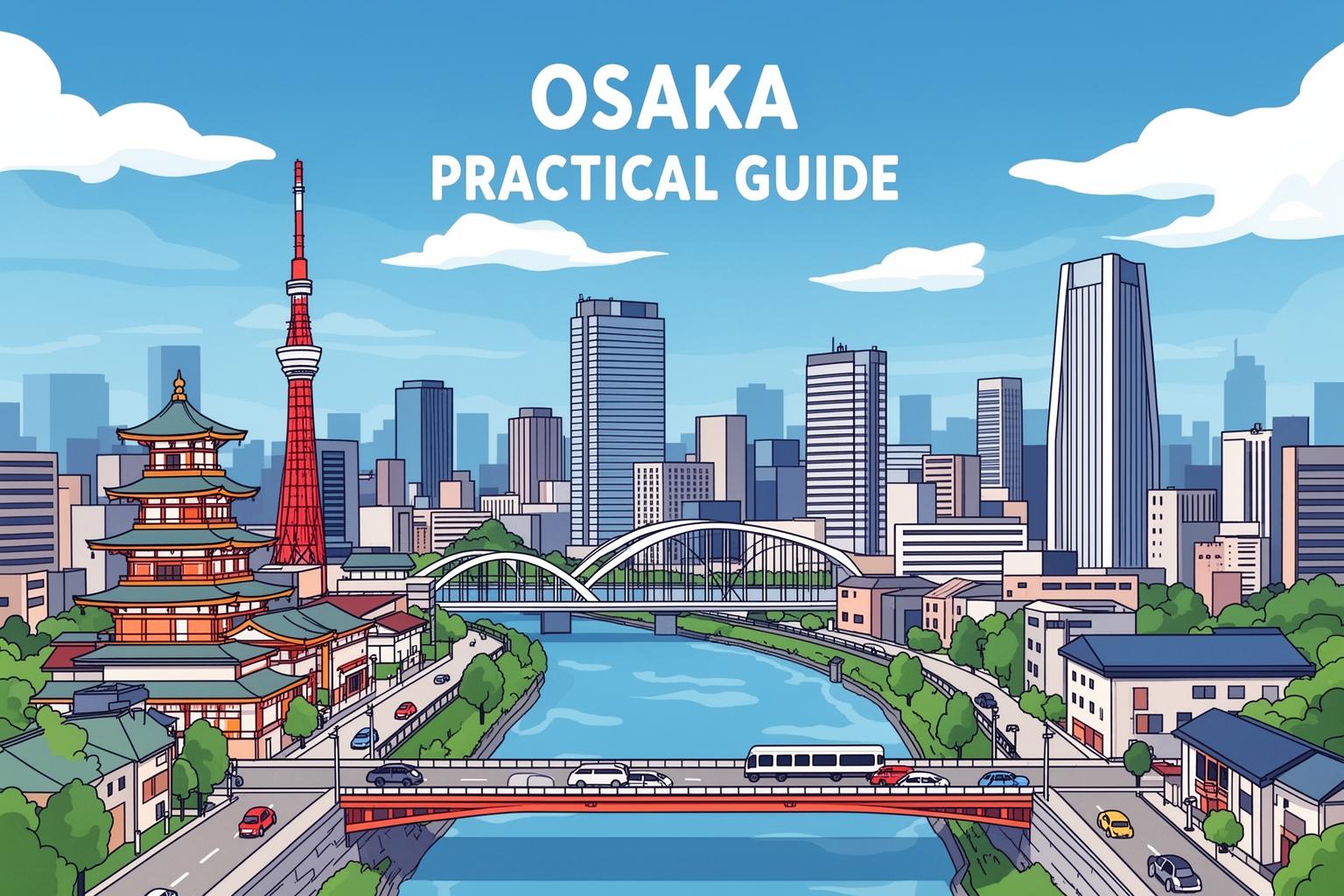
Ready to answer the call and claim your own bowl of miso ramen royalty? Getting to Ramen King is simple, and with a few tips, you’ll be slurping noodles like a local in no time. This hidden treasure is worth planning a trip around, so here’s everything you need to know for a smooth and delicious pilgrimage.
Navigating to Noodle Nirvana
Ramen King’s location in Kyobashi makes it highly accessible. The area is served by several train lines, making it easy to reach from anywhere in Osaka.
From the Umeda/Osaka Station area, the most direct route is the JR Osaka Loop Line. It’s just a few stops to either Kyobashi Station or Osakajokoen (Osaka Castle Park) Station. Both are about a 10-minute walk to the restaurant. Exiting at Kyobashi immerses you in the district’s lively vibe, while Osakajokoen places you right at the edge of the picturesque castle park.
If you prefer the subway, take the Nagahori Tsurumi-ryokuchi Line directly to Osaka Business Park Station. From there, it’s a scenic 5-7 minute walk across the river into Kyobashi. This is a great option if you want to start by admiring the modern architecture of OBP.
Once in the Kyobashi area, I highly recommend using a map app on your phone. The streets can be quite a maze, but the shop’s bright sign makes it easy to spot once you’re on the right street.
The Art of the Ticket Machine
Like many traditional ramen shops in Japan, Ramen King uses a ‘kenbaiki,’ or ticket vending machine, for ordering. This might seem intimidating at first, but it’s actually straightforward and efficient. Here’s how it works:
Have cash ready. While some newer machines accept cards or digital payments, cash remains king at many smaller spots. The machine is usually by the entrance. The buttons display pictures and dish names in Japanese, but the most popular items, like Miso Ramen, often have larger buttons or a special recommendation tag. Look for the characters for Miso (味噌). Don’t hesitate to point and ask the staff for help if needed; they’re accustomed to international visitors. Insert your money, press the button for your desired ramen, and be sure to add extras like a seasoned egg (‘ajitama’) or extra pork (‘chashu’). The machine will print small tickets for each item along with your change. Hand these tickets to a staff member, and they’ll show you to a seat. That’s it—you’ve successfully navigated the system.
Timing Your Visit and Ramen Etiquette
Due to its popularity with the OBP lunch crowd, Ramen King gets quite busy on weekdays between 12:00 PM and 1:30 PM. To avoid long waits, try to arrive just before noon or after 1:30 PM. Evenings are also a great time to visit and tend to be a bit calmer. Visiting on a weekend is another good option for a more leisurely experience.
Once seated and your ramen arrives, keep a few etiquette tips in mind. Slurping your noodles is not only acceptable but encouraged—it shows you’re enjoying your meal and helps cool the hot noodles. Ramen is considered fast food in Japan, so it’s usually not a place to linger long after finishing, especially if there’s a line. Eat at a comfortable pace, savor every bite, and when finished, it’s customary to place your empty bowl back on the counter. As you leave, saying ‘Gochisosama deshita’ (meaning ‘thank you for the meal’) is a polite way to express appreciation to the chefs, who will likely respond with a heartfelt ‘Arigato gozaimashita!’
A Final Slurp of Wisdom
In a city as vibrant and diverse as Osaka, the most meaningful experiences often lie in the simplest pleasures. Ramen King is more than just a restaurant; it represents the essence of the city itself. It reflects the Japanese commitment to perfecting a craft, the ‘shokunin’ spirit, where a lifetime is dedicated to mastering one thing flawlessly. It’s a place where a high-powered executive and a humble student can sit side-by-side, united by their shared passion for a perfect bowl of noodles. My visit to Ramen King was a delicious reminder that food serves as a universal language, a bridge across cultures, and a source of immense comfort and joy. To savor that Miso Ramen is to grasp the rhythm of daily life for thousands of Osakans, to feel the warmth of their city’s soul, and to connect with a culinary tradition that is both deeply rooted in history and vibrantly alive. So, when you visit Osaka, by all means, explore the castle, admire the skyscrapers, and get lost in the neon-lit streets. But also, make a pilgrimage to this humble noodle shop. Sit at the counter, watch the masters at work, and let yourself be fully transported by a bowl of ramen. It’s a simple gesture, but I assure you, it will become one of the most authentic and memorable moments of your trip—a savory memory that will warm you long after you’ve returned home.