When you first arrive in Osaka, the city hits you with a sensory overload, a whirlwind of neon, sizzling street food, and a dialect that feels like it’s being delivered at twice the normal speed. You’ll be pointed towards Dotonbori, with its giant mechanical crab, or Shinsaibashi, a polished river of global brands. You might even walk the length of Tenjinbashisuji, famed as Japan’s longest shopping arcade, and tick it off a list. But you’d be missing the point. You’d be standing in the living room without realizing you were invited. Because in Osaka, the true pulse of the city isn’t found in its gleaming towers or designated tourist zones. It’s humming, buzzing, and echoing under the covered roofs of its countless neighborhood shotengai.
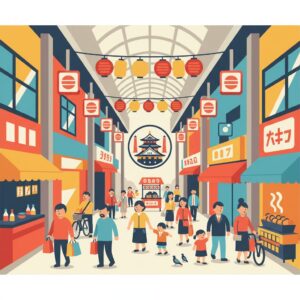
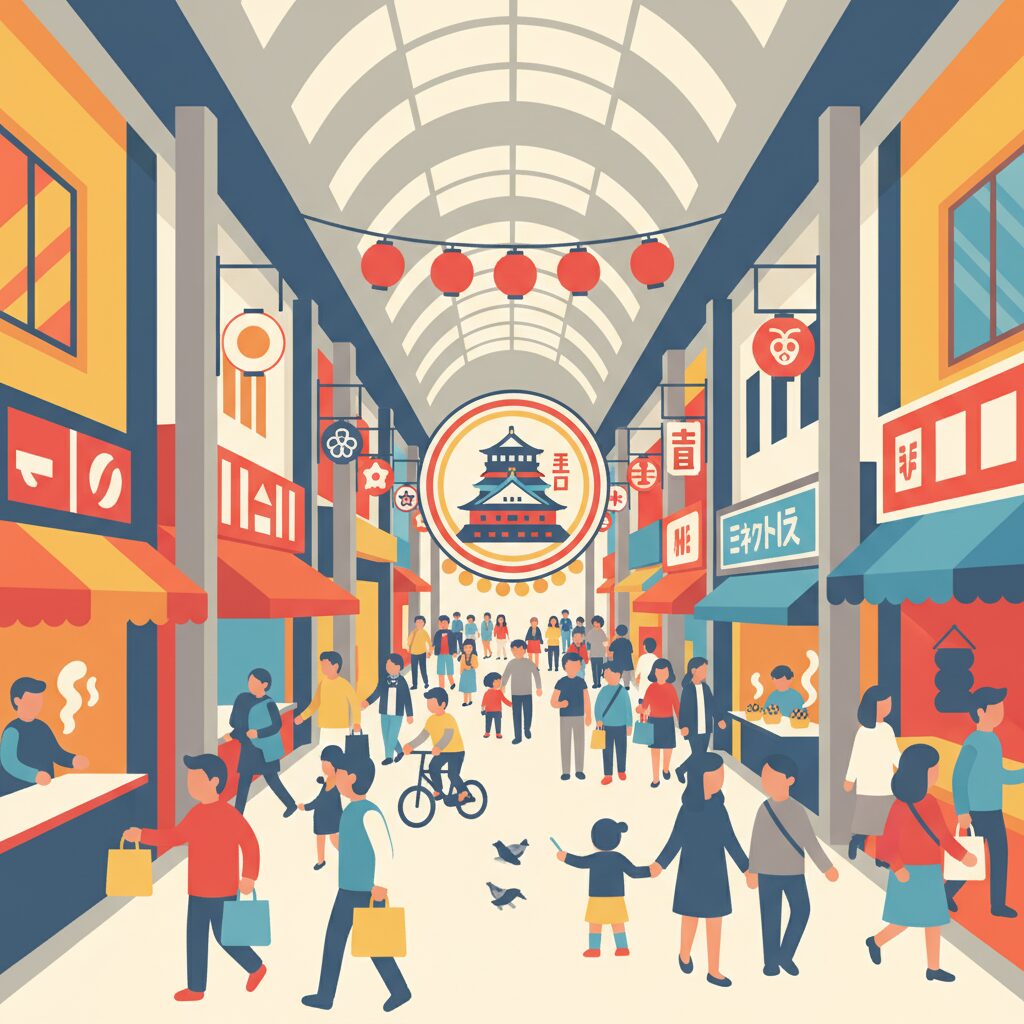
These shopping arcades are far more than just pedestrianized streets with shops. In Tokyo, a similar arcade might feel like a quaint, curated experience, a relic preserved for its aesthetic. In Osaka, it’s the absolute opposite. The shotengai is not a museum piece; it is the city’s central nervous system, its communal canteen, and its open-air therapy session, all rolled into one. It’s where the city’s infamous pragmatism, its love for a good deal, and its deeply ingrained need for human connection all collide. Forget the idea of a simple retail space. A shotengai is a living, breathing organism, a chaotic, fragrant, and profoundly human testament to how Osakans actually live. For anyone trying to understand what makes this city tick, what separates it from the stoic elegance of Kyoto or the relentless futurism of Tokyo, the journey begins and ends right here, under the gentle hum of fluorescent lights and the cacophony of daily life.
To truly understand this unique social fabric, one might learn how to navigate the fine line between friendliness and nosiness and turn casual encounters into genuine connections, as explored in this guide on Osaka’s unique social interactions.
The Shotengai Ecosystem: More Than Just Shops
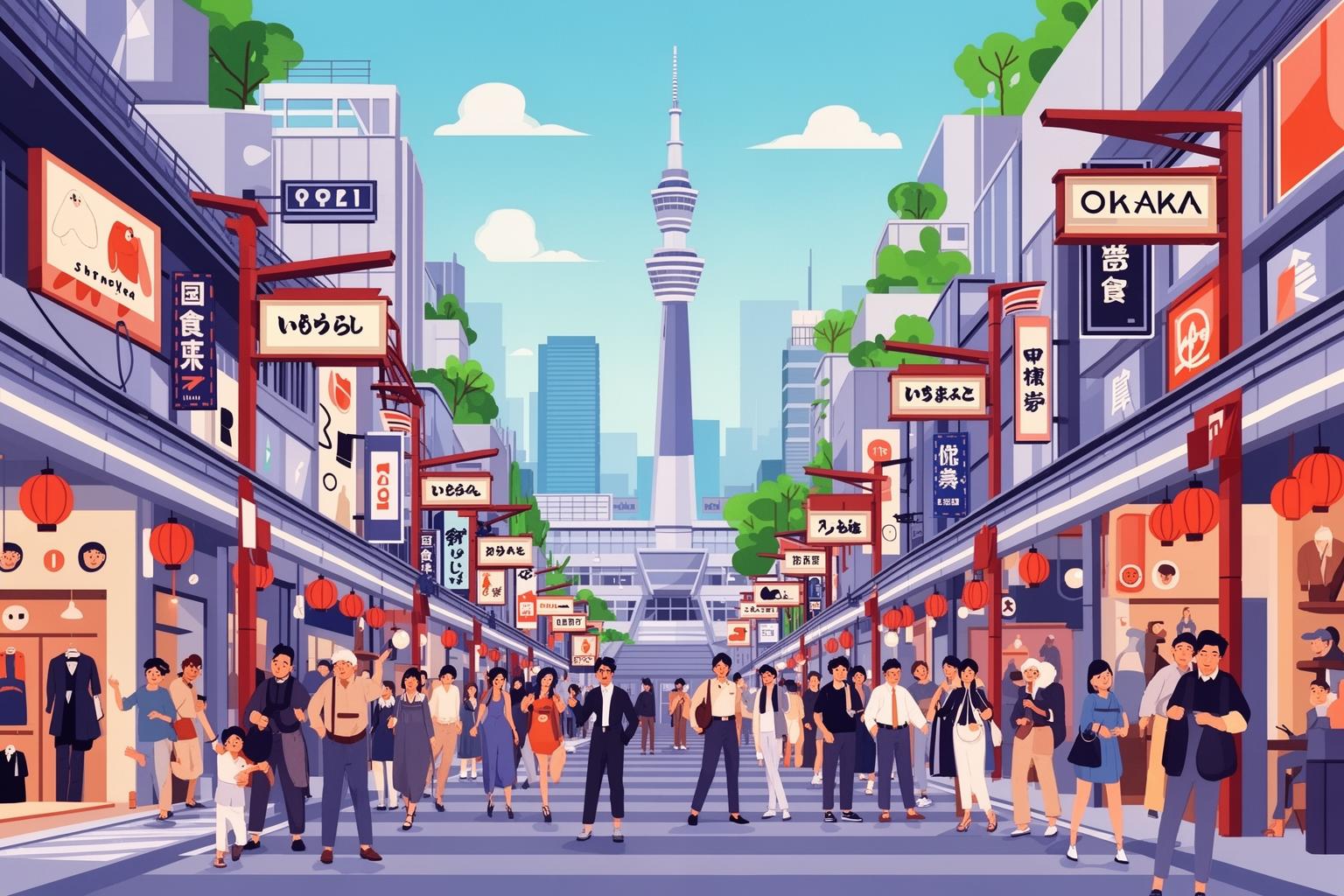
To those unfamiliar, a neighborhood shotengai might appear as a chaotic mix of storefronts—a relic from a past era before the dominance of large, air-conditioned supermarkets. But look more closely. It’s not a random collection; it’s a carefully balanced ecosystem where every part plays a vital role in the community’s everyday life. This goes beyond commerce; it shapes the very fabric of daily routines. Visiting a shotengai isn’t just “shopping.” It’s a ritual involving interactions with specialists who form the neighborhood’s backbone.
The Guardians of the Gate: The Specialized Vendors
One of the most notable differences between a shotengai and a modern supermarket is the profound specialization. Instead of one massive store selling everything from toothpaste to tuna, a shotengai is a coalition of micro-businesses, each run by an expert in their craft. This unique approach fundamentally changes your relationship with both food and those who sell it.
The Yaoya (Fruit and Vegetable Stand)
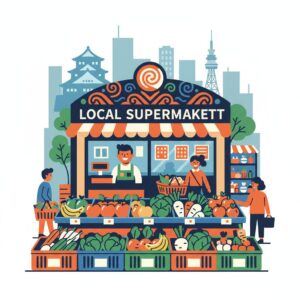
The yaoya is often the most lively and vocal part of the arcade. Produce overflows onto the walkway, displaying the very best of the current season. You won’t find limp, plastic-wrapped strawberries in January here. Instead, you encounter whatever is freshest right now. The owner—often a man with a booming voice and hands stained with earth—is more than a cashier. He acts as a curator and advisor. You don’t simply buy a daikon radish; you ask, “What’s good for oden tonight?” and he’ll guide you to the perfect choice, perhaps even sharing how his wife prepares it. He knows his regular customers, remembers your preference for firm tomatoes, and might throw in an extra spring onion for free (omake), not as marketing, but as a sign of mutual respect. Here, you learn the rhythm of the seasons, not from a calendar, but from the changing hues of the storefront.
The Nikuya (The Butcher)
A short walk leads from the scent of fresh greens to the cool, clean air of the nikuya. Behind the glass refrigerator stands the butcher, a true specialist. Unlike anonymous supermarket meat packs, here everything feels personal. You can request exactly 200 grams of thinly sliced pork for ginger stir-fry or a specific beef cut for stew. They’ll ask whether it’s for shabu-shabu or sukiyaki, understanding the subtle differences in slicing thickness. Often, these shops also offer prepared foods like croquettes (korokke) or fried chicken (karaage), golden and sizzling under a heat lamp. This is the neighborhood parent’s secret weapon—a quick, tasty dinner solution on a busy day. The trust is profound; you’re not buying just meat, but the butcher’s expertise and assurance of quality.
The Sakanya (The Fishmonger)
The sakanya embodies Osaka’s culinary soul. Thanks to the city’s proximity to the sea, fish is a staple, and the fishmonger is a respected figure. The air is thick with the salty smell of the ocean. Fish are displayed whole, their eyes bright and clear—a testament to their freshness. You can point to a gleaming horse mackerel (aji) and have it scaled, gutted, and filleted for sashimi right in front of you. The fishmonger can advise which kind is best for grilling or simmering, and may even share a recipe. They serve as gatekeepers of the sea, translating the daily catch directly for home cooks. This connection to the source is something no sterile, pre-packaged supermarket fish counter can replicate.
The Tofuya and the Okazuya (Tofu and Side Dishes)
Further within the ecosystem, more specialized vendors operate. The tofuya makes fresh tofu daily, often behind the shop. You can purchase blocks of silken or firm tofu, still warm and resting in a bath of clean water. The difference from mass-produced tofu is striking. Then there’s the okazuya, a treasure trove of prepared side dishes: simmered pumpkin, hijiki seaweed salad, rolled omelets, grilled fish—these shops are lifelines for busy families and elderly residents alike. They offer home-style cooking that helps assemble a balanced, traditional Japanese meal without long hours in the kitchen. In many respects, the okazuya is the neighborhood’s shared kitchen.
The Social Anchors: Beyond Groceries
The shotengai isn’t just about what you’ll cook for dinner. It also houses businesses that support other daily needs, serving as social hubs where information flows and relationships are nurtured.
The Kissaten (The Neighborhood Cafe)
Every shotengai includes at least one kissaten, an old-fashioned coffee shop seemingly frozen in time. With vinyl booths, syrupy toast, and brewed-to-order coffee, these aren’t trendy cafes for remote workers but community centers. Mornings see elderly men reading newspapers; midday brings local shopkeepers taking breaks. Here, gossip circulates, business deals quietly unfold, and neighborhood news spreads. The owner, or “Master,” knows everyone’s usual order. The kissaten is a daily pause button—a place of comfortable silence and familiar smiles.
The Sentakuya (The Dry Cleaner)
While dry cleaning might seem like a simple service, in a shotengai it becomes a point of connection. The owner sees you weekly, inquires about your family, comments on the weather. Dropping off a shirt turns into a brief social exchange, reinforcing your place in the community. It’s another thread in the social fabric, a small yet steady moment of human interaction.
The Pharmacy That Knows Your Name
Forget impersonal, giant drugstores. The shotengai pharmacy is run by a pharmacist who likely knows your entire family’s medical history. They remember which cold medicine helped you last winter and offer gentle, personalized advice. For elderly residents, this is a vital point of care and trust—a familiar face to entrust with health concerns. This level of personal attention transcends a simple transaction.
A Tale of Two Carts: Shotengai vs. The Modern Supermarket
To a newcomer, especially one from a Western country where supermarkets dominate, the enduring presence of the shotengai might appear inefficient. Why visit five different shops for your dinner ingredients when you can find everything under one roof? This question highlights a fundamental difference in values. Osaka’s shotengai culture isn’t about maximizing efficiency in a modern, sterile sense. Instead, it prioritizes something entirely different: quality, community, and human connection.
The Myth of Efficiency
The supermarket promises an illusion of efficiency. You can park easily, grab a large cart, and glide through wide, brightly lit aisles. It’s a system designed for weekly, high-volume shopping. By contrast, the shotengai supports a daily rhythm. People, often carrying small rolling carts or baskets, visit daily to buy exactly what they need for that night’s dinner. This means food is fresher, waste is reduced, and shopping becomes a form of light exercise and social interaction. What may seem inefficient—visiting multiple vendors—is actually a highly effective system suited to a different lifestyle, one focused on freshness and routine.
Supermarket shopping is anonymous and isolating. You interact with a self-checkout machine or a cashier who delivers the same scripted lines to every customer. In the shotengai, every purchase is part of a conversation. It’s a system based on relationships, not transactions.
The Art of Conversation Commerce
In Osaka, commerce is a performance, and the shotengai is its stage. Shopkeepers don’t simply wait for you to choose—they call out, banter, and recommend. A vegetable seller might shout, “Okusan! Kyou no kyabetsu amai de!” (“Ma’am! The cabbage is sweet today!”). This isn’t pushy salesmanship; it’s an invitation to engage. It’s a way of sharing expertise and building rapport. They want you to buy the best product because your satisfaction means you’ll return tomorrow. Their reputation depends not on brand names but on the trust they build one customer at a time. This conversational style is quintessentially Osaka: direct, a little loud, and full of genuine personality.
‘Maido!’ and the Currency of Recognition
Step into any shop in an Osaka shotengai, and you’ll be met with a hearty “Maido!” or “Maido, ookini!” Literally meaning “every time,” it’s a classic merchant greeting that translates to “Thanks for your continued patronage.” It’s more than a simple welcome; it acknowledges an ongoing relationship. It implies, “I see you, I remember you, and I appreciate your return.” That single word embodies the entire philosophy of shotengai commerce. It transforms an anonymous consumer into a recognized community member. In the supermarket, you’re just a data point. In the shotengai, you’re a regular. This feeling of being known and belonging is a powerful social bond that no loyalty card or personalized digital coupon can ever replace.
Why Osaka’s Living Rooms Feel Different
Not all shotengai in Japan are the same. While many cities have them, those in Osaka pulse with a distinctive energy that mirrors the city’s unique character. They are louder, more practical, and more intensely social than their counterparts elsewhere, especially in Tokyo. This contrast is no accident; it directly reflects Osaka’s history and cultural identity.
The Tokyo Contrast: Polish vs. Personality
Many of Tokyo’s famous shotengai, such as Yanaka Ginza or Sugamo Jizo-dori, often feel more curated. They are charming, tidy, and sometimes themed. They can resemble a perfectly preserved snapshot of a nostalgic past. Though appealing, they sometimes lack the raw, vibrant energy of an Osaka arcade. In Osaka, a shotengai like Sembayashi or Karakuri prioritizes function over aesthetics. The signs are larger and brighter, shopkeepers’ calls louder, and prices more boldly displayed. There’s a beautiful, unpretentious messiness to it all.
This highlights the fundamental difference between the two cities. Tokyo culture tends to value subtlety, form, and maintaining public decorum (tatemae). Meanwhile, Osaka’s culture, shaped by commerce, prizes directness, substance over style, and expressing true feelings (honne). An Osaka shotengai is not designed primarily as a tourist spot (though some become that); it is first and foremost a practical marketplace for locals. The grit and noise are not flaws; they are signs of life.
The Echoes of a Merchant City
For centuries, Osaka has been Japan’s commercial center, known as the “nation’s kitchen” (tenka no daidokoro). This history has molded a distinctive mindset evident in its shotengai. Business is not a stiff, formal affair; it’s a lively, personal interaction. This merchant culture has instilled a deep pragmatism and love for getting good value.
‘Mokari makka?’ (Making a profit?)
A classic Osaka greeting is “Mokari makka?” (“Are you making a profit?”), with the usual reply being “Bochi bochi denna” (“So-so”). This is not an impolite question about finances, but a social shorthand meaning “How’s business? How are you doing?” rooted in a shared merchant identity. It acknowledges everyone is working hard to make a living. This open, business-centered talk permeates the shotengai, where shopkeepers complain about weather affecting vegetable prices or celebrate a good fish catch. Commerce is not hidden behind formality; it’s an open topic of conversation.
The Spirit of ‘Negiru’ (Haggling)
While aggressive haggling over small items is rare, the spirit of negiru—negotiating prices—is alive in Osaka’s shotengai. It’s less about tough bargaining and more a playful, conversational dance. Buying large quantities or shopping near closing time might earn a discount or some omake. It’s part of the relationship. Customers might jokingly ask, “Chotto makete?” (“Can you give me a little discount?”). The shopkeeper might laugh, knock off a few yen, or toss in an extra potato. This dance is about connection as much as price. It’s a game, a performance reinforcing the human side of transactions. Attempting this in a polished Tokyo department store would invite confusion, but in an Osaka shotengai, it’s woven into daily life.
Decoding the Unspoken Rules for Newcomers
For a foreigner entering a bustling neighborhood shotengai for the first time, the experience can feel overwhelming. It’s a world governed by unwritten rules and subtle social cues. Grasping these is essential to transitioning from a mere observer to a comfortable participant.
Navigating the Human Flow
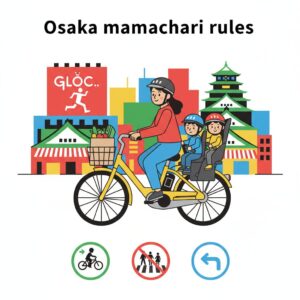
Shotengai are often packed, and there’s a particular etiquette to moving through them. It’s not a place for leisurely window shopping in the middle of the walkway. People have a purpose. The key is to move along with the flow of traffic, which is generally informal but surprisingly organized. Bicycles are common, often ridden by mothers with children or elderly residents. They’ll ring their bell as a gentle signal to clear the way. Don’t stop abruptly in the middle of the arcade to take a photo. Step aside, stay aware of your surroundings, and respect that for everyone else, this isn’t a tourist spot; it’s their daily commute and grocery aisle.
Cash is Still King (Mostly)
Although Japan is gradually adopting cashless payments, the shotengai remains one of the last strongholds of the cash economy. Many small, family-run stalls—like the vegetable stand, fishmonger, or croquette shop—operate on cash only. Transactions tend to be small and fast, and using card machines would slow things down. Bring plenty of coins and small bills. Struggling with a credit card at a tiny stall with a line of regulars behind you is a quick way to stand out as an outsider. Having the exact change ready is considered a small show of respect for the shopkeeper’s time.
How to Talk to a Shopkeeper
Don’t be shy. The stereotype of loud, friendly Osakans exists for a reason, and the shotengai is where it holds true. Shopkeepers expect and welcome interaction. A simple “Konnichiwa” when approaching a stall is important. If you’re unsure about something, ask. Point and say “Kore wa nan desu ka?” (“What is this?”). Request a recommendation: “Osusume wa?” (“What do you recommend?”). They’ll appreciate your curiosity. Unlike in some more reserved areas of Japan, a direct question here isn’t an imposition; it’s the start of a conversation. Compliment their produce. Thank them sincerely with “Ookini” (Osaka dialect for “thank you”). These small gestures break down the barrier between customer and vendor and are the first step toward becoming a familiar face.
A Day in the Life of the Arcade
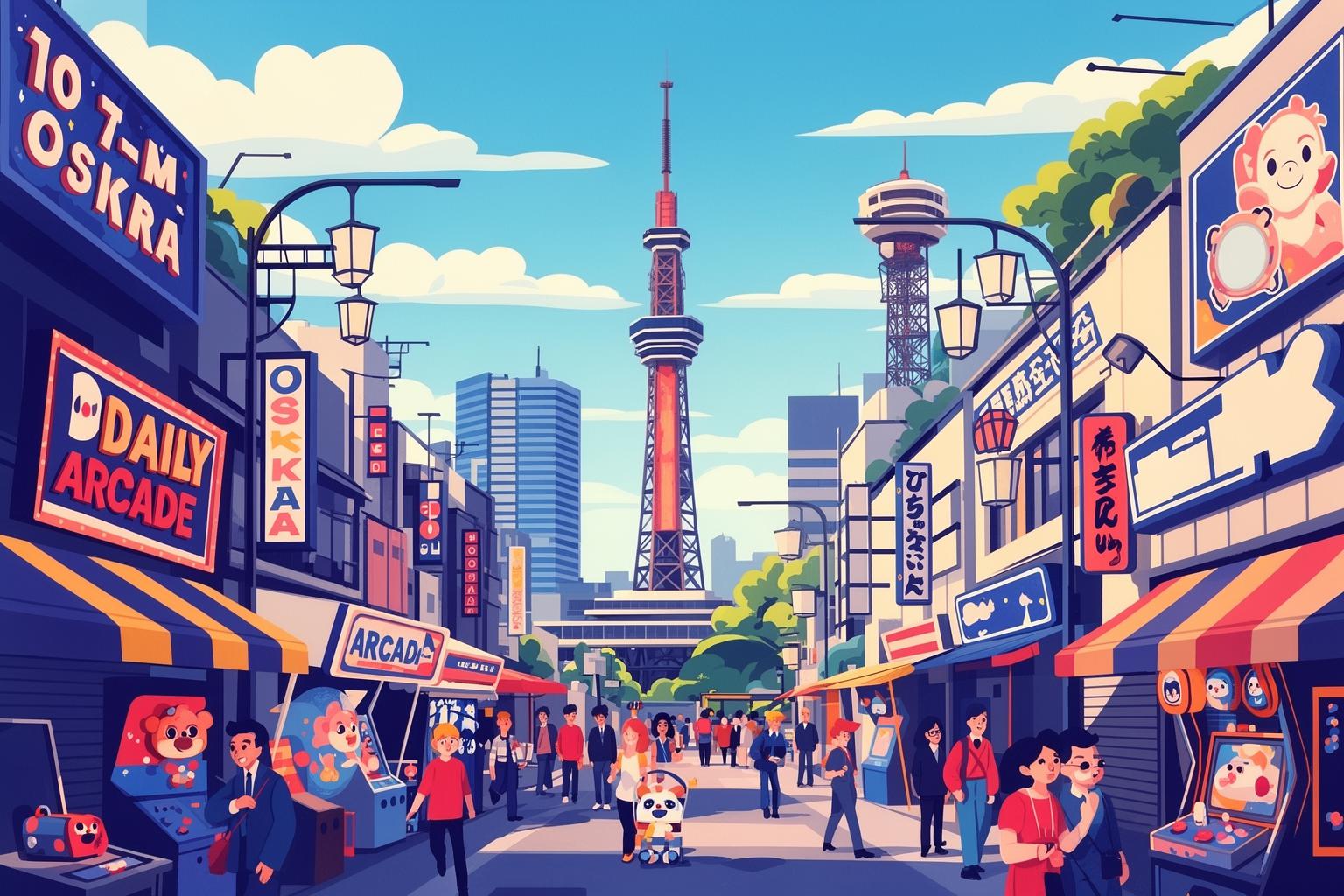
The shotengai is far from static; its character and energy evolve significantly throughout the day, reflecting the rhythms of the neighborhood it serves.
Morning: The Opening Act
The day starts early, before most residents have dawned. Metal shutters clang open, resonating along the covered street. Shopkeepers sweep their shopfronts, carefully arranging displays of fresh produce and fish just delivered from the wholesale markets. The air carries the aroma of fresh bread from the local bakery and the sharp, clean scent of daikon radishes being rinsed. The first customers tend to be elderly locals out for their morning walk and nearby restaurant owners collecting daily supplies. The pace is calm and purposeful. Conversations are quiet, centered on the day’s offerings and the weather.
Midday: The Social Peak
By late morning, the shotengai hits its stride. This is prime time for housewives and retirees. The arcade fills with chatter, laughter, and the distinctive rumble of small wheeled shopping carts known as “shopping buggies.” At this point, the shotengai truly becomes the community’s living room. Friends bump into each other and pause for long conversations, blocking half the walkway without concern. People aren’t just shopping; they’re catching up, sharing news, and checking in on one another. The okazuya and butcher’s fried food counters thrive as people pick up lunch. The energy is vibrant, a lively hum of social and commercial activity.
Afternoon: The After-School Rush
When schools let out, the demographic shifts once more. The arcade floods with children in uniform. They stop at the candy store (dagashiya) to spend their pocket money on inexpensive snacks. They might grab a hot croquette from the butcher or a sweet crepe from a nearby stand. Their energy is chaotic and joyful, sharply contrasting with the more measured pace of morning shoppers. Mothers with younger children in tow often run a second, smaller shop for that evening’s dinner. The shotengai serves as a safe, familiar space for kids to unwind after a day at school.
Evening: The Dinner Dash
As evening falls, the final wave of customers arrives. Office workers, returning home from the train station, hurry through the arcade, grabbing ingredients for a quick dinner. The fishmonger might be discounting the last of his stock. The bakery puts its remaining bread on sale. The energy is brisk and transactional. People are tired and focused on getting home. As shops begin closing, pulling down their shutters one by one, the bright arcade lights fade into a quieter, more subdued atmosphere. The living room winds down for the night, its purpose fulfilled, ready to do it all again tomorrow.
The Shotengai as the True Osaka
It’s easy to visit Osaka and only scratch the surface—the famous landmarks, the lively nightlife, the endless food tourism. But to truly live here and begin to understand the city’s soul, you must grasp the shotengai. It represents the most genuine expression of Osaka’s identity. It’s where the city’s merchant heritage meets its practical present. It’s where the love of good food, a good bargain, and a good conversation all come together.
In an era of effortless online shopping and impersonal big-box stores, the shotengai stands as a proud celebration of the imperfect, chaotic, and wonderful reality of human connection. It reminds us that a community is more than just a collection of houses; it’s a network of relationships formed through small, everyday interactions. It’s not a tourist spot to be consumed, but a living, breathing part of the city to engage with. So next time you’re in Osaka, go beyond the main streets. Discover a local shotengai, buy some vegetables you’ve never seen before, and try saying “Maido!”. You won’t just be shopping; you’ll be experiencing the real, unfiltered, and brilliantly vibrant heart of Osaka.