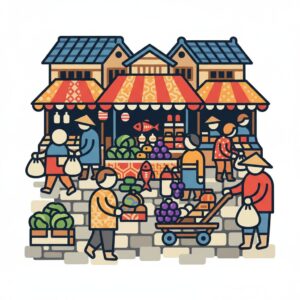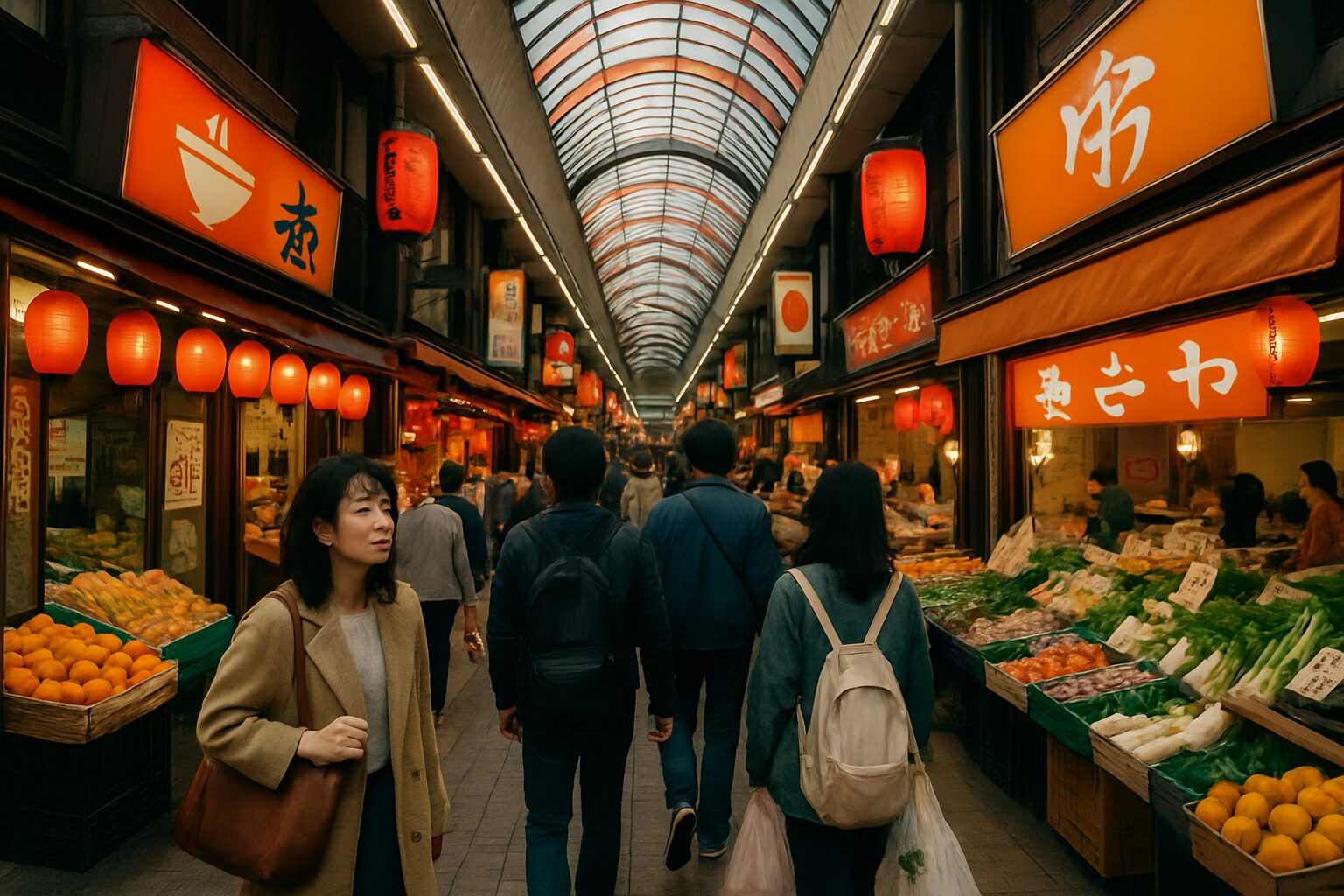
Welcome to the real rhythm of Osaka, a city whose heartbeat isn’t found in its gleaming skyscrapers or futuristic train stations, but deep within the covered, bustling corridors of its shotengai. Forget the sterile, silent aisles of the supermarket for a moment. I want to take you on a journey into the vibrant, chaotic, and utterly captivating world of Osaka’s local shopping arcades. These are more than just places to buy your groceries; they are living, breathing museums of daily life, arteries of commerce and community that have nourished the city for generations. Here, the air is thick with the savory smoke of grilled eel, the cheerful shouts of vendors, the gentle clatter of bicycle bells, and the warm hum of neighbors catching up on local gossip. It’s a sensory symphony, a place where every errand becomes an experience and every purchase tells a story. For anyone looking to truly understand and live in Osaka, mastering the shotengai is your rite of passage. It’s where you’ll find the freshest ingredients, the most authentic flavors, and the warmest smiles. This is where you stop being a visitor and start becoming a local. Let’s peel back the curtain and step into the heart of Osaka’s kitchen and living room, all rolled into one spectacular, sprawling marketplace.
After immersing yourself in the vibrant community life of the shotengai, you might find that another quintessential local experience, like unwinding at a traditional Osaka sento, perfectly complements your daily routine.
The Soul of the City: Beyond the Supermarket Aisle

In today’s world, convenience often comes at the expense of connection. We quietly push carts beneath fluorescent lights, picking vacuum-sealed items from impersonal shelves, engaging only with a cashier or a self-checkout machine. The shotengai stands as a beautiful, resonant counterpoint to this cold efficiency. It reflects an era when commerce was personal—a daily ritual rooted in relationships. In Osaka, a city known for its down-to-earth and friendly people, the shotengai perfectly embodies this spirit. Here, the vendor selling your tomatoes might be the third generation of their family managing the stall. They know their regular customers by name, inquire about their children, or offer a small piece of fruit to a passing toddler. This is the practice of kao-najimi, becoming a familiar face. After only a few visits to the same butcher or fishmonger, you’ll notice a change. A nod grows into a greeting, a greeting into a conversation. They begin to remember your preferences, perhaps setting aside an especially good cut of fish for you or suggesting a new way to prepare the seasonal daikon radish you’ve chosen. This human connection is the invisible currency of the shotengai. It turns the ordinary chore of grocery shopping into a meaningful social exchange, weaving you into the fabric of the local community. It’s a place where you are not just a consumer, but a neighbor. The true value here isn’t just the price tag; it lies in the shared stories, the expert advice freely offered, and the comforting sense of belonging to a place. The shotengai reminds us that food is not merely fuel; it is culture, history, and community, all served with a touch of Osakan hospitality.
Decoding the Arcade: A Tour of a Typical Shotengai
Entering a shotengai for the first time can feel like an enchanting sensory overload. It’s a vibrant blend of sights, sounds, and aromas—a long corridor of commerce seemingly extending endlessly, sheltered from sun and rain by its iconic arched roof. Yet amid the apparent chaos, there is a clear and time-honored order. The arcade functions as an ecosystem of specialized shops, each playing a crucial role in supplying the pantries and kitchens of the neighborhood. Let’s explore the cast of characters you’ll encounter on your journey through this culinary wonderland, the essential elements of the Japanese dining table.
The Cornerstone of the Japanese Table: Fresh Produce and Proteins
At the core of any shotengai are the purveyors of fresh, raw ingredients. These specialists are artisans who have devoted their lives to mastering a single category of food. Their expertise is vast, their products top-quality, and their passion unmistakable. Here you’ll find the ingredients that form the foundation of Japanese home cooking, presented with a pride and care far removed from the pre-packaged fare of large supermarkets.
The Greengrocer’s Harvest (Yaoya)
The yaoya, or local greengrocer, is often the most vibrant and visually captivating stall in the arcade. It’s a mountain of seasonal bounty, with produce arranged in meticulous, artful displays. The air carries scents of damp earth, sweet fruit, and the sharp fragrance of fresh herbs. Here, the concept of shun, or seasonality, is not just a marketing term; it is the business’s fundamental principle. In spring, the stall brims with tender bamboo shoots (takenoko), bright green fava beans (soramame), and the season’s first delicate strawberries. Summer brings a burst of color with plump tomatoes, crisp cucumbers, glossy eggplants, and sweet corn. Autumn shifts the palette to earthy tones of kabocha squash, sweet potatoes, and an impressive variety of mushrooms, from delicate shimeji to fragrant matsutake. Winter offers hearty root vegetables like daikon radish, gobo (burdock root), and napa cabbage. The shop owner, often a gruff but friendly man with dirt under his nails, is a living encyclopedia of produce. Don’t hesitate to ask for advice. Point to an unfamiliar vegetable and ask, “Kore wa nan desu ka?” (What is this?), followed by “Oishii tabekata wa?” (What’s the best way to enjoy it?). You’ll be rewarded with knowledge passed down through generations. They can tell you which apple is best for baking and which for eating raw, which potato works best for simmering and which suits croquettes. Pay attention to the handwritten signs—they often note the produce’s origin, sometimes from nearby farms, and highlight what’s at its peak flavor. This is where you learn to cook and eat in harmony with the seasons, a central tenet of Japanese culinary philosophy.
Treasures from the Sea (Sakana-ya)
As you delve further into the shotengai, a distinct, briny aroma signals your arrival at the sakana-ya, the fishmonger’s stall—the heart of an island nation’s cuisine. The display is a glistening mosaic of silver, pink, and red, with whole fish resting on beds of crushed ice, their eyes bright and clear—a sure sign of freshness. You’ll see familiar species like salmon (sake) and tuna (maguro), as well as a wide array of local catches that change with the seasons. In spring, you might find sparkling sardines (iwashi) or delicate sea bream (tai), a fish linked to celebrations. Summer brings rich, fatty horse mackerel (aji) and saltwater eel (anago). Autumn is the season for Pacific saury (sanma), its long, silver body promising a delicious, oily flavor when grilled with salt. Winter offers fatty yellowtail (buri) and plump scallops (hotate). The fishmonger, often dressed in rubber boots and an apron, moves with practiced, efficient grace. Their knives are extensions of their hands, flashing as they expertly scale, gut, and fillet fish in seconds. This is one of the greatest services they provide: if preparing whole fish feels daunting, simply point to your choice and say “Sashimi ni shite kudasai” (Please prepare it for sashimi) or “San-mai oroshi ni shite kudasai” (Please fillet it into three pieces). They can prepare fish for grilling, simmering, or slicing raw. Beyond whole fish, you’ll find trays of glistening sashimi, freshly boiled octopus, salted cod roe (mentaiko), and tiny, translucent whitebait (shirasu). The sakana-ya is your direct link to the ocean’s bounty, a place to explore new flavors and textures guided by an expert who knows the story behind every fish.
The Hearty Butcher (Niku-ya) and Its Golden Delight
Nestled among the other shops, the niku-ya, or butcher, offers a comforting, savory aroma that’s impossible to resist. Behind refrigerated glass counters, you’ll find neatly arranged trays of marbled beef, thinly sliced pork for shabu-shabu or ginger pork stir-fry (shogayaki), and pristine cuts of chicken. This is the place to buy meat for daily meals. You can specify the exact weight you need, often in 100-gram increments, ensuring no waste. But the butcher shop holds a delicious secret that has saved countless busy parents and hungry students at dinnertime: a deli case filled with freshly fried foods. The undisputed star of this case is the korokke, a humble yet perfect potato and minced meat croquette, breaded in panko and fried to a deep golden brown. It’s crispy outside, fluffy and savory inside, and very affordable. Another favorite is the menchi-katsu, a breaded and fried minced meat patty, juicier and heartier than a korokke. You’ll also find tonkatsu (pork cutlets), chicken karaage, and fried horse mackerel (aji furai). These dishes aren’t just sides; for many, they’re the main event. In the late afternoon, a line often forms as people stop on their way home to pick up these warm, comforting treats. Grabbing a hot korokke for a snack while finishing your shopping is a classic shotengai experience—a small, affordable luxury that brightens any day.
Ready-Made Feasts: The Realm of Sozai and Okazu
Beyond raw ingredients, the shotengai is a treasure trove of prepared foods known as sozai or okazu. These shops are lifelines for busy households, offering a staggering variety of traditional Japanese side dishes sold by weight. Peering into their display cases is like looking into a grandmother’s secret recipe book come to life. You’ll find glistening heaps of kinpira gobo (braised burdock root and carrot), deep green spinach with sesame dressing (horenso no goma-ae), and hearty simmered dishes (nimono) featuring daikon, taro, and konjac in savory dashi broth. Various styles of potato salad, Hijiki seaweed simmered with soybeans and carrots, and beautiful rolled omelets (dashimaki tamago) are also common. These shops let you assemble a complete, balanced, and delicious meal without ever turning on the stove. You can buy just enough for one or enough for a family. It’s an incredibly practical and economical way to eat well. For foreigners living in Japan, these sozai-ya are an amazing educational resource, providing a delicious, low-risk way to sample a wide range of Japanese home-style dishes not often found in restaurants. You can try a small portion of something new and, if you like it, come back for more. It’s the perfect way to expand your palate and discover the true flavors of the Japanese kitchen.
Artisans and Specialists: The Single-Product Masters
The real magic of the shotengai lies in its hyper-specialized shops, places where a single product is elevated to an art form. These family-run businesses have often been perfecting their craft for decades, if not centuries. You might find a tofu shop (tofu-ya), where fresh tofu blocks rest in cool water, ranging from silky kinugoshi to firm momen. They also sell related items like thick fried tofu pouches (aburaage) for inari sushi and soy milk (tonyu). The air around a tsukemono-ya (pickle shop) is sharp and vinegary, emanating from giant wooden barrels filled with pickled vegetables—from simple salt-cured cabbage to bright red fukujinzuke and crisp pickled daikon. A tea merchant (ocha-ya) may have shelves lined with canisters of green tea, from everyday bancha and sencha to high-grade gyokuro, with the owner ready to guide you through flavor nuances and brewing techniques. And you can’t miss the sweet, alluring scent from a wagashi-ya, a traditional Japanese confectionery shop. Here you’ll find exquisite sweets that change with the seasons: sakura mochi in spring, refreshing kuzu-mochi in summer, chestnut yokan in fall, and festive sweets for the New Year. Each of these shops is a small world in itself, offering a deep dive into a distinct corner of Japanese culinary culture.
Beyond Food: The Heart of Daily Life
Though food undoubtedly takes center stage, a shotengai is a comprehensive ecosystem catering to all aspects of daily living. Tucked between butcher and greengrocer, you’ll find a fascinating array of other businesses. Old-school pharmacies (kusuri-ya) with vintage signage sell everything from cold remedies to vitality drinks. A 100-yen shop offers a treasure trove of affordable household goods. Small independent clothing stores (fujin-fuku) cater to the older neighborhood generation, their windows displaying practical, comfortable fashion. There are stationery shops filled with notebooks and pens, tiny hardware stores that can fix almost anything, and maybe even a small bookshop or a traditional tatami mat maker. These businesses make the shotengai a true one-stop destination for the community. You can pick up dinner, get a prescription filled, buy a birthday card, and have your watch battery replaced—all within a few hundred meters—while being greeted with a warm “Maido!” (Osaka’s traditional merchant greeting meaning “Thanks for your continued patronage!”).
A Tale of Two Arcades: From Grand Boulevards to Hidden Alleys
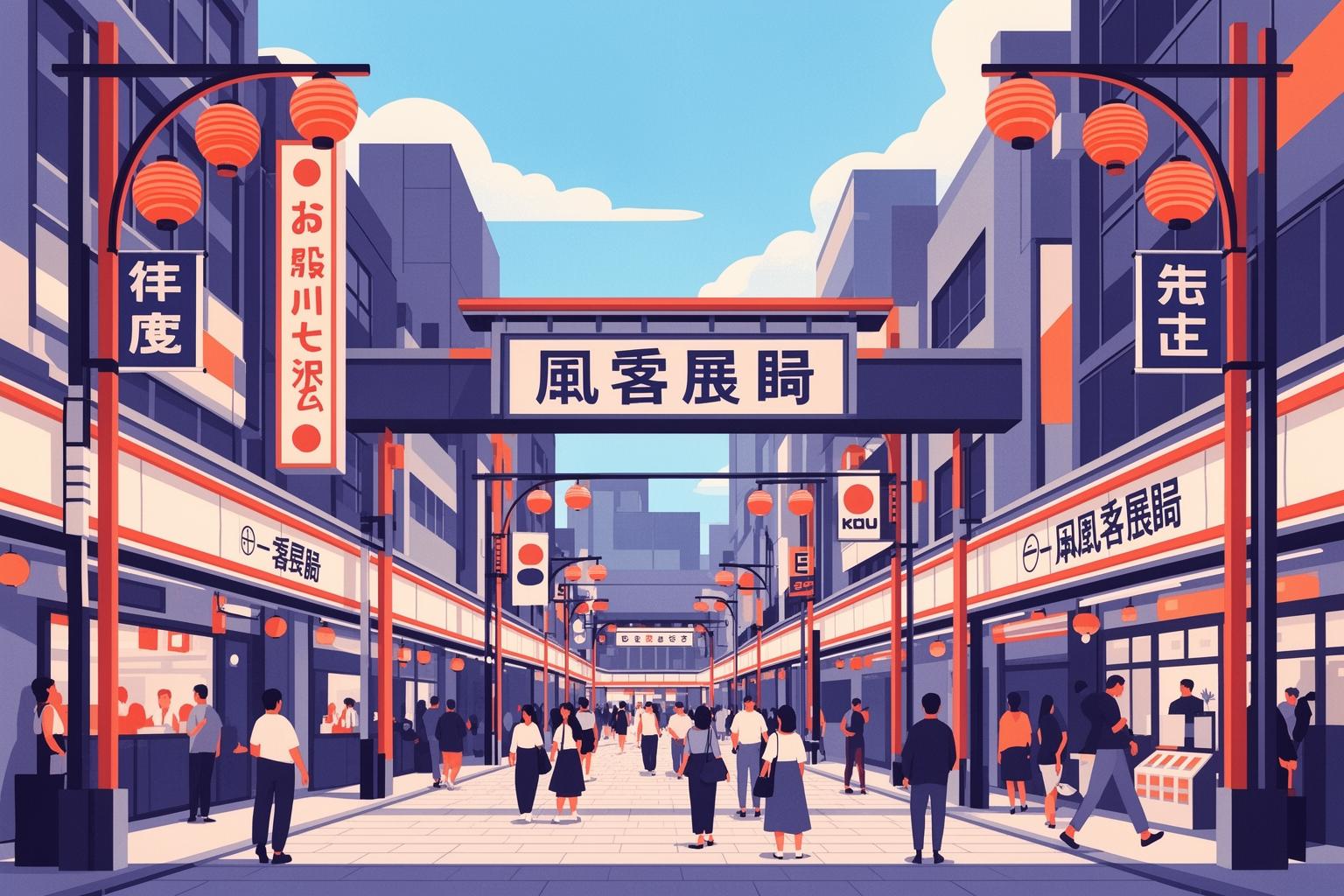
While shotengai share a common spirit, each one possesses its own distinct personality and flavor. Osaka boasts hundreds of these shopping arcades, ranging from world-renowned attractions to small, unnamed neighborhood lanes. Exploring them unveils the diverse character of the city itself. Let’s explore a couple of the most iconic examples before diving into the joy of discovering your own local treasure.
Tenjinbashisuji: The Endless Corridor of Commerce
Stretching an impressive 2.6 kilometers, Tenjinbashisuji Shotengai proudly holds the distinction of being Japan’s longest shopping arcade. Walking its entire length is like traveling through the heart of Osaka’s mercantile spirit. It is not a single, uniform space but rather a sprawling collection of various neighborhoods and atmospheres linked beneath one continuous roof. Beginning near the Tenmangu Shrine, it extends northward, crossing several major streets and finishing near Tenjimbashisuji 6-chome Station. The southern end feels more traditional, featuring long-established shops selling artisanal knives, classic sweets, and kimono fabrics. Moving northward, the vibe becomes increasingly modern and eclectic, with trendy cafes, chain eateries, and bustling pachinko parlors standing alongside time-honored tofu shops and fishmongers. What makes Tenjinbashisuji truly special is its raw, everyday authenticity. Tourists do visit, but its main purpose is to serve the thousands of people who live and work along its stretch. You’ll find mothers riding bikes with kids in tow, elderly couples running daily errands, and office workers grabbing quick, cheap lunches. The arcade acts as a microcosm of Osaka life—a place brimming with diversity and energy. Here you can find nearly everything, from premium teas to bargain socks. The best way to experience it is simply to start at one end and walk, letting yourself be drawn into side streets, the aromas from eateries, and the endless people-watching opportunities. It’s exhausting but exhilarating—offering a genuine cross-section of the city’s vibrant commercial soul.
Kuromon Ichiba: Osaka’s Kitchen
If Tenjinbashisuji is the city’s living room, Kuromon Ichiba is its kitchen. For over a century, this covered market has been the preferred destination for professional chefs and discerning home cooks alike, looking for the finest ingredients. The quality here is unmatched. The fish are impeccably fresh, with stalls specializing in everything from wild-caught sea bream to live pufferfish (fugu) in winter. Butchers offer premium cuts of Kobe and Wagyu beef, while fruit stands display perfect, jewel-like melons and grapes that fetch a high price. The name “Kuromon” (Black Gate) refers to a gate of a nearby temple that once stood here. In recent years, Kuromon has evolved into a major tourist hotspot, celebrated for its incredible street food. Vendors who once sold only raw ingredients now cater to hungry visitors with grilled scallops on the half shell, fresh sea urchin, fatty tuna skewers, and freshly squeezed juices. Though this has altered the atmosphere and raised prices compared to neighborhood shotengai, it remains an extraordinary place to visit. The energy is electric, and the quality of the food undeniable. Locals still frequent their favorite legacy stalls for special occasions, buying the perfect slice of tuna for New Year’s or the best eel for a midsummer celebration. My advice: visit early in the morning to see the market in its more traditional state, as chefs shop for their ingredients, then enjoy the bustling street food scene as the day goes on. It’s a sensory feast and an essential stop for any food lover.
Finding Your Own: The Charm of the Neighborhood Shotengai
While the famous arcades are wonderful, the true delight of living in Osaka lies in discovering and embracing your own local shotengai. Nearly every residential neighborhood has one—smaller, quieter versions of the grand arcades. These might span just a block or two and won’t appear in any guidebooks, but they’re where you will form the connections that help a new city feel like home. This is where the yaoya (greengrocer) will reserve the sweetest tomatoes for you, and the baker might slip you a free pastry at the end of the day. These smaller arcades focus less on spectacle and more on the calm, comfortable rhythm of everyday life. They tend to be more affordable than tourist-focused markets and offer a more authentic glimpse of how Osakans really live. I encourage you to simply stroll around your neighborhood. Follow the sound of friendly chatter or the sight of a covered roof—you’re likely to uncover your own hidden gem. This is your arcade. Learn its secrets, get to know its people, and it will reward you with a sense of community and belonging that no supermarket can match.
Mastering the Market: Your Practical Guide to Shopping Like a Pro
Navigating the shotengai is an art, yet it’s one that’s both easy and rewarding to master. With a handful of key phrases and some knowledge of the local customs, you’ll be shopping confidently in no time. Think of it as a lively, friendly performance where you get to play a role.
The Language of the Lane
While pointing can get you by, learning a few simple Japanese phrases will enhance your experience. It shows respect and invites warmer interactions. The most important greeting is a cheerful “Konnichiwa!” (Hello!). As you approach a stall, the vendor will greet you with a loud, energetic “Irasshaimase!” (Welcome!). To request something, just point and say “Kore o kudasai” (This one, please). If you want a specific quantity, you can use “hitotsu” (one), “futatsu” (two), “mittsu” (three). To ask the price, say “Ikura desu ka?” (How much is it?). When paying and leaving, a simple “Arigato gozaimasu” (Thank you very much) is perfect. The Osaka dialect features its own special merchant greeting, “Maido!,” which you’ll hear often. It’s a friendly, all-purpose phrase meaning something like “Thanks as always!” A simple nod and smile in response is a great way to reply. Don’t worry about perfect pronunciation; your effort will be sincerely appreciated.
The Rhythm of the Arcade
Shotengai follow a distinct daily rhythm. Mornings are for serious shoppers—the restaurateurs and dedicated home cooks selecting the best, freshest items. Midday tends to be quieter. The real buzz picks up again in the late afternoon, from around 3 PM onward. This is when the after-school snack rush begins, and shoppers start picking up dinner ingredients on their way home from work. This period also marks the start of nebiki (discounts). As closing time nears, usually around 6 or 7 PM, vendors become eager to sell remaining perishable goods. You’ll hear them calling out discounts and see handwritten discount stickers on packs of sashimi, salads, and fried foods. This is a fantastic way to save money and find a delicious, convenient dinner. Shopping late in the day is a smart tactic for anyone on a budget.
A Note on Etiquette and Flow
Shotengai can get crowded, so being considerate of others is essential. Walk on the left side, as is customary in Japan. Bicycles are common, so listen for the gentle bell ring and be ready to step aside. When you’re at a stall, avoid blocking the entire pathway. It’s fine to take your time browsing, but once you’ve decided, move aside to complete your purchase. Cash remains king in many smaller, older shops, so it’s wise to carry some yen. When paying, place your money in the small tray provided rather than handing it directly to the vendor. Lastly, while some shops provide thin plastic bags, it’s increasingly common (and environmentally better) to bring your own reusable shopping bag, or “eco-bag.”
A Woman’s Perspective on Safety and Comfort
From a woman’s perspective, one of the most appealing aspects of shotengai is the strong sense of community safety. These are well-lit, public spaces where everyone knows each other, and vendors act as unofficial guardians of the arcade. That said, as in any crowded place, it’s smart to stay aware of your belongings. I prefer using a crossbody bag that I can keep in front of me, which leaves my hands free for shopping and keeps my wallet and phone secure. On particularly crowded days, especially in tourist-heavy arcades, this offers extra peace of mind. Comfort is also crucial for a successful shotengai visit. Expect a lot of walking and standing, so comfortable shoes are essential. In summer, the arcades can get warm and humid despite being covered, so wearing light, breathable fabrics is a good idea. In short, the shotengai is a safe and welcoming environment, and these small, practical tips help ensure your experience is as relaxing and enjoyable as possible.
A Living Museum of Culture and Community
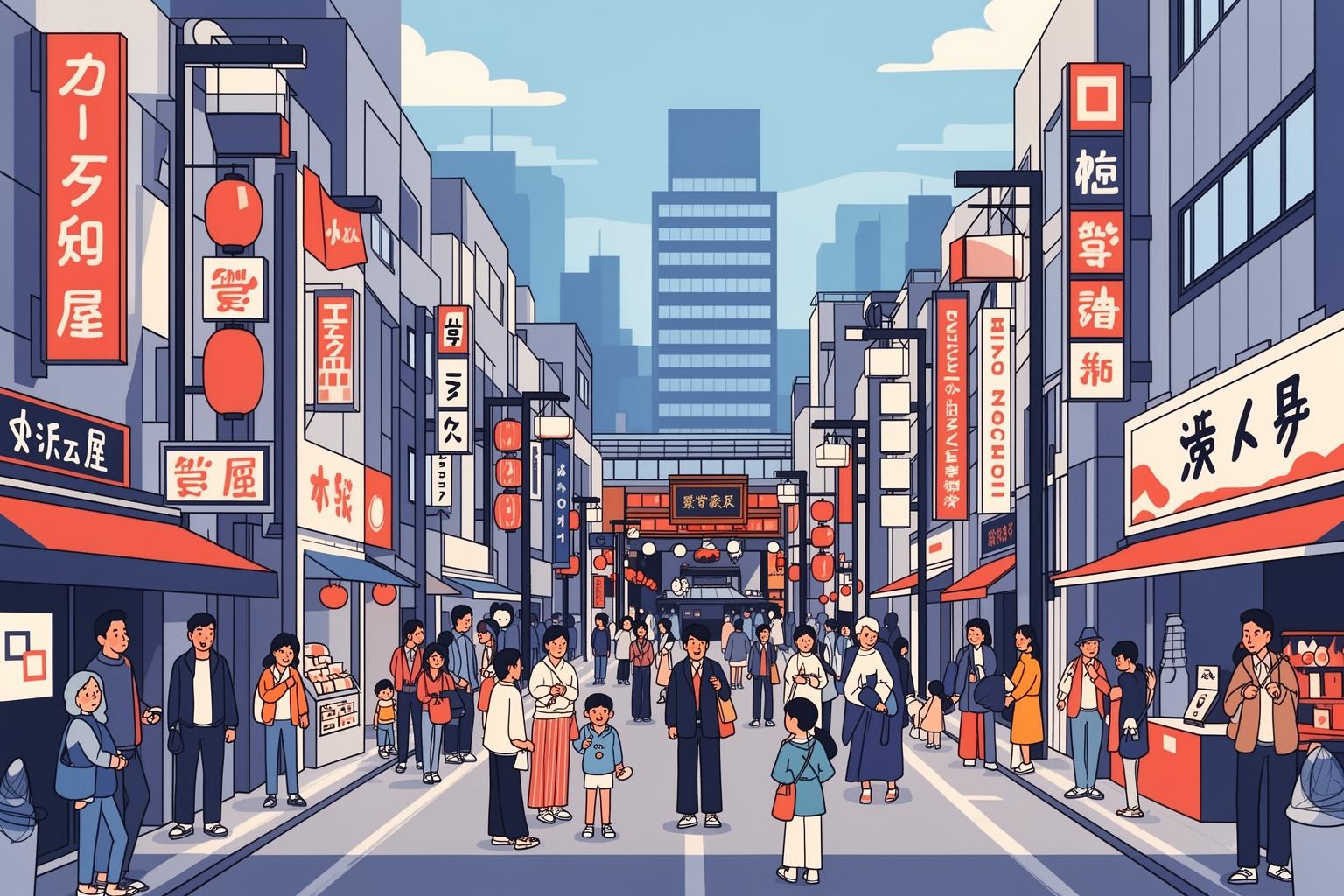
The shotengai is more than just a commercial hub; it serves as a living museum of Japanese social history. Many of these arcades emerged naturally in the post-war period, becoming the backbone of local economies and communities as Japan rebuilt itself. They were the original department stores—the Amazons of their era—offering everything a household needed in one convenient spot. These arcades evolved into centers of neighborhood life, hosting festivals and seasonal celebrations. Decorations often hang from the ceilings, changing with the seasons: cherry blossoms in spring, paper lanterns for summer festivals, and festive banners for the New Year. The shotengai is a treasure trove of traditions and a testament to the resilience of small, independent businesses. Today, they face challenges from the rise of large suburban shopping malls and the convenience of online retail. Many smaller arcades struggle with an aging population of shop owners and a shrinking customer base. Yet, they persist. They are adapting, with younger generations opening innovative new businesses—such as craft coffee shops or artisanal bakeries—alongside century-old pickle shops. This fusion of old and new is what makes the shotengai so vibrant. By choosing to spend your money here, you are not just buying groceries; you are supporting community, tradition, and the preservation of an essential part of Osaka’s cultural heritage.
Your Invitation to the Heartbeat of Osaka
There is a deep beauty in the everyday, and nowhere is this more evident than in an Osaka shotengai. It’s a place that awakens all your senses and connects you directly to the source of your food and the heart of your community. It serves as a classroom for learning about seasonal eating, a stage for daily life, and a treasure map pointing to the most delicious and authentic flavors of the city. So here is my invitation: step away from the convenience store, skip the supermarket just this once, and explore your local shopping arcade. Go without a list. Let your senses lead the way. Choose the vegetable that looks the freshest, try the fried snack that smells the most tempting, and share a smile with the person behind the counter. In these simple, joyful exchanges, you will discover the true, unfiltered, and welcoming spirit of Osaka. You will be taking part in a tradition that has nourished this city for generations, and in doing so, you will find your own place within its vibrant, delicious, and unforgettable story.