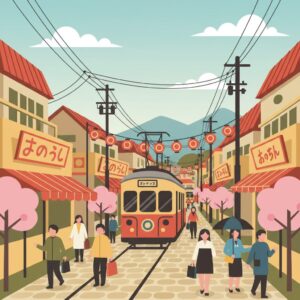
Welcome to the electric heart of Osaka, a place where the air itself seems to hum with energy, seasoned with the irresistible aroma of grilling meats, sweet sauces, and sizzling batter. This is Dotonbori, a canal-side carnival of neon and flavor that never seems to sleep. It’s a place that can overwhelm the senses in the best possible way, a living, breathing testament to Osaka’s unofficial motto: kuidaore, or ‘eat ’til you drop.’ Amidst the giant mechanical crabs, fire-breathing dragons, and endless corridors of restaurants, there stands a crimson tower dedicated to the city’s most beloved culinary art form. This is the Dotonbori Konamon Museum, a temple devoted to the humble, yet profound, world of flour-based foods. It’s more than just a place to eat; it’s a place to understand, to create, and to connect with the very soul of Osaka’s food culture. Here, you don’t just sample the city’s signature dish, takoyaki; you learn to tame the batter, master the flip, and create your very own perfect, steaming-hot spheres of joy. It’s an invitation to step behind the counter and become part of the rhythm that makes this city tick.
To explore another unique take on this beloved street food, check out the Amerikamura takoyaki scene.
The Call of the Konamon Kingdom
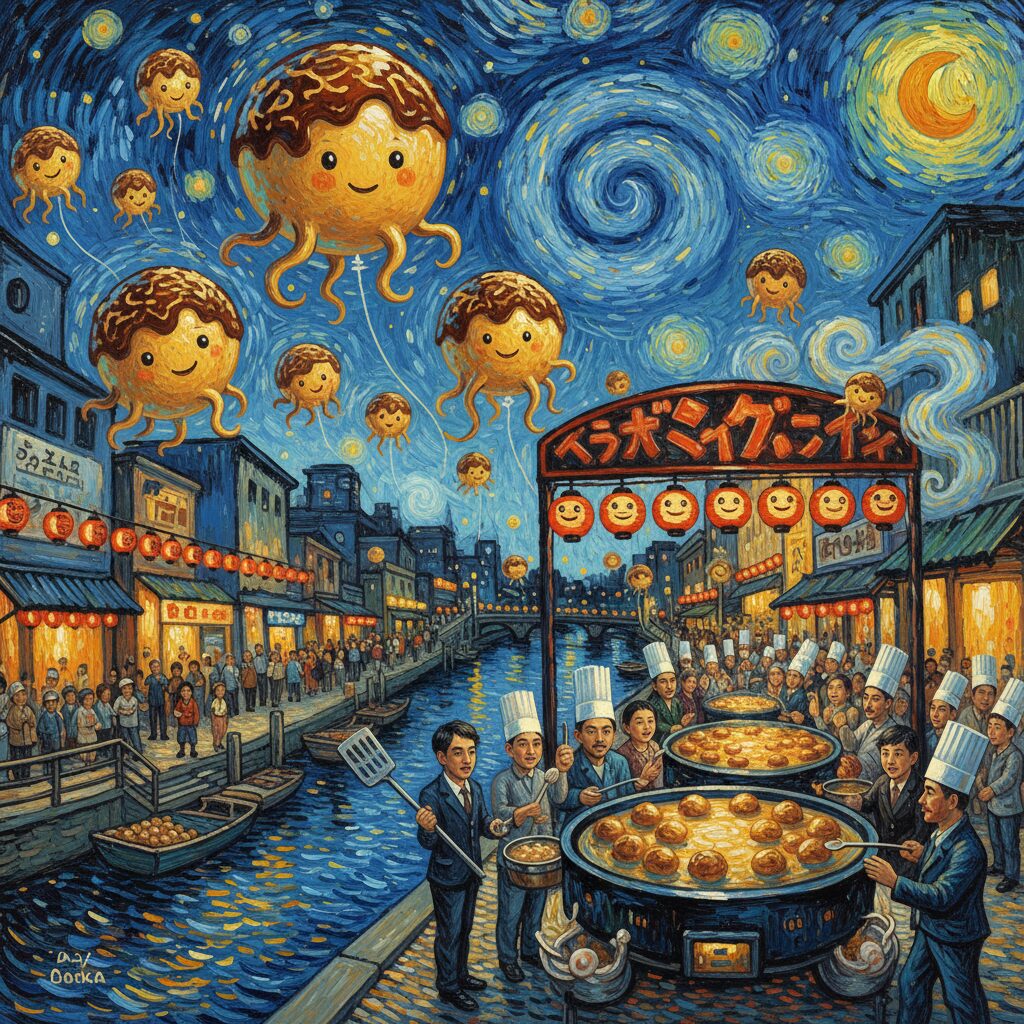
Before you plunge headfirst into a pool of batter, it’s helpful to understand what you’re getting into. The word is konamon, a term that may be unfamiliar but signifies a taste that is deeply, fundamentally Japanese and quintessentially Osakan. Kona means flour or powder, and mono means thing—flour things. It sounds simple, almost amusingly so, yet this category of cuisine forms the foundation of Osaka’s casual dining culture. It includes everything from the savory pancake-like okonomiyaki to the fried noodles known as yakisoba, and of course, the king of them all: takoyaki. This isn’t haute cuisine served on delicate porcelain; it’s food for the people, born from the post-war era of scarcity when flour was an affordable and versatile staple. It’s a culinary tradition rooted in ingenuity, community, and the simple pleasure of a hot, satisfying meal. Osaka, historically regarded as Japan’s kitchen, naturally became the center of this movement. The city’s merchant culture fostered a practical, straightforward approach to food that emphasized flavor, value, and enjoyment. Konamon is the ultimate expression of that spirit. The Dotonbori Konamon Museum is not merely a quirky roadside attraction; it’s a cultural institution honoring this legacy. It stands proudly as a declaration that here, flour is not just an ingredient—it’s a canvas for culinary creativity, a source of civic pride, and a delicious link to the city’s past. To understand konamon is to understand the warm, unpretentious, and endlessly inventive character of Osaka itself.
Stepping into a World of Sizzle and Batter
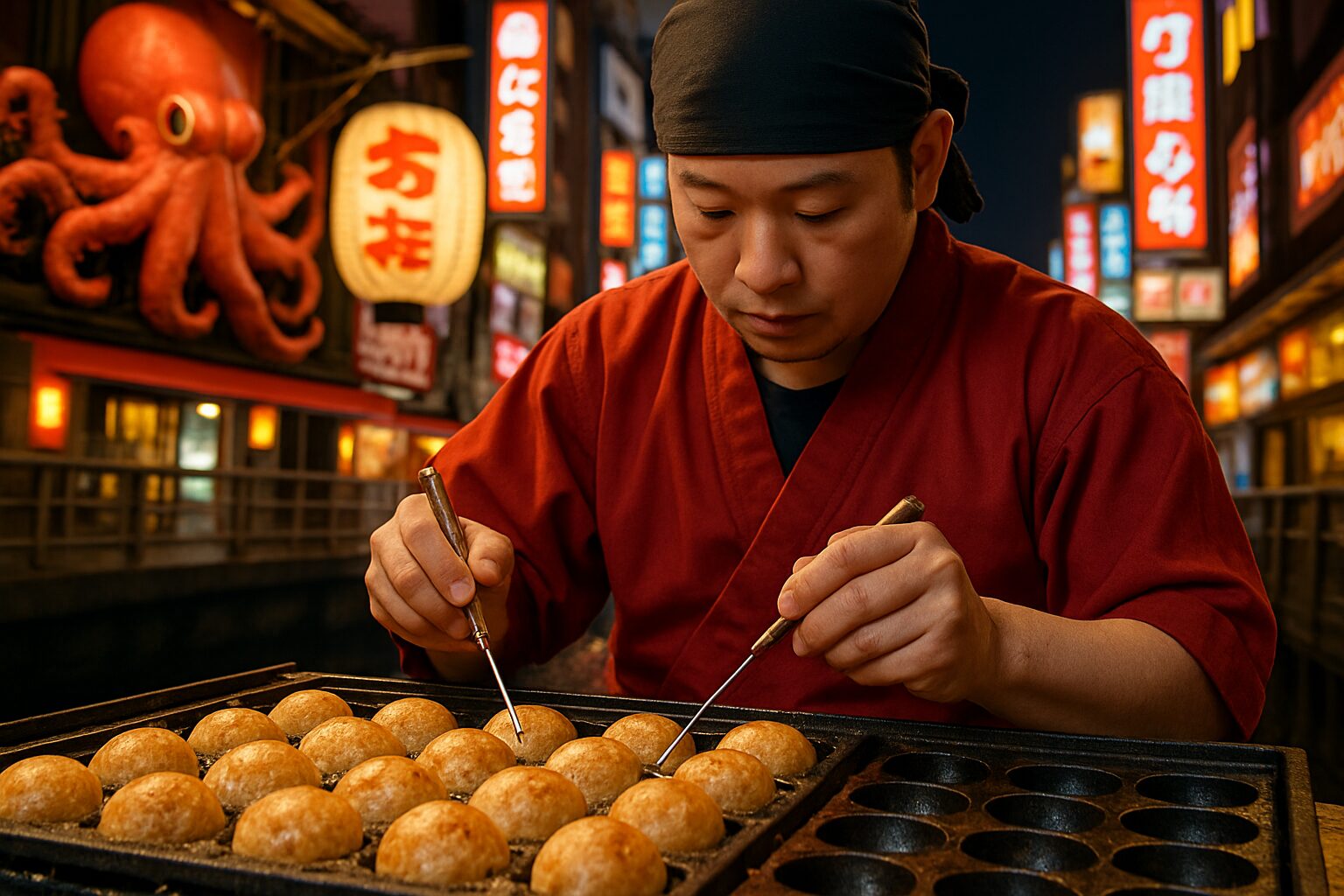
As soon as you approach the Dotonbori Konamon Museum, you know something special awaits. It’s impossible to miss—a gigantic, bright red octopus with mischievous eyes and waving tentacles clings to the facade, the perfect mascot for the treasures inside. The ground floor bustles with activity, featuring a working takoyaki stand where master chefs, their fluid movements honed by years of experience, flip dozens of takoyaki at dizzying speed. The air is thick with the aroma of savory dashi-infused batter sizzling on hot cast iron, a scent that is pure, unadulterated Osaka. It’s a hypnotic show. The rhythmic clack-clack-clack of metal picks against the grill is the district’s heartbeat. There’s an electric energy here, a mix of a busy street food stall and a lively museum lobby. People jostle for a chance to watch the masters at work, their faces glowing warmly from the heat of the grills. This initial sensory immersion acts as the perfect appetizer for what lies ahead, setting the stage and building a sense of anticipation—as well as a touch of healthy intimidation. Can I really do that? The speed, precision, and effortless grace seem like culinary magic. But that’s the charm of this place. It demystifies the magic, inviting you upstairs to the Takoyaki Dojo to learn the secrets yourself and discover that you, too, can wield the pick like a pro. The atmosphere buzzes with friendliness and warmth, shedding any pretenses and focusing purely on the joy of making and eating delicious food.
The Takoyaki Dojo: From Flour to Fabulous
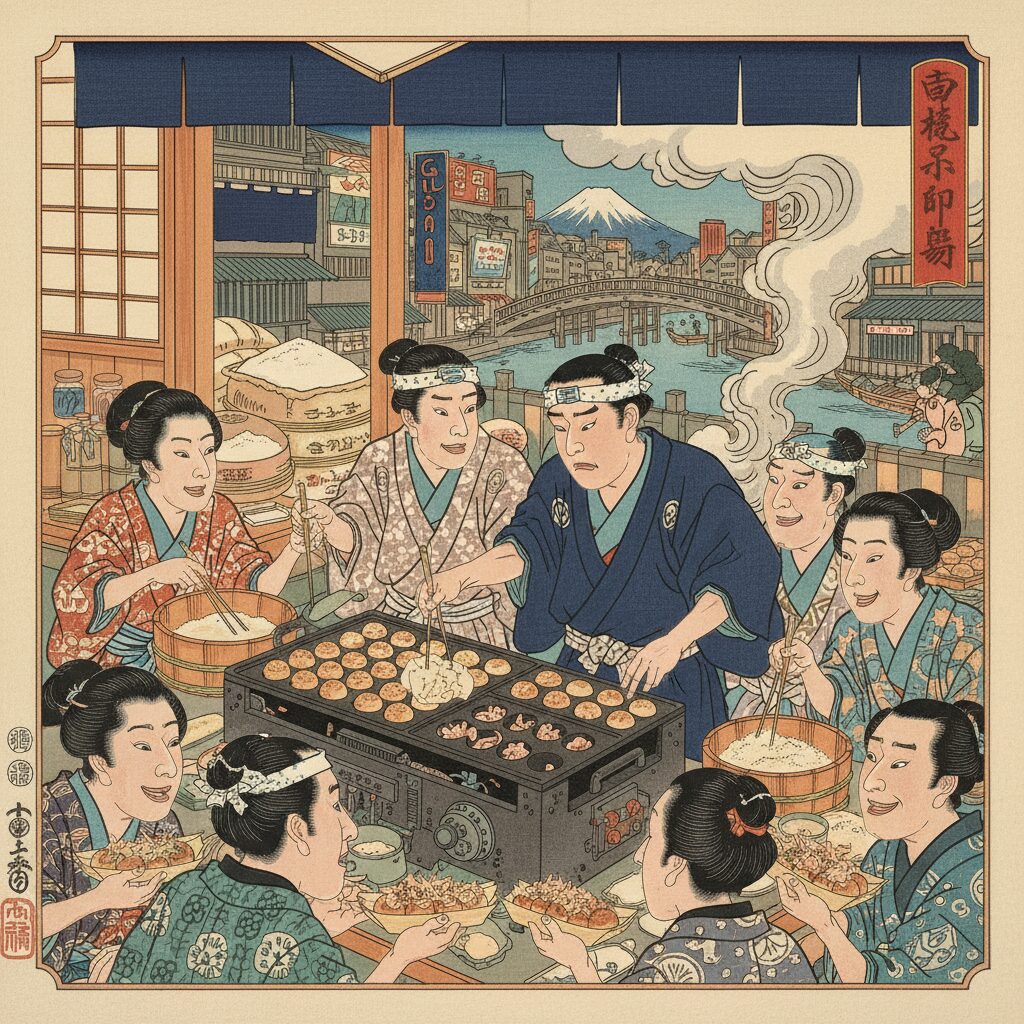
This is the main event, the very reason you climb the stairs past the lively ground-floor shop. The Takoyaki Dojo, as it’s affectionately called, is where the true adventure begins. It’s not a sterile cooking classroom; it’s a bright, welcoming space lined with individual takoyaki grilling stations. Each station is a miniature battlefield of flavor, equipped with a heavy cast-iron pan with perfectly round molds, a pitcher of secret-recipe batter, and bowls filled with prepared ingredients. The air here is just as fragrant, but mingled with the excited chatter of fellow aspiring takoyaki chefs from around the world. It’s a communal experience, a shared journey into the heart of Osaka’s beloved soul food.
Gearing Up for Glory
The first step toward takoyaki mastery is donning the official gear. You’re given a bright red apron adorned with the museum’s octopus logo, instantly making you feel like part of the team. It’s a small gesture, but one that breaks the ice and sets the right mood. This isn’t just about eating; it’s about doing. Shortly after, your sensei, or instructor, appears—our guide, a wonderfully cheerful woman with a permanent smile and an infectious passion for her craft. Through clear, simple English and expressive gestures, she begins guiding us through the sacred rituals of takoyaki making. There’s no rush; the instructors are patient, knowing that for most, this is a completely unfamiliar culinary territory. They create a supportive atmosphere where mistakes are expected and embraced with good-natured laughter.
The Sacred Batter
The foundation of any great takoyaki is unquestionably the batter. It’s not just flour and water. The sensei explains that the secret lies in a flavorful dashi, a Japanese soup stock that underpins much of the nation’s cuisine. This particular dashi, she hints, is a closely guarded secret, but its savory, subtly smoky aroma is unmistakable. The batter itself is surprisingly thin and fluid, essential for achieving that signature takoyaki texture: a crispy, golden-brown exterior with a molten, creamy custard-like interior. You’re handed a pitcher filled with this golden mixture. The next step is both exciting and intimidating: the pour. Following the sensei’s lead, you are instructed to pour the batter generously over the entire hot, oiled iron plate, covering not just the molds but overflowing across the griddle. It feels wrong, messy, and counterintuitive. Batter spills over the edges, flooding the surface. For a moment, you think you’ve made a huge mistake, but a reassuring nod from the sensei urges you to trust the process. Then comes the filling. First, a piece of boiled octopus, or tako, the dish’s namesake, is placed into the center of each batter-filled mold. This is followed by a sprinkle of tenkasu (crunchy chunks of deep-fried tempura batter), adding delightful texture, and a pinch of finely chopped pickled red ginger, beni shoga, which cuts through the richness with a sharp, piquant bite.
The Art of the Flip
Now comes the moment of truth—the step that separates novices from masters, the one you admired downstairs. It’s time to flip. You’re handed two long, sharp metal picks, your tools for this culinary challenge. As the batter starts to cook, you use one pick to score it into a grid around the molds, separating each future takoyaki. Then the magic unfolds. You carefully nudge the edge, tucking the semi-cooked batter overflow into the mold. With a flick of the wrist, more difficult than it looks, you turn the ball ninety degrees. My first attempts were clumsy, producing blobs that resembled scrambled eggs more than spheres. But the sensei stands nearby, demonstrating the technique again with slow, deliberate motions. The secret, she shows, is to gently coax the ball rather than force it, letting its weight and the pan’s shape do most of the work. Slowly, with each turn, the lumpish blobs begin to form. You keep turning them repeatedly, allowing every side to contact the hot iron, until they become beautiful, uniformly golden orbs. The sound is incredible—a steady, satisfying sizzle. The aroma is intoxicating. A profound sense of accomplishment washes over you as you watch a dozen perfect spheres rolling on your griddle—a direct result of your newly learned skill. For a brief moment, you feel like a true street food vendor from Osaka.
Toppings and Triumph
Once your takoyaki reach a perfect golden-brown, the final—and arguably most enjoyable—stage begins: saucing. The hot, crisp spheres are carefully transferred from the grill to a boat-shaped paper dish. The canvas is set for the final masterpiece. You’re presented with a selection of classic toppings. First, takoyaki sauce—a dark, thick, glossy condiment that resembles Worcestershire sauce but is sweeter and fruitier—is generously drizzled over the balls. Next, a lattice of creamy Japanese mayonnaise, squeezed from a bottle with a special tip that creates thin, elegant lines. Then, a sprinkle of aonori, a powdered green seaweed that adds oceanic umami and vibrant color. For the grand finale, a lavish handful of katsuobushi, or bonito flakes. Here, the dish truly comes alive: the heat from the takoyaki causes the delicate fish flakes to curl and dance, making it appear as if your food is moving. It’s a mesmerizing sight. Finally, the moment of triumph—you take your first bite. Caution is necessary; the inside is lava-hot, a lesson many learn the hard way. But once safe, the experience is pure bliss: the crisp shell gives way to a gooey, savory center, with the tender chew of octopus, the crunch of tenkasu, and the zesty zing of ginger, all harmonized by the sweet-savory symphony of the sauces. It’s a complex explosion of textures and flavors in a single bite. And best of all? You made it. Every delicious, perfectly imperfect bite is a testament to your brief but glorious career as a takoyaki chef.
Beyond the Grill: Exploring the Konamon Legacy
Your culinary journey doesn’t end once you’ve enjoyed your homemade takoyaki. The Dotonbori Konamon Museum spans multiple floors, and exploring them is well worth your time to gain a deeper appreciation of this distinctive food culture. As you make your way upward, you’ll encounter exhibits dedicated to the history and development of konamon in Osaka. Fascinating dioramas illustrate the origins of takoyaki, featuring its predecessor, radioyaki, which was filled with beef tendon instead of octopus and named after the then-novel invention, the radio. You’ll also find displays showcasing the diverse world of konamon, highlighting the subtle yet important differences between Osaka-style okonomiyaki and Hiroshima-style okonomiyaki. The colorful and engaging exhibits are often bilingual, making the history accessible to visitors from around the world. This experience offers a wonderful way to put your hands-on cooking into a broader cultural context, helping you understand how historical factors and local tastes shaped these beloved dishes. Additionally, you can learn about the specific ingredient sources, from special flour blends to unique sauces that every vendor takes pride in. The top floor frequently features a small shrine dedicated to the god of konamon, where visitors can pay their respects, as well as a fantastic souvenir shop. Here, you’ll find everything from takoyaki-flavored snacks and DIY kits to quirky items like octopus-shaped hats, takoyaki keychains, and t-shirts celebrating your love for flour-based foods. It’s the perfect spot to pick up a one-of-a-kind keepsake from your culinary adventure—a reminder of the day you became a grill master in the heart of Osaka.
Dotonbori’s Dazzling Embrace: Your Post-Takoyaki Adventure
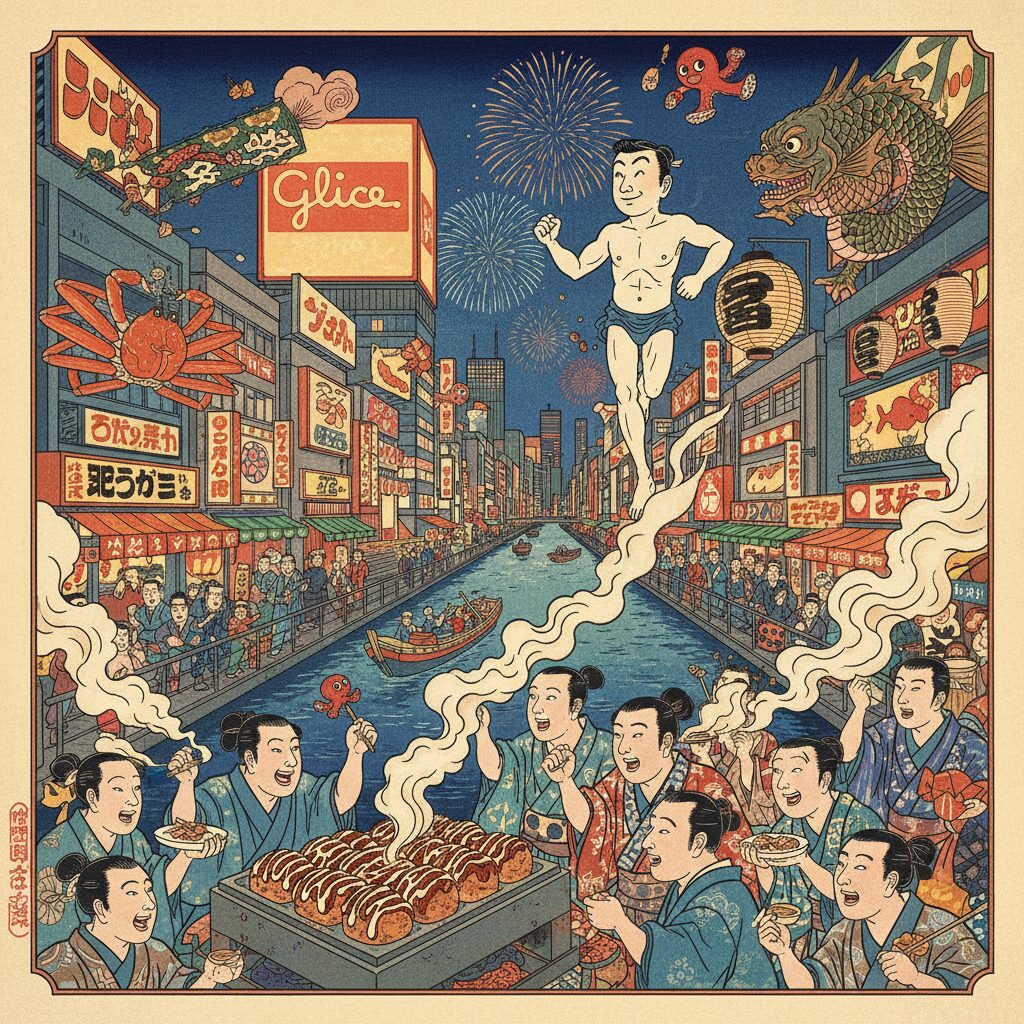
Brimming with pride and savoring perfectly cooked takoyaki, you’ll step back into the lively chaos of Dotonbori, now viewing it with fresh eyes. The street food vendors before you are no longer simply cooks; they are master artisans, and you have gained a deep appreciation for their craft. The Dotonbori Konamon Museum serves as the ideal starting point for a broader exploration of this remarkable entertainment district. Equipped with your new knowledge, you are ready to conquer Osaka’s culinary scene.
The Neon River and the Running Man
A walk along the Dotonbori canal is an essential experience, especially as dusk settles in. This is when the area truly awakens. The water mirrors a dazzling array of colors from the gigantic, world-famous neon billboards that adorn the waterfront. The most iconic is undoubtedly the Glico Running Man. This enormous sign, depicting an athlete crossing a finish line in triumph, has been a symbol of Osaka since 1935. Pausing on the Ebisu Bridge to snap a photo with the Running Man is a classic Osaka experience, a rite of passage for any visitor. The impressive scale and vibrancy of the advertisements—from massive pufferfish lanterns to moving sushi models—create a futuristic, almost cinematic ambiance that is uniquely this part of the world.
A Culinary Safari
Even if you now consider yourself a takoyaki expert, your konamon journey has only just begun. Dotonbori is a living showcase of Osaka’s culinary treasures. This is your opportunity to conduct some delicious field research. Seek out a restaurant serving okonomiyaki, the savory pancake you learned about at the museum, and watch it being prepared on a large teppan grill right at your table. Alternatively, dive into the world of kushikatsu, another Osaka specialty consisting of skewered meats, seafood, and vegetables that are battered and deep-fried to a golden crisp. Just remember the golden rule of kushikatsu: no double-dipping in the communal sauce! For noodle aficionados, Dotonbori hosts some of the city’s most renowned ramen shops, like Ichiran and Kinryu Ramen, each boasting a dedicated fan base. Exploring Dotonbori isn’t just about sightseeing; it’s about tasting your way through an incredible array of flavors, each telling a story of Osaka.
Navigating the Neon Jungle: Practical Tips
Reaching this food lover’s paradise is easy. Dotonbori is just a short walk from several major train stations, especially Namba Station, a key hub for multiple subway lines (Midosuji, Yotsubashi, Sennichimae) and railway lines (Nankai, Kintetsu, JR). You can also walk conveniently from Shinsaibashi Station on the Midosuji line. For the takoyaki workshop at the Konamon Museum, booking ahead is strongly advised, particularly on weekends or public holidays. Reservations can often be made online via their website or third-party tour operators. While Dotonbori shines with neon lights at night, visiting the museum and participating in the workshop on a weekday afternoon offers a more relaxed experience with fewer crowds. Wear comfortable shoes, as there will be plenty of walking, and consider leaving your finest clothes at home—though aprons are provided, an errant splash of batter is always possible during your hands-on learning!
A Taste to Remember
Leaving Dotonbori, with the taste of takoyaki still lingering and the neon lights dimming behind you, you carry with you more than just a satisfied appetite. The experience at the Dotonbori Konamon Museum perfectly captures what makes Osaka so unique. It’s a city that doesn’t take itself too seriously, finds great joy in simple pleasures, and welcomes everyone to roll up their sleeves and join in the fun. Making your own takoyaki is more than simply following a recipe; it’s about immersing yourself in the culture in a hands-on, tangible way. It’s about the laughter sparked by a failed attempt to flip a ball of batter, the shared pride with strangers at the grilling station beside you, and the deep gratification of eating something crafted by your own hands. It turns you from a passive observer into an active participant in the city’s vibrant culinary scene. So when you visit Osaka, don’t just eat takoyaki—visit the crimson tower with the giant octopus, put on an apron, and make it yourself. It’s a delicious, unforgettable lesson in the joyful, flour-dusted spirit of Japan’s kitchen.