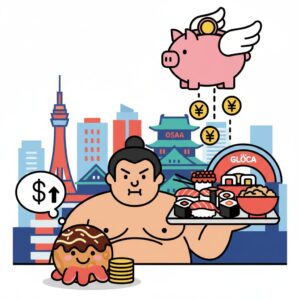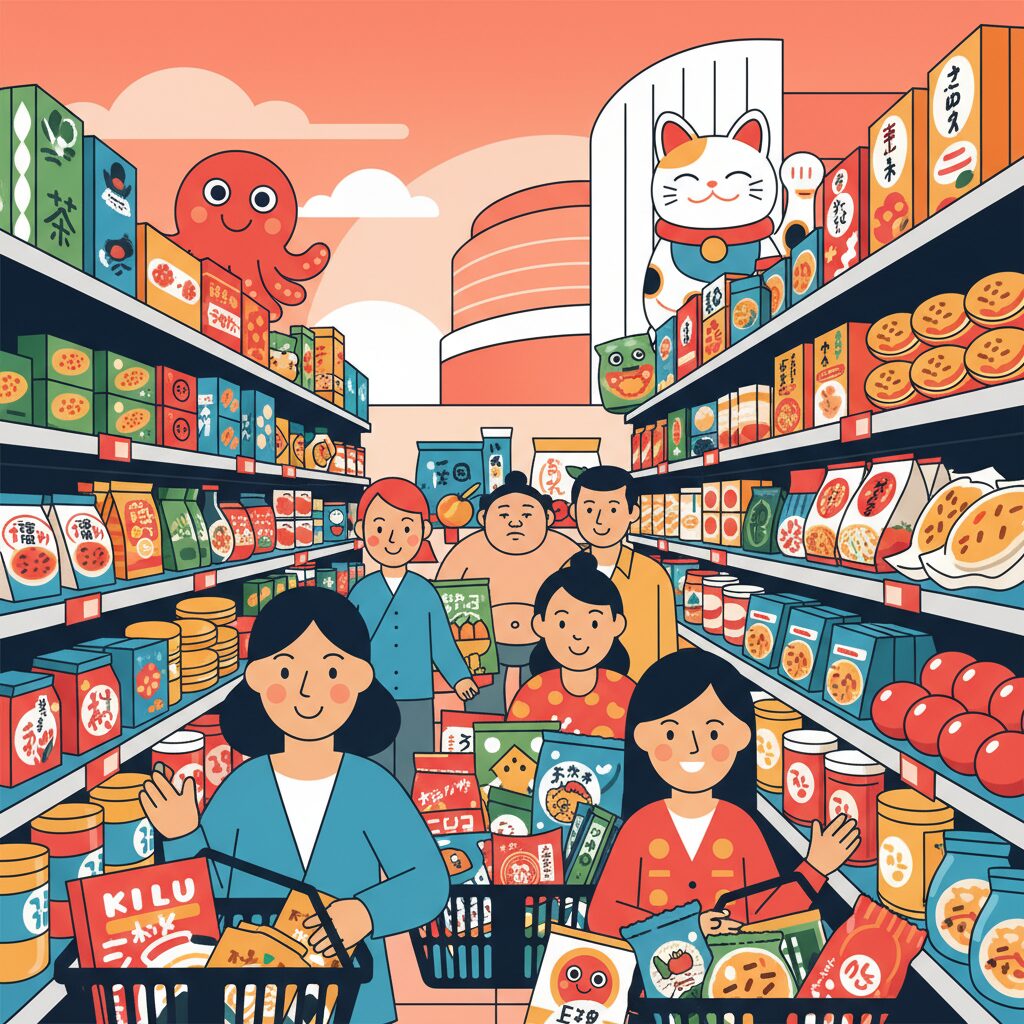
Walk into a supermarket in Tokyo, and you’ll likely find a certain kind of order. The lighting is even, the aisles are wide, the background music is a gentle, unobtrusive melody. Shoppers glide through with a quiet purpose, their baskets filled with neatly packaged goods. It’s a picture of serene, efficient consumption. Now, walk into a supermarket in Osaka. The experience is… different. The first thing that hits you is the noise. A cacophony of competing jingles, shouted announcements from staff about a sudden price drop on eggs, and the low, constant hum of a thousand conversations. The lighting is bright, sometimes garishly so, bouncing off neon signs advertising one-yen deals. People don’t glide; they navigate, their carts wielded with a practiced agility, their eyes scanning for the best bargain with the focus of a hawk. This isn’t just shopping. This is a full-contact sport, a daily ritual, and perhaps the single most revealing window into the heart of Osaka.
Foreigners often come to Osaka expecting the neon lights of Dotonbori and the historic grandeur of Osaka Castle. They find those things, of course. But to truly understand what makes this city tick, to grasp the pragmatic, food-obsessed, and fiercely community-oriented mindset of its people, you need to look past the tourist maps. You need to go where the locals go every single day. You need to dive into the controlled chaos of a neighborhood supermarket. Here, the famous Osaka spirit of kuidaore—to eat until you drop, or bankrupt yourself with food—isn’t just a slogan for a restaurant guide. It’s a philosophy that starts in the humble aisles of places like Super Tamade, Life, and Mandai. It’s in the way an obachan (an older lady) can tell you which daikon radish is the sweetest just by looking at it, the way a salaryman strategizes his arrival time to snag a half-priced bento box, and the way the entire store seems to celebrate the arrival of the first bamboo shoots of spring. This isn’t just about sustenance; it’s about value, quality, community, and the relentless pursuit of deliciousness. Forget everything you think you know about grocery shopping. In Osaka, you’re not just filling a pantry; you’re participating in the lifeblood of the city. This is where the real Osaka lives and breathes.
This vibrant, community-focused energy extends beyond the supermarket aisles and is also the lifeblood of Osaka’s traditional shotengai shopping streets.
The Supermarket as a Social Stage: More Than Just Aisles

In many cities, a supermarket feels like a sterile, transactional environment. You enter, pick up what you need, and leave. The interactions are minimal, efficient, and often automated. In Osaka, however, the supermarket is a vibrant, living ecosystem—a stage where the daily stories of neighborhood life unfold. It’s a place of connection, competition, and unsolicited advice, all united by a shared passion for food. The human element isn’t merely present; it’s the centerpiece. You don’t just shop for groceries; you engage with the community’s very fabric, quickly learning that in Osaka, everyone has an opinion on what you should be eating, especially if they believe they can get you a better deal.
The Sound of Savings: The Osaka Supermarket Soundtrack
One of the most noticeable differences in an Osaka supermarket is its auditory atmosphere. It’s a deliberate and powerful tool used to generate energy and urgency. Forget the soothing instrumental tunes typical elsewhere. Here, the air hums with sound. Many stores, most famously the discount chain Super Tamade, feature their own high-energy jingle—a repetitive, catchy tune that imprints itself on your mind and becomes synonymous with bargain hunting. It’s the anthem of thrift.
Over this, there’s a constant flow of staff announcements. These aren’t your standard, pre-recorded notices about store hours. They are live, often fervent calls to action. A butcher might seize a microphone to shout, “Ima dake! Kon’ya no gyuniku, san-wari biki ya de!” (“Only right now! Tonight’s beef is 30% off!”). This goes beyond mere information; it’s a performance. The voice wavers with enthusiasm, transforming the meat aisle into a mini-event. Shoppers will literally halt their carts and flock to where the announcement is coming from. This is the famous taimu seru, or time sale, a cornerstone of Osaka’s shopping culture. It’s a limited-time, limited-quantity deal that turns an ordinary shopping trip into an exciting treasure hunt. The noise isn’t a distraction; it’s a signal. It directs you to where the value lies, right at that moment. It fosters a shared experience, a collective rush to snap up bargains before they vanish. In Tokyo, such volume might be seen as disruptive or crude. In Osaka, it’s considered excellent service. It’s the store actively helping you save money, and that’s a language everyone speaks.
The “Obachan” Network: Unofficial Supermarket Guides
At the core of this social ecosystem are the obachan, middle-aged and elderly women of Osaka. To outsiders, they might appear as an intimidating presence, moving through the aisles with a resolute gaze. Yet, they are the unofficial keepers of local wisdom—the living repositories of culinary knowledge and bargain-hunting expertise. They are gatekeepers, and if you pay attention, they are the best guides you could hope for.
Observe them in the produce section. They don’t grab the first head of cabbage they see. They lift it, feel its weight, examine the leaves, and tap it firmly, listening for a sound that reveals its freshness and density. They’ll question the staff not with polite inquiries but with direct, informed questions: “Is this spinach good for ohitashi? It looks a bit wilted today.” They offer unsolicited advice to anyone who seems uncertain. If you’re standing bewildered before a wall of miso pastes, don’t be shocked if an obachan appears beside you, points to a particular brand, and says, “This one. It’s the best for soup. The other is too salty.” This isn’t seen as rude or intrusive; it’s regarded as helpful—a natural reflection of the city’s communal spirit. In Osaka, your dinner is potentially everyone’s concern, especially if they can help you make it better or cheaper. This network of shared knowledge, passed down through generations and exchanged freely in supermarket aisles, is a vital part of the city’s food culture. It emphasizes that food is to be taken seriously, a craft to refine— even on an ordinary Tuesday night.
The Philosophy of “Yasukute Umai”: The Art of the Bargain
There is a phrase that perfectly captures the Osaka mindset towards food and, by extension, life: yasukute umai (安くてうまい), which means “cheap and delicious.” This is more than just a preference; it’s a core value, a philosophy that fuels the entire city’s economy. Outsiders, especially those from Tokyo, often misunderstand it as mere stinginess (kechi). However, for an Osakan, it’s not about being cheap for its own sake. It’s about being clever. It’s about the excitement of securing high quality at a low price. It’s a point of pride, a skill to be honed. The highest compliment you can give an Osakan isn’t that they bought something expensive, but that they found something amazing for an unbelievably low cost. This philosophy powers the supermarket experience, transforming every shopping trip into a strategic quest for maximum value.
It’s Not Just Cheap, It’s Smart Cheap
This commitment to value is clearly reflected in the structure of the city’s supermarket scene. Osaka boasts a unique and fiercely competitive ecosystem of grocery chains, each playing its own role in the pursuit of yasukute umai. The most legendary among them is Super Tamade. Known instantly by its chaotic, neon-lit storefronts resembling pachinko parlors, Tamade reigns supreme as the king of deep discounts. Shopping here is a sensory onslaught—the harsh lighting, relentless jingles, and aggressive deals create an unforgettable experience. Tamade is famous for its “1-yen sales,” where spending a certain amount allows you to purchase specific items—like a carton of eggs or a block of tofu—for just one yen. It may seem like a gimmick, but it’s a brilliant tactic that draws customers in and perfectly embodies the city’s love for bold, almost fearless bargains.
Then there’s Gyomu Super, or “Business Supermarket.” True to its name, it specializes in bulk goods originally intended for restaurants and businesses, but it has become a staple for Osaka families. This isn’t about fancy packaging or organic labels; it’s about large, no-frills bags of frozen vegetables, gallon-sized soy sauce bottles, and massive blocks of cheese. The way regular households embrace Gyomu Super reflects Osaka’s practical, no-nonsense approach to stocking their kitchens. It’s about efficiency and saving money. On the more conventional side, chains like Life, Mandai, and Izumiya serve as the everyday workhorses, but even they engage in fierce price competition. Shoppers are well aware of which days Mandai offers discounts on vegetables and when Life marks down meat. Many don’t show loyalty to just one store; their loyalty lies with the best deal. They willingly visit two or three stores in one trip, strategically choosing fish from one, vegetables from another, and tofu from a third. This isn’t regarded as a hassle but as smart shopping—practical application of the yasukute umai philosophy.
The “Mekiki” Skill: The Discerning Eye of the Osaka Shopper
The latter half of the phrase, “umai” (delicious), is as vital as the first. The pursuit of cheapness never sacrifices quality. An Osakan would rather eat a simple meal of rice and pickles than a discounted dish that tastes poor. This is where the skill of mekiki (目利き) comes in—the discerning eye that enables one to accurately evaluate the quality and value of an item. It’s a deeply respected skill, showcased vividly in the supermarket.
Observe a shopper in the fish section. They aren’t only checking the price—they examine the clarity of the fish’s eyes, the vibrant red of its gills, and the firmness of its flesh. With a practiced, critical gaze, they assess freshness. They can tell you which tuna cut is best for sashimi and which suits grilling. The same careful scrutiny applies in the produce aisle. Is this tomato’s skin taut and shiny? Does this onion feel heavy and dense for its size? Is this kabocha squash a deep, dark green, signaling ripeness? This knowledge is handed down from parents and grandparents who lived with the seasons and knew nature’s subtle signs. For many, mastering mekiki is a source of pride. It proves they aren’t fooled by misleading price tags and signals their expertise in the home, showing their dedication to providing delicious food for their family. This blend of frugality and high standards is what makes Osaka’s food culture so unique. They expect the best of both worlds—low prices and excellent quality—and the city’s supermarkets have evolved to meet this exact demand.
A Calendar on a Plate: Eating with the Seasons
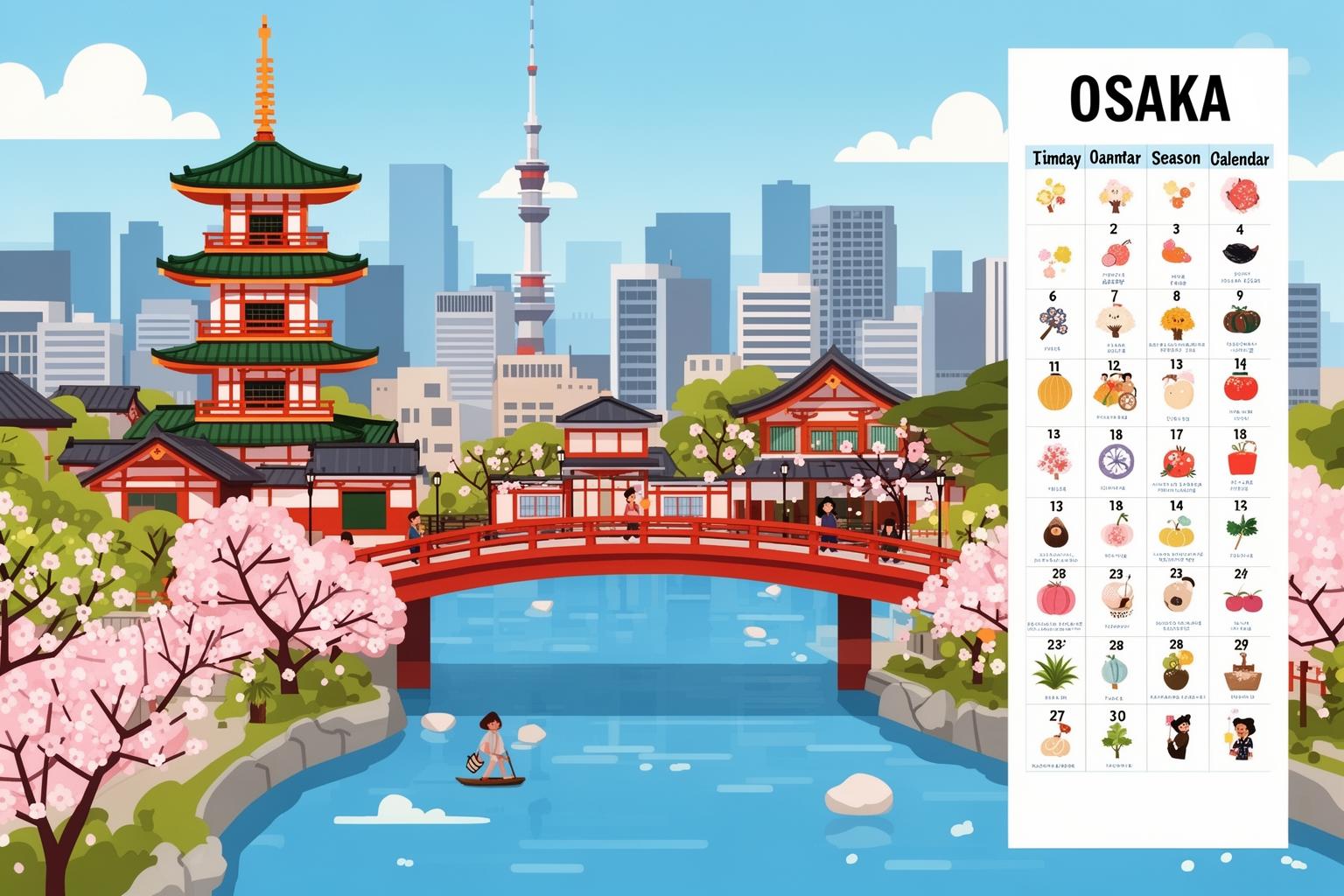
While bargain hunting is a year-round pursuit, the true tempo of the Osaka kitchen is governed by the seasons. The idea of shun (旬)—eating foods at the height of their season when they are most plentiful, flavorful, and affordable—is deeply rooted in Japanese culture. However, in Osaka, this is not just a culinary ideal but a tangible, week-by-week experience visible in supermarket aisles. The store’s atmosphere changes dramatically every few months. Entire sections emerge and vanish, and shoppers’ conversations brim with excitement for the arrival of seasonal favorites or sadness for their departure. Eating seasonally is the ultimate expression of yasukute umai—when food is both most delicious and, due to abundance, least expensive. A stroll through the supermarket is a stroll through the calendar.
Spring (Haru): The Flavor of New Beginnings
After the sparse winter months, spring bursts into the produce aisle with lush greens and a slightly bitter flavor said to awaken the body. The undisputed star of the season is takenoko, or bamboo shoots. Fresh takenoko arrive in large piles, still covered in dirt. Purchasing them is a commitment, as they require quick preparation to prevent toughness, involving boiling with nuka (rice bran) to remove their natural bitterness, or aku. The effort pays off: the subtle, earthy sweetness of freshly prepared bamboo shoots, often cooked with rice in takenoko gohan, is the definitive taste of spring. Alongside these are sansai, or wild mountain vegetables, such as fukinoto (butterbur) and warabi (bracken fern), prized for their complex bitterness. While these might be niche elsewhere, they are honored in Osaka supermarkets. Spring is also strawberry season (ichigo), featuring ever-sweeter varieties, and tiny sweet broad beans (soramame), ideal for grilling in their pods.
Summer (Natsu): Battling Heat with Flavor
As Kansai’s oppressive humidity sets in, supermarkets adjust to offer foods that cool, refresh, and strengthen. This is the season of hamo, or conger pike, a delicacy cherished in Kansai. This long, formidable fish contains countless small bones, making it inedible unless prepared with the meticulous honegiri technique, where chefs make hundreds of tiny cuts to slice through the bones without cutting the skin. Displays of expertly prepared, boned hamo signal summer’s arrival. It’s often blanched and served with a sour plum dipping sauce, creating an elegant dish perfect for hot evenings.
The vegetable aisles feature the cooling trio of nasu (eggplant), kyuri (cucumber), and tomatoes—cheap, plentiful, and used in many ways to beat the heat. The most significant summer event is Doyo no Ushi no Hi, the Midsummer Day of the Ox. Tradition calls for eating unagi (freshwater eel) on this day to build stamina and endure the heat. Weeks before, supermarkets launch massive promotions, erecting special booths near entrances, with the rich, sweet aroma of grilled eel and kabayaki sauce filling the air—a vivid example of cultural traditions shaping daily commerce.
Autumn (Aki): The Season of Abundance
Autumn is the time of shokuyoku no aki—the “autumn of appetites”—when the harvest fills supermarket shelves with an incredible bounty. The air turns crisp, and foods become richer and earthier. The star of the season is sanma, or Pacific saury. This long, silvery fish captures autumn’s essence. Its price and fat content become subjects of news reports and neighborhood chatter: Is it a good year for sanma? Is it fatty enough? The best way to enjoy it is simple—grilled whole over an open flame with just salt, served with sudachi citrus wedges and grated daikon radish. When you smell sanma grilling nearby, you know autumn is fully arrived.
This season also heralds shinmai, the new rice from the first harvest, packaged with special labels to highlight its fresh, moist fragrance. Mushroom aisles brim with varieties (kinoko) from the everyday shimeji and maitake to the rare, highly priced matsutake, whose pine aroma is the ultimate autumn luxury. Fruits include sweet, creamy chestnuts (kuri) used in the beloved kuri gohan (chestnut rice) and bright orange persimmons (kaki), eaten fresh or dried to intensify their sweetness and flavor.
Winter (Fuyu): Seeking Warmth and Richness
As temperatures fall, Osaka supermarkets focus on warmth, comfort, and communal dining. Winter is the undisputed season for nabe or hot pot. The transformation is swift and striking—large, dedicated “nabe corners” appear overnight. Here, shoppers find all they need for one-pot feasts: pre-packaged cut vegetables like hakusai (napa cabbage), mushrooms, and long green onions; a wide range of soup bases from simple kombu dashi to rich miso, spicy kimchi, and creamy soy milk broths; and trays of thinly sliced pork, beef, and chicken ready to dip into simmering pots. Nabe is the perfect Osaka meal: simple, communal, delicious, and an excellent way to use leftover vegetables. It combines pragmatism and pleasure in one pot.
The fish section highlights kan-buri, or winter yellowtail. Caught in cold waters, this fish develops a thick fat layer, resulting in a rich, buttery flavor that melts in the mouth. Enjoyed as sashimi or simmered with daikon radish in buri-daikon, a home cooking classic. Root vegetables like daikon and carrots, along with sweet, dense hakusai, anchor many simmered dishes. No winter is complete without bags of mikan (satsuma oranges), small, sweet, easy-to-peel citrus fruits enjoyed while warming beneath a kotatsu heated table.
The Prepared Foods Paradise: Osaka’s Real Fast Food
While cooking with seasonal ingredients is ideal, the reality of modern life in a bustling commercial city like Osaka is that people often have limited time. However, a lack of time doesn’t mean a willingness to sacrifice taste. This is where another key aspect of Osaka supermarkets comes into play: the sozai (惣菜), or prepared foods section. This isn’t the disappointing assortment of pre-packaged sandwiches and wilted salads seen in other countries. In Osaka, the sozai section is a culinary destination in itself—a vast, splendid buffet of freshly made dishes that competes with many restaurants in quality and variety. It represents the city’s true fast food, embodying the local belief that convenient food should also be delicious.
“Sozai” and the Working Culture
The sheer scale of the sozai department in a typical Osaka supermarket is remarkable. You’ll find glistening grilled mackerel, golden-brown tonkatsu (pork cutlets), perfectly crispy vegetable tempura, and a wide variety of korokke (croquettes) with diverse fillings. There are simmered dishes (nimono) featuring pumpkin, daikon, and tofu, vibrant salads dressed with seaweed and sesame, and local favorites like small, ready-to-eat versions of okonomiyaki and yakisoba. You can assemble a complete, well-balanced multi-course meal without ever turning on your stove. This isn’t seen as a lazy choice; it’s a smart one. In a city of merchants and office workers, where long hours are common, the sozai section provides an essential service. It allows people to enjoy a proper, home-style meal without the time commitment of cooking from scratch. It’s a practical solution that maintains the high standards of the local palate. The quality is typically very high because customers, armed with their mekiki skills, wouldn’t accept anything less.
The Evening Discount Rush: The “Hangaku” Hunt
The sozai section also hosts one of Osaka’s most captivating daily rituals: the evening discount rush. As closing time nears, usually around 7 or 8 PM, a tangible excitement fills the air around the prepared foods. This is when staff come out with their sticker guns to mark down remaining items. The first round might be a 20% or 30% discount, but the ultimate prize everyone waits for is the hangaku (半額) sticker: 50% off. The moment a staff member appears with the hangaku stickers, a polite yet determined crowd gathers. It’s a diverse group of students, single office workers, young couples, and savvy housewives. An unspoken etiquette governs the hunt. There’s no aggressive pushing, but a quick, calculated dance of positioning. People hover, eyes fixed on the prize—a premium sashimi platter, a hearty katsudon bowl, or a family-size portion of fried chicken. The instant a hangaku sticker is placed on a package, a hand darts out to claim it. Successfully snagging a high-quality meal at half price is considered a triumph, a perfect expression of the yasukute umai philosophy. It’s a small daily victory that delivers both a delicious dinner and a sense of accomplishment. This ritual is more than just saving money; it’s a shared community experience, a nightly game of strategy and timing that unfolds across the city.
To truly understand Osaka, you must understand its relationship with food. And that relationship is not shaped in Michelin-starred restaurants or flashy food tours. It’s forged in the bright, noisy, and wonderfully chaotic aisles of its neighborhood supermarkets. Here, the city’s core values—pragmatism, community, a fierce commitment to value, and an unwavering love of delicious food—are demonstrated every day. A trip to the supermarket is a crash course in the local dialect, a lesson in seasonal eating, and a masterclass in the art of the deal. It’s where you can witness the mekiki of an obachan as she selects the perfect fish, feel the communal thrill of a time sale on pork, and join the strategic hunt for a half-priced bento. Forget the guidebooks for a moment. To experience the true pulse of this city, you don’t need to stand beneath the Glico Man sign in Dotonbori. Instead, grab a shopping basket, brace yourself for the jingles, and dive into the magnificent, delicious, and thoroughly human world of an Osaka supermarket. There you will find the true taste of the city’s soul.