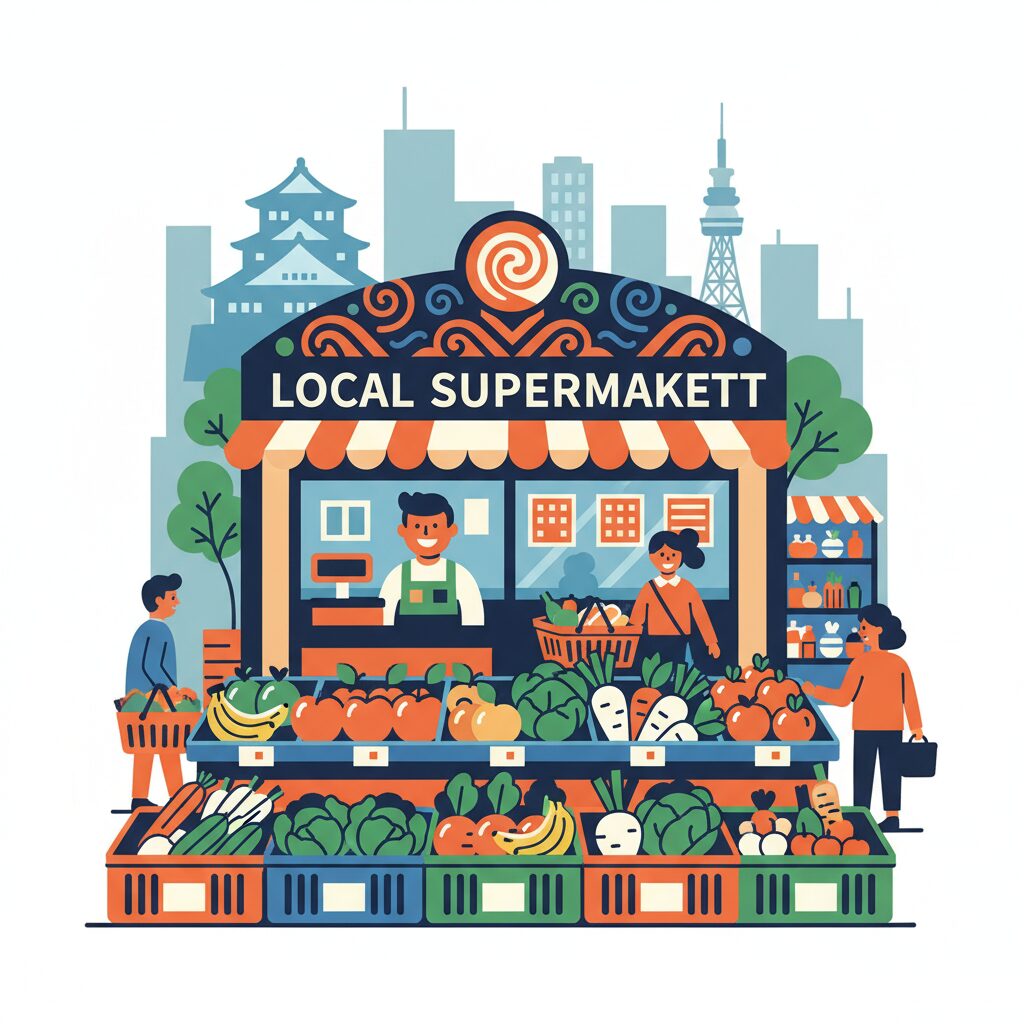
Walk into a supermarket in Osaka for the first time, and you might feel a strange sense of dissonance. On the surface, it’s all there: the familiar aisles of neatly stacked produce, the gleaming refrigerators filled with milk and tofu, the comforting scent of freshly baked bread. But then, the details start to emerge, creating a picture that’s just a little off-kilter from the serene, orderly image of a typical Japanese grocery store you might have in your head, especially if you’ve spent any time in Tokyo. The lighting seems a bit harsher, the music a little louder, the shoppers a little more focused, moving with a velocity that feels less like browsing and more like a mission. You’ll see a mountain of flour mixes dedicated to something called konamon, a wall of dark, savory sauces that seems to stretch for miles, and people clustering with an almost religious fervor around a display of discounted bento boxes. This isn’t just a place to buy food. This is the beating heart of Osaka’s domestic life, a loud, proud, and fiercely practical arena where the city’s true character is on full display. Forget the castles and the neon signs for a moment. If you really want to understand how Osaka thinks, feels, and eats, you need to learn how to read the aisles of its supermarkets. They tell a story of a merchant city that hates overpaying, a culinary culture built on humble ingredients, and a community spirit that values substance over style, every single time. This is your guide to decoding that story, one shopping cart at a time.
To truly grasp this community spirit, you can also explore how Osaka’s shotengai function as the vibrant heart of local life.
The Supermarket Hierarchy: From Discount Warriors to Department Store Dreams

In Osaka, a supermarket is far more than just a place to shop—it’s a statement of intent. Shaped by centuries of merchant tradition, the city’s commercial scene has evolved into a fiercely competitive grocery market where stores cater to distinct consumer mindsets. Understanding this hierarchy is key to grasping the local mentality. It’s not necessarily about wealth but about values. What do you prioritize? Unbeatable prices? Trusted quality? Or a refined, luxurious experience? Your choice defines where you shop, and Osakans exhibit almost tribal loyalty to their preferred arenas.
The Kings of Bargains: Super Tamade and Gyomu Super
To experience the unvarnished essence of Osaka’s value-driven culture, your first stop must be Super Tamade. Entering one is an assault on the senses. Blinking neon lights, more reminiscent of a pachinko parlor, cast a glow over handwritten signs boasting “geki-yasu” (insanely cheap) prices. The store’s peculiar, catchy jingle plays on endless repeat, embedding itself in your mind. Then there are the legendary “1-yen sales,” where an egg, a packet of noodles, or a can of coffee can be had for just one yen, provided you meet a minimum purchase. Outsiders might mistake this for a mark of poverty or desperation—this is a fundamental misunderstanding. For Osaka shoppers, it’s a sport: the thrill of the hunt. Rooted in the shobai-nin (merchant) tradition, a core principle is never to pay more than necessary. It’s not about inability to afford more, but the satisfaction of scoring the best possible deal. Shopping at Tamade is a victory. Their prepared foods section is equally famed, with heaping bento boxes and colorful sushi platters at prices that defy reason, serving as a lifeline for students, single workers, and anyone too weary to cook.
Then there’s Gyomu Super, meaning “Business Supermarket.” Originally catering to restaurants and food businesses, it has been enthusiastically embraced by the public. Here, Osaka’s practicality shines. Gyomu is the mecca of bulk buying. Why buy a small soy sauce bottle when you can get one the size of a fire hydrant at twice the price? The freezer aisle is a world unto itself, stocked with enormous bags of frozen vegetables, gyoza, and karaage chicken. This embodies the “plan ahead and save” mindset. An Osaka household doesn’t just consider tonight’s meal; it plans for the next ten. Gyomu also offers a surprisingly diverse range of imported goods at a fraction of specialty-store prices, catering to Osaka’s international tastes without the inflated cost. Practical, efficient, and overwhelming—much like the city itself.
The Reliable Everyday Chains: Life, Mandai, and Kansai Supermarket
While Tamade and Gyomu represent the extremes of budget shopping, most Osaka families handle their everyday grocery needs at established, dependable chains. Life, Mandai, and Kansai Supermarket serve as the workhorses of the city’s food landscape. They occupy a comfortable middle ground, balancing quality, variety, and reasonable prices. Here, the tactical nature of the Osaka shopper shines. The chirashi—colorful advertising flyers distributed by mail or picked up at stations—are studied intensively, akin to a military strategist planning a campaign. “Mandai has cabbage for 98 yen today, but Life’s private brand milk is on special, and Kansai Super has discounted eggs for members.” A single shopping trip might be spread across two or three stores to maximize savings. This is not seen as inconvenience but as smart shopping. These chains also compete fiercely in “private brand” (PB) products. Each has its own staple lines, and families often develop strong loyalties—arguing that Life’s “Smile Life” mayonnaise tastes superior to Mandai’s version. These small preferences become part of a household’s identity and budgeting strategy, honed through years of comparison.
The Premium Experience: Hankyu Oasis and Ikari Supermarket
If you think Osaka’s grocery culture is only about bargain hunting, there is a distinctly more polished side. Enter a Hankyu Oasis or the crown jewel of Kansai grocery stores, Ikari Supermarket, and the mood transforms completely. Harsh fluorescent lights give way to warm, soft lighting. Energetic jingles are replaced by soothing classical music. Aisles are wider, displays more artful, and the focus is on premium quality. Here you’ll find perfectly marbled Kobe beef, rare artisanal cheeses, organic vegetables from carefully selected farms, and imported wines chosen by an in-house sommelier. These stores are typically located in affluent neighborhoods or the glittering basements of department stores (depachika). Shopping at these places is not about day-to-day necessity but a deliberate choice for superior quality. It’s where you buy ingredients for a special occasion, a thoughtful gift for a colleague, or simply out of a belief that good food warrants the investment. This highlights a key distinction in the Osaka mindset. Frugality (kechi) is a virtue—centered on avoiding waste and getting true value. It’s very different from stinginess (yasumonogai), which means opting for low-quality items merely because they’re cheap. An Ikari shopper might also have stocked up on frozen edamame at Gyomu Super earlier in the week. This isn’t a contradiction; it’s the Osaka philosophy in a nutshell: splurge on what counts, save relentlessly on what doesn’t.
The Osaka Pantry: Decoding the Essential Aisles
To truly grasp the culinary essence of Osaka, you need to move beyond the fresh produce and meat counters and explore the dry goods aisles. Here lie the foundational ingredients of the local diet, and their prominence on the shelves reveals a food culture that is hearty, savory, and profoundly comforting. Certain aisles in an Osaka supermarket are disproportionately large, serving as monuments to the city’s beloved dishes.
The “Konamon” Kingdom: Flour, Sauce, and More
The most notable feature of any Osaka supermarket is the aisle devoted to konamon, which literally means “flour things.” This aisle is the heartland of Osaka’s most iconic dishes: okonomiyaki (savory pancakes), takoyaki (octopus balls), and udon noodles. The variety of flour available is astonishing to outsiders. Rather than just generic all-purpose flour, you’ll find bags labeled “Okonomiyaki Mix,” often containing secret ingredients like dashi powder or finely grated dried yam (nagaimo) to ensure fluffiness. Alongside this, “Takoyaki Mix” promises a crispier exterior and a gooey interior. This specificity is no marketing ploy; it reflects how seriously these dishes are regarded in home kitchens. These foods are not just festival treats; they are weekly staples in many households.
Complementing the flour is the Great Wall of Sauce. The shelf space for okonomiyaki and takoyaki sauces is vast. While the Otafuku brand from Hiroshima is a national giant and occupies prime shelf space, you’ll also find a range of local Osaka brands, each with its own loyal following. Families debate the subtle nuances: one sauce is sweeter, another carries a spicier note from cloves and cinnamon, yet another has a fruitier base. Choosing a sauce is a deeply personal choice. The supporting ingredients are equally essential. Towering displays feature Kewpie mayonnaise, large bags of aonori (powdered green seaweed) and katsuobushi (bonito flakes), and jars of vivid red beni shoga (pickled ginger), which are not optional garnishes but indispensable components that create the authentic Osaka flavor at home.
Dashi Culture: The Umami Backbone
Dashi, the essential soup stock of Japanese cuisine, is a regional pride in Osaka—almost a religion. While the Kanto region (around Tokyo) prefers a strong, sharp dashi primarily from bonito flakes, the Kansai style is softer, more complex, and deeply influenced by kombu (kelp). This preference is reflected in supermarket aisles stocked with a wide selection of dried kombu, sourced from various parts of Hokkaido, each described by its flavor profile—some ideal for clear soups, others for rich stews. The typical Osaka home cook instinctively understands these subtleties. Yet modern life demands convenience, so the instant dashi section is also extensive. Even here, the Kansai preference is evident: powdered dashi with a higher kombu-to-bonito ratio and all-in-one liquid soup bases designed especially for kitsune udon, Osaka’s signature noodle dish topped with sweet fried tofu. Products like “Udon Suki” soup mix are common in Osaka but harder to find in Tokyo. This reflects a focus on authentic local taste combined with maximum efficiency—an Osaka hallmark.
This dedication to dashi fuels Osaka’s passion for udon. The noodle aisle is impressive, featuring a vast assortment of fresh, par-boiled, frozen, and dried udon noodles at every price level. The refrigerated section offers packs of pre-seasoned aburaage (fried tofu for kitsune udon) and other toppings like tororo kombu (shaved kelp). Udon in Osaka isn’t just a quick meal; it’s an art form, with the supermarket supplying all the essentials for the home cook to master it.
Beyond Konamon: Daily Staples with an Osaka Twist
Even seemingly universal products carry a unique Osaka flair. Take sliced bread, or shokupan. While Tokyo supermarkets often feature thin-cut loaves of six or eight slices, ideal for sandwiches, Osaka favors thick-cut bread, usually in four or five slices. This is meant not for delicate sandwiches but for a substantial, fluffy slab of toast at breakfast, often topped simply with a generous pat of butter. This small detail reveals a preference for hearty, satisfying simplicity.
Another defining difference appears in the meat section. Whereas pork dominates Kanto cuisine, Kansai has a historic love for beef. Osaka supermarkets reflect this, offering a wider variety of beef cuts suited for dishes like sukiyaki and shabu-shabu. You’re also much more likely to find a well-stocked section of horumon (offal), popular in the city’s numerous yakiniku restaurants and home hotpots. This reflects a robust, straightforward food culture that wastes nothing and revels in bold flavors. Even the sauce aisle tells the same story, boasting an extensive selection of ponzu, the citrus-soy dipping sauce. Although available everywhere, Osaka’s passion for ponzu is unmatched, with local brands like Asahi Ponzu enjoying legendary status. It’s the go-to condiment for everything from grilled meats to hot pots, cutting through richness with its bright, acidic tang.
The Rhythm of the Aisles: Shopping Behavior and Unspoken Rules
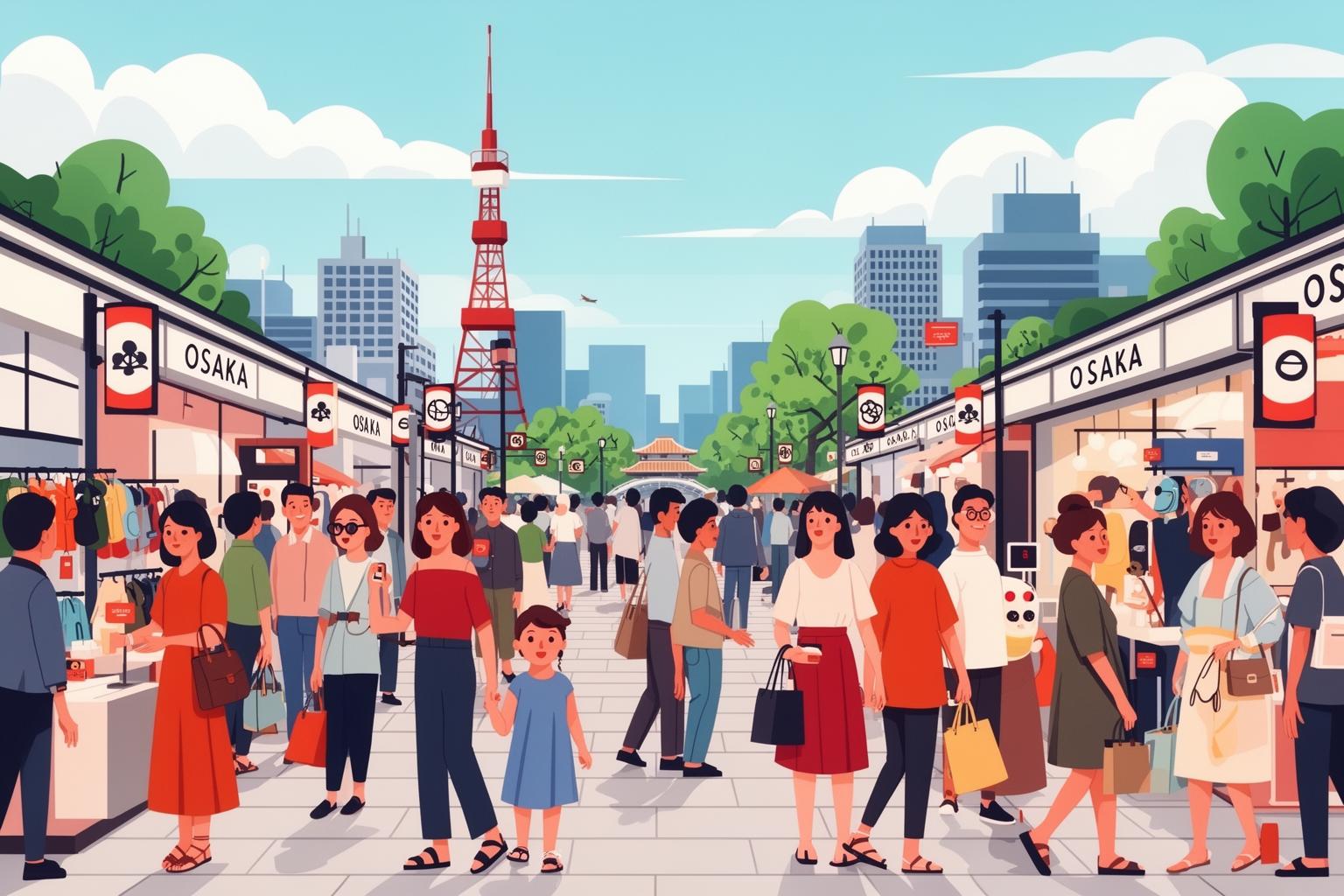
Beyond the products on the shelves, true cultural education comes from observing how people maneuver through the supermarket itself. The energy, interactions, and unspoken rules of engagement in an Osaka grocery store reflect the city’s social dynamics on a smaller scale. It’s a world of controlled chaos, guided by efficiency, pragmatism, and a notable sense of communal spirit.
The Art of the “Ne-giri”: Price Haggling (or the Absence of It)
Given Osaka’s merchant reputation, foreigners often mistakenly believe that price haggling is possible. This is definitely not the case inside supermarkets. The negotiation happens before entering the store, through careful examination of flyers and strategic choice of where to shop. However, there is a form of passive price negotiation that takes place every evening: the pursuit of the waribiki (discount) sticker. As closing time nears, staff armed with sticker guns roam the fresh food sections, marking down sushi, sashimi, bento boxes, and other perishables by 20%, 30%, and ultimately 50%. This sparks a fascinating ritual. Shoppers, who may have been casually browsing, begin to circle these sections like polite, patient sharks. There’s an unspoken etiquette involved. No pushing or aggression occurs. Instead, a quiet, intense hovering ensues. When a staff member places a sticker on an item, a hand swiftly and gracefully snatches it from the shelf. There is absolutely no shame in this; rather, it is a point of pride. It’s regarded as the ultimate savvy move—a triumph over food waste and high prices. This nightly drama is much more overt and widely participated in Osaka compared to the more reserved supermarkets of Tokyo, where overt bargain hunting might be seen as less refined.
“Obachan” Culture and Shopping Cart Etiquette
The image of the leopard-print-wearing, candy-carrying Osaka obachan (a familiar term for middle-aged and older women) may be a cliché, but the spirit behind it—direct, efficient, and no-nonsense—is very real and clearly visible in the supermarket. An Osaka obachan moves through the aisles with determination. She knows exactly what she wants, where it is, and how much it should cost. There is no hesitation. This can sometimes be misunderstood by outsiders as pushiness or rudeness, but it is rarely intended with malice. It reflects the city’s sekkachi (impatient) nature. Time is precious, and blocking an aisle while deliberating which brand of miso to buy is a minor social offense. The checkout line is the final test of this efficiency. You are expected to have your wallet, cash, and store point card in hand before your total is announced. The transaction should be quick and smooth. Fumbling for change or rummaging through your bag will earn a series of audible, though not necessarily unkind, sighs from those waiting behind you. It’s not personal; it’s just the rhythm of a city that’s always moving.
A Community Hub, Not Just a Store
Despite its fast-paced atmosphere, the local supermarket in a residential area often serves a deeper role. It’s one of the few remaining centers of community life, where neighbors encounter each other and catch up on gossip by the daikon radish display. Cashiers often know regular customers by name, asking about their children or commenting on the weather. In many smaller, independent stores, the owner might even offer a piece of fruit to a customer’s child. Near the entrance, the community bulletin board is typically covered with notices for local festivals, flea markets, and cat-sitting services. There are often small benches or resting spots where elderly shoppers can sit and chat with friends they’ve met. This transforms the transactional nature of shopping into something more personal. In the vast, often anonymous urban sprawl of modern Japan, the Osaka supermarket feels like a village square—a place where the uncomplicated, face-to-face connections that define the city are created and maintained every day.
Putting It All Together: A Typical Osaka Meal from Supermarket to Table
To explore how these cultural elements—price-consciousness, culinary tradition, and pragmatism—intertwine, let’s follow the preparation of a classic Osaka home-cooked meal: a weekend okonomiyaki night. This isn’t a gourmet dinner, but it is the soul food that draws families and friends together around a hot plate.
The Mission: A Weekend Okonomiyaki Night
The planning starts with examining flyers. The head of the household scans them with a discerning eye. The goal is to purchase the necessary ingredients at the lowest overall cost. The shopping list is straightforward: a bag of okonomiyaki flour mix, a whole cabbage, thinly sliced pork belly, a carton of eggs, a bag of tenkasu (crispy tempura scraps), a bottle of Otafuku sauce, Kewpie mayonnaise, aonori, and katsuobushi. Tactical choices soon follow. “The pork belly is cheapest at Mandai this week, but Life has a special ‘tama-ichi’ sale on eggs. The cabbage looks freshest on the Kansai Super flyers.” A trip to multiple stores is likely. The first stop is Life for eggs and other daily discounts. Next is Mandai for pork. Lastly, the local green grocer, known for the best cabbage and supporting small businesses, completes the run. At each stop, the shopper moves efficiently, grabbing targeted items and heading directly to checkout. The entire operation is carried out with practiced precision, maximizing value in both time and money.
The Result: More Than Just a Pancake
Back home, the ingredients are laid out. Making okonomiyaki is a communal affair. Someone shreds the cabbage, another mixes the batter, and everyone gathers around the electric griddle at the dining table to cook their own. This is the magic of the meal. It’s interactive, customizable, and delightfully informal. It embodies the Osaka spirit: unpretentious, fun, and centered on the joy of sharing good, affordable food. The meal, sourced strategically from various city supermarkets, reflects the local culture directly. It’s a product of the konamon kingdom, grounded in the principle of jitsuri (practical gain), and savored with the kind of lively, down-to-earth camaraderie that defines Osaka. It’s not elegant or refined, but it’s deeply, genuinely satisfying. It is the flavor of everyday life.
Conclusion: Your Local Supermarket is Your Best Language Teacher

If you truly want to delve into the heart of Osaka and grasp what drives its people, you can gain more insight in one hour at a Super Tamade on a Saturday afternoon than by spending a week visiting temples and museums. The supermarket serves as a living textbook of the city’s culture. The neon signs shouting about 1-yen deals reveal a merchant spirit that equates smart spending with sharp intelligence. The extensive sauce aisle reflects a food culture that is hearty, flavorful, and fiercely local. The brisk, no-nonsense pace of the shoppers shows a city that values efficiency and straightforwardness over polite hesitation. Here, the abstract ideas you hear about—the pragmatism, the humor, the community focus—all come alive in the most tangible way. So next time you need to buy milk, take a detour. Visit a supermarket you’ve never tried before. Watch, listen, and soak it in. Learning to navigate these aisles, spot a bargain, and appreciate the true importance of a good bottle of takoyaki sauce is more than just grocery shopping. It’s learning the real, unspoken language of Osaka, the key to understanding the warm, practical, and wonderfully unpretentious soul of Japan’s kitchen.