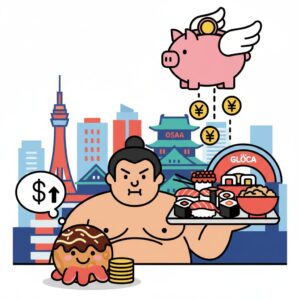
The vibrant, neon-lit streets of Osaka’s Namba and Dotonbori districts, long synonymous with bustling crowds and robust tourist spending, are navigating a new economic reality. A significant decline in the number of tourists from mainland China is sending ripples through the local economy, forcing businesses that once catered to high-spending visitors to adapt or face an uncertain future. While the areas remain lively with tourists from other parts of the world, the shift in visitor demographics and spending habits reveals the vulnerabilities of a tourism model heavily reliant on a single market.
The Story Behind the Numbers: A Shift in Tourism Dynamics
The drop in Chinese tourism is not an isolated event but a consequence of several converging factors. A key trigger has been the diplomatic friction following the release of treated water from the Fukushima Daiichi nuclear power plant, which began in August 2023. This led to a cooling of interest in travel to Japan among Chinese citizens, compounded by a slowdown in China’s domestic economy, which has tightened budgets for overseas travel.
The data clearly illustrates this trend. According to the Japan National Tourism Organization (JNTO), while overall inbound tourism to Japan has recovered and even surpassed pre-pandemic levels, visitors from China lag significantly. In April 2024, the total number of foreign visitors reached over 3 million, a 4.0% increase compared to the same month in 2019. However, the number of visitors from China was 533,600, which remains 26.5% below the 2019 level. This contrasts sharply with robust growth from other markets like South Korea, Taiwan, and the United States, highlighting a specific downturn from the Chinese market.
From “Bakugai” to Quiet Aisles: The Impact on Local Businesses
For years, Osaka’s retail landscape, particularly in Namba and Dotonbori, was shaped by the “bakugai” (explosive buying) phenomenon. Chinese tourists were famous for bulk purchases of Japanese cosmetics, pharmaceuticals, and luxury brand-name goods. Drugstores and duty-free shops became major beneficiaries, stocking their shelves to meet this specific demand.
Today, the scene is visibly different. Store managers report a sharp decline in sales of high-ticket items and bulk purchases. Retailers that once thrived on busloads of tour groups are now experiencing quieter periods. The change is forcing a strategic rethink:
- Shifting Product Focus: Some drugstores are moving away from premium cosmetic sets and toward smaller, more affordable items that appeal to a broader range of tourists, including those from Southeast Asia and the West.
- Changing Customer Service: The focus is shifting from catering primarily to Mandarin speakers to a more multilingual approach, accommodating visitors from a diverse array of countries.
While large-volume sales have decreased, the streets are by no means empty. They are filled with visitors from South Korea, Taiwan, Southeast Asia, and Western countries. However, their spending patterns differ. These tourists often prioritize experiences—the “koto-shohi” (experience consumption) over “mono-shohi” (goods consumption). They are more likely to spend on unique culinary experiences, cultural activities, and local entertainment rather than on luxury shopping sprees.
Future Outlook: A Call for Diversification and Resilience
The current situation serves as a critical lesson for Osaka’s tourism industry: over-reliance on a single market creates significant economic risk. The path forward for Kansai’s tourism-dependent economy lies in diversification and adaptation.
Embracing a Diverse Visitor Base
Osaka is now compelled to strengthen its appeal to a wider international audience. This involves not only multilingual support but also marketing that highlights the diverse attractions the city offers beyond shopping—from its world-class culinary scene and historic landmarks to its vibrant arts and entertainment culture.
Adapting to New Consumer Behaviors
Businesses must pivot to align with the preferences of the new wave of tourists. This could mean developing more hands-on cultural workshops, offering unique food tours, or creating products that serve as meaningful souvenirs rather than just high-value goods. The emphasis will increasingly be on providing authentic, memorable experiences that resonate with a global audience.
As Osaka looks ahead to major international events like the 2025 World Expo, building a more resilient and diversified tourism model is not just an option but a necessity. The current chill may be a challenge, but it is also an opportunity for Osaka to evolve into a more sustainable and globally-appealing destination for all travelers.