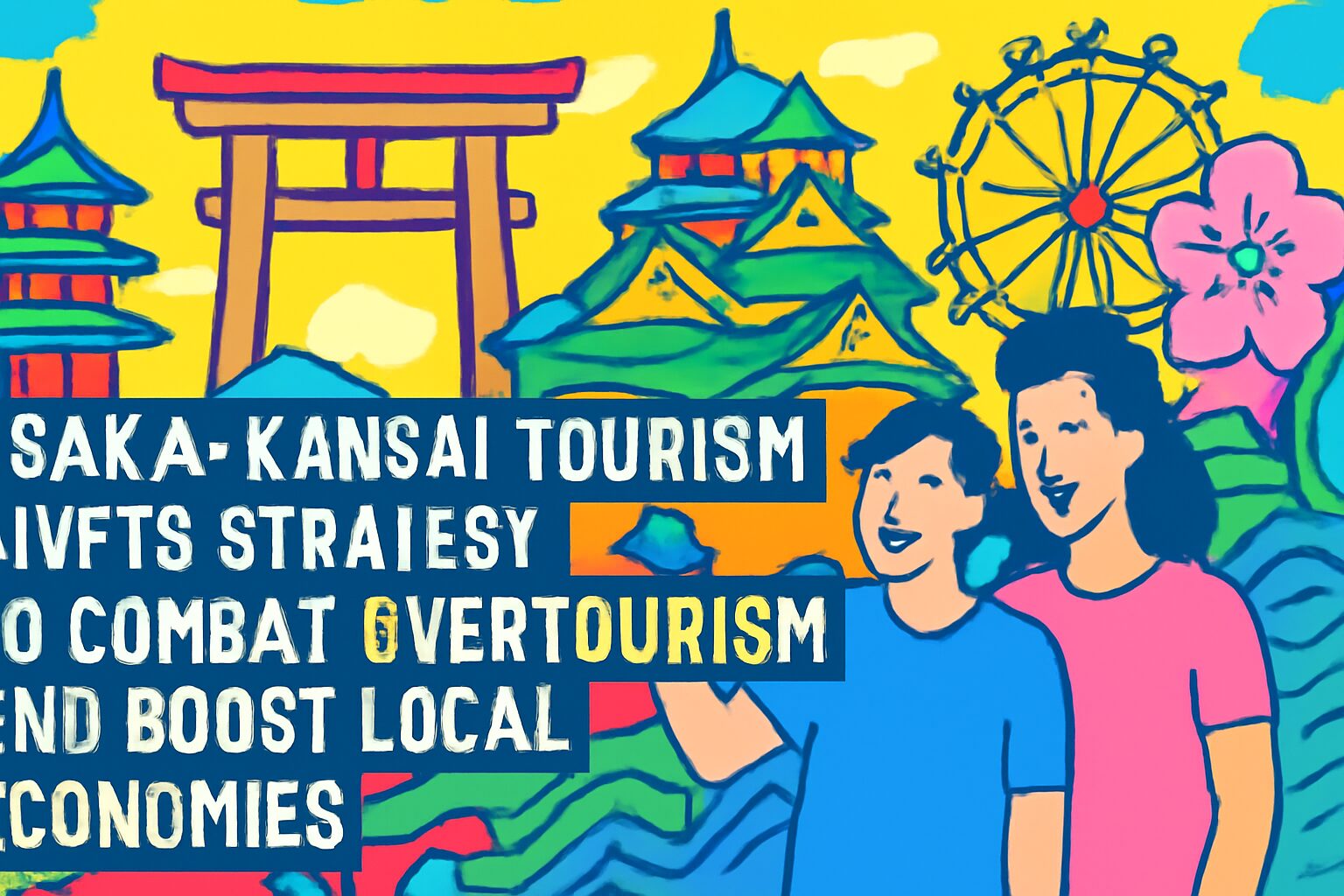
Osaka Prefecture has unveiled a forward-thinking tourism vision, announced on February 26, 2026, designed to steer international visitors away from congested city centers and into the diverse, culturally rich regions of the wider prefecture. This strategic pivot aims to tackle the mounting pressures of overtourism while distributing economic benefits more evenly, fostering sustainable growth for local communities.
The Challenge of Success: A Victim of Its Own Popularity
For years, Osaka has been a primary gateway for tourists exploring Japan’s Kansai region. The city’s magnetic appeal, centered around iconic districts like Dotonbori, Shinsaibashi, and Umeda, has driven unprecedented growth in visitor numbers. Before the global pandemic, in 2019, Japan saw a record 31.88 million international tourists, and Osaka Prefecture was a top destination, attracting over 12 million of them.
While this influx fueled economic prosperity, it also brought significant challenges. Overtourism led to severe congestion in popular spots, strained public transportation, and impacted the daily lives of local residents. The tourism economy became heavily concentrated in central Osaka, leaving many surrounding areas with unique cultural assets largely overlooked. The post-pandemic travel boom has only intensified these issues, making a strategic course correction not just desirable, but necessary.
A New Vision: Digital Tools and Authentic Experiences
The new strategy leverages digital travel technology as its core engine for change. The plan involves developing a sophisticated, multilingual digital platform—likely an integrated app and website—that will serve as a personalized guide to Osaka’s hidden gems.
This platform will go beyond simple listings, offering immersive content and seamless booking for experiences such as:
- Cultural Heritage: Exploring the ancient tombs and traditional bladesmithing workshops in Sakai City.
- Rural Escapes: Participating in farm-stays and nature hikes in the scenic landscapes of Nose or Chihayaakasaka.
- Community-Based Tourism: Joining local festivals like the Kishiwada Danjiri Matsuri or visiting historic sake breweries in the Kawachi region.
By making these lesser-known destinations more accessible and attractive, the prefecture aims to offer travelers a more authentic and profound connection to Japanese culture, moving beyond the typical “Golden Route” itinerary.
Spreading the Wealth: Economic and Cultural Goals
The primary objective of this vision is to create a more sustainable and equitable tourism model. By encouraging visitors to extend their stays and explore regional areas, the economic benefits—from accommodation and dining to souvenir sales and activity fees—will flow directly into local businesses and communities that have previously missed out.
This approach is not about curbing tourism but about redirecting its flow. It represents a significant shift from a volume-based strategy, which focuses solely on increasing visitor numbers, to a value-based one. The goal is to enhance the quality of the visitor experience, which in turn is expected to increase per-capita spending and encourage repeat visits.
The Future of Travel in Osaka
If successful, this strategic shift will reshape the travel landscape in Osaka. Visitors can expect a more diverse range of travel options, allowing for personalized itineraries that match their unique interests, whether it’s history, food, nature, or art. For the first time, exploring the entirety of Osaka Prefecture will be as easy and appealing as visiting its famous urban core.
However, challenges remain. Success will depend on coordinated efforts to improve transportation infrastructure to these regional areas, train local guides, and ensure that communities are equipped to welcome international visitors without compromising their cultural integrity.
This bold initiative, timed ahead of a new era of global travel, positions Osaka as a leader in sustainable tourism. It’s a forward-looking plan that not only addresses the problems of today but also seeks to build a more resilient, inclusive, and culturally rich tourism industry for tomorrow.