It’s a familiar rhythm in any Osaka office. Friday afternoon, the energy is frantic, a chaotic buzz of finishing deals, closing reports, and prepping for the weekend’s glorious release. Then Monday morning rolls around. Half the office looks like they wrestled a bear and lost. But the other half? They’re glowing. They’ve got this serene, well-fed look on their faces. You ask your colleague, Tanaka-san, who’s sipping his coffee with an unusual calm, “Wow, you look refreshed. Did you go somewhere special?” He just grins. “Ah, yeah. Just popped over to Awaji for a bit.”
He says it so casually, “popped over,” as if Awaji Island is just another neighborhood on the Osaka Loop Line. And in a way, for Osakans, it is. It’s not a grand vacation destination you save up for months to visit. It’s our backyard. It’s our collective exhale. For anyone trying to decipher the complex, high-speed, and often contradictory soul of Osaka, understanding the weekly pilgrimage to this little island is like finding a Rosetta Stone. A trip to Awaji isn’t about the destination itself; it’s a masterclass in the Osakan philosophy of life, work, and the relentless pursuit of good food. This isn’t a guide on what to see. It’s a guide on how to feel like an Osakan, if only for 48 hours. It’s about understanding why this island, a tranquil patch of green floating in the Seto Inland Sea, is the essential pressure-release valve for a city that never stops hustling.
Many Osaka locals balance the bustle of city life with the tranquility found in nature, and exploring the satoyama soul of Osaka can reveal yet another facet of this dynamic lifestyle.
The Weekend Exodus: Why Osaka Needs an Escape Hatch
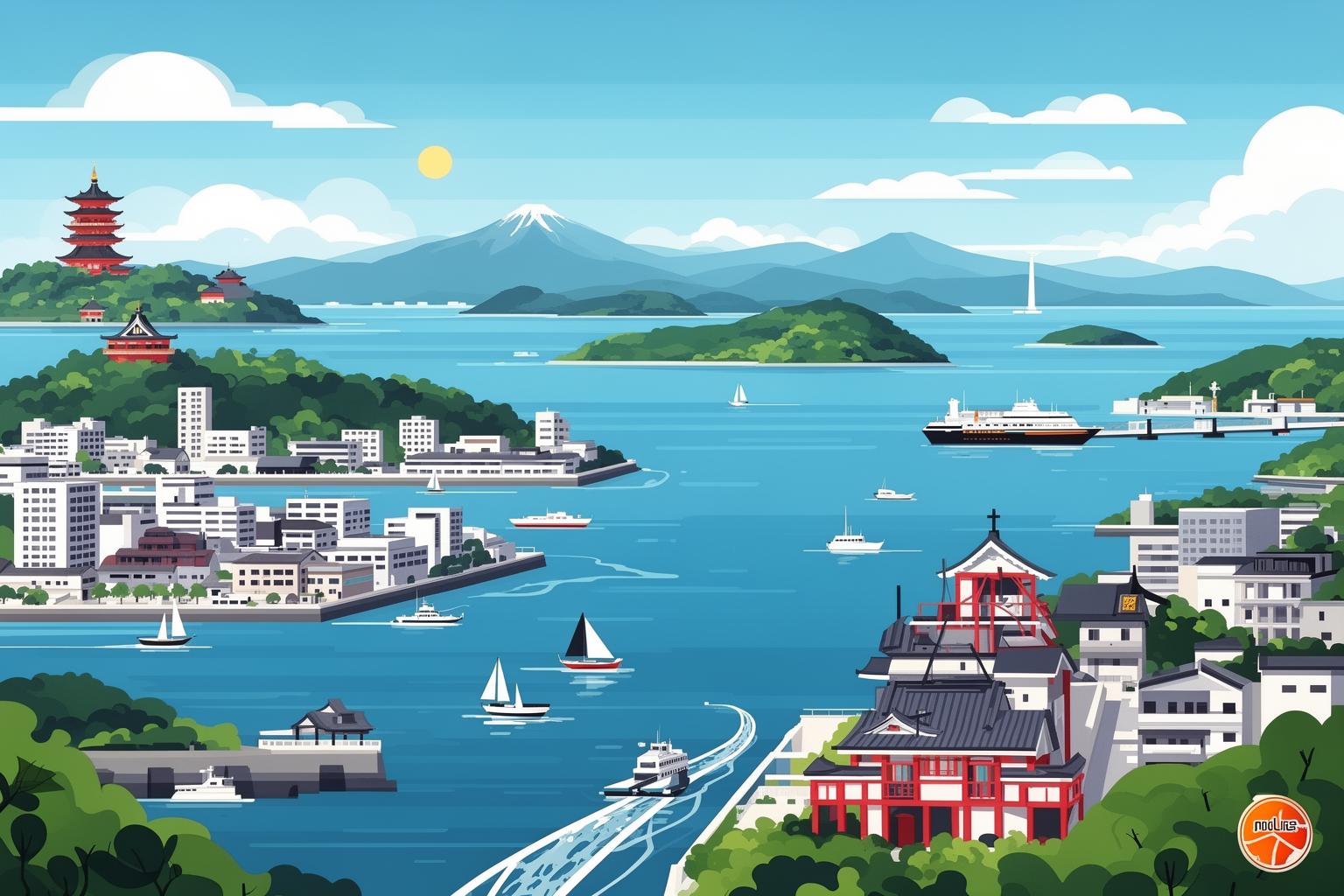
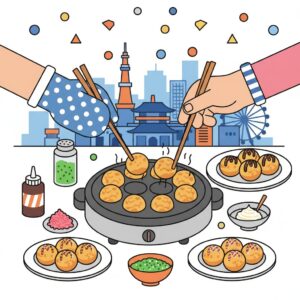
To truly grasp Osaka, you need to feel its energy. Unlike Tokyo’s polished, methodical buzz, Osaka offers a raw, lively, and occasionally jarring symphony of sounds. It’s the call of shopkeepers shouting “Irasshaimase!” from just a few feet away, the sizzling noise of takoyaki grills, the constant hum of the Midosuji subway line, and the loud, uninhibited laughter spilling out of a crowded izakaya. We are a city of merchants, founded on the spirit of “akinai,” or trade. Hustling is embedded in our DNA. We work hard, speak fast, and play even harder. There’s always pressure to perform—to close the deal, to make the sale, to be quicker, wittier, and sharper than the next person.
Living in this environment is thrilling, but also exhausting. You can’t keep running at full throttle forever. You need a way to unwind. That’s where Awaji comes in. What outsiders might not get is the spontaneous nature of it all. This isn’t a carefully curated vacation. A Tokyo resident might have their Hakone trip planned months ahead, with a detailed itinerary and reserved Romancecar seats. In Osaka, an Awaji road trip often springs from a casual comment over cheap beer and yakitori on a Friday night: “Man, I’m wiped out. Want to drive to Awaji tomorrow?”
There’s no elaborate planning. You just go. Toss a change of clothes in your bag, grab your keys, and hit the highway. This immediacy is quintessentially Osakan. We’re deeply pragmatic people. If there’s a problem—stress, burnout—we find the most straightforward solution—drive to an island, eat delicious food, watch the sea. Why wait? Why overthink it? Awaji is nearby, easy to reach, and effective. It’s the perfect counterbalance to the urban grind, a place where the frantic city pace melts away into the gentle rhythm of waves on the shore. It’s not about escaping life; it’s about recalibrating so you can return on Monday ready for whatever comes next.
It’s Not Just a Drive, It’s a Declaration of Freedom
While Osaka boasts one of Japan’s most efficient public transportation systems, the city harbors a deep and enduring passion for the automobile. In Tokyo, many view a car as an expensive, impractical luxury, but for many Osakans—especially those with families or living just outside the city center—it represents a ticket to freedom. This is most evident on the road to Awaji.
The Ritual of the Bridge
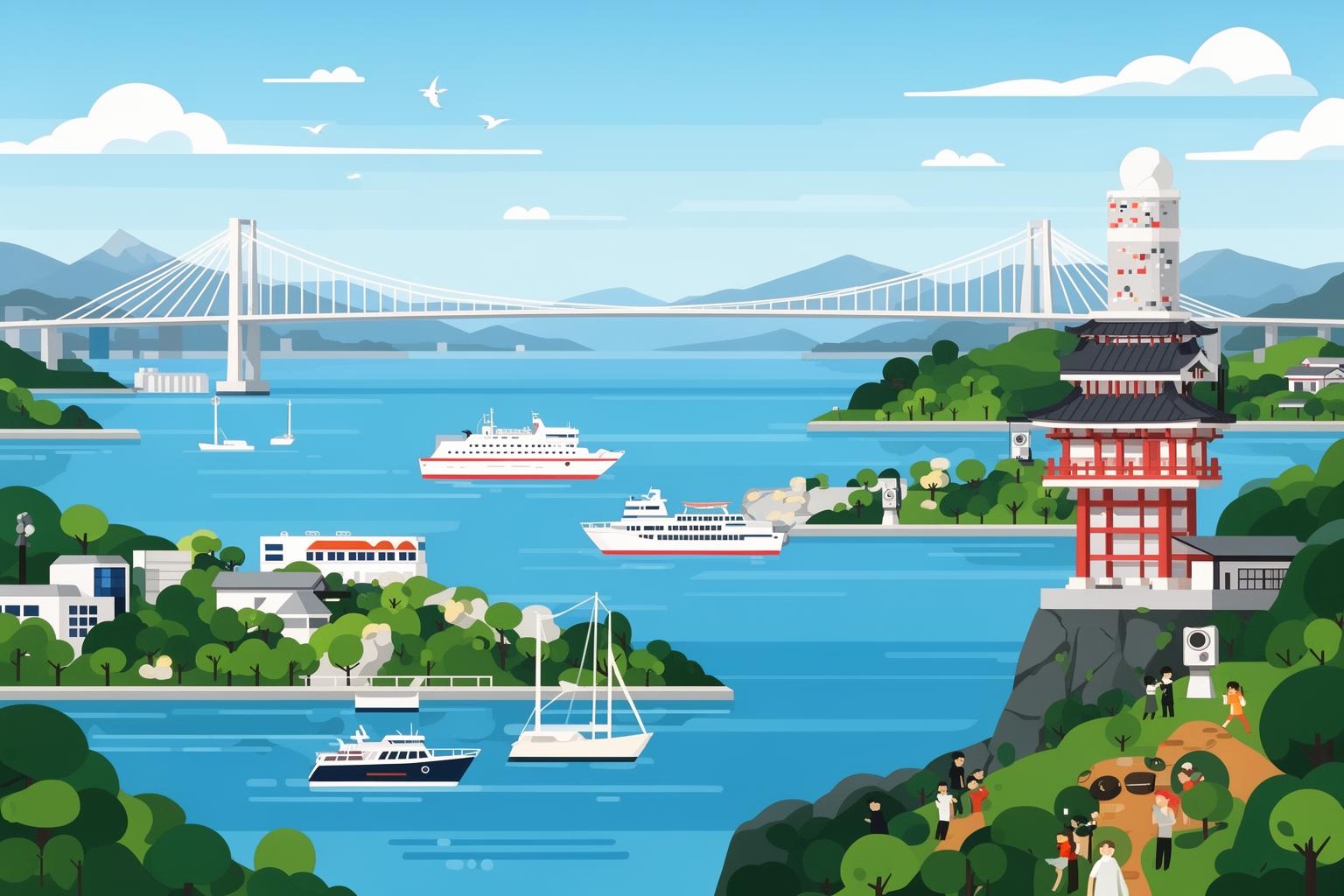
The journey truly begins the moment your tires meet the asphalt of the Akashi Kaikyo Bridge. This structure isn’t just infrastructure; it’s a monument, a testament to human ambition spanning nearly four kilometers across the sea. For locals, crossing this bridge is a ritual. As you ascend, the dense, sprawling cityscape of Kobe and Osaka fades in your rearview mirror. The city’s rumble is replaced by the soft hum of the wind and the vast openness of sky and water.
There’s a collective sigh of relief inside the car at this moment. You’re literally and metaphorically leaving your worries behind on the mainland. The bridge serves as a gateway. On one side lies the familiar chaos of everyday life; on the other, the promise of tranquility and a slower pace. Every Osakan on that bridge shares the same silent thought: “We made it. We’re free.” The sheer scale of the bridge makes your own troubles feel small and manageable. It’s a powerful psychological shift that no train ride can match.
The Car as a Private Universe
The car itself is an integral part of the experience. It’s a mobile sanctuary, a private bubble where you control the environment. You blast your favorite nostalgic tunes—often cheesy 90s J-pop that everyone knows the lyrics to. Before hitting the highway, you stock up on an absurd amount of snacks and drinks from the 7-Eleven: Calbee potato chips, Pocky, and cans of Boss coffee are essential staples. The conversation inside is lively, filled with rapid-fire banter, inside jokes, and good-natured teasing that characterizes Osakan communication.
This craving for control and autonomy is at the heart of the Osakan spirit. We come from a history of merchants and entrepreneurs, people who resisted being controlled by feudal lords or rigid systems. We like to be in the driver’s seat—quite literally. The road trip offers just that freedom. Spot a cool-looking café on the coast? Pull over. Find a deserted beach? Let’s stop and skip some stones. There’s no train schedule to keep, no station to rush to. This liberation from the tyranny of timetables is, for many Osakans, the very definition of luxury.
“Nature” on Osakan Terms
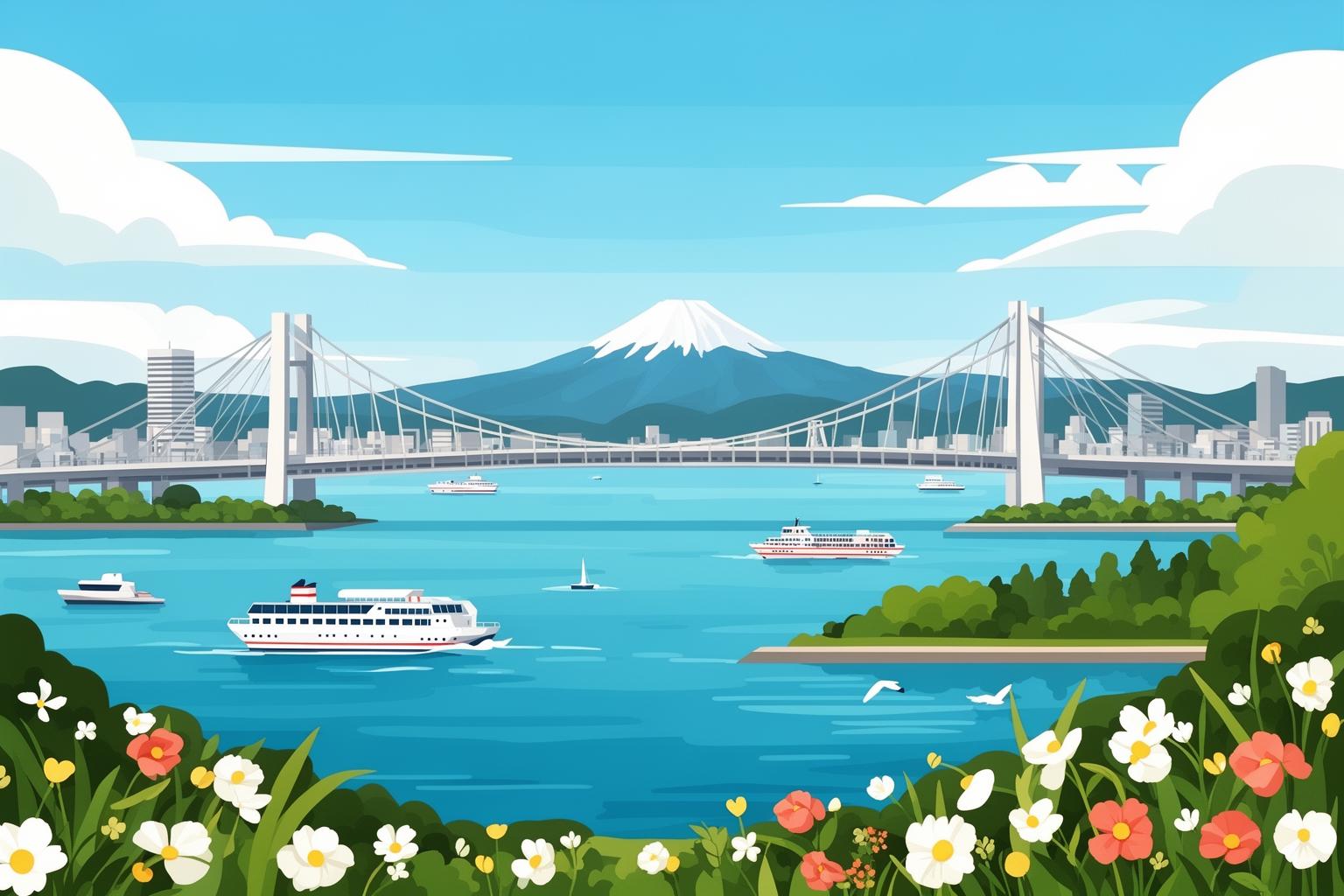
When you tell a foreigner you’re heading to an island to “get back to nature,” they might imagine dense forests, tough hiking trails, and wild, untouched landscapes. That’s not quite what Awaji offers, nor is it what most Osakans seek. We have our own distinct, practical, and comfort-focused way of connecting with nature.
Instagram-Worthy Fields, Not Untamed Wilderness
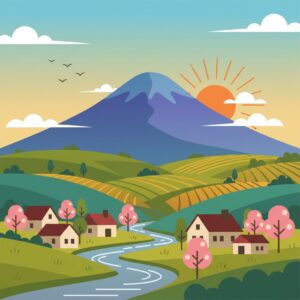
One of the island’s top attractions is Awaji Hanasajiki, a vast park boasting panoramic views and expansive rolling fields filled with seasonal flowers. In spring, it’s covered in yellow rapeseed blossoms; in summer, vibrant salvias and sunflowers take over. The scenery is stunning. Yet it’s also carefully maintained, thoughtfully designed, and intended to provide maximum visual enjoyment with minimal physical effort. You don’t hike through Hanasajiki; you stroll, snap photos, or sit on a bench and soak in the view.
This is “nature” as Osakans see it—accessible, comfortable, and offering an immediate, tangible reward: a great photo and a moment of peace. The aim isn’t to conquer a mountain or push your limits. The aim is to unwind, to appreciate nature’s beauty without the hassles. This practical approach can puzzle outsiders. Why travel all the way to an island just to walk through a large garden? Because it’s easy, beautiful, and an effective way to recharge mentally. It’s nature as a service, not a test.
The Coast Rules
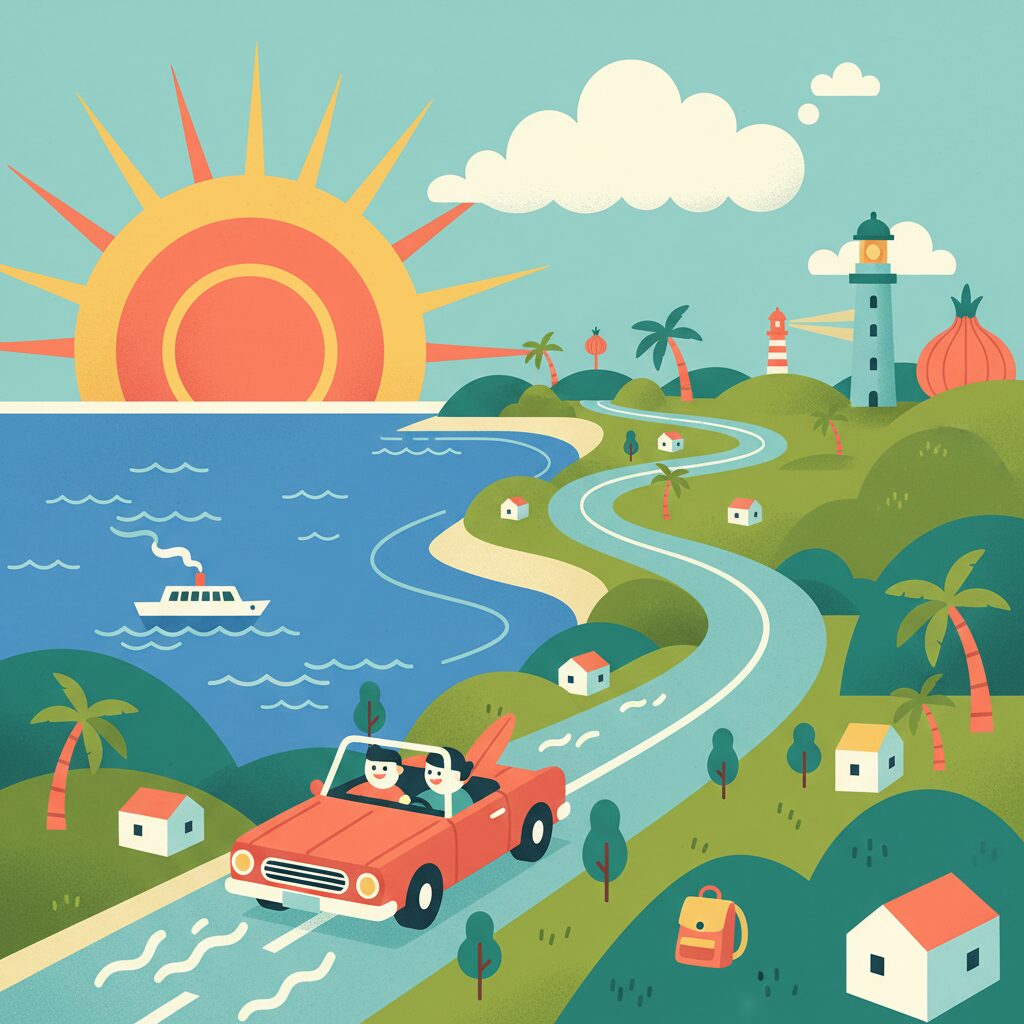
The true essence of Awaji’s natural charm lies in its coastline. The island is encircled by roads that trace the shore, presenting ever-changing views of the sea. The western coast is especially renowned for its sunsets. A favorite weekend pastime is to drive along this coast, find a stylish cafe with a terrace, and settle in for a few hours to watch the sun sink below the horizon. Conversations dwindle as everyone gazes out at the water, captivated by the shifting colors of the sky.
Again, the overall theme is clear: nature is enjoyed from a place of comfort. It serves as the backdrop for socializing, enhanced by a good cup of coffee or a cold beer. This isn’t considered a lesser experience. For pragmatic Osakans, it’s the most efficient way to savor natural beauty. Why sit on a chilly, sandy beach when you can enjoy the same view from a cozy chair? It’s about maximizing pleasure while minimizing hassle—a principle that extends to business, life, and leisure in Osaka.
The Real Destination: Your Stomach
Let’s be brutally honest. The breathtaking views, the crisp sea air, and the fields of flowers are all merely a delightful appetizer. The main event, the true reason any Osakan makes the trip to Awaji, is the food. Osaka is Japan’s undisputed food capital, a city where the typical greeting isn’t “How are you?” but rather “Mokari makka?” (“Are you making a profit?”) quickly followed by “Meshi Kutta ka?” (“Have you eaten yet?”). Our passion for “umai mon” (delicious things) is legendary, and a journey to Awaji is, above all else, a culinary pilgrimage.
The Holy Trinity: Onions, Beef, and Uni
The whole trip revolves around meal times. The drive down sparks lively debates about the best lunch spot. The afternoon is carefully arranged to ensure you end near the top place for dinner. Awaji has its own revered trio of ingredients, worshipped with almost religious devotion.
First, the onions. Forget everything you thought you knew about onions. Awaji onions are in a league of their own. They are astonishingly sweet, with such a high sugar content that you can eat them raw in a salad without shedding a tear. Osakans rave endlessly about their sweetness, texture, and versatility. No visit is complete without stopping at a farm stand to buy a huge bag to take home. The moment you return to your Osaka apartment, you start cooking them. Whether thinly sliced and fried or simmered in soup, it’s a way to prolong the joy of the trip for a few more days.
Next up is Awaji beef, a wagyu variety that rivals its more famous Kobe counterpart. It’s tender, beautifully marbled, and appears on menus everywhere—from upscale steakhouses to casual burger joints. Lastly, there’s the seafood, freshly caught from the Seto Inland Sea. The shining star is “uni,” or sea urchin. Arguments over which small, family-run restaurant serves the best “uni-don” (sea urchin over rice) can strain friendships. It’s that intense.
Michi-no-Eki: The Unsung Hero of the Road Trip
A foreigner might simply drive right past a “Michi-no-Eki” (roadside station), dismissing it as just a rest stop. This is a crucial mistake. For Osakans, the Michi-no-Eki is a shrine to gastronomy. It combines a farmers’ market, food court, and gift shop, all showcasing the finest local products. Here lies the heart of Osaka’s food culture: straightforward, high-quality, and an incredible value.
You’ll discover famous Awaji onion burgers that put fast-food chains to shame. There’s soft-serve ice cream made from local milk, seafood tempura fried to order, and shelves bursting with locally crafted sauces, jams, and craft beer. This is the essence of the Osakan approach to dining—it’s not about fancy settings or Michelin stars. It’s about the pure, unfiltered taste of fresh ingredients. The questions are always, “Is it delicious?” and “Is it a good value?” The Michi-no-Eki delivers a firm “yes” to both, making it a must-visit stop on any authentic Osakan road trip.
Decoding the Awaji Vibe: It’s All About the “Ma”
If you approach Awaji with a checklist of tourist attractions, you’ll completely miss the point. You might visit the landmarks, but you won’t grasp the island’s true essence. The real charm of a weekend on Awaji lies in something far more subtle: the Japanese concept of “ma” (間), which loosely means a pause, a gap, or an interval. In the context of travel, it refers to the empty space in your itinerary.
Life in Osaka is relentless, a city with very little “ma.” Every minute is scheduled, every moment occupied. A trip to Awaji is an exercise in creating that space. It’s the two hours spent at a coastal café doing nothing but watching the waves. It’s the spontaneous detour down a narrow farm road because you noticed a sign advertising fresh-picked strawberries. It’s the long, lazy lunch that stretches into the late afternoon, with no one glancing at their watch.
This is perhaps the greatest cultural disconnect. Many visitors feel the pressure to be constantly active, to make efficient use of their time. An Osakan on Awaji is deliberately embracing inefficiency. They are reclaiming time from the demands of work and city life. The success of the trip isn’t measured by how many sights you tick off, but by how deeply you manage to relax. It’s about letting the island’s rhythm take over, a slow, steady pulse that contrasts sharply with the frantic beat of the city. To an outsider, it might appear as boredom. To an Osakan, it feels like salvation.
Coming Home: The Afterglow and the Onion Haul
The drive back on Sunday evening carries a different atmosphere. The car is quieter. The playlist feels more mellow. Everyone is wrapped in a state of pleasant exhaustion— a food coma blended with a sun-soaked languor. The trunk is packed with the weekend’s treasures: a huge net of onions, a bottle of local sake, some freshly caught fish kept on ice, and perhaps a quirky ceramic plate bought at a roadside pottery stand.
As you cross the Akashi Kaikyo Bridge on the return trip, the sparkling expanse of the Kobe-Osaka metropolis stretches out before you. The city lights are stunning from afar, a dazzling promise of the energy you’re about to reenter. You’re no longer escaping it; you’re coming back to it, but you’re changed. You’re refreshed. The mental cache has been emptied, the batteries fully recharged.
That’s why Tanaka-san appears so peaceful on Monday morning. He hasn’t merely taken a short vacation. He’s completed a crucial ritual of self-preservation. He reconnected with a slower rhythm of life, savored amazing food, and loaded his car with enough onions to last the week. The Awaji trip perfectly encapsulates the Osaka mindset: work with unyielding intensity, but recognize when it’s time to pause. Find joy in simple, tangible pleasures. Prioritize excellent food and good company above all else. And never underestimate the restorative power of a brief drive over a truly enormous bridge.