
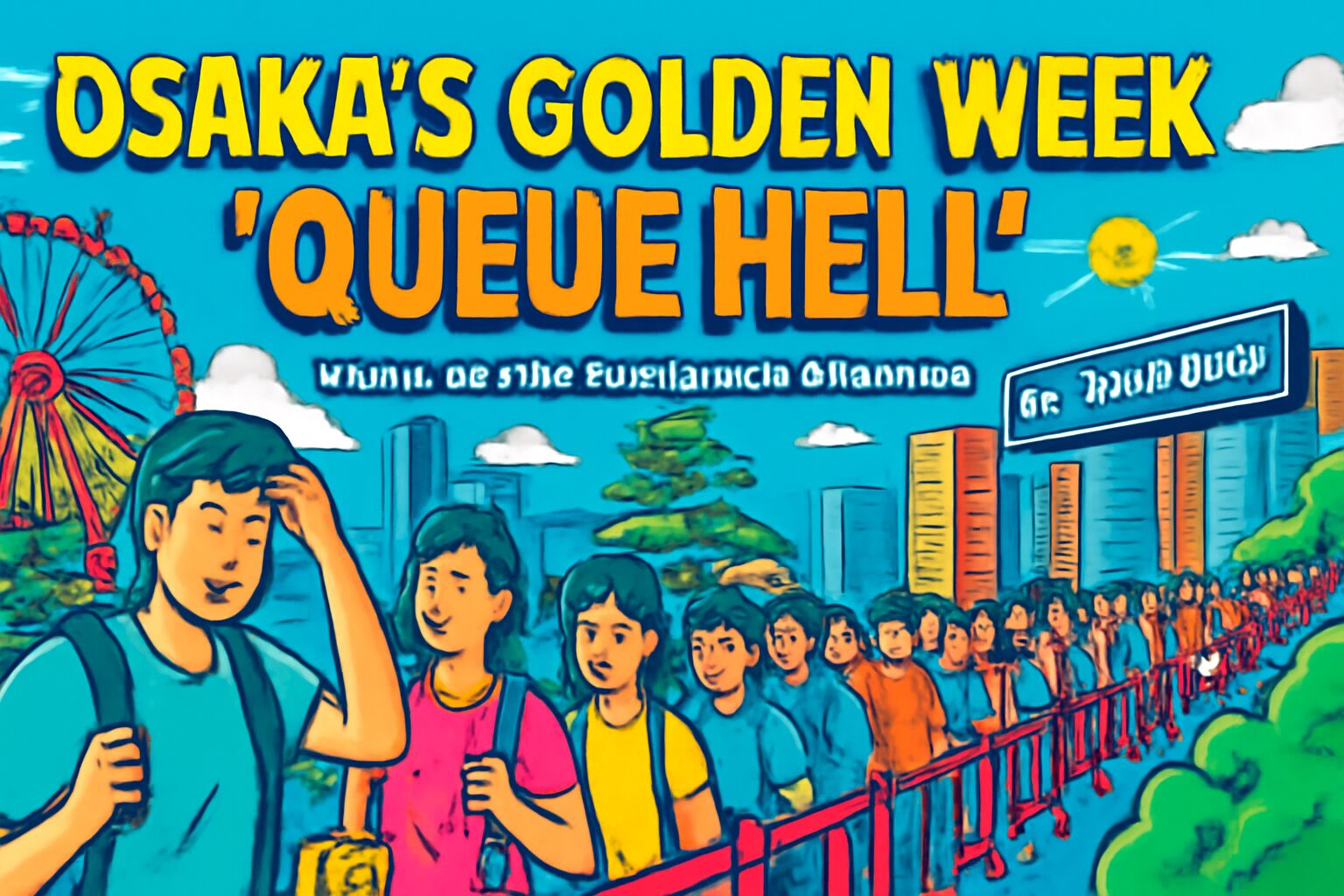
Recent reports, prominently featured in Taiwanese media, have painted a vivid picture of this year’s Golden Week in Osaka—one of overwhelming crowds and what has been dubbed “queue hell.” The sheer volume of domestic and international visitors converging on the city’s top attractions has sparked a crucial conversation among travel experts and prompted a call for international tourists to strategically adjust their itineraries. This event is not just a holiday anomaly; it’s a clear signal of a new era in Kansai tourism.
The Perfect Storm: Why Was It So Crowded?
This year’s Golden Week congestion was the result of several converging factors, creating an unprecedented tourism surge.
Background: A Confluence of Events
The primary driver was the full-scale return of post-pandemic travel. Japan has seen a record-breaking influx of foreign tourists, with March 2024 marking the first time the country welcomed over 3 million visitors in a single month. This pent-up demand from international travelers coincided with Golden Week, one of Japan’s longest and most popular domestic travel periods.
Furthermore, the historically weak yen has made Japan an exceptionally affordable destination for foreign visitors. A US dollar buying over 155 yen makes everything from accommodation to dining and shopping significantly cheaper, amplifying the country’s appeal. The result was a perfect storm: millions of Japanese residents on holiday, combined with a record number of international tourists, all targeting the same popular destinations.
Navigating the Epicenter: The Reality in Osaka
For those on the ground in Osaka during Golden Week, the experience was often one of frustration. Major hubs like Dotonbori, Shinsaibashi, and the areas around Universal Studios Japan (USJ) were packed shoulder-to-shoulder. Reports described multi-hour waits not just for theme park rides, but even for popular restaurants and shops.
Public transportation, typically a model of Japanese efficiency, was strained to its limits. Key train stations like Osaka-Umeda and Namba were inundated, with long lines forming just to get onto the platforms. This level of congestion impacts the travel experience, turning what should be an enjoyable exploration into a test of endurance.
A Glimpse into the Future: The Ripple Effects of Overtourism
This Golden Week serves as a critical case study for the future of tourism in Kansai. The phenomenon of “overtourism,” previously concentrated in places like Kyoto, has now firmly arrived in Osaka.
Predicted Impacts
- Shift in Travel Patterns: The immediate effect, as highlighted by the advice to travelers, will be a diversification of itineraries. More tourists, particularly repeat visitors and those seeking authentic experiences, will actively look for alternatives to avoid the main crush.
- Strain on Infrastructure: Osaka’s infrastructure will face continued pressure during peak seasons. This may lead to calls for improved crowd management strategies, timed-entry systems for certain areas, or tourism taxes aimed at funding infrastructure upgrades.
- Rise of Second-Tier Destinations: The primary beneficiaries of this shift will be the surrounding prefectures in the Kansai region. This is a significant opportunity for these areas to develop their tourism offerings and capture a larger share of the international market.
The Kansai Alternative: Finding Serenity Beyond the Crowds
For travelers planning a trip to Kansai, the lesson from Golden Week is clear: look beyond the obvious. The Kansai region offers a rich tapestry of experiences that are easily accessible from Osaka.
Kobe: The Sophisticated Port City
Just a short train ride from Osaka, Kobe offers a completely different atmosphere. Known for its scenic port, the stunning views from the Rokko mountain range, and, of course, its world-famous Kobe beef, the city provides a more relaxed yet cosmopolitan experience. The historic Kitano-cho district with its foreign residences offers a quiet and picturesque stroll.
Shiga: The Beauty of Lake Biwa
Bordering Kyoto, Shiga Prefecture is home to Lake Biwa, Japan’s largest freshwater lake. It’s a haven for nature lovers, offering cycling routes, boat cruises, and beautiful lakeside towns like Omihachiman with its preserved historical canal district. Hikone, with its magnificent original-construction castle, offers a less-crowded alternative to Osaka Castle.
This Golden Week has underscored a new reality for Kansai travel. While Osaka remains a vibrant and essential destination, strategic planning is now more important than ever. By embracing the diversity of the entire Kansai region, travelers can not only escape the crowds but also discover a deeper and more rewarding side of western Japan.








