There’s a rhythm to Osaka, a heartbeat that thumps not in corporate towers or manicured parks, but in the sprawling, covered arcades known as shotengai. And in this city of merchants and makers, one artery pulses longer and more vibrantly than any other: Tenjinbashisuji Shopping Street. This isn’t just a place to shop; it’s a 2.6-kilometer-long cross-section of life itself, a living museum of commerce and community that stretches across multiple train stations and seemingly infinite possibilities. To walk its length is to walk through the very soul of Osaka, to witness the unvarnished, beautiful, and delicious reality of how this city lives, breathes, and, most importantly, eats. Forget the glossy facade of department stores; this is where the real story unfolds, under a canopy of glass and steel that shelters a world of endless discovery. It’s a place that demands you slow down, look closer, and engage your senses, for every stall, every shop, and every face has a narrative to share. This is the grand stage for the daily performance of Osakan life, and you have an all-day ticket.
After experiencing the vibrant energy of Tenjinbashisuji, you can continue your exploration of Osaka’s authentic nightlife by enjoying an izakaya hopping adventure in the neighboring Tenma district.
The Morning Ritual: A Street Awakening
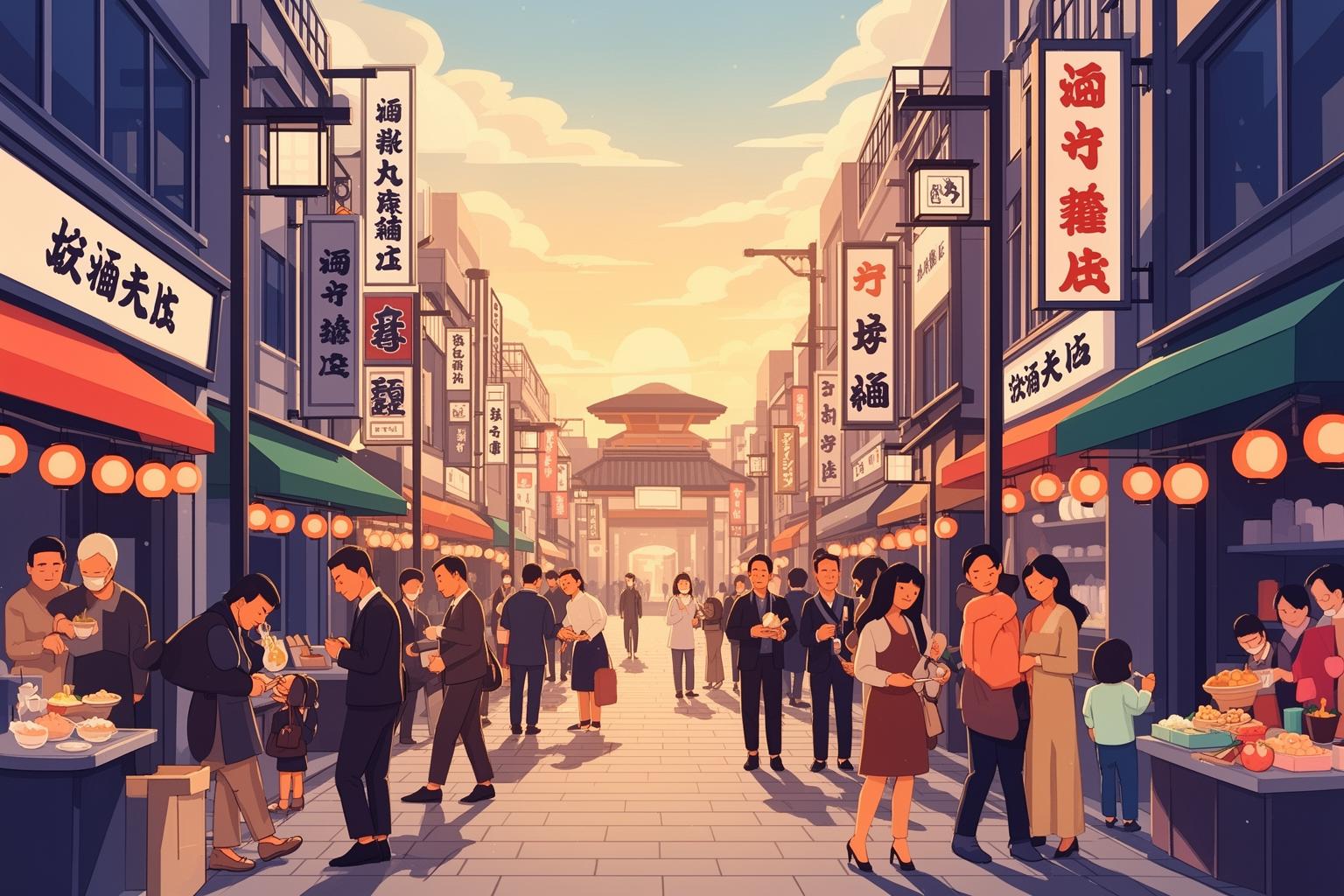
Long before the midday crowds gather, Tenjinbashisuji awakens with a gentle, rhythmic energy. The day begins not with a sudden jolt but with a slow, deliberate unfolding. The first sound is the metallic clatter of steel shutters, a city-wide chorus signaling the start of commerce. It’s a sound filled with promise, heralding another day of trade in a city built on it. Shopkeepers, many of whom are second or third-generation owners, sweep the pavement outside their stores, exchanging quiet greetings with neighbors. There’s a shared understanding in these early hours, a camaraderie born from decades of shared space and purpose. The air itself seems to shift. The cool, clean scent of pre-dawn gives way to the first delicious aromas of the day: the yeasty warmth drifting from a local bakery pulling fresh trays of melon-pan from the oven, the subtle, nutty fragrance of roasting tea leaves from a specialty shop, and the clean, earthy smell of fresh daikon and carrots stacked high at a greengrocer’s stall. This is the street at its most intimate, a time when you can truly appreciate the arcade’s architecture—the intricate ironwork, the varying styles of the glass canopy, the way the soft morning light filters through, casting long, gentle stripes across the tiled floor. It’s a moment for locals, for the residents who call these blocks home, as they set out with their shopping carts for the day’s freshest picks.
Breakfast of Champions: The Enduring Kissaten Culture
In the quiet corners of the morning shotengai, the warm glow of the kissaten offers comfort and tradition. These are not modern, minimalist cafes; they are time capsules. Entering one is like stepping onto a Showa-era film set: dark wood paneling, plush velvet chairs, perhaps a touch of stained glass, and the gentle tick-tock of a grandfather clock in the corner. The air is thick with the rich, intoxicating aroma of siphon-brewed coffee, a meticulous process often performed by a master who has likely honed his craft for decades with surgical precision. The quintessential experience here is the “morning service” or mōningu sābisu. For little more than the price of a coffee, you receive a classic trio: a thick slice of perfectly toasted shokupan (Japanese milk bread), a hard-boiled egg, and a small side salad. It’s simple, honest, and deeply satisfying. Here, community life appears in microcosm. An elderly couple sits in their usual booth, reading the newspaper, their silence comfortable and familiar. A salaryman in a crisp suit quickly finishes his toast before heading to the nearby subway. Two friends catch up in hushed tones over steaming cups. The kissaten is more than a coffee shop; it’s a neighborhood living room, a place of ritual and quiet reflection before the full force of the day begins. It’s a vital part of the street’s ecosystem—a slow-food sanctuary in a fast-paced world.
The Freshness of the Market: A Feast for the Eyes
The southern end of the arcade, near Tenmangu Shrine, feels particularly like an open-air market in these early hours. Here, daily life reveals itself in vivid detail. The produce stalls burst with seasonal color, a photographer’s dream. In spring, tender bamboo shoots and bright green fava beans appear. Summer brings glistening eggplants and plump, red tomatoes. Autumn offers a bounty of mushrooms, sweet potatoes, and heavy kabocha squash. Vendors, often cheerful grandmothers with encyclopedic knowledge of their goods, don’t just sell fresh vegetables; they also share advice on how best to prepare them. A few doors down, the fishmonger’s stall celebrates Japan’s love for the sea. Trays of gleaming silver-skinned aji (horse mackerel), deep red cuts of maguro (tuna), and translucent squid lie on beds of ice. The fishmonger’s calls, announcing the day’s best catch, add vibrancy to the market’s lively soundtrack. Specialty shops deepen the sense of culinary tradition: the tofu maker offers silky smooth blocks produced just hours earlier, ladled carefully from a large tub of water; the tsukemono (pickle) shop displays barrels of vibrant, pungent vegetables, essential to any Japanese meal; and the butcher showcases famous Kobe or Matsusaka beef alongside more humble cuts for everyday stews. Shopping here is an interactive, personal experience. It revolves around the relationship between customer and vendor, a conversation that transcends a simple transaction. It’s about trusting the person who points out the best fish for grilling today or recommends the sweetest apple. This is the heart of the community—the daily sourcing of sustenance that binds people to this place.
Midday Pulse: The Heart of Commerce and Community
As noon draws near, the gentle hum of the morning swells into a vibrant, bustling roar. The street morphs into a flowing river of people, a diverse current of humanity carrying shoppers, families, students, and curious tourists along its 2.6-kilometer path. The energy is tangible—a kinetic buzz driven by commerce, conversation, and the irresistible lure of food. This is Tenjinbashisuji at its peak, a full sensory immersion. The visual scene is a chaotic yet harmonious mosaic of colors and textures. Brightly colored banners hang from the ceiling, announcing special sales. Intricate food replicas, known as shokuhin sampuru, sit in glass cases, showcasing restaurant menus with remarkable realism. Shopfronts brim with merchandise, from orderly stacks of senbei rice crackers to towering piles of discounted clothing, each display a carefully crafted invitation to pause and browse. The sheer variety of stores is dizzying. One moment you’re peering into the window of a shop selling exquisite, handcrafted calligraphy brushes; the next, you’re navigating the crowded aisles of a Daiso 100-yen store. Pharmacies (kusuriya) with bright yellow signs offer everything from cold remedies to the latest Japanese skincare products. There are old-fashioned bookstores where the scent of paper lingers heavily in the air and sprawling arcades that spill light and electronic sounds onto the street. It’s a place of delightful contrasts, where ancient traditions and modern consumerism coexist in a loud, joyful, and utterly captivating dance.
A Culinary Crossroads: Lunchtime Delights
Osaka’s identity is inseparable from food, and its motto, kuidaore (eat until you drop), acts as the city’s unofficial law along Tenjinbashisuji. At lunchtime, the entire arcade transforms into a vast dining hall, offering an endless variety of choices to satisfy any craving or budget. The air thickens with a symphony of delicious aromas: the savory scent of grilling meat, the sweet and tangy fragrance of okonomiyaki sauce, the comforting essence of dashi broth. Here, the street’s true character emerges, serving up a taste of Osaka at every turn.
The Sizzle of the Streets: Takoyaki and Okonomiyaki
You can’t walk ten meters without coming across a stall devoted to one of Osaka’s iconic soul foods. Watching the vendors expertly flip the batter balls in their special cast-iron pans is mesmerizing—a kind of performance art, each encasing a chunk of octopus (tako). The final product, coated in tangy brown sauce, drizzled with mayonnaise, and topped with paper-thin bonito flakes that dance in the heat, offers a perfect bite-sized explosion of flavor. Nearby, okonomiyaki restaurants serve savory pancakes packed with cabbage, meat, or seafood, cooked on large teppan grills. The clang of metal spatulas striking the hot surface, the sizzle of batter, and the final touch of sauce and toppings create a complete sensory experience. Grabbing a plate of takoyaki or a slice of okonomiyaki and eating it while standing on the arcade’s edge is a quintessential Osakan ritual—a delicious and democratic lunch for all.
The Art of the Quick Bite: Tachigui Sushi
For a different fast-food encounter, seek out the tachigui (standing) sushi bars. These unpretentious spots focus entirely on the quality and freshness of the fish. You squeeze into a spot at the counter, order directly from the chef, and eat your sushi as it’s crafted right before your eyes. There’s a certain excitement in this style of dining—it’s quick, efficient, and incredibly delicious. You might find yourself alongside a construction worker on his lunch break or a businessman in a suit, all united by a shared appreciation for perfectly made nigiri. It’s a fantastic way to sample top-quality sushi without the formality or price of a traditional restaurant. Simply point to what looks good in the refrigerated case, and the chef will shape the rice and place the topping on it; moments later, it’s yours. A little soy sauce dip, a touch of wasabi, and you’re in heaven. This approach highlights Osaka’s practical, pleasure-seeking spirit.
Comfort in a Bowl: Udon and Soba Havens
When the weather turns cool or you crave something deeply comforting, the noodle shops of Tenjinbashisuji offer a cozy refuge. These small, often family-run eateries specialize in udon (thick wheat noodles) and soba (buckwheat noodles). At the heart of each dish lies the broth—a carefully prepared dashi that is both light and richly flavorful. A simple bowl of kitsune udon, topped with sweet fried tofu, stands as a classic Osakan comfort food. Alternatively, you might choose tempura soba—where crispy, light tempura provides a delightful contrast to the delicate noodles and savory broth. Service is lightning-fast, designed to feed hungry shoppers and workers promptly. The sound of slurping noodles—a sign of enjoyment in Japan—fills these intimate spaces, creating a warm and inviting atmosphere. It’s a quick, affordable, soul-nourishing lunch that has sustained the city for generations.
An Afternoon Stroll: Discovering Hidden Gems
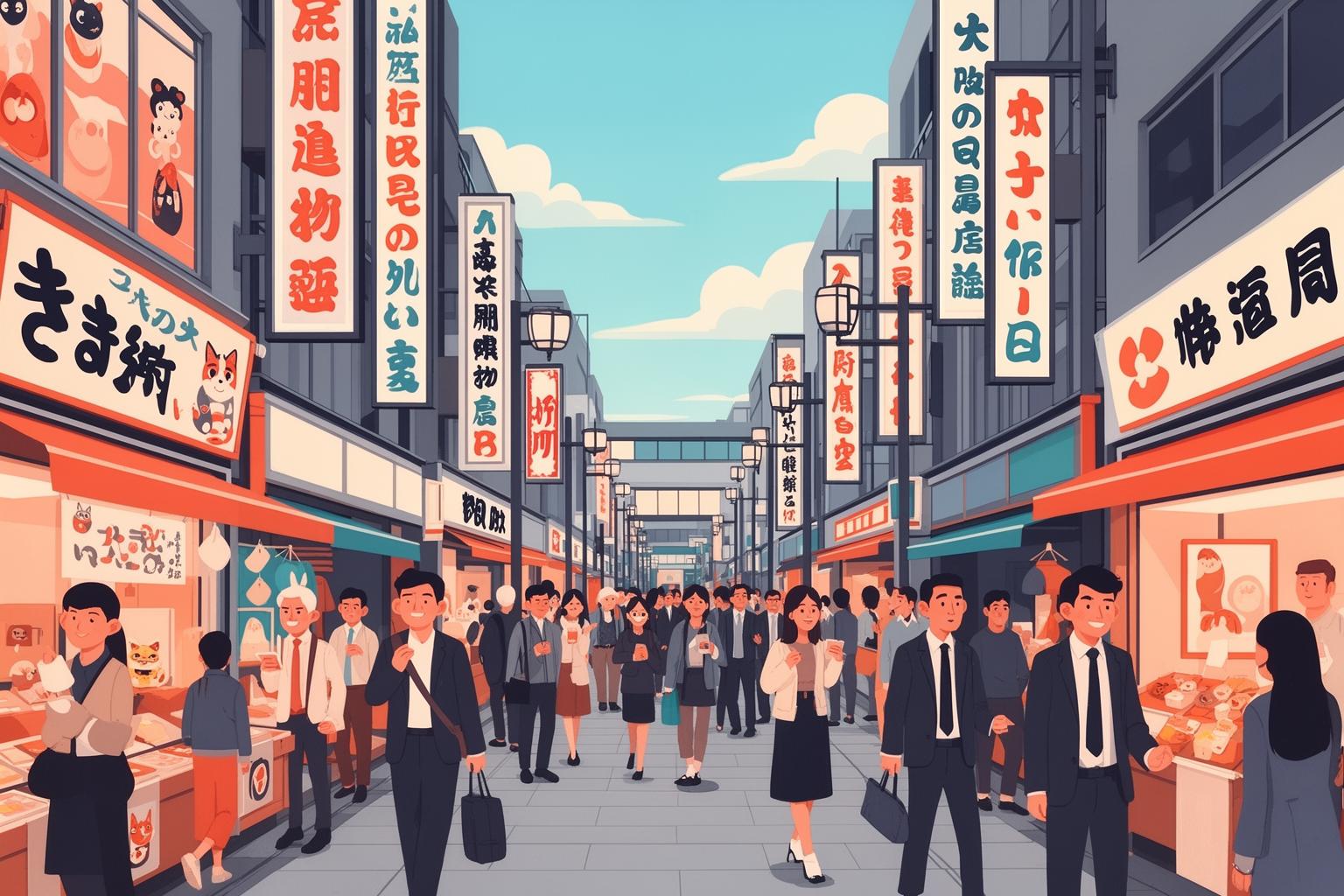
As the midday rush eases, a different rhythm takes hold of the street. The pace slows, becoming more relaxed and exploratory. This moment is perfect for delving deeper, wandering off the main path to uncover the layers of history and culture that lie just beneath the commercial bustle. The afternoon light, softer and more angled, casts new shadows and reveals different details—the faded lettering on an old sign, the intricate tile patterns on a storefront, the quiet dedication of a craftsman at work. It’s a time for discovery, letting your curiosity lead you down a narrow side alley or into a shop you might have missed during the morning rush. The shotengai is not just a single thoroughfare; it’s a web of experiences, and the afternoon is ideal for exploring its hidden corners.
Beyond the Main Drag: The Charm of the Yokocho
The real magic of a place like Tenjinbashisuji often lies in its yokocho, the small side alleys branching off from the main arcade like tributaries from a river. These narrow lanes offer a glimpse into a quieter, more intimate side of Osaka. Here, the scale feels smaller and the atmosphere more subdued. You might come across a tiny eight-seat bar that only opens in the evening, its entrance marked by a solitary red lantern. You could find a specialty shop selling handmade knives, their gleaming blades displayed like works of art. Or you might discover a quiet residential courtyard where potted plants line the walkway and laundry flutters on a balcony—a reminder that this is a living neighborhood, not merely a commercial district. These alleys delight photographers with their textures, shadows, and untold stories. They provide a welcome break from the constant motion of the main street, offering a chance to pause, breathe, and savor the finer details of the urban landscape. Exploring these side streets is vital to truly grasping the area’s character.
Temples and Traditions: The Spiritual Heart
Understanding Tenjinbashisuji requires acknowledging its spiritual core: the Osaka Tenmangu Shrine. Situated near the arcade’s southern end, this important Shinto shrine is the reason the street exists. Originally, it served as the sando, or approach, for pilgrims visiting the shrine. Stepping off the bustling shotengai through the grand torii gate into the shrine grounds marks a profound shift. The noise of commerce fades, replaced by the crunch of gravel, gentle pigeon coos, and whispered prayers. The shrine honors Sugawara no Michizane, the deity of scholarship and learning, making it a popular spot for students praying for exam success. Its architecture is stunning, with classic wooden structures and gracefully curved roofs. The atmosphere is one of serene reverence, a striking contrast to the material world just outside its gates. The shrine also hosts one of Japan’s greatest festivals, the Tenjin Matsuri, every July. During this event, the area bursts into a magnificent celebration of color, music, and tradition, with portable shrines paraded through the streets and vessels floating on the nearby river. Yet even on an ordinary afternoon, a visit to Tenmangu provides essential historical and cultural context, reminding visitors that the street’s origins are deeply rooted in faith and tradition.
A Step Back in Time: The Osaka Museum of Housing and Living
At the northernmost point of the shotengai, in the Tenjinbashi 6-chome neighborhood, lies an attraction that complements a stroll down the street perfectly: the Osaka Museum of Housing and Living. This isn’t a typical museum with artifacts behind glass. Instead, its main exhibit is a life-sized, meticulously recreated townscape of Osaka from the late Edo Period. You can wander the streets of old Naniwa, peering into a traditional bathhouse, a merchant’s home, and a kimono shop. What makes the experience truly immersive is the lighting in the hall, which cycles through a full day—from bright morning sunshine to a dusky evening lit by glowing lanterns. You can even rent a kimono to wear as you explore, enhancing the sense of traveling back in time. Visiting this museum after walking the modern shotengai offers a fascinating perspective. You gain insight into the origins of the shops you just passed, understand the evolution of the city’s merchant culture, and appreciate the continuity of daily life in Osaka over centuries. It adds a rich layer of understanding to the vibrant, chaotic, and thoroughly modern street you’ve just experienced, linking its present heartbeat to its storied past.
The Golden Hour: As Day Turns to Night
The transition from afternoon to evening on Tenjinbashisuji is an enchanting moment. The sun begins to sink low, and the harsh light from above is replaced by a warm, golden glow that filters through the arcade’s glass roof. This is the golden hour, bringing with it a noticeable change in the street’s energy and atmosphere. The crowd shifts in makeup. Daytime shoppers with rolling carts start to head home, replaced by a new wave of people: office workers returning from the city center, students gathering with friends, and locals seeking a place to relax. The street’s soundtrack changes as well. The daytime calls of vendors gradually give way to the clinking of beer mugs, the sizzle of yakitori grills, and the rising chorus of laughter and conversation. One by one, lights begin to flicker on. Paper lanterns outside izakayas cast a soft, welcoming red glow. Bright neon signs for pachinko parlors and game centers spring to life, bathing the arcade in vibrant hues. The air grows cooler, and the scents shift, now dominated by the tempting aromas of grilled meats, savory broths, and fried treats. This is the moment the street sheds its daytime guise and dons its evening attire, transforming from a marketplace into a playground.
The Izakaya Scene Comes Alive
As night falls, the pulse of Tenjinbashisuji’s nightlife begins to throb within its many izakayas. These Japanese-style pubs serve as social hubs for the neighborhood, places where people come together to share food, drink, and conversation. From the outside, they shine as beacons of warmth and cheer. Through their fogged windows, you can glimpse counters packed with patrons or catch the smoky, delicious aroma wafting from their doorways. The variety is impressive. There are lively, standing-only tachinomi bars where you can grab a cheap beer and a few skewers of kushikatsu (deep-fried skewered meat and vegetables). Then there are more traditional izakayas with low wooden tables, ideal for a longer evening of savoring sake alongside a broad menu of small dishes. The food is as essential as the drink. Classics like yakitori (grilled chicken skewers), doteyaki (slow-cooked beef sinew in miso), and fresh sashimi are staples. The charm of the izakaya experience lies in its communal, casual nature. You order a few dishes at a time, sharing them with friends, and the food keeps arriving as long as the drinks flow. It’s lively, friendly, and the perfect way to dive into Osaka’s social fabric.
Entertainment for Everyone
Beyond food and drink, the evening shotengai offers a wealth of entertainment. The game centers, or arcades, are caverns of light and sound, attracting crowds with flashing screens of rhythm games, fierce battles in fighting games, and the tempting calls of UFO catchers with glass cases full of prizes. The noise is a mix of electronic music, sound effects, and the clatter of coins—a sensory overload uniquely Japanese. A few doors down, pachinko parlors offer a different kind of adult entertainment. Through their open doors, rows of players sit intently at their machines, the air filled with the roaring sound of cascading silver balls. While mysterious to many foreigners, they form a significant part of the street’s visual and auditory landscape. For a quieter night, you might find a small, independent cinema tucked away, screening a mix of Japanese and international films, or even a cozy theater for rakugo (traditional comedic storytelling). The evening street is full of countless diversions, catering to every taste and mood, ensuring that the energy of Tenjinbashisuji never truly fades until the last train departs.
Practical Navigation and Local Etiquette
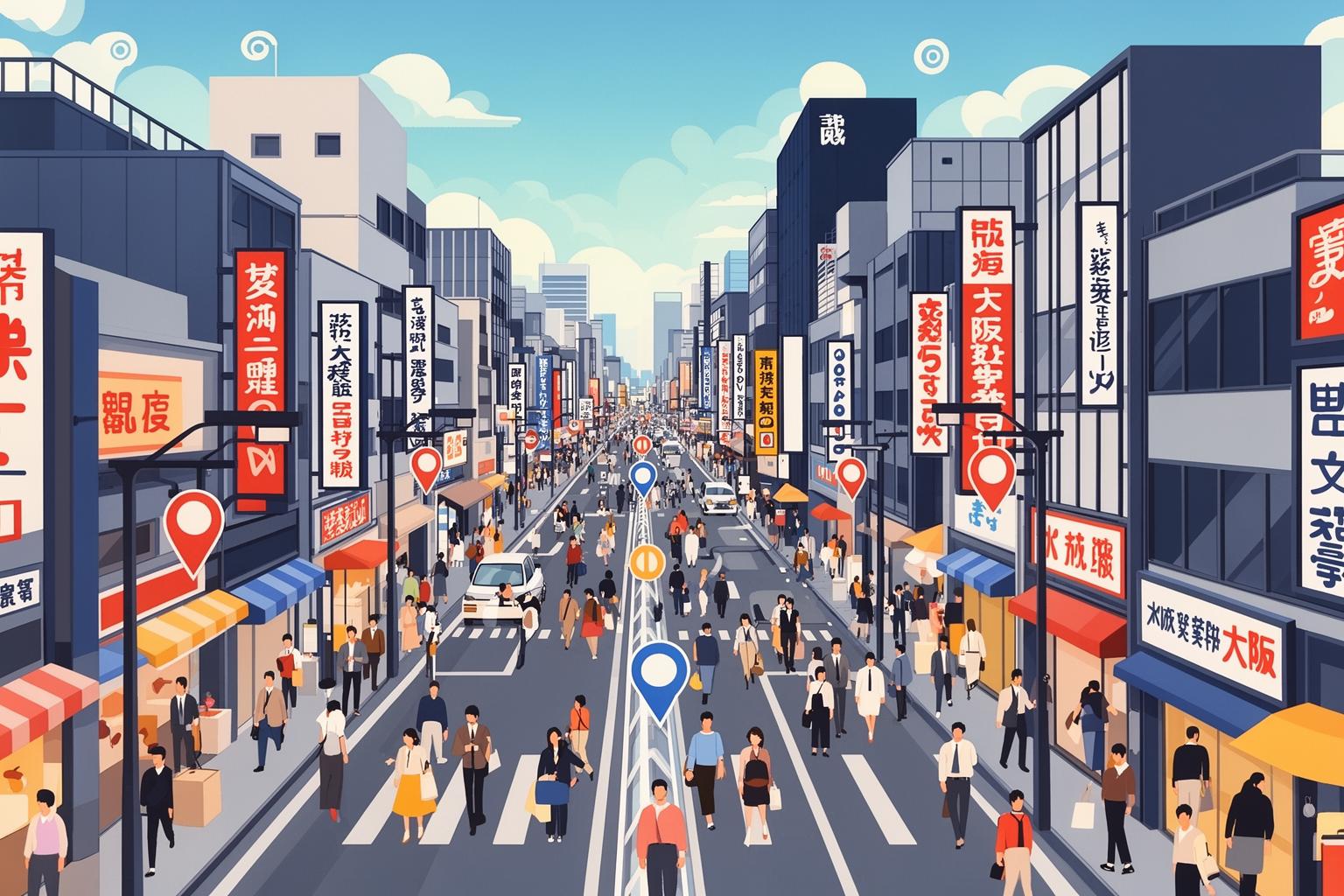
Navigating a 2.6-kilometer-long street might feel intimidating, but Tenjinbashisuji is surprisingly accessible and easy to explore. The secret lies in understanding its layout and embracing its linear form. You don’t need to walk the entire distance at once; in fact, it’s more enjoyable to break it up or take advantage of the excellent public transportation that intersects the street at several points. Approaching it with a bit of local insight will turn your experience from a long trek into a fascinating, manageable journey.
Getting There and Getting Around
The arcade is so extensive that multiple train and subway stations serve it, making it convenient to hop on and off at different locations. Here’s a brief guide:
- Southern End (1-chome, 2-chome): Minami-morimachi Station, served by the Sakaisuji and Tanimachi subway lines, is the closest stop. This is an ideal starting point if you want to visit Osaka Tenmangu Shrine first before heading north.
- Middle Section (3-chome, 4-chome, 5-chome): Ogimachi Station on the Sakaisuji Line and JR Tenma Station on the Osaka Loop Line are your best options. JR Tenma is a particularly vibrant area, surrounded by a dense cluster of restaurants and izakayas. It’s a great place to dive into the lively atmosphere.
- Northern End (6-chome, 7-chome): The street’s terminus is near Tenjinbashisuji 6-chome Station, a major interchange for the Sakaisuji, Tanimachi, and Hankyu Senri lines. This is the best access point for visiting the Osaka Museum of Housing and Living.
A smart approach is to start at one end, walk for a bit, and then catch a train at the next station you come across. The JR Loop Line and the Sakaisuji subway line run roughly parallel to the shotengai, making it easy to step out of the arcade and find your way.
A Tip for Every Block (Chome)
Viewing the street in terms of its numbered blocks, or chome, helps reveal its changing character:
- 1-chome & 2-chome: This is the most traditional section. Near the shrine, it has an older, more dignified atmosphere. Here you’ll find shops selling traditional sweets, fine teas, and crafts. The pace feels slower and more reflective.
- 3-chome & 4-chome: This is the bustling commercial center. It’s a lively mix of old and new, featuring everything from takoyaki stands and 100-yen shops to chain drugstores and clothing boutiques. This is often the busiest part of the street.
- 5-chome & 6-chome: Moving north and passing under the JR train tracks near Tenma Station, the vibe shifts to a more local, residential feel. You’ll find more supermarkets, bakeries, and everyday service stores. The area around Tenma Station itself is a dense maze of izakayas and restaurants, full of life.
- 7-chome: The final stretch feels quieter and more modern. It leads toward the Museum of Housing and Living and has a more open atmosphere compared to the tightly packed southern end.
Speaking the Language of the Shotengai
You don’t need to be fluent in Japanese to enjoy Tenjinbashisuji, but knowing a few simple phrases will go a long way and be warmly received by local shopkeepers. The atmosphere here is friendly and unpretentious.
- Irasshaimase! (Welcome!): You’ll hear this often. A simple nod and a smile in response are perfect.
- Sumimasen (Excuse me): Use this to get a shopkeeper’s attention.
- Kore o kudasai (This one, please): The most helpful phrase when shopping—just point at what you want.
- Oishii! (Delicious!): A wonderful compliment to give to food vendors, guaranteed to bring a smile.
- Arigato gozaimasu (Thank you very much): The most important phrase of all. Use it generously.
Don’t hesitate to engage. Even with language barriers, people here are used to communicating through gestures and smiles. It’s all part of the fun.
The Soul of the Street: More Than Just Shopping
After spending a day wandering its length, you begin to see that Tenjinbashisuji is much more than just a collection of shops. It stands as a powerful tribute to a way of life that is increasingly rare in our hyper-modern, digital age. In a world dominated by sterile shopping malls and impersonal online transactions, this street serves as a monument to the significance of human connection, community, and tradition. It’s a place where commerce feels personal, where the face of the person selling you fish matters as much as the freshness of the fish itself. This perfectly captures Osaka’s renowned merchant culture—practical, humble, passionate, and deeply human. It is a living, breathing entity that has adapted and evolved over centuries without losing its core character. It has endured economic highs and lows, the rise of department stores, and the advent of the internet, all while remaining the city’s main artery. Its strength lies in the people: the generations of families who have operated its shops, and the millions of residents who depend on it not only for goods but for a sense of belonging.
A Photographer’s Perspective
From a photographer’s standpoint, Tenjinbashisuji is a visual treasure trove, a place rich in detail and fleeting moments. The beauty here isn’t refined or staged; it’s raw, chaotic, and wonderfully genuine. It’s found in the texture of an old wooden sign, its characters weathered by decades of sun and rain. It’s in the steam rising from a takoyaki grill, briefly veiling the vendor’s face in a savory mist. It’s in the focused intensity of a sushi chef, his hands moving with the practiced efficiency of years of experience. It’s visible in the vibrant, almost overwhelming clutter of a sweets shop, piled high with colorful candies and rice crackers. It appears in the candid expressions of the people: the joyful laughter of children, the tired yet content gaze of an elderly shopper pulling her cart, the lively conversation between friends over a beer. The light acts as its own character, constantly shifting as it passes through the glass roof, casting dramatic beams of sunlight or a soft, even glow on cloudy days. To capture this place is not merely to photograph its buildings or products but to attempt to seize its very energy, its relentless, beautiful, life-affirming movement.
To truly experience Tenjinbashisuji, you must surrender to its rhythm. Don’t try to master it or see everything all at once. Instead, let yourself be carried along by its current. Allow a curious scent to guide you to a hidden food stall. Let an intriguing window display pull you into a shop you hadn’t planned to enter. Pause to watch the world pass by from a bench for a few minutes. Engage with a shopkeeper, even if only with a smile and a gesture. This street isn’t a museum to be passively observed; it’s a performance to be actively participated in. It rewards curiosity and involvement with unforgettable moments of connection and discovery. Ultimately, it is the most Osakan of places: a bit chaotic, endlessly entertaining, and full of warmth. It reminds us that the best parts of a city are often found not in its grand monuments but in the simple, beautiful rhythm of everyday life.