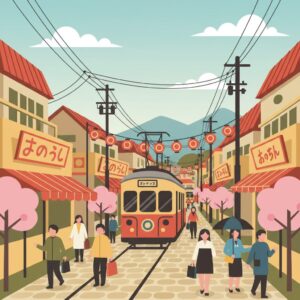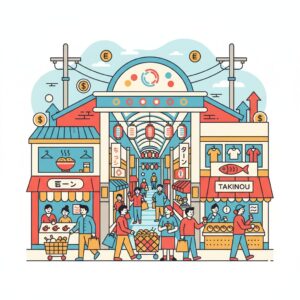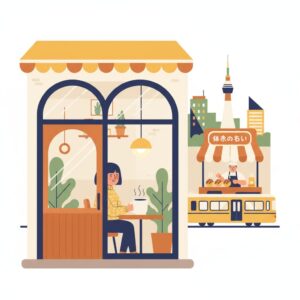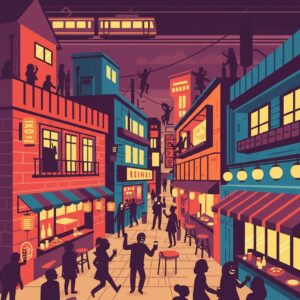
Hello, lovely people! Sofia here, ready to spill the beans—the coffee beans, that is. So, you’ve landed in Osaka, this vibrant, electrifying city that pulses with a life force all its own. You’ve probably been drawn to Namba, the city’s southern heart, a glorious, neon-drenched labyrinth of delicious smells, roaring pachinko parlors, and waves of people moving with an energy that’s both exhilarating and, let’s be honest, a little bit exhausting. You’re trying to build a life here, to find your footing, and that means you need to get things done. You’ve got a laptop, a deadline, a textbook, or maybe just a desire for a quiet moment to gather your thoughts. And you ask the seemingly simple question: “Where can I find a quiet café to work or study near Namba Station?”
That question, my friend, is not simple at all. In fact, it unlocks one of the most fundamental truths about living in Osaka. To ask for quiet in Namba is like asking for a calm, gentle breeze in the middle of a typhoon. It seems like a contradiction in terms. This isn’t Tokyo, where sleek, minimalist cafes with designated “silent zones” and charging ports every two feet are a dime a dozen. Tokyo is a city that often feels engineered for individual focus and efficiency. It provides purpose-built solutions. Osaka, on the other hand, is a city built on human connection, commerce, and a healthy dose of beautiful, glorious chaos. It doesn’t hand you quiet on a silver platter; it makes you work for it. But when you find it, oh, it’s so much more rewarding. Finding your perfect work café in Namba isn’t just about finding a table and a plug socket. It’s a cultural treasure hunt. It’s about learning to read the city’s unwritten rules, to understand its rhythm, and to find the calm within the storm. It’s about discovering the true soul of Osaka, hidden in plain sight, just behind a frosted glass door or down a narrow, unassuming alleyway. So, let’s go on this hunt together. Let’s decode the beautiful madness of Namba and find your personal sanctuary.
To truly appreciate the calm you find, it helps to understand the vibrant chaos you’re escaping, which is why exploring the soul of Namba’s back alleys and standing bars offers such valuable context.
The Osaka Mindset: Why Quiet is a Different Concept Here
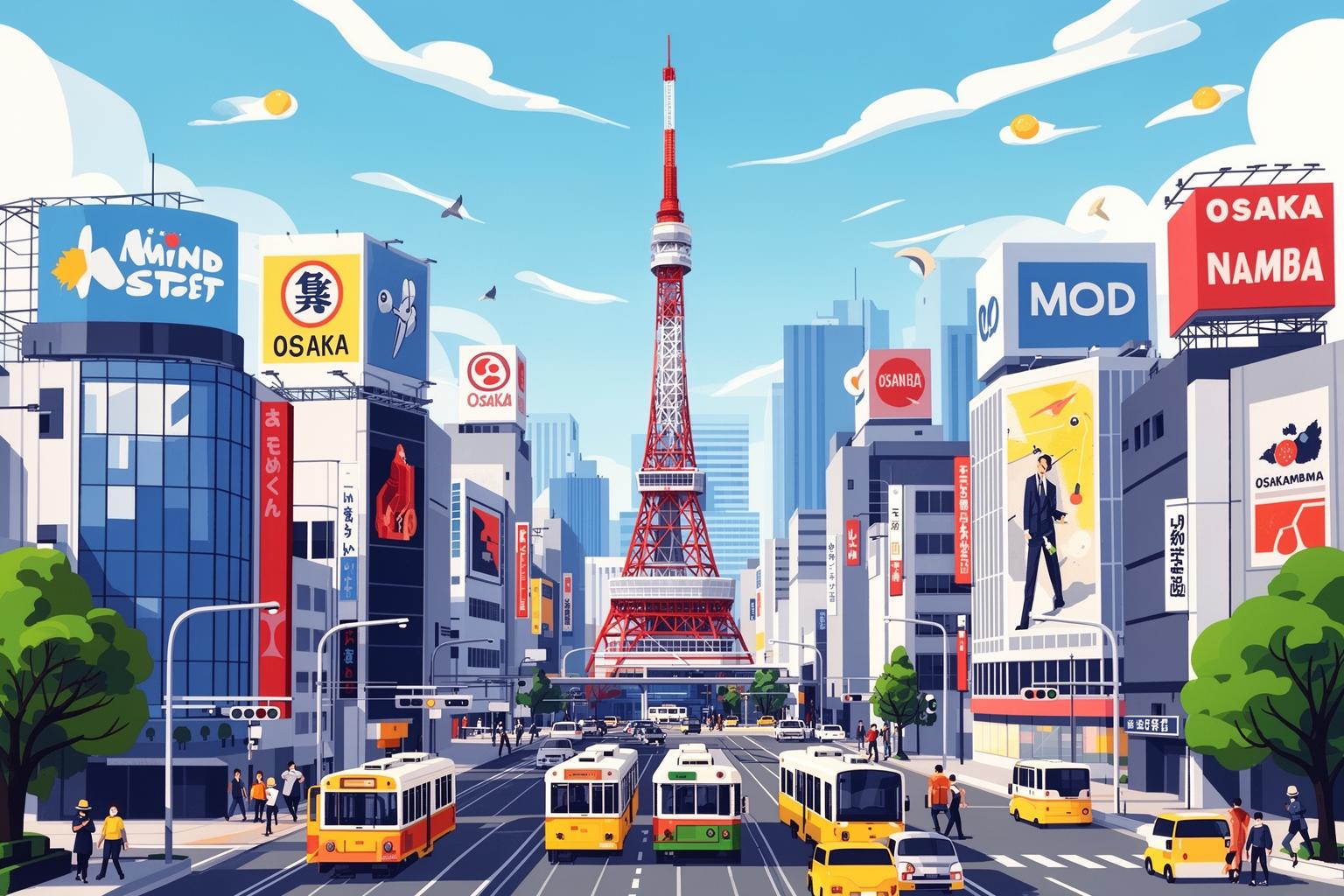
Before discussing specific places, we first need to address a shift in mindset. One of the biggest mistakes foreigners make when moving from, for example, a Western country or even Tokyo to Osaka is assuming that the definition of a “café” is the same everywhere. In Tokyo, a café often feels like an extension of a library or a co-working space that just happens to sell coffee. There’s an unspoken, mutual understanding of personal space and quietness. Efficiency and individual productivity are highly prized, and the atmosphere reflects that. People sit with their laptops, headphones on, immersed in their own worlds. The interaction is straightforward: you pay for coffee and Wi-Fi, use the space, then leave. It’s smooth, predictable, and, to be honest, somewhat sterile at times.
Osaka, however, functions on a different wavelength. Here, a café, or more traditionally a kissaten, is fundamentally a social hub. It’s a “third place” in the truest sense—not home, not work, but a place for community and connection. It feels like an extension of the shopkeeper’s living room, a focal point for the neighborhood. The soundscape is part of the charm—the clatter of cups, the hiss of the espresso machine, the low murmur of conversation, the owner’s hearty “Maido!” (Welcome, regular!) shouted to a familiar face—this isn’t noise, but ambiance. It’s the city’s heartbeat.
This atmosphere is rooted in Osaka’s history as a merchant city. Business here has always centered on relationships. It’s not just about the product; it’s about who you’re buying from. Trust develops over time through small talk and shared experiences. This approach permeates every aspect of daily life, including the cafés. The owner, known as the “Master,” isn’t just a barista but a host, the conductor of the room’s energy. So when you walk in with your laptop, you’re not simply a customer occupying a seat—you’re a guest in their space. Your aim shouldn’t be to find silence, because that is rare. Instead, your goal is to find a place where the kind of noise suits your work and where your quiet focus blends into the overall fabric of the room.
Foreigners often misinterpret this and become frustrated. They may see a seemingly empty café, settle in to work, and then feel annoyed when a group of impeccably dressed older Osakan ladies—Osaka no obachan—arrives, filling the space with lively laughter and gossip. But these ladies are not being rude; they are the heart and soul of that café. They’ve been coming every Tuesday for two decades. You’re the one visiting their space. The key isn’t to resist but to understand and pick your moments wisely. You need to master kuuki wo yomu, or “reading the air.” It’s an essential skill throughout Japan, but in Osaka’s dynamic social settings, it’s your greatest asset.
Deconstructing the Namba Beast: A Neighborhood Guide to Finding Your Vibe
Namba isn’t a single entity but a vast collection of micro-neighborhoods, each with its own unique character. Understanding the layout is the first step in refining your search. Looking for a peaceful study spot right next to the Glico Running Man sign is a fool’s errand. However, just a few hundred meters in any direction, the entire vibe can change dramatically. Let’s break it down.
The Tourist Core: Dotonbori and Shinsaibashi-suji
This is the Namba featured on postcards: the giant crab, the glaring lights, and throngs of people snapping selfies. Cafes here are predominantly major chains such as Starbucks, Tully’s, and Excelsior, designed for quick turnover. They are loud, crowded, and snagging a seat, especially one with a power outlet, feels like winning the lottery. You’ll be competing with tourists charging their phones and shoppers resting tired feet. Though the Starbucks at the corner of the Shinsaibashi arcade might seem convenient, the constant hustle and frantic energy make focusing deeply nearly impossible. This area is perfect for a quick caffeine fix on the go, but for working sessions? Forget it. This spot represents Osaka’s commercial face—the loud, boisterous personality it presents to the world. It’s not where the city goes to think.
The Transportation Hub: Nankai Namba Station and Namba City/Parks
This zone is a notch above. Designed for commuters, shoppers, and those with downtime between trains, Nankai Namba station and the attached Namba City and Namba Parks malls host a variety of slightly more upscale chain cafes and restaurant-cafes. Expect places like the classic Ueshima Coffee House (UCC) or trendy modern spots inside department stores. The plus side is convenience and reliability—you’re likely to find Wi-Fi and power outlets. The downside is the persistent high traffic. Background noise here is less about tourists, more the steady buzz of commerce and transit, including station announcements, rolling suitcases, and shopper chatter. These places work for an hour or two, especially during off-peak times (a weekday mid-afternoon is ideal). They’re dependable but lack soul—Osaka’s functional, clean, Tokyo-esque option, but not where you’ll pen your next masterpiece. It’s a transit space, not a destination.
The Hidden Worlds: Ura Namba and Hozenji Yokocho
Now we’re talking. Just east of the main station lies a maze of narrow back alleys known as Ura Namba, or “Back Namba.” By night, it’s a hotspot for tiny standing bars and excellent izakayas; by day, it’s much quieter. Within these lanes are some of the city’s most charming and quirky independent cafes—hidden gems, the true ana-ba. Likewise, the stone-paved, moss-covered Hozenji Yokocho alley offers a step back into old-world Japan. These areas demand exploration. You need to be willing to wander, peek inside doorways, and try places without a polished English menu out front. The payoff is discovering spots with immense character—places that feel like genuine discoveries. This is the core of Osaka’s treasure hunt. Locals love having “their spot” that few others know about. Finding a cafe here makes you feel like a true local.
The Southern Frontier: Den Den Town and Beyond
Head south from Nankai station into Nipponbashi, better known as Den Den Town—Osaka’s version of Akihabara. It’s a world of anime, manga, electronics, and maid cafes. While it might not seem like a place for quiet, it can be surprisingly rewarding. The main street is bustling, but side streets are often quiet. Here, you’ll find quirky themed cafes and old-school kissaten that have served locals for decades, long before the area became an otaku hub. These spots cater mostly to residents who live and work nearby, not just tourists or hobbyists. The vibe is calmer than central Namba—this neighborhood marches to its own beat. Moving further south towards Ebisucho, the city grows more residential and relaxed. The farther you walk from the station, the better your chances of discovering authentic, quiet neighborhood spots. This is a crucial lesson for living in any major Japanese city: real life happens just a ten-minute walk away from the chaos.
The Four Archetypes of Osaka Cafes: Choosing Your Sanctuary
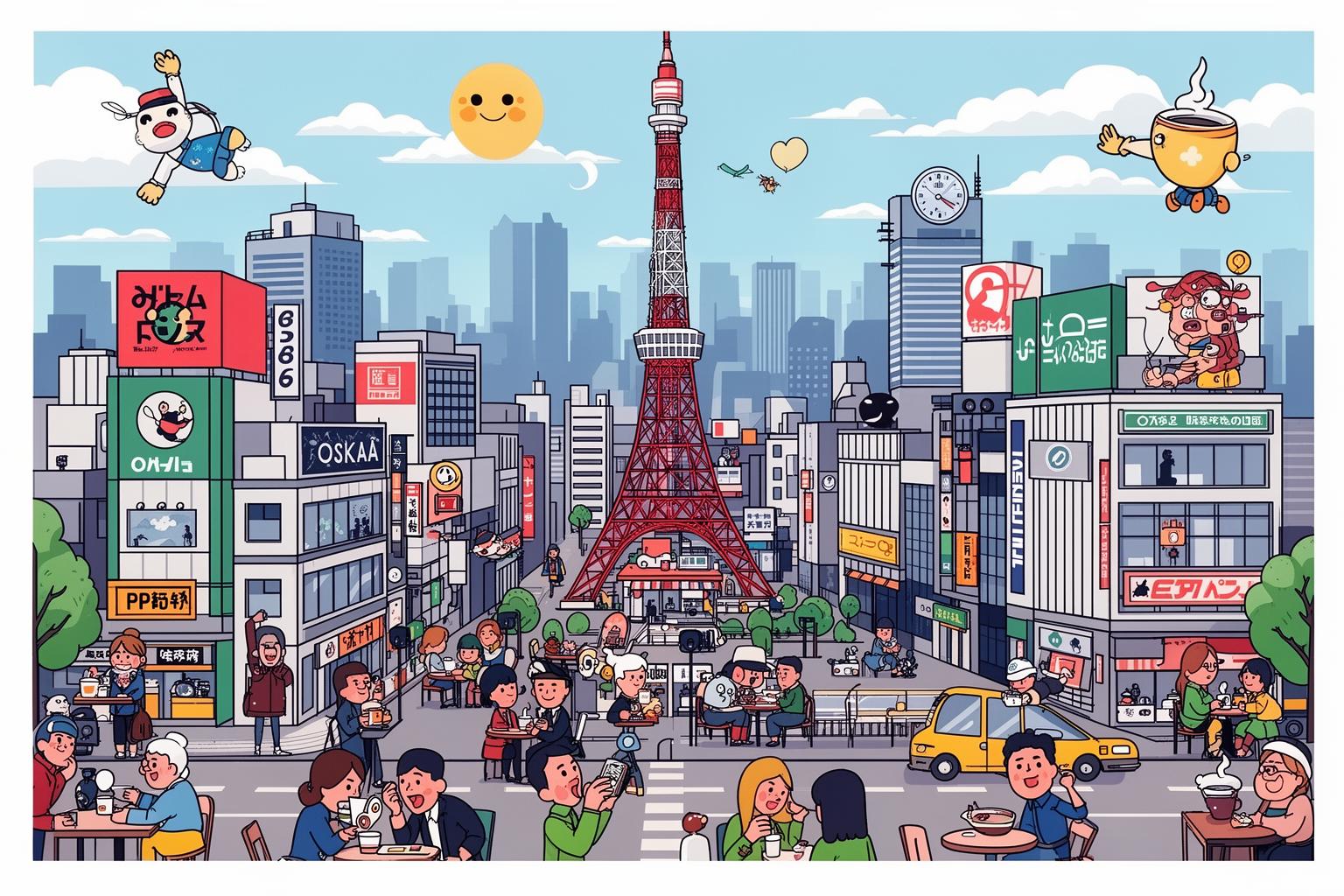
Okay, you know the zones. So, what kind of places are you actually after? In my search for the ideal work spot, I’ve discovered that most Namba-area cafés fall into four distinct categories. Each offers a unique experience and comes with its own set of unwritten rules.
The Showa-Era Kissaten: A Time Capsule of Serenity
Imagine this: you open a heavy wooden door with a small brass bell that chimes softly. Inside, the light is dim, filtering through stained-glass lamps. The air carries the scent of dark-roast coffee with a subtle, pleasant hint of old tobacco from a bygone age. The furniture is dark wood, chairs upholstered in plush velvet, perhaps a bit worn. Behind a long counter, a man in a crisp white shirt—the “Master”—carefully prepares coffee using a siphon, the bubbling glass globes resembling a science experiment. This is the kissaten, a relic from the Showa period (1926-1989), and your secret asset.
These spots are often overlooked by tourists and younger crowds, which makes them perfect. The clientele is usually older, local regulars who come to read the paper, engage in quiet conversation, or simply sit. Background music tends to be classical or jazz, played softly. There’s no booming pop music here. They frequently lack Wi-Fi, which might be a downside for some but a blessing for those wanting to unplug and focus on writing or reading. If needed, tether your phone briefly, but the true value lies in the atmosphere of deep, uninterrupted calm.
The Unspoken Rules: This is not Starbucks. You can’t just camp out for five hours on a single 400-yen coffee. Menus are typically simple: “blend coffee,” “toast,” maybe “Neapolitan” spaghetti. You’re paying for the space and time as much as the coffee. A good guideline is to order something every 90 minutes to two hours—first a coffee, then perhaps a slice of toast or juice. This is a sign of respect to the Master and his establishment. Don’t take loud calls. Speak quietly. Greet the Master with a polite nod upon entering and say “Gochisousama deshita” (thank you for the meal) when leaving. Build rapport; once you become a regular, you’ll be treated like royalty. The Master will remember your usual order and save your favorite seat. You’re no longer just a customer—you’re part of the place’s fabric. This is the Osaka way.
The Department Store Oasis: Reliable and Professional
Located on the upper floors of Takashimaya, Marui, or inside the Namba Parks complex, these cafés are the complete opposite of the kissaten. They are bright, modern, and spacious, operated by large corporations that offer a consistent, dependable experience. Think of spots like Afternoon Tea Tearoom or well-known coffee chains with food menus. They almost always have Wi-Fi and plenty of power outlets.
These places are great when you have a specific, tech-heavy task and can’t risk losing connection. Seating is comfortable, and tables are usually large enough for a laptop and notebook. The downside is the atmosphere—it can feel impersonal and anonymous. Surrounded by shoppers, the crowd is transient and, at busy times, noisy. The chatter, clinking cutlery, and restless children create a different kind of distraction. However, weekday afternoons can be surprisingly calm. Most people are there for a quick break rather than lengthy gatherings.
The Unspoken Rules: The expectations here are more transactional, much like in Tokyo. You’re a customer, and as long as you keep ordering, you’re entitled to stay. Staff will clear tables diligently, and there may be subtle pressure to leave if a queue forms at the entrance—especially during lunch rush (12–2 PM) and afternoon tea (3–5 PM). Timing is key. Arrive at 2 PM on a Tuesday, and you might enjoy a productive three-hour session. Try this at 1 PM on a Saturday, and you’ll likely be driven out by noise and crowds within thirty minutes. Be mindful—if you see a line, it’s polite to pack up after finishing your drink.
The Indie Third-Wave Coffee Shop: For the Connoisseur (and the Daring)
These are the trendsetters. Hidden in Ura Namba or on side streets in Horie (a short walk from Namba), these cafés are run by passionate, often young owners deeply committed to coffee. They source single-origin beans, feature stylish, minimalist interiors, and draw a creative, fashionable crowd. The coffee is typically exceptional. The vibe is pristine.
Working here? It’s a gamble. These places tend to be small with limited seating—maybe a communal table and a few two-seaters. They’re designed for savoring coffee and conversation, not for spreading out with work gear. The owners are artisans, not service staff, and cultivate a specific atmosphere. Some welcome quiet working in a corner; others may view laptops as intrusions, barriers to the communal, coffee-focused experience they aim to cultivate.
The Unspoken Rules: Here, kuuki wo yomu (reading the air) is essential. Before sitting, gauge the room. Are others on laptops? Is the owner chatty and engaging or absorbed in their craft? The golden rule is to be a patron first, worker second. Engage with the owner—ask about the coffee, show genuine interest. Order more than the cheapest drip; buy a bag of beans to take home. Demonstrating appreciation goes a long way. If you do this, you might find a welcoming spot. But never treat it like your personal office. Keep your footprint small: no big bags, no spreading papers everywhere. Be aware your seat might cost them business if they’re busy. These cafés foster community, and you must earn your place within it.
The Ubiquitous Chain Café: A Lesson in Adaptation
Lastly, there are the familiar chains: Doutor, Pronto, Veloce, Cafe de Crie. They’re everywhere, affordable, and the default choice for many. In Namba, there’s practically one on every corner. Can you work in them? Absolutely. But you have to embrace the Osaka version.
A Doutor in Tokyo’s quiet business district might resemble a hushed library. A Doutor near Namba station is a microcosm of the city itself. In one corner, a salaryman hammering out emails; nearby, two students with highlighters and textbooks; across from them, friends animatedly recounting their shopping spree; and in the smoking section (yes, many still have them), older men solve the world’s problems over a single cup of coffee for hours. It’s a symphony of controlled chaos.
This is the ultimate training ground for developing the Osakan skill of selective hearing. You learn to filter out surrounding conversations and build your own bubble of focus. It teaches resilience. If you can write a detailed report in a Namba Doutor, you can work anywhere. They have Wi-Fi, power outlets, and don’t mind how long you stay as long as you order a drink. They’re utterly unpretentious.
The Unspoken Rules: The main rule is that there are very few rules. These places are democratic. As long as you’re not bothering anyone, you’re fine. The social contract is simply to buy something and occupy your space. It’s the easiest choice, but also the least peaceful. It’s a tool, not an experience. Use it when you prioritize reliability over atmosphere. Don’t expect quiet and you won’t be disappointed. Instead, see it as an immersion into daily city life—this is what the city sounds like.
Final Thoughts: Finding Your Rhythm in the Noise
Living in Osaka is a continual interplay between energy and tranquility. The city doesn’t hand you silence on a silver platter; instead, it encourages you to discover your own quiet nook amid its lively, noisy atmosphere. Searching for a work-friendly café in Namba perfectly captures this experience. It’s not about locating a sterile, silent box to work in. It’s about finding a kissaten where the jazz music is just right, a department store view that sparks inspiration, or an indie coffee shop where the owner’s passion fuels your creativity as well.
It pushes you off the main streets, down winding alleys, urging you to observe interactions and understand the deep-rooted cultural values that distinguish Osaka from Tokyo. It reveals that relationships matter, respect begets respect, and sometimes the most productive space isn’t the quietest, but the one imbued with the most soul. You come to cherish the cozy clatter of a beloved local spot and the focused hum of a well-run chain. So don’t merely seek a place with Wi-Fi. Seek a place that feels right. Look for the Master who acknowledges you with a knowing nod, the chair that feels custom-made, the background noise that melts into a productive rhythm. When you find that, you haven’t just found a workspace. You’ve found your own little corner of Osaka.