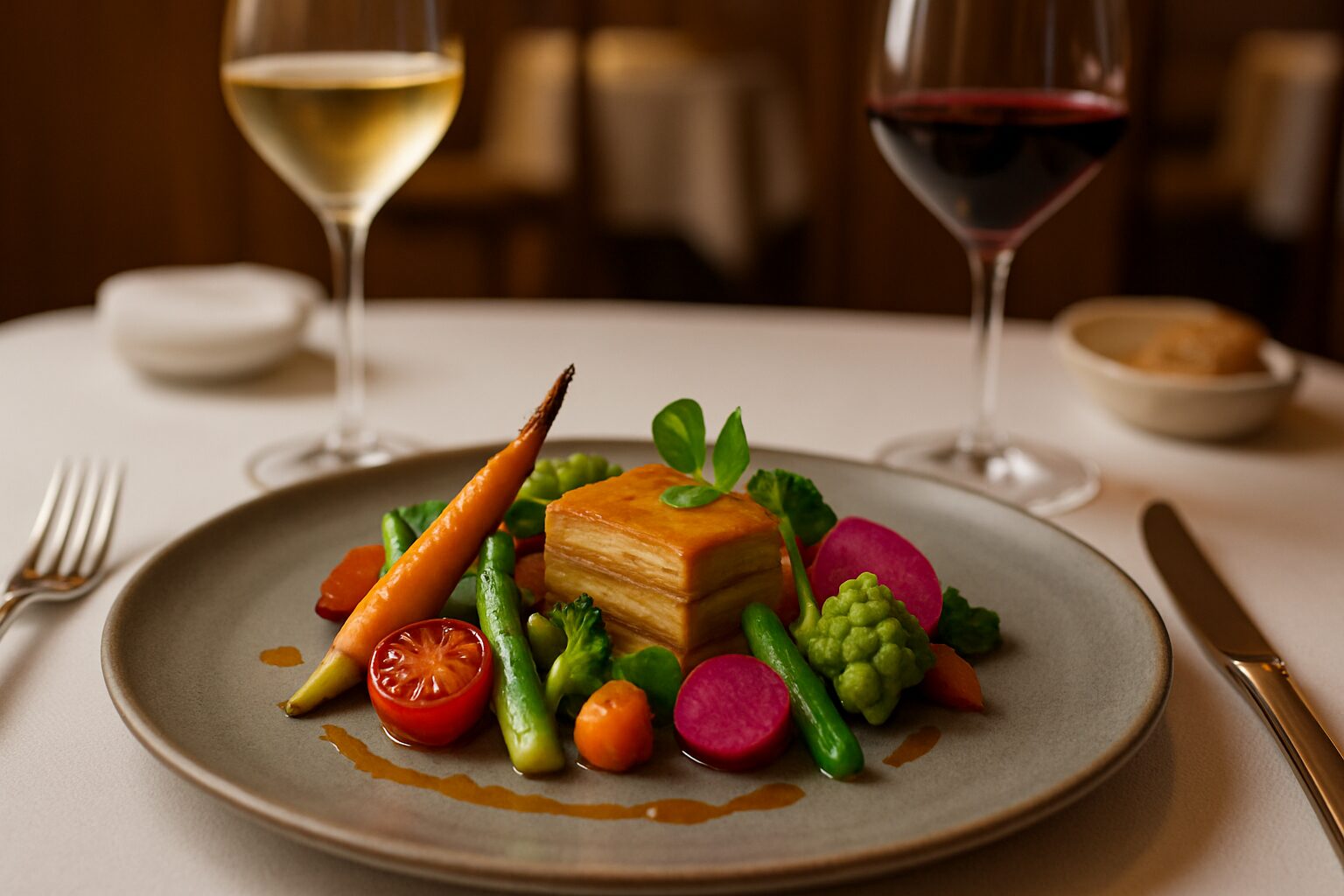
Osaka. The name itself sings a song of sizzling takoyaki, savory okonomiyaki, and the deep, soul-warming broths of ramen. It’s a city affectionately known as Japan’s Kitchen, or tenka no daidokoro, a place where food is not just sustenance, but a boisterous, unapologetic celebration of life. Amidst the neon glow of Dotonbori and the endless rhythm of commerce, a new culinary narrative is unfolding, one that speaks in a quieter, more refined tone. In the heart of the city’s most fashionable district, Shinsaibashi, a revolution is taking place on the plate. This is the world of upscale vegan dining, a sophisticated movement that redefines Japanese gastronomy, proving that the deepest flavors often spring from the humblest of origins—the earth itself. This isn’t about restriction; it’s about elevation. It’s an art form where tradition meets avant-garde innovation, where every meal is a testament to the boundless potential of plant-based ingredients.
Shinsaibashi, with its grand boulevard of Midosuji lined with flagship designer stores and its labyrinthine covered shopping arcades, might seem an unlikely stage for this plant-powered renaissance. Yet, it is precisely this intersection of high fashion, global culture, and deep-rooted Osakan heritage that creates the perfect environment for such culinary artistry to flourish. Here, discerning palates seek experiences that are not just delicious, but also beautiful, mindful, and utterly unique. The upscale vegan restaurants hidden away in the quiet side streets and elegant buildings of this district are more than just places to eat; they are sanctuaries of taste, offering a multi-sensory journey that challenges perceptions and delights the soul. Join me as we explore this vibrant scene, a testament to the fact that in Japan’s Kitchen, the future of cuisine is green, gorgeous, and unbelievably flavorful.
This sophisticated plant-based movement is a testament to how the city affectionately known as Osaka’s Kitchen continues to innovate and redefine its culinary identity.
The Pulse of a District: Why Vegan Gastronomy Thrives in Shinsaibashi
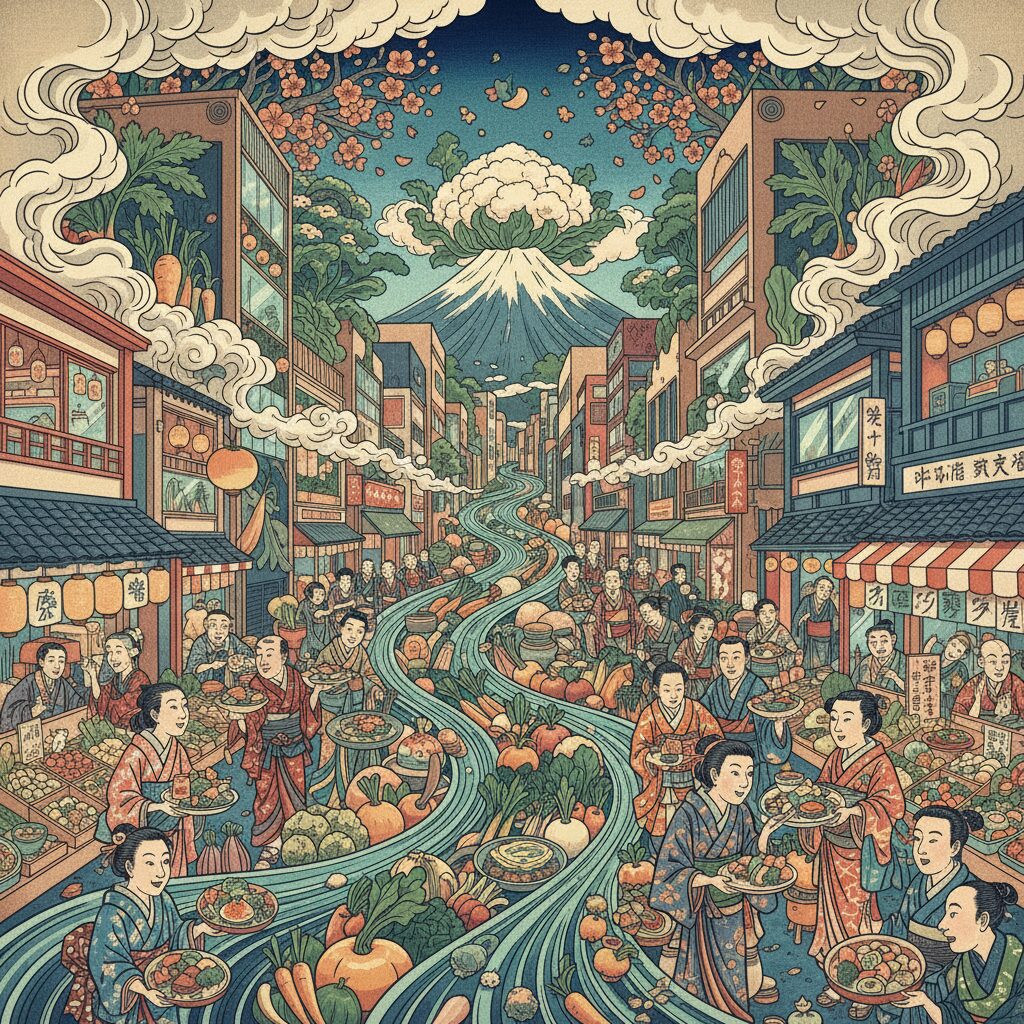
To grasp the rise of sophisticated vegan dining, one must first immerse themselves in the rhythm of Shinsaibashi itself. This area serves as the heart of Osaka’s style and commerce. By day, Midosuji Avenue flows like a river of polished luxury, its broad, ginkgo-lined sidewalks frequented by patrons of Chanel, Dior, and Cartier. The atmosphere exudes curated elegance, offering a striking and beautiful contrast to the parallel world of the Shinsaibashi-suji Shopping Arcade—a covered pedestrian street stretching for blocks, alive with the vibrant, high-energy buzz of shoppers, trend-setters, and curious travelers. This duality captures the essence of the district—a place where refined luxury and popular culture coexist in dynamic, exciting harmony.
This very setting nurtures a clientele with a global outlook and a craving for novelty and quality. The demand here extends beyond food, seeking an experience. A meal becomes an extension of the day’s pursuits, whether that involves admiring the craftsmanship of a luxury handbag or the bold creativity of a local artist. It is within this context that upscale veganism finds its ideal home. It appeals to the health-conscious, the ethically driven, and, most importantly, the epicurean explorer—the person who seeks flavor without boundaries. The chefs leading these establishments are artists and visionaries. They recognize that their diners are not merely searching for a meat substitute; they want a celebration of vegetables in their own right. They are creating a new language of luxury, one that softly speaks of sustainability, seasonality, and the profound, intricate beauty of the natural world.
Historically, Japanese cuisine holds a deep connection to plant-based eating through shojin ryori, the traditional vegetarian cuisine of Buddhist monks. This ancient practice, centered on balance, simplicity, and deep respect for ingredients, forms the philosophical foundation of modern vegan cooking in Japan. However, what is unfolding in Shinsaibashi is more than a continuation of this tradition. It is a daring reinterpretation. Chefs are taking the core principles of shojin ryori—such as avoiding strong flavors like garlic and onion to maintain a clear mind—and blending them with international techniques and a contemporary aesthetic. They are employing a full palette of flavors, drawing inspiration from French, Italian, and other global cuisines to create something entirely new. The result is a dining experience that is simultaneously deeply rooted in Japanese philosophy and thrillingly modern.
The Anatomy of an Unforgettable Meal: A Vegan Kaiseki Experience
Imagine stepping off a quiet Shinsaibashi side street into a tranquil space that feels worlds apart from the city’s vibrant energy. The air carries the faint, clean scent of hinoki wood. A smooth, polished counter sets the stage, and behind it, a chef moves with the graceful, focused precision of a dancer. This is where a vegan kaiseki dinner unfolds—the pinnacle of Japanese haute cuisine, reinterpreted through a plant-based perspective. Kaiseki is a traditional multi-course meal that harmonizes taste, texture, appearance, and color, with each dish serving as a small, perfect poem dedicated to the current season.
In this refined vegan setting, the experience goes beyond a mere meal, becoming a meditative journey through nature’s gifts. It is a conversation between the chef, the ingredients, and the diner, a narrative told across several exquisite courses. Let us explore what such a transcendent experience might feel like, course by sublime course.
The Prelude: Sakizuke and Hassun
The meal opens with the sakizuke, a small appetizer similar to an amuse-bouche. It is the chef’s opening statement. Imagine a cube of goma-dofu, a creamy, savory pudding made from sesame paste and kuzu root starch. Its texture is unbelievably smooth, melting on the tongue. It may be garnished with a tiny dab of freshly grated wasabi and a single drop of thickened, sweet soy sauce, resting in a chilled, clear broth crafted from the finest kombu seaweed and dried shiitake mushrooms. The flavor is a study in subtlety, gently awakening the palate.
Next comes the hassun, perhaps the most visually expressive course. Served on a long, elegant platter, it presents a mosaic of seasonal treasures—an edible landscape painting representing the mountains and sea. Here, the chef’s artistry shines. One corner might feature a tender, charcoal-grilled bamboo shoot, its smoky aroma evoking a spring forest. Nearby, a delicate roll of yuba (tofu skin) mimics the texture of sashimi, paired with a shiso flower. A small skewer of glistening ginkgo nuts, a morsel of eggplant glazed in sweet miso resembling grilled eel (unagi), and a vibrant sphere of mashed sweet potato and chestnut might also appear. Each element is distinct, yet together they create a harmonious whole—a snapshot of the season’s peak beauty.
The Heart of the Matter: Mukozuke and Takiawase
Following this is the mukozuke, the course traditionally featuring sashimi. The vegan rendition is a marvel of creativity. The chef employs texture and knife skills to transform vegetables into marine art. Translucent slices of konjac are scored to resemble squid in both look and feel. Creamy avocado is shaped to suggest the richness of fatty tuna (toro), perhaps lightly seared on one side to enhance its buttery flavor. Firm, red bell pepper may be marinated and cut to mimic tuna (maguro). These are served alongside an array of accompaniments: freshly grated ginger, potent wasabi, and varying types of soy sauce—some light, others dark and aged—allowing the diner to personalize each bite. This course is a playful and brilliant demonstration of culinary illusion, challenging our perceptions of familiar dishes.
The takiawase, or simmered dish, offers a moment of warm, comforting depth. It showcases the soul of Japanese cooking—the mastery of dashi. In a beautiful lidded bowl, you might find perfectly cooked vegetables simmering in a savory, umami-rich broth. A piece of winter melon, rendered nearly translucent, absorbs the broth’s flavor while retaining its delicate texture. A dense, hearty slice of taro root provides an earthy counterpoint, while a piece of freeze-dried tofu (koyadofu) acts like a sponge, soaking up every drop of the delicious liquid. A single bright green snow pea might be placed on top for a pop of color and a crisp textural contrast. This dish expresses the slow, patient extraction of flavor, affirming that true taste arises from gentle persuasion, not force.
A Crescendo of Texture and Taste: Agemono and Gohan
As the meal advances, the flavors and textures build. The agemono, or fried course, delivers a delightful burst of crispness. It is far removed from heavy, greasy fried food; instead, it is tempura at its most refined. Imagine a selection of wild mountain vegetables, or sansai, foraged from the countryside, each coated in a whisper-thin, ice-cold batter and fried briefly in hot oil. The result is impossibly light and crunchy. Fiddlehead ferns, butterbur shoots, and angelica tree sprouts bring a pleasant bitterness quintessentially Japanese. Rather than a dipping sauce, these morsels are often served with a small mound of flavored salt—perhaps vibrant green matcha salt or delicate pink cherry blossom salt—to enhance their natural flavors without overpowering them.
Lastly, the savory portion of the meal concludes with the essential trio: gohan (rice), tomewan (soup), and konomono (pickles). This is the grounding element of the entire experience. The rice is never just plain rice; it might be takikomi gohan, steamed to perfection with seasonal ingredients such as delicate matsutake mushrooms in autumn or tiny green peas in spring. The soup is a hearty, nourishing red miso, its deep, funky flavor offering a satisfying finish. The pickles, all made in-house, are works of art themselves—a crunchy slice of daikon radish, a sliver of tangy pickled ginger, and a crisp cucumber. This combination is profoundly comforting, a culinary journey’s peaceful return home marking the main course’s completion.
A Sweet Farewell: Mizumono
The meal ends with mizumono, the dessert course. In line with Japanese aesthetics, it is typically light, seasonal, and not overly sweet—a final, refreshing palate cleanser. You might be served a perfect slice of Japanese musk melon, its perfumed sweetness a true luxury. Or perhaps a delicate kanten jelly made with seasonal fruit juice, accompanied by a scoop of smooth, creamy ice cream crafted from amazake, a sweet, fermented rice drink. It is a gentle, elegant conclusion to an intricate and deeply satisfying performance of flavor and artistry.
Beyond Kaiseki: The New Wave of Plant-Based Innovation

While vegan kaiseki epitomizes a pinnacle of tradition, Shinsaibashi’s culinary scene also embraces more contemporary approaches to plant-based dining. A new generation of chefs is pushing boundaries by creating innovative fusion concepts that appeal to a global audience.
One rising trend is the Japanese-Italian or Japanese-French vegan restaurant, where the precision and ingredient-focus of Japanese cuisine blend with the rich, bold flavors of European cooking. Picture a risotto, creamy not from cheese but from a carefully crafted soy milk and white miso reduction, dotted with earthy, grilled maitake mushrooms and finished with a drizzle of yuzu-infused olive oil. Or a delicate terrine of layered roasted vegetables, accompanied by a tapenade made from black olives and shiitake mushrooms. These establishments often feature open kitchens, sleek modern interiors, and an impressive selection of natural wines and craft sake, creating a lively, cosmopolitan atmosphere that suits Shinsaibashi perfectly.
Another captivating concept is the vegetable-centric restaurant, where the menu highlights the remarkable versatility of a single ingredient or a particular farm’s produce. These chefs cultivate close relationships with local farmers, sourcing vegetables at their peak of flavor. An entire tasting menu might revolve around the humble daikon radish, showcasing it raw in a crisp salad, simmered until tender in broth, grated and fried into a savory pancake (mochi), and even candied for dessert. This approach fosters a deep appreciation for the complexity drawn from the simplest ingredients, transforming a meal into an educational and delicious exploration of terroir.
The beverage pairing experience has also advanced beyond just green tea. Sommeliers and sake experts curate sophisticated pairings to enhance plant-based menus. A crisp, acidic Junmai sake might be selected to cut through the richness of a tempura dish, while an aged, earthy koshu sake can complement the complex flavors of a mushroom-based creation. Natural wines, with their funky, vibrant profiles, are also popular choices, their liveliness harmonizing with the fresh, clean flavors of the food. These thoughtful pairings add another layer of depth and pleasure to the dining experience, making it a truly holistic gastronomic event.
Practical Wisdom for the Plant-Based Pilgrim
Exploring the realm of upscale vegan dining in Shinsaibashi requires some planning, but the experience is truly rewarding. These venues are often intimate, featuring only a few counter seats or small tables, making reservations essential. It is highly advisable to book several weeks, or even months, ahead, especially for well-known or Michelin-starred restaurants. Many spots use online reservation platforms like TableCheck, Omakase, or Pocket Concierge, although some still prefer phone bookings, which your hotel concierge can often assist with.
When making a reservation, be sure to inform the restaurant of any dietary restrictions beyond veganism, such as allergies or dislikes of specific ingredients (like mushrooms or alliums). The omakase (chef’s choice) style is common, meaning the menu is set in advance. Sharing this information early allows the chef to customize your meal perfectly.
Regarding dress code, smart casual attire is generally expected. While formal wear is unnecessary, dressing well shows respect for the chef and the refined atmosphere of the restaurant. These dining experiences are special occasions, and your clothing should reflect that.
Getting to Shinsaibashi is easy. Shinsaibashi Station is a major stop on the Midosuji subway line, one of Osaka’s key routes, offering convenient access from Umeda (Osaka Station area) and Namba. The best way to explore the area is on foot. Arrive with some time before your dinner to stroll through the contrasting scenes of Midosuji Avenue and the lively arcades. This pre-meal walk will deepen your appreciation of the rich context behind this exceptional food scene.
Crafting the Perfect Shinsaibashi Day
To make your upscale vegan dinner the highlight of a perfect day in Osaka, consider planning your activities to enhance the elegant experience ahead.
Spend your afternoon enjoying some retail therapy. For high-fashion enthusiasts, a leisurely walk along Midosuji Avenue is essential. In winter, the entire street is adorned with spectacular lights, creating a magical and romantic ambiance. If you prefer trendy local brands and unique treasures, explore the vibrant maze of the Shinsaibashi-suji Shopping Arcade and the nearby Amerikamura district, famous for its youth culture and vintage shops.
As evening draws near, seek a moment of calm. Just a short stroll from the lively Dotonbori area lies Hozenji Yokocho, a narrow, stone-paved alley that evokes a sense of stepping back in time. Here, you’ll find the small Hozenji Temple, where visitors splash water on a moss-covered statue of the deity Fudo Myo-o for good luck. The tranquil reverence of this spot offers a perfect mental and spiritual reset before your culinary adventure begins.
Following your exquisite dinner, rather than returning directly to your hotel, consider a quiet nightcap. The neighborhoods of Shinsaibashi, Kitahorie, and Minami-Senba boast numerous stylish and intimate cocktail bars. Find a hidden gem where a skilled bartender can craft a drink tailored to your preferences, possibly featuring Japanese ingredients like yuzu, shiso, or matcha. It’s a refined way to reflect on the memorable meal you’ve just savored and to gently conclude your evening.
An Invitation to a New Flavor
Osaka will forever be known as the city of vibrant street food and hearty, comforting classics—its undeniable, wonderful soul. Yet within that soul, a new voice is rising—one that embodies elegance, mindfulness, and the profound artistry of nature. The upscale vegan dining scene in Shinsaibashi is not a replacement for traditional Osakan cuisine; rather, it is a brilliant evolution of it. It serves as a testament to the city’s relentless creativity and its capacity to honor its heritage while boldly embracing the future.
Dining at one of these venues is to partake in a quiet revolution. It reveals that a meal composed of vegetables, roots, and grains can be as complex, satisfying, and unforgettable as any form of haute cuisine. It invites you to slow down, savor each carefully crafted bite, and view the familiar realm of food through fresh, inspired perspectives. So, on your next trip to Osaka, step off the beaten path and enter the serene, delicious world of Shinsaibashi’s vegan symphony. You might discover that the most thrilling flavors in Japan’s Kitchen are those currently blossoming in its gardens.