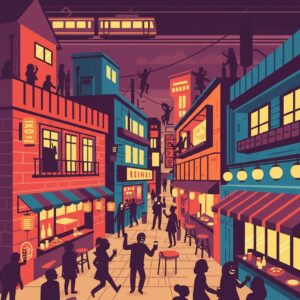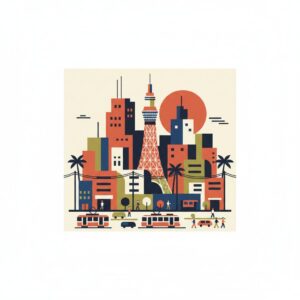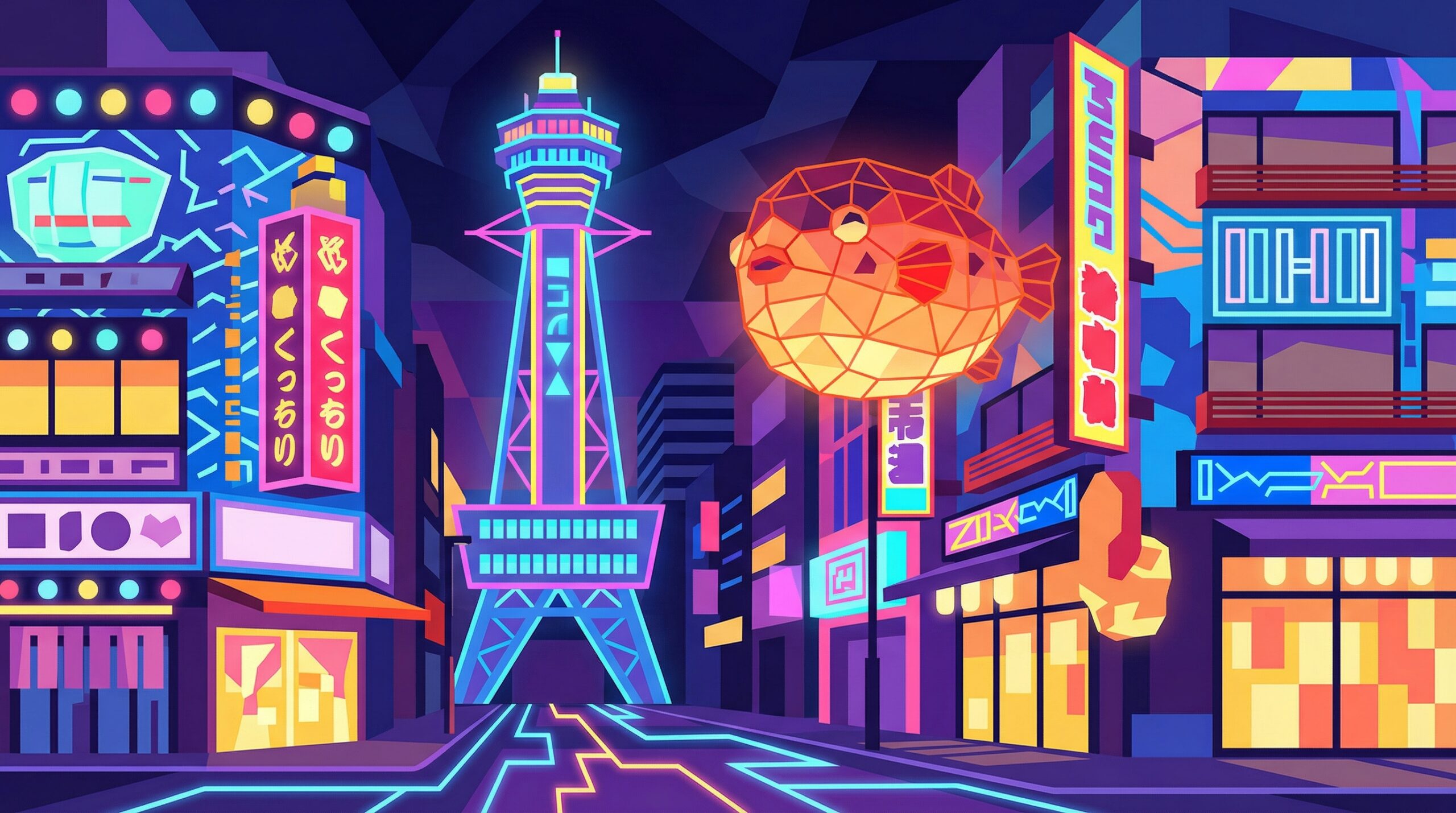
Welcome, fellow traveler, to a corner of Osaka where time doesn’t just pass—it echoes. Shinsekai, which translates to “New World,” is ironically one of the most profoundly nostalgic neighborhoods in all of Japan. Born in the optimism of the early 20th century, it was designed to be a beacon of modernity, a futuristic entertainment district with the Eiffel-inspired Tsutenkaku Tower at its heart and an amusement park that was the envy of the nation. But history, as it often does, had other plans. The district’s glamour faded post-war, and for decades, it simmered in a state of arrested development, becoming a gritty, forgotten cousin to Osaka’s glittering urban centers. Today, that very neglect has become its superpower. Shinsekai is a living, breathing museum of the Showa Era, a riot of saturated color, fried food, and unapologetic character. It’s a place that magnetizes tourists with its photogenic chaos, but what is it truly like to call this vibrant, complicated neighborhood home? For the adventurous soul, the artist, the budget-conscious dreamer, or anyone weary of cookie-cutter city life, living in Shinsekai offers an experience that is as raw and real as it gets. It’s a deep dive into the heart of old Osaka, a city that prides itself on being down-to-earth, a little loud, and fantastically human. Before we unpack the glorious highs and the gritty lows of setting up life under the watchful eye of the Billiken god, let’s pinpoint this pocket of retro-futurism on the map. This is where your potential new life, a story painted in neon and steeped in history, could begin.
While its retro charm is undeniable, Shinsekai also offers a surprising gateway to modern Osaka, including nearby districts like Dotonbori, which is home to some of the city’s best work-friendly cafes.
The Pro: An Unbeatable Vibe of Retro Romanticism
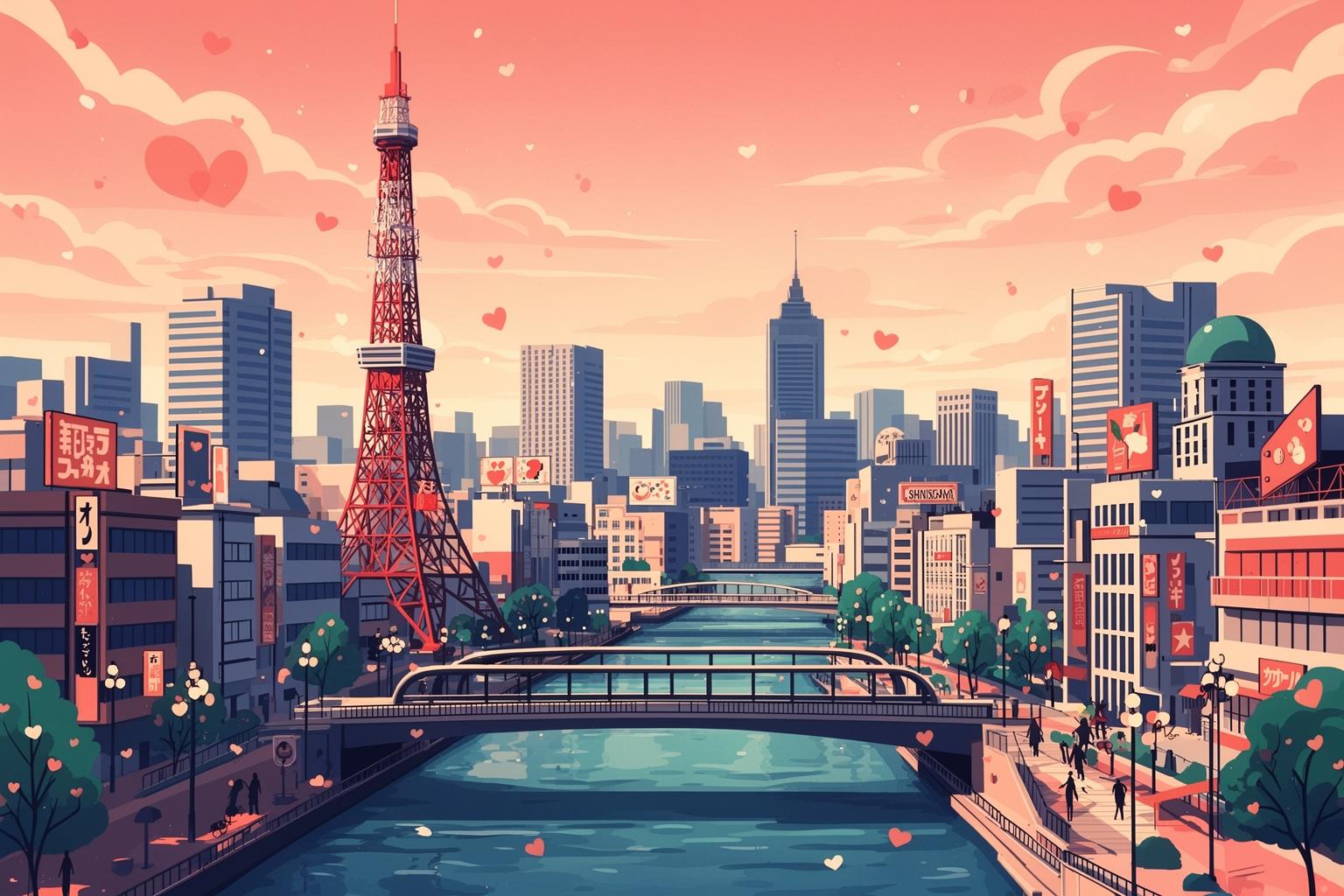
Living in Shinsekai is like residing on a movie set directed by a nostalgic dreamer fond of neon. The undeniable highlight of this neighborhood is its atmosphere. It offers an immersive experience from the moment you emerge from Dobutsuen-mae Station and the modern world fades away. The air itself feels distinct, thick with the aroma of sizzling oil from kushikatsu stalls and the faint, sweet scent of doteyaki stew simmering in large pots. Your soundtrack is a lively mix of cheerful vendor calls, the tinny jingle of pachinko parlors, and the occasional blast of enka music—passionate, traditional ballads—wafting from a dimly lit bar. This isn’t a staged, theme-park version of old Japan; it’s the authentic, weathered, and delightfully chaotic real deal.
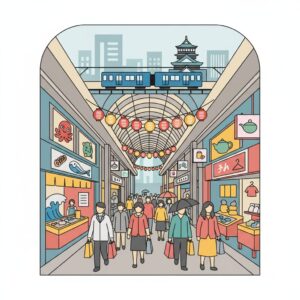
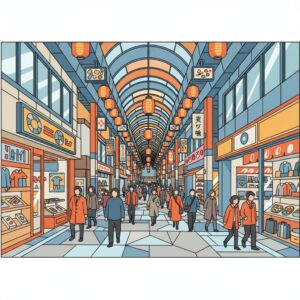
The visual scene is a feast for the eyes. Janjan Yokocho Alley, a narrow covered arcade, serves as a time portal to the 1950s. Here, elderly men gather over shogi boards, their faces focused, the clack of wooden pieces providing a steady rhythm beneath the crowd’s murmur. Tiny eateries, barely wide enough for a single counter, offer steaming bowls of udon and cold mugs of beer to devoted patrons. Every storefront tells a story, with hand-painted signs and faded plastic food models weathered by decades of Osaka’s sun. It’s a paradise for photographers, but for residents, it’s a daily mosaic of human connection and history.
Then there is the main street leading to Tsutenkaku Tower. At night, this avenue transforms into a dazzling stream of light. Massive, three-dimensional signs—a giant fugu lantern, an outsized Billiken statue, a colossal yokozuna wrestler—compete for attention, their lights reflecting off the wet pavement creating a scene reminiscent of a cyberpunk film. Though not as tall as modern skyscrapers, Tsutenkaku Tower holds a special place in the city’s heart. It acts as the neighborhood’s North Star, changing colors with the seasons and serving as a constant, comforting marker. Living here means this iconic view isn’t just a postcard image; it’s the backdrop to your morning coffee and the beacon guiding you home after a night out.
This aesthetic goes beyond the surface. It nurtures a certain lifestyle—slower, more intentional, and less driven by the hectic consumerism that defines much of modern urban life. Most shops are independent, run by families for generations. The community feels tangible. You come to know the takoyaki vendor’s face, the elderly woman at the tobacco stand, and the cheerful owner of your favorite izakaya. This sense of place, living within a story, offers a powerful antidote to the anonymity of a sprawling metropolis. It’s a benefit that can’t be measured in square footage or commute times but is felt in the deep sense of belonging to somewhere truly unique.
The Pro: Your Wallet Will Thank You Profusely
Let’s discuss one of the most compelling reasons to consider Shinsekai: its cost of living. In a country known for high expenses and in a major city like Osaka, Shinsekai stands out as an exceptional bastion of affordability. This isn’t just about inexpensive souvenirs for tourists; it applies to the essential costs of everyday life, from rent and groceries to a night out. For students, artists, young professionals, or anyone looking to stretch their yen further without giving up a central location, this neighborhood is truly a revelation.
First and foremost is housing. Rent in the Naniwa ward, where Shinsekai is located, is considerably lower than in trendier districts like Chuo, Kita, or Nishi. While a small, modern studio apartment in a fashionable area such as Horie or near Umeda can be quite costly, Shinsekai and its surrounding streets offer much more spacious — though older — apartments at a fraction of the price. These are classic Japanese-style apartments, sometimes featuring tatami mat rooms, providing character and space unattainable elsewhere for the same cost. Although the buildings might lack sleek, modern amenities—no auto-lock systems or fancy delivery boxes—you’ll have a comfortable home base with more budget left to enjoy the city.
Then there’s the food. Shinsekai is the unrivaled kingdom of “B-kyu gurume,” or “B-class gourmet,” celebrating delicious, unpretentious, and affordable cuisine. The neighborhood’s signature dish, kushikatsu (deep-fried skewers of meat, seafood, and vegetables), is famously inexpensive. A satisfying meal with a drink can easily cost under 1,500 yen. But it doesn’t stop there. You can find hearty bowls of kitsune udon for a few hundred yen, savory doteyaki for a similar price, and bento boxes from local shops that are both filling and very affordable. This makes dining out not a luxury, but a regular, accessible part of life.
Groceries are another area where you’ll notice significant savings. The neighborhood is home to one of Osaka’s iconic supermarkets: Super Tamade. Instantly recognizable by its bright, neon-lit facade that rivals a pachinko parlor, Super Tamade is famous for its rock-bottom prices. Shopping there is an experience in itself, with a unique jingle playing on repeat and a chaotic, treasure-hunt-like atmosphere. While it may lack the extensive selection of imported goods found in luxury grocers, for everyday staples, produce, meat, and fish, it’s a total game-changer for your budget. Living here means your daily expenses are much lower, freeing up income for travel, hobbies, or savings.
Entertainment also comes at a lower cost. Forget about a ten-thousand-yen night out. In Shinsekai, you can enjoy a fantastic time hopping between standing bars (tachinomi) where a beer and a small dish might cost less than a cup of coffee elsewhere. The local movie theater screens classic films, there are retro arcades, and one of Japan’s oldest and largest public bath complexes, Spa World, is right nearby, offering an affordable yet luxurious way to unwind. The affordability of Shinsekai is not merely practical—it’s central to its identity. It’s a neighborhood that believes a good life—full of good food, good company, and good times—should be available to everyone, not just the wealthy.
The Con: Navigating the Gritty Reality and Reputation
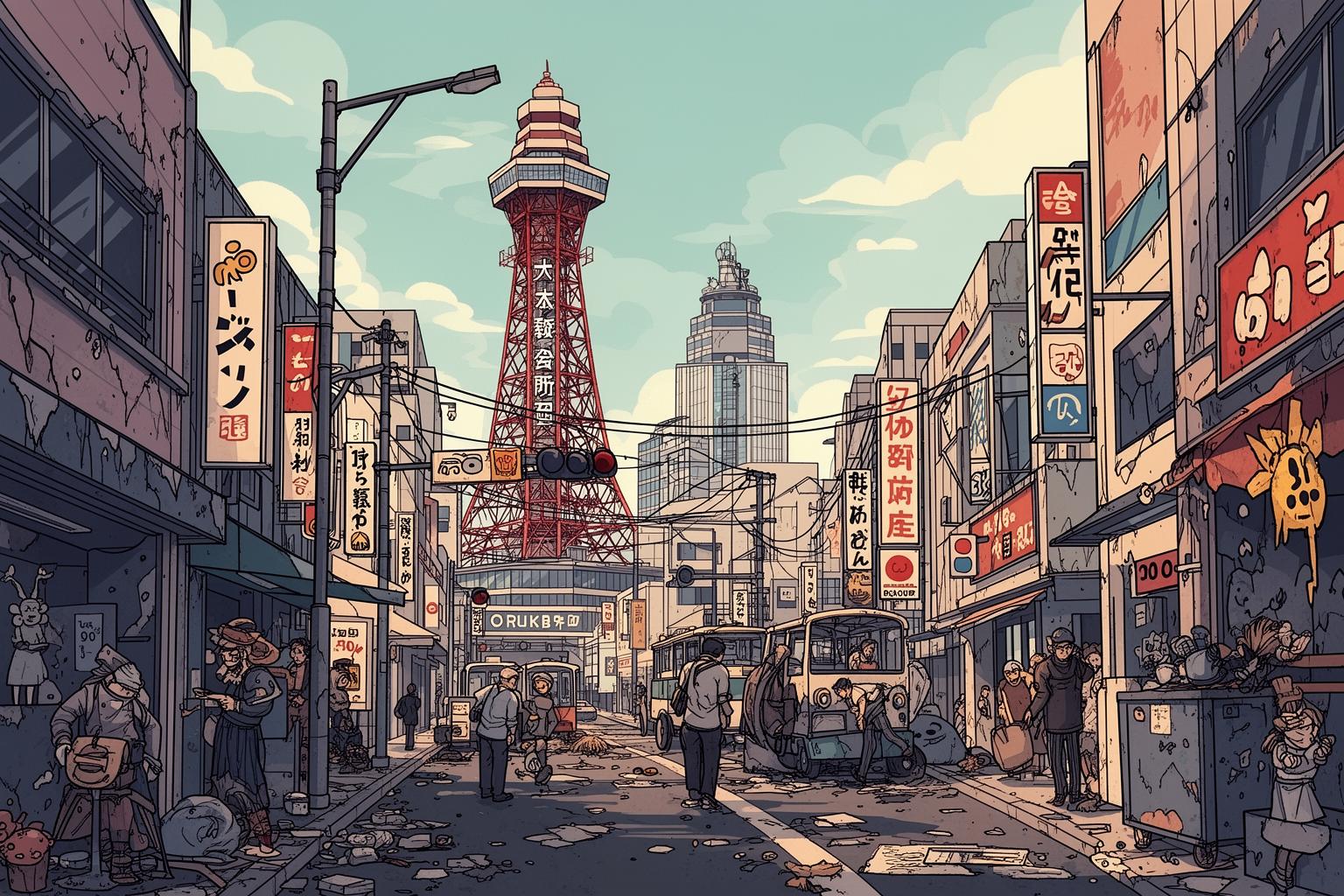
Now, we must consider the other side of the story. Despite its nostalgic appeal and affordability, Shinsekai carries a reputation that can be a considerable concern for potential residents, particularly those new to Japan. It’s important to address this topic with honesty and subtlety. The neighborhood’s roughness is part of its character, but it also arises from complex socio-economic issues that residents experience more deeply than tourists.
The key factor is Shinsekai’s close proximity to the Airin district (also known as Kamagasaki), an area historically associated with a large population of day laborers and homeless individuals. While this district has its own community support systems, its history of poverty and occasional unrest has cast a lasting shadow over the surrounding area, including Shinsekai. As a resident, you will witness this reality firsthand. You will encounter elderly men gathering in the early mornings and see people sleeping rough in parks and underpasses. For some, this aspect of daily life can be confronting and uncomfortable, especially if they are unprepared.
This brings us to the question of safety. Is Shinsekai dangerous? The answer isn’t a straightforward yes or no. Compared to major cities in the U.S. or Europe, Japan overall is incredibly safe, and Shinsekai is no exception in that regard. Violent crime is very rare. However, the atmosphere can feel more intimidating than other parts of Osaka, especially at night and in quieter backstreets away from the main tourist spots. The area has a higher concentration of people struggling with addiction and mental health challenges, which can sometimes lead to unpredictable public behavior. As a female resident, I’ve found it necessary to be more aware of my surroundings than, say, in a quiet residential neighborhood. This means sticking to well-lit main streets after dark, being mindful of those nearby, and perhaps avoiding walking alone late at night in certain adjacent areas. While I have never personally felt directly threatened, the mental burden of constant vigilance can be a significant drawback for many.
The physical environment adds to this impression. Shinsekai is not immaculate. Many buildings are old and visibly aged. Though the streets are generally free of litter, they can feel grimy. There’s an element of urban decay that sharply contrasts with the hyper-modern, spotless image many hold of Japan. Some may find beauty in this worn aesthetic, but others might see it as depressing or unsanitary. Here, you won’t encounter the manicured gardens or immaculate sidewalks typical of more affluent neighborhoods.
Lastly, the area’s transient nature, with its mix of tourists, day laborers, and late-night partygoers, means it often lacks the quiet, stable community atmosphere some seek. The noise from 24-hour restaurants, pachinko parlors, and the constant hustle of this entertainment district can be unrelenting. For light sleepers or those who prioritize peace and quiet, living directly within Shinsekai’s core may prove difficult. It’s a neighborhood that is perpetually active, and while that energy can be thrilling initially, it may become exhausting over time. This gritty reality is the cost of Shinsekai’s charm and affordability—one that not everyone is willing or able to accept.
The Pro: An Unrivaled Hub for Food and Connectivity
Beyond the neon lights and affordable living, Shinsekai offers two remarkably practical benefits that elevate it from a quirky curiosity to an excellent place to live: its culinary scene and strategic location. These advantages shape your daily life, making it not only interesting but also highly convenient.
First, let’s celebrate the food in more detail, because living in Shinsekai means living at the heart of Osaka’s culinary spirit. The city’s unofficial motto is kuidaore, roughly meaning “eat until you drop,” and Shinsekai stands as its grand temple. We’ve mentioned the famous kushikatsu, and it bears repeating what a central part of life this is. As a resident, you’ll soon move beyond the popular, tourist-filled spots like Daruma and discover your own favorite local hangouts. You’ll notice the subtle differences in batter (light and crispy vs. thick and hearty), the secret spices in the dipping sauce, and which venues serve the freshest seasonal vegetables. You’ll also learn the cardinal rule—nidozuke kinshi, or “no double-dipping” in the communal sauce pot—and feel a sense of belonging as you deftly place your order.
But the culinary scene is much richer than just fried skewers. You’ll find stalls offering some of the city’s best doteyaki, a rich, savory stew of beef sinew and konjac jelly slowly simmered in miso and mirin until tender. There are iconic fugu (pufferfish) restaurants, like the famed Zuboraya with its giant paper lantern, providing a thrilling (yet perfectly safe) dining experience. You’ll discover rustic udon shops where noodles are handmade, and takoyaki stands with octopus so fresh it’s hard to believe. The neighborhood is also dotted with old-school kissaten, traditional Japanese coffee shops featuring velvet armchairs and siphon coffee, ideal for a quiet afternoon of reading. Living here means you’re never far from an authentic, delicious, and affordable meal. It spoils you, and soon the food options elsewhere will seem pale compared to the variety and quality right at your doorstep.
Equally important is Shinsekai’s exceptional connectivity. It serves as a transport hub making travel around Osaka and the wider Kansai region effortless. The area is served by multiple train and subway lines from several nearby stations. Dobutsuen-mae station connects you to the Midosuji Line, Osaka’s main subway artery, linking you directly to key hubs like Tennoji, Namba, Shinsaibashi, and Umeda within minutes. It also offers access to the Sakaisuji Line, providing easy routes to places like Nipponbashi (Den Den Town) and Kitahama. A short walk brings you to Shin-Imamiya station, a major junction for the JR Loop Line circling the city center and the Nankai Line, which offers a direct, affordable, and fast connection to Kansai International Airport (KIX). This convenience is a huge plus for frequent travelers.
This central location means that while you live in a place with its own unique character, you’re never isolated. You can reach Namba nightlife within five minutes, shop in the upscale department stores of Umeda in fifteen, or explore the cultural landmarks of Tennoji on foot. Tennoji Park, Tennoji Zoo, and the Osaka City Museum of Fine Arts are practically your backyard, offering a green refuge from the city’s density. This blend of being distinct yet connected is Shinsekai’s secret strength. It lets you enjoy a unique, relaxed lifestyle without ever feeling cut off from the wider city’s opportunities and excitement. You truly get the best of both worlds.
The Con: A Lack of Modern Comforts and Conveniences
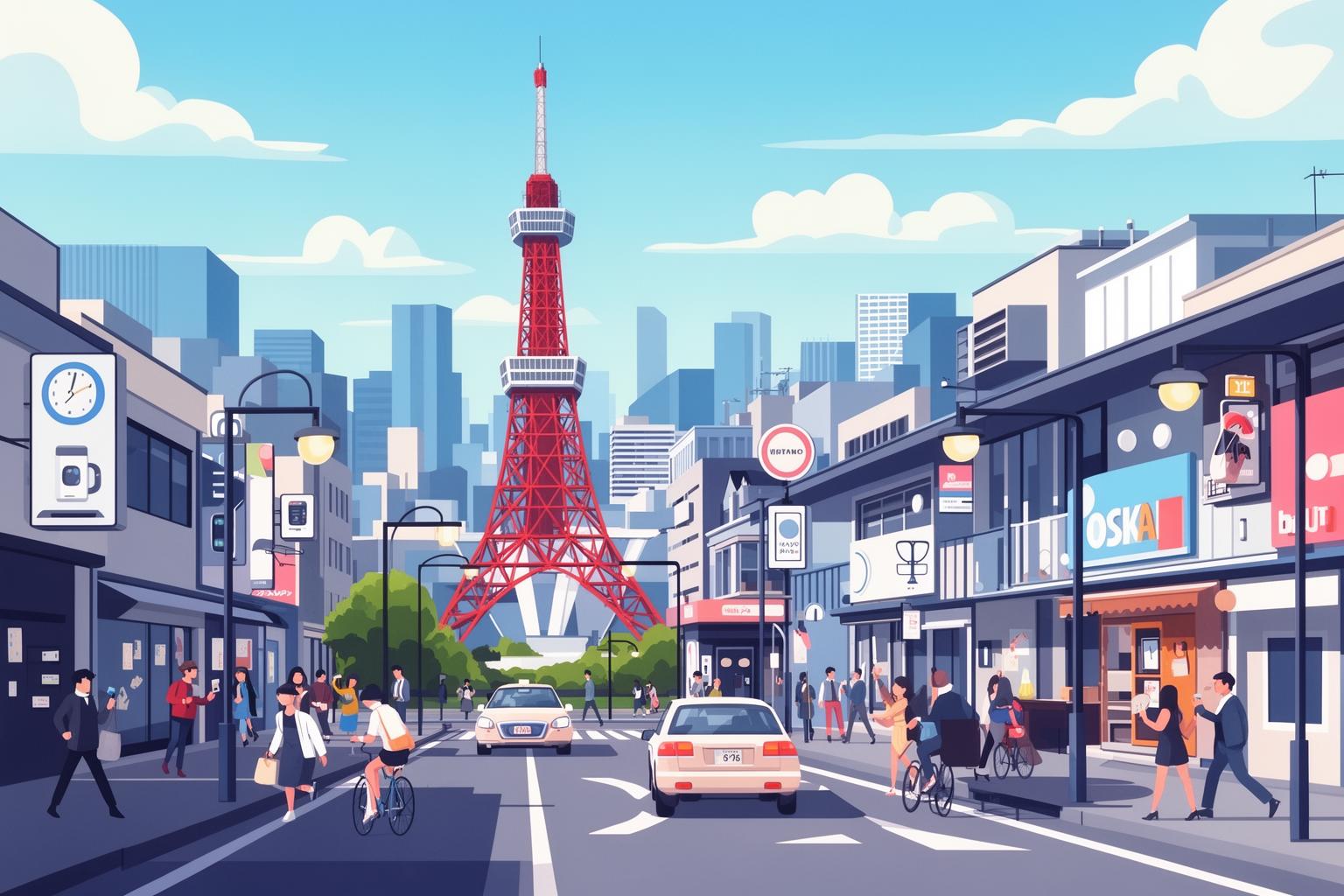
While the old-world charm of Shinsekai is a major attraction, the downside is that the neighborhood noticeably lacks the modern conveniences and creature comforts many expats and contemporary city dwellers often expect. This isn’t a place filled with sleek condominiums, artisanal coffee shops, or organic grocery stores. Its strong resistance to gentrification is central to its identity, yet this can result in everyday inconveniences that wear on you over time.
Let’s begin with shopping. Super Tamade impresses with its affordability for basic groceries, but choices for specialty items are limited. If you’re seeking high-quality imported cheeses, a broad selection of international wines, or organic, farm-to-table produce, you will likely need to travel to another area. There are no large, modern shopping malls within walking distance, nor the trendy boutiques and lifestyle stores found abundantly in neighborhoods like Horie or Shinsaibashi. Your daily errands will often involve a short train ride, which can be inconvenient when all you want is a quick pickup on your way home.
Similarly, fitness and wellness options are sparse. You won’t find many modern, 24-hour gyms with up-to-date equipment, nor numerous yoga or Pilates studios. Spa World’s vast complex offers excellent bathing facilities and a basic gym, but it caters more towards leisure and tourism than regular fitness routines. To maintain a daily workout, commuting to a gym in Tennoji or Namba is often necessary, adding extra time and cost to your schedule.
The housing options, though affordable, present their own challenges. Most apartments are in older buildings, often meaning poorer insulation, which makes them colder in winter and hotter in summer, leading to higher utility bills. They may have outdated plumbing, slower internet, and lack modern security features like video intercoms or automated entry systems. While many buildings are safe and functional, they don’t offer the polish or reassurance typical of new construction. Finding a newly built apartment in central Shinsekai is nearly impossible; you’ll need to search on the neighborhood’s outskirts.
The overall environment isn’t especially family-friendly by typical standards. Although Tennoji Park and Zoo are nearby, the immediate area lacks quiet parks, playgrounds, and community centers common in more residential, family-oriented parts of Osaka. The streets are often crowded, and the atmosphere—focused on drinking and late-night entertainment—may not be ideal for raising young children.
This absence of modern conveniences is a trade-off. You choose to live in a place rich with history, character, and culture, but you also give up the ease and comfort found in more developed neighborhoods. For some, this sacrifice is worthwhile, a small price for the unique experience of residing in Shinsekai. For others, however, the cumulative impact of these minor inconveniences—the need to travel for certain groceries, limited facilities, and older apartment infrastructure—can overshadow the neighborhood’s charm, making long-term living challenging. It’s a key consideration when deciding whether this vibrant, anachronistic corner of Osaka is truly the right home for you.
Finding Your Place in the New World
So, you’ve weighed the sparkling pros against the rough cons, and the electric hum of Shinsekai still calls your name. How do you shift from being an intrigued visitor to a settled local? The secret is to tune into the neighborhood’s rhythm and uncover its hidden gems. Living here means embracing its old-school lifestyle and exploring the treasures that lie just beyond the tourist spots.
Your first move is to find your favorite local hangouts. Wander down Janjan Yokocho and the nearby side streets to discover your kushikatsu joint. It might not be the busiest, but it will be the one where the owner greets you warmly. Find your kissaten, a quiet refuge where you can unwind with a good book and a perfectly brewed coffee. Seek out the neighborhood sento (public bathhouse), an essential part of community life and a wonderfully refreshing ritual. These small, repeated encounters are how you cultivate belonging and weave yourself into the neighborhood’s fabric.
Get familiar with the local geography of everyday life. While there’s no upscale grocer, small, family-run fruit and vegetable stands offer incredibly fresh, seasonal produce. Local butchers and fishmongers provide better quality and knowledgeable advice than any chain supermarket. Learn to navigate the vast, semi-underground shopping arcade connecting Dobutsuen-mae to Tennoji, where you can find all sorts of household goods and bargain clothing. This is where the true life of the neighborhood unfolds, away from the bright glare of Tsutenkaku Tower.
Embrace the people. The residents of Shinsekai are largely friendly, down-to-earth, and full of the quintessential Osaka spirit of warmth and humor. They’re accustomed to outsiders but appreciate those who make an effort. A simple “Konnichiwa” or “Otsukaresama” to a shopkeeper goes a long way. Don’t hesitate to strike up a chat at a tachinomi bar. The locals have incredible stories, and sharing a drink and a laugh is the quickest way to feel part of the community.
Finally, remember that Shinsekai is not a static museum; it’s a neighborhood in motion. While it fiercely preserves its past, it’s also evolving. New, independent art galleries are emerging in its backstreets. Younger entrepreneurs are opening stylish, retro-themed bars and cafes that honor the area’s heritage while injecting fresh energy. Living here means witnessing this transformation firsthand. You’re not just a resident of a neighborhood; you’re a participant in its ongoing story.
Choosing to live in Shinsekai means prioritizing character over comfort, soul over sleekness, and community over convenience. It’s for those who find beauty in imperfection, hear music in the chaos, and believe a city’s heart lies not in its gleaming skyscrapers but in its most well-worn, well-loved streets. If that sounds like you, welcome home. You’ve found your New World.