The sterile hum of the supermarket fluorescent lights, the perfectly polished but flavorless apples stacked in flawless pyramids, the silent, transactional beep of the self-checkout machine. If you’re living in Osaka, you know this scene. You also know the feeling of your jaw dropping just a little when you see the final tally on your grocery receipt. This city is a whirlwind of energy, a feast for the senses, but man, those supermarket bills can hit your wallet like a ton of bricks. But what if I told you there’s another way? A path that leads not just to a heavier wallet, but to a richer, more vibrant, and ridiculously delicious life in this city. Forget the pristine aisles and the pre-packaged perfection. It’s time to dive headfirst into the glorious, chaotic, and unbelievably affordable world of the shotengai.
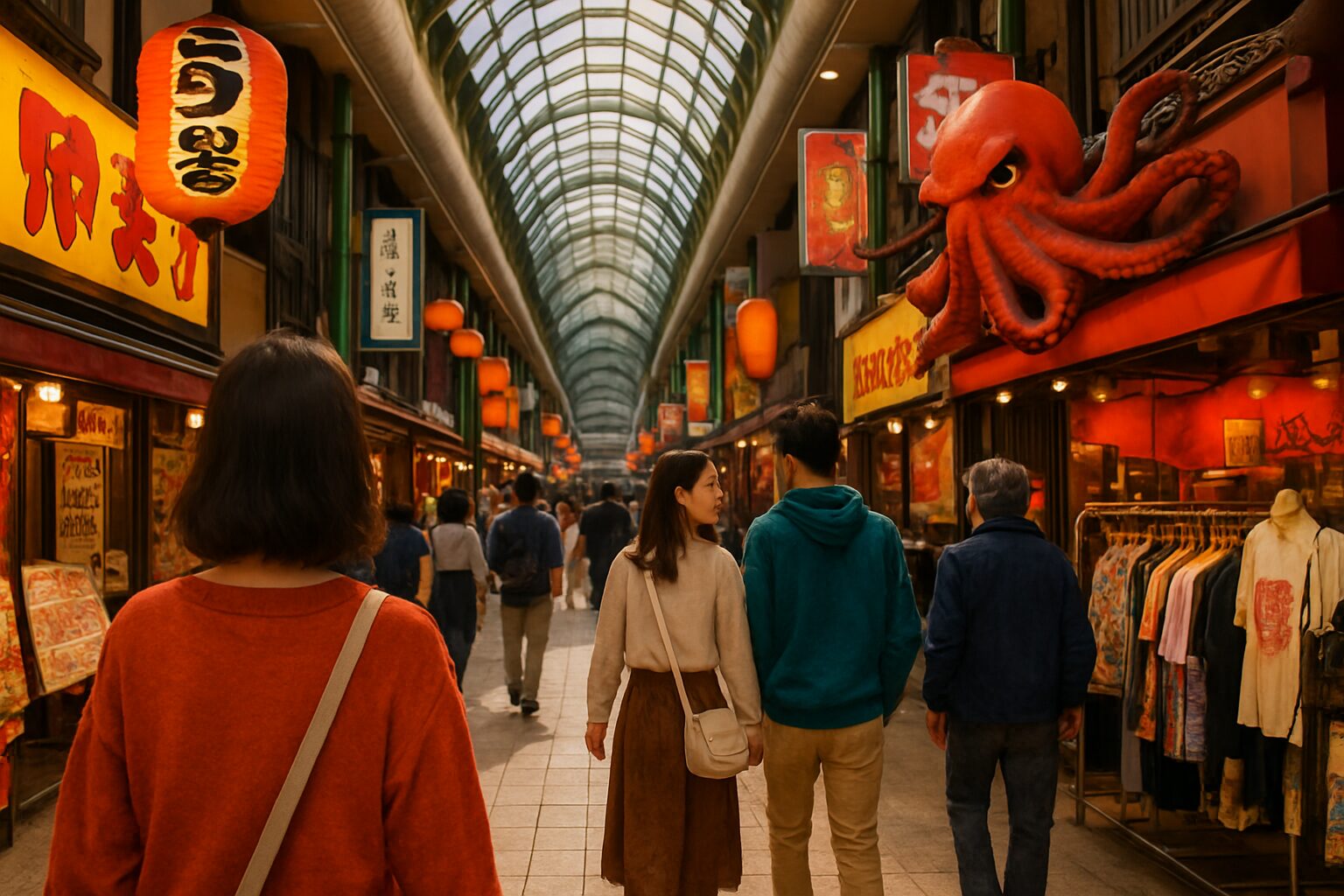
What is a shotengai? In simple terms, it’s a shopping arcade or street, often covered, lined with small, independent, family-run shops. But that definition is criminally understated. A shotengai is the thumping, beating heart of a neighborhood. It’s a symphony of sounds—the rhythmic chop of a butcher’s knife, the cheerful, booming calls of a vegetable vendor announcing his daily specials, the sizzle of freshly fried croquettes, the laughter of old friends catching up over a cup of tea. It’s a tidal wave of smells—the briny tang of fresh seafood on ice, the earthy aroma of daikon radishes and burdock root, the sweet perfume of seasonal strawberries, the savory smoke wafting from a yakitori stand. This isn’t just shopping; it’s an experience. It’s where the real soul of Osaka lives and breathes, and it’s your secret weapon for conquering the high cost of living while eating like royalty.
To truly immerse yourself in the local community beyond the shotengai, consider exploring the unique social customs of an Osaka sento.
The Shotengai Philosophy: More Than Just a Market

You sense the change the moment you step out of the train station and pass under the archway of a genuine local shotengai. The atmosphere shifts. The pace quickens, yet somehow feels more personal. This isn’t the cold, calculated efficiency of a corporate grocery chain. This is a living ecosystem, a community center pulsing with what Osakans call the naniwa spirit—a unique mix of practicality, humor, warmth, and straightforwardness. Supermarkets are designed for you to get in, spend money, and leave with minimal human contact. A shotengai is designed for connection. It thrives on relationships, built on the daily interactions between shopkeepers and residents who have been buying their tofu, fish, and vegetables from the same families for generations. The atmosphere is everything, inviting you in not just as a customer but as part of the neighborhood’s fabric.
At the heart of this philosophy is an unwavering dedication to freshness and seasonality. While a supermarket might offer strawberries in December, shipped from halfway across the world at a steep price, the shotengai follows a different rhythm—the rhythm of nature. The vegetable stalls, the yaoya, form a vibrant, ever-changing display of what’s best right now. In spring, stalls brim with tender bamboo shoots (takenoko), bright green snap peas, and sweet new onions. Summer brings heavy, sun-ripened tomatoes, shining eggplants, and juicy watermelons piled high like cannonballs. Autumn delivers a bounty of sweet potatoes, kabocha squash, and a rich variety of mushrooms. Winter calls for hefty daikon radishes, leafy napa cabbage perfect for hot pots, and countless bags of sweet, tiny mikan oranges. Shopping this way isn’t just more affordable; it’s a more intuitive, flavorful way to eat. You’re not simply buying ingredients; you’re participating in the seasonal cycle, and your cooking naturally becomes more creative and delicious as a result.
But perhaps the most magical aspect of the shotengai is the human element. Prepare to meet the oyaji (the old man/shop owner) and the obachan (the old woman/shop owner). These aren’t minimum-wage workers stocking shelves. They are masters of their trade. The butcher at the nikuya has likely been expertly cutting meat since his youth. The fishmonger at the sakanaya can tell you exactly where that sea bream was caught this morning and the ideal way to prepare it. The woman running the tofu shop carries a family recipe for her silky tofu that’s been passed down for fifty years. They offer advice freely. They’ll teach you how to select the best melon. They’ll recommend which cut of pork is perfect for tonkatsu. And then there’s the beautiful, unwritten rule of omake—a little something extra. Buy a few apples, and the obachan might slip another one into your bag with a wink and a smile. Buy some minced meat, and the butcher may round down the price. This isn’t a corporate loyalty program; it’s a genuine gesture of gratitude, a small kindness that strengthens the bond between seller and buyer. You won’t get omake at a self-checkout machine. This human connection is an invaluable part of the experience, turning an ordinary errand into a truly pleasant and enriching moment in your day.
Decoding the Deals: How to Actually Save Money
Alright, let’s cut to the chase and focus on the crucial details—the fantastic deals that will give your wallet a much-needed break. While cultural immersion is wonderful, the primary goal is to drastically reduce your grocery expenses, and this is where the shotengai truly excels. It’s a lesson in value, but you need to understand where to shop and how the system operates. It’s not about doing one weekly shop; it’s an ongoing pursuit for the best bargains across a range of specialized vendors.
Produce Heaven: The Yaoya
Your first destination, and arguably the biggest help to your budget, is the yaoya, the greengrocer. Here, the price gap between a shotengai and a supermarket is most striking. Skip past the perfectly uniform, plastic-wrapped veggies in supermarkets and immerse yourself in the vibrant, abundant chaos of a shotengai yaoya. Produce is stacked high in baskets and wooden crates, with prices scribbled on cardboard signs. A large daikon radish that might cost over 300 yen at an upscale supermarket can often be had for just 100 yen. A whole cabbage for your okonomiyaki? 150 yen. A bag of five large green peppers? 100 yen. These prices may seem almost unbelievable at first. The secret lies in seasonality. When produce is in season, there’s an oversupply, and prices drop sharply. You learn to cook with whatever is cheap and plentiful, which conveniently also happens to be at its tastiest.
Don’t shy away from fuzoroi, the “imperfect” produce. These are cucumbers with odd shapes, carrots that grew oddly, or tomatoes with minor blemishes. They taste just like the perfectly shaped ones but come at a significant discount. This is a philosophy of minimizing waste and pure practicality, something supermarkets with their strict cosmetic standards have abandoned. Watch for handwritten signs, listen to vendors shouting out specials, and stay flexible. Perhaps you planned a dish with asparagus, but spinach is on a huge discount instead. Adapt, improvise, and watch your savings add up.
The Butcher, the Baker, the Tofu Maker: Specialty Shops Take the Lead
Once your bag is brimming with vegetables, it’s time to visit the specialists. The nikuya (butcher shop) is worlds apart from sad, pre-packaged trays of meat under plastic wrap. Here you see large cuts of meat and can request exactly what you want. Need 150 grams of thinly sliced pork for ginger pork (shogayaki)? No problem. Looking for a particular cut of beef for stew? The butcher will not only cut it for you but likely suggest the best option. Often, the quality is better and the price per gram is lower than at supermarkets. The secret weapon at the nikuya? The deli case. Most butchers prepare korokke (potato and meat croquettes), menchi katsu (minced meat cutlets), and crispy chicken karaage on-site. These are incredibly cheap, delicious, and perfect as a lunch or easy dinner addition. One hearty korokke for 80 yen truly can change your day.
The sakanaya (fishmonger) is another cornerstone of shotengai savings and quality. The first thing you notice is the fresh, salty scent of the sea. The fish is displayed on ice beds, whole and shining. Here you get the best deals on seasonal fish. In autumn, a whole Pacific saury (sanma) might only cost 100 yen. The real value, though, is in the service. Unsure how to prepare a whole fish? The fishmonger will gut, scale, and fillet it for you in moments, free of charge. They’ll prepare it sashimi-style, for grilling, or simmering. This level of care, unheard of in typical supermarkets, makes cooking fresh fish accessible to everyone.
Don’t forget the smaller, even more specialized shops. The tofuya sells tofu likely made just hours before you purchased it. The texture and flavor are a revelation compared to supermarket mass-produced, watery blocks. You can find silken tofu, firm tofu, fried tofu puffs (aburaage), and thick fried tofu (atsuage). Many also offer fresh, rich soy milk (tonyu), an absolute delight. Then there’s the tsukemonoya, the pickle shop, a colorful array of flavors from simple pickled cabbage to intricately flavored daikon. These are essential, flavor-packed elements of a traditional Japanese meal, and buying from specialists ensures top quality at a fair price.
The “Time Sale” Advantage
Now for an advanced shotengai tactic: the taimu seru (time sale). As the day winds down, usually an hour or two before closing, the energy in the shotengai intensifies. Shops with perishable goods—fresh fish, prepared foods, vegetables, tofu—need to clear their remaining stock. That’s when vendors’ voices grow louder and their calls more urgent. “Saa, dou desu ka! Yasui yo!” (Come on, how about this? It’s cheap!). You’ll see them quickly packing items and slapping on steeply reduced prices. A tray of sashimi priced at 800 yen might drop to 500 or even 300 yen in the last half hour. A pack of three fish ready for grilling could fall from 600 to 400 yen. Prepared dishes at the sozai-ya (deli) are often bundled for a flat 500 yen. This is a prime moment for savvy shoppers. It’s an exciting, fast-paced game of bargain hunting. If you remain flexible about dinner choices, you can eat like royalty for next to nothing by mastering the evening time sale.
A Grand Tour of Osaka’s Must-Visit Shotengai
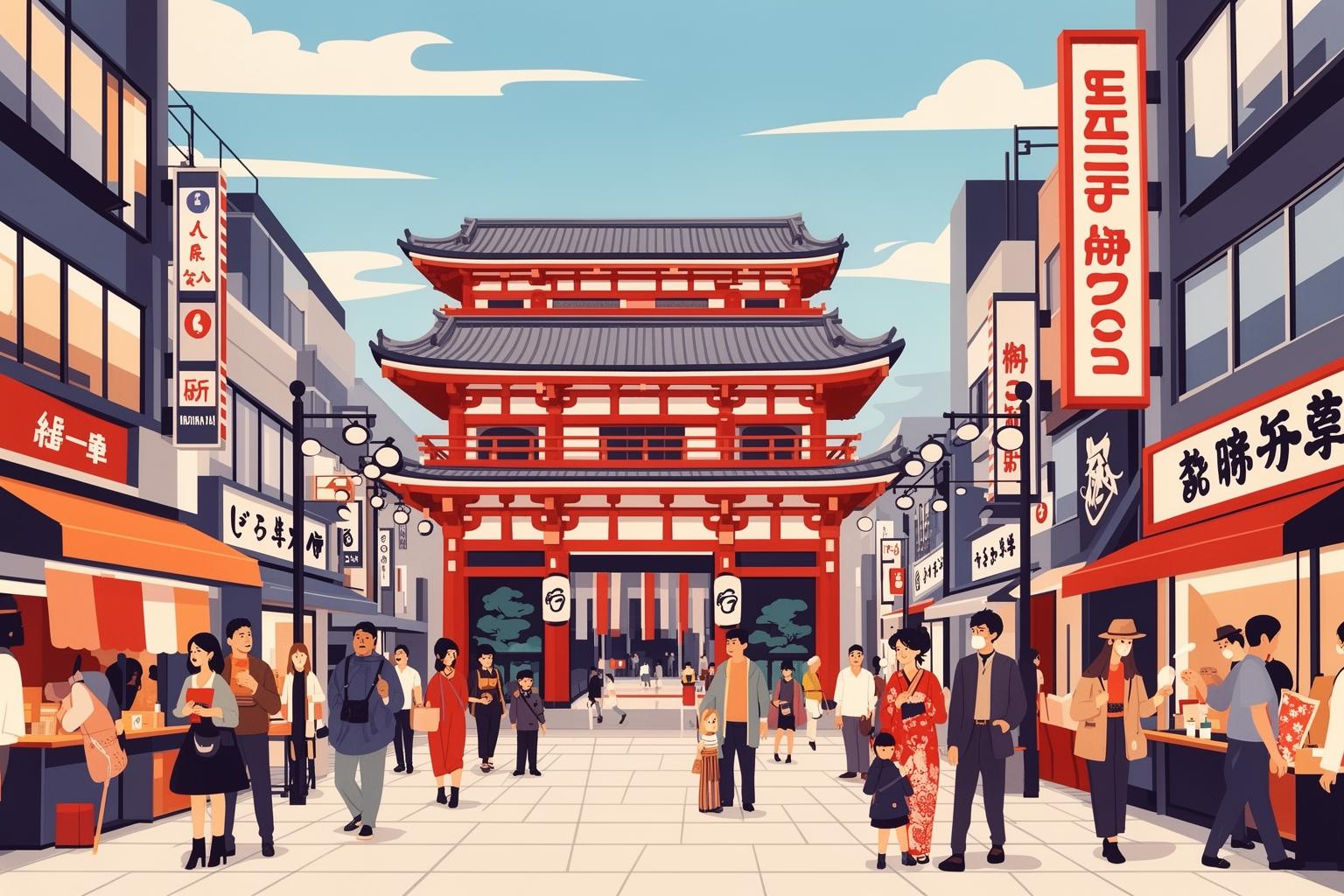
Osaka is a city filled with shotengai, each boasting its own distinct character and specialty. Exploring them is like discovering the various neighborhoods of the city. While nearly every residential station features its own small arcade, a few legendary shotengai are essential for every local to visit in order to fully appreciate this remarkable shopping culture.
Tenjinbashisuji Shotengai: Japan’s Longest Arcade
Stretching an impressive 2.6 kilometers and spanning three subway stations (Tenjinbashisuji 6-chome, Ogimachi, and Minami-morimachi), Tenjinbashisuji is the undisputed king of Japanese shotengai. Strolling its entire length is an adventure in itself—an afternoon well spent. The atmosphere is a dizzying and delightful blend of everything. You’ll find century-old tea merchants alongside trendy new cafes. There are extremely affordable clothing stores, dusty bookshops, bustling pachinko parlors, and an overwhelming number of food vendors. For grocery shopping, its vast scale is the major advantage. Instead of just one yaoya or nikuya, there are dozens. This makes for excellent comparison shopping. One vegetable stall may have great deals on mushrooms, while another a block away offers excellent prices on tomatoes. You can pick the best of the best. The competition keeps prices low and quality high. A must-visit spot in the arcade is Nakamura-ya, famous for its delicious and cheap beef croquettes that always attract a line. Tenjinbashisuji is more than just a shopping street; it’s a vibrant, sprawling cross-section of Osaka life, an endlessly fascinating place to get lost in.
Kuromon Ichiba Market: Osaka’s Kitchen
Known fondly as “Osaka’s Kitchen,” Kuromon Ichiba in the Nippombashi area carries a different vibe. In recent years, it has become a major tourist destination, and the atmosphere reflects that. It’s busier, more polished, and admittedly pricier for casual street food shoppers. However, dismissing it as a tourist trap would be a huge mistake. Its reputation was built on an unwavering dedication to quality. This is where many of Osaka’s top chefs source their ingredients. The focus here is on premium, spectacular foods, especially seafood. You’ll see glistening cuts of fatty tuna (otoro), huge scallops grilled live with butter and soy sauce, and trays of vibrant orange sea urchin (uni). Although buying full meals here can be costly, locals know the real value lies in purchasing these top-notch ingredients to cook at home. A block of high-quality sashimi tuna is still significantly cheaper here than in a department store food hall. Amidst the flashy seafood vendors, you’ll also find excellent fruit stalls and butchers who have served the community for decades. Visit early in the morning to witness its most authentic side, as local restaurant owners negotiate for the day’s best catch.
Juso Fureai Dori & Hommachi Shotengai: The Ultra-Local Experience
For a step back in time and a glimpse of a shotengai untouched by tourism, visit the gritty, lively Juso neighborhood, just a short train ride from Umeda. The shotengai here, including Juso Fureai Dori and Hommachi Shotengai, are the genuine article. The atmosphere evokes Showa-era Japan—rough around the edges, unapologetically local, and full of character. Here, you’ll find some of the city’s absolute lowest prices. The focus is on daily necessities for the working-class residents. Vegetable stands are piled high with no-frills produce at rock-bottom prices. The sozai-ya (delis selling prepared foods) are lifesavers, offering a wide variety of home-style Japanese dishes for just a few hundred yen per pack. You’ll find shops devoted solely to kamaboko (fish cakes) of all shapes and sizes, and tiny stalls making fresh takoyaki that rivals famous tourist spots. English is rare here, but a smile, a gesture, and a polite nod go a long way. This is raw, authentic Osaka—where the heart of the city’s bargain-hunting spirit beats strongest.
Koreatown (Miyukimori Shotengai in Tsuruhashi)
For a completely different taste, take the JR Loop Line to Tsuruhashi and dive into the lively energy of Koreatown. The main arcade, Miyukimori Shotengai, and surrounding market streets offer a sensory overload in the best sense. The air is thick with the pungent, spicy aroma of kimchi and the savory smoke of grilled meat. This is your one-stop destination for all things Korean cuisine. The variety of kimchi here is astounding—dozens of shops each with their own family recipes, offering everything from classic cabbage kimchi to pickled squid and radish. You can buy kimchi by the kilogram for a fraction of the supermarket price. This area also offers premium meat, specially cut for yakiniku (Korean BBQ), along with specialty ingredients like gochujang, Korean chili flakes, fresh perilla leaves, and a wide range of Korean instant noodles and snacks. Exploring Tsuruhashi is not just grocery shopping; it’s a cultural and culinary journey that will inspire you to broaden your home cooking in exciting new ways.
Mastering the Art of Shotengai Shopping
Navigating a bustling shotengai for the first time might feel a bit intimidating, but with a few tips and the right mindset, you’ll be shopping like a local pro in no time. It’s less about strict rules and more about embracing the rhythm and etiquette of this unique environment.
First and foremost, bring cash. While digital payments are becoming more common, the shotengai still depends on the crispness of yen notes and the jingling of coins. Many small, family-run stalls accept cash only. Having a mix of coins and small bills makes transactions quick and easy, and vendors greatly appreciate it. Second, bring your own bag. Not just one, but maybe several. A sturdy tote or a small rolling cart is commonly seen here. You’ll be purchasing from multiple shops, and bags aren’t always provided—or they may charge a small fee. Being prepared is both eco-friendly and practical.
Timing is everything. For the best selection, especially fresh fish, visit in the morning when the stalls are fully stocked and the energy is vibrant. If you want to avoid crowds, try a weekday afternoon. And if snagging the best bargains is your goal, the hour before closing is your golden opportunity for “time sales.” Each time offers a different experience, so try them out and see what suits you best.
One of the most important tips is to walk the entire length of the arcade before making any purchases. Don’t jump on the first deal you spot. Take a lap, survey your options, and mentally note prices at different stalls. One yaoya may offer great prices on carrots, while another at the far end might have cheaper onions. This bit of reconnaissance ensures you get the best value for your money.
A little Japanese goes a long way. You don’t need to be fluent, but knowing a few key phrases makes the experience smoother and more enjoyable. “Kore kudasai” (This one, please), while pointing, is your go-to phrase. “Ikura desu ka?” (How much is it?) is essential. And a sincere “Arigatou gozaimasu” (Thank you very much) when leaving is always met with a smile. The vendors are generally friendly and patient, especially when they see you’re making an effort.
Lastly, a word on etiquette. Unlike Western supermarkets, you generally don’t handle the produce yourself. Fruits and vegetables are often artfully arranged. Instead of grabbing that perfect tomato, point to it and let the owner select and bag it for you. This shows respect for their products and hard work. Above all, embrace the chaos. It will be crowded. It will be noisy. People will stop mid-walkway to chat. Don’t get frustrated. Slow down, go with the flow, and soak in the atmosphere—it’s all part of the fun.
Beyond the Groceries: The Soul of the Community
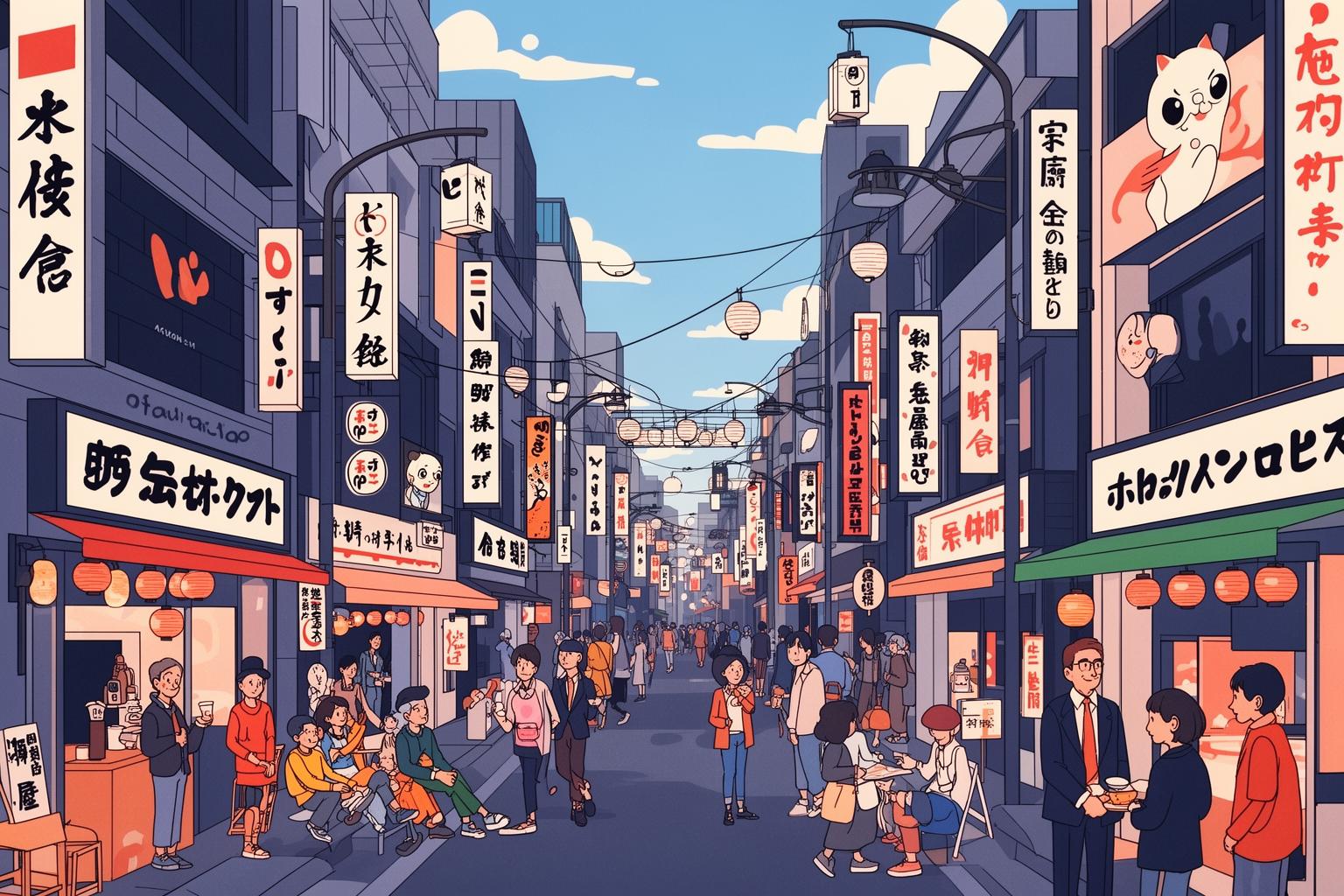
To think of a shotengai as simply a place to buy inexpensive groceries misses the point entirely. These arcades are the lifeblood of their communities, the connective tissue that holds neighborhoods together. They serve as social hubs where elderly residents gather for their daily walks and conversations, where young mothers catch up while their children eye the snacks, and where local news and gossip are exchanged over the counter of the pickle shop. They often host lively local festivals, or matsuri, with paper lanterns hanging, special food stalls appearing, and a strong sense of shared celebration in the air.
They are also, in many ways, living museums. Many shotengai evoke a distinct Showa-era (1926–1989) atmosphere, with retro signage, old-fashioned architecture, and shops that have been run by the same family for generations. Walking through them feels like stepping back into a warmer, more communal, and less homogenous time. This sense of history and continuity offers a comforting contrast to the constantly changing modern cityscape.
And let’s not forget one of the greatest pleasures of the shotengai: tabe-aruki, the fine art of walking and eating. Here you find some of the best, cheapest, and most authentic street food in Osaka. Forget the long lines at popular tourist spots. The 80-yen korokke from the local butcher, the freshly grilled yakitori skewer, the warm, sweet taiyaki (fish-shaped cake filled with red bean paste) from a small stand—these are the true flavors of the city. For just a few hundred yen, you can create a progressive lunch that is both incredibly satisfying and deeply memorable. This, too, is a way to save money. A delicious, filling lunch from the shotengai costs only a fraction of a sit-down meal in a restaurant.
So, the next time you cringe at your supermarket receipt, I challenge you to change your approach. Set aside an afternoon. Choose a shotengai—any shotengai—and simply go. Leave your shopping list behind. Let your senses lead you. Talk to the vendors, try something new, and let the vibrant, chaotic, and wonderfully human energy of the arcade envelop you. You’ll come away with more than just a bag full of fresh, affordable groceries. You’ll leave with a full stomach, a heavier wallet, and a much deeper connection to the true, unapologetic, and utterly magnificent soul of Osaka.