Step off the neon-drenched streets of Osaka, away from the sizzle of takoyaki grills and the roar of the JR loop line, and you’ll find a different kind of warmth. It’s a warmth that seeps into your bones, a humid, gentle embrace that smells of cedar, soap, and something anciently communal. This is the world of the Japanese public bath, or sento. In a city as relentlessly modern and fast-paced as Osaka, the local sento is more than just a place to get clean. It’s a neighborhood living room, a sanctuary of steam, and a cultural cornerstone where the frantic energy of the city dissolves into the tranquil ripple of hot water. For anyone truly wanting to understand the rhythm of daily life here, to connect with the city’s unvarnished soul, the journey begins under the noren curtain of a local bathhouse. It’s an invitation to shed not just your clothes, but the formalities of the outside world, and participate in a ritual as fundamental to Japanese culture as a bowl of rice. Forget the guidebooks for a moment; the real stories of Osaka are told in the quiet conversations and shared silence of the sento. This is where you’ll find the heart of the city, one blissful, steamy soak at a time.
After experiencing the communal warmth of a sento, you might find yourself wanting to extend your stay in Osaka, in which case, consider exploring your housing options in Osaka.
The Soul of the Sento: More Than Just a Bath
Before diving in, it’s important to grasp what you’re about to experience. The Japanese bathing culture centers around two main figures: the onsen and the sento. An onsen is a hot spring, naturally warmed by geothermal heat and often enriched with minerals, renowned for their healing qualities. In contrast, a sento is a public bathhouse where water is heated by a boiler. While the onsen connects you to nature’s raw energy, the sento fosters a sense of community. It originated out of necessity in times when private bathrooms were a rarity. Even today, with modern plumbing commonplace, the sento remains a cherished institution, highlighting its cultural importance. It’s a place for what the Japanese call hadaka no tsukiai, or “naked communion.” This intriguing idea implies that once people shed external symbols like clothing, watches, and brand names, they can bond on a deeper, more human level. In the sento, a company CEO might be sharing the bath next to a construction worker, and a grandmother alongside a university student. Status melts away in the steam. This is the great equalizer—a space of mutual vulnerability and quiet respect. In the busy, often impersonal urban environment of Osaka, the sento serves as a crucial hub for human connection. It’s where neighbors exchange gossip, parents teach their children the washing rituals, and the elderly find a warm, safe place to socialize. The rhythmic clatter of wooden buckets, the soft murmur of voices, the hiss of showers—it’s the soothing soundtrack of neighborhood life.
Your First Sento Journey: A Step-by-Step Narrative
Entering a sento for the first time can feel somewhat intimidating, a realm of unspoken rules and unfamiliar customs. But don’t worry. The process is a beautiful, orderly ritual intended for cleanliness and relaxation. Let’s walk through it together, from the street to the steamy tub, transforming you from a curious beginner into a confident bather.
Approaching the Temple of Cleanliness
Your journey begins on the street. Look for the distinctive signs of a traditional sento. You may notice a tall chimney, a relic of the old boiler systems. The entrance is almost always marked by a noren, a traditional Japanese fabric curtain, often decorated with the character for hot water, ゆ (yu), or the establishment’s name. The building’s architecture can be quite striking, sometimes resembling a shrine or temple with an elegant tiled roof. The entrance is usually divided into separate doors for men (男) and women (女). Don’t be anxious; take a deep breath and lift the noren. You are about to step into a different realm.
Crossing the Threshold: The Gateway to Relaxation
Once inside, you’ll find yourself in the genkan, a small entryway where shoes must be removed. This is a strict rule in any Japanese home or traditional venue. Look for the shoe lockers, which often require a 100-yen coin that is returned once you retrieve your shoes. Place your shoes inside, take the key (often attached to a wooden tag or plastic wristband), and move forward. Next, approach the reception area. In older sento, this might be a raised platform called a bandai, where the owner oversees both men’s and women’s changing rooms. In more modern establishments, it will resemble a typical front desk. Here, you’ll pay the admission fee, usually a modest 400 to 500 yen. This is also where you can rent or purchase any forgotten items. The magic phrase is “tebura setto,” meaning an “empty-handed set.” This usually includes a small wash towel, a larger bath towel, and sometimes small packets of soap and shampoo. It’s a very convenient option for the spontaneous bather. The attendant will provide your supplies and direct you to the appropriate changing room. Follow their cue.
The Datsuijo: The Sacred Changing Room
Part aside another curtain or slide open the door, and you’ll enter the datsuijo, or changing room. This is your private space for preparation and transition. Find an empty locker or a wicker basket to store your clothes and belongings. Like the shoe lockers, the lockers may require a refundable 100-yen coin. Now comes the pivotal moment: you must undress completely. Yes, everything. This is perhaps the largest cultural barrier for Western first-timers but is absolutely mandatory. Everyone is nude, and no one is watching or judging. It’s a matter-of-fact environment, not exhibitionism. Wearing a swimsuit in the bathing area is a serious faux pas. Once undressed, place all your clothes and your large bath towel in the locker. Only your small wash towel and any toiletries you intend to use should accompany you into the bathing area.
The Washing Ritual: The Cardinal Rule of Kakeyu
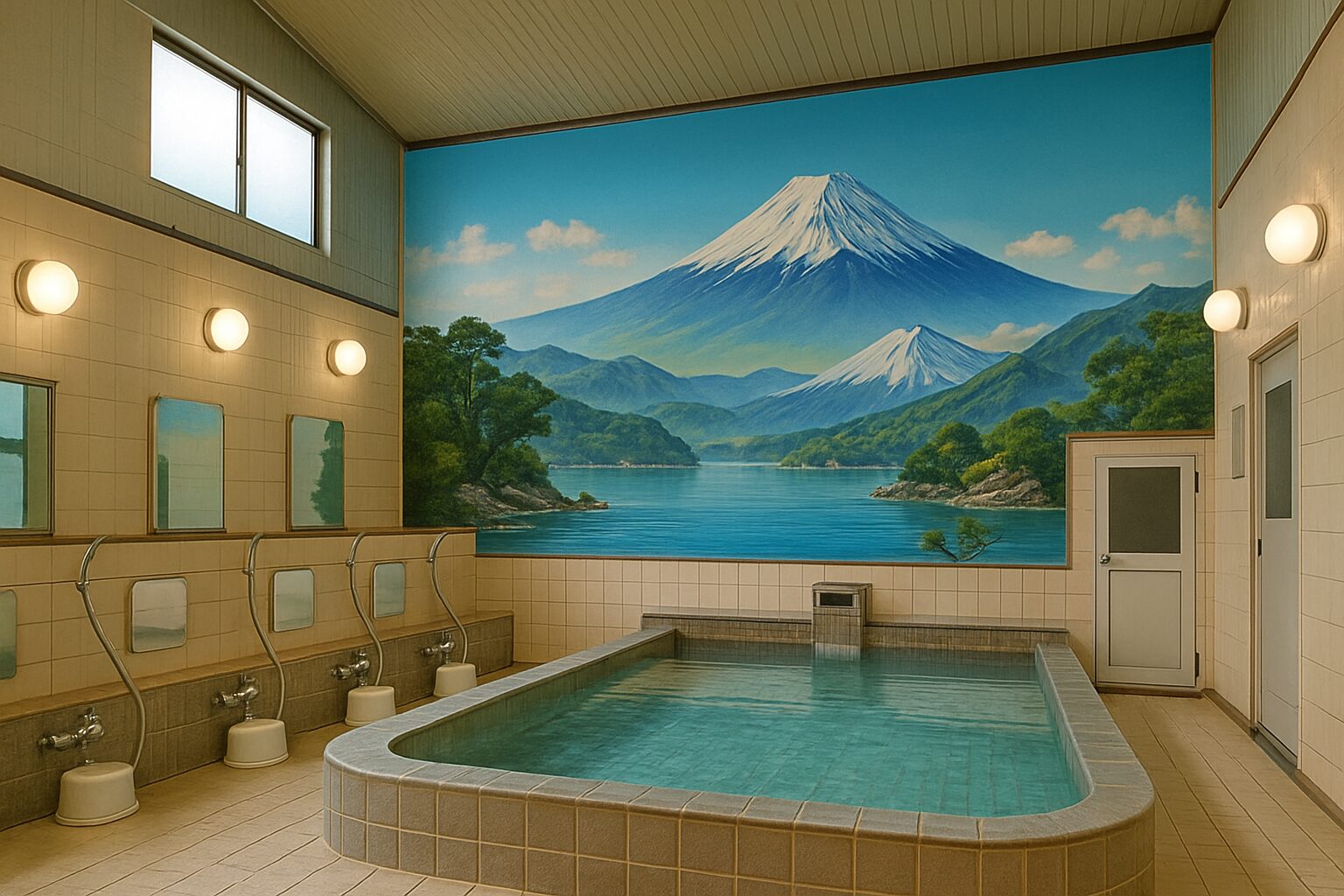
With your small towel in hand, open the door to the bathing area. The first sensation is a wave of warm, humid air, scented with soap and minerals. Your eyes will adjust to the steamy environment, revealing rows of washing stations and the glistening surfaces of the baths. But under no circumstances should you head straight for the tubs. The most important rule of the sento is this: you must thoroughly wash your body before entering the shared water. The baths are for soaking and relaxation, not cleaning. Find an empty washing station, each equipped with a low stool, faucet, handheld shower nozzle, and bucket. Sit on the stool—washing while standing and splashing others is considered rude. Use the bucket to scoop hot water or the shower to rinse yourself initially. This pre-rinse, called kakeyu, cleanses and acclimates your body to the bath’s temperature. After rinsing, lather soap and shampoo generously from head to toe. Once clean, rinse away every last sud to enter the bath as a pristine vessel, leaving no soap residue to cloud the water.
Immersion: The Bliss of the Bath
At last, the moment arrives. Clean, rinsed, and prepared, approach your chosen bath slowly. Several options are usually available. A standard sento will have a main tub heated to about 40 to 43 degrees Celsius (104-109°F). There may also be a cooler tub, a jacuzzi-style jet bath (denki buro), or even baths infused with herbs or minerals. Enter the water gently and gracefully—no jumping or splashing. The aim is to slip in with minimal disturbance. Find a comfortable spot and let your body sink. The initial heat can feel intense, but breathe through it, and soon a deep relaxation will wash over you. The small towel should never enter the bath water. Place it on the side of the tub or, as many Japanese do, fold it neatly and set it atop your head. It might seem odd at first, but it’s a practical way to keep it clean and close. Relax, soak, and let your worries dissolve. This is your time. Observe the other bathers. You’ll notice a quiet, calm rhythm to their movements—soaking, cooling off, washing again, trying different tubs. Feel free to do the same.
The Unspoken Language: A Deep Dive into Sento Etiquette
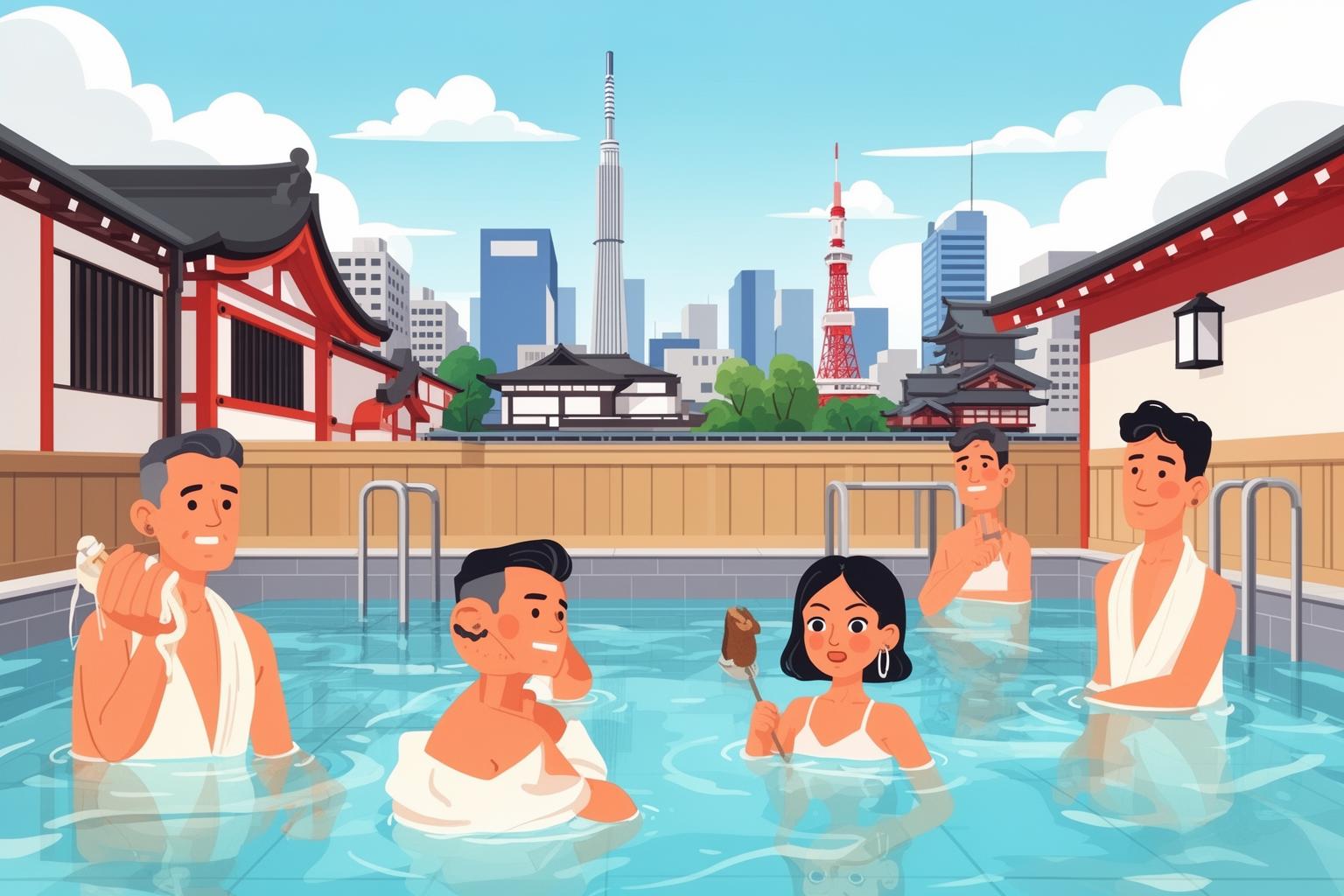
Beyond the basic steps, there is a subtle etiquette—an unspoken language of respect and shared space—that makes the sento experience so harmonious. Mastering these finer points will not only help you avoid social missteps but also deepen your appreciation for the culture.
The Mighty Towel and Its Many Roles
The small wash towel, or tenugui, is the most essential tool in your sento kit. Its main purpose is for washing your body at the shower station. However, it also serves a secondary role as a “modesty towel.” When moving from the washing area to the baths, many people hold it strategically in front of themselves. This is not about shyness but a subtle expression of politeness in a shared environment. Once you are in the water, as mentioned, the towel must stay out of the water. Placing it on your head is the classic move. When you leave the bath to go to another tub or the sauna, you can use it to quickly pat your body dry so you don’t drip water all over the floor. The large bath towel has a single purpose: to completely dry your body in the changing room after you’ve finished bathing. It should never, ever enter the wet bathing area. This strict division between wet and dry zones is fundamental.
The Art of Silent Respect
A sento is a social space, but it is not a noisy one. While quiet conversations among friends or family are perfectly fine, loud talking, shouting, or rowdy behavior are strongly discouraged. The atmosphere is intended for collective relaxation. Be conscious of personal space. Don’t sit too close to others at the washing stations or in the tubs unless the area is crowded. When using the shower, be careful not to spray neighboring bathers. After finishing at your washing station, it’s polite to give your stool and bucket a quick rinse for the next person. If you make eye contact with a local, a small nod and a quiet greeting (konnichiwa) is appropriate, but don’t feel obliged to start a lengthy conversation. Many people come for a quiet, meditative experience. The beauty of hadaka no tsukiai lies in connection through shared silent presence, not just words.
Tattoos in the Tub: A Modern Conversation
This is a key topic for many foreign visitors. Historically, tattoos in Japan were associated with the yakuza, or organized crime, and therefore were banned from most public baths to maintain the comfort and safety of all guests. This cultural background is important to understand. However, attitudes are gradually shifting, especially in larger cities like Osaka with a growing international population. Some sento now explicitly welcome guests with tattoos. Others may request that small tattoos be covered with a waterproof patch, which you can often purchase at the front desk or a convenience store. More traditional neighborhood sento may still have a strict “no tattoos” policy. The best approach is to be respectful and proactive. If you have visible tattoos, check the sento’s website beforehand or politely inquire at the front desk. Pointing to your tattoo and asking “Daijoubu desu ka?” (Is this okay?) will usually get you a clear response. Being refused entry is possible, but don’t take it personally; it reflects long-standing cultural rules, not a judgment of you as an individual.
Sauna and Mizuburo: The Dance of Hot and Cold
Many sento, especially larger ones, feature a sauna. The etiquette here is important as well. Before entering, it’s best to dry your body somewhat to avoid dripping water everywhere. Inside, you’ll often find small mats or towels to sit on for hygiene. Sit quietly and enjoy the intense heat. Upon exiting the sauna, you must head directly to a shower or use the kakeyu bucket to rinse off all your sweat. This is absolutely essential before entering any other bath, particularly the mizuburo, or cold plunge pool. The mizuburo is the sauna’s exhilarating counterpart. After rinsing off sweat, take a deep breath and immerse yourself in the icy water. The shock is intense but incredibly refreshing, tightening your pores and invigorating your senses. This cycle of hot sauna and cold plunge is a cherished ritual for many sento regulars and is believed to offer numerous health benefits.
Exploring Osaka’s Bathing Landscape
Osaka presents a wonderfully varied range of bathing experiences, from small, time-honored neighborhood spots to expansive, multi-story wellness centers. Each provides a unique insight into the city’s culture.
The Neighborhood Treasure: The Classic Sento
This represents the essence of sento culture. Nestled on a quiet side street, a classic sento transports you back in time. The changing room may feature old wooden lockers and a vintage massage chair that activates for 100 yen. The walls of the bathing area are often decorated with a stunning mural, typically of Mount Fuji—a symbolic scene designed to take the bather to a place of natural beauty. The water is hot, simple, and impeccably clean. The regular patrons are locals—grandparents who have visited the same spot for decades. The experience is straightforward, unpretentious, and deeply genuine. While fancy amenities are absent, there is a strong sense of community and history. Hearing the relaxed conversations of the regulars feels like listening to the neighborhood’s heartbeat.
The Urban Retreat: The Super Sento
At the other end of the scale is the “super sento.” These are contemporary, resort-style facilities offering a full day of relaxation and entertainment. Tennen Onsen Naniwa no Yu in Osaka is a prime example. For a slightly higher admission fee, you gain entry to a large complex featuring a wide range of indoor and outdoor baths (rotenburo), some containing natural hot spring water. The rotenburo are especially enjoyable, letting you soak in warm water while feeling the cool urban breeze against your face. Super sento often include various types of saunas (dry, steam, salt), massage treatments, relaxation lounges with reclining chairs and manga libraries, as well as full-service restaurants. They are popular spots for couples, families, and groups of friends. Offering a complete wellness experience under one roof, they blend traditional bathing rituals with modern comfort and entertainment.
The Post-Sento Glow: The Final Ritual
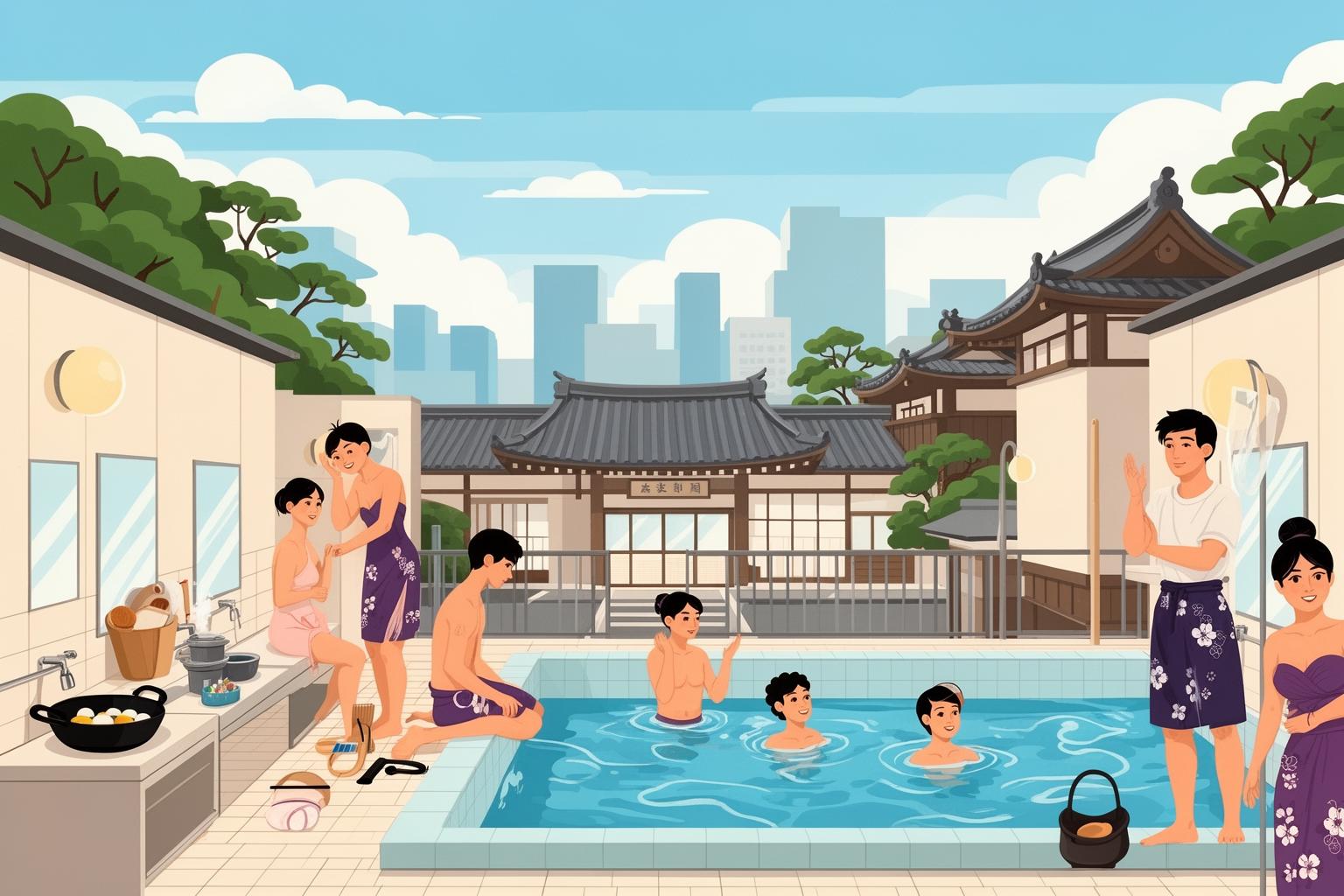
Your journey doesn’t end the moment you step out of the water. The post-bath ritual forms an essential part of the experience, designed to extend the sensation of blissful relaxation.
Drying Off and Winding Down
After your final soak, give yourself one last rinse at the washing station. Before entering the changing room, use your small towel to remove as much excess water from your body as possible. This is an important etiquette point to keep the floor dry. Once inside the datsuijo, it’s time to bring out your large, fluffy bath towel and dry yourself thoroughly. You’ll often find amenities such as cotton swabs, hair dryers (sometimes requiring a 10 or 20-yen coin), and lotions. Take your time—there’s no need to rush. The transition back to the outside world should be as gentle as your entry into the bath.
The Nectar of the Gods: Vending Machine Treasures
Once dressed, there’s one final, almost sacred ritual to complete: the post-bath drink. In the changing room or lobby, you’ll find vending machines stocked with a variety of beverages. The classic choice is a small glass bottle of milk. Coffee-flavored and fruit-flavored milks reign supreme. There is something uniquely satisfying about the taste of cold, sweet milk after a hot soak. This tradition dates back to the mid-20th century, when sento, milk producers, and refrigerator companies collaborated, making bathhouses one of the few places where families could enjoy a chilled treat. Even today, cracking open the paper cap and savoring a bottle of milk while your body still glows with warmth is the perfect, nostalgic finish to the sento experience.
Lingering in the Liminal Space
Many sento feature a common area or lobby where you can relax after your bath. You might find a tatami mat area, some worn couches, and a television playing a local variety show. This is an ideal space to sit for a while, allowing your body temperature to settle before heading back out into the city. In a super sento, these relaxation areas are larger and often include comfortable recliners where you can read, nap, or simply zone out. Don’t rush this moment. Savor the lingering warmth in your muscles and the peaceful clarity in your mind. This is the “afterglow” of the sento—a state of deep contentment you’ll carry with you throughout your day.
So go ahead, take the plunge. Find a local sento in your Osaka neighborhood, summon your courage, and step through the noren. It’s more than just a bath; it’s an initiation into the heart of Japanese daily life. It’s an opportunity to connect with yourself, the city, and the simple, profound joy of shared warmth. You’ll come away not only cleaner but calmer, more connected, and with a richer understanding of the soul of this incredible city.