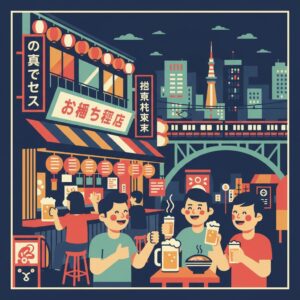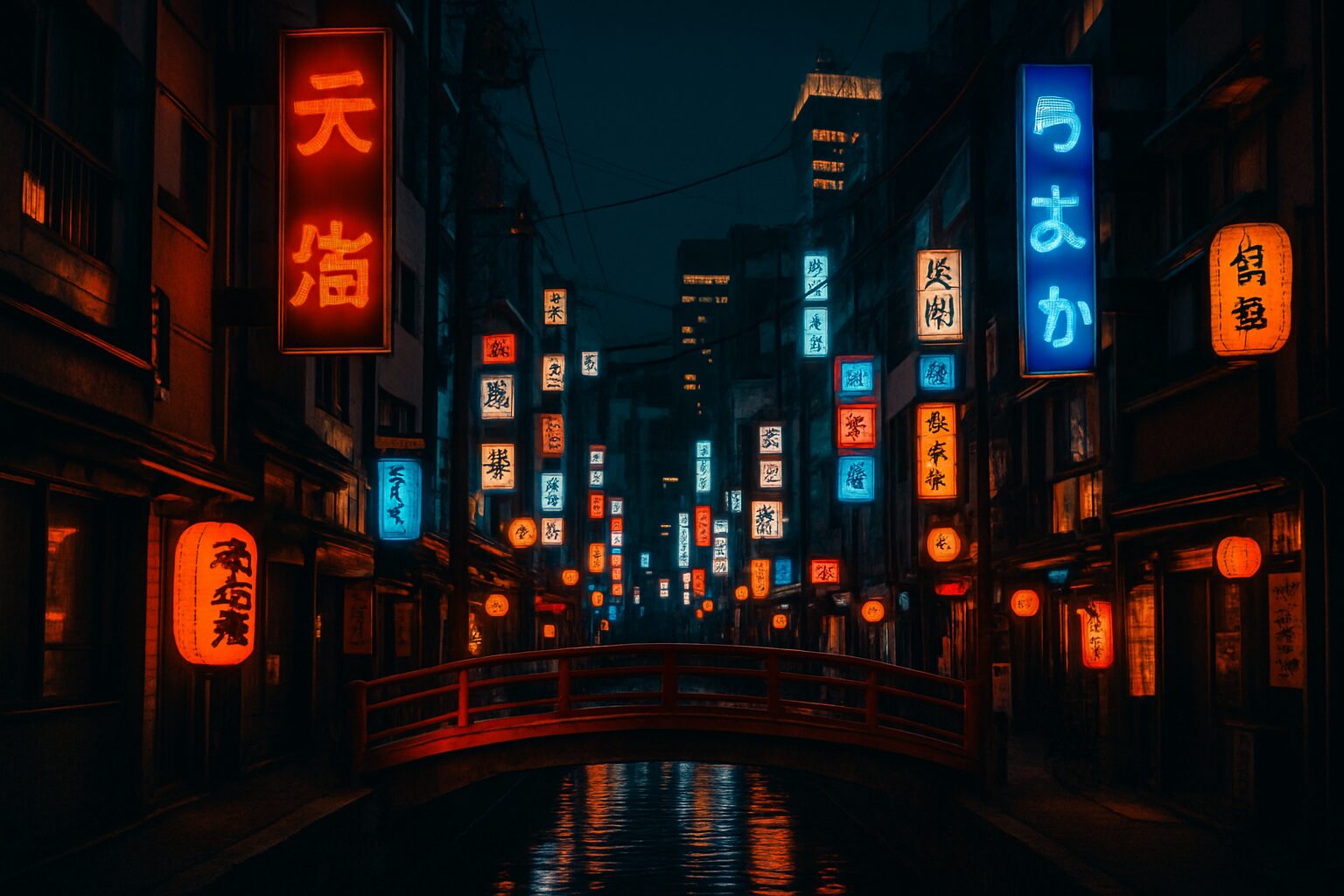
Forget the glittering polish of Umeda’s high-rises and the neon-drenched spectacle of Dotonbori for just a moment. Let’s talk about something more real, more visceral. I want to take you somewhere the concrete heart of Osaka truly beats, a place where the air is thick with the savory smoke of grilled chicken skin and the soundscape is a symphony of clinking glasses, roaring laughter, and the sizzle of oil meeting batter. We’re heading to Tenma, a sprawling, beautifully chaotic labyrinth of lantern-lit alleys that serves as the city’s unofficial culinary playground. This isn’t just a district; it’s an experience, a rite of passage for anyone who wants to understand the soul of Osaka through its stomach. Here, under the rumble of the JR Loop Line, lies a paradise for the curious palate, a world where salarymen and young creatives alike shed the day’s formalities and bond over cheap beer and exquisitely simple food. Tenma is the embodiment of kuidaore—the Osakan philosophy of eating until you drop—but with a spirited, convivial twist. It’s where you don’t just have one dinner; you have three, or four, or five, hopping from one tiny bar to the next in a sacred ritual known as hashigo-zake. This is your guide to navigating that glorious chaos, to finding your rhythm in the glow of the red lanterns, and to falling in love with the most deliciously authentic corner of Osaka. Prepare to get a little lost, a lot happy, and completely full.
After immersing yourself in the culinary labyrinth of Tenma, you might find yourself drawn to explore the quieter, more practical side of Osaka’s famous covered arcades, perhaps even finding a perfect work nook in Japan’s longest shopping arcade.
The Electric Soul of Osaka’s Kitchen
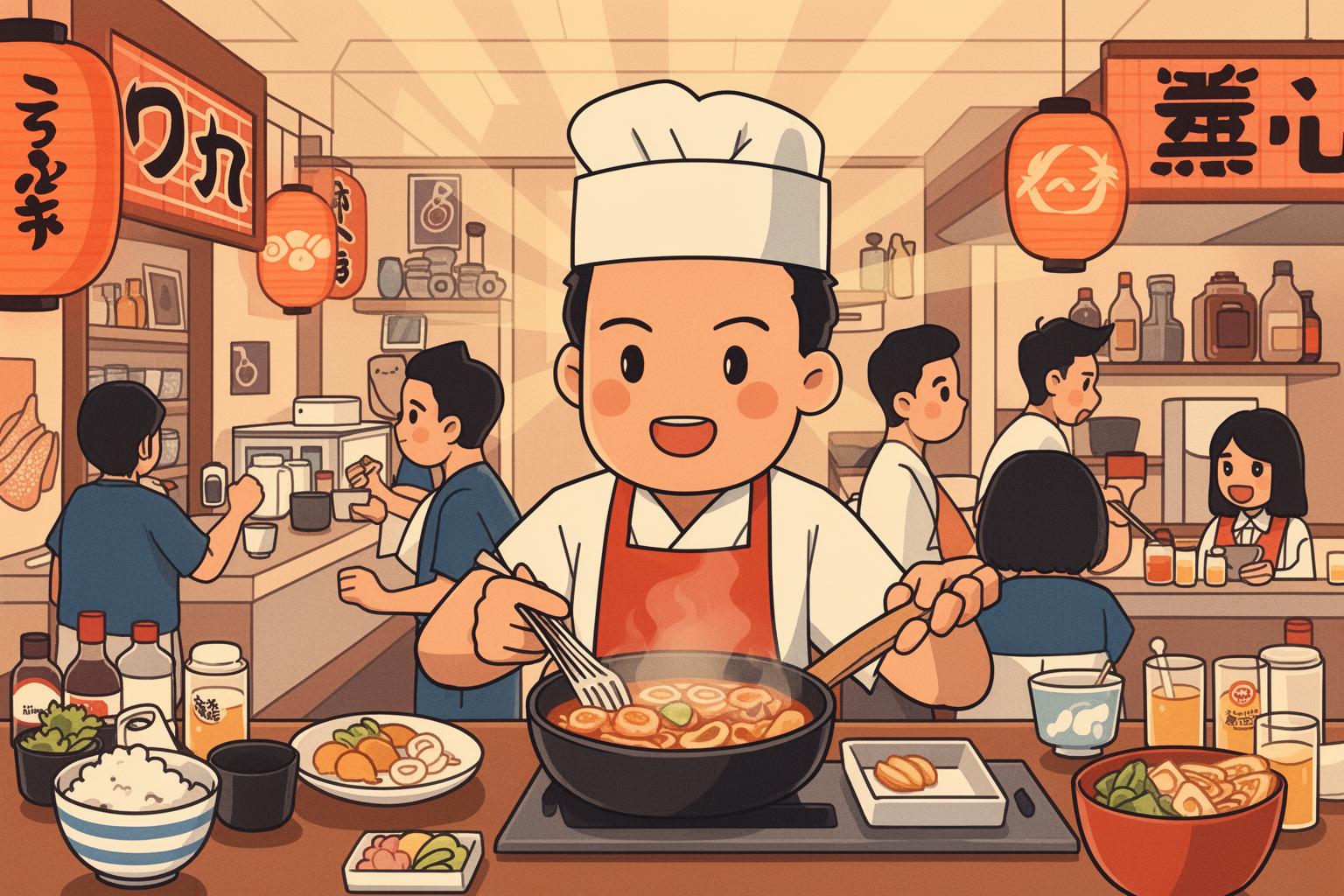
To truly appreciate Tenma, you need to recognize that it operates on a different wavelength than the rest of the city. It’s a place that proudly displays its history and heart without pretense. This isn’t a staged tourist attraction; it’s a vibrant, living ecosystem of small, often family-run businesses passed down through generations. The energy here is raw, authentic, and deeply human. It’s a district designed for connection, where the cozy, compact spaces of standing bars, or tachinomi, naturally encourage conversation among neighbors, and where the shared delight of a perfectly grilled skewer or a full cup of sake transcends language. The area is a beautiful paradox, both old-fashioned and modern at once. You might find a century-old stall serving simmered beef tendon right next to a trendy bistro pouring natural Italian wine. This dynamic mix keeps Tenma alive, preventing it from becoming a relic and ensuring it remains a vibrant hub of Osaka’s ever-changing food scene. It’s a place to let go of inhibitions and immerse yourself in the local lifestyle, one delicious bite at a time.
A Symphony of Senses: The Atmosphere of the Alleys
Your experience begins the moment you exit JR Tenma Station. Don’t expect a grand entrance or a flashy sign. Instead, follow the aroma of charcoal and dashi broth lingering in the air. You’ll soon be enveloped by a labyrinth of narrow alleyways, each a world of its own. Overhead, a jumble of electrical wires crisscross the dimming sky, highlighted by the crimson glow of paper lanterns (chōchin) that bathe the scene below in a warm, almost dreamlike light. The soundscape is alive with life: the rhythmic chopping of knives on worn wooden boards, hearty shouts of “Irasshaimase!” (Welcome!) from behind steamy windows, the deep rumble of trains rolling overhead, and threading through it all, the constant, cheerful buzz of conversation.
Visually, it’s a rich tapestry of textures and details. Weathered wooden storefronts stand side-by-side with shiny tile facades. Hand-painted signs adorned with swirling calligraphy announce the day’s specials. Through open doorways, glimpses of chefs are visible, their faces lit by grill flames, their movements rapid and practiced. Customers spill onto the street, balancing dishes and beer glasses on overturned crates as their laughter carries down the lane. There’s a palpable sense of community here. The closeness is more than physical; it’s social. In Tenma, you’re not just a customer—you’re a temporary participant in this nightly celebration of food and drink. It’s an immersive sensory experience, a place that fully engages you and draws you into its lively, magnetic atmosphere.
Echoes of Edo: The Living History of Tenma
Tenma’s reputation as a haven for food lovers is deeply rooted in the city’s history, centered around the venerable Osaka Tenmangu Shrine, established more than a thousand years ago. This shrine has long been the heart of the community, bringing with it markets and merchants. The district flourished during the Edo period as a hub for fresh produce, especially vegetables, earning the nickname “the kitchen of Osaka.” This tradition of providing fresh, accessible food for everyday people laid the foundation for the culinary culture present today. Moreover, Tenma is home to the Tenjinbashi-suji Shopping Street, proudly known as Japan’s longest covered shopping arcade. Stretching an impressive 2.6 kilometers, this historic thoroughfare has been the commercial core of the neighborhood for centuries. The izakayas and eateries that line the side streets naturally extend this market culture—a place for merchants, shoppers, and workers to relax, refuel, and connect. The affordability and casual spirit of Tenma’s establishments directly reflect this heritage. It has never been about upscale, formal dining; it has always been, and continues to be, a place for the people, where good food and good company are the greatest treasures.
The Art of the Izakaya Crawl: Mastering Hashigo-zake
Exploring Tenma means embracing the proud Japanese tradition of hashigo-zake, which literally means “ladder drinking.” The name aptly describes the concept: you move from one bar to the next, as if climbing the rungs of a ladder, sampling a bit at each stop. This is not about settling down for a lengthy meal in one place; it’s about crafting your own progressive dining experience, a fluid culinary journey through the neighborhood’s varied offerings. This style of dining perfectly fits Tenma’s layout and culture, where hundreds of small, specialized eateries are packed into a compact area. Mastering hashigo-zake is essential to experiencing the true spirit of Tenma, transforming an ordinary night out into an unforgettable adventure of discovery.
The Philosophy of the Hop: One Drink, One Dish, Then Onward
The essence of hashigo-zake is straightforward: keep it light and keep moving. The aim is to savor variety. Enter an izakaya, grab a spot at the counter, and order one drink along with one or two of the house’s signature dishes (meibutsu). Enjoy them, soak up the ambiance, then after about 30 to 45 minutes, politely pay and move on to the next place. This method offers several benefits. It allows you to taste a broader range of dishes than you would at a single restaurant. You might begin with fresh oysters and a glass of white wine at a seafood bar, then proceed to grilled chicken hearts and a cold beer at a yakitori spot, follow that with simmered beef and a highball at a lively tachinomi, and finish with delicate sushi and warm sake. It also keeps the evening lively and engaging, with each new venue offering a unique atmosphere and fresh flavors. Don’t hesitate to be decisive. If a place is too crowded or the vibe feels off, simply move on. There are literally hundreds of other options just a few steps away.
Your First Steps Through the Maze: A Guided Story
For newcomers, Tenma’s density can feel intimidating. Here’s a way to approach your first hashigo-zake outing. Start early, around 5:30 or 6:00 PM, to beat the main rush of office workers. Begin at a tachinomi (standing bar) near the station. These spots are ideal for your first stop. The energy is lively, the turnover fast, and it’s a great way to ease into the social scene. Order a nama-biru (draft beer) and something simple like edamame or doteyaki (slow-cooked beef tendon). This serves as your appetizer course.
For the second stop, venture into one of the main covered alleys. Look for smoke rising from the front—a sure sign of a top-notch yakitori joint. Find a seat at the counter where you can watch the chef work, a master of flame and seasoning. Order a few skewers—perhaps juicy chicken thigh (momo) and tasty meatballs (tsukune)—along with a refreshing lemon chuhai (shochu highball). This is your grill course.
Next, switch up the texture and flavor. Seek out a seafood specialty spot. It might be a tiny sushi counter with just six seats or a lively place displaying fresh fish on ice. Here, you can enjoy sashimi or a few pieces of nigiri sushi. A crisp, dry sake pairs perfectly. This is your seafood course.
By now, you’ve become a seasoned pro. For your fourth and final stop, be bold. Maybe it’s the Spanish-style tapas bar you noticed earlier, the place with wine barrels for tables, or a quiet spot specializing in oden. This is your moment to follow your curiosity. By hopping between these specialized establishments, you’re not just eating—you’re crafting a personalized tasting menu of Osaka’s finest, one delightful stop at a time.
A Lexicon of Delights: Decoding the Tenma Izakaya Menu
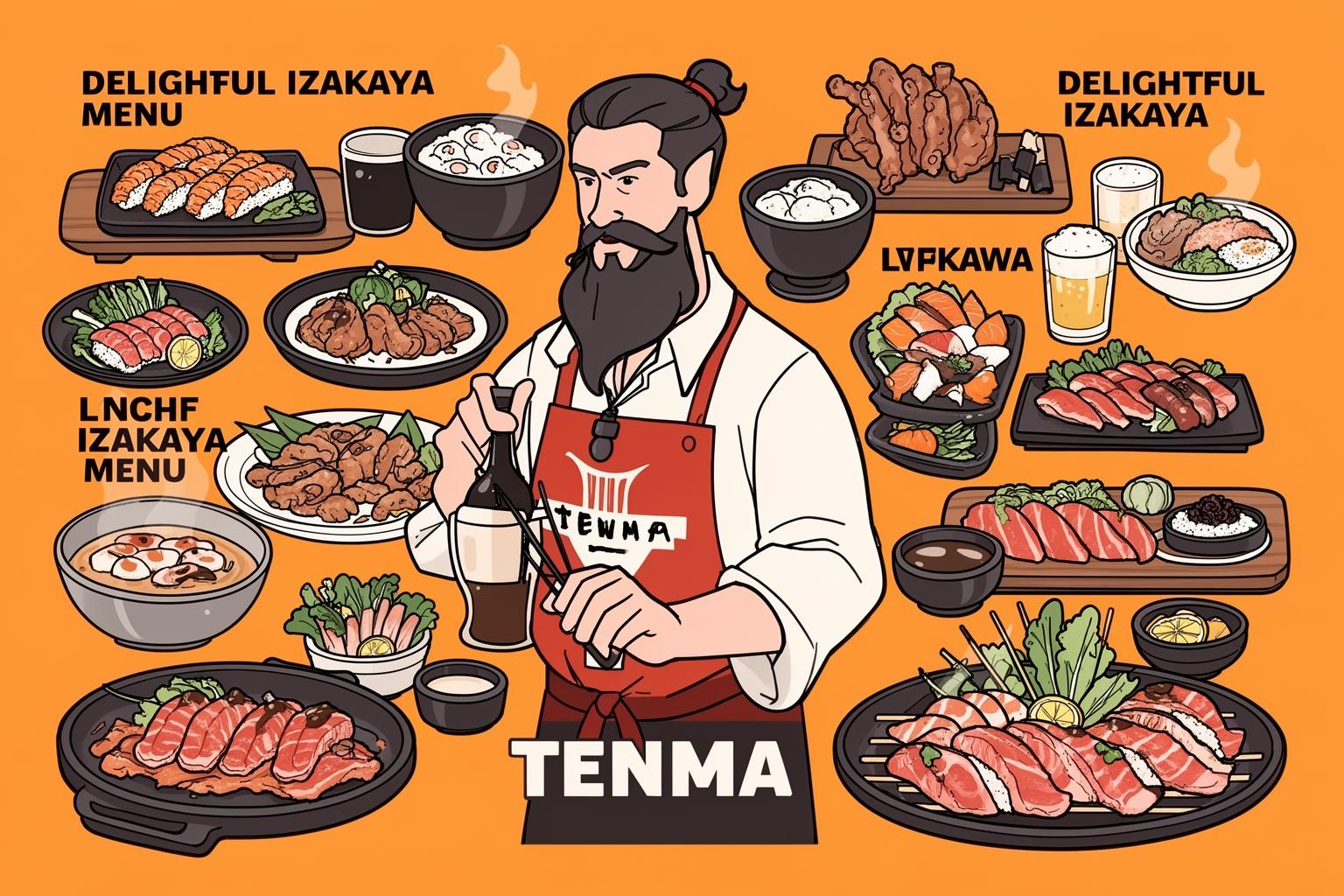
One of the biggest challenges for newcomers in Tenma is the menu, which is often written entirely in Japanese and lacks pictures. But don’t worry. Learning a few key categories and dishes will give you the confidence to order and discover new favorites. Izakaya food is generally straightforward, meant to be shared, and pairs perfectly with alcohol. It focuses on bold flavors, satisfying textures, and fresh ingredients.
The Classics: Must-Try Dishes
Though the variety is vast, certain dishes are the cornerstone of the izakaya experience. These are the crowd-pleasers, comfort foods, and classics you’ll encounter throughout Tenma’s alleys. Recognizing and ordering these will unlock a world of culinary delights.
Grilled & Skewered: Yakitori and Kushiyaki
The aroma of charcoal-grilled meat is the unofficial scent of Tenma. Yakitori refers specifically to grilled chicken skewers but is often used interchangeably with kushiyaki, which includes all kinds of skewered grilled items. The charm lies in the variety: you can enjoy every part of the chicken—from tender thigh (momo) and crispy skin (kawa) to flavorful heart (hatsu) and gizzards (sunagimo). A must-try is tsukune, a savory chicken meatball often served with a raw egg yolk for dipping. Beyond chicken, you’ll find pork belly (butabara), green peppers (piman), shiitake mushrooms, and bacon-wrapped asparagus skewers. When ordering, you’ll usually be asked, “shio or tare?” — salt or sauce. For the purest taste, try shio. For a sweet, savory, slightly smoky glaze, go with tare.
From the Sea: Sushi, Sashimi, and Seafood Grills
Osaka’s closeness to the sea means fresh, affordable, and unpretentious seafood is never far away. Tenma is known for its bustling sushi counters and seafood bars. Don’t expect the quiet formality of a high-end sushi place here; it’s about speed, value, and flavor. Order sushi by the piece or in sets, and check for seasonal specials on chalkboards. Besides raw fish, you’ll find grilled whole fish (yakizakana), butter-sautéed scallops (hotate batayaki), and Tenma’s specialty—fresh oysters (kaki)—often available at very low prices at dedicated oyster bars. These lively, loud spots are perfect for enjoying the ocean’s bounty with a cold drink.
Simmered & Stewed: The Heartwarming Doteyaki and Oden
For authentic Osakan soul food, try the simmered dishes. Doteyaki is a rich, savory stew of beef tendon slow-cooked in miso and mirin until tender. It’s the ultimate comfort food, especially on cooler evenings, and pairs excellently with a strong drink like a highball or shochu. Another winter favorite is oden, a one-pot dish where ingredients such as daikon radish, boiled eggs, fish cakes, and tofu simmer gently for hours in a light dashi broth. You simply point to what you want, and it’s served with a touch of sharp Japanese mustard (karashi). Both dishes embody the simple, comforting fare central to izakaya culture.
Fried to Perfection: Karaage, Tempura, and Kushikatsu
Japanese cuisine has perfected frying, making it delicate and delicious. Karaage, Japanese-style fried chicken, is an izakaya staple. Marinated in soy, ginger, and garlic, coated in potato starch, and fried to crispy, juicy perfection, it’s hard to stop at just one piece. Tempura involves battering and deep-frying seafood and vegetables until light and crispy. Though often linked to more formal dining, many izakayas serve excellent tempura. And of course, there is Osaka’s famous fried specialty: kushikatsu. These are skewers of meat, seafood, and vegetables panko-breaded and deep-fried. The cardinal rule: no double-dipping in the communal sauce!
The Perfect Pour: Mastering the Drink Menu
The “zaka” in izakaya stands for sake, highlighting that these places are primarily drinking spots. The drink menu is as important as the food menu, and knowing your choices will enhance your Tenma experience.
Beyond Beer: Highballs, Chuhai, and Sake Varieties
While a cold mug of draft beer (nama-biru) is the classic way to begin the evening, izakaya drinks offer much more. The Highball—a simple mix of Japanese whisky and super-carbonated soda water—is hugely popular for its crisp, refreshing taste that cuts through fried and grilled richness. Chuhai are another favorite, made with shochu (a Japanese distilled spirit) mixed with soda and fruity flavors like lemon, grapefruit, or yuzu. They are easy to drink and come in many varieties. Then there’s sake (nihonshu). Don’t be intimidated. Many izakayas have a house sake you can order hot (atsukan) or cold (reishu). If you’re feeling adventurous, check the sake list and try a jizake, a craft sake from a specific region. Just point to one that catches your eye—it’s the best way to learn.
The Topography of Taste: Mapping Tenma’s Key Zones
Tenma is far from a single, uniform area. It’s a mosaic of various zones, each possessing its own unique character and array of culinary delights. Familiarizing yourself with the layout will enable you to explore with intent and pinpoint the spots that match your mood. From the lively main streets to the tucked-away back alleys, every section offers a distinct flavor of the Tenma experience.
The Tenma Triangle: The Heart of the Scene
The core of the excitement lies in the dense maze of alleys just east and north of JR Tenma Station. This zone, often referred to as the “Tenma Triangle,” boasts the highest concentration of izakayas, tachinomi, and specialty eateries. It buzzes with energy, especially on Friday nights, when the lanes brim with revelers shoulder to shoulder. This spot is ideal for newcomers, as the vast number of choices ensures you’ll find something appealing. Here you’ll encounter legendary sushi bars, renowned yakitori places, and many other venues all competing for your attention. The best approach is to wander freely. Let your senses lead the way. Follow enticing aromas, peek into the most vibrant bars, and don’t hesitate to dive right in.
Under the Tracks: The Raw Appeal of Gaado-shita
For a grittier, more retro atmosphere, check out the area beneath the elevated train tracks, known in Japanese as gaado-shita. The low ceilings and the steady rumble of trains overhead create a distinctive, atmospheric environment. This area is home to many longstanding, no-frills spots that have been serving locals for decades. Here you’ll find yakitori joints with smoke-stained walls, inviting oden shops perfect for chilly evenings, and lively bars where regulars all seem familiar with one another. The gaado-shita district offers a window into the Showa era, delivering an experience that feels genuinely authentic and wonderfully unrefined.
Tenjinbashi-suji: The Neighborhood’s Main Artery
Though not technically part of the izakaya alley labyrinth, the Tenjinbashi-suji Shopping Street is a vital element of the Tenma scene. This extensive covered arcade serves as the neighborhood’s main artery, with numerous excellent restaurants and bars located either along it or on adjacent side streets. The arcade presents a somewhat different vibe—brighter, wider, and more family-friendly during daytime hours. Here you’ll find everything from standing sushi bars and tempura spots to old-school coffee shops (kissaten) and stalls selling street food like takoyaki and korokke (croquettes). It’s a wonderful place to begin your evening with a leisurely stroll or to end a hashigo-zake night by grabbing a late bowl of ramen.
A Traveler’s Guide to Tenma Etiquette and Practicalities

Navigating Tenma involves not only knowing what to eat and drink but also understanding the local customs. A few practical tips and a basic grasp of izakaya etiquette will help ensure your evening is smooth, respectful, and thoroughly enjoyable. This is a place that truly rewards those who embrace it on its own terms.
Insider Tips: How to Enjoy a Seamless Night
First, always carry cash. Even though digital payments are becoming more common, many small, independent spots in Tenma still operate on a cash-only basis. Having enough yen with you will save you from unnecessary hassle. Second, be ready for cramped spaces. Many izakayas are quite small, so you’ll likely be sitting close to other customers. Consider this part of the charm. Store your bag in the basket provided (usually under your seat) and be considerate of personal space. Third, know what the otoshi is. At many sit-down izakayas, a small appetizer you didn’t order will be brought to you—this is the otoshi, or table charge. It’s not a rip-off but a standard practice, and you should expect to pay for it. Think of it as a cover charge that includes a snack. Finally, try not to overstay your welcome, especially at busy tachinomi bars. These spots rely on quick turnover, so enjoy your drink and a bite, then courteously make room for the next patrons.
Speaking the Language of Food: Key Japanese Phrases
You don’t have to be fluent in Japanese to enjoy Tenma, but learning a few essential phrases can make a big difference and will be appreciated by the staff. Here are some basics:
- Upon entering: “Sumimasen, futari desu” (Excuse me, we are two).
- To get a server’s attention: Raise your hand and say “Sumimasen!” (Excuse me!).
- To order: Point to the item and say “Kore, kudasai” (This one, please).
- To ask for a recommendation: “Osusume wa nan desu ka?” (What do you recommend?).
- To request the bill: Make an ‘X’ sign with your index fingers or say “O-kanjo, onegaishimasu” (The bill, please).
- When leaving: “Gochisosama deshita!” (Thank you for the meal!).
A little effort speaks volumes, and a smile is always understood.
Safety and Awareness: A Woman’s Guide to Enjoying the Night
As a solo traveler, safety is always a priority. Thankfully, Tenma, like much of Japan, is very safe. The lively, crowded environment actually enhances security since there are usually plenty of people around. Still, it’s wise to stay aware. The alleys can be confusing, so keep your phone’s GPS handy to help find your way. Keep your belongings close in crowded bars, just as you would in any busy city. For solo women, I recommend starting your hashigo-zake earlier in the evening. The energy between 6 PM and 9 PM is vibrant and diverse. If you’re new to the area, sitting at the counter is often the most comfortable choice. The chefs and staff are right there, making it easy to feel part of the scene. The friendly, communal spirit of Tenma makes it a surprisingly welcoming place for solo exploration. People are there to enjoy good food and unwind, and the overall atmosphere is very respectful.
Beyond the Lanterns: Tenma by Day and by Season
While Tenma truly comes alive after dark, the neighborhood possesses a unique charm during the day and offers distinctive experiences throughout the year. Gaining insight into its seasonal rhythms and daytime character will provide a fuller understanding of this multifaceted district.
The Tenjin Matsuri: A Spectacle of Fire and Water
If you happen to be in Osaka in late July, the Tenjin Matsuri, one of Japan’s three greatest festivals, is not to be missed. Centered around the Osaka Tenmangu Shrine, this grand celebration envelops the entire Tenma area. The festival reaches its peak on July 25th with a magnificent land procession of portable shrines (mikoshi) and a stunning river procession of boats, followed by an impressive fireworks display. During the festival, Tenma’s streets burst with food stalls, traditional music, and an electrifying celebratory spirit. It is Tenma at its most vibrant and lively—a truly unforgettable cultural event.
Seasonal Flavors and Festive Moods
Tenma’s culinary scene evolves with the seasons. In spring, the nearby Kema Sakuranomiya Park along the Okawa River is one of Osaka’s premier cherry blossom viewing spots, making a walk there followed by an evening in Tenma an ideal day. In autumn, izakaya menus highlight seasonal ingredients such as sanma (Pacific saury), mushrooms, and chestnuts. In winter, the warm glow of lanterns feels even more inviting, and comforting dishes like oden and hot pot (nabe), paired with hot sake, take center stage. Visiting Tenma year-round lets you savor the subtle changes in flavor and atmosphere that characterize Japanese cuisine.
The Last Call: Embracing the Tenma Spirit

Tenma is more than merely a collection of restaurants; it stands as a testament to the enduring charm of simple pleasures. It’s a place that reminds you the best meals aren’t always the most expensive or intricate. They are the ones enjoyed in good company, within an atmosphere alive with energy, where each dish conveys a story of tradition and every drink is shared with a spirit of camaraderie. Spending an evening wandering among the glowing lanterns of Tenma is to engage in a ritual that is truly Osaka. It’s about embracing the unexpected, striking up conversations with strangers over a shared plate of karaage, and allowing yourself to become joyfully lost in the search for the next delicious bite. So, arrive with an empty stomach and an open heart. Let the rhythm of the alleys lead your steps. The magic of Tenma awaits you, one drink, one dish, one unforgettable memory at a time.