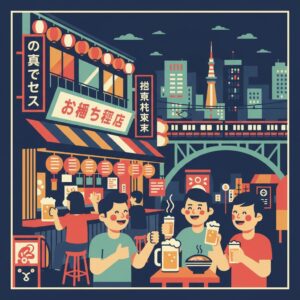
Osaka. The name itself conjures a symphony of sounds and flavors—the sizzle of takoyaki on a hot griddle, the boisterous laughter spilling from a packed restaurant, the neon glow reflecting off the Dotonbori canal. This is Japan’s kitchen, a city that lives and breathes through its stomach, offering a culinary adventure around every corner. Yet, for the Muslim traveler, navigating this vibrant foodscape, especially the iconic world of the Japanese izakaya, can feel like a beautiful but complex puzzle. The traditional pub-like establishments, central to Japanese social life, are often steeped in traditions that involve pork and alcohol, creating unintentional barriers. But what if I told you that in the heart of one of Osaka’s most authentic, brilliantly chaotic neighborhoods, a new chapter of inclusivity is being written? Welcome to Tenma, a district pulsating with local life, where the warm glow of paper lanterns illuminates not just narrow alleyways, but also a path to a truly accessible and unforgettable izakaya experience.
Tenma is the antithesis of the polished, tourist-centric hubs. It’s gritty in the most charming way, a labyrinth of covered shopping arcades and tiny streets crammed with standing bars, sushi counters, and grilling stations where smoke billows into the night air, carrying the irresistible scent of charred soy sauce and searing seafood. This is where Osakans come to unwind, to connect, to share stories over small plates and drinks. It’s a place of genuine connection, and to miss out on its evening ritual would be to miss a piece of the city’s soul. This guide is your key to unlocking that world. We’re venturing deep into the energetic heart of Tenma to discover how the spirit of omotenashi, or Japanese hospitality, is evolving to welcome everyone, offering a seat at the table where faith and flavor can joyfully coexist. Prepare to immerse yourself in the authentic rhythm of Osaka, to experience the warmth of an izakaya, and to create memories that taste as good as they feel.
For a different kind of exclusive Osaka dining experience, consider exploring the world of elite wagyu kappo in Kitashinchi.
The Soul of Osaka: Unpacking the Tenma Vibe
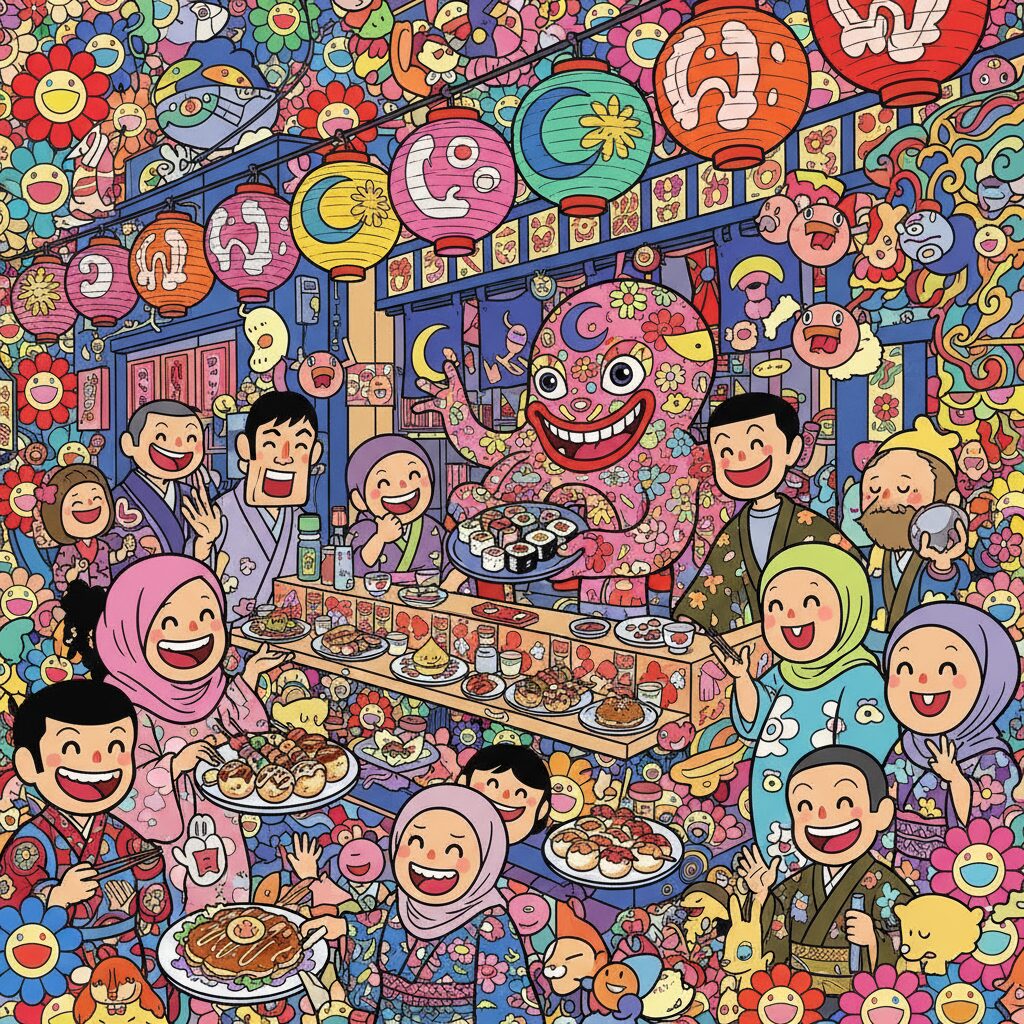
To grasp the quest for a Muslim-friendly izakaya here, you first need to understand Tenma itself. Exiting JR Tenma Station feels like stepping onto a film set capturing the essence of everyday Japan. There are no grand monuments or towering skyscrapers vying for your attention. Instead, the charm lies in the details—the collective buzz of a neighborhood that is unapologetically authentic. The air is filled with a tempting blend of aromas: the sweet, smoky scent of yakitori grilling over charcoal, the salty tang of fresh seafood on ice, and the delicate fragrance of dashi broth simmering gently. Visually, it’s a feast for the eyes. Red and white paper lanterns, adorned with graceful calligraphy, hang from every eave, casting a warm, welcoming glow over the streets. Brightly colored banners flutter in the breeze, showcasing daily specials and inviting patrons into establishments so small they seem to spill out onto the pavement, where diners sit on upturned crates serving as makeshift tables.
The soundtrack of Tenma is a symphony of life. There’s the rhythmic clatter of plates and chopsticks, the cheerful shouts of “Irasshaimase!” (Welcome!) from lively staff, the steady murmur of conversations, interrupted by bursts of hearty laughter. It’s a soundscape that embodies community and camaraderie. This isn’t a quiet, reflective neighborhood; it buzzes with a raw, contagious energy. You sense it as you weave through narrow lanes, brushing past local office workers loosening their ties after a long day, groups of friends reconnecting, and older couples sharing a peaceful meal. This atmosphere captures the true essence of the izakaya experience—it’s about more than just eating and drinking; it’s about engaging in the vibrant, living social fabric of the city. For any traveler, feeling this energy is a special privilege. For a Muslim traveler, finding a spot within this lively tapestry to partake in its rituals while honoring your faith is a profoundly rewarding experience.
The Izakaya Conundrum: A Traveler’s Guide to Japanese Pub Culture
Before we identify our destination, let’s first clarify what an izakaya truly is. Often called a “Japanese pub,” this label only begins to capture its essence. It resembles more closely a Spanish tapas bar or a British gastropub—a relaxed venue where food and drink share equal importance. Unlike a formal restaurant, the menu consists of small, shareable dishes that come out as they are prepared, rather than in fixed courses. The experience centers on grazing, conversation, and unwinding over several hours. The social atmosphere it creates, referred to as “nommunication” (a blend of nomu, meaning to drink, and communication), is a key element of Japanese work and social culture.
This creates a challenge for observant Muslims. The foundation of the traditional izakaya consists of alcohol and a cuisine that frequently includes pork. Standard drinks include sake, beer, and highballs. The menu commonly features dishes such as tonkatsu (pork cutlet), butabara (pork belly skewers), and ramen with chashu pork. Beyond these obvious ingredients, hidden components present greater difficulties. Mirin, a sweet rice wine, is essential in many sauces, glazes, and broths, from the tare sauce on yakitori to tempura dipping sauce. Even soy sauce can sometimes contain trace amounts of alcohol due to fermentation. Cross-contamination is a valid concern as well; a grill used for pork skewers might also be used for chicken or vegetables. This issue is not about a lack of willingness to accommodate but reflects a culinary tradition where these ingredients are as fundamental as salt and pepper. Asking a chef to exclude them is like requesting a painter to work without a primary color. Consequently, a truly “Muslim-friendly” izakaya is not merely one that omits pork but one that has thoroughly restructured its pantry and practices with a profound respect for Halal principles.
A Beacon of Welcome: Discovering Muslim-Friendly Izakaya in Tenma
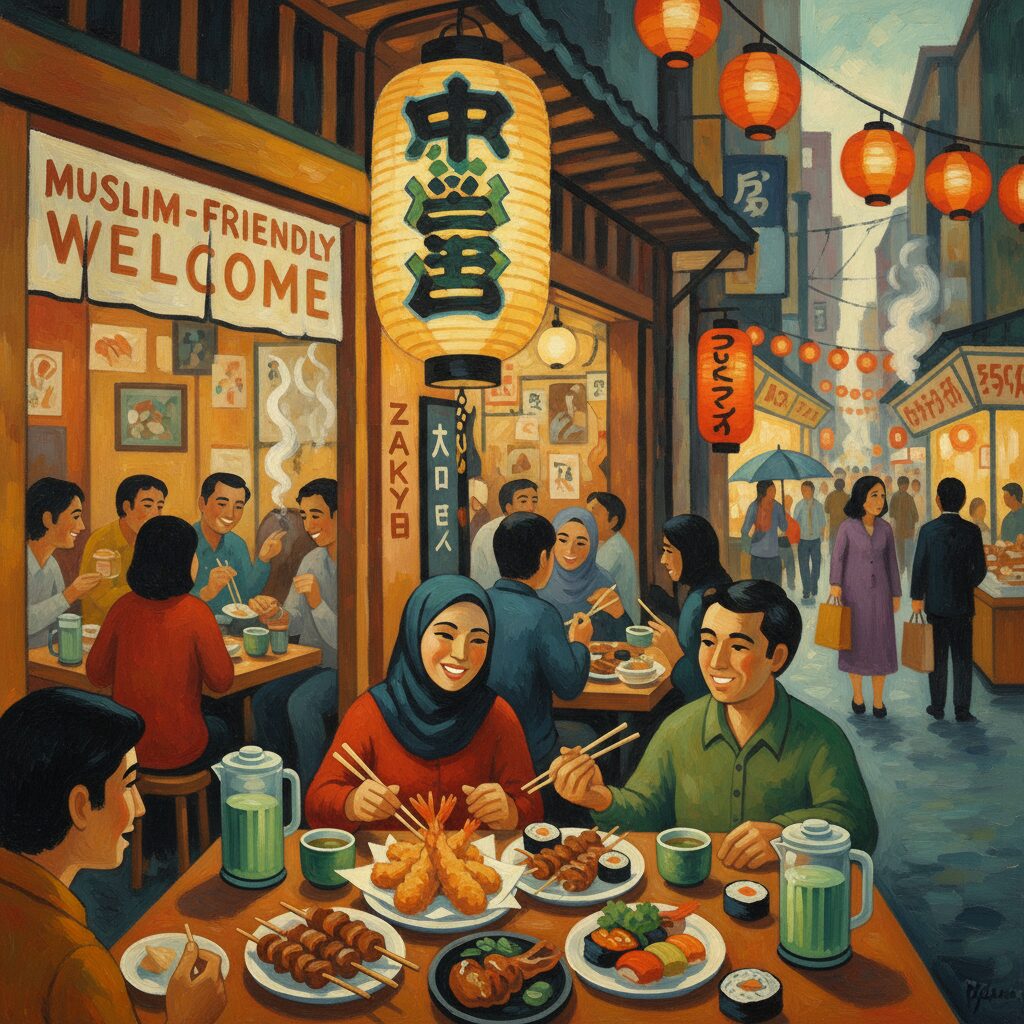
Deep within the lively maze of Tenma’s backstreets, imagine discovering such a sanctuary—a place where the iconic red lantern at the entrance symbolizes not only tradition but also a new, more inclusive style of hospitality. Let’s step inside a venue we’ll call “Washoku Sakaba Mizuki,” a conceptual yet entirely believable izakaya created with the desire to share authentic Japanese flavors with everyone. The instant you slide open the wooden door, you’re welcomed by the familiar warmth and energy of a classic izakaya—the cozy wooden counter, the gentle buzz of happy conversation, and the enticing aromas from the open kitchen. Yet here, subtle but important differences set it apart.
The owner, a young chef who spent time overseas and recognized the growing demand among international visitors for authentic yet accommodating experiences, has made it his mission to establish a truly Halal izakaya. The first thing you’ll notice is the prominent Halal certification from a recognized Japanese authority displayed near the entrance. This is more than just a sign—it is a promise. It means every ingredient, from the meat to the soy sauce, has been carefully vetted. The chef proudly explains that the kitchen is entirely pork-free. He has collaborated with suppliers to source Halal-certified chicken and beef. His seasonings are thoughtfully selected: mirin is replaced by a special non-alcoholic, Halal-certified substitute that replicates its sweetness and umami, and the soy sauce is guaranteed to be alcohol-free.
The kitchen stands as a testament to this dedication. Separate cutting boards, knives, and cooking utensils are assigned to different types of food, eliminating any risk of cross-contamination. The staff is trained not only in Halal food preparation but also in understanding the needs of their Muslim guests, confidently and clearly answering any questions. There may even be a small, quiet area curtained off, complete with a prayer mat and Qibla compass, providing a space for salah. This is omotenashi at its purest—anticipating a guest’s needs before they even have to ask.
Reading the Menu: Your Culinary Guide
The menu at a place like Mizuki is an eye-opener. It showcases all the izakaya classics you’ve long desired to try, reinterpreted through a Halal perspective. The yakitori selection is extensive, offering succulent skewers of Halal chicken thigh (momo), tender chicken and leek (negima), and flavorful minced chicken meatballs (tsukune), all glazed with a rich, homemade, alcohol-free tare sauce simmered for hours to develop deep flavor. The karaage, or Japanese fried chicken, is crispy, juicy, and marinated in a special blend of soy sauce, ginger, and garlic, making it irresistibly delicious.
Seafood fans can rejoice in what’s on offer. Fresh sashimi and sushi are naturally safe choices, but it’s the cooked dishes where creativity truly shines. Agedashi tofu, typically served in dashi broth containing mirin, here features a clear, flavorful kelp and shiitake mushroom broth. The tempura is light and crispy, accompanied by a dipping sauce that achieves its signature taste without a single drop of alcohol. Even the dashi maki tamago—the beloved Japanese rolled omelet—is prepared to perfection, its subtle sweetness coming from sugar and a carefully balanced dashi. Vegetable dishes such as grilled shiitake mushrooms, charred edamame, and salads dressed with uniquely Japanese flavors like sesame or yuzu are all crafted with the same attentive approach.
For first-time visitors, navigating the menu can feel overwhelming. Learning a few key phrases helps. Polite questions like “Kore ni wa arukoru ga haitte imasu ka?” (Does this contain alcohol?) or “Butaniku nashi de, onegaishimasu” (No pork, please) can be very useful in more conventional restaurants. But in a dedicated place like this, you can relax and explore with confidence. Don’t hesitate to ask the staff for their “osusume” (recommendations); they will be happy to guide you to their signature dishes.
Beyond the Plate: The Essence of the Izakaya Experience
The joy of the izakaya extends far beyond the food. It’s about the whole sensory and social experience. While others may be sipping sake, you can explore Japan’s vast and sophisticated world of non-alcoholic beverages. Request a high-quality Japanese tea, such as a roasted hojicha or a refreshing sencha, which beautifully cuts through the richness of fried foods. Many modern izakayas also embrace the art of the “mocktail,” creating complex and delicious drinks using fresh yuzu, shiso leaf, plum, and other local ingredients. Ordering a tall glass of oolong tea (“uroncha”) is a classic and popular choice for non-drinkers at any izakaya.
The real magic unfolds at the counter. If possible, grab a seat there to enjoy a front-row view of the chef’s artistry—the deft flick of the wrist as skewers are flipped, the intense focus while slicing sashimi. It’s a culinary ballet. This is also the best spot to engage, share a smile with the chef, and feel truly part of the action. The atmosphere encourages conversation, not only with your companions but also with those around you. This is the heart of “nommunication,” requiring no alcohol—just an open and curious spirit. It’s about sharing a moment, a laugh, and a delicious plate of food that connects you to the rhythm of local life.
Exploring Tenma’s Tapestry: What to Do Before Your Izakaya Dinner
Your Tenma adventure shouldn’t be confined to the evening. The district offers a rich array of experiences that provide context and stimulate your appetite for the night ahead. The best way to start is by exploring Tenjinbashisuji Shopping Street, an impressive covered arcade known as Japan’s longest, stretching an incredible 2.6 kilometers. Walking its entire length is a journey through the core of Osaka’s commerce and everyday life.
A Stroll Through Japan’s Longest Arcade
Begin your exploration in the afternoon when the street buzzes with activity. This isn’t a flashy mall, but a vibrant, living marketplace. You’ll pass traditional knife shops where artisans have refined their craft for generations, their windows showcasing a dazzling selection of perfectly balanced blades. Humble tea merchants offer samples of fragrant green tea, filling their shops with the earthy scent of tea leaves. You’ll also find kimonoyas with exquisite fabrics, pharmacies selling unique Japanese cosmetics, and bookstores stacked with manga. Naturally, food vendors appear at every corner, selling croquettes (korokke), takoyaki, and taiyaki (fish-shaped cakes filled with sweet bean paste). It’s a wonderful place to observe local life, pick up unique souvenirs, and soak in the neighborhood’s unpretentious charm. The arcade’s great length means its atmosphere shifts constantly, moving from bustling commercial areas to quieter residential zones, giving a genuine cross-section of the city.
A Moment of Serenity at Osaka Tenmangu Shrine
Just a short stroll from the lively arcade is a peaceful oasis: Osaka Tenmangu Shrine. Founded in the 10th century, this important Shinto shrine is dedicated to Sugawara no Michizane, the deity of scholarship and learning. Before diving into your izakaya experience, a visit here provides a moment of calm reflection. Pass beneath the grand torii gate and leave the city’s noise behind. The air within the shrine grounds feels cooler and hushed. Admire the intricate architecture of the main hall, watch worshippers paying their respects through clapping and bowing, and perhaps pick up an omamori, a good luck amulet for academic success or safe travels. If you visit in late July, you’ll be treated to the Tenjin Matsuri, one of Japan’s top three festivals, featuring river processions with illuminated boats and a grand fireworks display. On any other day, however, it remains a place of deep peace, a perfect cultural contrast to the lively energy of Tenma’s food scene.
Practical Navigation for the Savvy Traveler

Navigating Tenma is fairly simple, but a few tips can help make your experience smoother and even more enjoyable.
Getting There
The district boasts excellent connectivity. The easiest way to reach it is via the JR Osaka Loop Line to Tenma Station. Just one stop from the major Osaka Station hub, it’s incredibly convenient. Alternatively, you can take the Sakaisuji subway line to Ogimachi Station, which puts you right at the southern end of the Tenjinbashisuji Shopping Street. From either station, the main cluster of izakayas and restaurants is just a short walk away. Don’t hesitate to explore the side streets; that’s often where the best discoveries lie.
The Best Time to Go
Tenma has two distinct personalities. By day, it’s a busy commercial area centered around the shopping arcade. To truly experience its charm, however, you should visit in the evening. Aim to arrive around 6:00 PM, when office workers start to pour in, lanterns are lit, and the izakayas begin to fill up. The energy gradually builds, peaking between 7:00 PM and 9:00 PM. Many places accept walk-ins, but if you want to visit a specific Muslim-friendly spot, it’s wise to make a reservation, especially on Friday or Saturday nights. A quick phone call or online booking can save any disappointment.
Essential Etiquette and Tips
Izakaya etiquette is relaxed, but knowing a few customs helps. At many izakayas, a small appetizer called an otoshi is served as soon as you sit down. This is mandatory and included as a small cover charge on your bill—think of it as a seating fee. Regarding payment, although many places now accept credit cards, cash remains preferred in smaller, family-run spots, so it’s smart to have enough yen with you. When you’re ready to leave, you can signal for the check by making an ‘X’ with your index fingers to the staff, a common, understood gesture meaning “bill, please.”
A Woman’s Perspective on Safety
As a travel writer who often explores cities solo, safety is always a priority. I can confidently say that Tenma, like most parts of Japan, feels very safe—even at night. The streets are busy and well-lit, and the atmosphere is friendly rather than rowdy. Still, it’s wise to stay aware of your surroundings in any crowded place. The lanes can be narrow and packed, so keep your bag close and secure. Solo female travelers typically feel very comfortable here. Sitting at an izakaya counter is a great safe option to dine alone, as you’re within direct view of the staff. Local patrons tend to be respectful, with the focus on enjoying food and company. Japan’s culture of respect makes it an especially welcoming destination for solo women, and Tenma offers a wonderful chance to confidently immerse yourself in local nightlife.
Tenma is more than just a food destination; it’s an invitation to experience Osaka’s most authentic, vibrant, and welcoming side. The rise of Muslim-friendly izakayas in such a traditionally rooted neighborhood is a beautiful reflection of the city’s evolving spirit of hospitality. It shows that the joy of sharing a meal, the warmth of a lively room, and the thrill of discovering new flavors are universal—and should be accessible to all. So when you visit Osaka, venture beyond the usual tourist spots. Let the glow of Tenma’s red lanterns guide you down narrow streets. Find a seat, soak in the lively atmosphere, and raise a glass of oolong tea. You’re not just having a meal—you’re partaking in a timeless ritual, a heartfelt welcome to the true soul of the city.