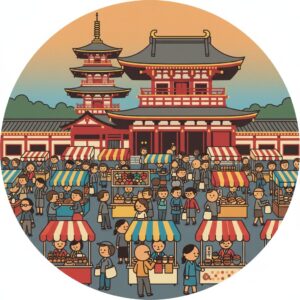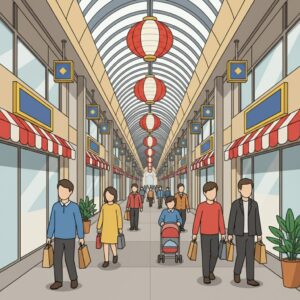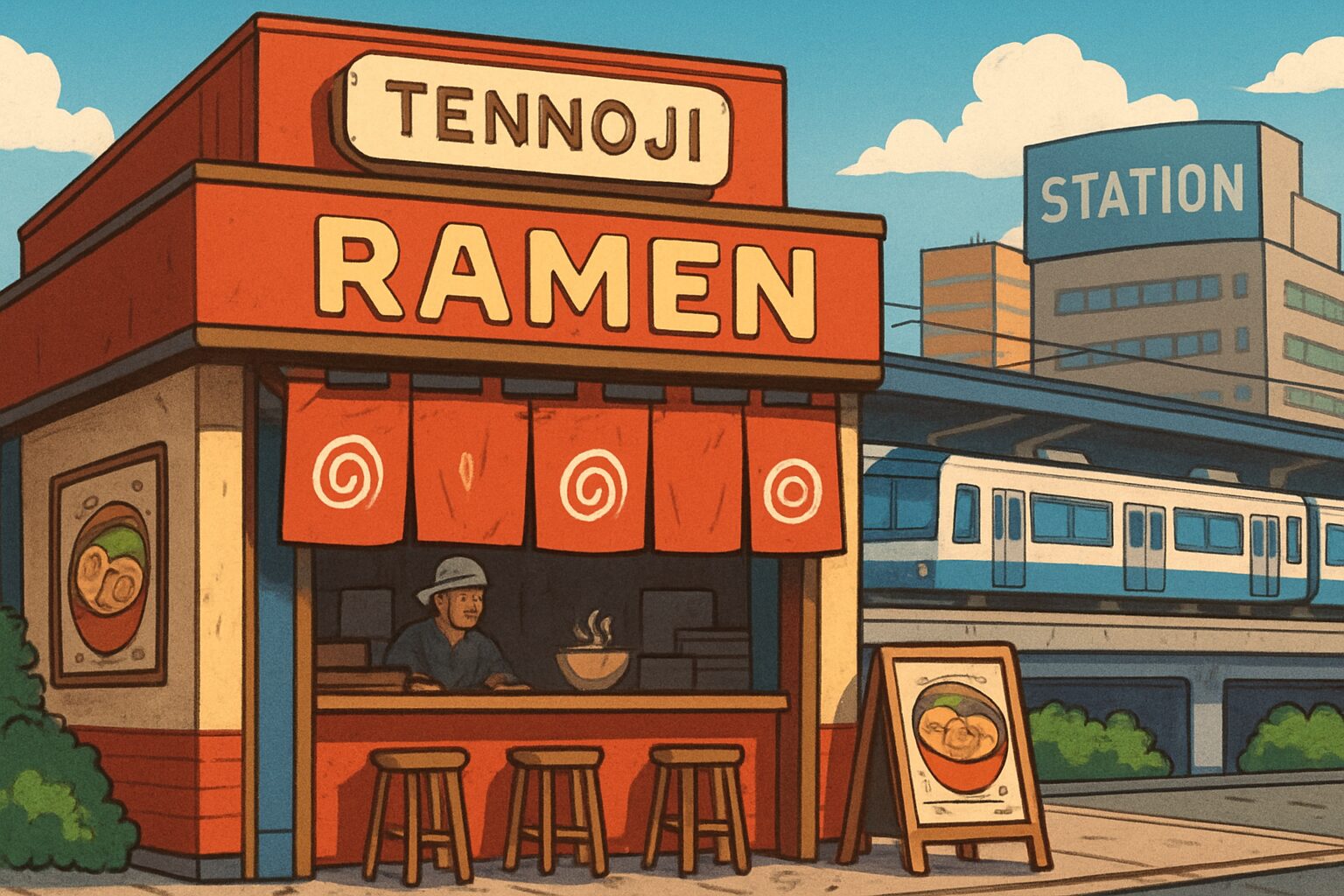
There’s a rhythm to Osaka, a city that pulses with a vibrant, unapologetic energy. It’s a cadence you feel deep in your bones, from the neon-drenched streets of Dotonbori to the market clamor of Kuromon Ichiba. Yet, some of the city’s most profound rhythms are found not in its famous entertainment districts, but in the sprawling, interconnected hubs that serve as its circulatory system. Tennoji is one such place—a nexus where ancient history and hyper-modernity collide. It is a district anchored by the solemn grace of Shitennoji, one of Japan’s oldest Buddhist temples, and simultaneously dominated by the towering Abeno Harukas skyscraper and the kinetic energy of Tennoji Station. Within this confluence of old and new lies Tennoji MIO, a vast shopping complex built directly into and above the station itself. To the casual observer, it’s a world of gleaming fashion boutiques, chic cafes, and endless streams of commuters. But for those willing to listen closer, to follow the subtle, savory aromas that drift through its less-traveled corridors, MIO reveals itself as an unexpected sanctuary for one of Japan’s most beloved culinary arts: ramen.
This isn’t just about grabbing a quick bite between train transfers. This is about discovering a hidden world of culinary dedication, a collection of small, unassuming noodle shops where master chefs, or taisho, pour their entire lives into perfecting a single bowl of soup. These are not grand dining halls, but intimate spaces tucked away in the station’s labyrinthine structure, each offering a unique portal into the profound depth and diversity of ramen culture. Here, amidst the rush of modern life, the ancient principles of craftsmanship, or kodawari, are alive and well. A journey into the ramen dens of Tennoji MIO is a journey into the very soul of Osaka—a place where the simple act of eating is elevated to an art form, a moment of pure, unadulterated pleasure that resonates long after the last noodle is gone. So, let us step away from the main thoroughfares and venture into this gastronomic underbelly, where the city’s true heart beats in time with the bubbling of a broth pot and the satisfying slurp of perfectly cooked noodles.
For a different kind of spiritual nourishment in the area, consider exploring the vegan-friendly sanctuaries near Shitennoji Temple.
The Pulse of the Terminal City
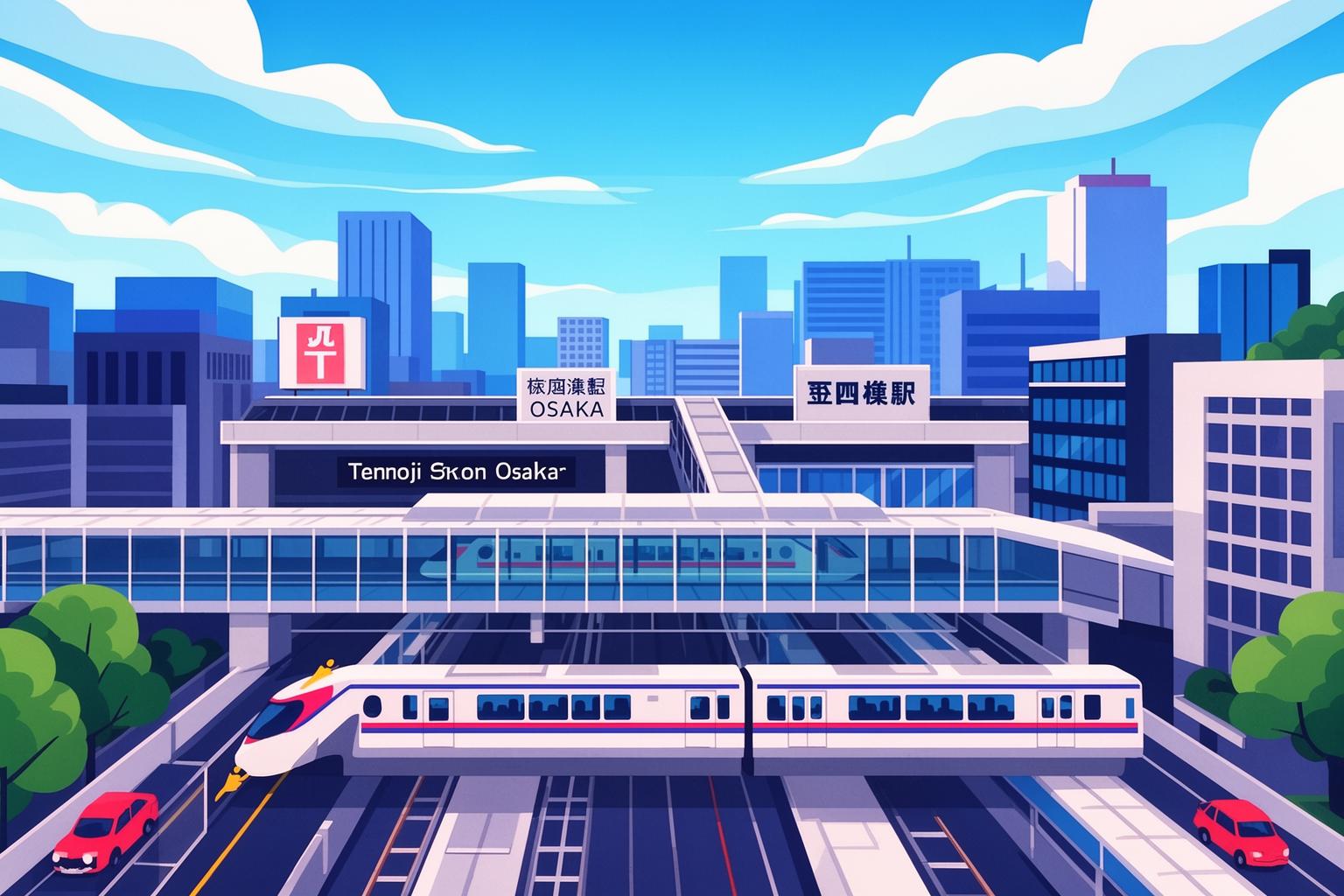
To truly appreciate the ramen, one must first grasp the setting where this culinary drama takes place. Tennoji MIO is more than just a shopping mall; it is an ecosystem. It forms a vertical city built atop one of Kansai’s busiest transportation hubs, where the JR Lines, Osaka Metro, and Kintetsu Railway intersect in a beautifully orchestrated chaos. The MIO complex is split into two main sections: the Main Building and the Plaza Building, both bustling with activity. A constant, low-frequency hum vibrates from the trains rumbling below, a subterranean heartbeat that sets the rhythm for everything overhead. Sunlight filters through expansive glass atriums, illuminating polished floors and the latest seasonal fashions, creating a sharp contrast with the dim, narrow passageways that house the ramen-ya.
The mood here is one of intentional motion. People aren’t merely wandering; they are on a mission. They are catching trains to Kyoto, heading to work, or meeting friends. This vibrant energy makes the discovery of a quiet, eight-seat ramen counter all the more meaningful. It offers a deliberate pause amid the relentless flow of time, a conscious choice to step aside from the river of humanity and into a space devoted to a solitary, sensory experience. These shops are often located on the restaurant floors, sometimes tucked away in unexpected corners, marked only by a simple noren curtain hanging over the entrance—a modest sign that separates the ordinary world outside from the sanctuary within. Pushing aside that curtain is to enter a different realm, where the station’s cacophony fades away, replaced by the gentle hiss of boiling water, the rhythmic clatter of bowls, and the focused silence of a chef at work. The air thickens with fragrance, rich with the aroma of simmering pork bones, toasted sesame, and savory soy sauce. It is an olfactory prelude that readies you for the symphony ahead.
A Shrine to Tonkotsu: The Altar of Menya Tetsuryu
Our initial pilgrimage leads us to a place that feels as much like a workshop as it does a restaurant, a spot quietly praised by local office workers and discerning travelers alike. Let’s call it Menya Tetsuryu, or the Iron Dragon Noodle House. Finding it is the first step in the ritual. You’ll pass a brightly lit cosmetics store and a busy bookstore before turning down a corridor that seems to vanish into nowhere. There, you’ll find it: a dark wooden facade, a single lantern glowing warmly, and a simple indigo noren adorned with a striking calligraphic dragon. There is no grand sign, only a small, backlit menu display and the unmistakable, deeply comforting scent of authentic tonkotsu broth wafting into the hallway.
Inside, the world contracts to the size of an L-shaped counter accommodating no more than ten people. The space is intimate, almost reverential. The walls are bare except for a few wooden plaques that list noodle firmness options. The entire focus is on the open kitchen, a stage of stainless steel and steam where the taisho, a man of few words and intense concentration, commands his realm. His movements are a study in efficiency and precision, a ballet of ladles, strainers, and bowls, perfected over decades of relentless practice. The air is heavy with steam rising from a massive stockpot, the cauldron from which the soul of this establishment—the tonkotsu soup—is born.
Before you even take your seat, you face the gatekeeper: the ticket machine, or kenbaiki. This classic feature of many ramen shops streamlines the ordering process and lets the chef focus solely on crafting the food. The buttons can be a cryptic puzzle for newcomers, marked with kanji and photos of various dishes. A moment’s study reveals the system. You insert your cash and press the button for your chosen dish. The main button is for the signature Tetsuryu Tonkotsu Ramen. Other options include aji-tama (with a marinated soft-boiled egg), chashu-men (with extra slices of braised pork), or a full-house version with all the toppings. You might also find buttons for a side of gyoza or a bowl of rice. A ticket is issued, which you hand to the chef or his assistant as you sit down. At this point, you may be asked about your preferred noodle firmness, a crucial part of the Hakata-style tonkotsu experience. Choices range from barikata (extra firm) and kata (firm) to futsu (regular) and yawa (soft). For authenticity, kata is often recommended, as the thin noodles will continue to cook in the hot broth.
The bowl that arrives is a masterpiece of composition, a study in shades of beige, brown, and green. The broth is the centerpiece. This is no thin, watery soup; it is an opaque, creamy, almost milky elixir. It results from simmering pork bones, trotters, and marrow for hours—sometimes days—until the collagen breaks down and emulsifies into the liquid, creating profound depth and a velvety texture. The aroma is primal and richly savory, free of any unpleasant gaminess, a testament to the chef’s meticulous care. The first sip is a revelation, coating your tongue with rich, porcine umami balanced by the subtle saltiness and complexity of the kaeshi, the secret seasoning tare that serves as the chef’s unique signature.
The noodles are thin, straight, and stark white, specially made for this type of broth. They offer a delightful firmness, perfectly complementing the creamy soup. Then come the toppings, each a star on its own. The chashu is far from ordinary boiled pork; it is pork belly rolled, tied, and simmered for hours in a sweet soy-based liquid until tender to the point of melting, the fat rendered to a luscious consistency. The aji-tama is a masterpiece, a soft-boiled egg marinated until the whites turn a gentle brown and the yolk becomes a semi-liquid jam of concentrated flavor. Finely sliced scallions add a sharp, fresh note, while crisp kikurage (wood ear mushrooms) contribute a delightful crunch. To dine at Menya Tetsuryu is to engage in a sacred tradition, recognizing that a simple bowl of noodles can embody history, dedication, and a lifetime of refined craft.
The Elegance of the Ocean: Shiokaze Kamome’s Clear Expression
If Menya Tetsuryu resonates like a deep, rich bass note, then our next stop is a soaring, clear soprano. Nestled in a brighter corner of the MIO Plaza building is a shop founded on a completely different philosophy. Let’s call it Shiokaze Kamome, the Seabreeze Gull. The aesthetic here embraces minimalist Japanese design. The facade features light-grained wood and frosted glass, while the noren is pristine white, adorned with a simple, elegant logo of a flying gull. Rather than the heavy, earthy aroma of pork, the air is filled with a lighter, more delicate scent of the sea.
Inside, the space is brighter and more open, though still compact. The counter is crafted from smooth, pale cypress wood, and the lighting is soft and warm. The atmosphere is tranquil and contemplative. The taisho feels younger, perhaps, and his method resembles that of a scientist or perfumer, carefully balancing delicate elements. This is a sanctuary for shio ramen, a style defined by its salt-based seasoning and clear, refined broth. Whereas tonkotsu ramen focuses on extraction and concentration, shio ramen emphasizes infusion and clarity.
Although the ordering process remains the same—a ticket machine presenting various choices—the options reflect a distinctly different culinary perspective. The signature dish is Shio Soba (the term soba is sometimes used interchangeably with ramen in shop names). You might encounter variations such as Yuzu Shio, featuring a touch of bright citrus, or a special with a premium dashi. Here, the emphasis is less on adding more pork and more on savoring the subtlety of the base ingredients.
The bowl arrives resembling a tranquil pond. The broth takes center stage, a perfectly clear, golden-hued liquid of stunning purity. Achieving such clarity requires exceptional skill, involving a gentle, low-temperature simmer of premium ingredients like whole chickens, Hokkaido kombu, dried scallops, and perhaps a hint of niboshi (dried sardines) for depth. The resulting dashi is a complex umami tapestry—light and clean yet deeply flavorful. The shio dare, or salt seasoning, goes beyond simple salt. It’s a proprietary blend of various sea salts, possibly from Okinawa or the Seto Inland Sea, dissolved in a base of sake and mirin. The aroma is subtle and refined, with whispers of the ocean and a clean, savory essence.
The noodles at Shiokaze Kamome differ as well. They are often slightly thicker than typical tonkotsu noodles, with a gentle wave or crimp called chijiremen. This waviness serves a purpose, designed to cradle and carry the delicate, clear broth to your mouth with each bite. They boast a delightful, springy chew, a satisfying texture that stands up to the soup without overpowering it.
Toppings are selected with meticulous care to complement, rather than overshadow, the broth. Instead of heavy, braised pork belly, you may find slices of sous-vide chicken breast, impossibly moist and tender, or a leaner cut of pork loin gently cooked to preserve its delicate flavor. Thinly sliced shiranegi (white leek) adds a touch of sweetness and a crisp bite. A perfectly glistening wonton filled with shrimp or minced pork might float near the edge. Often, the finishing touch is a spoonful of aromatic oil—perhaps chicken fat infused with ginger or fragrant scallion oil—floating on the surface, adding yet another layer of aroma and flavor as you eat. Dining at Shiokaze Kamome is a lesson in subtlety and balance. It recalibrates the palate, proving that ramen’s power doesn’t always lie in richness and intensity but can also be found in purity, elegance, and the masterful harmony of simple, perfect ingredients.
The Demon’s Dip: Embracing Intensity at Jigoku no Tsukemen Oni
Our final stop on this underground journey is for the daring, the adventurous diner who seeks not subtlety but a full-on assault on the senses. We descend into a section of the station complex that feels older and more industrial. Here, we find Jigoku no Tsukemen Oni—Hell’s Demon Dipping Noodles. The name itself boldly declares its purpose. The shop’s exterior is dark and imposing, with a heavy black noren featuring a fierce, stylized demon mask in fiery red calligraphy. The sounds coming from inside are different—no quiet focus like the other shops, but energetic rock music and the loud slurping of a younger, thrill-seeking crowd.
Inside, the atmosphere is intentionally raw and edgy. Dark concrete walls are decorated with bold, dynamic calligraphy and posters. The lighting is low and dramatic, with spotlights highlighting the bowls of food. This is the world of tsukemen, a ramen style where noodles and soup are served separately. It’s a deconstructed, interactive meal that has gained huge popularity for its intense flavors and satisfying textures.
The ticket machine is an intimidating presence with large, aggressive-looking buttons. The main choice is the Oni Tsukemen. You select your noodle portion size—nami (regular), chu-mori (medium-large), or o-mori (large)—often at the same price, a challenge to your appetite. You can add toppings like a spicy bomb, extra garlic, or a block of cheese for an even richer experience.
What arrives are not one but two bowls. The larger bowl holds the noodles. And these are no ordinary noodles—they are thick, robust, and glossy, almost like udon, served cold or at room temperature. Specifically made for tsukemen, they have incredible chewiness and a pronounced wheaty flavor. They are the perfect partner for the main event: the dipping soup. Served in a smaller, stone-hot bowl to keep it piping hot, the soup is thick, viscous, almost gravy-like. It’s a super-concentrated, explosive brew, often a gyokai tonkotsu base—a powerful blend of the rich pork bone broth from the first shop and an intensely savory, smoky fish powder made from mackerel or bonito flakes. The aroma is intoxicatingly complex: rich pork, smoky fish, deep soy, and a hint of vinegar to cut through the richness. Floating in the broth are chunks of seared chashu, thick-cut bamboo shoots, and sometimes a scattering of chopped onions or yuzu peel.
Eating tsukemen is an active ritual. You take a small portion of the cold, chewy noodles with your chopsticks and dip them into the hot, thick broth, making sure they’re fully coated. Then you lift them to your mouth and slurp with gusto. The experience is a mind-bending contrast of temperatures and textures—the cold, firm noodles against the hot, rich soup; the smooth surface of the noodles against the slightly gritty texture from the fish powder in the broth. The flavor is an umami bomb that explodes on your palate—a wave of savory, smoky, salty, and slightly sweet notes that is utterly addictive.
But the experience doesn’t end when the noodles are gone. You’re left with a small amount of the intensely flavored dipping sauce, far too strong to drink on its own. This is where the final, beautiful step comes in: soup-wari. You take your bowl back to the counter and say to the chef, “soup-wari, onegai shimasu.” He will pour in a light, clear dashi, diluting the remaining dipping sauce into a perfectly balanced, drinkable soup. This final step is warming and deeply satisfying— a gentle conclusion to an otherwise intense, exhilarating meal. Visiting Jigoku no Tsukemen Oni is more than just dinner; it’s an event, a challenge to your senses, and a celebration of ramen’s wild, creative, and powerful potential.
A Practical Guide to the Noodle Path
Exploring Tennoji Station and its MIO complex to uncover these hidden gems is part of the experience. The station serves as a major hub, conveniently accessible via the JR Osaka Loop Line, Yamatoji Line, Hanwa Line, and the Midosuji and Tanimachi subway lines. The key is to get your bearings upon arrival. Follow signs directing you to the MIO Main Building or the MIO Plaza Building. Restaurants are usually located on the upper floors or sometimes in the basement. Don’t hesitate to explore; the best finds often come from venturing off the beaten path.
For first-time visitors, the lunch rush, typically from noon to 1:30 PM, can be quite busy with long lines at popular spots. To avoid waiting, try eating a little earlier or later than usual. Dinner hours may also be less crowded, particularly on weekdays. Keep in mind these places are not designed for lingering. The culture emphasizes eating with focus and gratitude before making room for the next customer—a system built on efficiency and mutual respect.
A few etiquette tips will make a difference. When you finish your meal, it is customary to return your bowl to the counter and offer a slight nod or quietly say “gochisosama deshita” (thank you for the meal) to the chef. And yes, slurping noodles is not only acceptable but encouraged—it’s a sign you’re enjoying your food and helps cool the noodles as you eat.
To fully appreciate your meal’s context, consider combining your ramen adventure with visits to the area’s historic sites. Spend a morning in the peaceful grounds of Shitennoji Temple, soaking in its ancient calm, which contrasts beautifully with the modern energy of the station and the rich flavors of a bowl of ramen. Afterwards, a walk through Tennoji Park or a visit to the observation deck of Abeno Harukas can round out a day capturing the vibrant essence of Tennoji—a district where a fifteen-hundred-year-old temple stands in the shadow of Japan’s tallest skyscraper, and some of the country’s most soulful food awaits inside a train station.
The Enduring Echo of the Bowl
As you step out from the warm, fragrant embrace of the ramen-ya and into the bright, bustling streets of Tennoji MIO, the world feels transformed. The rhythm of the station, once a chaotic buzz, now serves as a familiar backdrop to the rich, savory flavors still lingering on your palate. You carry with you the warmth of the broth, the memory of the perfectly chewy noodles, and the deep satisfaction of having uncovered something special, something hidden in plain sight. These ramen shops are more than mere eateries; they are bastions of craftsmanship, small theaters of culinary excellence performing their delicious drama day after day. They stand as a vivid reminder that in a city as vast and vibrant as Osaka, the most profound experiences are often found in the smallest spaces—in a simple bowl of noodles and soup, perfected through a lifetime of passion. The secret symphony of Tennoji MIO awaits, and all you need to do is follow the scent, part the curtain, and take a seat.