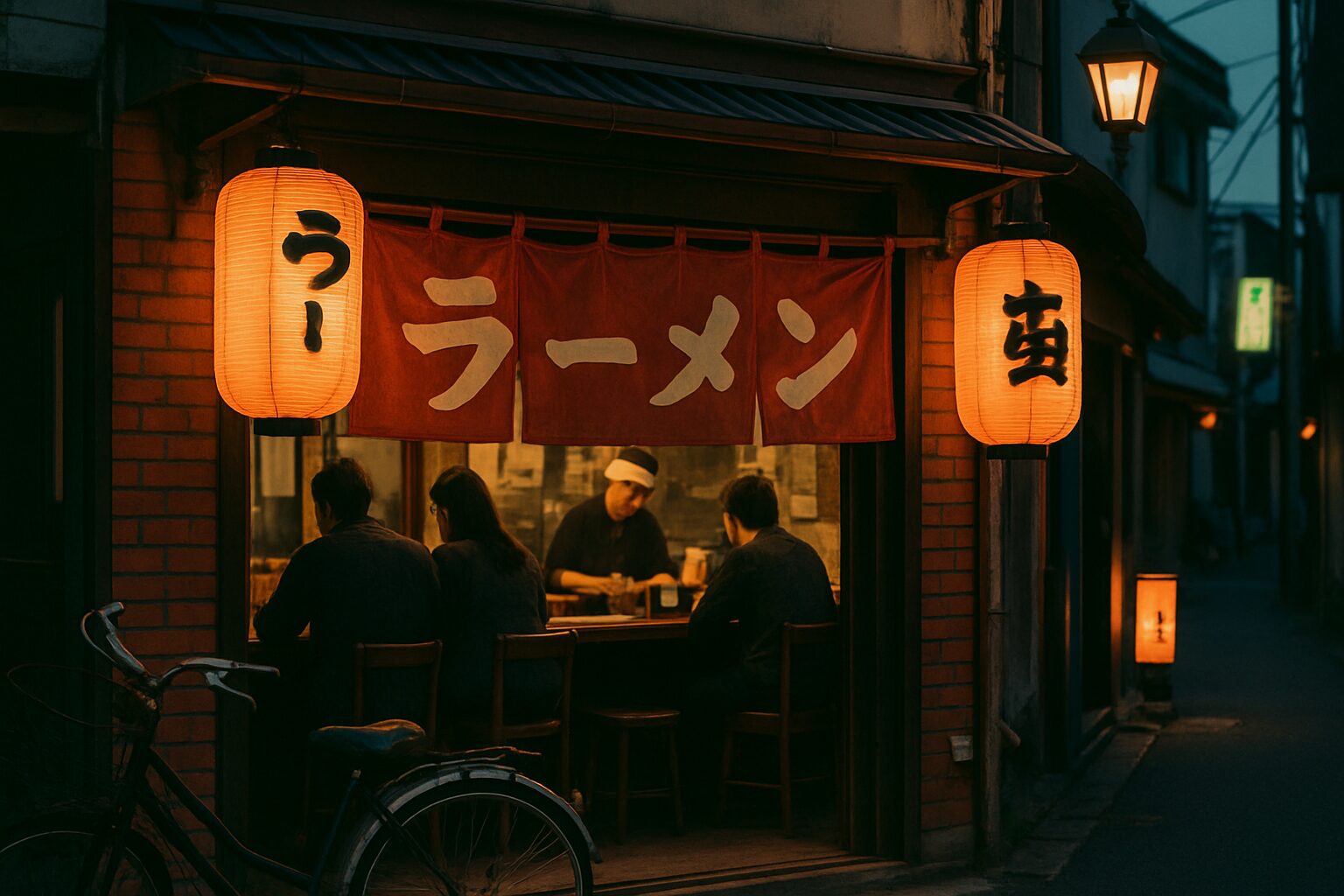
Step off the rumbling green train of the Osaka Loop Line at Teradacho Station, and the world shifts. The electric hum of Tennoji’s towering skyscrapers, just one stop away, fades into a gentle, rhythmic murmur. This isn’t the Osaka of dazzling neon signs and sprawling underground malls. This is Osaka with its sleeves rolled up, a place of quiet neighborhood pride, sun-drenched shotengai shopping arcades, and the kind of lived-in authenticity that photographers and wanderers dream of. You’re in the heart of a real Osaka neighborhood, a place where the city breathes. But beneath this calm, everyday exterior beats a passionate, simmering heart, and its rhythm is the sound of noodles being pulled from boiling water, of rich, savory broth being ladled into perfectly warmed bowls. Teradacho, my friends, is a clandestine paradise for ramen lovers, a testament to the idea that the most profound culinary experiences are often found just a few steps from the beaten path. This is a pilgrimage for those who believe that a single bowl of ramen can tell the story of a neighborhood, a city, and the dedicated artisans who pour their souls into crafting the perfect slurp. We’re not just eating; we’re exploring, discovering the soulful symphony of flavors hidden in plain sight, waiting for anyone willing to listen.
To continue your ramen pilgrimage in Osaka, explore the hidden bowls near Tennoji Station.
The Soul of Teradacho: Beyond the Tourist Trail
The air in Teradacho carries a unique scent—a blend of laundry drying on balconies, a subtle sweetness from a nearby bakery, and the constant, savory aroma of dashi stock simmering close by. Upon leaving the modest station, you’re met not by towering department stores but by a maze of narrow streets where bicycles dominate and neighbors greet one another by name. The JR Osaka Loop Line tracks provide both the area’s lifeline and its soundtrack, the steady clatter of passing trains a continual reminder of your place within the city’s expansive, interconnected web. Yet here, the rhythm is distinctly slower, more intentional. It feels like a town within a city, a self-contained world moving to its own gentle beat. This setting is essential to understanding the local ramen scene. The shops are not built for high tourist turnover; they stand as community pillars where local workers enjoy quick, satisfying lunches and where families have gathered for generations. The chefs behind the counters aren’t chasing trends—they’re perfecting their craft, focusing on a single, signature bowl that embodies their philosophy. Eating ramen in Teradacho is participating in a daily ritual, a brief welcome into the fabric of local life. It’s a departure from the transactional nature of tourism and an entrance into the relational heart of a genuine Osaka neighborhood.
First Stop: The Legendary Shio Master – Mensho Shindo
A short, contemplative walk from the station’s north exit, down a street that feels more residential than commercial, will lead you there. There’s no flashy sign, no English menu displayed in the window. Just a simple, elegant noren curtain hanging in the doorway of Mensho Shindo, quietly inviting those who are in the know. Stepping inside feels like entering a sanctuary of flavor. The space is compact and intimate, centered around a pristine wooden counter that provides a front-row view of the master’s craft. The atmosphere is one of quiet focus. The only sounds are the gentle hiss of steam, the soft clinking of porcelain, and the appreciative slurps of fellow diners. This is a place that honors the craft with reverence.
The Art of Shio Ramen
Mensho Shindo’s specialty is shio ramen, a salt-based broth that is surprisingly complex. In a world dominated by heavy, overpowering tonkotsu, a flawless shio broth showcases true genius, as there’s no mask for imperfections. The bowl presented to you is a work of art, an exercise in elegant minimalism. The soup gleams a crystalline gold under the warm lights. It looks light, but the first sip unveils a revelation. It bursts with profound umami, a delicate yet deeply layered flavor created from high-quality chicken, kombu (kelp), and possibly a secret blend of dried fish and other sea ingredients. It’s clean, refined, and coats your palate with a warmth that feels both invigorating and comforting. The salt is more than just salty; it’s a seasoning that enhances every component, making the chicken taste more distinctly chicken, and the dashi more evocatively oceanic.
Deconstructing the Perfect Bowl
The noodles are superb. They are slender, straight, and firm, with a pleasing bite that holds up in the hot broth without becoming soggy. They seem crafted to carry the ideal amount of that golden soup with every slurp. Then come the toppings, each selected and prepared with meticulous care. The chashu isn’t the usual fatty, rolled pork belly. Instead, you might find two varieties: a slice of tender, sous-vide chicken breast that remains incredibly moist, and a delicate slice of pork shoulder, lean yet rich in flavor, with edges kissed by a subtle smoke. The menma (bamboo shoots) are thick and crunchy, adding textural contrast, and the ajitama (marinated egg) is a work of art. The white is firm yet tender, and the yolk is a perfect, molten custard of savory richness that enriches the broth when broken. A scattering of finely chopped green onions adds a bright, fresh sharpness that cuts through the richness. Dining at Mensho Shindo is a holistic experience that redefines your expectations of ramen, proving that depth and power need not be heavy. It’s a bowl of elegant, soul-satisfying perfection.
A Different Flavor Profile: The Richness of Ramen Gonta
After savoring the delicate lightness of Shindo’s shio, your palate may yearn for a journey to the opposite end of the ramen spectrum. A different kind of stroll, through another set of quiet streets, brings you to Ramen Gonta. The atmosphere here is distinct—warmer and a bit more rustic, with the unmistakable, enticing aroma of long-simmered pork bones greeting you. This is a place that promises a heartier, more robust experience. The interior feels livelier, the kitchen’s energy more intense. This isn’t a silent sanctuary; it’s a vibrant dojo of flavor, celebrating the bolder side of Osaka’s ramen identity.
The Embrace of a Hearty Broth
Gonta is renowned for its rich, satisfying bowls inspired by tonkotsu and tori-paitan (creamy chicken) traditions. When you order their signature bowl, you are met with a completely different vision. The soup is opaque, creamy, and clings to the noodles—a testament to hours of simmering bones and vegetables until every bit of collagen and flavor is extracted. This isn’t the harsh punch of a straight Hakata-style tonkotsu; it’s a more balanced, Osaka-inflected variant, where the porky richness is softened by the sweetness of vegetables and the savory base of a shoyu tare (soy sauce seasoning). The first taste is like a comforting embrace. It’s rich without being greasy, complex without being overwhelming. It’s the kind of soup that nourishes from the inside out, perfect for a rainy day or a weary traveler.
The Harmony of Richness
At Gonta, the noodles tend to be slightly thicker and wavier, designed to cling to the richer broth. They have a springy, chewy texture that delivers a satisfying bite. The chashu is a more traditional style: thick-cut slices of pork belly, braised until melt-in-your-mouth tender, with fat that dissolves on your tongue, enriching the soup further. The toppings are heartier as well—you might find crisp kikurage (wood ear mushrooms) and a generous heap of bean sprouts for a refreshing crunch. A spoonful of spicy miso or a splash of garlic oil, often available at the counter, can completely transform the bowl, adding new layers of pungent, fiery complexity. Paired with a side of crispy-bottomed gyoza or a small bowl of rice to soak up the remaining broth, a meal at Gonta delivers a deeply satisfying, full-bodied experience that leaves you content, nourished, and ready for a long, reflective walk.
Navigating the Ramen Etiquette
For those unfamiliar, stepping into a dedicated ramen-ya can feel like entering a secret club with its own set of rules. Yet it’s delightfully simple once you know the basics. Many shops like this, especially popular ones, operate with a shokkenki, or ticket vending machine. You insert your cash, press the button for your desired ramen (often pictured), and take the ticket that’s dispensed. Hand this to the chef or staff when seated. This system is efficient and bypasses any language barriers. While eating, don’t hesitate to slurp! In Japan, slurping noodles isn’t rude—it’s a sign of enjoyment and helps cool the hot noodles while mixing broth aroma with their flavor. Use chopsticks for the noodles and toppings, and the renge (wide, flat soup spoon) for broth and smaller bits. Feel free to customize your bowl with condiments on the counter—sesame seeds, chili oil, pickled ginger—but always taste the broth alone first to appreciate the chef’s original creation. Lastly, ramen shops are usually fast-paced. Once finished, it’s polite not to linger, especially if there’s a queue. A simple “gochisousama deshita” (thank you for the meal) to the staff as you leave is a heartfelt gesture of appreciation.
Beyond the Bowl: The Teradacho Neighborhood
While the ramen is undeniably amazing, to truly appreciate Teradacho, you need to explore the spaces between the noodle shops. A post-meal stroll is essential. Wander into the local shotengai, the covered shopping arcade that serves as the neighborhood’s living room. Here, life unfolds at a human pace. You’ll encounter the tofu-ya, where fresh tofu is made daily; the fishmonger, calling out the day’s catch; the tiny stationery shop, stocked with notebooks and pens; and the wagashi-ya, showcasing delicate seasonal Japanese sweets. It’s a sensory feast: the aroma of grilling unagi, the chatter of friends catching up over tea, the sight of colorful pickles displayed in barrels. This is where ingredients for both home kitchens and local restaurants are sourced. It’s a direct link to the food culture you’ve just savored in your ramen bowl.
A Walk Through Time to Tennoji
Teradacho’s closeness to some of Osaka’s most important historical sites adds another layer of depth to your visit. The area lies near the ancient Shitennoji Temple, founded in 593 AD and regarded as one of Japan’s oldest officially administered Buddhist temples. A walk from Teradacho’s quiet streets toward the expansive temple grounds feels like stepping back in time. Modern apartments gradually give way to older wooden houses, leading to the magnificent temple complex itself. From there, it’s a short walk to Tennoji Park, a green oasis in the city’s heart. Here, the atmosphere shifts again. You’ll find the Osaka City Museum of Fine Arts, the Tennoji Zoo, and Keitakuen Garden, a beautiful traditional Japanese garden. Dominating the skyline is Abeno Harukas, Japan’s tallest skyscraper, a striking symbol of modern Osaka. Standing in the park, looking at the ancient temple pagoda with the ultra-modern skyscraper behind it, you grasp the city’s dynamic blend of old and new. Your ramen pilgrimage in the quiet, old-school neighborhood of Teradacho becomes an ideal starting point for appreciating this fascinating contrast.
A Third Contender: The Creative and Unconventional at Wadachi

Just when you believe you’ve gotten a grasp on Teradacho’s ramen scene, you encounter a spot like Wadachi. This isn’t about the traditional shio or tonkotsu styles. Instead, it’s about inventive, boundary-breaking ramen infused with a distinct Osakan spirit. Wadachi is renowned for its “BUTA-TAMA” style ramen, a brilliant fusion of ramen and another cherished Japanese dish: sukiyaki.
An Interactive Bowl of Delight
The bowl served at Wadachi is a vibrant, almost chaotic work of art. The broth is a deep, dark, savory-sweet blend reminiscent of rich sukiyaki sauce. It’s packed with thinly sliced pork, tender onions, and crowned with a heap of green onions. But the true magic lies in a small side bowl holding a raw egg. The instructions, often given with a smile and gesture, are to whisk the egg and then use it as a dipping sauce for the noodles and pork. This creates a transformative experience. Dipping the hot, broth-soaked noodles into the cool, creamy egg forms an incredible rich coating that balances the broth’s sweetness and adds a luxurious texture. It’s interactive, fun, and unbelievably delicious. This is Osaka’s playful, inventive food culture shining through. It demonstrates that tradition isn’t a fixed thing to be preserved but a living foundation for crafting exciting new creations. A visit to Wadachi shows that Teradacho’s ramen scene isn’t just about perfecting classics; it’s also a laboratory for the future of noodles.
Practical Guide for the Teradacho Ramen Pilgrimage
Starting your own ramen adventure in Teradacho is delightfully easy. The area is highly accessible. Teradacho Station sits on the JR Osaka Loop Line, just a two-minute ride from the major transit hub of Tennoji Station. From Osaka/Umeda Station, it’s a direct 20-minute trip. From Namba, a short subway ride to Tennoji followed by a one-stop transfer is all it takes. The ideal time to visit is probably a weekday lunch, when you can enjoy the shops alongside local workers. Be ready for lines at the most popular spots, though they tend to move quickly. Keep in mind that many small, independent shops may have inconsistent hours and may close early if they run out of soup for the day. A quick online search for the shop’s name can often provide recent opening information. Most importantly, bring cash. Many beloved local places don’t accept credit cards, and ticket machines are almost always cash-only. Don’t worry about language barriers. The language between a hungry diner and a passionate chef is universal. A smile, a point, and an enthusiastic “oishii!” after your first bite will say it all.
A Photographer’s Epilogue: Capturing Teradacho’s Essence

For a photographer, Teradacho offers a visual feast. Its true beauty is found not in sweeping landscapes but in the intimate details. It’s visible in the steam fogging a ramen shop window on a cool evening, casting a soft, dreamlike glow from inside. It appears in the texture of a decades-old wooden counter, smoothed by countless elbows and bowls. It shows in the focused, almost meditative look on a chef’s face as he carefully arranges toppings with long chopsticks. Aim to capture the interplay of light and shadow in the narrow alleyways, the vibrant colors of the produce in the shotengai, and the warm lantern light illuminating a noren curtain after dusk. Don’t simply photograph the ramen; capture the experience. Document the hands that create it, the space where it’s served, and the joyful expressions of those who savor it. The story of Teradacho is subtle, told through quiet moments and small gestures, and a camera, used with patience and respect, can beautifully reveal its poetic soul.
The Unending Quest for the Perfect Bowl
A day spent exploring Teradacho’s ramen shops is more than a mere culinary tour; it’s an immersive experience into the soul of Osaka. It serves as a powerful reminder that the greatest treasures often lie not in the limelight, but in the city’s quiet corners. Each bowl of ramen tells its own tale: the refined elegance of Mensho Shindo, the comforting warmth of Ramen Gonta, the imaginative flair of Wadachi. These are more than just meals; they represent artistry, dedication, and a profound passion for the craft. Teradacho embodies the true spirit of Osaka’s food culture—unpretentious, exceptionally high-quality, and served with heartfelt sincerity. As you board the Loop Line train to leave, the lingering warmth of the broth stays with you, reminding you that the pursuit of the perfect bowl is a lifelong adventure. The real joy lies not in discovering a single, definitive answer but in the delicious, soul-stirring exploration of neighborhoods like this, one slurp at a time.