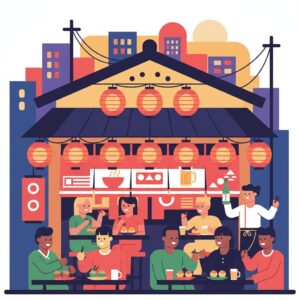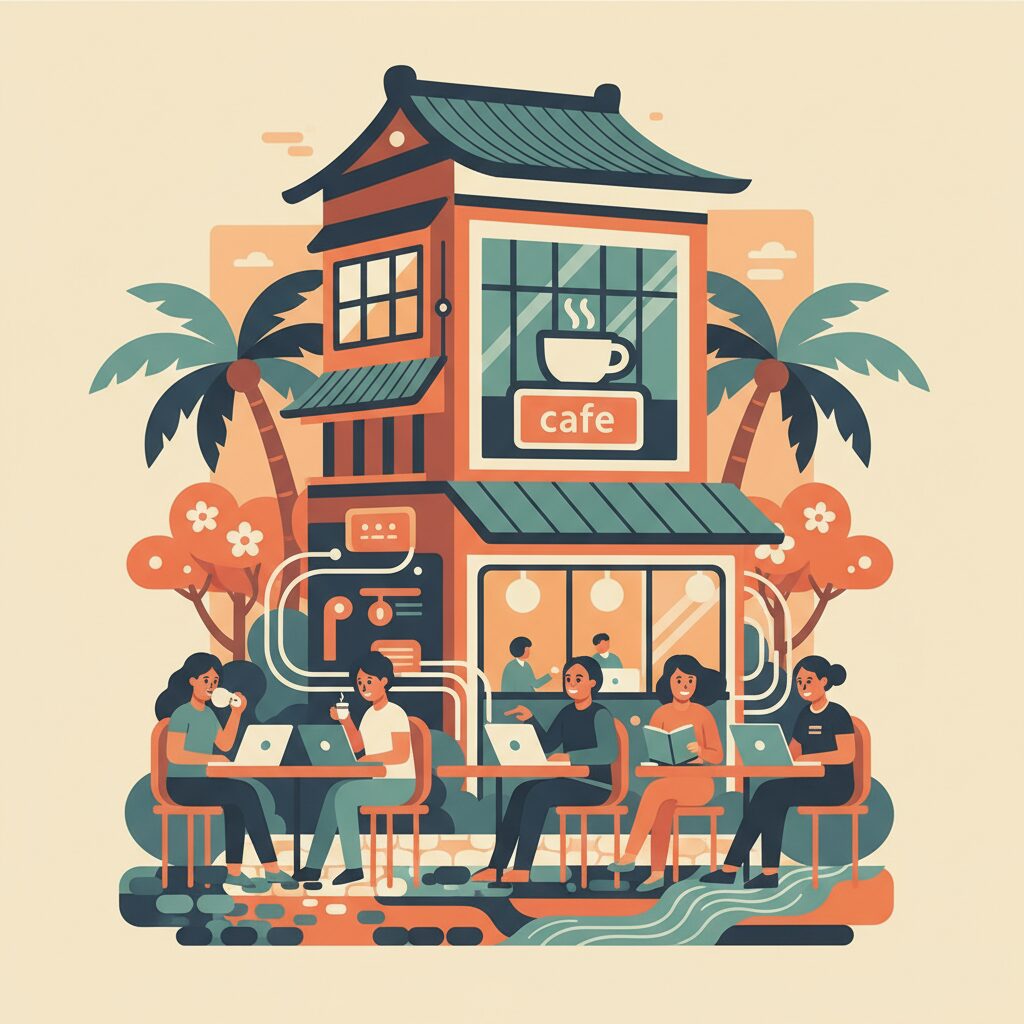
When you first start living in Osaka, your neck gets a workout. Not from sightseeing, but from constantly looking up. You’re scanning the vertical clutter of signs plastered onto the sides of buildings that look, to be frank, a little tired. They’re called zakkyo-biru—multi-tenant buildings—and they are, without a doubt, the most bewildering and brilliant feature of Osaka’s urban landscape. They are concrete towers of Babel, each floor advertising something completely unrelated to the one below it: a dental clinic on the 7th, a smoky mahjong parlor on the 6th, a tiny, reservation-only whiskey bar on the 5th, a law office on the 4th, and somewhere, squeezed in between, a sign simply reading “Coffee” with a discreet arrow pointing towards a dimly lit lobby. Your first instinct, conditioned by the polished, ground-floor consumerism of most global cities, is to ignore it. Your brain tells you, nothing good can be up there. That lobby looks sketchy. That elevator, with its flickering fluorescent light, looks like a prop from a low-budget horror film. But in Osaka, learning to ignore that instinct is your first true lesson in becoming a local. Because inside these vertical labyrinths, behind those nondescript doors, lies the pulsating, entrepreneurial, and deeply communal heart of the city. These buildings are not an eyesore; they are an index. They are a physical manifestation of an Osakan mindset that prioritizes substance over style, community over convenience, and the real deal—the honmamon—over a pretty facade. To understand the zakkyo-biru is to understand why Osaka feels so fundamentally different from the curated perfection of Tokyo, and to unlock a layer of daily life that remains invisible to the casual visitor. This is where the city really lives, not on the grand boulevards, but seven floors up, in a room with a view.
This vertical, community-first mindset is also reflected in the city’s unique conversational culture, where the playful art of everyday tsukkomi strengthens social bonds.
Deconstructing the Zakkyo-biru: The Anatomy of an Urban Enigma
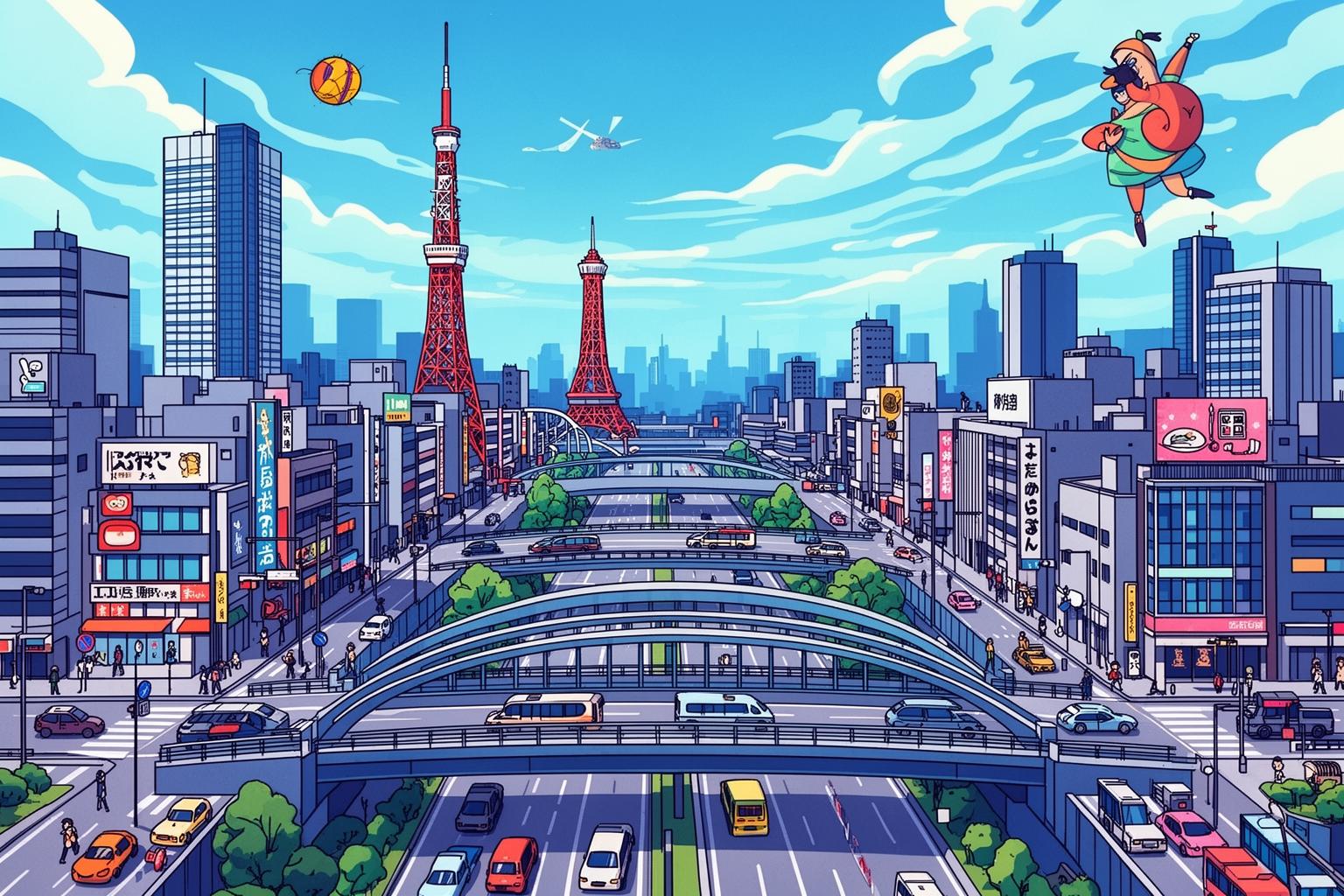
The term itself exemplifies Japanese linguistic efficiency perfectly. Zakkyo (雑居) refers to a miscellaneous collection of residents or tenants living together, while Biru (ビル) is the Japanized abbreviation of “building.” Put together, it means a building housing a mix of occupants. It’s not a glamorous label, nor is it intended to be. These buildings, mostly constructed during the post-war economic boom from the 1960s to the 1980s, served as practical solutions to a pressing problem: maximizing commercial space on small, costly urban plots. Architecturally, they resemble a bento box—a container holding an assortment of distinct, non-touching items. Standing on a street corner in Umeda or Namba, you’ll spot dozens of them. They are typically narrow, deep, and tall, often no wider than a single storefront. Their facades form a chaotic patchwork of kanban, or signboards. You’ll find glowing neon signs for bars, sober, professional plaques for accounting firms, peeling stickers from long-gone businesses, and hand-painted signs announcing new gallery openings. There is no unified aesthetic, no curated theme. It’s pure, unfiltered commercial democracy—a free-for-all vying for your attention. The ground floor might host a reputable chain pharmacy or a ramen shop with a line out the door, but the real intrigue begins at the entrance to the upper floors. Often, this entrance is just a narrow doorway beside the main shop, leading into a stark, tiled lobby. A metal directory, sometimes with rearrangeable magnetized nameplates, provides the only guide to the world above. You scan the list: “Izakaya Tanaka,” “Cat Cafe Nyan,” “Sato Dental,” “Creative Space ABC,” “Snack Bar Midori.” There are no hints about the quality, atmosphere, or even legitimacy of these places. The elevator is usually small, slow, and slightly rattling. As it climbs, the doors open onto quiet, sterile hallways lined with identical, anonymous doors. The silence in these corridors sharply contrasts the street’s cacophony below. It feels private, almost residential. This is the moment of truth: are you brave enough to open the door marked “Le Chat Noir Coffee Roasters” on the eighth floor? This whole experience stands in stark contrast to typical retail presentation in Tokyo. In areas like Ginza or Omotesando, the street acts as a runway. Brands pour millions into spectacular ground-floor flagships with massive glass windows designed to draw you inside. The architecture itself is the advertisement. The message is clear: what you see is what you get, and all value is placed at eye level for easy consumption. The zakkyo-biru follows the opposite approach. It conceals its treasures and demands commitment. It asks you to suspend judgment of its shabby exterior and take a leap of faith. The building is not the advertisement; it simply holds the contents. The true product—the authentic experience—is tucked away, waiting to be discovered by those willing to make the ascent.
Substance Over Style: The Osaka Philosophy of “Honmamon”
To grasp why a talented barista would choose to open their dream café on the 7th floor of a nondescript building in Higashi-Umeda, you must first understand the Osakan concept of honmamon. This term roughly means “the real thing” or “the genuine article,” embodying a profound cultural respect for authenticity, quality, and substance—often prioritized over superficial polish or appearance, which is dismissed as miekake, or merely for show. This philosophy permeates all facets of life in Osaka, from its culinary traditions to commerce, with the zakkyo-biru serving as its architectural symbol.
Why Pay for a Pretty Face? The Logic Behind the 5th Floor Café
At its heart, the common presence of upper-floor businesses comes down to straightforward economic pragmatism, a trait Osakans are well known for. Rent for a ground-floor unit with street frontage in a prime area is prohibitively expensive, while rent on the 5th, 6th, or 7th floor of the same building can be just a fraction of that price. For a small, independent entrepreneur, this difference isn’t minor; it can mean the difference between staying afloat and going bankrupt. An Osaka business owner makes this calculation: “I can spend an extra ¥300,000 per month for a ground-floor spot to attract casual foot traffic, or I can save that money, invest in better coffee beans, upgrade equipment, maybe keep my prices lower, and rely on loyal customers and word-of-mouth to keep my shop thriving.” Nine times out of ten, they opt for the latter. This choice isn’t viewed as a compromise but as the smart, strategic move. The logic goes: if your coffee is truly exceptional—that is, honmamon—people will seek you out. They’ll endure the creaky elevator and the quiet corridor. Their reward is a superior, often more affordable product, as the owner doesn’t pass on the cost of prime rent to customers. This creates a self-selecting ecosystem where businesses that endure in these tucked-away spots do so because of genuine quality. They can’t depend on foot traffic or flashy storefronts; their reputation is their sole currency. This sharply contrasts with consumer attitudes in other cities, where location and visibility reign supreme. In Osaka, quality is the true prime location.
The Anti-Brand Mentality
This economic reasoning fosters a strong anti-brand, pro-artisan mindset. Tokyo’s street-level retail’s high cost often means only large corporations and global brands can afford the best locations, leading to a homogenized urban environment. Walking through Shibuya, Shinjuku, or Ginza, you’ll see many of the same big names repeatedly. Osaka’s vertical building layout democratizes commercial space, enabling, for example, a young couple passionate about vintage clothing, a retired salaryman opening a tiny jazz bar, or a freelance designer seeking a quiet, affordable coworking spot to establish themselves in the city’s core. Consequently, these businesses’ “brand” isn’t a marketing-designed logo; it’s the owner’s personality. You don’t visit “Generic Café Chain #4”; you go to “Saito-san’s place,” known for its rare Guatemalan beans. You don’t join a global coworking chain; you rent a desk at a space run by Yoko, who knows everyone’s name and projects. This personal connection defines the experience. The owner’s taste permeates every detail, from the music on a vintage turntable to the mismatched, hand-selected ceramic mugs. The business reflects their personality. This diversity of experience is impossible in a chain-dominated market. You might discover a café serving only beans from a specific Ethiopian region, a bar with a library of over 500 manga volumes, or a coworking space that doubles as a printmaking studio. These hyper-niche, passion-driven ventures can thrive only in an environment that supports low-overhead experimentation. The zakkyo-biru acts as a petri dish for Osaka’s entrepreneurial and creative spirit.
The Social Architecture: Community in the Concrete Jungle
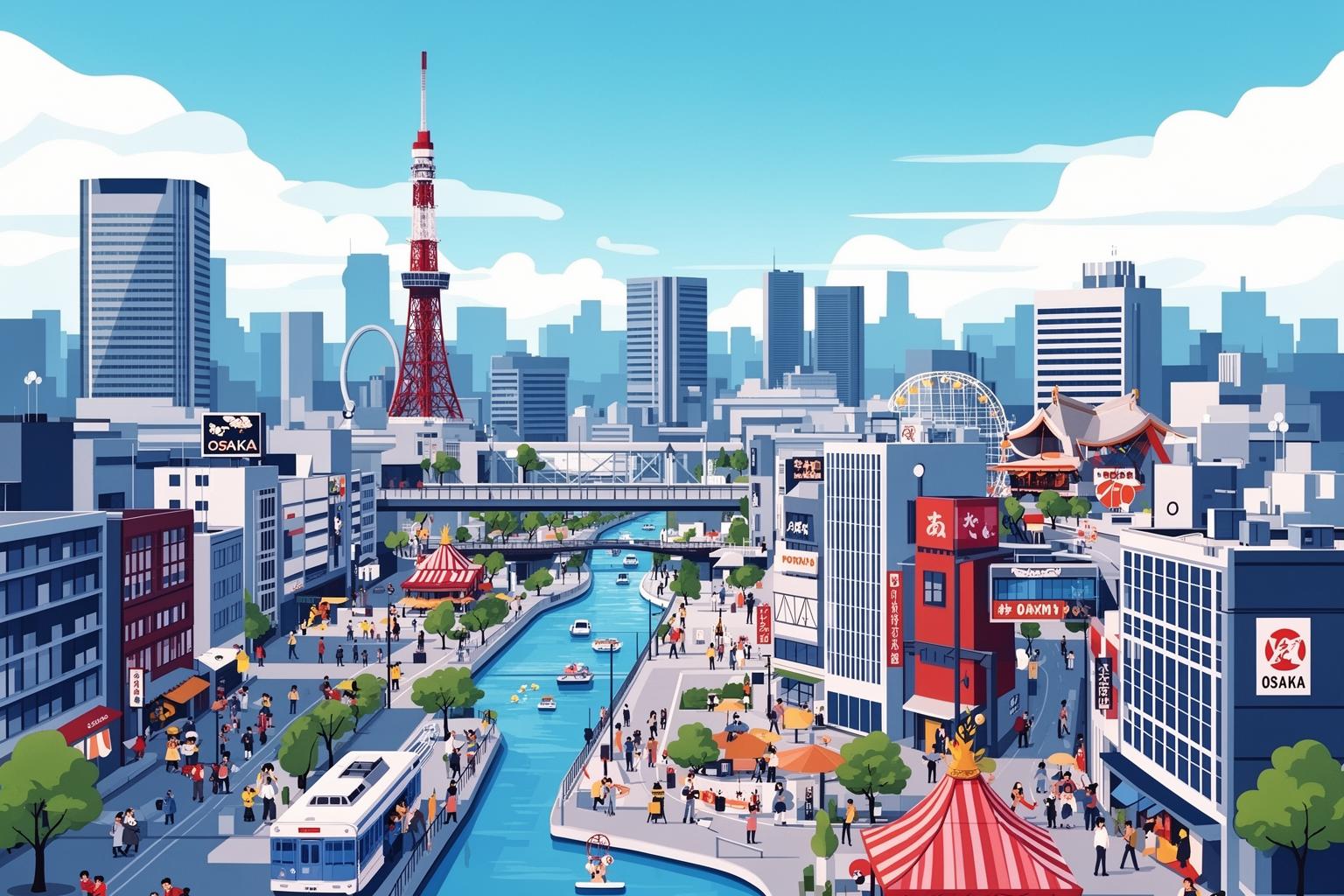
Beyond the economics, the zakkyo-biru profoundly shapes the social fabric of the city. Entering one of these buildings is more than a physical transition; it’s a social one, requiring a small act of courage that filters the clientele and cultivates a unique sense of belonging once inside. Here, you discover your “third place” in Osaka—a spot that is neither home nor work, but a crucial anchor for your social life.
The Bravery Test: Crossing the Threshold
Let’s be honest: the first time can be intimidating. As a foreigner, you’re already adapting to a new culture. The last thing you want is to step into a building that seems unchanged since 1978 and take a rattling elevator to an unknown destination. This uncertainty is unsettling. Is this a private office? Am I allowed here? Is that door really a cafe or someone’s apartment? This hesitation is natural and universal. Yet this “hesitation barrier” serves an important social purpose. It weeds out the merely curious and the impatient. Those who reach the 8th floor do so intentionally—whether through recommendation, research, or genuine adventure. This means those inside are more invested in the experience. They’re not just passing time; they seek something specific, whether it’s the best espresso or a quiet corner to read. Pressing that elevator button is a small rite of passage, marking the moment you stop being a surface-level observer of Osaka and start participating in its hidden life. The first time, it’s thrilling. By the tenth, it’s second nature. You learn to read subtle signs—a well-placed A-frame at the entrance, faint music behind a door—and become a confident navigator of the vertical city.
From “Soto” to “Uchi”: Finding Your Third Place
This experience beautifully embodies the Japanese cultural concept of uchi-soto (内外), distinguishing the “inside” group from the “outside.” The street, the impersonal lobby, the sterile hallway—that’s all soto, the public, detached outside world. Opening the door to a cafe or bar, you cross into uchi space—an intimate, welcoming inside world. The contrast is striking. You can leave the chaotic, noisy street in Namba, ride a silent elevator, and enter a tiny, serene room where the only sounds are the gentle clink of ceramics and the quiet hum of an espresso machine. The atmosphere immediately envelops you. Because these spaces are small and self-contained, they feel less like commercial venues and more like someone’s private living room you’ve been invited into. This shifts the social dynamic. You’re not just a customer; you’re a guest. This feeling counters the anonymity of modern city life. In a massive, impersonal coffee chain, you’re a transaction. In a 7th-floor cafe with only ten seats, you’re a person. The owner sees and acknowledges you, and after a few visits, remembers you. You start recognizing other regulars. A sense of shared discovery and quiet camaraderie develops. This is your place. You found it. You passed the bravery test. You are now part of the uchi.
The Role of the “Master”
At the heart of this ecosystem is the owner, known colloquially as the masutā (master) in a cafe or bar setting. The master is more than a business operator; they are the host, curator, and soul of the establishment. Often the sole employee, they handle everything from sourcing products to cleaning floors. Building a relationship with the master is key to becoming a regular. In Tokyo, staff interactions are impeccably polite but often scripted and distant. In Osaka, especially within these small zakkyo-biru shops, interactions are more personal, direct, and human. The master wants to know your opinion of the coffee. They’ll share the story behind the beans they sourced. They’ll ask about your day. This isn’t just service; it’s the foundation of the community they’re creating. The master acts as the social hub, connecting the regulars who frequent their establishment. For foreigners living in Osaka, discovering a few such places and building rapport with the masters can be the most effective way to develop a local social network and truly feel part of the city’s life.
Navigating the Labyrinth: A Practical Guide for Residents
Grasping the cultural significance of zakkyo-biru is one thing; actually discovering the best spots is another. It demands a shift in how you perceive and navigate the city. You need to unlearn the habit of scanning the horizon and begin analyzing the vertical spaces right before you.
Look Up, Not Just Ahead
The first and most crucial rule is to look up. When walking through bustling commercial districts like Umeda, Shinsaibashi, or Tennoji, deliberately divert your gaze from the ground-level shops. Tilt your head back and read the signs. It may feel like you’re trying to decode an ancient script. The signs are a mix of kanji, katakana, and occasional English words. Look for keywords: コーヒー (coffee), 喫茶店 (kissaten, traditional coffee shop), カフェ (cafe), coworking (コワーキング), or bar (バル or バー). Don’t be discouraged by the absence of photos or flashy graphics. In the world of zakkyo-biru, the most understated signs often point to the most rewarding venues. Watch for small A-frame chalkboards placed on the sidewalk near a building’s entrance. These serve as breadcrumbs, quiet invitations to the world above. They often feature a simple menu or a hand-drawn map indicating which floor to visit.
Digital Breadcrumbs and Local Knowledge
While the charm of these places lies in their hidden nature, you don’t have to rely solely on chance. The digital world provides clues—if you know where to look. Google Maps is a good start, but its user-submitted photos often don’t fully capture the experience of reaching the location. The real treasures lie in locally focused media. Follow Osaka-based food and culture bloggers on Instagram. Search hashtags tied to specific neighborhoods, like #梅田カフェ (Umeda cafe), #中崎町カフェ (Nakazakicho cafe), or #堀江 coworking (Horie coworking). You’ll find photos of beautifully crafted drinks and cozy interiors, but the key is checking the location tags and comments. Often, people share tips on how to locate the entrance. Japanese lifestyle magazines such as Savvy and Meets Regional are invaluable resources. They dedicate entire issues to unveiling the best new cafes, bars, and shops, recognizing that the hunt is part of the experience. They offer detailed directions and photos of the building’s exterior, boosting your confidence in finding it. However, the ultimate method remains the most traditional: word-of-mouth. After discovering one or two favorite spots, talk to the owner and ask for recommendations. The independent business community in Osaka is close-knit; they all know one another. The barista at your preferred coffee shop can likely recommend the best nearby curry place, vintage bookstore, or late-night bar, often hidden within the upper floors of other zakkyo-biru.
Beyond Cafes: The Modern Zakkyo-biru Ecosystem
The zakkyo-biru concept extends far beyond cafes and bars. It serves as a versatile urban incubator for small enterprises that don’t depend on foot traffic. For freelancers, remote workers, and students, these buildings are a gold mine of independent coworking spaces. Unlike the sleek, globalized feel of a WeWork, a coworking space on the ninth floor of a building near Yodoyabashi might be a quiet, sunlit room with ten wooden desks, managed by a single owner offering free, quality brewed coffee. The atmosphere emphasizes quiet, communal focus rather than corporate networking. You’ll also find a staggering variety of other businesses: appointment-only vintage clothing boutiques, independent art galleries showcasing local talent, bespoke shoemakers, tiny one-chair hair salons, and niche hobby shops. These buildings enable a level of specialization and creativity that would be crushed by the high overhead costs of traditional retail spaces. They prove that if you create a unique and high-quality experience, the right people will make the effort to seek you out.
A Tale of Two Cities: Why Osaka’s Labyrinths Don’t Exist in Tokyo
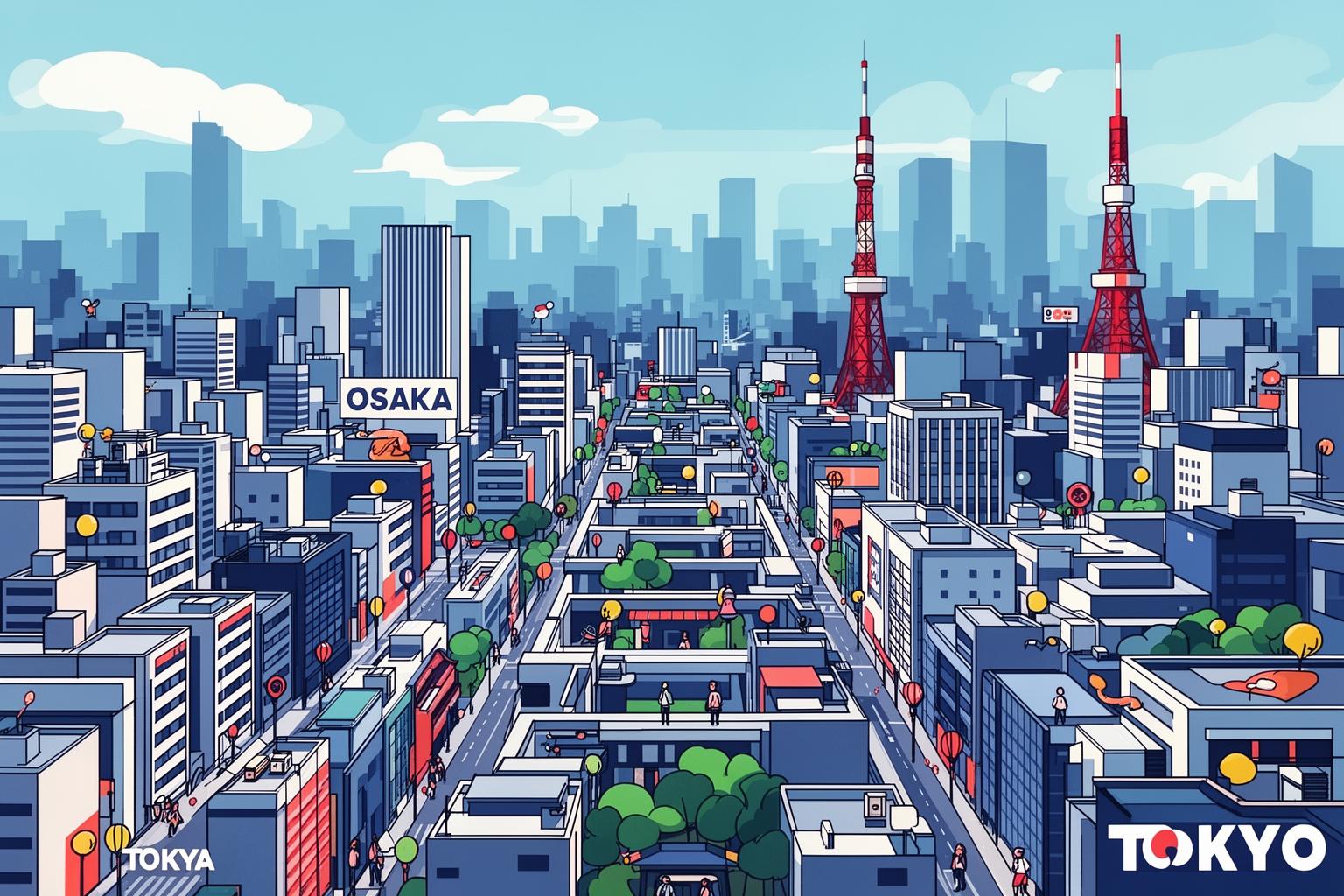
The zakkyo-biru is not unique to Osaka, but the density and central importance of these buildings in the city’s cultural and commercial life are unparalleled. This difference stems from the distinct paths of urban development and contrasting cultural values of Japan’s two largest cities. Visiting Tokyo after living in Osaka can feel like entering a different world, and the way these older, mid-rise buildings are treated plays a major role in that perception.
Development, Money, and Demolition
Tokyo is a city constantly reinventing itself, propelled by massive, centralized redevelopment projects. Real estate giants such as Mori and Mitsui Fudosan purchase large tracts of land, demolish all existing structures, and build gleaming, mixed-use skyscrapers and expansive commercial complexes like Roppongi Hills and Tokyo Midtown. This approach is efficient and results in a hyper-modern, clean, and easily navigable urban landscape. However, it also wipes away the fine-grained, chaotic texture of the old city. The small, individually owned lots that zakkyo-biru occupy are prime targets for these acquisitions. Consequently, in central Tokyo, these charmingly dysfunctional buildings have become endangered, replaced by architecturally impressive but socially sterile towers. In contrast, Osaka’s development has been more fragmented and bottom-up. Land ownership is more dispersed, with smaller, family-owned plots being common. This fragmentation makes it harder for large developers to consolidate vast areas, thus preserving much of the older building stock. Osaka’s merchant-class heritage also contributes, fostering a persistent, independent spirit and a reluctance to sell out to big corporations. Buildings passed down through generations are not merely assets; they carry deep legacy value. This preservation—partly intentional, partly circumstantial—has allowed the zakkyo-biru ecosystem to survive and even flourish.
The Aesthetics of Disorder vs. Curated Perfection
Ultimately, the difference boils down to aesthetics and philosophy. Tokyo, especially in its commercial centers, aims for a curated perfection. Every detail feels planned, designed, and controlled. There is a correct way to do things, a prescribed path to follow. It is beautiful, impressive, and occasionally a bit cold. Tokyo presents itself fully formed. Osaka, by contrast, embraces an aesthetic of functional disorder. It is a city that feels layered, lived-in, and unapologetically complex. It doesn’t offer a ready-made map but rather a puzzle to solve. The visual clutter of kanban on a zakkyo-biru would be seen as an imperfection to be cleaned up in a Tokyo redevelopment project. In Osaka, it signifies a healthy, competitive marketplace. One city values flawless presentation; the other embraces unvarnished reality. One offers a polished product; the other invites you into the workshop. This is not to suggest that one approach is superior to the other. They simply represent two different responses to the question of how a city should feel. Tokyo is a masterpiece to be admired. Osaka is a labyrinth to explore.
The Vertical City as a Mindset
After some time, you stop viewing the zakkyo-biru as mere buildings. Instead, you begin to see them as a philosophy. They serve as a tangible reminder that the best things in life often demand a bit of effort, a touch of curiosity, and a willingness to look beyond a worn exterior. They symbolize a city confident enough in its own essence that it doesn’t need to shout from a ground-floor billboard. This vertical world embodies Osaka’s character perfectly: practical, unpretentious, community-oriented, and fiercely independent. It’s a city that rewards those who dig deeper, ask questions, and aren’t afraid to open a strange door on the 8th floor. Living in Osaka means recalibrating your urban senses. You learn to overlook the obvious and seek the hidden. You trade the convenience of main roads for the thrill of back alleys and upper floors. To truly grasp Osaka, you can’t just walk its streets. You have to ride its creaky elevators, get lost in its vertical mazes. Because that’s where you’ll discover the city’s true, beating heart. That’s where you’ll find the honmamon.