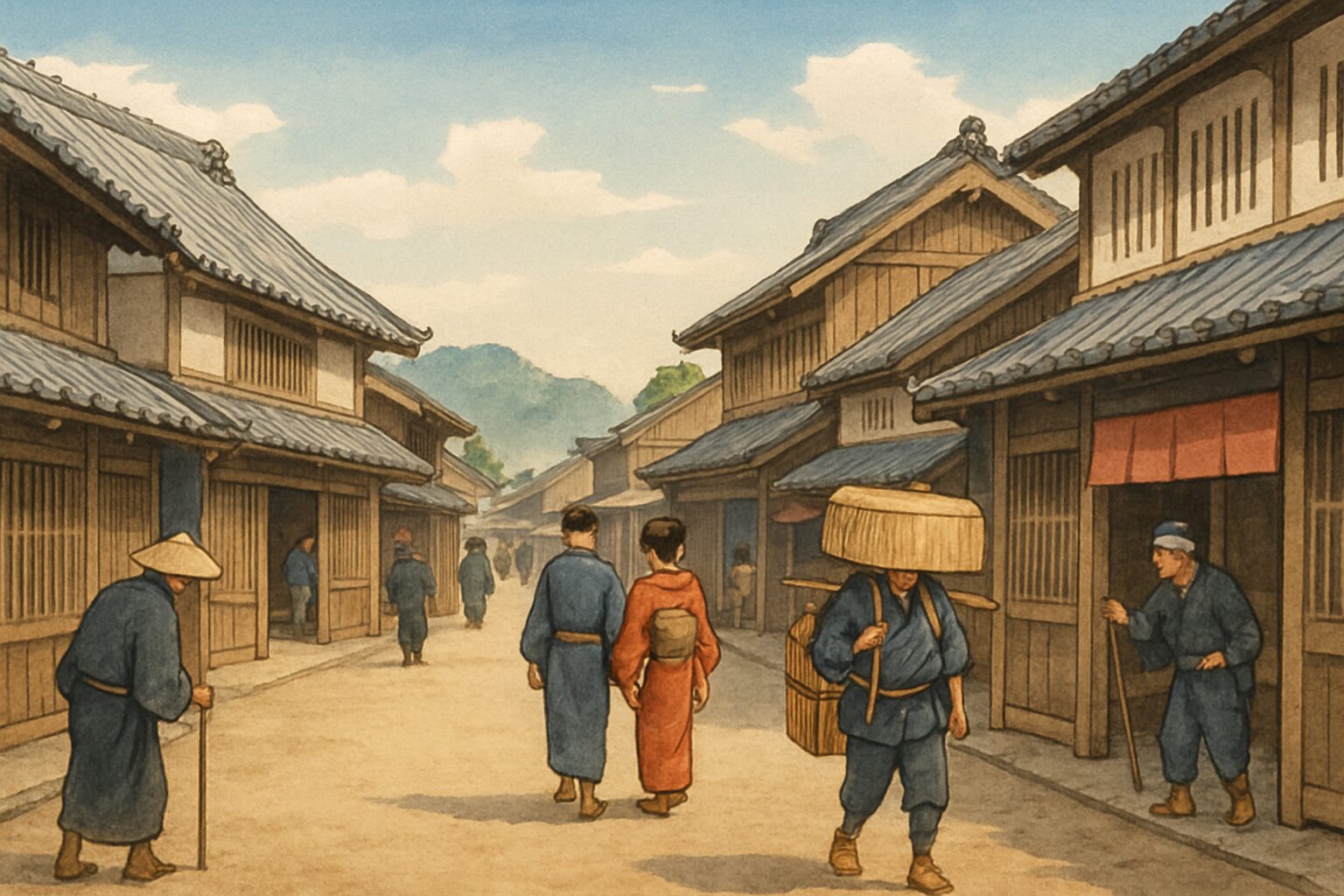
The rhythm of Osaka is a modern symphony, a powerful composition of neon-drenched nights, bullet trains slicing through the urban sprawl, and the ceaseless energy of millions of souls moving in concert. It’s a city that relentlessly faces forward, a testament to Japan’s capacity for reinvention and progress. Yet, nestled just a short train ride south from the bustling heart of this metropolis, a different melody plays—a quiet, resonant tune from centuries past. This is the world of Tondabayashi Jinaimachi, a district where the frantic pace of the 21st century yields to the measured, deliberate footsteps of the Edo Period. To step into Jinaimachi is not merely to visit a historical site; it is to perform a gentle act of time travel, to immerse oneself in a living, breathing townscape that has defied the currents of change and preserved its soul. This is not a recreated theme park or a sterile museum exhibit. It is an authentic community, a labyrinth of white-walled storehouses and latticed merchant homes where history is not just remembered, but inhabited. Here, the air itself feels different, thick with the stories of merchants, artisans, and monks who, through a unique blend of faith and commerce, carved out an autonomous world for themselves. For the discerning traveler living in Osaka, the one who seeks to understand the deeper cultural and historical currents that flow beneath the surface of modern Japan, Tondabayashi Jinaimachi offers an unparalleled journey into the heart of what once was, and in many ways, still is.
For a different perspective on Osaka’s multifaceted character, consider exploring the vibrant street art and creative energy of Kitakagaya.
The Birth of a Sanctuary of Commerce and Faith
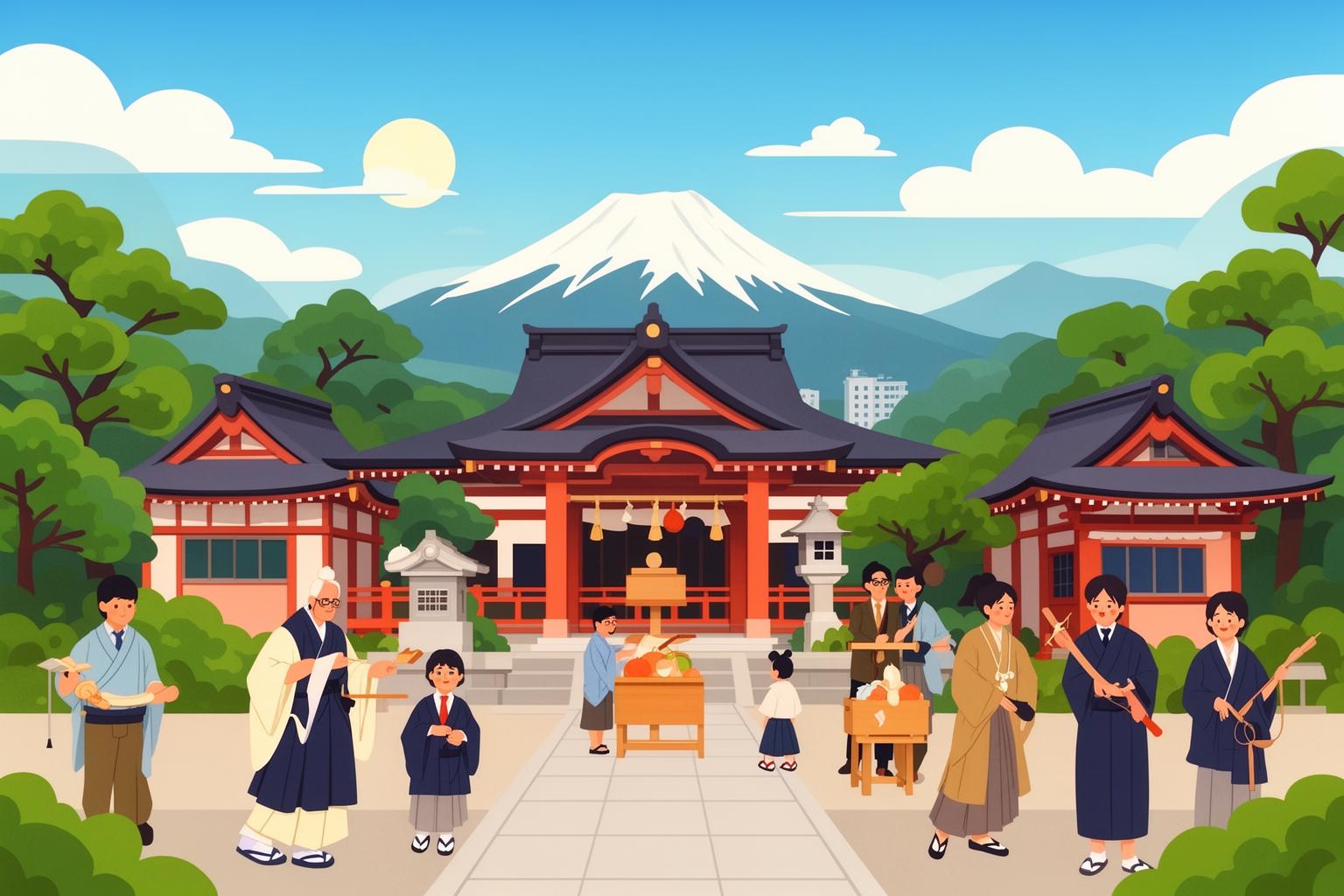
To truly appreciate the stone pathways and timbered facades of Tondabayashi Jinaimachi, one must first grasp its remarkable origins. The story does not begin with a feudal lord or a shogun’s edict, but rather with a powerful wave of religious and social upheaval during Japan’s turbulent Sengoku, or Warring States, period in the 16th century. The term jinaimachi translates to “temple town,” yet this simple definition conceals the radical nature of its foundation. These were not merely settlements that developed around a temple; they were fortified, self-governing communities established on the principles of the Jōdo Shinshū school of Buddhism.
At the spiritual and administrative center of Tondabayashi Jinaimachi stands the Koshoji Betsuin Temple. Founded in 1558, it began when four devoted followers, guided by the revered priest Shoshu, received permission to build a dojo, or training hall, in the then-wild lands of Tondabayashi. This was much more than just a place of worship; it was the core of a new kind of community. During an era marked by constant warfare and shifting alliances among powerful daimyo, the followers of Jōdo Shinshū aimed to create a refuge—a place to practice their faith and conduct business free from the oppressive samurai class. In essence, they were pioneers of municipal autonomy.
From the outset, the town was meticulously planned, distinguishing it from the organically sprawling settlements typical of the time. The founders designed a precise grid with seven streets running east to west and six running north to south, forming a logical and defensible layout. This grid, which remains the town’s framework today, was an early marvel of urban planning. To safeguard their hard-earned independence, the town was fortified with earthen ramparts and a surrounding moat, transforming the entire district into a defensible stronghold. The town’s entrances were strategically arranged with staggered T-junctions called ate-magari. These architectural features blocked a direct line of sight down the streets and would have slowed any invading force, forcing attackers into confusing bottlenecks where they became vulnerable. Walking through these intersections today, one can still sense their original defensive intent—a subtle yet powerful reminder of the turbulent era during which this peaceful town was born. The community was governed by a council of influential merchants known as the Hachinin-shu, or “Group of Eight Men,” who oversaw everything from taxation and law enforcement to public works, all under the spiritual authority of the temple. This blend of piety and pragmatism, faith and fierce independence, forms the foundational spirit of Tondabayashi Jinaimachi.
An Architectural Tapestry Woven Through Time
As peace settled over Japan with the dawn of the Edo Period (1603-1868), Tondabayashi Jinaimachi shifted from a fortified religious sanctuary into a thriving hub of commerce. The earthen walls were taken down, yet the community’s spirit endured, with its prosperity reflected in the very architecture of the town. A walk through Jinaimachi serves as a masterclass in traditional Japanese urban design, offering a visual feast of textures, shapes, and subtle details that reveal much about the lives of those who built and lived in these structures.
The predominant architectural style is the machiya, the traditional wooden townhouse that functioned as both residence and workplace for merchants and artisans. More than 500 of these historic buildings still stand, with roughly 180 dating from the Edo and Meiji periods, making this one of the largest and best-preserved collections of such architecture in the Kansai region. The facades create a harmonious yet varied rhythm along the narrow streets. If you look closely, the stories begin to unfold. The dark, weathered wood of the beams and lattices contrasts strikingly with the bright white of the plaster walls, known as shikkui. This plaster was not merely decorative; it was fire-resistant—a vital feature in a town constructed almost entirely of wood and paper.
One of the most distinctive features you will notice is the mushiko-mado, or “insect cage window,” found on the second floor of many houses. These elegant windows, with their characteristic vertical slats made from plastered earth, provided ventilation and light while maintaining privacy. Beneath them, intricate wooden lattices called koshi cover the ground floor, their designs often indicating the type of business conducted inside. A delicate, fine lattice might suggest a shop selling refined goods, while a sturdier design could belong to a sake brewer or lumber merchant.
Glance upward at the rooflines and you might see another unique detail: the udatsu. These are raised sections of the wall that extend above the roofline between adjoining houses. Their main purpose was to serve as firebreaks, preventing flames from passing easily between buildings. However, over time, elaborately constructed udatsu evolved into symbols of wealth and status. A prosperous merchant would create a grand, ornately tiled udatsu to subtly—or at times quite openly—announce his success to the world. Today, they stand as quiet monuments to the ambitious and flourishing spirit of the town’s merchant class.
The Crown Jewel: The Former Sugiyama Family Residence
To fully immerse yourself in this bygone era, a visit to the Former Sugiyama Family Residence is indispensable. Recognized as an Important National Cultural Property, it is the oldest and most magnificent machiya in Tondabayashi. The Sugiyama family were extremely wealthy sake brewers, and their residence is a stunning testament to their influence. Dating back to 1643, the complex is a sprawling maze of rooms, courtyards, and storehouses that offers an intimate glimpse into the life of a powerful merchant family from the Edo period.
As you step inside, shedding your shoes onto the cool, dark wood of the entrance, the sheer scale of the home is breathtaking. The main building features expansive rooms with tatami mat flooring, separated by beautifully painted fusuma sliding doors. Soft light filters through delicate shoji paper screens, highlighting the intricate grain of the massive wooden pillars and beams supporting the structure. You can explore the family’s living quarters, formal reception rooms where important business took place, and the spacious earthen-floored kitchen, or doma, complete with original hearths and cooking tools. The house’s design integrates nature, with inner gardens called tsuboniwa creating pockets of tranquility and beauty within the building. Standing in one of these rooms, gazing out at a moss-covered stone lantern surrounded by carefully pruned maple trees, you can almost hear the rustle of kimono fabric and the soft murmurs of conversations from centuries ago. It is a profoundly immersive experience, connecting you directly to the heart and soul of Jinaimachi.
The Enduring Pulse of Community and Craft
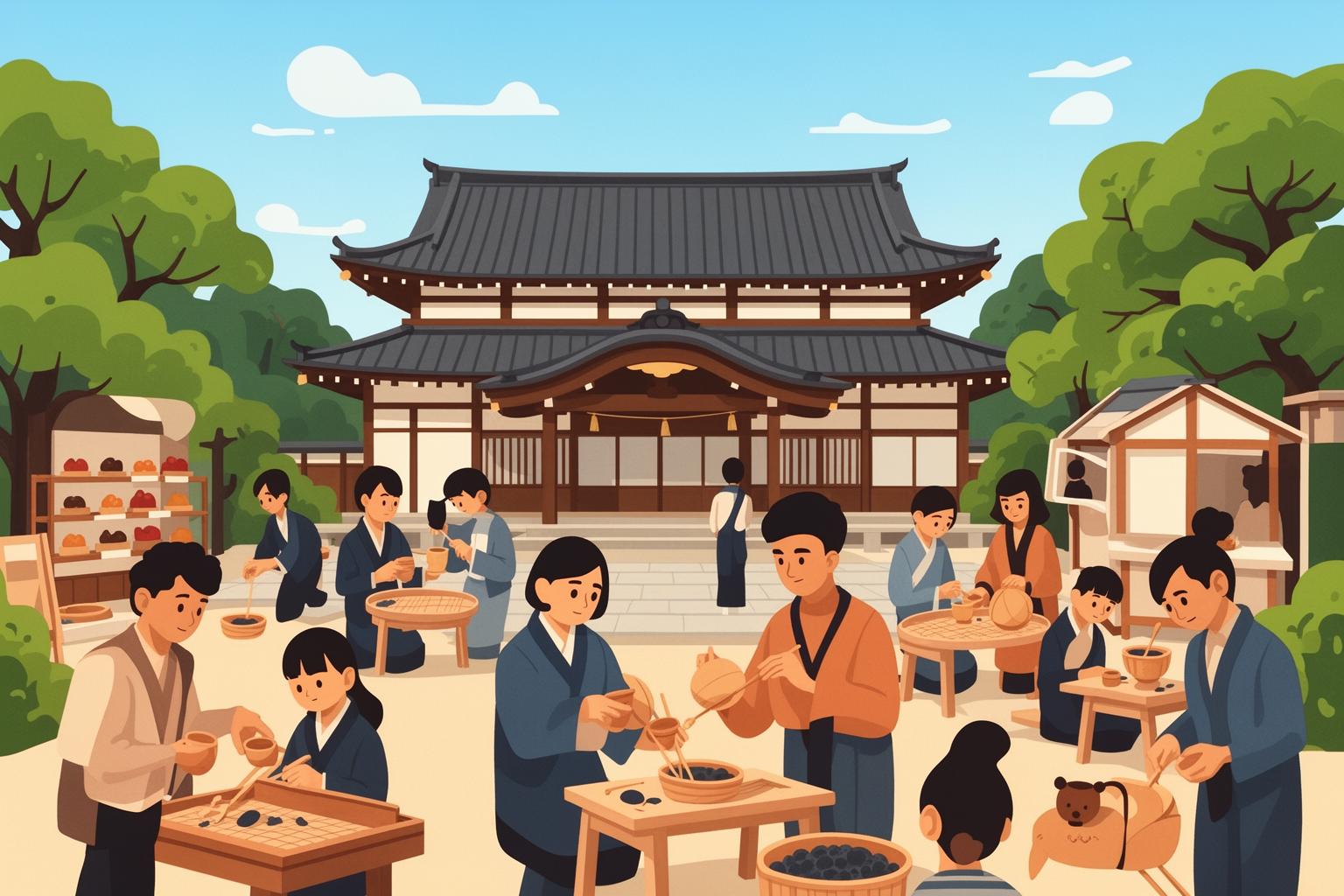
While the architecture sets the stage, it is the town’s cultural fabric that truly brings the story of Jinaimachi to life. The spirit of commerce that enriched families like the Sugiyamas permeated the entire community. Tondabayashi was a crucial hub in the regional economy, chiefly known for its production of high-quality sake, rapeseed oil, and cotton. The wealth generated by these industries fueled the town’s growth and maintained its unique autonomy. Although many of the original large-scale operations have ended, the legacy of craftsmanship and local production endures. Small shops tucked away in historic buildings offer local goods, and cafes and restaurants housed in renovated machiya provide a taste of modern hospitality within a timeless setting.
This sense of a living, breathing community is perhaps most tangible during the town’s numerous festivals, which punctuate the year with vibrant displays of tradition and local pride. These are not tourist attractions; rather, they are cherished events that unite residents, just as they have for generations.
In early spring, from February to March, the town hosts the Jinaimachi Hina Meguri, a doll festival of exquisite charm. During this time, over a hundred homes and shops throughout the historic district open their doors to the public, showcasing their collections of antique Hina dolls. These elaborate sets, portraying the Emperor, Empress, and their court, are family heirlooms passed down through generations. Walking from house to house, welcomed inside to admire these incredible works of art, offers a wonderfully intimate experience. You are not merely viewing dolls; you are being invited into people’s homes and lives, sharing in a tradition that is both deeply personal and communal.
As summer peaks in August, the streets come alive for the Jinaimachi Bon Odori. The hypnotic beat of taiko drums fills the evening air as residents, young and old, dressed in colorful yukata, dance in circles around a central wooden scaffold, or yagura. Paper lanterns cast a warm, magical glow on the historic facades, creating an atmosphere of pure, unrestrained joy. This festival connects the current generation not only to each other but also to the spirits of their ancestors in a beautiful, moving celebration.
In autumn, the energy surges dramatically with the Tondabayashi Danjiri Matsuri. This powerful, dynamic festival features massive, intricately carved wooden floats called danjiri, pulled through the streets at thrilling speeds by enthusiastic teams of residents. Each float represents a different neighborhood, and the craftsmanship is remarkable, with detailed carvings depicting historical battles and mythological scenes. The sound of chanting, the pounding of drums and bells, and the sight of these colossal floats careening around tight corners create an unforgettable sensory experience. It is a raw, visceral display of community strength and pride, revealing a louder, more boisterous side of the town’s character.
A Practical Guide to Your Journey Through Time
One of the most enticing aspects of Tondabayashi Jinaimachi is its accessibility. It provides a complete escape from the modern world, yet remains surprisingly easy to reach from the heart of Osaka.
Reaching the Past
Your journey begins on the Kintetsu Nagano Line. You can board a train at Osaka Abenobashi Station, which is conveniently located next to JR Tennoji Station. The ride is pleasant, taking you from the bustling urban environment to the quieter, more spacious suburbs in southern Osaka. The trip lasts about 30 minutes on an express train. Be sure to get off at Tondabayashi Station. From there, the entrance to the Jinaimachi historic district is a lovely ten-minute walk to the southeast. As you cross the Ishikawa River and spot the first tiled roofs and white-walled buildings, you’ll know you have arrived.
Navigating the Historic Streets
The best way to experience Jinaimachi is on foot, without a fixed itinerary. The neighborhood is compact enough to walk easily, yet filled with hidden alleys and charming details that reward aimless exploration. Your first stop should be the Jinaimachi Koryukan, the town’s visitor and community center. Located in a beautifully restored historic building, it provides free maps and English pamphlets, and the friendly staff are happy to answer any questions. There is also a small museum section offering excellent historical context, making it an ideal place to orient yourself before setting off.
From there, simply follow your curiosity. Allow yourself to get lost in the maze of narrow streets. Peek into courtyards, admire the variety of lattice work, and notice the small details—a family crest on a roof tile, a stone well tucked in an alley, a carefully arranged flower pot on a windowsill. While major sites like the Sugiyama Residence are must-visits, the true charm of Jinaimachi lies in these quiet, intimate moments of discovery.
Savoring the Atmosphere
To fully appreciate the town’s unique ambiance, consider visiting on a weekday morning when the streets are at their calmest. The soft morning light gently highlights the textures of the old buildings, allowing you to explore in peace. Plan to spend at least half a day here, though a full day can be easily filled if you want to visit the various small museums, temples, and enjoy a leisurely lunch.
Speaking of breaks, several charming cafes and restaurants have opened in renovated machiya, offering a perfect spot to rest and recharge. Savoring a cup of coffee or a traditional Japanese meal while seated on tatami mats overlooking a private garden offers an experience that beautifully complements your historical exploration. It bridges the past and present, letting you enjoy the space in a comfortable and contemporary way.
A small but important tip for visitors: keep in mind that Jinaimachi is a residential neighborhood, not just a tourist site. People live and work in these beautiful old homes. Please respect their privacy by keeping your voice down, avoiding trespassing on private property, and being considerate when taking photographs. The residents generally welcome visitors who appreciate the town’s heritage, and a quiet, respectful attitude will be greatly appreciated.
A Timeless Echo in Southern Osaka
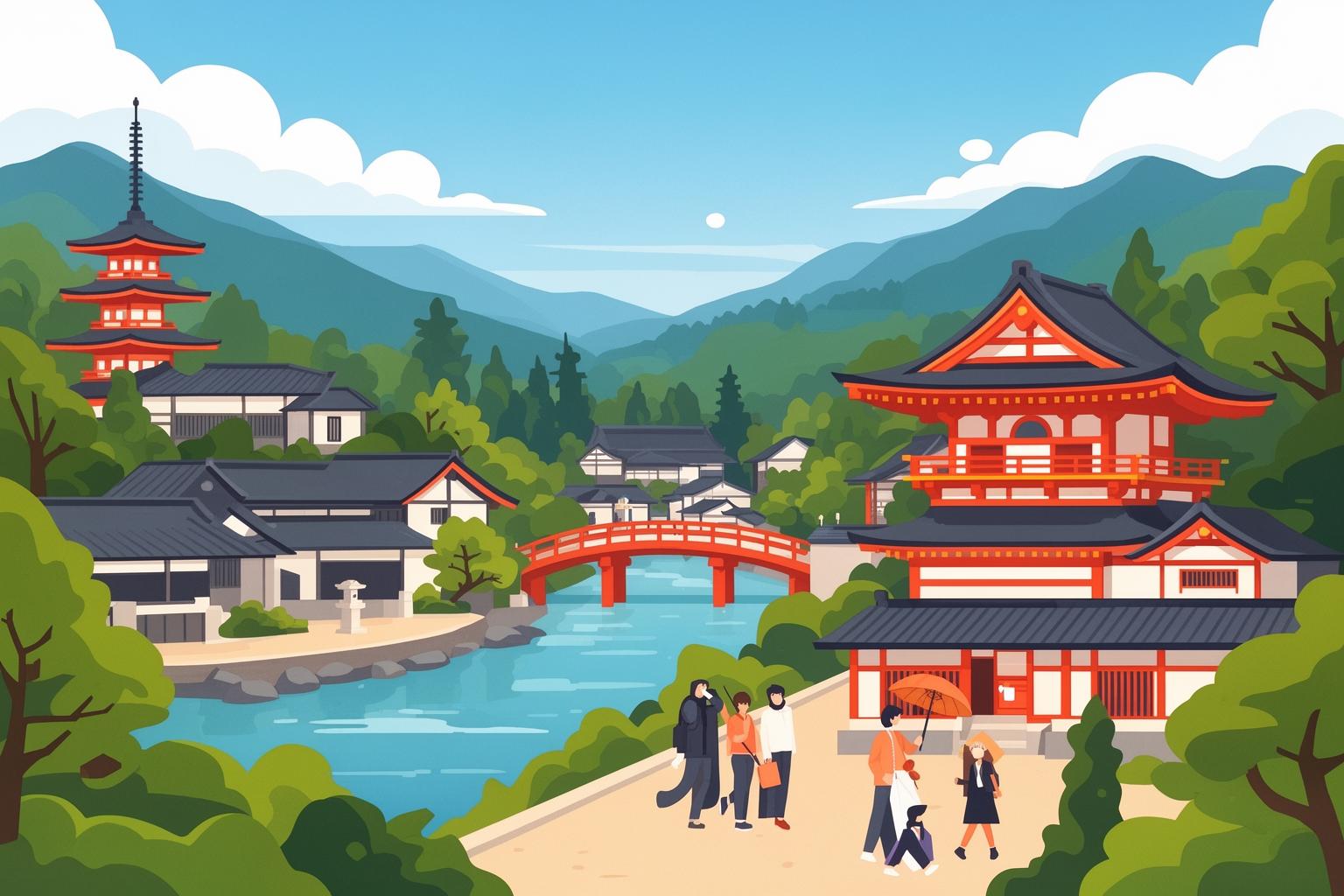
As your day in Tondabayashi Jinaimachi comes to an end and you make your way back to the station, the modern world gradually begins to reemerge. The sounds of traffic return, and contemporary buildings replace the Edo-period rooflines. Yet, the gentle rhythm of Jinaimachi lingers with you. You bring back more than photographs—you carry a feeling: the cool touch of a 400-year-old wooden pillar, the scent of incense wafting from a temple, the visual harmony of a flawlessly preserved streetscape.
In a country often focused on rapid modernization, a place like Tondabayashi Jinaimachi is a priceless treasure. It serves as a powerful reminder that history is not a static artifact to be observed behind glass, but a living force continually shaping the identity of a place and its people. It stands as a testament to a community that, centuries ago, dared to create a world on its own terms, and whose descendants still honor that legacy with grace and pride. For anyone living in or visiting Osaka, this journey back in time is more than a simple day trip; it offers a chance to connect with a deeper, quieter, and profoundly beautiful layer of Japanese culture. It is a story written in wood, plaster, and stone, patiently waiting to be discovered.