Osaka, a city that beats with a gastronomic heart, is a labyrinth of culinary wonders. Its arteries pulse with the sizzle of takoyaki, the steam of ramen, and the delicate artistry of sushi. But venture beyond the neon glow of Dotonbori, away from the well-trodden tourist trails, and you’ll find that the city’s heart beats to other, more distant rhythms. Tucked away in the quiet, unassuming neighborhood of Nishiyodogawa, a short train ride from the bustling hub of Umeda, lies a portal. This isn’t a gateway of steel and glass, but one of aroma and spice, a place that transports you thousands of miles with a single bite. This is the story of Marhaba Halal Restaurant, a bastion of authentic Pakistani cuisine located just a stone’s throw from Dekijima Station, and a testament to Osaka’s incredible, multicultural soul. This isn’t just a place to eat; it’s a place to experience, to connect, and to understand the profound power of food to build bridges between worlds. It’s here, amidst the quiet residential streets, that the robust, soulful flavors of Pakistan sing their loudest song in all of Kansai.
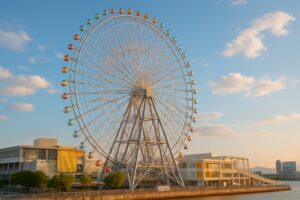
After savoring the rich culinary traditions of Pakistan at Marhaba, you might also want to explore some of Osaka’s other major attractions, such as the thrilling rides at Universal Studios Japan.
The Journey from the Familiar to the Found

The adventure starts on the Hanshin Namba Line, a train that cuts through the western side of Osaka. As it moves away from the city center, the scenery begins to mellow. Towering skyscrapers fade into the background, replaced by a more personal patchwork of low-rise apartments, small factories, and local shotengai shopping streets. This is the Osaka where people live, work, and dream—a world apart from the carefully curated experiences of the main tourist areas. Getting off at Dekijima Station feels like entering a new chapter of the city’s narrative. The air grows quieter, the pace more relaxed. There are no grand attractions here, no towering monuments demanding attention. Instead, there is the soft rhythm of everyday life—the ring of a bicycle bell, distant laughter from a schoolyard, the steady clang of a railway crossing. It’s precisely this unpretentious atmosphere that makes discovering Marhaba so special.
Just a short walk from the station, guided more by the aroma of grilled meat and fragrant spices than by a map, you’ll find an unassuming storefront. It doesn’t shout for attention. There are no flashy signs or ornate decorations. But for those who know, the city’s Pakistani community and adventurous food lovers who have caught the whispers, this is a destination. This is Marhaba. Crossing its threshold means leaving behind the quiet streets of Osaka and stepping straight into a warm, lively corner of Pakistan.
An Atmosphere of Welcome and Authenticity
What first captures your attention isn’t the decor—which is simple and functional—but the overwhelming sensory experience. The air is rich and intoxicating, filled with the aroma of cardamom, cumin, turmeric, and sizzling ginger. The rhythmic slap of dough against the searing walls of a tandoor oven can be heard, promising fresh, pillowy naan. Around you, the chatter forms a melodious blend of Urdu, Punjabi, and Japanese, reflecting the diverse clientele who consider this place a second home. The restaurant is vibrant, serving as a community hub where families share sprawling meals, friends reconnect over steaming cups of chai, and newcomers are met with genuine warmth.
The staff move with practiced ease, their smiles immediate and sincere, making you feel invited not just to a restaurant but into a home. This is the heart of Pakistani hospitality, a cultural cornerstone that Marhaba has lovingly brought to Japanese soil. You might spot large families gathered around tables pushed together, celebrating special occasions with platters of fragrant biryani. You could see groups of Japanese food enthusiasts eagerly pointing at the menu, their faces glowing with curiosity. And you will certainly notice members of the local Muslim community, for whom Marhaba is more than a restaurant—it’s a vital, trusted source of delicious, carefully prepared Halal food, a sanctuary of culinary and cultural comfort.
A Deep Dive into the Heart of Pakistani Flavor
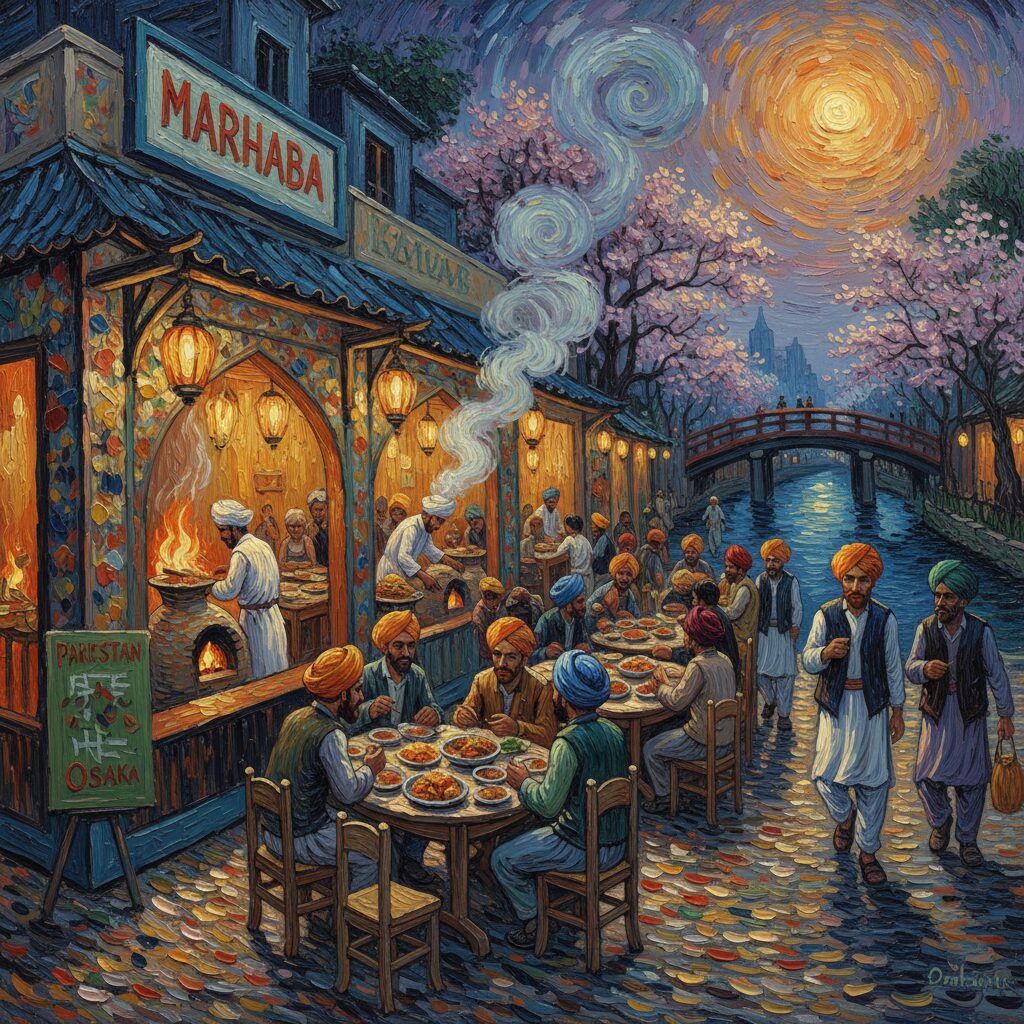
The menu at Marhaba is neither a fusion experiment nor a diluted rendition tailored for foreign tastes. Instead, it stands as a proud, unwavering celebration of authentic Pakistani cuisine, with a special emphasis on the rich heritage of the Punjab region. This is bold, intricate, and deeply satisfying food, prepared with a passion that shines through in every spoonful.
The Crown Jewel: Biryani
To discuss Pakistani cuisine without honoring biryani would be to tell only part of the story. At Marhaba, the biryani is a masterpiece—a dish deserving of reverence. It arrives as a majestic heap of long-grain basmati rice, each grain separate and fluffy, coated with ghee and tinged with the golden glow of saffron. Hidden within are tender pieces of mutton or chicken that yield effortlessly to the fork. This is no ordinary rice and meat dish; it is a symphony of flavors and textures crafted in meticulous layers. The rice is steamed with whole spices—cinnamon, cloves, bay leaves, and star anise—that impart a rich, complex aroma. The meat is marinated in yogurt and a secret blend of ground spices and slow-cooked until melt-in-your-mouth tender. The dish is topped with crispy fried onions, fresh mint, and cilantro, adding sweetness and herbal brightness. Every bite offers a revelation: a harmonious balance of savory meat, fragrant rice, and the warm, lingering spices unfolding on your palate. It is a dish meant for celebration, community, and pure joy.
The Soulful Stews: Nihari and Paya
For those eager to explore deeper into Pakistani culinary traditions, Marhaba presents dishes like Nihari and Paya. Not suited for the faint-hearted, these dishes offer exceptional rewards for the adventurous diner. Nihari is a legendary slow-cooked stew, traditionally made with beef or mutton shank. At Marhaba, the mutton Nihari is a work of art—the meat simmered for hours, sometimes overnight, with a complex mix of spices until it becomes tender enough to melt, its collagen transforming into a rich, velvety, and deeply flavorful gravy. This dish has incredible depth and warmth that seems to seep into your bones. Garnished with slivered ginger, vibrant green chilies, and a squeeze of fresh lemon, it delivers a complex, soul-soothing experience that echoes the grandeur of Mughal courts and centuries of culinary refinement.
Paya, a stew crafted from goat or lamb trotters, further demonstrates the restaurant’s dedication to authenticity. The trotters are slowly cooked in a spicy, aromatic broth until the gelatinous tissues dissolve, resulting in a uniquely sticky and flavor-packed soup. This beloved Pakistani delicacy is treasured for its richness and comforting qualities. Finding it so expertly prepared in Osaka is a rare delight and a testament to Marhaba’s respect for its culinary roots.
The Sizzle of the Karahi and the Flame of the Tandoor
The menu also shines with karahi-cooked dishes, using a traditional wok-like pan. The Mutton Karahi is a highlight, featuring tender mutton chunks stir-fried over high heat with fresh tomatoes, ginger, garlic, green chilies, and a coarse blend of spices. Unlike slow-simmered curries, karahi dishes are vibrant, fresh, and immediate. The tomatoes break down into a thick, rustic sauce that clings to the meat, delivering a flavor that is bright and robust—a dish that crackles with energy.
No Pakistani meal is complete without bread fresh from the tandoor, and Marhaba’s is outstanding. The tandoor, a cylindrical clay oven that reaches blazing temperatures, is the kitchen’s heart. Naan bread is slapped against its inner walls and cooks in moments, puffing up into bread that is crispy and slightly charred on the outside while soft and chewy inside. Whether you choose the classic plain naan, ideal for tearing and scooping up every last bit of curry, or the fragrant garlic naan glazed with butter and minced garlic, the experience is transformative. This is far more than a side; it is a vital part of the meal, a vehicle for flavor, and a delight in its own right.
The Significance of Halal in the Heart of Japan
For many, the word “Halal” on a restaurant sign is merely a dietary indicator. However, at Marhaba, it signifies a profound commitment and serves a crucial purpose. In a country like Japan, where pork and alcohol are frequent ingredients in numerous dishes, finding genuinely Halal food can be a considerable challenge for both Muslim residents and travelers. Marhaba is not simply “pork-free” or “Halal-friendly”; it is a completely Halal establishment, from the sourcing of its meat to the preparation of its dishes. This dedication has made it an essential hub for the Muslim community in Osaka and beyond.
It is a place of trust, where diners can enjoy their meals with peace of mind, confident that their religious dietary requirements are honored with the utmost care. This fosters an atmosphere of inclusivity and comfort that is deeply felt. In this context, food becomes more than just nourishment. It represents an affirmation of identity, a connection to faith, and a foundation of community life. Observing families gather here, sharing food and conversation in their native language, it becomes clear that Marhaba offers a taste of home in more ways than one. It is a cultural anchor, a space where traditions are preserved and passed down, and where a vibrant Pakistani culture thrives in the heart of a Japanese city.
Practical Advice for Your Culinary Journey
Visiting Marhaba is a simple and fulfilling experience, though a few tips can help ensure your first visit goes smoothly.
Getting There
The easiest way to get to Marhaba is by taking the Hanshin Namba Line to Dekijima Station. The station is well-connected and conveniently accessible from major hubs like Osaka-Namba and Umeda (with a short transfer at Amagasaki). From Dekijima Station, the restaurant is less than a five-minute walk away. The neighborhood is safe and easy to navigate, and the aroma of cooking will likely guide you the last few steps.
When to Visit
Marhaba is a favorite among locals, so it can get quite busy, particularly on weekend evenings and holidays. For a more relaxed and quiet experience, consider visiting during weekday lunch or early dinner hours. This allows you more time to explore the menu and chat with the friendly staff. However, if you want to soak in the vibrant, communal atmosphere, Friday or Saturday nights offer an unforgettable experience. Just be ready for a lively, bustling environment.
Navigating the Menu
For first-time visitors, the menu can be both exciting and a bit overwhelming. Don’t hesitate to ask for recommendations—the staff are passionate about their food and happy to help. A great choice for two people is to share an order of Mutton Biryani, one of Chicken Karahi, and a basket of fresh Garlic Naan. This combination offers a delightful contrast of flavors and textures—the rich, slow-cooked rice dish paired with the fresh, vibrant stir-fried curry, complemented perfectly by the bread. Be mindful of spice levels, as authentic Pakistani food can be quite spicy. If you’re sensitive to heat, be sure to mention it when ordering; they can often adjust the spice without sacrificing flavor. And don’t forget to order a lassi—the cool, creamy yogurt drink is the perfect complement to the rich, spicy dishes.
Beyond the Plate: A Glimpse of Nishiyodogawa
While the main attraction of a trip to Dekijima is undoubtedly the food at Marhaba, take a moment to appreciate the surrounding area. This is not a tourist hotspot, and that is precisely its charm. A walk along the nearby Yodogawa River offers broad views and a tranquil break from the urban bustle. The neighborhood itself provides a glimpse into the everyday life of Osakans that you won’t find in more central areas. You’ll encounter small, family-run shops, local temples hidden on side streets, and children playing in neighborhood parks. It serves as a reminder that the true essence of a city often lies not in its landmarks, but in the quiet rhythm of its residential communities. A meal at Marhaba, therefore, becomes part of a richer, more genuine experience of Osaka—one that rewards curiosity and the willingness to explore beyond the usual paths.
An Invitation to Discover
A visit to Marhaba Halal Restaurant is far more than just a meal. It is an experience—a journey from the familiar hum of a Japanese train to the lively warmth of a Pakistani dining room. It is a passage through a landscape of flavors that is both exotic and deeply comforting. It is an exploration into the heart of a community that has created a space where its culture and traditions flourish. In a city renowned for its iconic cuisine, Marhaba stands proudly as a delicious reminder of the remarkable diversity that enriches Osaka’s culinary scene. So, the next time you find yourself in Osaka, look beyond the takoyaki stands and ramen counters. Board that train to Dekijima, follow the aroma of spices in the air, and let yourself be transported. A world of flavor, warmth, and unforgettable hospitality awaits you.