Osaka, a city that pulses with a relentless, futuristic energy, a vibrant symphony of neon-drenched streets, towering skyscrapers, and culinary adventures that dance on the palate. It’s a metropolis that proudly looks forward. But what if I told you there’s a place where time doesn’t just slow down, it gracefully reverses? Tucked away in the breezy, expansive Osaka Bay Area, far from the dazzling hustle of Dotonbori, lies a sanctuary of steel, style, and stories. Welcome to the GLION MUSEUM, a breathtaking fusion of industrial heritage and automotive artistry, housed within the magnificent century-old Osaka Chikko Red Brick Warehouse. This isn’t just a collection of old cars; it’s a portal to bygone eras, a love letter to design, and an experience that captivates the soul with its raw, romantic beauty. It’s a place where the ghosts of Osaka’s industrial past whisper secrets to the gleaming chrome of automotive legends, creating a harmony you won’t find anywhere else in the city.
As a traveler who seeks the intersection of fashion, art, and history, I’m constantly searching for these hidden narratives, the places that tell a deeper story about a city’s identity. The GLION MUSEUM is one of those rare finds. It’s more than an attraction; it’s an atmosphere, a feeling that washes over you the moment you step onto its grounds. The salty air from the bay mixes with a faint, nostalgic scent of oil and leather, and the sheer scale of the red brick structures, standing proud and weathered against the sky, immediately transports you. It’s a dramatic shift from the polished modernity of the surrounding bay attractions, offering a rich, textured experience for the discerning traveler. Here, you don’t just see history—you feel it, breathe it, and walk through it. It’s a journey into the heart of craftsmanship, a celebration of a time when things were built to last, and to be beautiful.
For a different kind of awe-inspiring journey into Osaka’s bay area, consider exploring the wonders of marine life at the Osaka Aquarium Kaiyukan.
A Cathedral of Commerce: The Soul of the Red Brick Warehouse
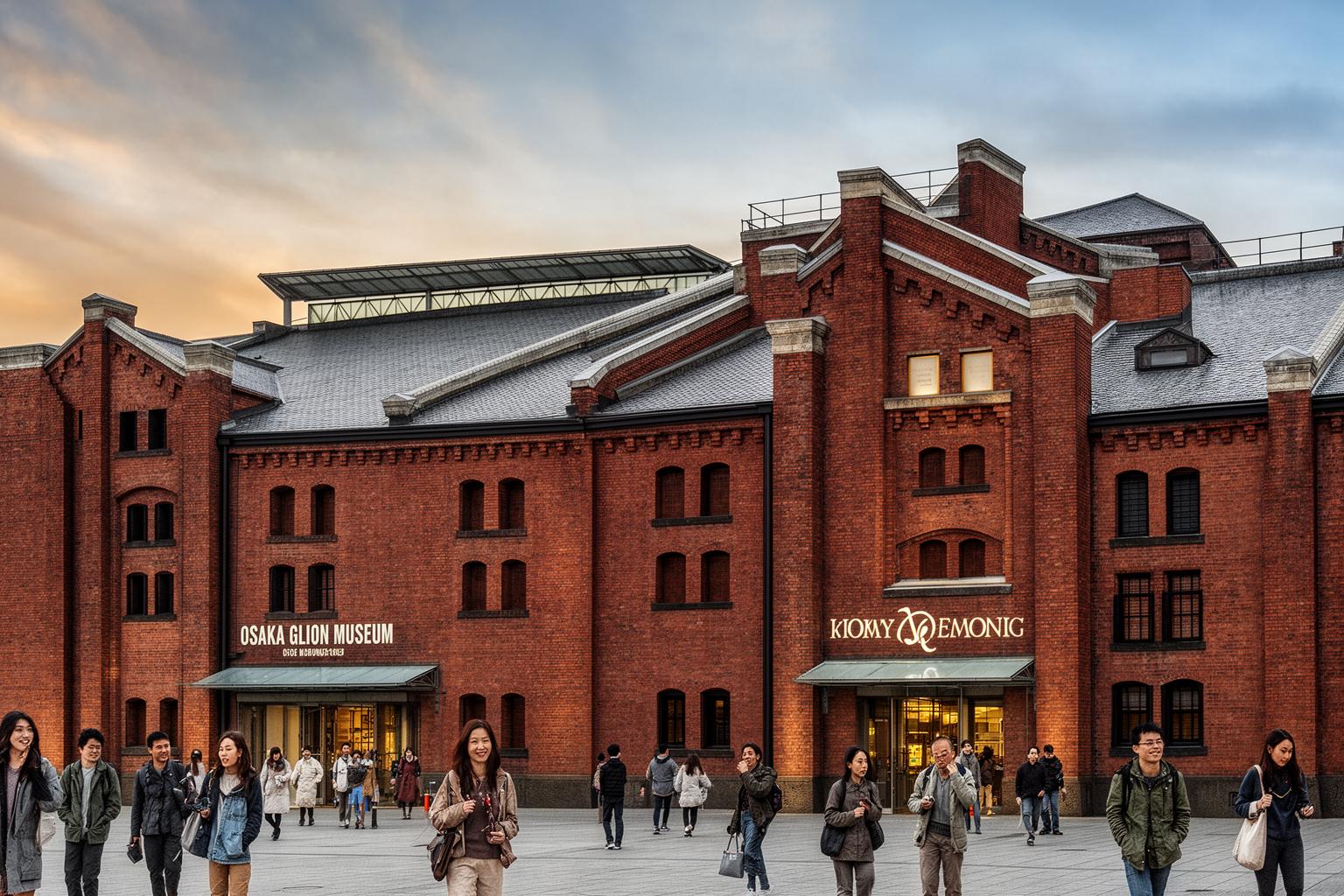
Before you even catch sight of the first vintage automobile, the venue itself commands your attention. The GLION MUSEUM is located in the Osaka Chikko Red Brick Warehouse, a site rich in industrial history that is key to understanding the city’s development. Constructed around 1923, these warehouses stood as powerful symbols of Osaka’s role as a major port city—a gateway for trade and commerce that propelled Japan’s modernization. Picture these vast halls, not filled with gleaming Rolls-Royces, but bustling with workers, resonating with the sounds of cargo being handled, the air heavy with the aroma of goods from around the world. They were the city’s lifeline, built with a sturdy, practical purpose.
Yet, they were designed with unmistakable aesthetic elegance. The warm, deep red bricks, laid with precision and care beyond mere utility, tell a story of pride in craftsmanship. Walking through the buildings today feels like wandering down a historic European street. The ground is paved with stone resembling classic cobblestone, and the large arched windows and heavy steel doors evoke an era defined by strength and durability. The architects of the Taisho era didn’t simply construct warehouses; they created a legacy. Over time, as shipping logistics changed, these impressive buildings fell into disuse, silent reminders of a bygone era. Their rebirth as the home of the GLION MUSEUM is a brilliant act of preservation and reinvention. It is a flawless union of form and function, where the rugged industrial exterior provides a striking, dramatic setting for the polished, sculptural beauty of the cars inside. The contrast is electric—the weathered, textured brick walls highlight the immaculate, mirror-like paint finishes, and the vast, high-ceilinged spaces lend each vehicle the dignity of a gallery masterpiece. It is this very ambiance, this conversation between building and collection, that transforms the GLION MUSEUM from a mere exhibition into a deeply immersive experience.
The Gallery of Dreams: An Odyssey Through Automotive History
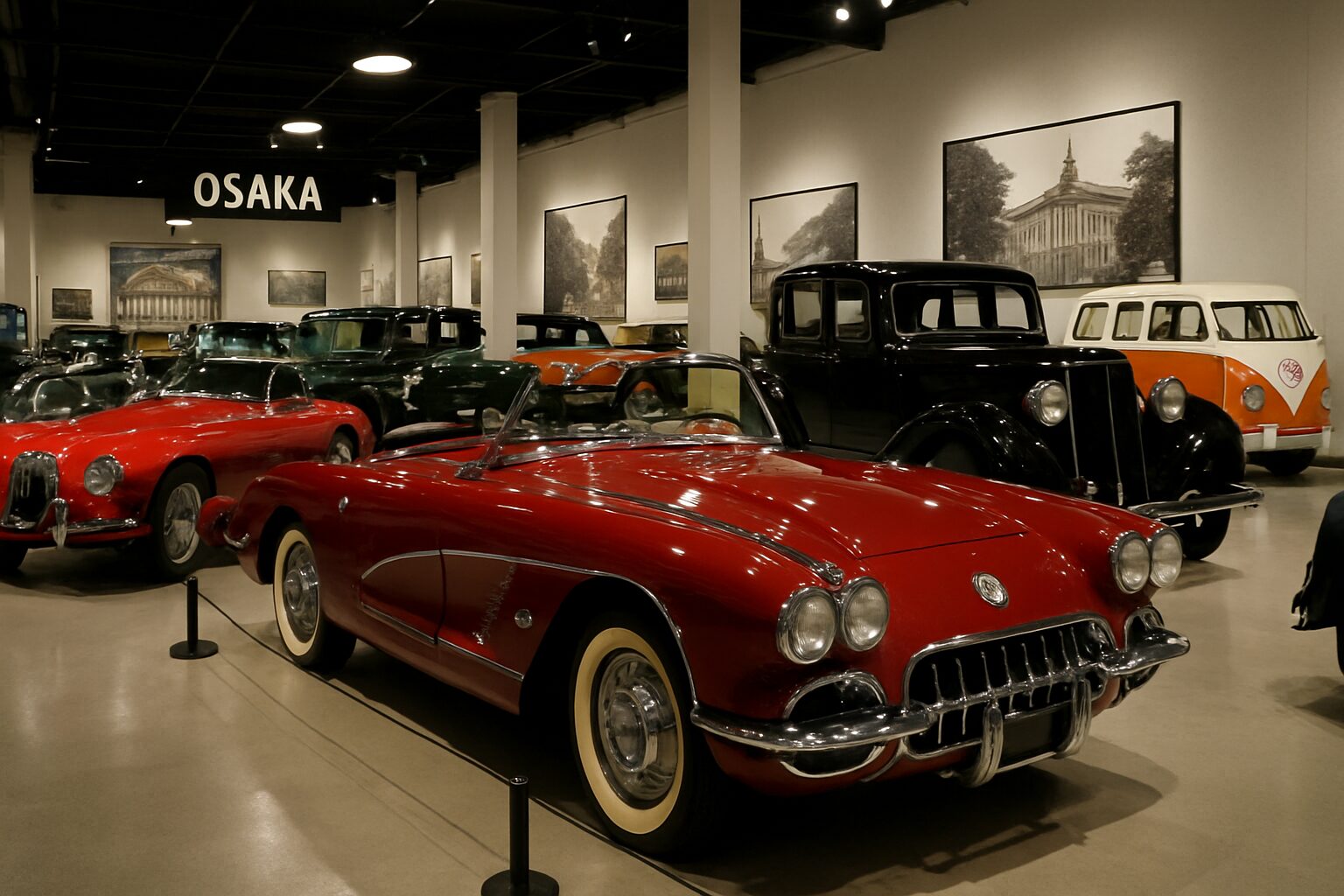
Entering the first exhibition hall feels like unlocking a treasure chest. The sheer beauty and variety of the collection are astonishing. The museum is thoughtfully divided into zones, leading you on a curated exploration of automotive evolution. This is not a cluttered garage; it’s a carefully designed space where each car has room to breathe and be admired from every angle. The lighting is dramatic, casting deep shadows that accentuate the sensual curves and sharp edges defining each vehicle’s character. The collection stretches across decades and continents, showcasing the pinnacle of design and engineering from around the globe.
The Epitome of British Elegance
One of the most captivating areas is devoted to the giants of British luxury. Here, the silent, majestic presence of Rolls-Royce commands attention. Viewing a vintage Silver Ghost or Phantom up close is an experience unto itself. These are not just cars; they are rolling sculptures, testaments to an era when bespoke craftsmanship ruled supreme. You can almost sense the history emanating from them—imagining them gliding through the English countryside or arriving at a glamorous London hotel. The iconic Spirit of Ecstasy hood ornament leans into an eternal breeze, symbolizing unparalleled quality. I found myself captivated by the details: the rich grain of the wood paneling on the dashboard, the supple, perfectly stitched leather seats, and the sheer, commanding scale of the vehicles. They embody a level of opulence and engineering that was, and continues to be, in a class of its own. It’s a quiet yet powerful demonstration of what happens when there are no compromises on quality.
The Roar of the American Spirit
Moving into the American wing is like switching the soundtrack from a classical symphony to a rock-and-roll anthem. The energy shift is unmistakable. Here, the cars are bold, flamboyant, and unapologetically expressive. You’ll find icons of the American Dream proudly displayed. A stunning 1950s Chevrolet Corvette, with its dramatic fins and gleaming chrome, instantly evokes images of open highways, drive-in movies, and the birth of a vibrant youth culture. These cars are symbols of freedom, power, and optimism. The collection often highlights legendary muscle cars like the Ford Mustang, vehicles that captured the rebellious spirit of a generation. Their powerful stances and bright hues—think candy-apple red and electric blue—along with roaring engines (which you can almost hear in the museum’s silence), tell the story of a nation enamored with the automobile. For me, someone intrigued by cultural expression through design, these cars are as much a part of American history as jazz or Hollywood cinema.
The Precision of German Engineering and Italian Passion
The journey continues through Europe, highlighting the meticulous engineering of Germany and the fiery passion of Italy. Classic Mercedes-Benz models exude sophisticated confidence. You can follow the brand’s legacy of innovation and understated luxury, spanning from elegant pre-war cars to iconic sports vehicles that ruled racetracks. A vintage Porsche, with its iconic minimalist shape, is a masterclass in functional design—every curve purposeful, creating a silhouette that’s instantly recognizable and eternally stylish. The collection also pays tribute to Italian flair, featuring sleek, powerful machines that are as much art as they are speed. These cars are emotional, designed to quicken the pulse and draw attention, embodying a philosophy where beauty and performance are inseparably linked.
The Dawn of a Japanese Legend
No automotive museum in Japan would be complete without honoring the country’s remarkable contributions to the industry. The GLION MUSEUM often displays rare and significant Japanese classic cars. Seeing an early model, perhaps a Toyota 2000GT—often hailed as Japan’s first supercar—is a standout moment. This car, famous for its role in a James Bond film, demonstrated to the world that Japan could manufacture vehicles that were not only reliable and efficient but also stunningly beautiful and world-class in performance. These cars mark a pivotal point in history, the start of a journey that propelled Japanese automakers to global leadership. It’s a source of national pride and a fascinating glimpse into the origins of the cars we see on today’s roads.
More Than a Museum: Crafting Your Perfect Day

The brilliance of the GLION MUSEUM lies in its appreciation of the art of experience. It’s more than just a place to observe; it’s a destination meant to be savored. The founders have expertly woven hospitality into the historic environment, allowing visitors to extend their stay and fully immerse themselves in the distinctive atmosphere.
A Culinary Gem at AKARENGA STEAK HOUSE
For an unforgettable night, the AKARENGA STEAK HOUSE, nestled within one of the warehouses, is an absolute must-visit. The ambiance is stunningly romantic. Picture dining beneath the original high-beamed ceilings of the century-old building, bathed in soft lighting that makes the red brick walls glow warmly. The restaurant often showcases one or two classic cars right in the dining area, merging culinary excellence with automotive artistry. It specializes in premium, dry-aged steaks of exceptional quality. This venue is ideal for special occasions, celebrations, or romantic dinners that feel straight out of a classic film. Although it’s a splurge, it offers a truly unique and memorable experience. Reservations are highly recommended, as it ranks among Osaka’s most coveted dining spots.
A Cozy Pause at CAFE 1923
For those seeking a more casual experience, CAFE 1923 offers a delightful retreat. Named after the year the warehouse was constructed, this cafe provides a cozy setting to enjoy coffee, a light lunch, or a tasty dessert. It’s the perfect place to pause and reflect on the stunning machines you’ve just admired. The interior seamlessly blends the industrial-chic style of the warehouses, making it a stylish and comfortable spot to recharge. From here, you can watch other visitors stroll through the grounds, soak up the historic vibe, and plan your next adventure in the Bay Area.
A Photographer’s Dream: Capturing the Industrial-Chic Aesthetic
For anyone passionate about photography, the GLION MUSEUM is a visual haven. Every corner offers a fresh opportunity for a breathtaking shot. The interplay of textures is astonishing: the rough, weathered surface of the red bricks, the smooth, reflective curves of the cars, the cold strength of steel beams, and the warm glow of filament bulbs. The natural light filtering through the massive windows shifts throughout the day, creating dynamic and atmospheric scenes. Late afternoon, during the “golden hour,” is especially enchanting. The setting sun casts long shadows and bathes the entire complex in a warm, ethereal glow, making the colors of the cars stand out against the historic backdrop. It’s no surprise that this location is highly popular for professional photoshoots, as well as weddings. Don’t hesitate to use your camera or smartphone; this is a place that cries out to be captured. Experiment with low angles to highlight the majestic presence of the cars, or focus on close-up details—a vintage hood ornament, a leather-wrapped steering wheel, the reflection of brickwork in a polished hubcap. The possibilities for visual storytelling are endless.
Practical Guidance for the Modern Explorer

Finding your way to this glimpse of the past is surprisingly simple. The GLION MUSEUM is situated in the Osaka Bay Area, a district celebrated for its modern, family-friendly attractions, making it a convenient and rewarding stop on any itinerary.
Access and Transportation
The easiest way to reach the museum is by taking the Osaka Metro. Ride the Chuo Line to Osakako Station, then enjoy a pleasant 5-10 minute walk. The route is clearly marked, and the red brick warehouses in the distance serve as a helpful landmark. If you are coming from near Universal Studios Japan, a brief taxi ride is a quick and straightforward choice. While the museum offers parking, given the convenience of public transit, I recommend using the train.
Timing is Everything
The museum’s typical hours run from afternoon into evening, which is quite distinctive. This schedule lets visitors fit in daytime activities around the area. I suggest planning your visit for late afternoon. You can explore the museum as daylight fades, benefit from the beautiful golden hour for photography, and then smoothly transition to an exceptional dinner at AKARENGA STEAK HOUSE. Weekdays tend to be less crowded, providing a more serene and intimate experience. Be sure to check the museum’s official website for the most current opening hours and any special closures before your visit.
A Word on Comfort and Safety
As a solo female traveler, I pay close attention to comfort and safety. The GLION MUSEUM and its nearby area feel very safe and well-kept. Still, here are a few personal tips: the charming but uneven paving stones can be tricky for high stilettos. Choose stylish yet comfortable shoes—like chic loafers, elegant flats, or block heels—to explore freely without worry. The Bay Area can be breezy even on warm days, so bringing a light jacket or scarf is advisable for a more comfortable walk from the station or time spent outdoors. Like any travel destination, keep your belongings secure, though the atmosphere here is relaxed and refined, not one that typically invites pickpocketing.
The Perfect Pairing: Creating a Full Day in the Osaka Bay Area
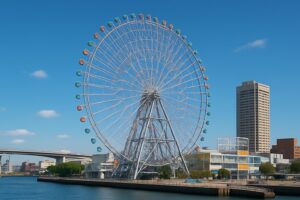
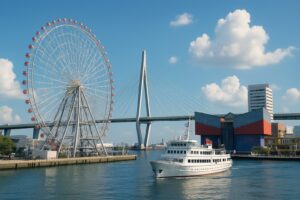
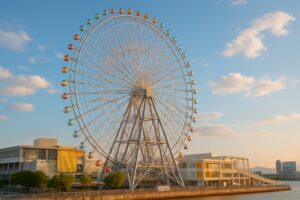
The GLION MUSEUM’s location makes it an ideal starting point for a full day of exploration. You can create a wonderful itinerary that blends modern attractions with historical charm. Begin your day at the world-renowned Kaiyukan Aquarium, one of the largest and most impressive aquariums globally, just a short walk from the museum. After immersing yourself in the marine wonders, take a ride on the Tempozan Giant Ferris Wheel for stunning panoramic views of the city, bay, and surrounding mountains. Following these popular and often crowded spots, the GLION MUSEUM provides a perfect change of pace—a sophisticated, calming, and inspiring retreat. This mix of activities offers a truly comprehensive experience of the Osaka Bay Area, highlighting its diversity and appeal to all types of travelers.
A Final Reflection on Timeless Beauty
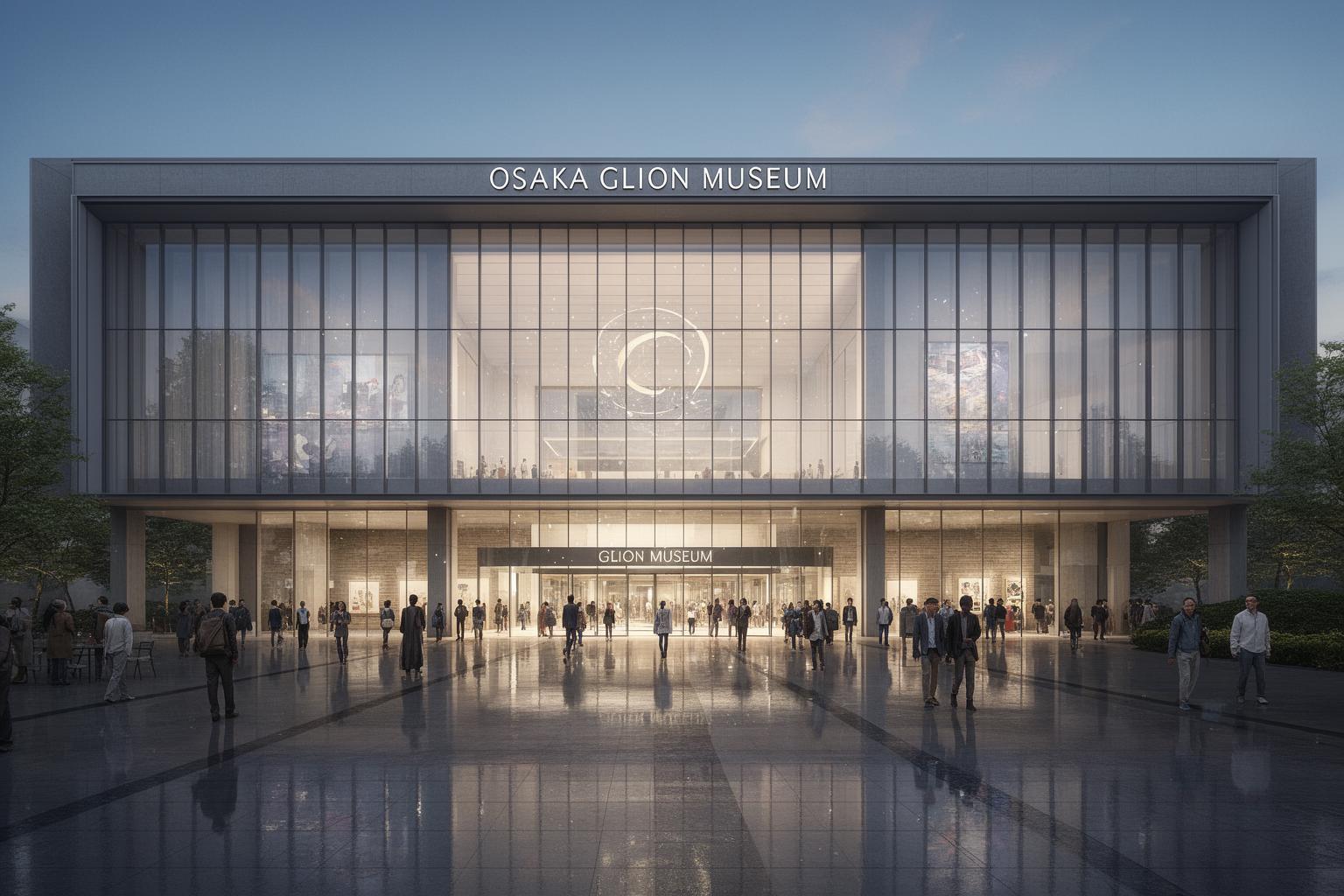
In a world that moves at lightning speed, places like the GLION MUSEUM are more important than ever. They serve as anchors to our past, reminders that beauty and quality are timeless. It is a place that tells a story not only of cars but also of human ambition, artistry, and the enduring power of design. As I left the museum with the evening lights beginning to twinkle across the bay, I felt a deep sense of peace and inspiration. The GLION MUSEUM is not just for car enthusiasts; it is for romantics, historians, photographers, designers, and anyone who appreciates the beauty found when the past is not only preserved but brought to vibrant, new life. It remains, without a doubt, one of Osaka’s most elegant and soulful secrets, waiting to share its stories with those who take the time to listen.