Welcome to Osaka, a city that pulses with an energy all its own, a metropolis carved by waterways and dreams. Here, in the sprawling, vibrant Bay Area, where the sky meets the sea, lies a story that’s as quirky as it is profound. It’s the story of a mountain that isn’t quite a mountain, a place called Tempozan. To the first-time visitor, the name might conjure images of rugged peaks and challenging trails. But in Osaka, we do things a little differently. Tempozan is a testament to the city’s pragmatic, industrious, and endlessly creative spirit. It was once, with official recognition, the lowest mountain in all of Japan, a gentle rise of earth born not from tectonic fury, but from human will. This small hill, now the heart of a dazzling entertainment district, is the anchor point for a journey into Osaka’s maritime soul, a place where history and hyper-modern fun collide in the most spectacular way. It’s more than just a spot on a map; it’s a symbol of a city that has always looked to the water for its prosperity and its future. From the deep blue wonders of one of the world’s greatest aquariums to the glittering arc of a giant Ferris wheel, the adventure that awaits here is built upon a foundation of history, a small hill created to clear the way for commerce and connection. So, let’s explore this waterfront wonderland, starting from its humble, man-made summit.
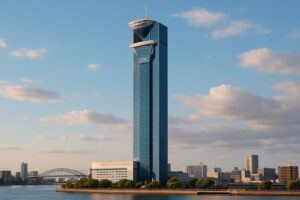
For a panoramic perspective on how this vision unfolded, see the city’s transformation from the Osaka Cosmo Tower’s observation deck.
The Birth of a Mountain from the River’s Depths
To truly grasp the essence of the Tempozan area, you must journey back to the Edo Period, when Osaka was establishing itself as the Tenka no Daidokoro, the “Kitchen of the Nation.” The city thrived as a bustling center of commerce, sustained by a network of rivers and canals that transported rice, sake, and countless other goods from across Japan. The primary route for this trade was the Aji River, connecting Osaka Bay to the heart of the city. However, this crucial waterway faced a persistent issue: silt. Over time, the riverbed had filled with sand and mud, making navigation increasingly difficult for the large cargo ships, called sengokubune. A shallow river meant a bottleneck for trade, posing a serious threat to a commerce-driven city.
The Tokugawa Shogunate, the ruling authority of the era, acknowledged the problem’s urgency. In 1831, during the Tempo era, a large-scale dredging project was launched with the straightforward aim of deepening the Aji River to facilitate smooth commercial flow. Laborers toiled for months, removing vast amounts of earth from the riverbed. This created a new dilemma: how to handle all the dredged material? The pragmatic and inventive solution was to accumulate it on the river’s estuary, forming a large artificial mound. This mound served two purposes: it provided a convenient place to deposit the silt and became a new landmark, aiding ships navigating Osaka Bay’s complex waters. To safeguard the hill from erosion and enhance its appearance for residents, pine and cherry blossom trees were planted across its slopes. Before long, it transformed into a scenic spot where locals gathered for picnics, enjoyed the sea breeze, and watched ships come and go from the lively port.
In a demonstration of official ingenuity, this man-made hill was formally surveyed and recorded on government maps as a mountain. Named “Tempozan” to honor the era of its formation, it rose to a proud height of 4.53 meters above sea level, earning the distinction of Japan’s lowest mountain. A summit marker was installed, turning it into a legitimate destination where visitors came specifically to “climb” the country’s most accessible peak. It became a source of local pride and a delightful curiosity, symbolizing Osaka’s talent for transforming practical challenges into cherished landmarks.
A Mountain’s Transformation into a Modern Playground
As Japan modernized through the Meiji Restoration and into the 20th century, the landscape surrounding Tempozan transformed dramatically. The port of Osaka expanded, with large industrial complexes and concrete wharves replacing the sandy shores. The small mountain, once a prominent landmark for sailing ships, was gradually absorbed by the city’s growth. The devastation of war and subsequent urban development took their toll, and for a period, the park became quieter and more subdued. Its status as Japan’s lowest mountain was eventually overtaken by Mount Hiyori in Sendai, which was reshaped after the 2011 tsunami. Yet, the name and its story survived.
Today, if you seek Tempozan, the mountain, you’ll find it quietly nestled within Tempozan Park, a peaceful green refuge just steps from the dazzling harbor attractions. The ascent to the “summit” is a gentle, leisurely walk along a paved path shaded by mature trees, taking about a minute. At the top, there are no breathtaking alpine views; instead, you’ll find a small, modest triangulation station marker set in concrete and a stone plaque commemorating its history. It is profoundly, almost humorously, understated—and that is precisely its charm. Standing there, with the sounds of cheerful crowds and music from the nearby Ferris wheel drifting through the trees, you feel a direct connection to that 19th-century vision. You stand on land that was once at the bottom of a river, built up by human hands to secure the city’s future. It’s a moment of quiet reflection, a grounding experience before you plunge into the sea of modern entertainment surrounding it.
This contrast makes the area so compelling. The historic, humble hill now lends its name to the entire Tempozan Harbor Village, a sprawling complex devoted to leisure and discovery. It’s a place where Osaka’s maritime legacy has been reimagined as a world-class destination for families, couples, and travelers from around the globe. The mountain is the quiet historical soul, and the village its vibrant, beating heart.
The Modern Marvels of Tempozan Harbor Village
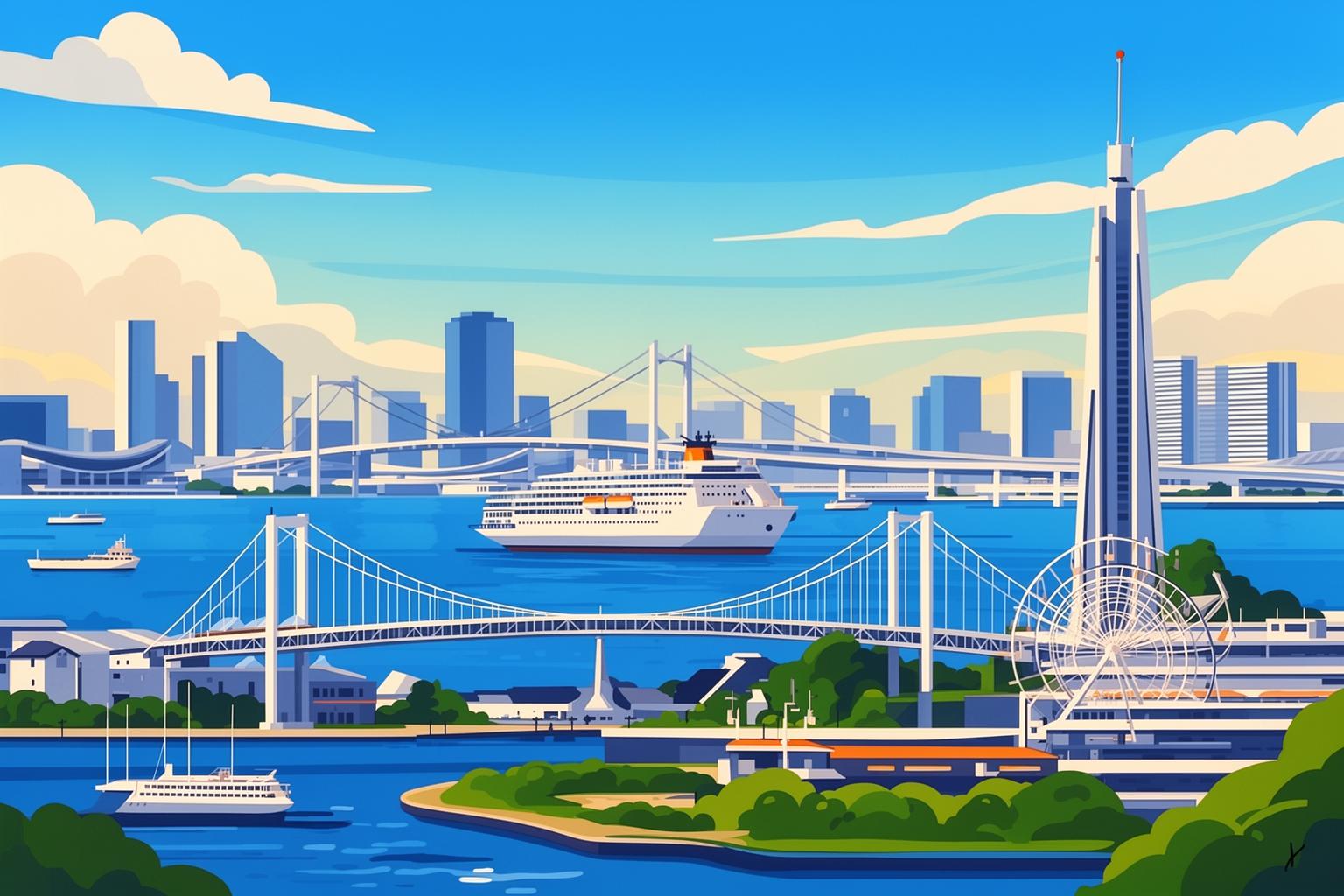
The area around the tranquil park is anything but peaceful. It bursts with light, color, and excitement, featuring a variety of attractions that can easily fill an entire day or even two. Each offers a unique glimpse into the marvels of nature, the beauty of the urban landscape, and the delicious flavors of Osaka.
Diving into the Pacific at the Osaka Aquarium Kaiyukan
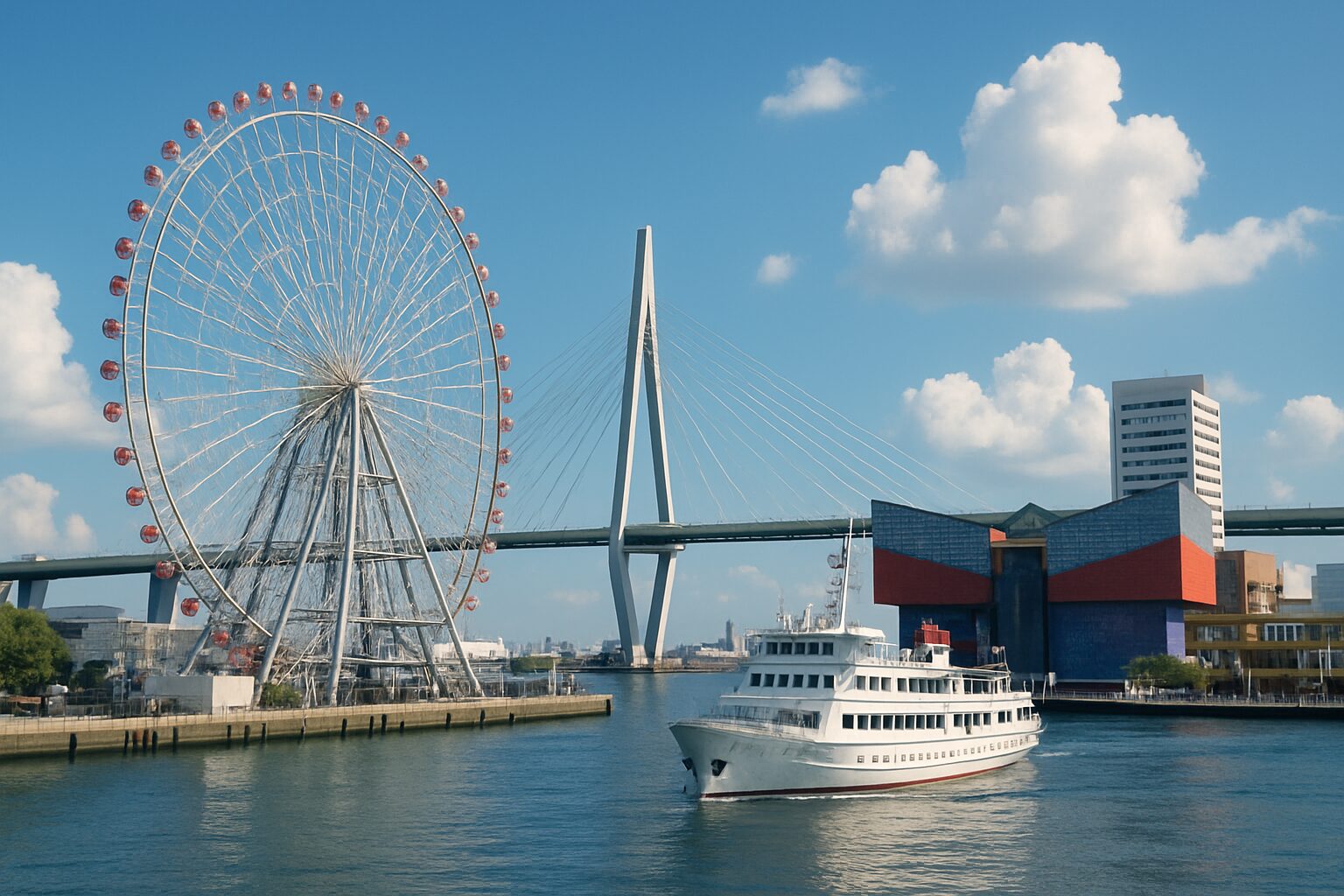
The undisputed highlight of Tempozan Harbor Village is the Osaka Aquarium Kaiyukan. This is more than just an aquarium; it is an architectural masterpiece and an immersive exploration of the Pacific Rim of Fire. From the moment you spot the striking blue and red building, you know you’re in for a special experience. The visit is thoughtfully designed: you start by riding a long escalator up to the eighth floor, then gradually spiral downward along a central ramp that circles the aquarium’s massive, multi-story tanks.
The journey begins in the “Japan Forest” exhibit, which recreates a sunlit Japanese woodland, home to playful Asian small-clawed otters and giant salamanders. From there, you descend through varied marine habitats. You’ll encounter the icy Antarctica exhibit, where penguins waddle and dive with remarkable grace. You’ll be amazed by the powerful sea lions of Monterey Bay and the vibrant fish of the Great Barrier Reef. But the centerpiece of the Kaiyukan, the moment that leaves every visitor in awe, is the central “Pacific Ocean” tank. This enormous tank, containing 5,400 tons of water, is a spectacular sight. Gliding serenely through the deep blue is the aquarium’s star— the magnificent whale shark, or jinbe-san as it’s affectionately called in Japanese. To witness this gentle giant, the largest fish in the world, swim effortlessly alongside schools of shimmering fish, hammerhead sharks, and graceful rays is a truly humbling and unforgettable experience. The immense scale is impressive, and you can view it from several levels as you descend, each offering a different perspective on this vibrant underwater world. Another standout is the ethereal jellyfish exhibit, where countless species drift in illuminated tanks, creating a mesmerizing and almost psychedelic display of natural art. First-time visitors should buy tickets online in advance, as lines can be long on weekends and holidays. Also, be sure to check the daily schedule for feeding times—watching the keepers interact with the animals adds an extra layer of insight and enjoyment.
Reaching New Heights on the Tempozan Giant Ferris Wheel
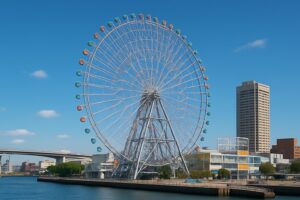
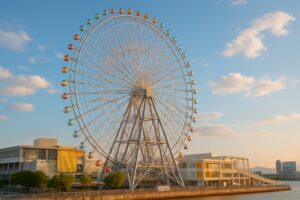
Towering over the Bay Area skyline is the Tempozan Giant Ferris Wheel. At 112.5 meters tall, it was once the largest in the world and remains an iconic symbol of Osaka’s waterfront. Taking a ride on this wheel is essential, offering a unique view of the city that can’t be found elsewhere. The full rotation takes about 15 minutes, providing plenty of time to enjoy the stunning 360-degree panoramic vistas. As your gondola slowly rises, the world below spreads out like a map. To the west, you can see the vast Osaka Bay, the striking red arches of the Minato Bridge, and on clear days, even the Akashi Kaikyo Bridge linking the mainland to Awaji Island. To the east, the sprawling cityscape extends toward the distant Ikoma and Rokko mountain ranges. Landmarks such as Osaka Castle and the Umeda Sky Building stand out, helping you grasp the enormous scale of the metropolis.
The experience changes dramatically depending on the time of day. A daytime ride delivers clarity and a geographic understanding of the area, while a sunset or nighttime ride is pure magic. As the sun sets, painting the sky with fiery hues, the city lights begin to sparkle. The view of Osaka’s glittering lights stretching across the horizon is breathtakingly romantic and beautiful. For the adventurous, the Ferris wheel includes a few special “see-through” gondolas with transparent floors, offering a thrilling and heart-pounding view straight down from the top. A fascinating local secret is to watch the wheel’s LED lights at night—they’re more than decoration; they provide a weather forecast for the next day! Orange lights mean a sunny day ahead, green signals cloudy weather, and blue forecasts rain. It’s a clever and beautiful piece of public information art.
Cruising the Bay on the Santa Maria Ship
For a different view of the bay, step aboard the Santa Maria, a splendid replica of Christopher Columbus’s flagship from his voyage to the New World. This charming cruise offers a delightful 45-minute tour of Osaka Port. It’s a chance to feel the sea breeze on your face and observe the city’s industrial and commercial power from the water. Departing from the pier beside the Kaiyukan, the ship sails leisurely around the harbor. You’ll pass under massive bridges that are feats of engineering, get close to container terminals and shipyards that drive the city’s economy, and see the skylines of both Osaka and nearby Kobe from afar. The ship itself adds to the experience, with spacious decks for sightseeing and an interior loosely evoking the Age of Exploration. For a truly special outing, consider the twilight cruise, offered on certain days. Watching the city lights twinkle to life from the deck of the Santa Maria as dusk falls over the bay is an incredibly romantic and peaceful way to conclude your day. It connects you directly to the maritime heritage from which Tempozan originated, making the history of the area feel immediate and vivid.
A Culinary Time Capsule: Naniwa Kuishinbo Yokocho
No trip to Osaka is complete without savoring its renowned food culture, and Tempozan Harbor Village offers a distinctive culinary experience. Hidden within the Tempozan Marketplace shopping center is Naniwa Kuishinbo Yokocho, a food theme park designed to whisk you back in time. The entire floor has been carefully recreated to resemble a lively Osaka street from the mid-Showa era, around the 1960s. The attention to detail is remarkable, featuring vintage movie posters, old-fashioned candy stores, retro signage, and even a classic postbox alongside a small Inari shrine. It’s an incredibly atmospheric and nostalgic setting, even if you’ve never lived through that period.
The highlight, naturally, is the food. This spot is ideal for sampling some of Osaka’s most cherished soul foods, all gathered under one roof. You’ll discover famous, long-established shops offering local specialties. The air is rich with the enticing aromas of grilling batter and sweet soy sauce. You can enjoy takoyaki, the iconic octopus-filled batter balls, served hot with a variety of toppings. There’s okonomiyaki, the savory pancake packed with cabbage and your choice of meat or seafood, generously topped with rich dark sauce and mayonnaise. Don’t miss kushikatsu, deep-fried skewers of meat, vegetables, and even cheese (just remember the golden rule: no double-dipping into the communal sauce!). Another must-try is ikayaki, a simple yet incredibly flavorful grilled squid pancake beloved by locals. One of the best ways to experience Naniwa Kuishinbo Yokocho is to visit with friends or family and order several different dishes from various stalls to share. It’s a fun, casual, and delicious way to immerse yourself in the flavors that have earned Osaka the title Kitchen of the Nation.
Practical Guidance for Your Bay Area Adventure
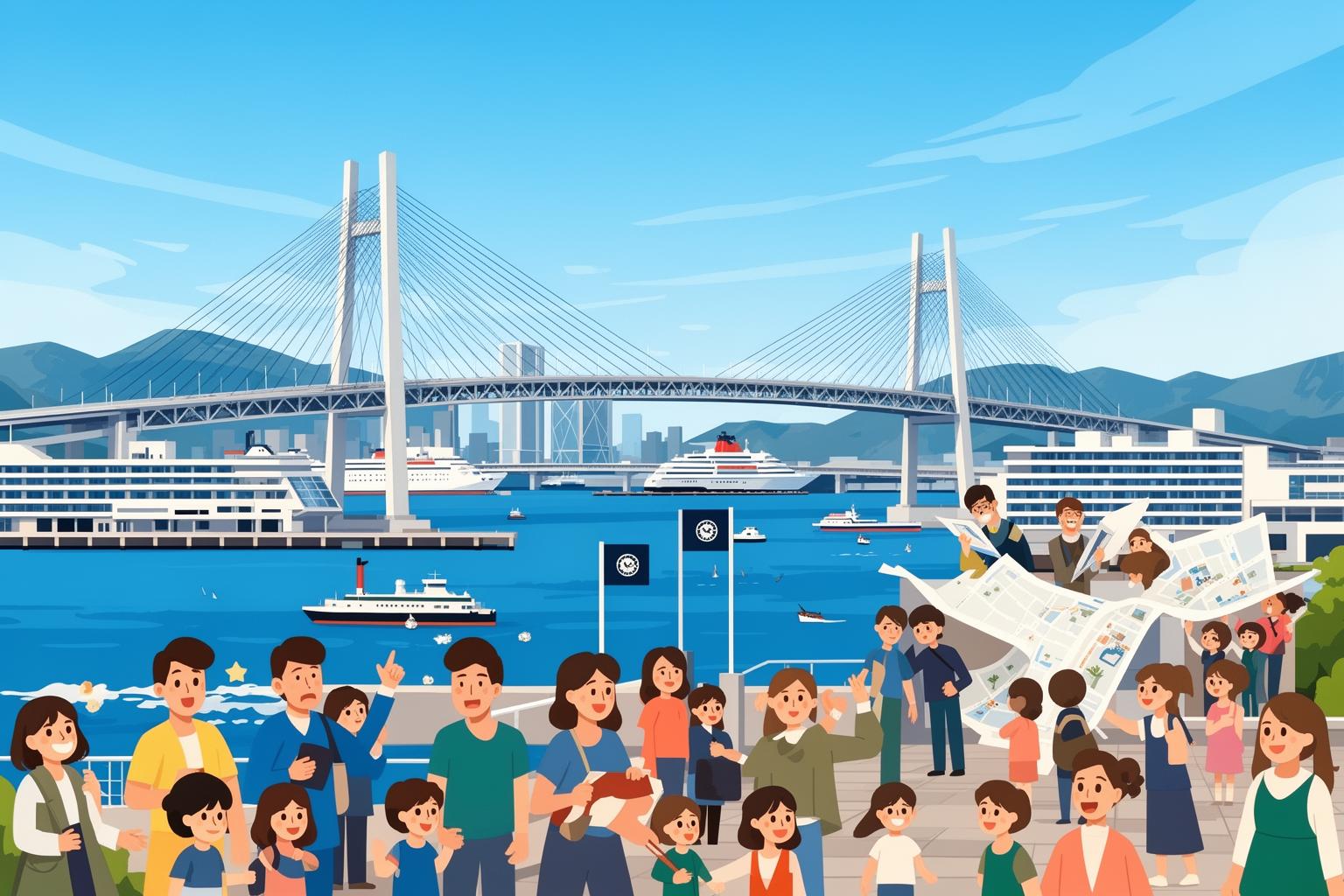
Finding your way to and around the Tempozan area is simple, thanks to Osaka’s excellent public transportation system. Here’s what you need to know to ensure your visit is smooth and enjoyable.
Getting There with Ease
The easiest and most common way to reach Tempozan Harbor Village is by train. Take the Osaka Metro Chuo Line (green line) to Osakako Station (Station C11). From there, a pleasant and clearly marked five-minute walk leads you to the main complex. You’ll spot the giant Ferris wheel well before you arrive, so getting lost is unlikely. For visitors planning to explore both the Bay Area and Universal Studios Japan (USJ), the Captain Line ferry is a fantastic choice. This small, fast ferry runs directly between Tempozan’s pier and the Universal City Port in about 16 minutes. It’s not only efficient but also provides a charming mini-cruise, saving you time and the hassle of multiple train transfers. This makes it an excellent way to combine two of Osaka’s top entertainment spots into one seamless day. City buses also serve the area, offering an alternative for those coming from different parts of the city.
Planning Your Perfect Day
To make the most of your visit to Tempozan, a bit of planning is helpful. The area tends to get very crowded, especially on weekends, national holidays, and during school breaks. If possible, visiting on a weekday will mean shorter lines and a more relaxed experience. A good plan for a full day is to start at the Kaiyukan Aquarium right when it opens to avoid the largest crowds. After spending a few hours exploring the underwater exhibits, enjoy a fun, retro-themed lunch at Naniwa Kuishinbo Yokocho. In the afternoon, relax with a Santa Maria cruise around the bay to rest your feet and enjoy the views. As evening falls, cap off your day with a ride on the Tempozan Giant Ferris Wheel. Riding at sunset offers the perfect blend of daylight fading and the city lights beginning to sparkle. For those planning extensive subway use, consider purchasing the Osaka Kaiyu Ticket. This excellent value ticket combines admission to the aquarium with unlimited subway rides for one day, and sometimes includes other private railways as well, simplifying travel and saving you money.
The Enduring Soul of Tempozan
What makes a visit to Tempozan uniquely satisfying is the beautiful layering of stories it offers. It is a place that embraces the new without erasing the old. You can stand on a small, man-made hill that tells a 200-year-old tale of a city’s ambition, and from that very spot, gaze up at a colossal Ferris wheel symbolizing the pinnacle of modern engineering and entertainment. This duality captures the essence of Osaka itself. The city has always been defined by its relationship with water—one rooted in trade, control, and ultimately, reinvention. The creation of Tempozan was a practical feat of civil engineering that blossomed into something more: a landmark, a park, and a treasured piece of local history. The modern Harbor Village represents the 21st-century evolution of that same spirit. It is a grand act of placemaking, transforming the industrial waterfront into a space for joy, wonder, and shared human experience. Here, a family can watch a majestic whale shark glide by, then enjoy takoyaki in a recreated 1960s alleyway, all on land literally reclaimed from the river to pave the way for progress. This is the magic of Tempozan: not just a collection of attractions, but a living narrative of Osaka’s journey through time.
A Final Vista from the Bay
As your day at Tempozan draws to a close, take a moment to simply stand by the waterfront. Watch the boats glide across the bay and see the Ferris wheel lights begin their colorful dance against the darkening sky. In that moment, you are more than just a tourist visiting an entertainment complex—you are a witness to the enduring spirit of the city. You’ve explored the ocean’s depths at the Kaiyukan, soared above the cityscape on the Ferris wheel, and savored the rich history of Osaka’s vibrant food culture. Perhaps you even took a quiet minute to “climb” Japan’s former lowest mountain. In that simple act, you connect with generations of Osakans who stood in this very spot, gazing out at the water with a sense of possibility. Tempozan reminds us that even the humblest beginnings can grow into something truly spectacular. It is a place of grand spectacle and quiet history, a perfect microcosm of the dynamic, ever-changing, and deeply soulful city that is Osaka. Come and discover its story for yourself.