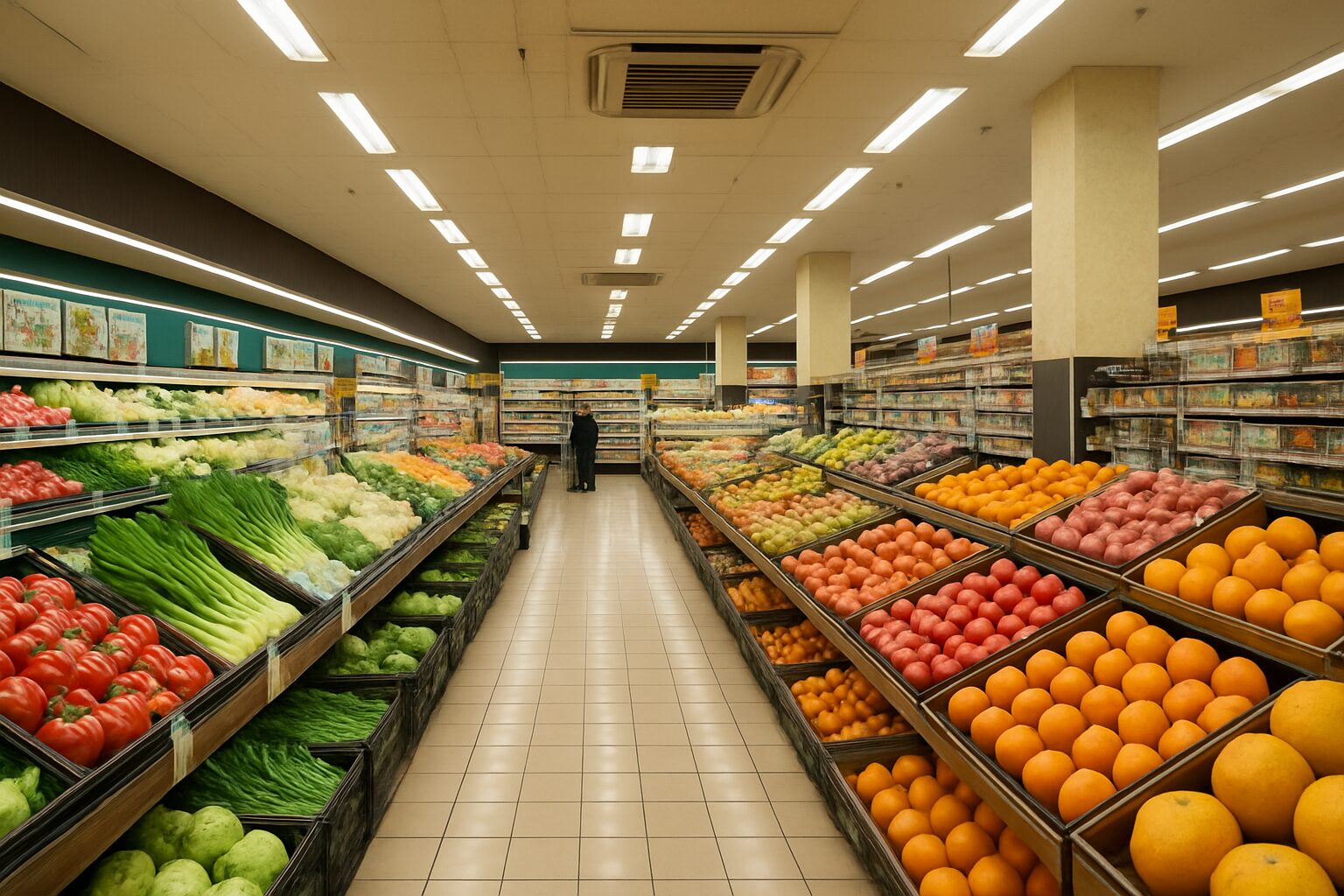
Welcome to Osaka, the city that lives and breathes food. They call it ‘Tenka no Daidokoro,’ the Nation’s Kitchen, a title earned through centuries of culinary obsession. Here, the greeting isn’t just ‘how are you,’ but often, ‘have you eaten yet?’ For any foreigner setting up a life in this vibrant, chaotic, and utterly delicious metropolis, the local supermarket is more than just a place to buy milk and eggs. It’s your training ground, your cultural classroom, and the very first step to truly living like an Osakan. Stepping inside for the first time is a sensory symphony—the cheerful chime of the automatic doors, the upbeat J-pop bouncing off the linoleum, the mesmerizing neatness of perfectly stacked produce, and the dizzying aroma of freshly fried tempura wafting from the惣菜 (sōzai) corner. It can feel overwhelming, a labyrinth of unfamiliar characters and mysterious packages. But fear not. This guide is your key, your friendly companion to unlocking the rhythm, logic, and pure joy of grocery shopping in Osaka. It’s here you’ll learn the secrets to the city’s ‘kuidaore’ (‘eat until you drop’) culture, right from the source. Mastering the aisles of your neighborhood ‘suupaa’ is a rite of passage, a declaration that you’re not just visiting—you’re home.
Once you’ve mastered the supermarket aisles, you might want to explore another quintessential local experience by visiting a traditional Osaka sentō.
The Supermarket Landscape: Decoding the Chains

Osaka’s grocery landscape is far from uniform. It’s a dynamic network of competing chains, each with its own unique character, price range, and purpose. Getting to know the main players is the key to becoming a savvy shopper. You’ll quickly find a favorite store for your weekly essentials, and another for special occasions or bulk buys. This diverse scene is worth exploring, as each store reveals a different side of the city’s connection to food.
Life: The Reliable All-Rounder
Think of Life (ライフ) as the quintessential Japanese supermarket. It’s clean, bright, and impeccably organized. Life is the backbone of Osaka’s grocery world, offering a perfect blend of quality, variety, and affordability. Here, you can find nearly everything for daily life, from fresh produce and premium meats to household cleaning products and toiletries. Many larger Life locations feature in-store bakeries, filling the air with the aroma of freshly baked shokupan (the fluffy milk bread of your dreams) alongside a diverse selection of European-style pastries. Their private label, ‘Smile Life,’ provides dependable quality at lower prices, making it a go-to for pantry staples. The sōzai (prepared foods) section is typically extensive and ideal for quick, delicious, and affordable dinners. Life is the kind of store where you can stroll in with a vague shopping list and leave with everything you need, feeling calm and satisfied. It’s the dependable friend of Osaka’s grocery scene—always there, reliable, and consistent.
Gyomu Supermarket: The Budget Shopper’s Haven
Gyomu Supermarket (業務スーパー), meaning ‘Business Supermarket,’ sounds exclusive but is open and welcoming to everyone. This is the place to visit if you’re serious about saving money. The vibe is no-frills—concrete floors, towering steel shelves, and products often displayed in original cardboard shipping boxes. While it lacks atmosphere, it makes up for it with unbeatable value. Gyomu reigns supreme when it comes to bulk goods, frozen items, and imported products. Stock up here on giant bags of pasta, massive cheese blocks, liter-sized olive oil bottles, and an incredible selection of frozen vegetables, meats, and seafood from around the globe. It’s a haven for foreigners seeking familiar tastes, offering everything from Thai green curry paste and frozen pierogies to Mexican tortillas and American-style condiments at a fraction of typical prices. Their frozen gyoza, sanuki udon, and chicken katsu are local legends for offering exceptional value. A trip to Gyomu feels like a treasure hunt, always resulting in a full cart and a pleasantly low bill.
Mandai: The Neighborhood Favorite
Mandai (万代) is a true Kansai original, a supermarket chain deeply embedded in Osaka’s neighborhoods. Shopping at Mandai feels like a community event. The atmosphere is often livelier than Life, with staff announcing daily specials and shoppers moving efficiently through the aisles. Mandai shines in fresh produce and seafood, known for competitive prices on seasonal fruits and vegetables, often sourced locally. Their fish section is a point of pride, reflecting Osaka’s closeness to the sea and love of fresh seafood. Although their selection of imported products may be smaller, they excel at providing core ingredients for traditional Japanese cooking. Visiting Mandai offers an authentic glimpse into how locals shop daily. It’s straightforward, freshness-focused, and great value, embodying the practical, food-loving spirit of Osaka.
KOHYO & MaxValu: The Convenient and Upscale Option
Often located inside or near major train stations, KOHYO and its sister store MaxValu belong to the vast AEON retail group. These stores cater to commuters and those seeking a premium shopping experience. Their selection is carefully curated, emphasizing high-quality items, organic produce, and gourmet products. Their bento boxes and ready-to-eat meals stand out, making these stores popular for grabbing a quick lunch or an elegant dinner after work. You’ll find a superior range of wine, craft beer, and imported cheeses here compared to regular supermarkets. While prices tend to be higher, the convenience and quality justify the cost. KOHYO is ideal for picking up something special—a weekend treat or a premium meal when you don’t have time to cook.
Don Quijote: The Chaotic Treasure Trove
Don Quijote, affectionately called ‘Donki,’ is more than a supermarket—it’s a cultural phenomenon. This multi-level maze of organized chaos is famous for its ‘compression display’ style, packing an astonishing amount of merchandise into every inch of space. Known for cosmetics, electronics, and quirky party goods, many large ‘MEGA Don Quijote’ stores also boast extensive grocery sections that shouldn’t be overlooked. Their biggest strengths include late opening hours—many operate 24/7—and the ability to offer surprising bargains on everything from snacks and drinks to fresh meat and produce. Grocery shopping at Donki is an experience in itself. You might enter for a bag of rice and leave with a face mask, a portable fan, and a giant inflatable flamingo. It’s not for the faint-hearted, but for late-night runs or adventurous shopping trips, Donki is an essential part of the Osaka experience.
Navigating the Aisles: A Cultural Deep Dive
The layout of an Osaka supermarket is a masterclass in efficiency and exemplifies Japanese culinary priorities. Each section is a unique world, stocked with products that narrate stories of the seasons, local tastes, and the art of Japanese home cooking. Let’s stroll through the aisles and explore the treasures inside.
The Produce Section (野菜・果物 – Yasai & Kudamono)
Your journey often starts in the produce section, a vibrant and carefully arranged display of nature’s bounty. The first thing that stands out is the strong focus on seasonality. Japan eats in harmony with the seasons, and the supermarket acts as a calendar. In spring, shelves brim with tender bamboo shoots (takenoko), bright green snap peas, and the sweetest strawberries you’ll ever taste. Summer offers juicy watermelons, plump peaches, and a wide range of eggplants and cucumbers. Autumn celebrates earthy flavors with sweet potatoes (satsumaimo), kabocha squash, fragrant matsutake mushrooms, and crisp persimmons. Winter brings hearty daikon radish, napa cabbage for hot pots, and plenty of citrus fruits like mikan and yuzu.
The next thing you’ll notice is the presentation. Produce is often flawless, shining under bright lights, sometimes individually wrapped or cushioned in protective foam netting. This isn’t wastefulness but a deep cultural respect for the food and the farmers. It guarantees quality. Look for labels indicating the prefecture of origin (e.g., Aomori apples, Hokkaido potatoes), reflecting immense pride in local produce. For a deal, watch for a small corner or rack with 見切り品 (mikiri-hin) items—perfectly ripe produce that must be sold that day, offered at significant discounts. It’s a great way to try something new without spending much.
The Meat & Fish Section (肉・魚 – Niku & Sakana)
For many, this is the supermarket’s heart, showcasing Japan’s passion for fresh protein. The meat counter may differ from what Westerners expect. Beef, pork, and chicken are most often sold in thin slices, ideal for dishes like shabu-shabu, sukiyaki, and gyudon. These paper-thin cuts cook instantly and absorb flavors beautifully. If you want a thick steak or a whole chicken for roasting, you may need to search more carefully or visit a specialty butcher, though larger supermarkets increasingly stock these cuts. Check the labels: 国産 (kokusan) means the meat is domestically raised, a key quality mark for many Japanese shoppers. You’ll also encounter premium brands like Kagoshima kurobuta (black pork) or finely marbled wagyu beef, which, while pricey, remains an accessible luxury at home.
The fish section truly reflects Osaka’s title as the ‘Nation’s Kitchen.’ The variety and freshness are astonishing. You’ll see neatly arranged trays of pre-sliced sashimi-grade tuna, salmon, and sea bream, ready to enjoy with just soy sauce and wasabi. Whole fish like horse mackerel (aji) and sea bream (tai) are available, and staff often offer free cleaning and gutting. There are also pre-marinated fillets perfect for quick grilling, such as miso-marinated mackerel (saba no misoni) or cod marinated in sake lees (kasuzuke). This section provides a direct link to the heart of Japanese cuisine, making it one of the most rewarding culinary explorations imaginable.
The Tofu & Noodle Universe (豆腐・麺 – Tōfu & Men)
The refrigerated tofu and noodle section is essential to everyday Japanese cooking. You’ll quickly discover tofu is far from a single, uniform product. The two main varieties are 木綿 (momen), or ‘cotton’ tofu, which is firm and perfect for stir-fries and scrambles, and 絹 (kinu), or ‘silk’ tofu, incredibly soft and smooth, ideal for miso soup or served cold as hiyayakko. Beyond these, there’s grilled tofu (yaki-dofu), fried tofu pockets for inari sushi (abura-age), and dense, hearty koyadofu (freeze-dried tofu).
Next to the tofu lies a noodle lover’s paradise. This aisle will change how you view instant ramen. You can buy fresh, restaurant-quality ramen noodles in wavy or straight forms, often paired with concentrated soup bases. You’ll find thick, chewy udon, earthy buckwheat soba, and springy yellow chukamen for yakisoba. These fresh noodles cook quickly and offer textures and flavors far superior to dried versions, making authentic noodle dishes at home both affordable and easy.
The Prepared Foods Paradise (惣菜 – Sōzai)
Undoubtedly, the Japanese supermarket’s secret weapon and a lifesaver for busy locals is the sōzai section—an impressive display of freshly prepared ready-to-eat dishes, replenished throughout the day. This is far removed from the tired, days-old deli counters you might know. Here, you’ll find an incredible variety of bento boxes, each a perfectly balanced and visually appealing meal. You can buy crispy fried chicken (karaage) by the piece, golden potato croquettes (korokke), grilled chicken skewers (yakitori), and delicate tempura servings. There are also many salads, ranging from classic potato salad to seaweed and edamame blends.
The sōzai section is a godsend on days when cooking feels like a chore or when you want an affordable, delicious lunch. But the true magic unfolds in the evening. A few hours before closing, staff begin marking down items with discount stickers. Initially, prices drop by 20% or 30% (割引 – waribiki), later plunging to 50% off or even 半額 (hangaku – half price). The evening sōzai run is a beloved ritual for students, singles, and thrifty shoppers across Osaka—a thrilling race to grab gourmet meals for just a few hundred yen.
The Checkout Experience & Essential Etiquette

Successfully completing the checkout process is the final stage of your supermarket experience. The Japanese system exemplifies efficiency and politeness, and understanding the procedure will make you feel like an expert.
The Double-Basket System
When you reach the checkout lane, you’ll notice it works a little differently. The cashier (レジ – reji) will take your shopping basket, quickly scan your items, and transfer them into a second, empty basket. They do not bag your groceries for you. Their role is to scan items and handle payment with speed and accuracy. After informing you of the total, once you’ve paid, you are expected to carry the new basket with your scanned items to a separate bagging counter, usually located just beyond the checkouts.
Bagging and Bags
At these counters, you’ll find plenty of space to pack your groceries at your own pace. This system is clever because it keeps the checkout line moving smoothly and lets you pack your items exactly as you prefer—heavy items on the bottom, and bread or eggs carefully placed on top. For several years now, plastic bags have not been free in Japan, typically costing a small fee of 3 to 5 yen each. You can request one at checkout by saying ‘fukuro onegaishimasu.’ However, the vast majority of shoppers bring their own reusable bags, called ‘eco bags’ (エコバッグ – eko baggu). It’s highly advisable to invest in a few of these; they’re sold everywhere and represent a small but important part of adapting to the local culture.
Payment and Points
While Japan has traditionally been a cash-based society, almost all supermarkets now accept modern forms of payment. Credit cards, debit cards, and contactless IC cards like ICOCA (the local Kansai card) or Suica are widely accepted—just look for their logos at the register. One of the first questions you’ll hear from the cashier is ‘Pointo kādo wa arimasu ka?’ (‘Do you have a point card?’). Nearly every supermarket chain has its own loyalty card program, usually free to join, allowing you to earn points with every purchase that can be redeemed for discounts. If you plan to shop regularly at one chain, it’s definitely worth getting their point card.
Tips for the Savvy Shopper
With the basics mastered, you can now take your grocery shopping skills from beginner to expert. A few insider tips will help you save money, eat healthier, and enjoy the experience even more.
Study the Flyers (チラシ – Chirashi)
The weekly flyer, or chirashi, is essential for bargain hunters. These colorful ads arrive in your mailbox or can be found at the store entrance. They highlight the special deals for the week, including daily loss-leader items called ‘tokubaihin’ (特売品). These often include everyday staples like eggs, milk, or tofu sold at very low prices to attract customers. Planning your shopping around the chirashi is a time-tested Japanese strategy for cutting grocery costs.
Know Your Times
Supermarkets follow a clear daily rhythm. They are usually quietest on weekday mornings and mid-afternoons. The busiest time tends to be between 5 PM and 7 PM, as people stop by after work to pick up dinner ingredients. If you want to avoid crowds, steer clear of this rush hour. On the other hand, as mentioned earlier, late evenings are the best time to find deals on prepared foods and items nearing their sell-by dates. Sunday afternoons can also be quite crowded, as many families do their major weekly shopping then.
Embrace the Unknown
Don’t hesitate to experiment. The wide variety of products may seem overwhelming, but it offers a great chance to discover something new. If you come across an unfamiliar vegetable, take a photo of its name to research later. Try a new brand of curry roux, pick up a package of tsukemono (pickled vegetables) to enjoy with rice, or grab a can of Chūhai from the liquor section. The supermarket is a low-pressure place to expand your culinary horizons. Each visit could introduce you to a new favorite food you hadn’t known before.
Learn a Few Key Phrases
While gestures can suffice, knowing a few basic Japanese phrases will make your interactions easier and more pleasant.
- ‘Kore wa nan desu ka?’ (What is this?)
- ‘〇〇 wa doko desu ka?’ (Where is 〇〇?)
- ‘Fukuro wa irimasen.’ (I don’t need a bag.)
- ‘Arigatou gozaimasu.’ (Thank you very much.)
Making a small effort to speak the language is always warmly appreciated.
A Taste of Home in the City of Kitchens
The local supermarket in Osaka is far more than just a retail space. It serves as a vibrant, living museum of Japanese food culture, a daily reflection of the changing seasons, and a place full of endless discoveries. Here, you’ll find the ingredients that sustain this food-obsessed city, from a simple block of tofu to a prized slice of fatty tuna. Learning to navigate its aisles is an essential part of building a life in this city. This skill empowers you, connects you to your community, and deepens your understanding of the place you now call home. So, grab your eco-bag, step through those inviting automatic doors, and embrace the adventure. Let the bright lights, cheerful music, and endless array of delicious possibilities surround you. In the Nation’s Kitchen, your next great meal is always just an aisle away.