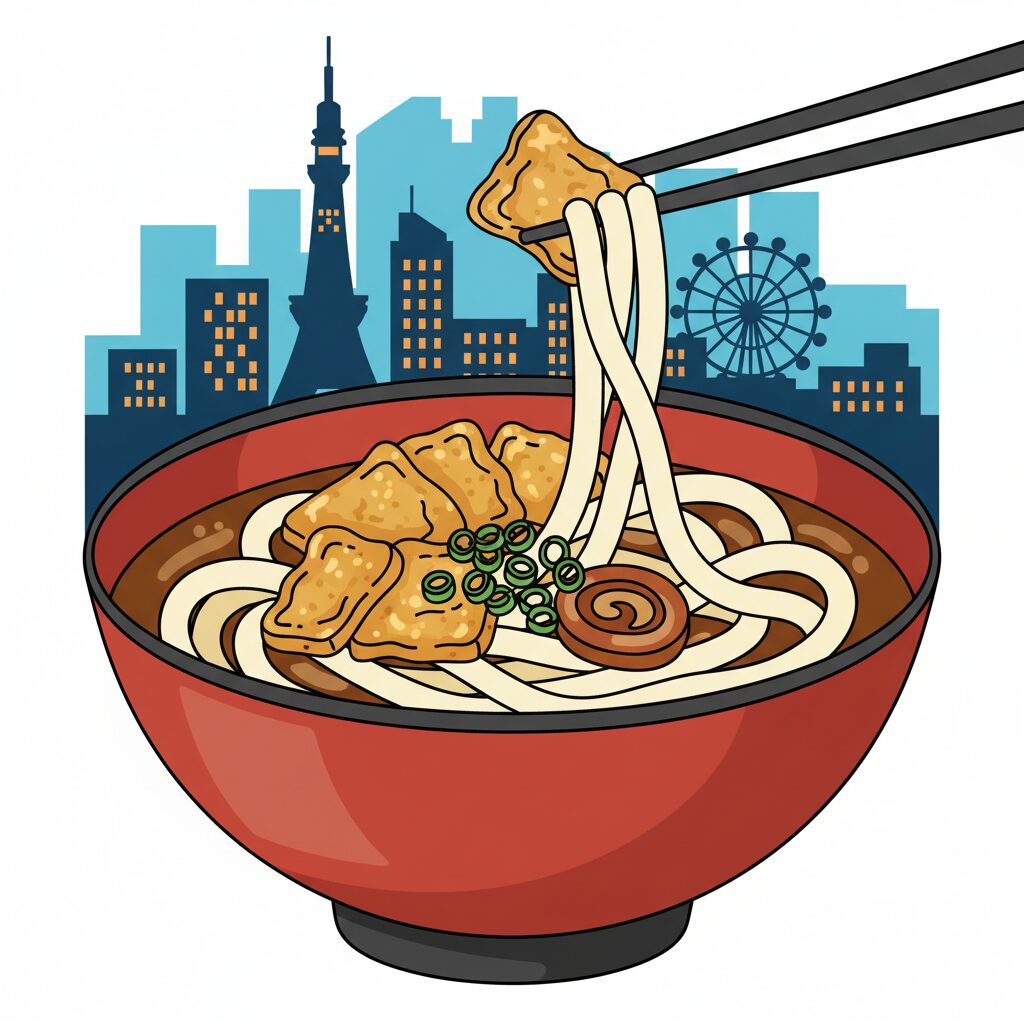
Hola! Sofia here. Let me tell you about the moment Osaka truly clicked for me. It wasn’t at a temple, and it wasn’t atop the Umeda Sky Building. It happened on a damp, chilly Tuesday night in a tiny, steamy noodle shop tucked away in a nameless alley. I ordered what the salaryman next to me was having, a bowl of udon that arrived looking… well, rustic. The broth was a deep, cloudy amber, and floating on top were these strange, dark, craggy nuggets. They looked like forgotten croutons or maybe some kind of fried pork rind. I hesitated, my spoon hovering over the bowl. “What have I gotten myself into?” I wondered. Then I took a bite. A wave of flavor—impossibly deep, savory, smoky, and rich—crashed over my palate. The broth was no longer just a simple dashi; it was a complex, beefy elixir. The strange nuggets were crispy on the outside, yet chewy and bursting with umami. That, my friends, was my first encounter with Kasu Udon, and it was the beginning of my love affair with the real Osaka.
This isn’t the udon you see on tourist posters. It’s not the pristine, elegantly simple kake udon you might find in a serene Kyoto eatery. Kasu Udon is Osaka in a bowl: it’s a little gritty, fiercely practical, surprisingly complex, and utterly, unforgettably delicious. It’s a dish born not from imperial courts but from the frugal, resourceful kitchens of Osaka’s working-class neighborhoods. It tells a story about the city’s mindset, a story of not wasting a single thing, of finding treasure in the overlooked, and of prioritizing pure, soul-satisfying flavor over delicate presentation. To understand Kasu Udon is to understand the heartbeat of this city, a rhythm that’s completely different from the polished cadence of Tokyo. It’s the key to unlocking the ‘why’ behind Osaka’s famously direct, pragmatic, and warm-hearted people. Before we dive deep into this culinary soul, let’s pinpoint where this story often begins, in the heartland of Kasu Udon culture.
To truly embrace this resourceful mindset, you can even find inspiration in the prepared foods section of an Osaka supermarket.
What Exactly Is This “Kasu” in My Udon?
That initial question from a first-timer—the very one I asked myself in that small shop—is the key to unlocking the entire story. The “kasu” in Kasu Udon is an abbreviation of abura kasu, a secret weapon in Osaka’s culinary repertoire. This ingredient elevates a simple bowl of noodle soup into a memorable experience, and its history is intricately tied to the spirit of the city.
Understanding “Abura Kasu”
Let’s be straightforward, just like a local from Osaka: abura kasu refers to beef intestine, or horumon. But before you shy away, hear me out. This is where the magic lies. In Osaka, particularly in meat-processing areas like the Minami-Kawachi region where Kasu Udon was born, nothing is wasted. The making of abura kasu is a masterpiece of culinary transformation. The beef small intestine is carefully cleaned and then slowly deep-fried for an extended time. This process renders almost all the fat, which is collected for other uses, leaving behind small, dehydrated, rock-hard nuggets bursting with pure, concentrated flavor. They are remarkably low in fat but rich in protein and collagen.
When these nuggets are added to the hot udon broth, they rehydrate, releasing a burst of savory, beefy richness into the soup. Their texture offers a sensory journey: the exterior softens slightly yet remains pleasantly crispy, while the interior turns delectably chewy, almost like a top-quality jerky. It’s not merely a garnish; it’s an essential ingredient that fundamentally transforms the dish. It adds a depth and richness to the broth that can’t be matched by dashi alone. Smoky, savory, and imbued with the essence of slow-cooked meat, this isn’t just offal—it’s culinary treasure crafted from the humblest parts.
The “Mottainai” Philosophy: Osaka’s Art of Waste Not
Abura kasu perfectly embodies a core Japanese value that Osaka has elevated to an art: mottainai. Often translated as “What a waste!”, it’s more than an expression—it’s a deep-rooted cultural philosophy of valuing resources and avoiding wastefulness. While mottainai is found throughout Japan, in Osaka it combines with a sharp commercial acumen. For centuries, Osaka was Japan’s merchant hub, the “nation’s kitchen,” with a people renowned for their resourcefulness and practicality.
In Tokyo, the pursuit of perfection sometimes leads to waste—using only the most pristine parts of vegetables or the choicest fish cuts. In contrast, Osaka’s ethos asks: “How can we utilize every part? How can we turn byproducts into something valuable?” Abura kasu answers that perfectly, transforming a cow’s otherwise discarded part into a premium, flavor-rich ingredient through care and technique. This mottainai spirit permeates Osaka—from the bustling shotengai (covered shopping streets) where vendors offer everything imaginable, to the culture of bargaining, and in the local praise for meals valued as much for their cost performance (kosupa) as their taste. Kasu Udon isn’t just delicious—it’s a tribute to this clever, frugal, and ultimately ingenious way of life.
The Symphony in the Bowl: Deconstructing Kasu Udon
A bowl of Kasu Udon is a masterclass in balance. Though it may appear simple, even a bit rustic, its flavor profile is thoughtfully crafted. Each ingredient plays a vital role, coming together as a harmonious blend that is both comforting and invigorating. With every spoonful, the dish reveals greater complexity, showcasing the refined tastes of everyday Osakans.
The Broth: A Subtle yet Powerful Foundation
The cornerstone of any good udon is its broth, or tsuyu. The Osaka-style broth is a masterpiece of subtlety. It consists of a clear, golden dashi, typically a delicate infusion of premium kombu (kelp) and katsuobushi (bonito flakes). On its own, it is light, clean, and imbued with a gentle oceanic umami—refined and elegant. This clarity is what allows the magic of Kasu Udon to shine. The broth serves as a perfect backdrop to the robust flavor of abura kasu.
When the steaming broth hits the crispy kasu bits, an enchanting transformation takes place. The kasu softens, releasing deep, smoky, beefy oils and aromas. The dashi darkens to a richer, cloudier amber tone, and the flavor shifts dramatically. The broth’s oceanic notes linger softly in the background, now entwined with the profound, meaty savoriness of the beef. This is a breathtaking union. The light broth prevents the kasu from becoming too heavy, while the kasu imparts remarkable depth and a sumptuous, fatty richness that coats the palate. This is not a thick, heavy broth like Tonkotsu ramen; it is a powerful yet elegant fusion—a delicate balance of subtlety and strength, characteristic of Osaka cuisine.
The Noodles: The Quiet Contributor
If you’re accustomed to udon from other regions, especially the famously chewy Sanuki udon from Kagawa prefecture, Osaka-style noodles might surprise you. They are noticeably softer, with a gentler, more tender texture and a slightly fluffy feel. To newcomers, they may even seem too soft—but this is a deliberate choice rooted in local culinary philosophy.
In Osaka, the noodle rarely steals the spotlight. Instead, it plays a supporting role. The soft texture makes the noodles incredibly absorbent, designed to soak up every drop of the rich kasu-infused broth. Each slurp delivers not just the noodles, but a mouthful of the broth’s complex flavors. This is a holistic approach, prioritizing the overall dining experience rather than the noodle’s firmness. It reflects a broader Osaka mindset: valuing total satisfaction over spotlighting an individual element. The noodles serve the broth, and together, they create something truly special—a lesson in culinary harmony over individual prominence.
Toppings and Variations: Making Your Comfort Food Your Own
While the classic Kasu Udon is exceptional by itself, one of its charms is the ability to customize your bowl. This flexibility allows the dish to become a personal comfort food expression. Typically, the bowl is generously topped with chopped green onions (negi), their sharp freshness perfectly cutting through the richness. Beyond that, options abound.
A popular addition is tororo kombu, thinly shaved kelp that partially dissolves in the broth, adding another oceanic umami layer and a unique slippery texture. Adding a raw egg (tsukimi udon) is a classic move; stirring the yolk into the hot broth thickens it and adds a silky, creamy richness that feels indulgent. For a heartier option, niku kasu udon includes tender, thinly sliced beef simmered in a sweet-savory sauce, creating a powerful beef-flavor duet. Some places even offer curry kasu udon, a brilliant fusion where spicy, aromatic Japanese curry melds with smoky kasu for a deeply flavorful and warming dish. This adaptability is key—it’s not a fixed culinary doctrine but an invitation to create a perfect, soul-soothing meal, reflecting a welcoming and truly Osakan spirit.
More Than a Meal: Where and When Osaka Eats Kasu Udon
To truly understand the cultural significance of Kasu Udon, you need to recognize its role in the everyday rhythm of the city. This isn’t a dish meant for formal occasions. It’s food for the people, enjoyed in humble settings, often at the start or end of a long day. Its natural environment is the small, bustling eatery, the neighborhood diner, and the late-night counter, offering a genuine glimpse into the real, unfiltered life of Osaka.
The Late-Night Savior
Imagine this: It’s 1 AM on the neon-lit streets of Namba. Bars are closing, and groups of friends and coworkers spill onto the sidewalk, laughing and searching for one last bite to end the night. This is prime time for Kasu Udon. In Japanese food culture, there’s a concept called shime, referring to the final dish eaten after drinking, usually a carb-heavy meal like ramen, onigiri, or ochazuke. In Osaka, Kasu Udon reigns supreme among shime dishes.
The appeal is clear. The hot, savory broth is incredibly restorative. It rehydrates and soothes, while the rich, beefy flavor provides deep satisfaction after a few drinks. The filling noodles and protein from the kasu offer a sturdy base, helping to fend off the next day’s hangover. Entering a Kasu Udon shop late at night is an experience in itself. These spots are often small, with a single counter encircling an open kitchen. The air is thick with steam and the enticing aroma of dashi and beef. There’s no quiet reflection here. It’s a lively, communal place filled with cheerful chatter and vigorous slurping. You sit shoulder-to-shoulder with students, salarymen, and shop workers, all united in their quest for the perfect, soul-warming end to the night. It’s a shared, unpretentious comfort that transcends social boundaries.
The Neighborhood Staple
While it shines as a late-night hero, Kasu Udon is also a beloved everyday staple. Its origins lie not in the flashy city center but in the working-class suburbs of Minami-Kawachi, in southeastern Osaka Prefecture. This is important because it roots the dish in a distinct local identity. It wasn’t created by a celebrity chef; it was born out of necessity and resourcefulness by local people. It remains a fixture in these neighborhoods— a reliable lunch for factory workers, a quick and affordable dinner for families, a taste of home.
You’ll find modest Kasu Udon shops near train stations, tucked into quiet residential streets, and nestled within local shotengai. They are part of the community fabric, as common and essential as a neighborhood bakery or post office. This contrasts sharply with the food scene in cities like Tokyo, which often feels dominated by trends and “destination dining,” where people travel across town to visit famous, highly-rated ramen shops. While Osaka has its own destination restaurants, the charm of its food culture lies in the outstanding quality and affordability of its neighborhood eateries. Kasu Udon is the perfect example. It’s not something you seek out for a special occasion. It’s something that’s simply there—a dependable, delicious, and deeply rooted part of the community’s everyday life. It’s the food that sustains the city daily.
The Osaka Mindset in a Bowl
Each time I slurp a noodle from a bowl of Kasu Udon, it feels like receiving a direct lesson in the Osaka mindset. The dish perfectly symbolizes the local character: straightforward, resourceful, and valuing substance over appearances. It sets aside the formality and layered etiquette (tatemae) typical of other regions in Japan, especially Tokyo, in favor of genuine quality and heartfelt sincerity.
Unpretentious and Direct: What You See Is What You Get
Let’s be honest, Kasu Udon won’t win any beauty contests. A bowl of it is a study in browns. The broth is murky, the noodles soft, and the kasu can appear a bit mysterious to the untrained eye. There’s no artfully placed naruto fish cake or perfectly arranged toppings. It’s a rustic, almost rugged-looking dish—and that’s exactly the point. It doesn’t need to be pretty because it’s undeniably delicious. It’s confident in its own inherent quality.
This reflects the personality of Osaka’s people. Here, directness is celebrated—a preference for speaking one’s mind (honne) rather than hiding behind polite facades. Practical and results-oriented, they value what works, what’s genuine, and what’s a good deal. There’s little patience for empty formality or pretense. Like Kasu Udon, they’re not concerned with putting on a show. Quality lies in substance, whether it’s the flavor in a bowl of noodles or the sincerity in a conversation. What you see is what you get—and what you get is usually warm, genuine, and excellent.
“Moukari-makka?”: The Logic of Commerce
There’s a classic Osaka greeting rarely heard in Tokyo: “Moukari-makka?” meaning “Are you making a profit?” The typical answer is “Bochi-bochi denna,” or “So-so.” This exchange highlights the commercial spirit running through the city’s veins. Business, value, and resourcefulness are always front and center. Kasu Udon embodies this merchant mindset.
The invention of abura kasu is a masterclass in commercial logic. It means taking a byproduct—something initially of little value—and, by a clever process, transforming it into a sought-after, profit-generating item. It’s pure value creation. This ingenuity defines Osaka’s business culture, a city built on savvy deals, smart innovation, and an unyielding drive to maximize every opportunity and resource. When an Osakan enjoys Kasu Udon, they’re tasting more than a meal—they’re savoring the success story of their culture’s core philosophy: be smart, be frugal, and turn everything you have into something valuable.
A Different Kind of Refinement
A common misconception among foreigners and even some Japanese is that Osaka is somehow “crude” or “unrefined” compared to the elegant ancient capital of Kyoto or the polished modernity of Tokyo. This misunderstands what Osaka truly values. The city has its own deep sense of refinement—one born in the kitchen, not the tearoom.
The culinary expertise behind Kasu Udon is immense. It takes a sophisticated palate to recognize that only a delicate, clean dashi can balance the intense, fatty punch of abura kasu. It’s a carefully orchestrated culinary balancing act. This is the essence of kuidaore, the city’s famous motto meaning “to eat oneself into ruin.” It’s not about gluttony but a population so discerning about food they’ll spend their last yen on a truly delicious meal. Osaka’s people have an educated, democratic palate that judges food by one standard above all: flavor. Kasu Udon stands as a testament to this alternative refinement—a profound appreciation for bold flavors, clever combinations, and the pure joy of eating well.
How to Order and Eat Kasu Udon Like a Local

Stepping into a traditional Kasu Udon shop for the first time can feel a bit intimidating. These eateries are often fast-paced, practical spaces with their own unspoken rules. But don’t worry! The process is straightforward, efficient, and designed to get you from hungry to satisfied as quickly as possible. By following a few simple steps, you’ll be ordering and slurping like a seasoned local in no time.
Navigating the Menu
Many classic Kasu Udon spots, especially smaller, counter-only places, use a ticket machine, or kenbaiki, for orders. This is a classic Japanese system geared for speed and efficiency. Near the entrance, you’ll find a machine with buttons corresponding to the menu items. Just insert your cash, press the button for your choice, and take the small ticket that prints out. Hand the ticket to the staff, and your order is placed smoothly. This minimizes conversation and speeds up the process.
Here’s some key vocabulary to watch for:
- かすうどん (Kasu Udon): The classic, standard bowl—your go-to starting point.
- 肉かすうどん (Niku Kasu Udon): Includes added simmered beef slices.
- カレーかすうどん (Curry Kasu Udon): Udon served in Japanese curry broth with kasu.
- 月見 (Tsukimi): Adding a raw egg.
- 大盛り (Ōmori): A large portion of noodles—essential if you’re very hungry.
If you’re unsure, don’t hesitate to just point. The staff are used to it and focused on getting you fed promptly.
The Art of the Slurp
When your steaming bowl arrives, it’s time to eat. In Japan, slurping noodles is not only polite but practically expected. For foreigners, this can be challenging, as many of us were raised to believe making noise when eating is rude. Here, quite the opposite is true. Slurping shows you’re enjoying your meal and is a compliment to the chef. It also serves a practical role: cooling the hot noodles as you draw them in, allowing you to eat at just the right temperature without burning yourself. Plus, it aerates the broth and noodles, which some enthusiasts say enhances the flavor. So, relax, lean over your bowl, and give it a good, hearty slurp—you’ll fit right in.
Also, don’t forget to glance around the counter. You’ll almost certainly see a container of shichimi togarashi, a seven-spice blend with a mild chili kick, and perhaps some tenkasu (crunchy tempura bits). These are there for you to use as you like. Many locals enjoy half their bowl as is, then sprinkle on shichimi for the second half to change up the flavor. It’s all part of customizing your experience.
The Post-Udon Etiquette
Kasu Udon shops usually operate on a high-turnover basis. They’re not cafés for lingering over coffee for an hour. The unspoken rule—especially during busy lunch or dinner times—is to eat and then make room for the next customer. The atmosphere is brisk and purposeful. Enjoy your meal and savor every last drop of the delicious broth, but once finished, it’s customary to place your bowl back on the counter and leave promptly. A simple “Gochisousama-deshita” (“Thank you for the meal”) to the staff as you go is a polite and appreciated gesture. This efficient rhythm is part of the charm and a vital aspect of the city’s fast-paced, no-nonsense daily life.
Finding Your Perfect Bowl: Kasu Udon Beyond the Chains
As you spend more time in Osaka, you’ll begin to notice Kasu Udon shops everywhere. From large, brightly lit chains to small, almost hidden local spots, the city is peppered with chances to savor its soulful noodle soup. Each offers a slightly different experience, and part of living in Osaka is discovering the one that resonates with you.
The Ubiquitous “KASUYA”
It’s impossible to discuss Kasu Udon without mentioning KASUYA. With its unmistakable yellow signs, KASUYA is the largest and most famous Kasu Udon chain. They are credited with popularizing the dish and spreading it from its Minami-Kawachi roots throughout Osaka and beyond. For newcomers, KASUYA serves as the ideal introduction. Their menu is broad, the quality reliable, and their locations convenient. They are the dependable gateway, the place you can always count on for a solid, delicious bowl any time of day or night. Think of it as your Kasu Udon training wheels—a fantastic and essential starting point for your journey.
Hunting for Local Gems
Once you’ve mastered the basics at a chain like KASUYA, the real exploration begins. The true essence of Kasu Udon lives in the numerous independent, often family-run shops spread across the city’s neighborhoods. Here you’ll discover subtle differences in broth, unique house-made kasu, and the irreplaceable charm of an authentic local establishment. Seeking out these gems is one of the great joys of exploring Osaka.
Head to neighborhoods famed for their rich food culture. Tsuruhashi, with its lively Korean markets and abundance of yakiniku and horumon eateries, is a natural hotspot for excellent Kasu Udon. Travel further south to the dish’s birthplace in Fujiidera, Habikino, or Matsubara, and you’ll encounter shops serving recipes unchanged for generations. Look for signs of a cherished local spot: a faded noren curtain at the entrance, windows steamed up, a line of local workers waiting at noon, and the irresistible scent of dashi and smoky beef wafting from half a block away. Finding “your” Kasu Udon shop—the little place where the owner knows you and your order—is a rite of passage. It marks the moment you stop being just a visitor and become part of the city’s living, breathing story.
So, the next time cold rain falls on Osaka’s streets, or after a long day when you’re heading home, or whenever you need to warm your soul from within, follow that steam, track that aroma. Step into one of these humble flavor sanctuaries. Order a bowl of Kasu Udon. With the first sip of the rich, complex broth and the bite of a chewy, savory piece of kasu, you’ll realize you’re doing more than just eating dinner. You’re tasting the history, the creativity, and the bold, unpretentious heart of Osaka. You’re connecting directly and deliciously to the city’s very soul.