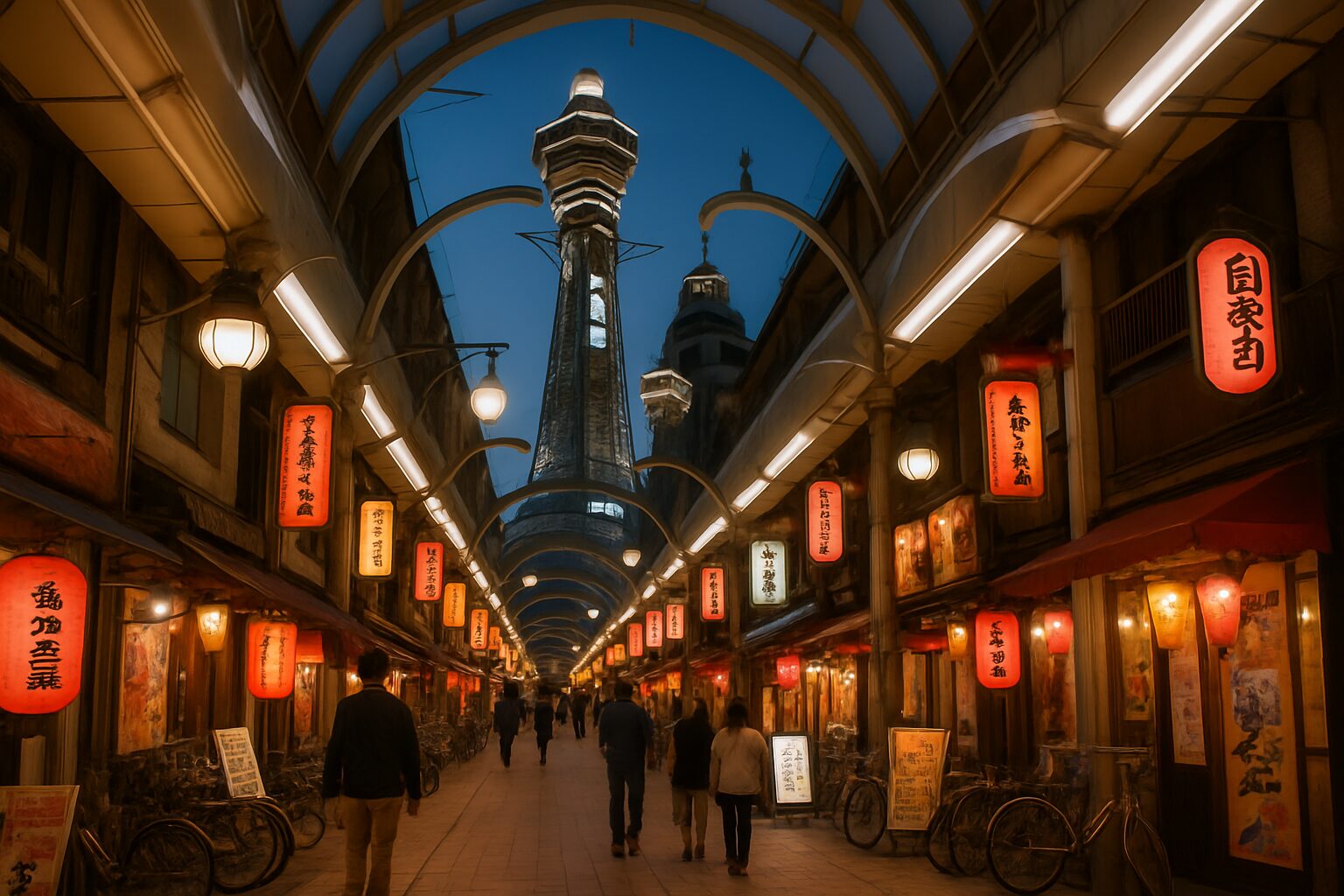
Step off the train at Temma Station, and the air changes. It’s not just the temperature, which is always a few degrees different under the endless canopy of the arcade, but the frequency, the vibration of the city itself. You’re standing at the entrance to a river of commerce and community, a covered world that stretches farther than the eye can see. This is Tenjinbashisuji Shopping Street, a name that might be a mouthful but rolls off the tongue of any Osakan with a sense of pride. At 2.6 kilometers, it holds the title of Japan’s longest shotengai, or covered shopping arcade. But to call it just a place to shop is like calling the ocean a large puddle. It is a living, breathing artery pumping life through the northern heart of Osaka, a universe of sights, sounds, and smells, a multi-act play that unfolds from dawn until long after dusk. For the traveler, it’s an adventure. For the local, it’s a lifeline. But for the digital nomad, the modern wanderer with a laptop for an office and the globe for a cubicle, Tenjinbashisuji presents a fascinating proposition: can you find a quiet corner for productivity in the middle of this beautiful, bustling chaos? Can this river of humanity become a stream of consciousness for your next big project? The answer, I’ve found, is an emphatic, resounding yes. This isn’t about finding a sterile, silent co-working space that could be anywhere in the world. It’s about discovering a ‘work nook’ that is intrinsically, unapologetically Osaka. It’s about letting the energy of the city fuel your focus, not distract from it. It’s about trading the soulless hum of an air conditioner for the sizzle of takoyaki, the rhythmic chatter of merchants, and the distant clang of a temple bell. This guide is your map to navigating this incredible urban ecosystem, a journey from the historic south end to the residential north, a quest to find your perfect spot to open a laptop and connect not just to the Wi-Fi, but to the very soul of the city.
For a more conventional approach to finding a workspace, consider exploring the best cafes and co-working spaces in Umeda.
The Rhythm of the Arcade: Tuning Into the Shotengai’s Wavelength
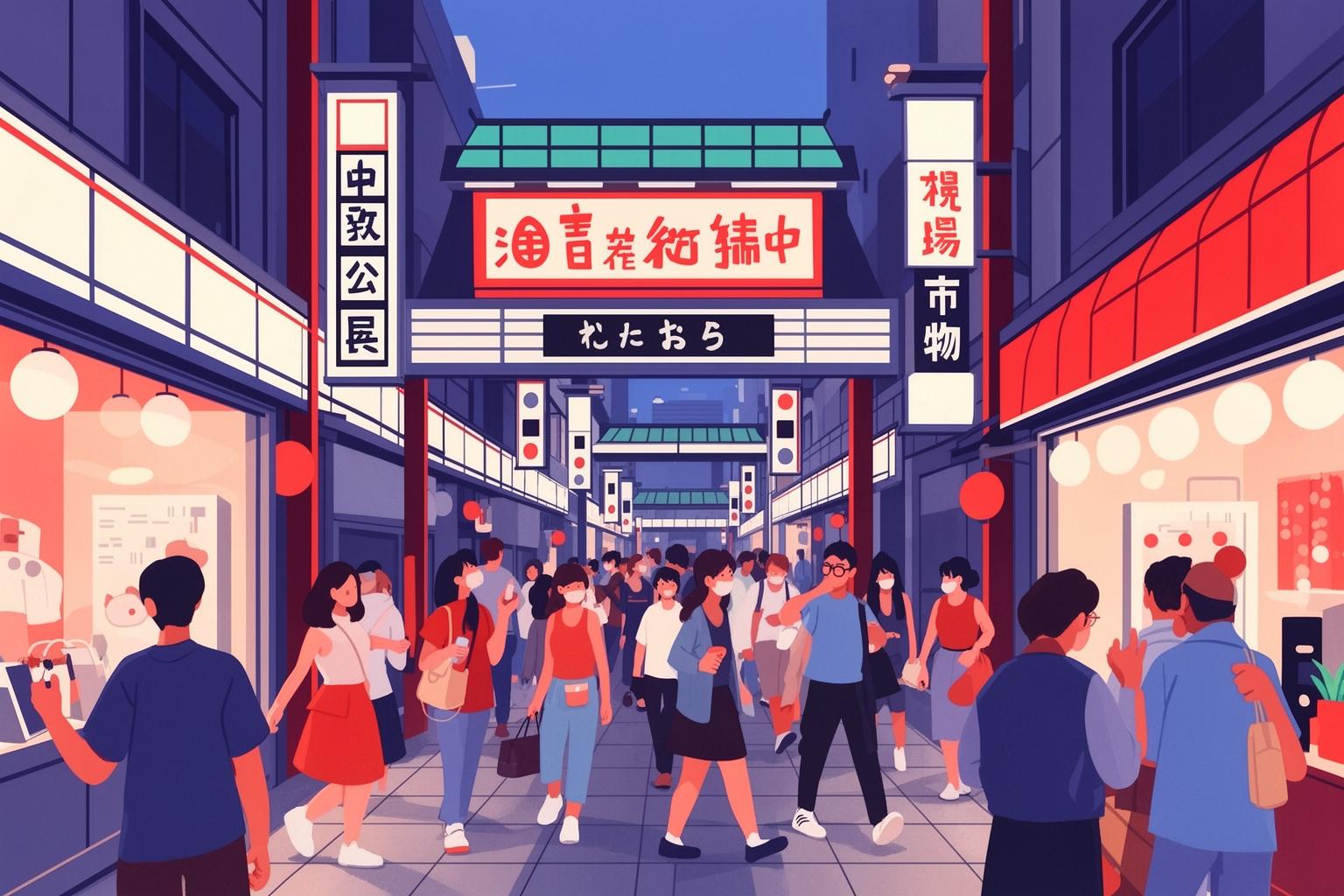
To work in Tenjinbashisuji, you must first grasp its rhythm. It has a pulse, a daily beat as dependable as the rising sun. Resisting this rhythm is futile; learning to move with it is the key to unlocking its potential as a productive environment. The day starts with a metallic symphony. Around nine in the morning, the air fills with the rattling and groaning of metal shutters being raised. It’s a sound of collective awakening. Shopkeepers, many of whom have managed these shops for generations, greet each other with a hearty “Ohayo gozaimasu!” The air is crisp, carrying the scent of damp pavement being washed down, mingled with the first hints of dashi stock simmering in a local udon shop and the rich, dark aroma of brewing coffee from a classic kissaten. This early morning window is a golden hour for the digital nomad. The crowds are light, mostly elderly locals doing their daily grocery shopping and a few early commuters. The energy is calm, focused, and purposeful. It’s the perfect time to settle into a café, respond to a backlog of emails, and outline your tasks for the day, accompanied by the gentle, industrious hum of the arcade coming to life.
As midday approaches, the tempo quickens. The gentle trickle of people swells into a powerful current. From around eleven until two, the arcade reaches its peak intensity. The soundscape becomes a rich, layered cacophony: the cheerful, recorded jingles of a supermarket, the clatter and shouts from a pachinko parlor, the sizzle of an okonomiyaki grill, the high-pitched calls of vendors hawking their wares—“Irasshaimase!”—and the constant murmur of a thousand conversations. For some, this might seem like pure distraction. But for the experienced urban nomad, this wall of sound serves as a unique form of white noise. It’s not the sharp, intrusive sound of a single phone call in a quiet library; it’s a broad, ambient roar that can paradoxically help you enter a deep focus. This is the time for tasks demanding energy, not quiet reflection. It’s the moment to power through a coding sprint or a design mockup, harnessing the kinetic energy of your surroundings to propel you forward. You’re not just working in a city; you’re working with it, tapping into its immense power source.
Then, as the afternoon sun slants in, casting long shadows even beneath the covered roof, the rhythm shifts once more. The lunchtime rush fades. Schoolchildren, identifiable by their matching uniforms and heavy randoseru backpacks, bring a youthful energy to the street, pausing for a cheap croquette or a sweet crepe. The pace slows to a more leisurely tempo. This is an ideal time for creative work, writing, and brainstorming. The light softens, the sounds mellow, and a sense of community settles over the arcade. It’s during these hours that you truly feel the place’s soul.
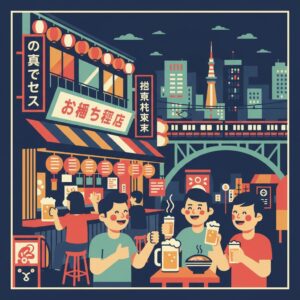
Finally, as evening falls, Tenjinbashisuji undergoes its most magical transformation. The fluorescent lights of daytime shops give way to the warm, inviting glow of red paper lanterns hanging outside countless izakayas and standing bars. The scent of grilled chicken skin, or yakitori, and savory dashi fills the air. The crowds shift, too. Shoppers are replaced by salarymen and office ladies, their ties loosened, stopping for a quick beer and a bite before heading home. The arcade is no longer just a place of business; it becomes the neighborhood’s living room, its communal hearth. For the nomad, this marks the end of the workday. Closing your laptop and stepping out from your café nook into this warm, convivial atmosphere is a seamless transition from work to life. The shotengai offers not only the office but the after-work social club, all within a few steps. Understanding and embracing this daily ebb and flow is the first and most crucial step to making this remarkable place your own personal, productive paradise.
A Journey Through Six Cho-me: Navigating the 2.6 Kilometer Workspace
To master Tenjinbashisuji as a workspace, you first need to grasp its geography. The street isn’t a single entity; it’s composed of distinct neighborhoods, each with its own unique character and charm, divided into six sections known as cho-me. Walking from 1-chome in the south to 6-chome in the north is like traversing the layers of Osaka life, shifting from deeply traditional areas to modern, residential ones. Each segment presents a different working atmosphere, and understanding their traits is essential to choosing your ideal spot for the day.
Your journey starts at 1-chome, the southernmost and oldest part of the arcade, anchored by the profound spiritual presence of Osaka Tenmangu Shrine. This area feels like stepping back in time. The shops here tend to be specialized, time-honored businesses passed down through generations. You’ll see artisans diligently sharpening gleaming knives in storefronts, vendors carefully measuring fragrant green tea, and stores offering traditional Japanese sweets, or wagashi. The pace here is slower and more intentional. The ambiance is filled with reverence and tradition. For the digital nomad, 1-chome is the ideal place for deep work. The cafes often resemble old-world kissaten—quiet, dignified spaces perfect for offline writing, journaling, or focused thinking. This isn’t the spot for a loud Zoom call; it’s a place to disconnect from digital distractions and reconnect with your thoughts, all just steps away from a sacred space where you can clear your mind.
Heading north, you reach the lively core of the arcade: 2-chome and 3-chome. This is the vibrant heart, the busiest and most commercially active portion of the street. Here, tradition coexists with modernity. A centuries-old kimono shop might stand alongside a noisy pachinko parlor, and a small stall selling handmade rice crackers could be near a multi-story supermarket. This area is the embodiment of the arcade as “Osaka’s Kitchen.” The air is thick with the aroma of fried food from the famous Nakamura-ya croquette stand and fresh fish from local sellers. This section is loud, crowded, and boldly dynamic. As a workspace, it offers both a challenge and an opportunity. Finding a quiet corner can be tough, but if you secure a seat in a second-floor chain coffee shop overlooking the scene, you can harness the raw, kinetic energy below. This is the place for energetic, caffeine-driven work sessions where the street’s momentum pushes you to be more productive.
Crossing into 4-chome and 5-chome, there’s a subtle but clear change. The crowds thin out slightly, and the types of businesses shift. While still lively, the atmosphere becomes more residential. You’ll notice more local eateries, small neighborhood clinics, and welcoming izakayas prepping for the evening rush. For many nomads, this is the ideal middle ground. It balances the energy of the central arcade with the tranquility of a neighborhood setting. The cafes here tend to be independent, cozy spots catering to locals. You’re more likely to find a comfortable seat, reliable Wi-Fi, and a friendly vibe where you can work for hours without feeling hurried. In these central sections, you can truly settle in, blending into the community’s daily rhythm while getting your tasks done. This balanced environment offers both stimulation and space to think.
Finally, your stroll ends at 6-chome, the northern terminus near the major intersection at Tenjimbashisuji 6-chome Station. This part of the arcade has the most modern and residential feel. It houses the intriguing Osaka Museum of Housing and Living and serves as a hub for several subway lines. The shops here cater more to the daily needs of local residents—bakeries, bookstores, and larger restaurants. The pace is notably calmer than in the southern sections. For the nomad, 6-chome is perfect for wrapping up the workday. You can find a spacious cafe to finish your final tasks before shifting into evening mode. Perhaps you’ll visit the museum for a cultural break or wander the maze of small streets branching from the station, filled with hidden culinary treasures. Starting your day in the reflective quiet of 1-chome and ending it in the peaceful residential ambiance of 6-chome offers a full workday experience—a 2.6-kilometer stroll through the heart of Osaka.
The Anatomy of a Tenjinbashi Work Nook: Your Cafe Field Guide
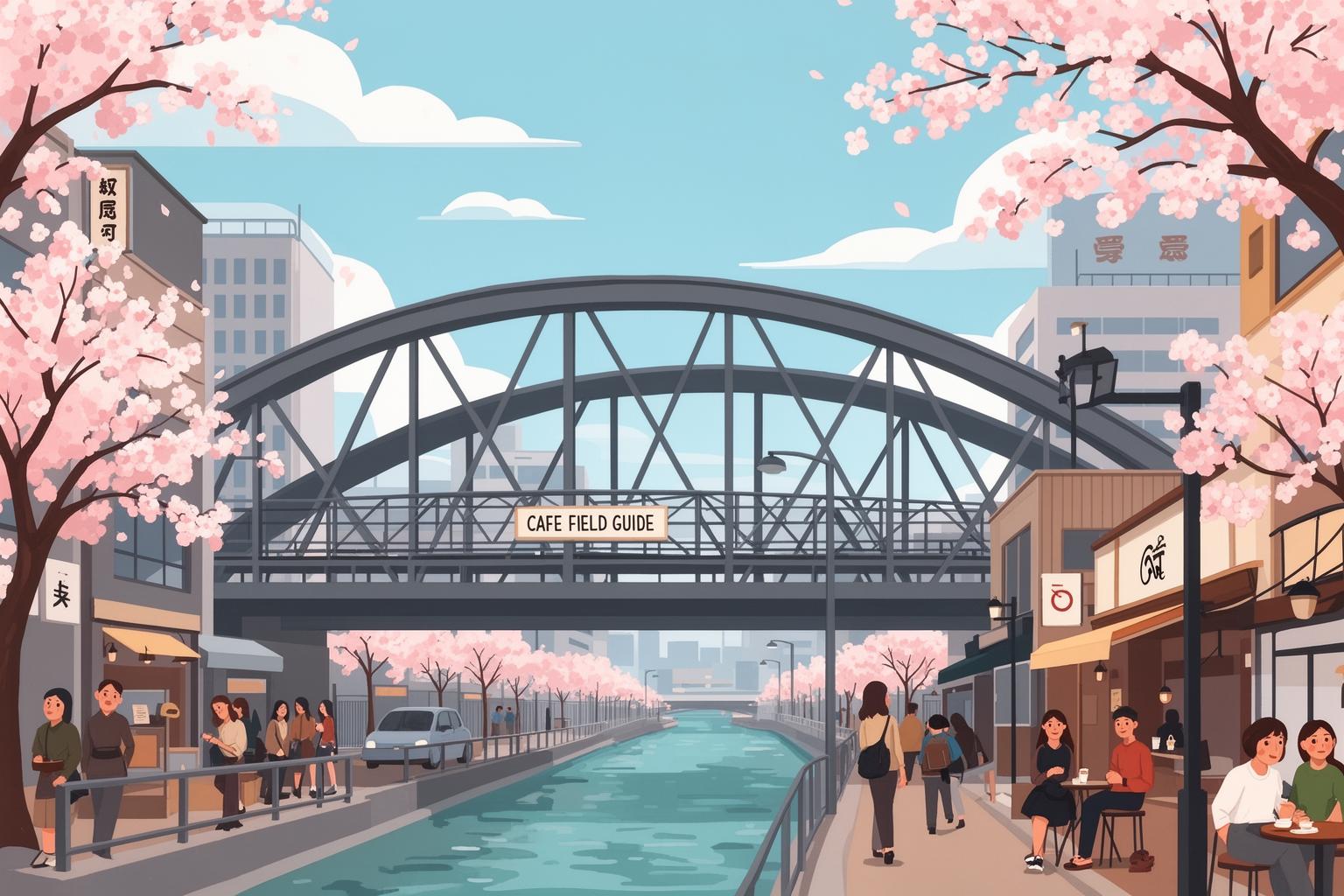
Now that you have a grasp of the landscape, it’s time to focus on the most essential element for any digital nomad: the workspace itself. Tenjinbashisuji offers dozens, if not hundreds, of potential spots, generally falling into a few key categories. Knowing what to seek—and just as importantly, understanding the unwritten rules of conduct—will turn your quest for Wi-Fi from a frustrating search into a delightful discovery of your home away from home.
First, there’s the venerable Classic Kissaten. These are more than coffee shops; they are institutions, time capsules from Japan’s Showa Era. You’ll recognize them by their dark wood interiors, plush velvet seats, soft jazz or classical music, and the meticulous, almost scientific, methods the barista uses to brew coffee via siphon or careful pour-over. The air often carries the comforting aroma of thick-cut toast and old books. For work, the kissaten is a haven for offline tasks. Wi-Fi is scarce, and power outlets even more so. This is intentional, not a flaw. It’s a place to disconnect—to write, read, and think without digital distractions. The atmosphere calls for quiet respect: patrons read newspapers or speak softly. It’s ideal for drafting a novel or strategizing a business plan. Bear in mind that many older kissaten still feature smoking sections or permit smoking throughout, which may influence your choice. But if you find a non-smoking one, you’ve discovered a portal to a more focused, contemplative era.
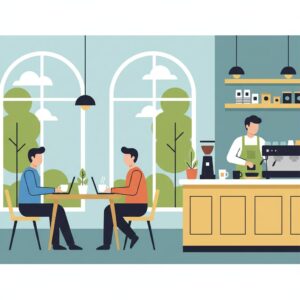
Next up is the Modern Independent Cafe. These trendy spots have cemented their place in Tenjinbashisuji’s vibrant ecosystem. You’ll spot them by their minimalist décor, light-wood furniture, and gleaming espresso machines. They offer specialty single-origin coffees and often a menu of light, healthy options. These cafes are designed with contemporary work habits in mind, featuring reliable, free Wi-Fi and power outlets strategically placed along walls or below counters. The vibe is younger and more energetic, with a curated playlist of indie pop or lo-fi beats playing softly. They’re excellent all-rounders, suited for everything from video calls (headphones required, of course) to collaborative projects. The main drawback is their popularity; they can become crowded, especially with students during exam periods, so timing your visit carefully is wise to secure a good spot.
Then there’s the dependable workhorse: the Chain Coffee Shop. Brands like Doutor, Tully’s Coffee, and Starbucks have outlets along or near the arcade. While they may lack the charm of local spots, they provide a crucial service to the working nomad: consistency. You can count on decent coffee, functioning Wi-Fi, and available power outlets. They’re a safe bet and a reliable fallback when deadlines loom and you can’t afford to search for a connection. These chains also tend to be more spacious and often tolerate longer stays better than small independent cafes. Don’t underestimate their usefulness; every nomad needs a trustworthy plan B, and these chains deliver exactly that.
Finally, keep an eye out for the Hidden Gems. These are spots not immediately visible from the main street. Look up! Many of the quietest, best cafes are tucked away on the second or third floors of unassuming buildings, marked only by small street-level signs. Explore narrow side alleys branching off the main arcade; you might stumble upon a tiny, family-run spot with just a few tables. Discovering such places is part of the adventure. They often offer the most authentic experiences, where you can work for an hour or two while observing neighborhood life from a secret vantage point.
Whichever type of nook you choose, following proper cafe etiquette is essential. Japanese culture places great importance on consideration for others. Keep your workspace compact and tidy. Don’t take a four-person table just for yourself. Avoid phone or video calls inside; step outside into the arcade instead. The unspoken rule for extended stays is to order periodically—a single cup of coffee doesn’t rent you a desk for eight hours. Ordering a drink when you arrive, and perhaps a snack or another coffee every two hours, is a respectful and appreciated practice. Be especially mindful during peak lunch hours, usually from noon to 1:30 PM. If the cafe fills up and a line forms, it’s a good time to pack up and give others a chance to sit. By showing consideration, you’ll be welcomed back and become part of the cafe’s regular rhythm.
Fueling the Hustle: Culinary Breaks in Osaka’s Kitchen
A productive workday is unattainable without the right fuel, and in Tenjinbashisuji, you are working amidst one of the most remarkable pantries in all of Japan. The incredible variety of food available is astonishing, suited to every budget, preference, and schedule. Taking a break here is not just essential; it’s a culinary journey that enhances your workday and provides a delicious glimpse into Osakan culture. This is the city of kuidaore—eating until you drop—and the arcade serves as its grand buffet line.
When you need a Quick & Cheap refuel without disrupting your workflow, the choices are limitless. Throughout the street, you’ll find small stands and shops offering fantastic takeaway snacks. You can grab a steaming hot korokke (potato and meat croquette) from Nakamura-ya for under a hundred yen, a perfect savory snack to enjoy on the go. Or perhaps a boat of takoyaki—Osaka’s iconic grilled octopus balls—topped with tangy sauce, mayonnaise, and fluttering bonito flakes. These vendors specialize in speed and efficiency. Within minutes, you can have a tasty, satisfying snack in hand, stretch your legs, get some fresh air (relatively speaking), and be back at your laptop before your inspiration wanes. Local bakeries also offer a wonderful variety of sweet and savory breads, ideal for a quick, affordable lunch.
When you have the time for a proper Sit-Down Lunch, the arcade delivers a masterclass in value and flavor. Look for small restaurants that display plastic food models in their windows, showcasing their teishoku, or set meals. A typical teishoku is perfectly balanced and very affordable. For a modest price, you receive a main dish—such as grilled mackerel, chicken karaage, or pork tonkatsu—accompanied by a bowl of fluffy rice, a side of pickles (tsukemono), and a steaming bowl of nourishing miso soup. These eateries serve as daily canteens for local workers and residents. The service is prompt, the food reliably delicious, and the meal provides the wholesome energy needed to power through the afternoon. It’s far more satisfying and culturally immersive than a pre-packaged sandwich.
For a distinctly Osakan experience, try a Sushi Break. Tenjinbashisuji is renowned for its high-quality, affordable sushi restaurants. You’ll find both conveyor belt sushi (kaiten-zushi), where you select plates as they pass by, and traditional counter-style establishments where you order directly from the chef. The fish is fresh, sourced from local markets, and prices are often just a fraction of what you’d pay in more tourist-heavy areas like Namba or Umeda. Enjoying a few plates of tuna, salmon, and eel can be a quick, light, and incredibly delicious way to break up the day.
As your workday winds down, the arcade’s culinary scene shifts to the Evening Wind-Down. This is when the izakayas and tachinomi (standing bars) come alive. Stepping into one of these means entering the city’s social heart. The air buzzes with laughter, the clinking of glasses, and the sizzle of food grilling. An izakaya is a Japanese-style pub serving a variety of small dishes, perfect for sharing. A tachinomi is even more casual—a standing-only bar where you can mingle with locals over a cold beer or a highball. Closing your laptop and heading to one of these spots is the ideal way to relax. You can savor classic Osakan fare, practice your Japanese, and experience the warmth of community. It’s a reminder that your workday here isn’t just about productivity; it’s about being part of a living neighborhood.
Beyond the Arcade: The Cultural Ecosystem of Tenma
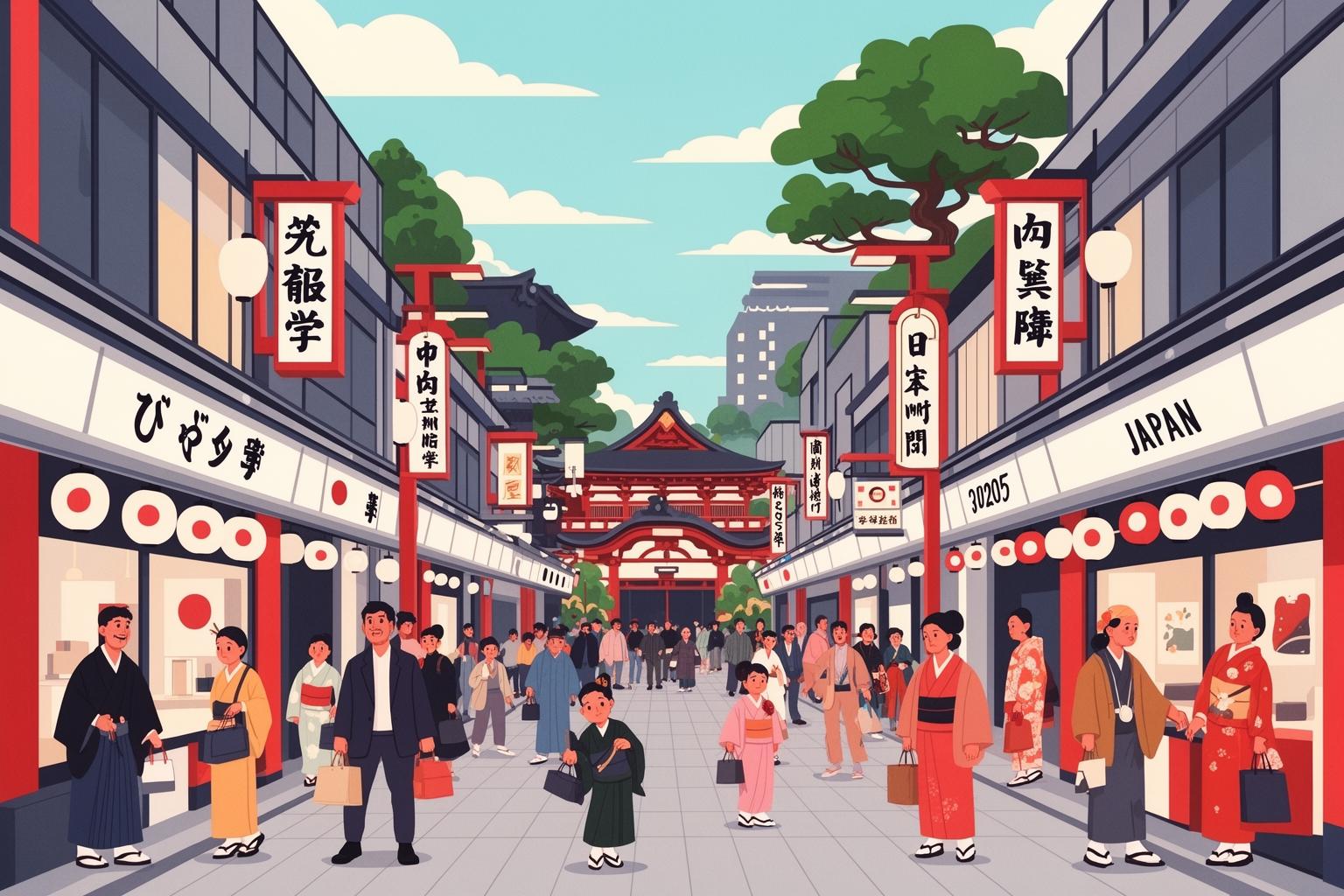
Although the 2.6-kilometer arcade is a world unto itself, its true richness is enhanced by the remarkable cultural ecosystem that surrounds it. Working here means being at the heart of the vibrant Tenma district, rich in history and local life. Taking breaks to explore the nearby areas will not only refresh your mind but also deepen your understanding and appreciation of the place you’ve chosen as your workspace. The shotengai serves as the neighborhood’s backbone, yet its spirit lies in the places connected to it.
At the southern end of the street stands its spiritual anchor: Osaka Tenmangu Shrine. Founded in the 10th century, this significant Shinto shrine honors Sugawara no Michizane, a scholar and poet who was deified as Tenjin, the god of scholarship and learning. For digital nomads, writers, or anyone engaged in mental work, it is an ideal spiritual neighbor. The shrine grounds offer a peaceful, beautiful refuge from the busy arcade. Passing through the grand torii gate, you leave behind the commercial world and enter a space of quiet reflection. The air feels cooler beneath the shade of ancient camphor trees, and the scent of incense lingers gently. It’s an ideal spot for a meditative pause, to resolve a complex problem, or simply to sit quietly and observe the world. Visiting Tenjin is believed to bring good fortune in academic and intellectual endeavors—a little divine help for your project doesn’t hurt.
The connection to Tenmangu Shrine culminates each year in one of Japan’s most spectacular events, the Tenjin Matsuri. Held on July 24th and 25th, this festival is a grand and energetic celebration. The entire Tenma area, including the shopping street, becomes a lively festival ground. Processions of people dressed in historical costume, portable shrines (mikoshi) paraded through the streets, and a magnificent river procession featuring illuminated boats and a massive fireworks display transform the neighborhood. If you happen to be in Osaka during this time, working in Tenjinbashisuji offers a prime vantage point for an unforgettable cultural experience. The atmosphere is electric and awe-inspiring, though be warned that finding a quiet workspace becomes much more difficult during these two days.
For a breath of fresh air, Ogimachi Park is just a short walk east of the arcade’s central area. This expansive park is a local favorite and a wonderful place to unwind. It features wide lawns perfect for sunbathing, a large playground for kids, and sports facilities. Bringing your lunch to eat in the park or simply taking a stroll to escape the arcade’s covered confines can be a great way to clear your head. Here, you’ll witness slices of everyday life—children playing, couples wandering, and elderly men deeply focused on games of shogi (Japanese chess).
At the northern end of the street, in 6-chome, you’ll find the Osaka Museum of Housing and Living. This isn’t a dull display of artifacts behind glass; instead, it showcases an impressive full-scale reconstruction of an Osaka street from the Edo Period. You can stroll through the recreated town, enter its shops and homes, and experience what city life was like centuries ago. This offers fascinating context for the modern shotengai right outside its doors, highlighting the long history of commerce and community in the area. A visit here provides a perfect way to wind down your workday, linking the present reality of your surroundings with their deep historical roots.
A Nomad’s Practical Toolkit for Tenjinbashisuji
Being productive in a dynamic environment like Tenjinbashisuji calls for some practical preparation. Having the right tools and knowledge will ensure your experience is smooth, efficient, and enjoyable, allowing you to concentrate on your work and the unique atmosphere. Consider this your strategic briefing before stepping into the field.
First, let’s discuss Getting There. The arcade’s impressive length means it’s accessible via multiple train and subway stations, each offering convenient entry to different sections. For the southern, more traditional end near Tenmangu Shrine, the best access point is Minami-morimachi Station on the Tanimachi and Sakaisuji subway lines. To jump straight into the vibrant center, use the JR Loop Line to Temma Station, which drops you right in the heart of the action around 4-chome. For the northern, more residential section, head to Tenjimbashisuji 6-chome Station, a multi-line hub (on both the Tanimachi and Sakaisuji lines). Knowing these access points lets you pick your starting point based on the kind of work environment you want for the day.
Connectivity is essential for any digital nomad. Although many cafes in the arcade offer free Wi-Fi, its speed and reliability can be inconsistent. To avoid being stranded with a looming deadline, bringing your own mobile internet setup is crucial. Renting a pocket Wi-Fi device or obtaining a local SIM card with a generous data plan will enable you to work from anywhere—whether it’s a cafe with a patchy connection or a park bench just outside the arcade. This personal hotspot acts as your safety net, providing ultimate flexibility.
Next up, Money Matters. While Japan is gradually adopting digital payments, cash remains the preferred method in many small, older, family-run shops that give Tenjinbashisuji its charm. The croquette stand, the tiny tea shop, and the old-school kissaten are almost always cash-only. It’s wise to carry a good amount of yen. Larger chain stores, modern cafes, and supermarkets generally accept credit cards and Japanese IC cards like Icoca or Suica, but cash is indispensable for the most authentic experiences. Having both options available is the smartest approach.
Timing Your Visit can have a significant impact on your productivity. Weekdays, especially mornings and mid-afternoons, are typically the best times for focused work. The crowds are manageable, and you have a better chance of securing a good seat in a cafe. Weekends, however, are a different story. The arcade turns into a dense, slow-moving stream of people out for leisure and shopping. It’s a fantastic time for people-watching and soaking up the lively atmosphere, but not ideal for concentrated work. A solid strategy is to reserve weekdays for core tasks and save weekends for exploration and cultural experiences.
Finally, consider your portable office essentials. A reliable portable battery pack is an absolute must, as finding a cafe seat near a power outlet is never guaranteed. A power bank can be a lifesaver. Equally important is a good pair of noise-canceling headphones. They help create a focused bubble amid the arcade’s ambient sounds, allowing you to switch between tuning in to the energy and tuning it out when you need to concentrate. With these preparations in place, you’ll be ready to make Japan’s longest shopping street your most inspiring office yet.
The Soul of the Shotengai: A Closing Thought
Choosing to work in Tenjinbashisuji means more than simply finding a spot with a table and internet access. It’s a deliberate choice to immerse yourself in the living, breathing heart of a city. It’s about realizing that the background hum of life isn’t always a distraction; sometimes, it’s the very spark that fuels creativity and connects you to the world you’re striving to be part of. The soft clatter of dishes in a kissaten, the lively calls of a vendor, the laughter spilling from an izakaya—these sounds become the soundtrack of your productivity, a gentle, constant reminder that you are in Osaka, a city that works hard, plays hard, and lives wholeheartedly.
This 2.6-kilometer covered street is a microcosm of Japanese society. It stands as a testament to the strength of community, the resilience of small businesses, and the simple beauty found in everyday rituals. As a digital nomad, you become a temporary resident in this ecosystem. You are not just a spectator viewing life from a distance; you are a participant, ordering coffee, buying lunch, and sharing space with people from every walk of life. The greatest gift of working here isn’t the free Wi-Fi, but the sense of connection. It’s the feeling that your solitary work is part of something much larger and more vibrant. So come, stroll along this remarkable street, find your favorite corner, and open your laptop. You may discover that the best office in the world isn’t the quietest or the most polished, but the one that makes you feel truly alive.