Welcome to Osaka, a city where the energy is electric, the people are warm, and the food is legendary. They call it kuidaore, which loosely translates to ‘eat until you drop,’ and trust me, it’s a motto the city lives and breathes with every sizzling grill and steaming pot. As a travel writer with a passion for weaving through the world’s most vibrant streets, I’ve found that the true soul of a city often resides in its markets and shopping arcades. And in Osaka, there’s no place that captures this spirit more than Tenjinbashisuji Shopping Street. This isn’t just any shopping street; it’s a living, breathing artery of local life, stretching an incredible 2.6 kilometers, making it the longest shopping arcade in all of Japan. It’s a universe unto itself, a covered wonderland where generations of families have shopped, dined, and connected. For the Muslim traveler, navigating Japan’s culinary landscape can sometimes feel like a puzzle, but that’s where the adventure truly begins. This guide is your key to unlocking the delicious, Halal-friendly secrets hidden within this iconic arcade. We’re about to embark on a Halal food walk, a journey of the senses that celebrates the very best of Osaka’s street food culture, all while respecting your dietary needs. It’s a stroll through authentic Japan, where the scent of freshly baked taiyaki mingles with the lively chatter of shopkeepers, and every corner promises a new discovery. Forget the tourist traps and generic guides; we’re diving deep into the heart of Naniwa, the old name for Osaka, to find treasures that are both delightful and permissible. So, slip on your most comfortable shoes, bring an empty stomach and an open heart, because Tenjinbashisuji is waiting to tell you its story, one delicious bite at a time. This is more than just a food tour; it’s an immersion into the rhythm of daily life in one of Japan’s most dynamic cities.
After exploring the culinary delights of Tenjinbashisuji, you can continue your cultural journey in Osaka by visiting the National Museum of Art to discover its fascinating collection of post-war art.
The Unfolding Rhythm of Japan’s Longest Arcade
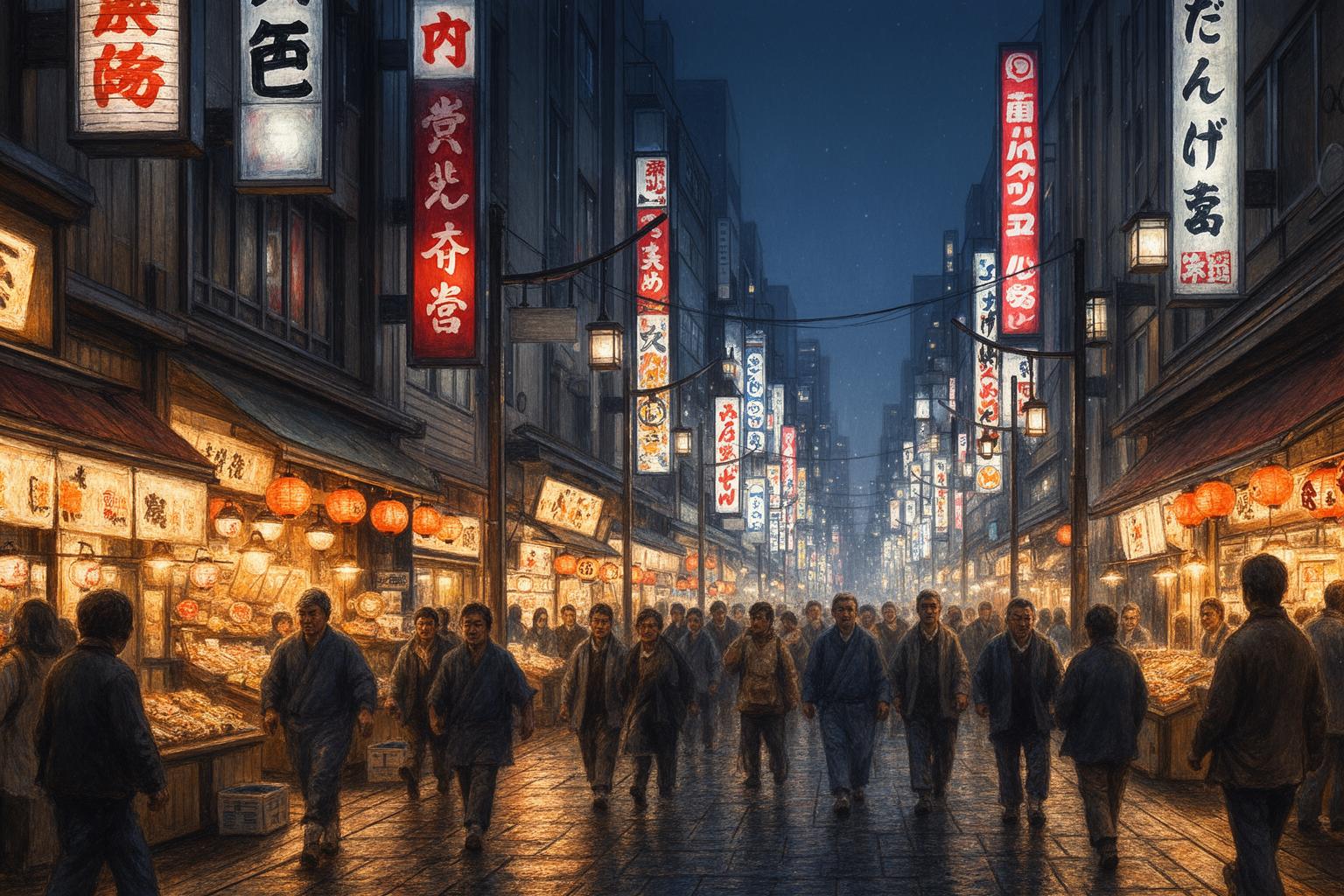
Stepping into Tenjinbashisuji Shopping Street, or shotengai as the locals call it, feels like entering another dimension. The first thing that draws your attention is the sound—a steady, gentle buzz of activity. It’s the whirl of bicycle wheels, the lively “Irasshaimase!” (Welcome!) from shopkeepers, the sizzle of food cooking on hotplates, and the shuffle of countless footsteps carrying countless stories. The arcade presents a beautiful chaos, perfectly choreographed. It’s not a sterile, modern mall; it’s a corridor of history, where sleek new storefronts sit comfortably alongside tiny, family-run shops that have been around for nearly a century. Above, whimsical decorations hang from the arched ceiling, changing with the seasons. In spring, delicate cherry blossoms may appear, while summer brings festival lanterns casting a warm, inviting glow. This visual tapestry transforms the long walk into less of a marathon and more of a gallery experience. The street is logically divided into sections, numbered 1-chome through 7-chome, each with its own subtle character. The southern end, nearer to Tenmangu Shrine, feels more traditional, featuring shops selling artisanal knives, green tea, and intricate Japanese sweets. Traveling north, the atmosphere shifts to a more modern and eclectic vibe, with trendy clothing boutiques, busy pharmacies, and lively pachinko parlors. What truly defines the experience, however, are the people. Osakans are known for their friendliness and down-to-earth humor, offering a striking contrast to the more reserved Japanese stereotype. Here, you’ll witness elderly ladies smiling as they haggle over the price of daikon radishes, schoolchildren rushing to their favorite croquette stand after class, and young couples browsing leisurely. There’s a strong sense of community that makes you feel less like a tourist and more like a temporary local, embraced by their daily lives. The air itself acts as a character in this scene. It’s thick with an intoxicating mix of scents: the sweet caramel aroma of roasted sweet potatoes, the savory fragrance of soy sauce searing on a grill, the faint, fresh smell of fish from the local market, and the sugary haze drifting from a nearby crepe stand. This isn’t merely a place to pass through; it’s a place to linger, to soak in, to feel the very heartbeat of Osaka life. Walking its 2.6-kilometer stretch is a journey through time and culture—a feast for every sense.
The Art of the Halal Hunt: A Foodie’s Compass
Embarking on a Halal food adventure in Japan calls for a curious spirit and a bit of know-how. Although the number of officially Halal-certified restaurants is increasing, the real excitement for street food enthusiasts comes from learning how to navigate the vast array of “Halal-friendly” options. This involves seeking out foods that are naturally free of non-Halal ingredients like pork and alcohol, and feeling comfortable asking a few straightforward questions. In a lively area like Tenjinbashisuji, where many stalls focus on one or two specialties, this becomes much simpler. The vendors are often skilled artisans who take great pride in their work and are usually happy to explain what goes into their dishes. Don’t let the language barrier intimidate you—a friendly smile, a point, and a simple question can go a long way. It’s useful to have a few phrases saved on your phone or in a small notebook, such as “Kore wa butaniku o fukunde imasu ka?” (Does this contain pork?) or “Arukoru wa haitte imasu ka?” (Does this contain alcohol?). You can also use shorter, more direct phrases like “Butaniku, arunashi?” (Pork, yes or no?). Often, vendors will understand and give a clear answer. The key is to focus on food categories that are generally safe. Seafood is your best ally in Japan. From grilled squid to octopus balls, the ocean’s offerings are central to Osaka’s cuisine. Likewise, vegetable-based snacks and a vast range of sweets made from rice, red beans, and fruit are usually excellent choices. One reassuring feature of Japanese street food culture is its transparency. At most stalls, you can watch the entire cooking process unfold before your eyes—you see the ingredients being mixed, poured, and cooked. This visual confirmation is invaluable. You can observe whether only seafood is used or whether the oil appears clean and dedicated to a particular product. From my experience, vendors in Tenjinbashisuji tend to be patient and kind. They are accustomed to diverse crowds and genuinely enjoy sharing their culinary creations. Think of it as a treasure hunt; each stall is a new clue, and every delicious Halal-friendly discovery is a victory. This proactive approach not only ensures you eat well but also deepens your connection to the local food culture and the people behind it. It turns a simple meal into a memorable interaction, a story you can take home with you.
A Symphony of Flavors: Halal-Friendly Street Food Guide
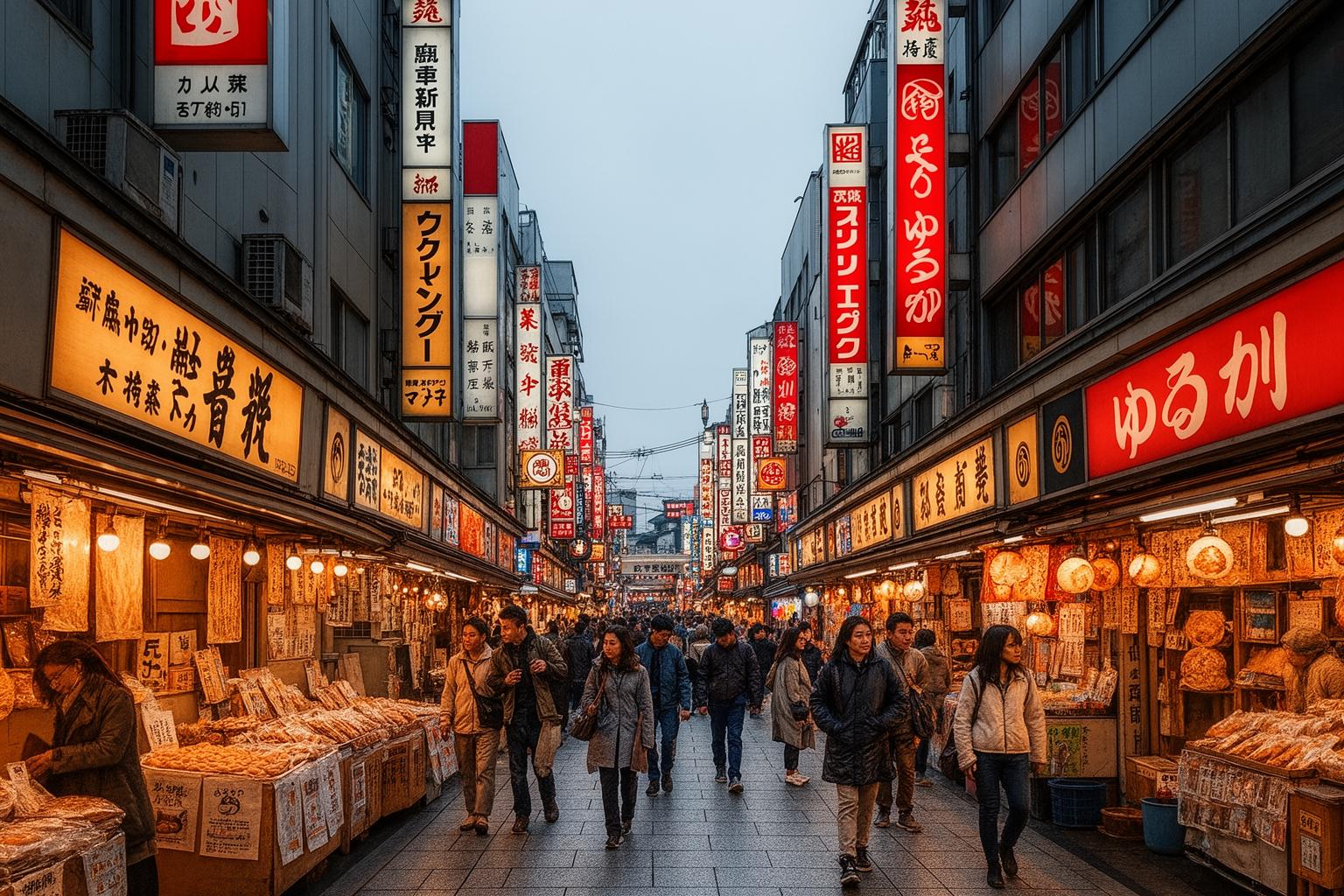
Now, let’s dive into the main event—the delightful journey through Tenjinbashisuji’s edible landscape. With such a vast variety, it can feel overwhelming, so we’ll simplify it into a carefully chosen tasting menu of must-try items that are very likely to be Halal-friendly. Be sure to use your new communication skills to double-check, but these selections offer a fantastic starting point for your culinary adventure.
Savory Stars from the Sea
Thanks to Osaka’s closeness to the sea, its seafood snacks are unparalleled. The inviting aroma of grilled seafood accompanies you as you stroll through the arcade. These are the standout treats you definitely want to try.
Takoyaki: Osaka’s Iconic Street Food
You simply can’t visit Osaka without sampling takoyaki. It’s the city’s undisputed street food champion. These savory, ball-shaped pancakes are made from a wheat-flour batter cooked in a special molded pan. The highlight inside each golden sphere is a tender piece of octopus (tako). Watching vendors expertly flip the balls with metal picks is a captivating performance, showcasing years of skill. For a Halal-friendly experience, seek out stalls using a simple batter, usually just flour, egg, and dashi (a seaweed and fish broth). Potential non-Halal elements might be found in the sauce, which can sometimes contain alcohol-based mirin, or rarely in animal-derived shortenings in the batter. The safest bet is to inquire about the sauce or order them plain (su-pin) or with just a sprinkle of salt and aonori (green seaweed powder). Many vendors will gladly accommodate this. The result is a wonderful mix of textures and flavors: a slightly crispy exterior that gives way to a gooey, molten-hot center, with the chewy octopus offering a perfect contrast. It’s warm, comforting, and utterly addictive.
Ikayaki: The Irresistible Scent of the Grill
Before you even see the stall, the smoky, savory, and sweet aroma of ikayaki draws you in. Ikayaki is simply a whole squid, grilled to perfection over charcoal or a gas flame. Usually flattened, coated in a savory soy-based glaze, and served on a stick for convenience, it’s an excellent Halal-friendly choice, as it generally contains just squid and a simple marinade. The glaze typically includes soy sauce, sugar, and sometimes ginger. While a few glazes may feature a touch of mirin for shine, many traditional stalls stick to a simpler, non-alcoholic recipe. It’s wise to ask, “Sauce ni arukoru?” (Is there alcohol in the sauce?). The squid is tender and juicy with delightfully crispy, charred grill edges. The salty-sweet glaze caramelizes beautifully, enhancing the natural seafood flavor. It’s a primal, satisfying snack that connects you to Japan’s maritime heritage.
Sweet Treats and Sugary Delights
Once you’ve enjoyed the savory, it’s time to satisfy your sweet tooth. Japanese sweets, or wagashi, are a form of artistry, often celebrating natural flavors and seasonal ingredients. Tenjinbashisuji is a haven for those who appreciate desserts that are beautiful, delicious, and often wonderfully Halal-friendly.
Taiyaki: The Fish-Shaped Delight
One of the most charming sights in any shotengai is a taiyaki stand, with rows of fish-shaped iron molds. Tai refers to sea bream, a fish linked to celebrations and good fortune, but the treat itself is entirely vegetarian. Taiyaki is a warm, fish-shaped cake, similar to a waffle or pancake, filled with something sweet. The batter is simple and generally free of non-Halal ingredients. The classic filling is anko, a sweet paste made from azuki red beans, offering a rich, earthy sweetness unique to Japan. Another popular filling is creamy custard, which is also a safe choice. The magic comes from eating taiyaki fresh off the grill—the outside is crisp and golden, while the inside is soft and fluffy, filled with warm, sweet goodness. It’s the perfect comfort food, especially on cooler days. Holding the warm, fish-shaped cake feels like a little piece of Japanese happiness.
Mochi and Daifuku: Chewy Pleasures
Be sure to visit traditional sweet shops, or wagashi-ya, often displaying beautiful mochi and daifuku. Mochi is a soft, chewy cake made from glutinous rice pounded into a paste. Daifuku is a type of mochi stuffed with sweet fillings, most commonly anko. These are almost always Halal-friendly, made simply from rice, sugar, and beans. One spectacular variety is ichigo daifuku, available in late winter and spring, featuring a whole strawberry wrapped in a thin layer of anko and soft mochi skin. The combination of chewy mochi, sweet bean paste, and juicy, slightly tart strawberry creates a sublime experience. They’re as lovely to behold as they are to eat, making them a perfect, elegant street-side treat.
Japanese Crepes: A Modern Favorite
Though not traditionally Japanese, crepes have become fully embraced and adapted into Japan’s street food scene. Crepe stands in Tenjinbashisuji are vibrant and full of possibilities. Unlike thin French crepes, Japanese versions are often rolled into cones and filled to the brim with a wide variety of ingredients. For a guaranteed Halal-friendly choice, stick to fruit and dessert fillings. Imagine a warm, soft crepe filled with fresh whipped cream, strawberry and banana slices, a scoop of chocolate ice cream, and a drizzle of chocolate sauce. It’s a decadent, joyous, and highly Instagrammable treat. You can customize your order, making it easy to enjoy a combination that’s both delicious and permissible. Watching the staff skillfully prepare your crepe adds to the fun.
Beyond the Plate: A Cultural Feast
While the food is undoubtedly the main attraction for many, your experience of Tenjinbashisuji should extend beyond just your palate. The arcade serves as a gateway to a richer appreciation of Osaka’s history and culture. Scattered among the food stalls are experiences that will enhance your visit and offer context to the vibrant scenes surrounding you.
Osaka Museum of Housing and Living
Conveniently situated at the northern end of the arcade (near Tenjinbashisuji 6-chome Station), this museum is a true treasure and a must-see. It’s not a typical, stuffy museum with artifacts behind glass. Instead, it offers a life-sized, full-scale reconstruction of an Osaka townscape from the Edo Period (circa 1830s). You can stroll through the carefully recreated streets, step inside a traditional merchant’s house, a bathhouse, and a kimono shop. The museum even mimics the changing light from morning to night, complete with sound effects such as a rooster crowing or evening cicadas. It’s a fully immersive experience that transports you back in time. After exploring the modern arcade, witnessing its historical counterpart gives a fascinating perspective on how much—and how little—life has evolved. You can even rent a simple kimono for a small fee to stroll the streets, which makes for fantastic photos and a deeper connection to the past.
Osaka Tenmangu Shrine
Just a short detour from the southern end of the arcade lies the spiritual heart of the area: Osaka Tenmangu Shrine. This significant Shinto shrine is dedicated to Sugawara no Michizane, the deity of scholarship and learning. It is the centerpiece of the Tenjin Matsuri, held every July, which is one of Japan’s three greatest festivals. Even on an ordinary day, the shrine grounds provide a peaceful and beautiful escape from the bustling energy of the shotengai. You can wander through serene courtyards, admire traditional architecture, and observe the quiet rituals of local worshippers. Visiting the shrine offers insight into the deep cultural and spiritual roots of the community that the arcade serves. It’s a reminder that Tenjinbashisuji is more than just a commercial street; it’s a path that has led to a place of worship and community gathering for centuries.
A Shopper’s Paradise
Of course, it is a shopping street, and the shopping is exceptional. You can find everything here, often at prices more reasonable than those in the city’s glitzy downtown districts. There are shops specializing in high-quality Japanese green tea, where you can sample various varieties. You’ll encounter pottery shops offering beautiful, handcrafted ceramics that make unique souvenirs. There are traditional knife shops where craftsmen can be seen sharpening blades to a razor’s edge. Then there are the modern establishments: huge drugstores packed with Japanese cosmetics and skincare products, quirky 100-yen shops filled with all sorts of clever gadgets, and charming little boutiques selling locally designed clothing and accessories. It’s the perfect place to search for gifts or simply observe the products that shape the daily lives of Osakans.
Navigator’s Notes: Practical Advice for a Perfect Stroll

To fully enjoy your adventure in Tenjinbashisuji, a bit of planning can make a big difference. Here are some practical tips to help ensure your walk is smooth, enjoyable, and stress-free.
Getting There and Getting Around
What makes Tenjinbashisuji’s length so appealing is its accessibility. Multiple train and subway stations serve various points along the arcade. If you want to start at the north and head south, get off at Tenjinbashisuji 6-chome Station (served by the Tanimachi and Sakaisuji subway lines). For starting at the south and walking north, Minami-morimachi Station (Tanimachi and Sakaisuji lines) or Osakatemmangu Station (JR Tozai Line) are ideal choices. Ogimachi Station (Sakaisuji Line) is perfect for starting in the middle. My personal advice? Don’t feel you need to walk the entire 2.6 kilometers all at once. A great approach is to begin at one end, stroll for an hour or two, and then simply catch the subway at the nearest station when you’re ready to stop. The Sakaisuji subway line, which runs parallel to the arcade, is particularly convenient for this.
The Golden Hours
The arcade has a different vibe at various times of the day. For the best experience, I suggest visiting on a weekday from late morning to late afternoon. By around 11 AM, most shops and food stalls are open and firing up their grills, yet the crowds haven’t fully arrived. This allows you space to browse and chat with vendors. Weekends are lively and bustling, but the large number of people can make navigating difficult, especially if you want to pause frequently for food. Evenings have their own special atmosphere, with lanterns aglow and after-work crowds filling the izakayas (Japanese pubs), though some smaller, more traditional shops may close earlier.
Street Food Etiquette
This is an essential cultural tip for visitors to Japan. Unlike in many other countries, walking while eating is generally seen as impolite. When you purchase street food, proper etiquette is to stand beside the stall or find a designated eating area. Most vendors provide a small space where you can stand and enjoy your food. Once finished, you should return your rubbish (sticks, wrappers, etc.) to the vendor, who will have a bin for it. Since public trash cans are rare in Japan, this is the polite and best way to dispose of waste. This simple gesture of respect is appreciated and helps keep the beautiful arcade clean for everyone.
A Woman’s Perspective on Safety
As a female traveler, safety is always a priority. I’m pleased to share that Tenjinbashisuji, like much of Japan, is very safe, even when traveling solo. The arcade is well-lit, consistently busy, and has a strong sense of community. That said, as with any crowded public space worldwide, it’s wise to stay aware of your surroundings. Keep your bag zipped and close—personally, I find a stylish crossbody bag blends fashion and function perfectly for a day of exploring. This small precaution lets you relax and fully enjoy the experience without unnecessary worries.
Your Osaka Story Begins Here
Tenjinbashisuji Shopping Street is far more than merely a long, covered pathway. It encapsulates the essence of Osaka—a place filled with warmth, flavor, history, and unpretentious joy. It stands as a tribute to the resilience of local commerce and community in an era dominated by mega-malls and online shopping. For Muslim travelers, it presents a wonderful chance to immerse themselves in Japanese street food culture in a way that is both exciting and manageable. The search for Halal-friendly bites becomes a bridge to authentic human connection, providing a reason to smile and engage with the proud artisans and vendors who are the heart of this remarkable place. So, allow the rhythmic pulse of the shotengai to guide your steps. Be curious. Be bold. Ask questions. Take a chance on that unusual vegetable pickle, enjoy the warmth of a freshly made rice cake, and let the blend of sounds and scents become your travel soundtrack. Your stroll through Tenjinbashisuji will not only satisfy your hunger but also nourish your soul, leaving you with a rich and memorable taste of the real Osaka—a story told through flavor that is uniquely yours to share.