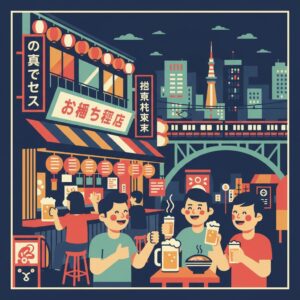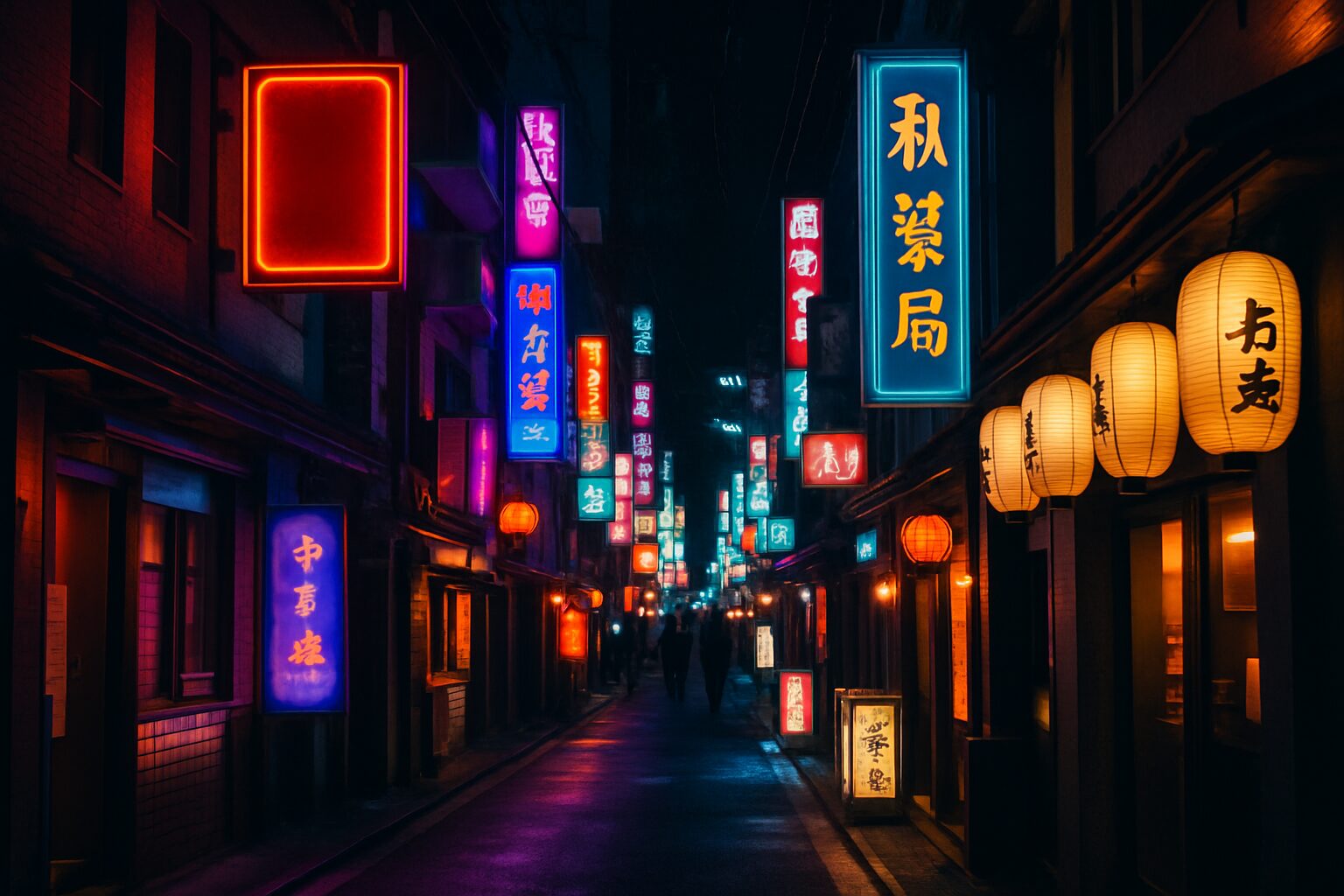
In the sprawling, energetic metropolis of Osaka, a city celebrated for its dazzling neon, hearty street food, and boisterous, welcoming spirit, there exists a district that operates on a different frequency. Tucked away just south of the bustling Umeda hub, nestled between the Dojima and Tosabori rivers, lies Kitashinchi. By day, it presents a facade of corporate respectability, a landscape of sleek office buildings and the hurried footsteps of businesspeople. But as twilight descends, a profound transformation occurs. The streetlights cast a warm, golden glow upon the pavement, and from the quiet, unassuming doorways of its narrow alleys, a world of unparalleled sophistication, exclusivity, and profound hospitality begins to stir. This is not the Osaka of takoyaki stands and crowded arcades; this is Kitashinchi, the city’s most prestigious and enigmatic nightlife district. It is a realm where centuries of tradition meet modern luxury, a place where discretion is the highest currency and every evening holds the promise of an unforgettable experience, crafted with meticulous care. For the discerning resident or the adventurous traveler seeking to understand the deeper currents of Japanese culture, Kitashinchi offers more than just a night out; it provides a rare glimpse into the heart of `omotenashi`, the legendary Japanese art of hospitality, in its most refined and potent form. This is a world built on relationships, reputation, and the quiet pursuit of perfection, a glowing labyrinth waiting to be explored.
For a more casual and accessible drinking experience, explore the vibrant bar-hopping scene in Tenma.
The Soul of Kitashinchi: Unveiling a World of Refined Nightlife
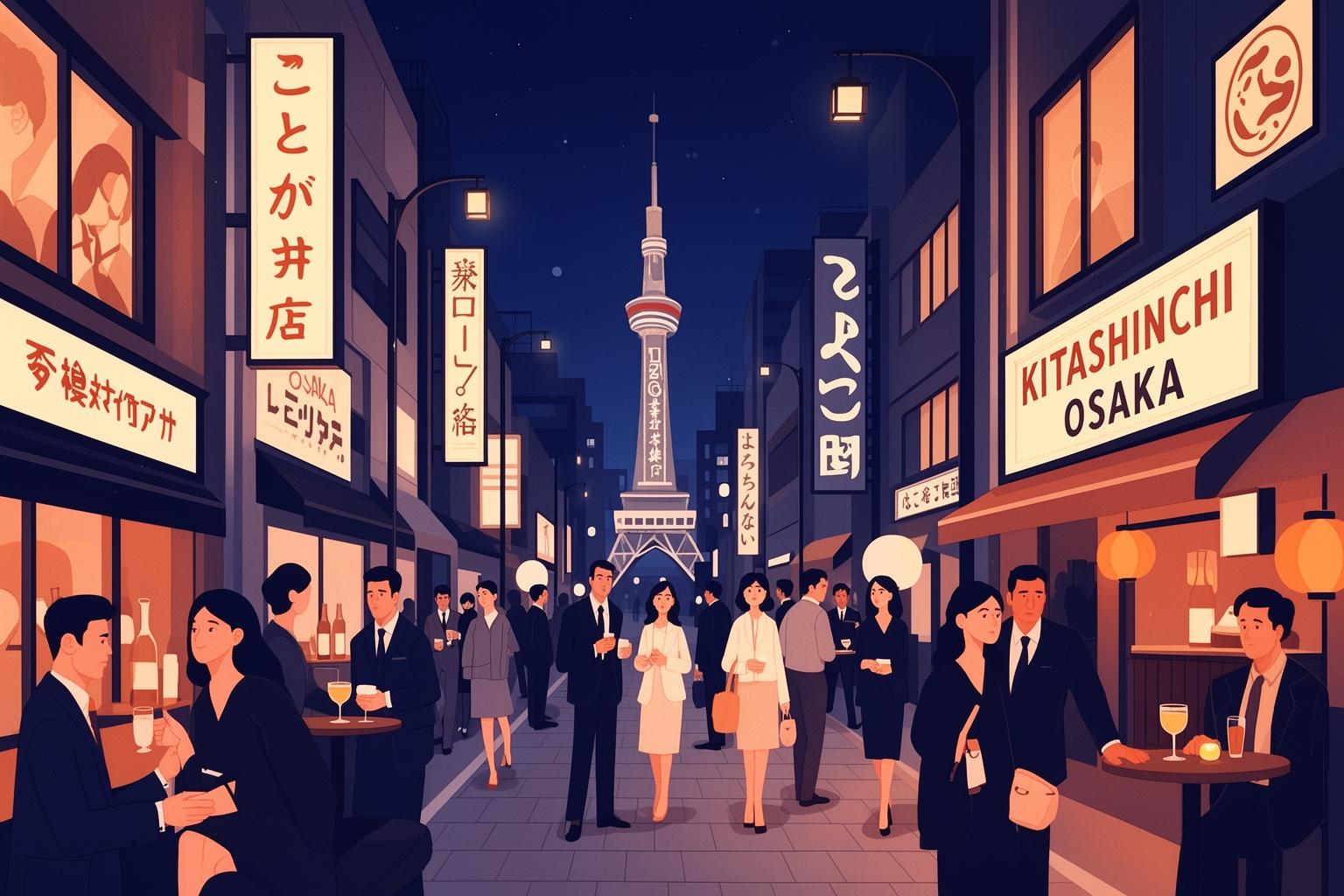
To truly grasp Kitashinchi, one must first become attuned to its distinctive sensory language. It is a symphony of subtlety, sharply different from the vibrant energy found in districts like Namba or Shinsaibashi. Here, the experience begins not with a roar, but with a whisper. Stepping off the main artery of Midosuji into the maze of narrow streets, the atmosphere itself seems to shift. The city traffic’s clamor softens, replaced by the gentle tap of high-end shoes on stone pavement and the murmur of discreet, important conversations. The visual scene is one of understated elegance. Forget towering, flashing billboards; Kitashinchi’s venues announce themselves with quiet confidence. A simple, elegantly calligraphed wooden sign, a single lantern casting a soft glow, a carefully crafted `noren` curtain hanging in a doorway—these are the gateways in. Each entrance serves as a portal, promising a world curated with thoughtful care.
The air is rich with an intoxicating mix of aromas. From one entrance drifts the scent of premium `binchotan` charcoal grilling marbled wagyu to perfection. From another comes the clean, delicate fragrance of dashi broth, the essence of Japanese cuisine. Blended with these culinary scents are subtle hints of fine perfume, expensive leather, and aged whisky. The district appeals to all the senses, inviting you to slow down, observe, and savor the details. The architecture enhances the sense of intimacy and discovery. The alleys, or `roji`, are narrow, creating the feeling of a hidden village within the city. Many top spots lie tucked away in basements or atop unassuming buildings, their presence known only to those initiated into the district’s secrets. This purposeful concealment adds to the allure. Uncovering a hidden gem in Kitashinchi feels like a personal triumph, a secret shared between you and the city. The clientele forms an integral part of the ambiance. Here, Japan’s business elite finalize deals over multi-course `kaiseki` meals, politicians engage in quiet discussion, and couples commemorate milestone anniversaries amid the hushed elegance of world-class cocktail bars. The culture of corporate entertainment runs deeply through Kitashinchi, where a company’s prestige is often reflected by the quality of the establishments it selects for its most valued patrons.
A Tapestry of Taste: From Michelin Stars to Legendary Mixology
The reputation of Kitashinchi is founded on a legacy of culinary and beverage excellence. In this district, mediocrity is not accepted, and perfection is the standard. The overwhelming concentration of top-tier dining and drinking venues offers an extraordinary journey through the best of Japanese and international gastronomy.
The Art of Kappo and Kaiseki
At the core of Kitashinchi’s dining culture are two essential forms of Japanese fine cuisine: `kappo` and `kaiseki`. Although both embody the height of culinary artistry, they provide distinct experiences. `Kaiseki` is the more formal style, a carefully orchestrated multi-course meal that delights both the eyes and the palate. Often served in tranquil, private rooms, a `kaiseki` dinner is a seasonal journey. Each dish is crafted like a masterpiece, featuring the freshest ingredients of the moment and presented on thoughtfully chosen ceramics and lacquerware. Imagine a delicate arrangement of tender spring mountain vegetables, a clear broth with a single pristine piece of winter crab, or a slice of autumn sea bream sashimi garnished with a chrysanthemum flower. It offers a meditative and profoundly cultural experience.
Conversely, `kappo` provides a more intimate and lively dining style. The term means “to cut and to cook,” and the experience revolves around a counter where guests sit directly before the chefs. This closeness dissolves the barrier between creator and diner, turning the meal into an interactive performance. Diners can marvel at the chef’s knife skills, feel the warmth from the grill, and engage in conversations about ingredients and techniques. The menu is typically more flexible, enabling the chef to customize dishes to the guest’s tastes. A `kappo` meal is a dialogue, a vibrant exchange of energy and appreciation, where the chef’s personality is as integral to the experience as the food itself. In Kitashinchi, generations of `kappo` masters have refined their skills, making it one of the premier places in Japan to enjoy this engaging style of dining.
The Hallowed Halls of Mixology: Kitashinchi’s Legendary Bars
If dining is Kitashinchi’s heart, then its bars are its soul. Japanese bartending is a martial art—an exacting discipline demanding years of practice, intense focus, and an unwavering quest for perfection. This philosophy reaches its peak in Kitashinchi’s bars. Stepping inside these establishments feels like entering a sanctuary. The doors are often heavy and soundproof, sealing out the outside world and creating a serene, contemplative atmosphere. The lighting is soft and intimate, highlighting a flawlessly polished wooden counter and shelves stocked with a library of rare and exquisite spirits.
At the center of this world is the bartender, or “Master.” Clad in a crisp uniform, they move with quiet, purposeful grace. There are no flashy tricks or superfluous gestures here. Every motion, from measuring spirits to stirring the glass, is performed with nearly spiritual precision. One iconic element is the ice. Forget cloudy, machine-made cubes; here, the Master often carves perfect spheres or diamond-like chunks from large, clear blocks of ice. This is not mere spectacle; the dense, hand-carved ice melts slowly, chilling the drink to just the right temperature without diluting its complex flavors. Ordering a simple gin and tonic becomes a revelation, as the Master selects a craft gin, a tailored tonic, and a fresh garnish, combining them with a technique that elevates the drink to an art form. The whisky selections in many Kitashinchi bars are simply breathtaking, featuring complete ranges from Japan’s most famed distilleries such as Yamazaki and Hakushu, along with rare, discontinued bottles and legendary single-cask editions treasured by connoisseurs. The experience centers on savoring a flawless drink. It is a place for quiet conversation or silent reflection, where the spirit’s quality and the mastery in its preparation take center stage.
Beyond the Bar Counter: The Allure of the Lounge and Club
To truly understand Kitashinchi’s social fabric, one must appreciate the distinctive institution of the Japanese `kurabu` (club) and lounge. These differ greatly from the throbbing nightclubs of the West. Instead, they are exclusive, elegant venues designed for elite entertainment, conversation, and networking. Entry is often by introduction only, ensuring a private and trusted environment. The pivotal figure in a `kurabu` is the `mama-san`, a formidable and highly respected woman who serves not only as the owner but also the heart and soul of the establishment. She is a skilled conversationalist, a sharp businesswoman, and a trusted confidante to her distinguished clientele. Together with her team of impeccably dressed hostesses, she delivers an unparalleled level of attentive, personalized service. Their mission is to ensure guests feel utterly comfortable, with never-empty glasses and effortlessly flowing conversation. A key aspect of this culture is the “bottle keep” system, or `botoru kīpu`, where patrons buy a full bottle of premium whisky or shochu, which remains stored at the club under their name for future visits. This system cultivates loyalty and fosters a sense of belonging, transforming customers into cherished members of the establishment’s family. These clubs serve as unofficial boardrooms in Japan, spaces where important relationships are built and significant business occurs in an atmosphere of refined luxury and absolute discretion.
Echoes of the Past: The Historical Currents of Kitashinchi
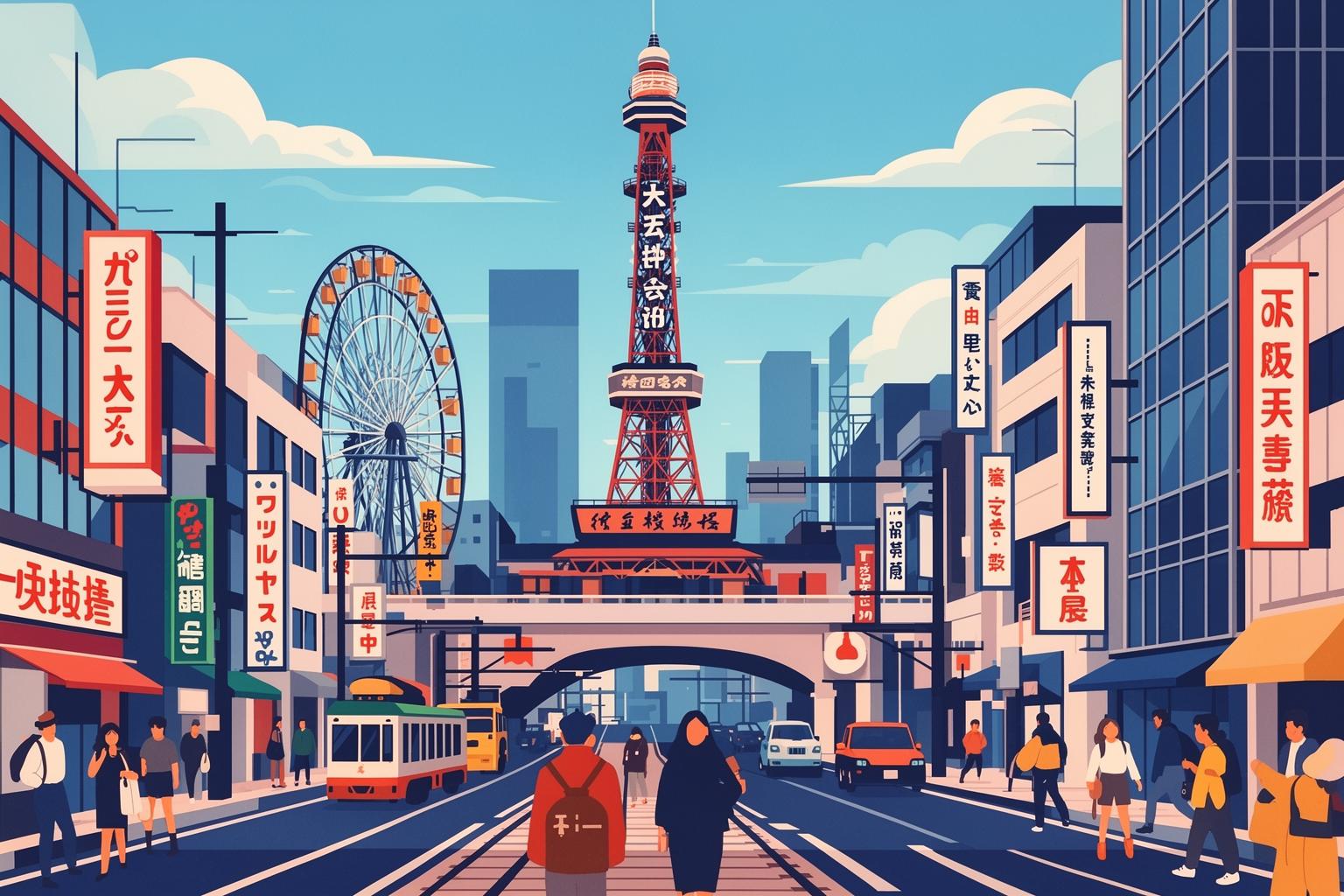
Kitashinchi’s current identity as a district of luxury and exclusivity is deeply rooted in its rich history. Its story begins in the Edo period, when this area was a newly developed sandbank in the Dojima River, originally called `Dojima Shinchi` (“Dojima New Land”). Its strategic position near the Dojima Rice Exchange, the world’s first futures market and Japan’s economic engine at the time, destined it for prominence. Wealthy rice merchants, or `daimyo` of commerce, needed a refined entertainment district to host clients, negotiate deals, and showcase their prosperity. Consequently, Dojima Shinchi flourished into a premier `hanamachi`, or geisha district. The geisha of Kitashinchi were celebrated for their artistic skills in music, dance, and conversation, as well as their wit and sophistication. They were the original practitioners of `omotenashi`, offering an elite form of entertainment that was both culturally rich and highly exclusive. The traditions they established—the emphasis on refined arts, personalized service, and discretion—have been preserved through the centuries and remain evident today in the ethos of the district’s modern bars and clubs. The `mama-san` of a high-end club is, in many respects, the contemporary successor to the geisha’s role as a sophisticated hostess and cultural gatekeeper. The district encountered a major turning point in 1909 with the `Kita no Taika`, or the Great Fire of the North, which ravaged the area. However, it was rebuilt with a more modern, grid-like street layout that still defines it today. Throughout the 20th century, as Japan’s economy thrived, Kitashinchi evolved from a geisha district into its current form—a hub for corporate entertainment—while never losing its core identity as Osaka’s most prestigious and exclusive nocturnal playground. This deep historical heritage lends a tangible sense of authenticity to the district, making a night out here feel like a connection to a long and storied past.
Navigating the Labyrinth: Practical Guidance for the Discerning Visitor
Exploring Kitashinchi for the first time can be intimidating, but with some knowledge and preparation, it can become a deeply rewarding experience. Grasping the practical details and unspoken customs is essential to fully appreciating what this distinctive district has to offer.
Access and Orientation
Kitashinchi is centrally situated and easily reachable. The most straightforward way is via the JR Tozai Line to Kitashinchi Station, which places you in the heart of the area. Alternatively, it’s a 5-10 minute walk south from the large transportation hubs of JR Osaka Station and the various Umeda stations. It’s also a short walk north from Yodoyabashi Station on the Midosuji subway line. Geographically, Kitashinchi consists of a compact grid of streets bordered by major roads, but its true charm lies within the smaller alleys weaving through the main boulevards. Keep in mind that the district operates mainly at night. Visiting before 6 PM shows a quiet, almost sleepy business district, while the real excitement starts around 7 PM, with bars and clubs peaking from 9 PM until late. Plan your visit in the evening to experience its full, dazzling transformation.
The Unspoken Rules: Etiquette and Expectations
Following the local etiquette will greatly improve your visit and demonstrate respect for Kitashinchi’s culture. The foremost guideline is the dress code. Although there are no signs at the entrance, a smart and elegant style is expected. For men, this generally means collared shirts, trousers, and closed-toe shoes at minimum, with a jacket often advisable. For women, a smart dress, skirt, or trousers are suitable. Avoid shorts, sandals, athletic wear, or anything overly casual, as some exclusive venues may politely refuse entry. Reservations are highly recommended, and often essential, for most popular restaurants and bars, which tend to be small, intimate spaces with limited seating. Booking ahead shows consideration and respect for the establishment. For the most exclusive clubs, it’s important to understand the idea of `shokai`, or introduction. Many will not accept new customers without a recommendation from a trusted regular. If you have a Japanese friend or business contact who is a member, that is the best way to gain access. Otherwise, it’s better to focus on high-end bars and restaurants open to the public. Budgeting is another vital consideration. Kitashinchi is unapologetically expensive. Expect prices far above those found elsewhere in Osaka. Many bars impose a cover or table charge (`seki-ryo` or `otoshi`), a fee for the seat often accompanied by a small appetizer. A single cocktail at a premier bar can be costly, and a full dinner with drinks is a significant investment. This is not a place for budget travelers but rather a destination for special occasions and luxury experiences. Lastly, your behavior should suit the environment. Speak softly and respectfully; loud and boisterous conduct is frowned upon. Photography is often strictly prohibited to protect the privacy of high-profile guests—always ask staff before taking pictures. By following these simple principles, you will be welcomed as a discerning visitor who appreciates the unique culture of Kitashinchi.
A First-Timer’s Itinerary: Crafting Your Inaugural Kitashinchi Evening
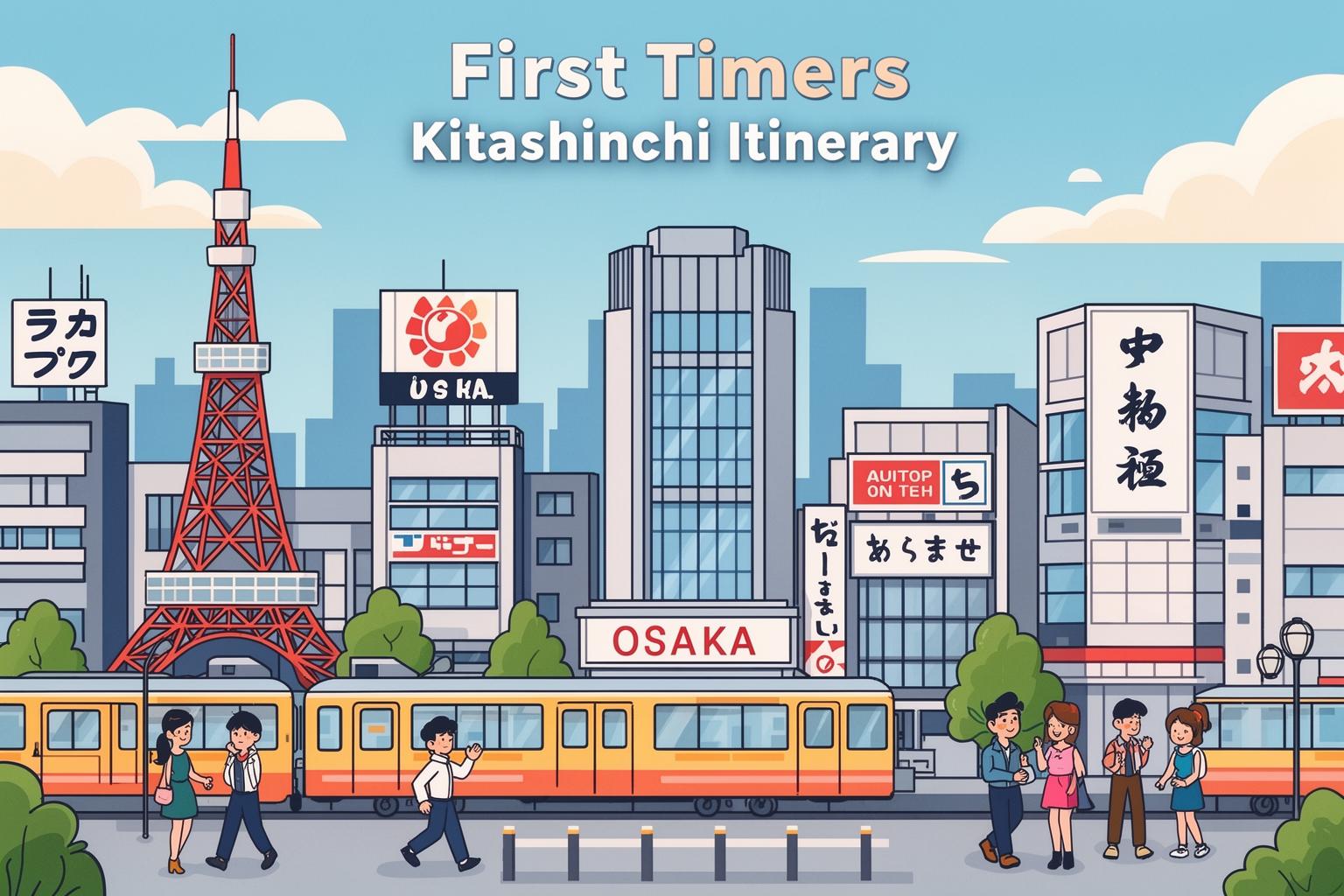
For your first venture into this charming district, consider a thoughtfully curated journey that lets you experience its diverse offerings. Picture the evening as a progressive adventure, beginning with approachable elegance and gradually moving toward more refined, specialized delights. Start around 7 PM with an aperitif at a classic, hotel-style cocktail bar. Choose one that is well-regarded yet welcoming to newcomers. Take a seat at the sleek counter and order a timeless drink, such as a Martini or a Negroni. This is your chance to observe the ritual of Japanese bartending up close—watch the bartender’s precise movements, the careful handling of tools, and the artistry poured into your glass. This first drink sets a sophisticated tone for the rest of your evening. Afterward, proceed to a pre-booked dinner at a `kappo`-style restaurant. Request a seat at the counter for full immersion. Don’t hesitate to engage with the chef—ask about the ingredients, often sourced from renowned Japanese regions, or simply share your appreciation. Let the chef lead the experience, perhaps by choosing the `omakase` (chef’s choice) menu. This culinary exchange will be a highlight, offering a delicious and educational glimpse into the best of seasonal Japanese cuisine. As the night deepens, it’s time to explore Kitashinchi’s famed whisky scene. Head to a dedicated whisky bar—one of the tranquil, library-like venues that specialize in this spirit. Settle into a comfortable leather armchair and browse the extensive menu, which may include hundreds of bottles from around the world. This is an ideal moment to sample a rare Japanese whisky unavailable elsewhere. Order it neat or with a hand-carved ice ball, and savor its complex aroma and flavor at your leisure. This is a reflective experience, allowing you to appreciate the meticulous craftsmanship behind both the whisky and the bar. For those with the right connections, the night might conclude with a visit to an upscale lounge or club, offering a glimpse into the pinnacle of Kitashinchi’s hospitality. Yet even without this final step, a journey through its cocktail bars, `kappo` counters, and whisky libraries will offer a rich and memorable introduction to Osaka’s most exclusive world.
Beyond the Neon Glow: Hidden Charms and Seasonal Rhythms
While Kitashinchi is renowned for its nightlife, there are additional layers to explore for those willing to look more closely. One of the district’s best-kept secrets is its lunch scene. Many of the same high-end restaurants that charge premium prices in the evening offer teishoku, or set lunch menus, at a fraction of the cost during the day. This presents a fantastic opportunity to enjoy Michelin-star quality cuisine in a more casual and affordable setting. It’s a favorite tactic of local office workers and an excellent way for residents to experience the luxury of Kitashinchi without the nighttime commitment. Amidst the modern buildings, small pockets of spiritual tranquility endure. Hidden in the alleys, you might discover a tiny Inari shrine, marked by its distinctive red torii gates, providing a moment of peace and reflection. Just on the district’s edge lies the well-known Tsuyu no Tenjinja Shrine, also called Ohatsu Tenjin. This shrine is the backdrop for a tragic love story from a famous Bunraku puppet play and remains a popular spot for couples praying for romantic fortune. Visiting here adds a layer of historical romance and spiritual depth to your exploration of the area. Kitashinchi is also a place that flows in harmony with Japan’s distinct seasons. In spring, menus feature tender bamboo shoots (takenoko) and fragrant mountain vegetables (sansai). Summer brings delicate hamo (pike conger eel), a Kyoto-Osaka specialty. Autumn is a celebration of mushrooms, chestnuts, and the rich flavor of Pacific saury. Winter is the season for a luxurious fugu (pufferfish) or crab kaiseki course. The bars, too, follow this seasonal rhythm, with mixologists crafting unique cocktails incorporating fruits like yuzu, strawberries, and persimmons. Engaging with these seasonal offerings is a way to connect with the profound Japanese reverence for nature and the fleeting beauty of each moment.
The Future of Exclusivity in a Changing Osaka

In an increasingly globalized world and a city that welcomes millions of tourists each year, Kitashinchi stands out as a compelling example of identity preservation. How does such an exclusive, tradition-rich district adapt to the modern age? The answer lies in a delicate balance between continuity and change. While the core values of discretion, quality, and impeccable service remain intact, a new generation of chefs and bartenders brings fresh perspectives to Kitashinchi. Here, you’ll find innovative French-Japanese fusion restaurants alongside century-old sushi counters, and cocktail bars experimenting with modern techniques while still honoring classic traditions. There is also a gradual but steady opening up to international visitors. Although the most exclusive clubs will likely always remain behind a veil of introductions, many bars and restaurants are now more welcoming to foreign guests, often offering English menus or staff who can explain the nuances of their offerings. They understand that true hospitality, or ‘omotenashi,’ is universal. Kitashinchi demonstrates that it can preserve its soul without turning into a museum piece. It remains the central stage for high-level business and politics in Osaka, where the city’s most significant conversations take place. It is not merely surviving; it is thriving by holding fast to the very qualities that make it unique, ensuring that its legacy of refined elegance endures for generations.
Kitashinchi is much more than just a collection of upscale bars and restaurants. It is an immersive cultural ecosystem, a living theater of Japanese hospitality, history, and craftsmanship. To walk its glowing alleys after dark is to enter a world where every detail is thoughtfully considered, every interaction meaningful, and every moment designed to be savored. It invites visitors to slow down, to observe, and to appreciate the profound beauty found in subtlety and perfection. Whether you are celebrating a special occasion, seeking to understand the deeper layers of Japanese business culture, or simply in search of the finest cocktail you’ve ever had, Kitashinchi awaits. Embrace the mystery, step through the ‘noren’ curtain, and let yourself be enchanted by the quiet, enduring magic of Osaka’s most refined nocturnal playground.