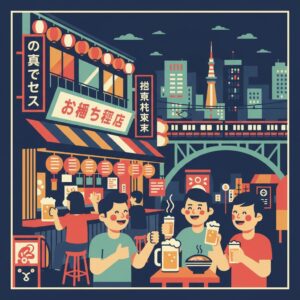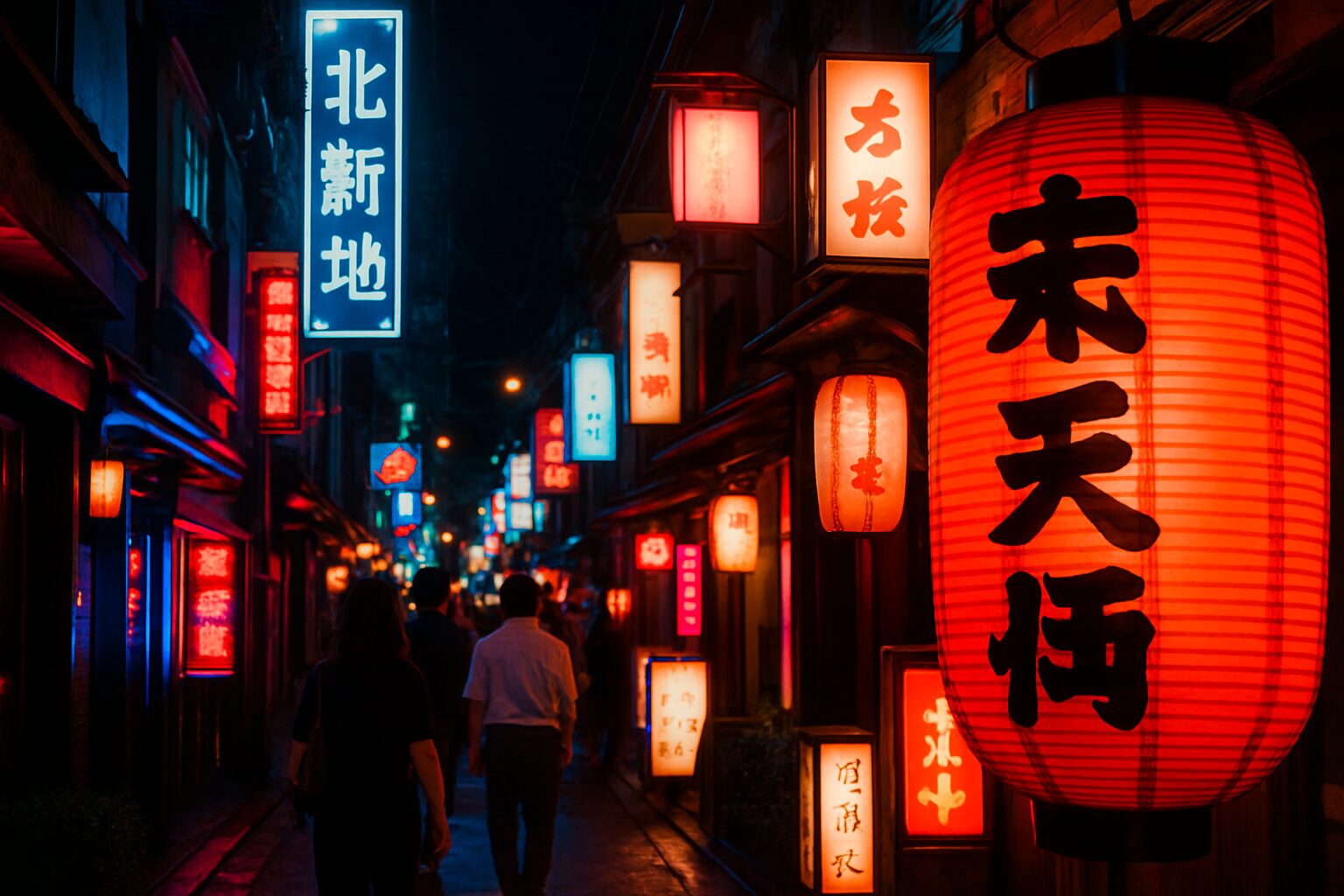
Step off the bustling Midosuji avenue, turn away from the bright, familiar lights of Umeda’s commercial heart, and you’ll find yourself on the threshold of another world. This is Kitashinchi, Osaka’s gilded cage of nocturnal delights, a district that hums with a different kind of energy. During the day, it’s a quiet grid of office buildings and anonymous facades. But as dusk settles, lanterns begin to glow, immaculate black cars glide silently to the curb, and the air grows thick with the scent of expensive perfume and the promise of sophisticated indulgence. Kitashinchi is not a place you stumble into; it’s a destination you seek. It is the city’s premier entertainment district, a labyrinth of exclusive hostess clubs, world-class cocktail lounges, and Michelin-starred restaurants, all tucked away behind discreet doors. This isn’t the raucous, neon-soaked party of Dotonbori. This is the refined, high-stakes world of Japanese business and pleasure, a place where fortunes are spent, deals are sealed, and the ancient art of hospitality, or omotenashi, is practiced at its most sublime level. For the uninitiated foreigner, Kitashinchi can seem intimidating, an opaque world governed by unwritten rules. But for those with a curious spirit and a desire to experience a truly unique facet of Japanese culture, it offers a night unlike any other. It’s a glimpse into the sophisticated heart of Osaka’s nightlife, a world that beats with a quiet, powerful, and utterly captivating rhythm.
For a more casual and accessible nightlife experience, consider exploring the vibrant izakaya scene in Tenma.
The Aura of an Exclusive Realm
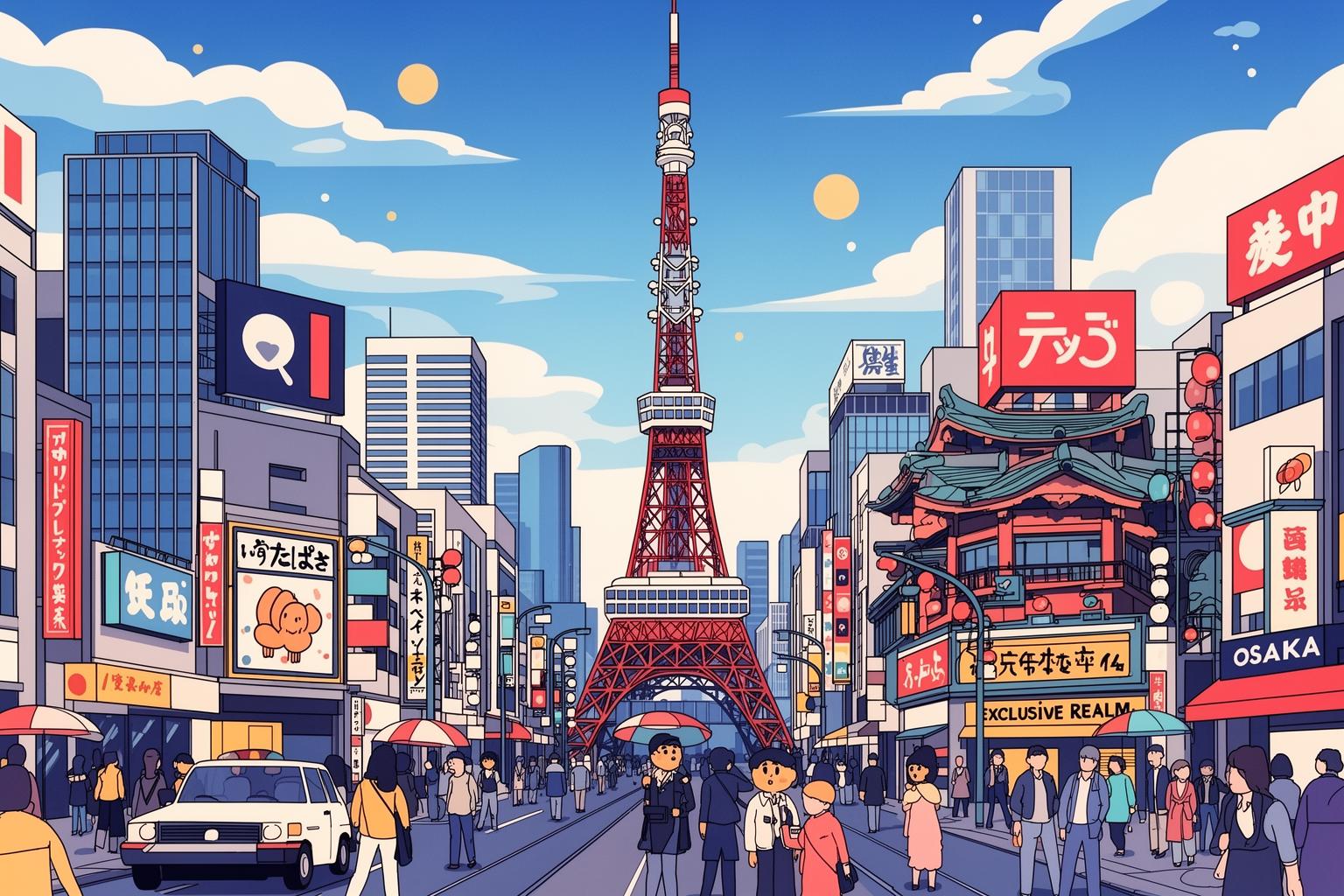
To truly grasp Kitashinchi, you must first understand what it is not. It lacks the towering video screens of Shinsaibashi and the whimsical, oversized restaurant signs of Namba. The crowds here are distinct; you won’t find swarms of tourists with selfie sticks or rowdy groups of backpackers. Instead, the streets are filled with men in sharply tailored suits, women in elegant kimonos or designer dresses, and the quiet, watchful doormen guarding entrances to buildings that reveal no hint of the lavish worlds inside. The atmosphere is one of cultivated discretion. The charm of Kitashinchi lies in its subtlety. A single, exquisitely crafted lantern, a small polished brass plaque, or the faint melody of a jazz piano trio drifting from a fifth-floor window are often the only indications of a multi-million yen establishment. This is a district built on reputation and relationships, not on loud advertising. Walking its streets feels like being in on the city’s best-kept secret. The air itself carries a sense of significance, a feeling that the conversations behind these closed doors are shaping the very fabric of business and politics in Kansai. This is where the elite come to unwind, negotiate, and celebrate. The very pavement seems to absorb the hushed tones of confidential discussions and the soft laughter of refined company. It stands in stark contrast to the egalitarian, come-one-come-all vibe of Osaka’s other nightlife hubs, and that exclusivity is the essence of its powerful allure.
Decoding the World of High-End Hostess Bars
At the core of Kitashinchi’s nighttime economy lies the institution of the hostess bar, a concept often misunderstood by Westerners. This world is vastly different from the transactional nature of strip clubs or brothels. What is being sold is not sex; it is conversation, companionship, and the intoxicating sensation of feeling like the most important person in the room. In Kitashinchi, this idea is elevated to an art form, primarily in two kinds of venues: the kyabakura and the even more exclusive kurabu (club).
A visit to one of these establishments is a carefully orchestrated display of luxury and attention. Upon arrival, a bowing manager welcomes you and leads you to a plush sofa. The system usually starts with a base fee called a “set,” which grants you a fixed amount of time, typically 60 or 90 minutes, along with a selection of house spirits and mixers. Shortly after sitting down, one or more hostesses will join your table. The hostess’s role is to be the perfect companion. She is a master conversationalist, adept at making you feel witty, intelligent, and utterly captivating. She will laugh at your jokes, listen closely to your stories, light your cigarettes, and ensure your glass is never empty. These women are professionals, often highly educated and trained in a wide range of subjects, from art and literature to golf and global economics. Their job is to create a bubble of complete, stress-free relaxation for their client.
Naturally, this experience comes at a considerable cost. Beyond the initial set fee, every extra item is charged separately. If you want your hostess to have a drink, you must buy it for her, and her drink will cost significantly more than yours. To impress, you might order a bottle of premium champagne or aged Japanese whisky, which can run into the hundreds or even thousands of dollars. The hierarchy of these venues matters greatly. Kyabakura are the more common and somewhat more accessible kind of hostess bar. The hostesses tend to be younger, and the atmosphere can be livelier. Kurabu, in contrast, represent the pinnacle of the Kitashinchi experience. Entry is often by introduction only, requiring you to be a regular or brought in by one. The hostesses, or jōsan, are typically older, more established women, including the respected mama-san who owns or manages the club. The atmosphere in a kurabu is more subdued, the clientele more powerful, and the prices exponentially higher. Here, the connection between a client and his designated hostess, or shimei, can last for years, becoming an essential part of his business and social life.
For first-time visitors, a few etiquette points are absolutely essential. Dress the part; wearing a suit or at least a smart jacket and trousers is mandatory. Be a gentleman. The interaction is based on respect and charm, not lewdness. Physical contact is strictly prohibited. This is a world of sophisticated flirtation, not physical intimacy. And be very mindful of your budget. A night in Kitashinchi can quickly become expensive. A 90-minute session starting at 30,000 yen can easily balloon to over 100,000 yen with a few hostess drinks and a bottle order. It is a world built for expense accounts and lavish spending, unapologetically costly. However, for those willing to pay the entry fee, it offers a captivating insight into the psychology of Japanese business and the art of professional companionship.
The Art of the Pour: Kitashinchi’s Cocktail Sanctuaries
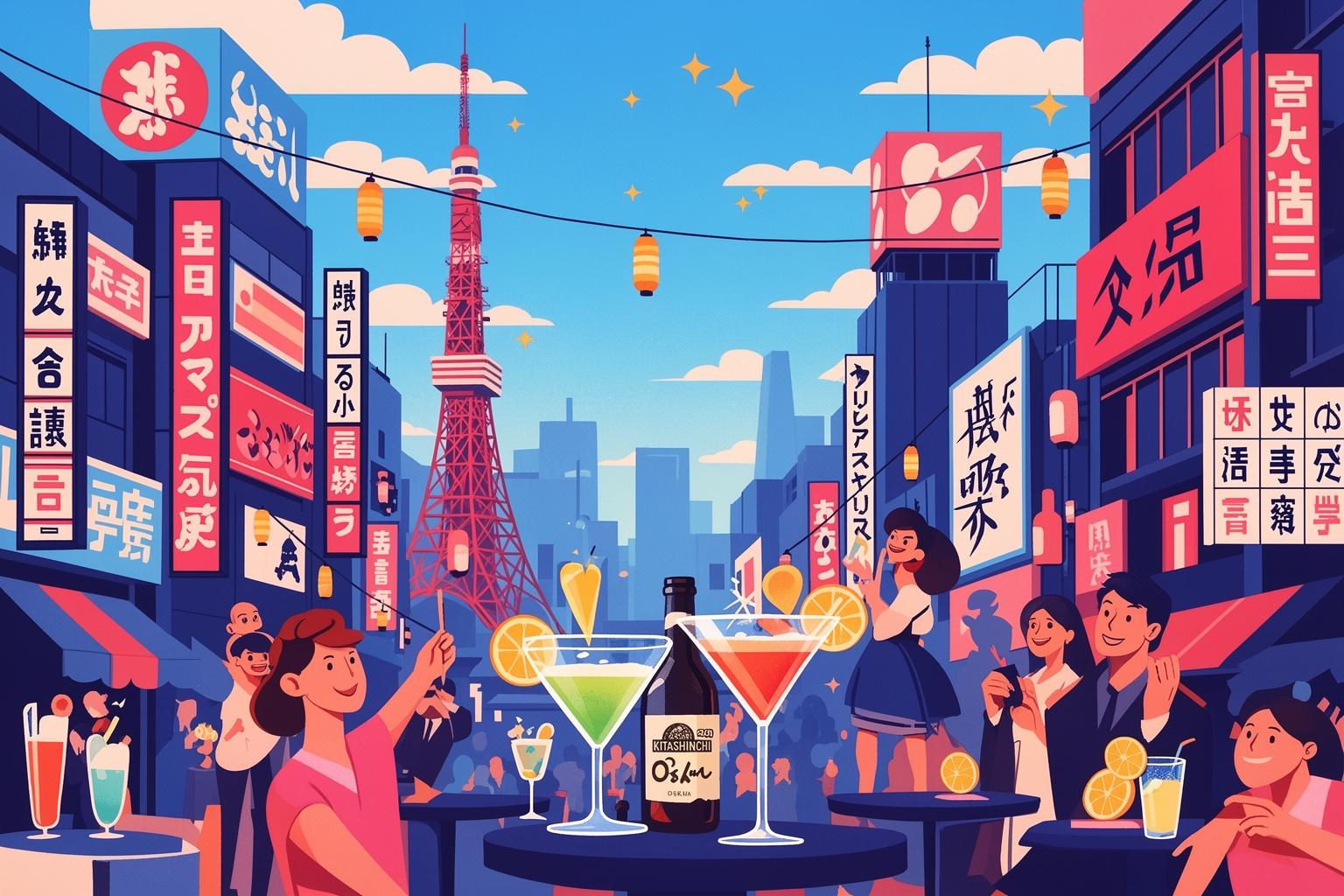
If the high-pressure, high-cost environment of hostess clubs isn’t your preference, Kitashinchi offers an alternative yet equally refined form of nighttime retreat: the world-class cocktail lounge. Japan’s bartending style emphasizes a meditative, almost spiritual quest for perfection rather than speed or flair. This philosophy shines in Kitashinchi’s hidden bars, which are not large pubs but intimate spaces—often seating no more than a dozen people—typically centered around a flawless, monolithic wooden counter. Discovering these spots is part of the charm, as they are seldom found on ground floors, instead tucked away in quiet corners on upper levels of otherwise inconspicuous buildings. A subtle, minimalist sign usually marks their presence.
Inside, you enter a sanctuary of calm. The lighting is dim and warm, the music generally soft jazz or classical, and the focus is entirely on the bartender, a figure of great respect and expertise. Dressed in a crisp white shirt and waistcoat, they move with quiet, deliberate grace. Their tools—shakers, spoons, and knives—are impeccably maintained. The ice isn’t machine-scooped; it’s a crystal-clear block from which perfect spheres or diamonds are hand-carved for each drink. This serves more than aesthetics; the ice’s density and clarity allow it to melt slowly, chilling the drink without watering down its intricate flavors.
Menus are often absent. The proper way to order involves conversing with the bartender. You might specify your preferred spirit—perhaps a Japanese whisky or a craft gin—and describe a desired flavor profile. Terms like “refreshing,” “strong,” “smoky,” or “fruity” provide all the guidance a master bartender needs. Placing your trust in their hands and requesting an omakase cocktail is the highest form of respect, letting them craft a bespoke masterpiece tailored to your taste. They may incorporate seasonal ingredients such as the fragrant zest of yuzu in winter, the delicate sweetness of sakura liqueur in spring, or the bitter complexity of matcha. Watching your drink being made is a performance itself: precise measurements, elegant stirring, theatrical shaking, and the final perfect pour into a delicate, chilled glass. Each sip is a revelation—a perfectly balanced symphony of flavors. Visiting these bars is not about binge drinking; it is about savoring one or two flawless creations in a serene, reflective atmosphere. It is liquid art, and in Kitashinchi, you will find some of its finest artisans.
A Gastronomic Constellation
Kitashinchi’s reputation for luxury extends well beyond its bars. The district is a powerhouse of culinary excellence, home to an impressive concentration of Michelin-starred and highly acclaimed restaurants. It is where Osaka’s epicurean spirit thrives most vibrantly, often behind the most unassuming doors. The dining scene here is closely intertwined with the entertainment world. Many of these exclusive restaurants serve as venues for dohan, the tradition where a client treats his favorite hostess to an extravagant dinner before her club shift begins. As a result, by seven in the evening, the top sushi counters and kaiseki establishments are bustling with a captivating mix of influential businessmen and the beautiful women who will soon entertain them.
For the independent diner, this offers an unparalleled chance to savor the pinnacle of Japanese cuisine, if only they can secure a reservation. Spontaneity is rarely rewarded here; booking weeks or even months ahead is the norm. The variety is extensive and uniformly outstanding. You’ll find tiny, eight-seat sushi bars where a master itamae crafts Edomae-style sushi, each piece a flawless harmony of seasoned rice and impeccably fresh seafood. There are kappo restaurants where diners sit at the counter and watch chefs work culinary magic with seasonal ingredients, creating a dynamic and interactive experience. High-end tempura specialists fry every piece to order, delivering a batter so light and crisp it seems unreal. And naturally, there are the temples of kaiseki, Japan’s haute cuisine, where multi-course meals are presented as artful expressions of the season.
This is not a place for a quick, inexpensive meal. Dining in Kitashinchi is an investment in an experience—a dedication of both time and money. Yet, for the serious food lover, it is a vital pilgrimage. The quality of ingredients, the precision of technique, and the deep commitment to hospitality combine to create a dining experience that transcends simple nourishment and becomes an unforgettable memory. It is the perfect prelude to a refined evening of cocktails and a clear testament to why Osaka rightly claims its title as the kitchen of Japan.
A Practical Compass for Your First Visit

Exploring Kitashinchi for the first time might seem daunting, but with some preparation, it turns into an exciting adventure. The district is conveniently situated just a short walk south of JR Osaka Station and Umeda’s extensive underground network. The most direct way to access it is via Kitashinchi Station on the JR Tozai Line, located directly beneath the main street. Alternatively, Yodoyabashi Station on the Midosuji subway line and Oebashi Station on the Keihan Line are both just a few minutes’ walk across the Dojima River.
Kitashinchi comes alive at night. If you arrive before 6 PM, you’ll find the area quiet and nearly deserted. The real buzz starts around 8 PM, when restaurants are bustling and clubs are gearing up to open. The energy peaks from 10 PM to 1 AM, with the streets staying lively well into the early morning hours.
Budgeting is crucial when planning your visit, as Kitashinchi is arguably the priciest square kilometer in Osaka after dark. In a stylish cocktail lounge, expect a cover (or table) charge of around 1,000 to 2,000 yen, with cocktails costing between 2,000 and 4,000 yen each. Hostess bars have much higher starting prices—a 90-minute “set” at a reputable kyabakura might begin at 25,000 yen. Adding a few hostess drinks, a bottle of whisky, and service fees can easily triple that amount. In an exclusive kurabu, costs can double or triple again. It’s wise to have a clear budget and confirm all charges upfront to avoid any unpleasant surprises.
One final and important tip concerns street touts, known as kyacchi. You will almost certainly encounter men on the main streets trying to entice you into their venues with promises of cheap drinks and attractive women. It’s best to politely but firmly decline. The high-quality, reputable establishments in Kitashinchi do not need to solicit customers on the street; their clientele comes through reputation and word-of-mouth. The venues promoted by touts are almost always lower-quality, often feature hidden fees, and can lead to unpleasant experiences. Your safest bet is to research ahead, have a specific destination in mind, or get recommendations from a trusted source such as a high-end hotel concierge.
The Echoes of the Floating World
Strolling through Kitashinchi is like stepping into a modern version of Japan’s historical karyukai, the “flower and willow world” of geisha and traditional entertainment districts. Though specifics have evolved—the clientele is now corporate executives rather than samurai lords, and the setting is a high-rise instead of a wooden teahouse—the core principles remain remarkably consistent. This culture is founded on impeccable hospitality, the art of conversation, and the creation of a fleeting, flawless world for paying guests. It is a realm where aesthetics, etiquette, and ambiance take precedence.
Omotenashi—the philosophy of hospitality—is the essence of Kitashinchi. It transcends merely offering good service; it is the skill of anticipating a guest’s needs before they themselves recognize them. It’s the bartender noting your posture and providing a cushion, the hostess recalling a casual mention of your favorite music from a previous visit, or the doorman quietly opening a taxi door as you depart. This deeply ingrained cultural value transforms the Kitashinchi experience from a simple transaction into something truly exceptional.
Moreover, these venues fulfill an essential role in the strict, hierarchical world of Japanese business. They act as neutral grounds—lavish, comfortable spaces where senior executives can nurture client relationships in ways that formal boardrooms cannot facilitate. The shared experience of indulgence in a luxurious setting helps dissolve barriers, build trust, and facilitate business dealings. Recognizing this context is vital to understanding that Kitashinchi is not merely about pleasure; it is a crucial, albeit unofficial, component of the Kansai region’s economic engine.
An Invitation to an Unforgettable Night
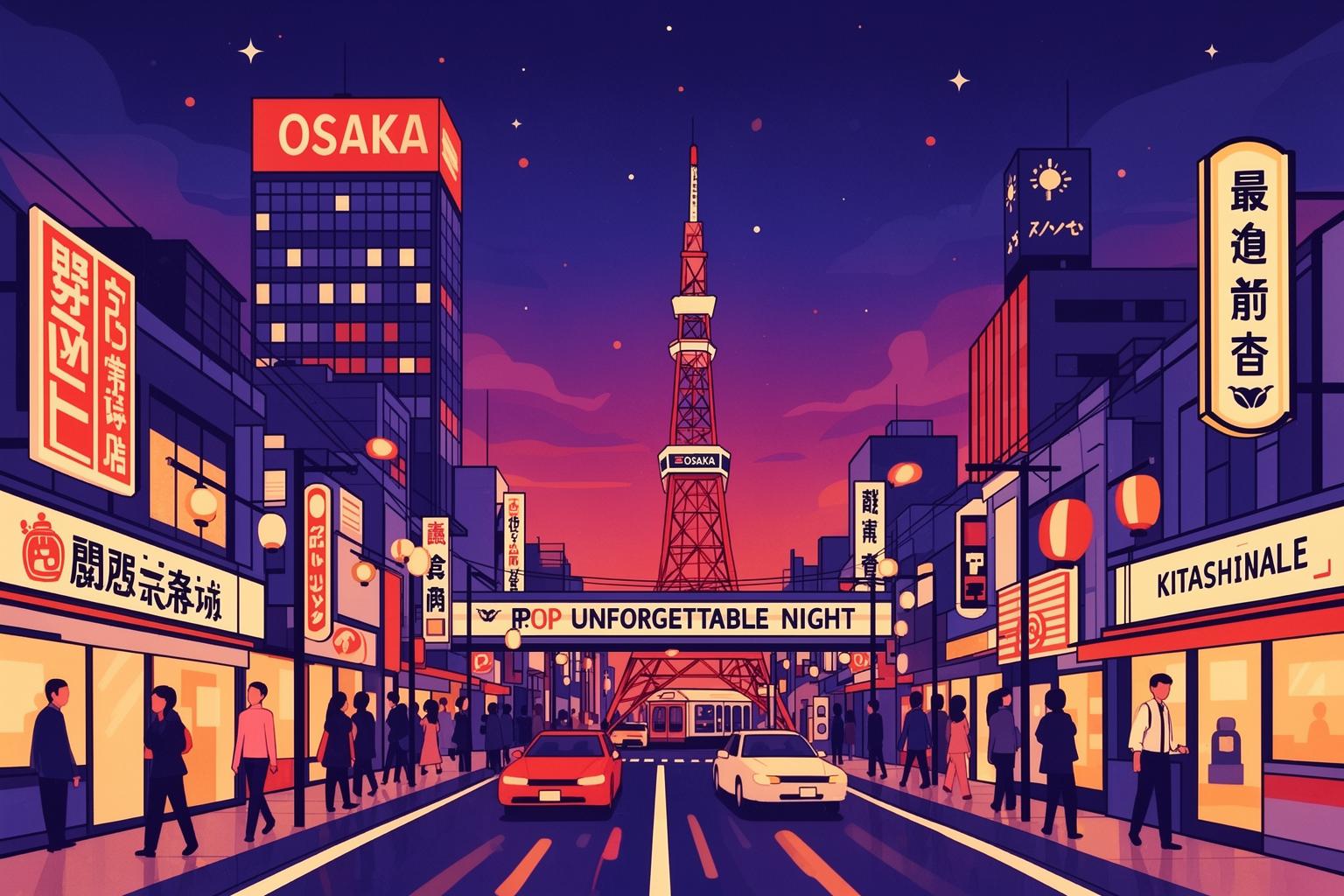
Kitashinchi is a world of contrasts. It is modern yet profoundly traditional, luxurious yet understated, lively yet tranquil. This district commands respect and invites a willingness to engage with a unique set of cultural customs. For the adventurous traveler residing in or visiting Osaka, it provides a rare and privileged window into the upper strata of Japanese society. It presents an opportunity to witness service elevated to its finest form—whether through a master bartender skillfully crafting a perfect sphere of ice or the elegant conversation of a professional hostess. Spending an evening in Kitashinchi means investing in more than just food and drink; it is an investment in an unforgettable experience. It is a journey into Osaka’s sophisticated, pulsating heart after dark, where every detail is perfected, every guest honored, and every moment carefully designed to be memorable. Approach it not as a tourist but as a respectful observer, and you will be rewarded with a night that lingers in your memory long after the final bill is settled and the soft glow of the last lantern fades behind you.