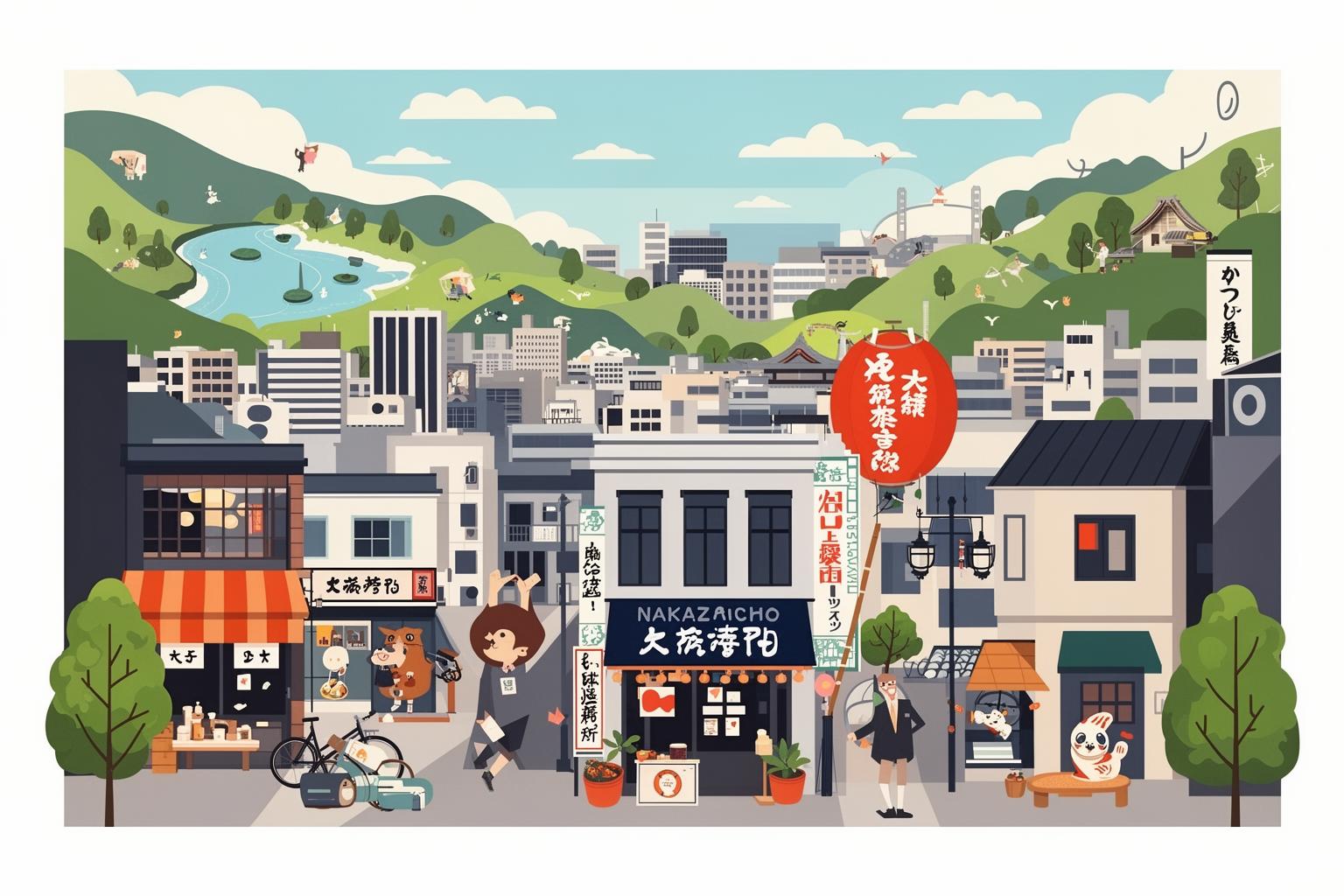
Hello, fellow dreamers and style seekers! It’s Sofia, here to whisk you away on another adventure. Picture this: you’re standing in the heart of Osaka, surrounded by the glittering skyscrapers and electric energy of Umeda. It’s a symphony of modern life, vibrant and thrilling. But what if I told you that just a ten-minute walk away, a secret world exists? A world where time doesn’t just slow down—it rewinds. Welcome, my friends, to Nakazakicho. This isn’t just a neighborhood; it’s a feeling, a living, breathing time capsule that captures the soulful rhythm of Japan’s Showa era. It’s a labyrinth of whisper-thin alleyways, where lovingly restored wooden townhouses, known as nagaya, lean into each other, sharing stories of a bygone age. This is the Osaka that exists between the headlines, a cherished secret for artists, creators, and anyone with a passion for the authentic, the handcrafted, and the beautifully nostalgic. Forget the tourist maps for a moment; this is where you come to truly get lost and, in doing so, find a piece of the city’s true heart. It’s a place where every corner holds a new discovery, a quirky cafe, a one-of-a-kind boutique, or a quiet moment of unexpected beauty. It’s the perfect antidote to the rush of modern life, a place to wander, to sip, to browse, and to simply be. So, take a deep breath, leave the city’s frantic pace behind, and let’s step through the looking glass into the enchanting world of Nakazakicho together.
To fully immerse yourself in its unique atmosphere, consider planning your visit with our guide to Nakazakicho.
The Vibe: A Living Postcard from the Showa Era
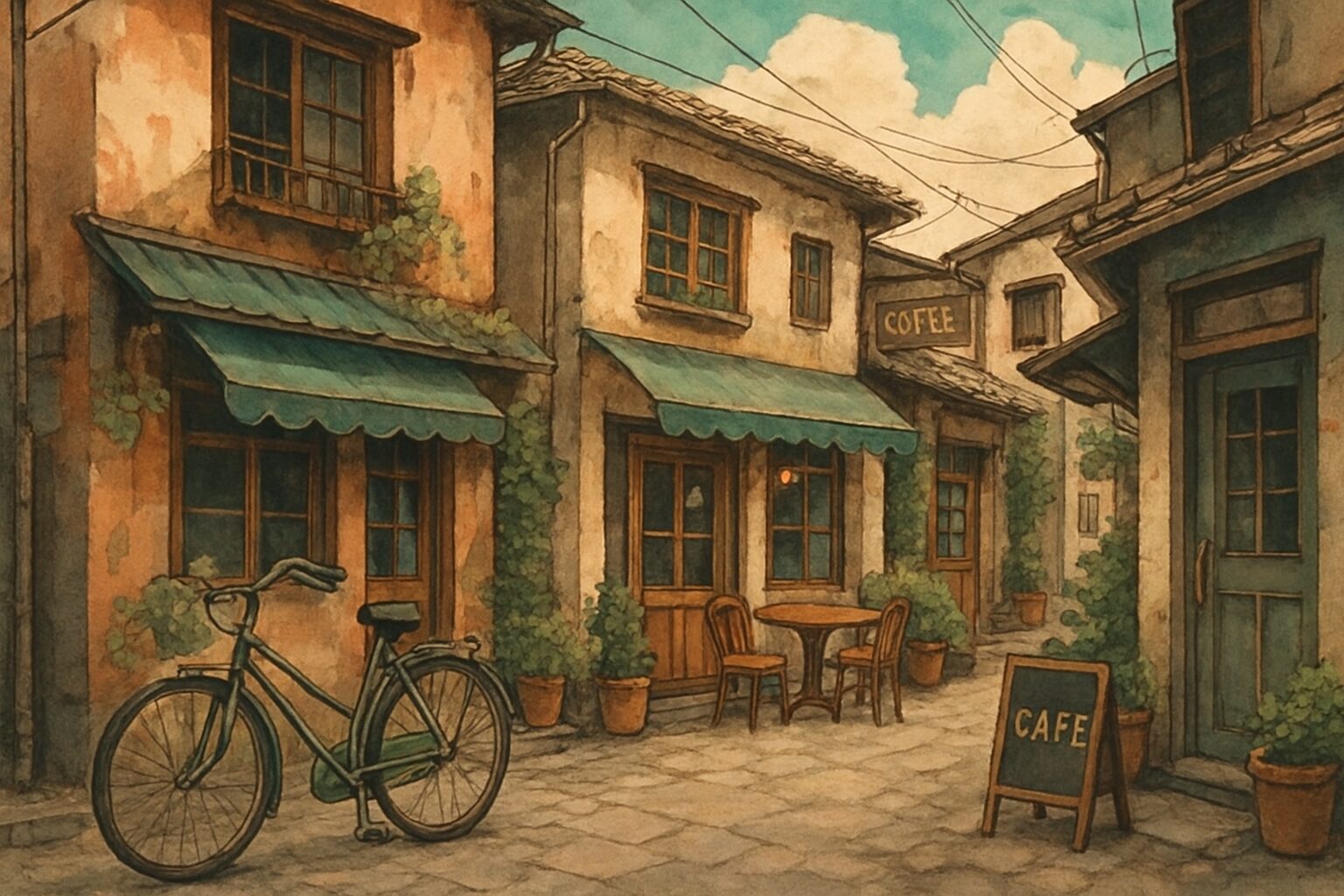
The moment you turn off the main road and step into the first narrow lane of Nakazakicho, the world transforms. The city’s usual soundtrack—the rumble of trains, the chime of crosswalks, the hum of countless conversations—softens into a gentle murmur. Here, the sounds feel more personal: the soft creak of a wooden screen door sliding open, the faint clink of a teaspoon against a porcelain cup, the rustling of leaves from carefully tended potted plants lining the walkways. Even the air has a different quality, heavy with the nostalgic scent of aged timber, freshly brewed coffee, and the subtle sweetness of incense drifting from a hidden temple. This is the essence of Nakazakicho, an atmosphere shaped by its remarkable story of survival. While much of Osaka was destroyed in World War II, this small enclave astonishingly endured, preserving its pre-war architecture and layout. The buildings you see are authentic—they are not replicas. They are nagaya, traditional two-story wooden row houses that once typified city living. Today, a new generation of dreamers has revived these structures, transforming them into cafes, galleries, and boutiques that define the area, all while maintaining their historical charm. Walking here feels less like sightseeing and more like traveling through time. You’ll find yourself instinctively slowing down, your eyes drawn to the beautiful imperfections: the patina on a weathered wooden facade, the charmingly uneven windowpanes, the faded elegance of an old hand-painted sign. It’s a district that rewards curiosity. Every twist and turn in its maze-like alleys promises a new discovery. There’s no grand boulevard or central plaza; the entire neighborhood is the attraction. The joy lies in the journey—in wandering aimlessly and letting your intuition lead you down a path simply because it looks inviting. It’s a deeply human-scaled place, feeling a world apart from the polished concrete and glass of nearby Umeda. It’s a place that feels handmade, lived-in, and utterly, enchantingly real.
The Heart of Nakazakicho: A Symphony of Cafe Culture
If Nakazakicho has a beating heart, it is undoubtedly found in its vibrant and deeply personal cafe scene. This is not a district of global coffee chains or uniform experiences. Each cafe stands as an island, a unique universe shaped by its owner, embodying personal passion, a distinct aesthetic, or a treasured memory. They serve as destinations in their own right—places to find refuge, inspiration, and a truly perfect cup of coffee. Exploring Nakazakicho’s cafes feels like embarking on a treasure hunt, where every discovery offers a moment of pure, unfiltered bliss. The variety is astonishing, yet all share a common thread: a dedication to creating spaces that feel like personal invitations, a home away from home.
The Quintessential Kissaten Experience
First, one must appreciate the artistry of the kissaten. This traditional Japanese coffee house predates the modern cafe, carrying a unique aura of Showa-era elegance and calm. Entering a kissaten in Nakazakicho is like stepping onto a 1960s film set. Interiors are often muted and softly lit, dominated by dark polished wood, plush velvet seats in burgundy or forest green, and the gentle glow of ornate, slightly dusty chandeliers. The atmosphere is suffused with classical music or cool jazz, ideal for quiet reflection or intimate chats. Here, coffee is a ritual. Frequently, you’ll see the master—an experienced artisan who has honed his craft for decades—meticulously preparing your brew with a siphon: a elegant, scientific-looking glass apparatus with gentle flames that yields an exceptionally smooth and fragrant cup. The menu is a nostalgic journey. Forget flat whites and pumpkin spice lattes; here, the highlights are Cream Sodas—jewel-toned melon or strawberry sodas topped with a perfect scoop of vanilla ice cream and a bright red maraschino cherry—pure joy in a tall glass. Then there is the toast. Not just any toast, but atsugiri toast—a gloriously thick slab, impossibly fluffy inside and perfectly golden-brown outside, served simply with melting butter or a dollop of sweet red bean paste. For something heartier, you might find Napolitan spaghetti, a uniquely Japanese comfort dish of soft noodles sautéed with sausage, onions, and green peppers in a sweet ketchup-based sauce. It’s a taste of childhood and simpler days. Visiting a kissaten is more than a caffeine fix; it’s a chance to partake in a cherished cultural tradition and savor a slower, more intentional way of life.
The Artistic and Modern Cafes
Alongside the traditional kissaten is a fresh wave of cafes, established by a younger generation of artists, designers, and coffee aficionados. These spaces occupy the same historic nagaya buildings but reinterpret them with a modern, creative touch. The aesthetic here is often brighter and more minimalist: whitewashed walls displaying local artists’ works, exposed wooden beams highlighting the original structure, and furniture either cleverly upcycled or handcrafted by local artisans. These cafes frequently serve multiple purposes. You might find a space that’s part gallery, part coffee shop, where the artwork changes monthly, or a cozy bookstore cafe offering a curated selection of art books and indie magazines alongside meticulously brewed pour-over coffee. Coffee here is more specialized, with owners passionately sourcing single-origin beans worldwide and providing detailed tasting notes. Latte art soars to extraordinary heights, as baristas transform each cup into a transient masterpiece. These venues are more than places to drink coffee; they are community hubs—a living room for the neighborhood’s creative minds, where illustrators sketch, writers type, and friends gather to share ideas and inspiration. The vibe hums with a quiet, focused energy. It’s the ideal spot to connect with Osaka’s modern creative spirit while soaking in Nakazakicho’s historic charm.
The Sweet Sanctuaries: Dessert Havens
For those with a sweet tooth, Nakazakicho is a genuine paradise. Nestled in its winding alleys are cafes devoted to dessert artistry, creating edible masterpieces as delightful to the eye as to the palate. These are no ordinary cake shops; here, desserts are an experience. The centerpiece is often the seasonal parfait—an elegant tall glass layered with seasonal fruits, house-made ice cream, delicate sponge cake, crunchy granola, and airy whipped cream. In spring, parfaits brim with ruby-red strawberries; in summer, juicy peaches or sweet mangoes take the spotlight; and in autumn, rich chestnut and purple sweet potato flavors rule. The cakes are just as exquisite. Eschewing heavy, oversweet confections, Japanese patisserie emphasizes subtlety and harmony. You’ll find impossibly light strawberry shortcakes, with sponge so fluffy it melts on the tongue, and rich, earthy Mont Blancs, where delicate chestnut purée is piped into fine vermicelli strands. Some cafes reinterpret traditional Japanese sweets, or wagashi, pairing them with specialty teas. Picture a delicate nerikiri sweet shaped like a seasonal flower, served alongside freshly whisked matcha. These sweet sanctuaries are bright, cheerful spaces designed to be both photogenic and welcoming—the perfect setting for celebration, casual afternoons with friends, or a pure moment of sweet indulgence.
A Treasure Hunter’s Dream: Independent Boutiques and Zakka Shops
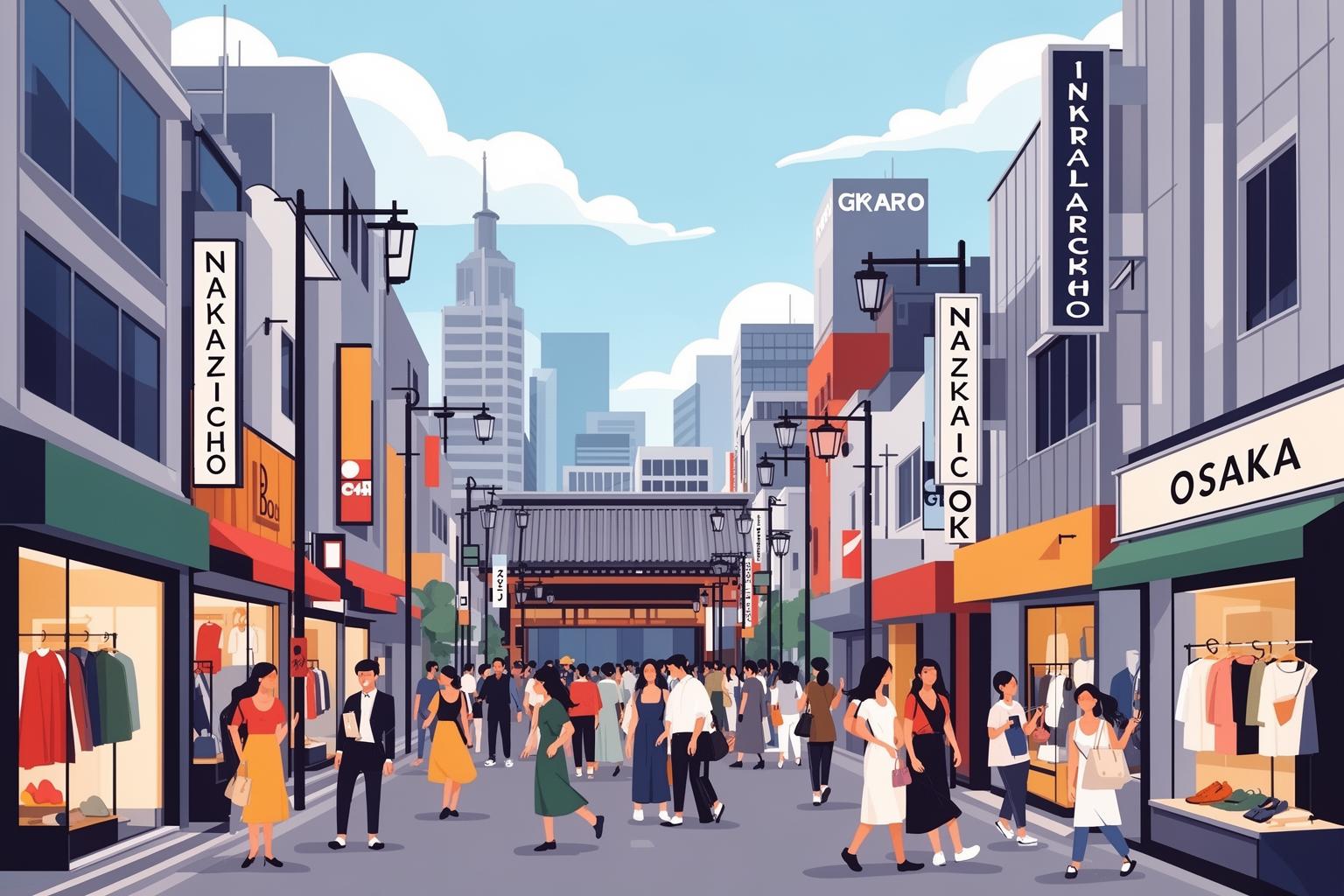
Beyond the charm of its cafes, Nakazakicho is a shopper’s haven, though not in the traditional way. You won’t find high-street brands or shiny department stores here. Instead, the area is packed with small, fiercely independent shops, each reflecting the owner’s distinct taste and enthusiasm. Shopping in Nakazakicho is a journey of discovery—a search for unique items that tell a story. Here, you’ll encounter everything from vintage apparel to handcrafted pottery, each piece carrying a character and soul that mass-produced goods simply lack.
The Appeal of ‘Zakka’
To grasp the shopping culture here, you first need to understand the idea of zakka. While there’s no exact English equivalent, it refers to a variety of small, miscellaneous items that brighten your home and everyday life. But zakka goes beyond mere objects; it’s a philosophy, an art of finding delight and beauty in the ordinary. Nakazakicho is home to outstanding zakka shops, each a carefully curated treasure trove. Within these cozy stores, you’ll discover shelves filled with beautiful, practical items—handcrafted ceramic bowls with unique finishes perfect for your morning rice or yogurt; whimsical stationery like letter sets made from richly textured paper, quirky washi tapes, and elegantly designed notebooks that inspire journaling. You’ll also find artisanal accessories, such as delicate silver jewelry crafted by local designers or hand-dyed linen scarves. Visiting a zakka shop offers a soothing, almost meditative experience, centered on appreciating the finer details: the heft of a ceramic mug in your hand, the texture of a hand-printed tea towel, or the charming illustration on a postcard. These aren’t just souvenirs; they are thoughtfully designed, beautiful objects that you’ll treasure and use for years, each serving as a lovely reminder of your time wandering Nakazakicho’s enchanting streets.
Vintage and Second-Hand Treasures
For those who adore fashion with history, Nakazakicho is a treasure chest. The neighborhood is famed for its outstanding collection of furugi, or second-hand clothing stores. These aren’t your typical thrift shops but carefully curated boutiques, each focusing on a particular style or era. You might come across a store devoted entirely to Showa-era retro fashion, stocked with brightly patterned A-line dresses, peter pan-collared blouses, and chic handbags that look as if they came straight from your grandmother’s wardrobe. Another may specialize in American vintage, featuring perfectly worn denim jackets, classic band tees, and rugged leather boots. There is also a vibrant scene for reworked and upcycled fashion, where imaginative designers transform old garments into fresh, modern pieces. The thrill of shopping for furugi in Nakazakicho lies in the excitement of the find. You never know what you’ll discover: a beautifully embroidered silk kimono jacket, a flawlessly tailored wool coat from the 1970s, or a quirky accessory destined to become your signature piece. A helpful hint for vintage shopping in Japan: be aware that sizing tends to be smaller than what you might expect and always inspect items carefully for wear and tear. But with a little effort, you can uncover genuinely unique pieces that add history and personality to your wardrobe.
The Artisan’s Studio
What truly makes shopping in Nakazakicho special is the direct link to the creators themselves. Many shops double as workshops and studios where artisans craft their goods. It’s a remarkable experience to enter a small leather shop and watch the artisan hand-stitching a wallet, the air rich with the earthy scent of leather. You might chat with a jeweler as she finalizes a delicate silver ring or observe an illustrator screen-printing designs onto t-shirts and tote bags. This close connection to the creative process deepens your appreciation of the items you buy. You’re not merely purchasing an object; you’re acquiring a piece of someone’s passion, skill, and dedication. You hear the story behind the design, learn about the materials, and form a personal bond with the maker. This is a beautifully sustainable and heartfelt way to shop—supporting local artists directly and bringing home something with a genuine story. This personal, creative, and heartfelt spirit is what makes Nakazakicho’s shopping experience truly magical.
Beyond the Shops: The Art of Exploring the Alleys
While the cafes and boutiques are unquestionably the main attractions, the true spirit of Nakazakicho lies in the spaces between them. The real charm is found in the act of exploration itself—in the simple, profound joy of a leisurely stroll, or sanpo, as it’s called in Japanese. The best way to experience this neighborhood is to put your phone away, slip your map into your pocket, and let your curiosity lead the way. Allow yourself to wander down a particularly narrow alley, follow the gentle sound of a wind chime, or see where a cobblestone path might take you. It is in these moments of spontaneous discovery that Nakazakicho truly unveils its secrets.
The Art of the Stroll (Sanpo)
As you meander, take notice of the small details that give the neighborhood its distinctive charm. Observe the army of potted plants each resident seems to nurture, creating tiny gardens that spill surprisingly lushly onto the pavement. Look up to see laundry fluttering gently from second-story balconies—a quaint sign of daily life continuing amid the trendy shops. You might spot a sleepy cat basking in the sun on a warm tiled roof, unconcerned with the bustle below. Tucked in unexpected corners, tiny, nearly hidden shrines offer moments of quiet reflection. The walls tell stories too, with their textures of peeling paint, weathered wood, and occasional bursts of vibrant street art or whimsical murals adorning building sides. The neighborhood’s character also changes dramatically with the seasons. In spring, cherry and plum blossoms peek over ancient walls, their delicate petals carpeting narrow lanes. Summer brings a rich green vibrancy and the steady, hypnotic hum of cicadas, a quintessential Japanese seasonal sound. In autumn, ginkgo and maple leaves turn brilliant gold and crimson, casting a warm glow across the area. Winter brings a calm stillness, with bare tree branches forming intricate silhouettes against the sky, while the warm, inviting light from the cafes seems to shine even more brightly. Embracing the art of sanpo means being present—observing the world around you with wonder and appreciating the small, fleeting moments of beauty.
A Photogenic Paradise
For those who love capturing their travels, Nakazakicho is an absolute dream. It’s a neighborhood that is photogenic in a deeply textural way. Move beyond simple snapshots to capture the feeling of the place. Focus on the interplay of light and shadow as sunlight filters through narrow gaps between buildings, creating dramatic, high-contrast scenes. Get close to capture textures: the grain of an old wooden door, rust on a vintage sign, or the intricate pattern of a cast-iron grate. Here, beauty is often found in wabi-sabi, the Japanese aesthetic that finds charm in imperfection and impermanence. Frame your shots with trailing vines climbing the walls of the nagaya, or use rows of potted plants as natural leading lines. Residents’ bicycles, often vintage models in charming colors, parked against weathered walls, make classic Nakazakicho subjects. However, it’s crucial to be a respectful photographer. Remember, this is a residential area where people live. Avoid pointing your camera directly into private homes or gardens and be mindful of noise. Don’t block narrow pathways for residents moving through the neighborhood. The goal is to capture the neighborhood’s spirit without disrupting its peaceful, authentic rhythm. By being a thoughtful and considerate visitor, you can create beautiful images that truly honor the soul of this special place.
Practical Guide for Your Nakazakicho Adventure
Ready to explore the retro charm of Nakazakicho? A bit of preparation can help make your visit smooth, effortless, and even more enjoyable. Here are some practical tips to help you navigate this captivating neighborhood like a local.
Getting There
One of the great things about Nakazakicho is its excellent accessibility. Although it feels like a world apart, it’s located right next to one of Osaka’s major transportation hubs. The simplest and most direct way to get there is by taking the Osaka Metro Tanimachi Line (the purple line) to Nakazakicho Station. Exit 2 or 4 will lead you straight to the edge of the historic district. Alternatively, if you’re near the Umeda area, it’s an easy and pleasant walk. From Osaka Station or Umeda Station, it takes about 10 to 15 minutes heading east. Just pass the large HEP Five shopping mall with its iconic red Ferris wheel, cross the main road, and soon the atmosphere shifts as you enter Nakazakicho’s quieter streets.
Best Time to Visit
For the best chance to soak in the peaceful ambiance, visit on a weekday afternoon. The alleys tend to be quieter, allowing for a more relaxed experience browsing the shops and cafes. Weekends can get quite busy, especially at popular spots. It’s important to know that, like many small independent businesses in Japan, many shops and cafes in Nakazakicho have irregular hours. It’s common for places to close one or two specific days of the week, often on a Tuesday or Wednesday. If there’s a particular cafe or boutique you want to visit, it’s wise to check their Instagram page or website beforehand to confirm their opening hours. Don’t forget about the evenings, either. As dusk falls, the neighborhood takes on an even more magical feel. Paper lanterns glow outside cafes, casting a warm, inviting light onto the dark alleys, creating a cozy and intimate atmosphere. It’s a perfect time for a quiet dinner or a relaxing drink.
Local Tips for the Savvy Explorer
A few small things can greatly enhance your visit. First and foremost: bring cash. While Japan is becoming more card-friendly, many tiny, family-run spots in Nakazakicho still operate on a cash-only basis. Having enough yen on hand will help you avoid any awkward moments. Second, wear comfortable shoes. You’ll be walking a lot, often on uneven pavement and narrow lanes, so leave your high heels behind. Third, be ready for cozy spaces. The nagaya buildings are charming but traditionally quite small. Shops and cafes can be tiny, so you might have to wait for a table, and it’s best to carry a small bag. Lastly, while some places speak English, don’t expect it everywhere. Learning a few basic Japanese phrases like “Konnichiwa” (Hello), “Arigato gozaimasu” (Thank you), and “Sumimasen” (Excuse me) will be greatly appreciated and will enrich your interactions with the friendly shopkeepers and cafe owners.
A Final Thought from a Fellow Wanderer
In a city continually rushing toward the future, Nakazakicho serves as a beautiful, gentle reminder of the enduring power of the past. It’s more than just a cluster of old buildings; it’s a community founded on creativity, passion, and a deep respect for a slower, more mindful way of life. It stands as proof that the old can be renewed—not by erasing it, but by lovingly building upon it. This neighborhood invites you to slow down, observe closely, and discover the extraordinary within the ordinary. Here, the simple act of sipping coffee or finding a handmade bowl can feel deeply meaningful. So when you visit, I encourage you to embrace its spirit: set aside your checklist, let yourself get wonderfully lost in its maze of alleys, and allow the neighborhood to reveal its charms at its own unhurried pace. Go ahead, get lost, sip slowly, and let Nakazakicho whisper its stylish, old-world secrets to you. I promise it’s an experience your heart will carry long after you’ve left its enchanting streets.