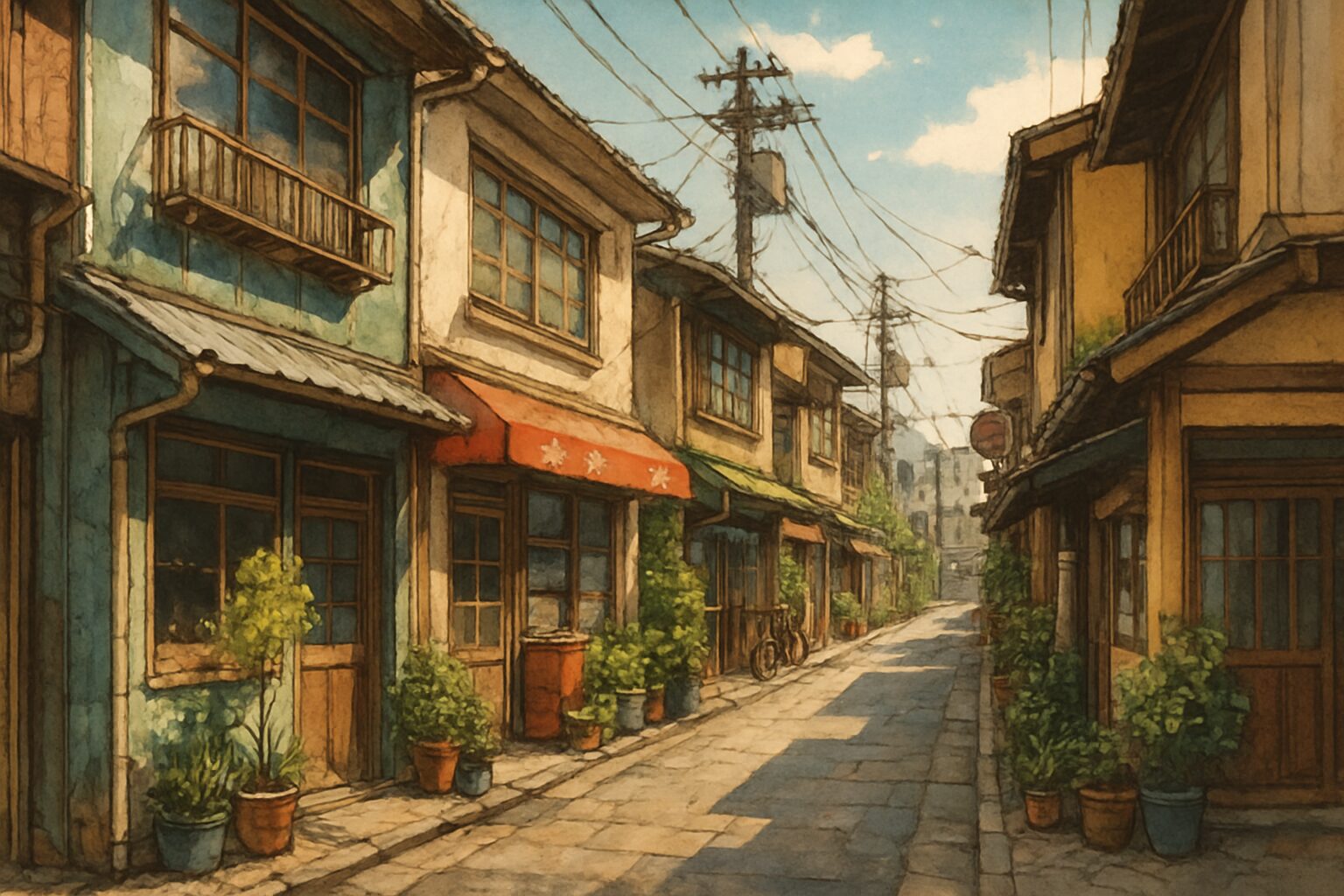
Step off the train at Umeda, and you’re immediately swept into Osaka’s thrumming, futuristic heart. Towers of glass and steel pierce the sky, rivers of people flow through subterranean malls, and a symphony of commerce plays out on a grand scale. It’s electric, it’s vibrant, it’s quintessentially modern Japan. But take a ten-minute walk northeast, and the symphony abruptly changes its tune. The scale shrinks, the tempo slows, and the air itself seems to grow thick with nostalgia. You’ve just crossed an invisible threshold into Nakazakicho, a neighborhood that feels less like a district and more like a beautifully preserved memory. This is Osaka’s creative soul, a labyrinth of narrow alleyways where time hasn’t stood still but has chosen to meander, to linger, to seep into the dark-timbered walls of Showa-era buildings. For the writer, the designer, the artist, or any digital nomad weary of sterile coworking spaces, Nakazakicho isn’t just a destination; it’s a sanctuary. It’s a place where the clatter of a keyboard can find harmony with the slow drip of a siphon coffee maker, where inspiration isn’t sought but rather absorbed from the very fabric of the streets. This is where the past provides the perfect, textured backdrop for creating the future, one cup of carefully brewed coffee at a time. It’s a living, breathing anachronism, a pocket of the city that miraculously evaded the sweeping post-war reconstruction, leaving a tangled, intimate network of homes and shops that now serve as a canvas for a new generation of dreamers. The area offers a profound sense of discovery; every turn reveals something new—a hidden gallery, a vintage kimono shop, or the welcoming glow of a tiny café, its windows fogged with warmth and stories. This guide is your key to unlocking its most work-friendly, soul-stirring retro cafes, the quiet corners where you can plug in your laptop and unplug from the frantic pace of the 21st century.
For a different flavor of Osaka’s preserved Showa-era charm, consider exploring the gritty nightlife of nearby Juso.
The Heartbeat of Nostalgia: Salon de AManTo天人
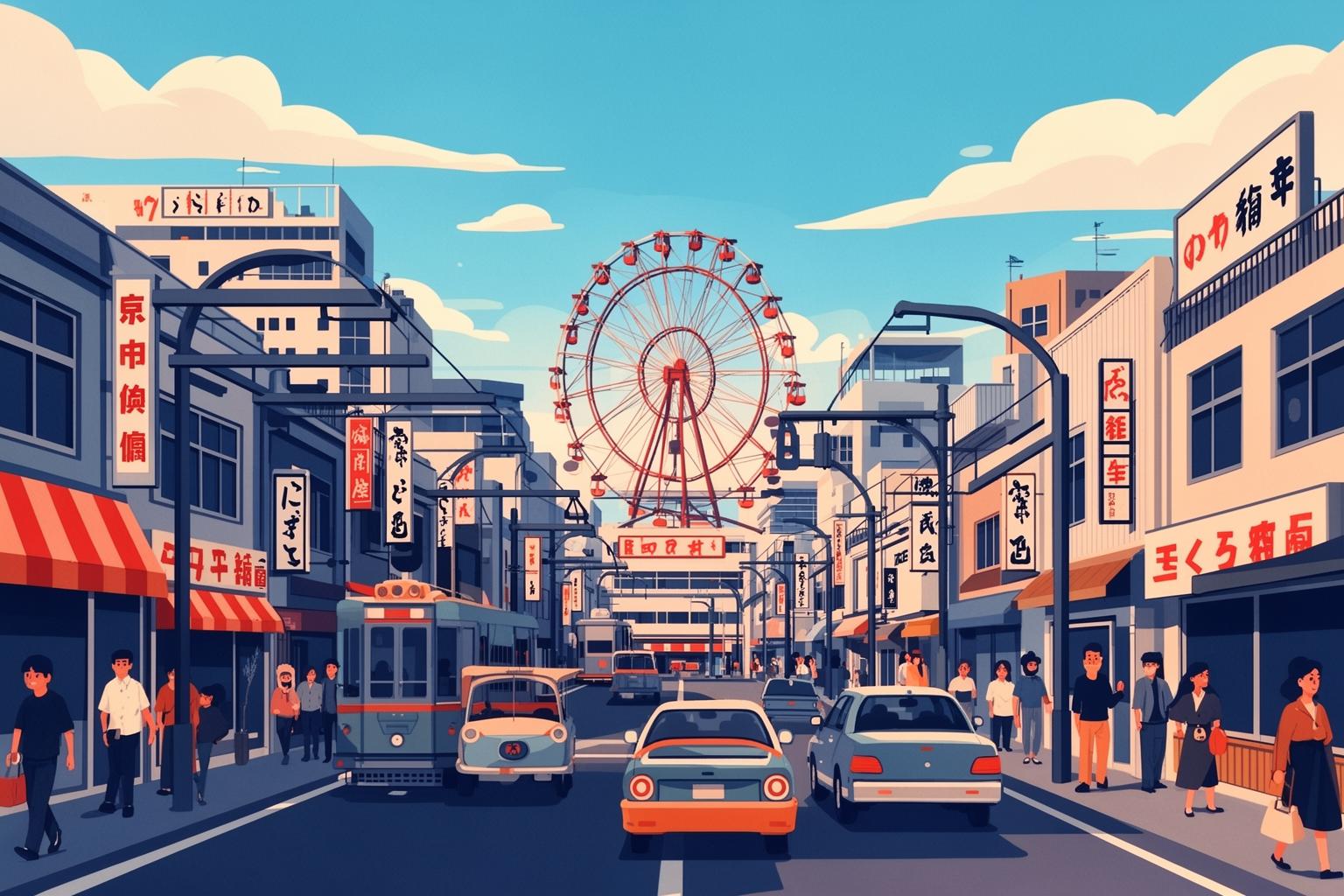
To talk about Nakazakicho cafes is to start with Salon de AManTo. It’s more than just a coffee shop; it serves as the neighborhood’s living room, community hub, and spiritual anchor. Finding it is part of the charm. There’s no large sign or modern storefront; instead, you’ll seek out a beautifully weathered wooden building, cloaked in ivy, seeming to have grown naturally from the ground. AManTo is actually a collective of several small buildings linked by rickety staircases and hidden passageways, each housing a different concept—a cafe, a gallery, a shop. The main cafe space feels like stepping into your grandmother’s home, if she were a bohemian artist who collected pre-war furniture. The light is always dim, filtering through stained-glass lamps and dusty windows, casting a warm amber glow on mismatched wooden tables and chairs. The air carries the scent of old wood, earthy coffee, and home-cooked curry. This is not a place of sleek efficiency. Service is relaxed, the Wi-Fi can be unpredictable, and power outlets are rare treasures. So why is it a creative haven? Because it forgoes modern convenience for something far more valuable: atmosphere. The gentle murmur of conversation, the creak of the floorboards, the sight of local artists sketching in notebooks—all create a deep sense of peace and belonging. The environment encourages you to slow down and let your thoughts unfurl at their own pace. It’s the ideal spot for analog work—journaling, sketching, mind-mapping a new project—or for focused digital work when you don’t need constant connectivity. Their organic coffee is dark, robust, and served in beautiful handcrafted pottery. Lunch sets, often featuring hearty vegetable curry or simple pasta, are soulful and satisfying. Finding a seat can be challenging, especially on weekends, but once you do, you’ll feel an unspoken invitation to stay. You’re not just a customer here; you become a temporary resident in Nakazakicho’s creative heart. The very architecture of AManTo tells a story of adaptation and resilience. These interconnected buildings, once standalone homes, were saved from demolition and repurposed by a community of artists. This history is tangible in every corner. You might find yourself sitting next to a vintage sewing machine, beneath a shelf of worn Japanese novels, or beside a window overlooking a small, verdant courtyard. This sensory richness acts as a powerful antidote to creative block. It’s impossible to sit here without sensing the flow of stories, past and present, all around you. For first-time visitors, my advice is to embrace the labyrinthine nature of the place. Don’t just linger in the main room. Explore the upstairs galleries, peek into the small shops, and you might discover your perfect corner—a quiet spot that seems made just for you. This is the essence of AManTo: not a standardized experience, but a personal discovery. Within that discovery lies its magic for the creative mind, offering a sanctuary that feels both timeless and deeply inspiring. It’s the place to begin your Nakazakicho journey and one you’ll find yourself returning to repeatedly, drawn by its magnetic, unpretentious charm.
The Kissaten Classic: Utena Kissaten
If Salon de AManTo is the sprawling, bohemian heart of the neighborhood, then Utena Kissaten is its quiet, contemplative soul. This is a kissaten in the most authentic sense—a traditional Japanese coffee house serving as a sanctuary from the outside world. The experience begins even before stepping inside. Nestled on a side street, its entrance is unassuming, marked by a simple sign and a curtain-draped door that promises privacy. Opening it feels like parting a veil between centuries. Inside, Utena Kissaten exemplifies Showa-era elegance. The interior is softly lit by ornate, period-specific lamps. Dark, polished wood panels line the space, and the air is rich with the sacred aroma of coffee and a faint hint of tobacco—a nostalgic scent familiar in classic kissaten. Velvet-upholstered chairs and small, intimate tables are arranged to encourage privacy and quiet reflection. The silence here is intentional, a welcome feature. It’s a comfortable, reverent hush, broken only by the gentle clink of porcelain, the rustle of a newspaper, and the soft hiss of a coffee siphon. This is an ideal environment for deep work. The unspoken rule is one of quiet respect—loud groups or chattering tourists are absent here. The clientele is mostly locals: older gentlemen reading the morning paper, writers, or academics lost in thought. For a creative professional facing a deadline, Utena Kissaten is paradise. There are no distractions, only a gentle, rhythmic atmosphere conducive to intense focus. The owner, a master of his craft, moves with quiet, deliberate grace behind the counter. Watching him prepare coffee with a siphon is a mesmerizing performance. The bubbling water, careful stirring, and precise final pour—each step underscores the cafe’s commitment to a slower, more mindful way of life. The menu is simple and classic. Their house blend coffee is exceptional—smooth, complex, and served in exquisite, often gilded, cups and saucers. Another must-try is the cream soda, a quintessential kissaten treat. Served in a tall, elegant glass filled with shimmering melon-green soda, it’s topped with a scoop of vanilla ice cream floating like an iceberg and crowned with a bright red maraschino cherry. It’s a sip of pure childhood nostalgia. While Wi-Fi may not be the main draw and outlets are limited, the power of the atmosphere makes Utena an excellent workspace. It compels focus on the task at hand. This is the kind of place where words flow effortlessly for hours, fueled by the potent mix of superb coffee and profound tranquility. A small tip for visitors: cherish the silence. Speak softly, avoid loud phone calls, and simply let yourself sink into the peaceful ambiance. Utena Kissaten offers more than just a table and a cup of coffee; it provides a rare and precious commodity in today’s world: a space for uninterrupted thought. It’s a time machine disguised as a cafe, transporting you to an era where craftsmanship and quiet dignity were paramount—making it an invaluable haven for any creative seeking to disconnect from noise and reconnect with their work on a deeper level.
The Art of the Brew: Understanding Kissaten Culture
To truly appreciate a place like Utena Kissaten, one must grasp the cultural significance of the kissaten itself. These establishments are not Japan’s answer to Starbucks. They emerged in the early 20th century as gathering spots for intellectuals, artists, and writers to exchange ideas and listen to Western classical music, which was rare at the time. They were hubs of cultural exchange and quiet rebellion—places where one could linger for hours over a single, masterfully brewed cup of coffee. The coffee itself often took center stage, with many kissaten masters dedicating their lives to perfecting techniques such as nel drip (flannel drip) or the theatrical siphon method. This devotion to craft is central to kissaten culture. It’s about the process, not just the product. The master’s precise movements, specialized equipment, and careful bean selection all contribute to an experience as much about ritual as caffeine. Unlike modern cafes focused on speed and turnover, the kissaten champions slowing down. Dim lighting, comfortable yet formal seating, and often classical or jazz music create an immersive, womb-like atmosphere that shelters patrons from city chaos. For a creative mind, this is incredibly powerful. The kissaten offers a structured, serene space that inherently honors concentration. In an age of constant notifications and digital distractions, the traditional kissaten proposes something radical: a place where focus is the default. It stands as a testament to a culture that values patience, quality, and the quiet pursuit of passion—making these nostalgic cafes the unsung heroes of Japan’s creative world.
The Sun-Drenched Hideaway: Picco Latte
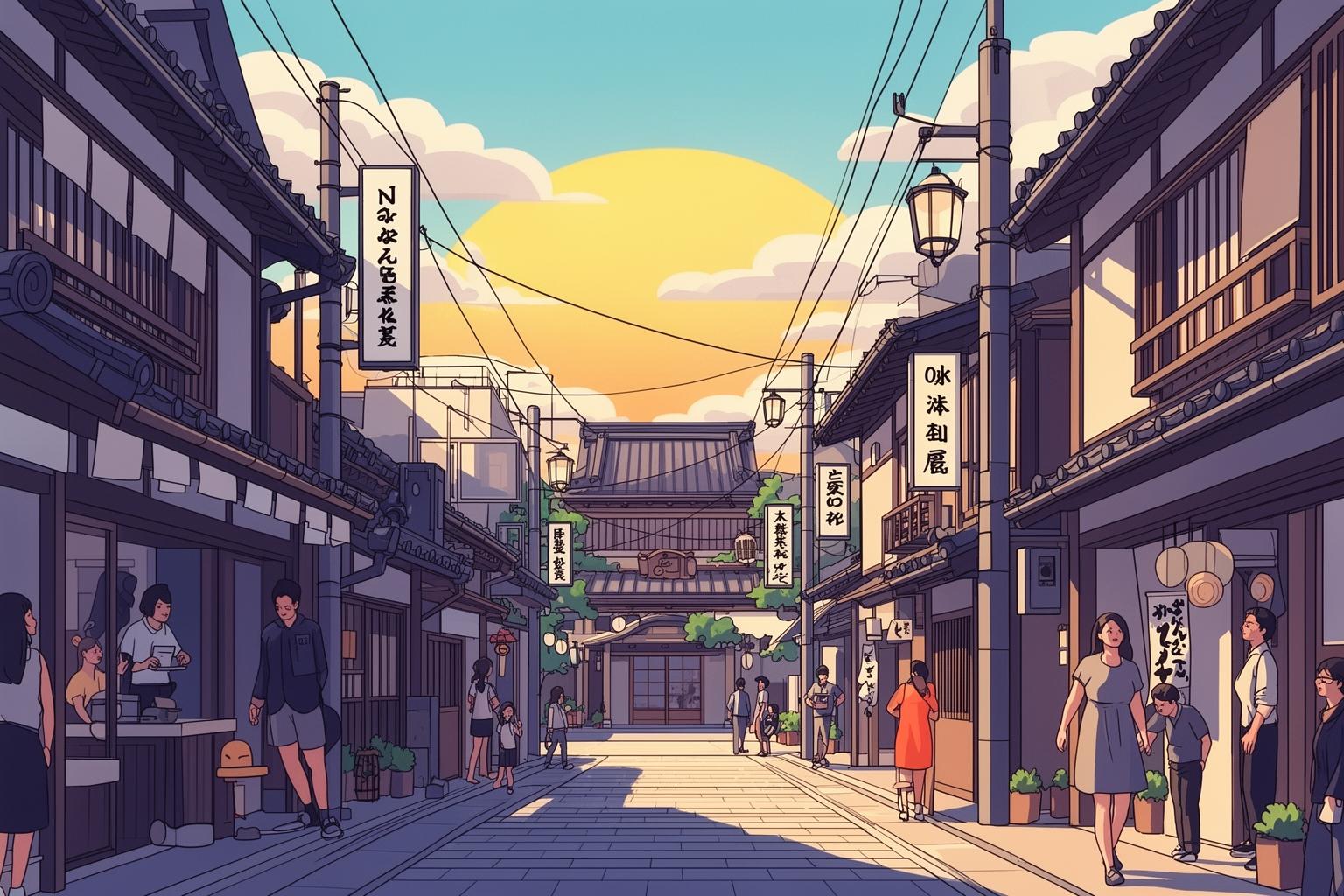
While Nakazakicho is known for its dimly lit, Showa-era dens, the neighborhood also features brighter, more contemporary takes on the retro aesthetic. Picco Latte exemplifies this beautiful blend. Housed in a renovated traditional Japanese home, it embraces light where others favor shadows. The owners have artfully preserved the building’s original character—the exposed wooden beams, the delicate window lattice—while creating a bright, airy, and slightly whimsical atmosphere. Large windows flood the space with natural sunlight, highlighting the white-washed walls and an eclectic assortment of vintage-inspired furniture. Rather than feeling like a dark, smoky kissaten, it resembles a secret garden café, a cheerful refuge from the urban rush. This makes it an ideal workspace for creatives energized by light and an upbeat vibe. The ambiance is relaxed and friendly, with a gentle hum of conversation that inspires rather than distracts. You’ll often find young designers sketching on tablets, writers typing on laptops, and friends catching up over colorful lattes. Unlike more traditional venues, Picco Latte is well-equipped for the modern worker. Wi-Fi is generally dependable, and arriving early improves your chances of securing a seat near a power outlet. The tables, while charmingly vintage, are usually larger and better suited to spreading out laptops and notebooks. The menu is where Picco Latte truly shines, showcasing its modern sensibility. Alongside excellent traditional coffee, they’re known for creative and highly Instagrammable specialty lattes—think sweet potato in autumn, sakura in spring, or vibrant matcha topped with delicate foam art. These aren’t mere gimmicks; they are delicious, thoughtfully crafted drinks that add a burst of color and fun to your workday. A tempting selection of homemade cakes and pastries is also on offer at the counter. A slice of fluffy chiffon cake or a rich, decadent chocolate tart makes for perfect sustenance during long work sessions. The staff are warm and inviting, fostering a strong sense of community. It’s the kind of place where you can easily strike up a conversation with the person at the next table about their art or latest project. This fusion of classic architecture and bright, modern energy makes Picco Latte a versatile and inspiring workspace—ideal for brainstorming, collaboration, or those days when a cheerful boost is just what your creativity needs. First-time visitors should try to grab a window seat, where you can watch Nakazakicho’s quiet alleys go by while staying connected to the neighborhood’s charm without sacrificing light or amenities. Picco Latte shows that ‘retro’ doesn’t have to mean ‘dark,’ offering a sunny, optimistic space where vintage charm and modern creativity coexist harmoniously. It’s a refreshing addition to the neighborhood café scene and a must-visit for any creative seeking a beautiful, functional place to work.
The Soul of the Streets: Exploring Nakazakicho’s Labyrinth
To truly grasp the allure of working in Nakazakicho, you need to look beyond the cafes and immerse yourself in the streets themselves. The neighborhood serves as a living museum, showcasing the beauty of imperfection and the stories embedded within weathered wood and peeling paint. Taking a break from your screen here isn’t a mere distraction; it’s an essential part of the creative process. Step outside the cafe and into the roji, the narrow alleyways that serve as the district’s circulatory system. These paths are too narrow for cars, creating a pedestrian paradise where life moves to the rhythm of footsteps. As you wander, you’ll observe the unique architectural landscape. Nakazakicho is one of the few areas in central Osaka to have survived the extensive bombing raids of World War II. Consequently, it retains a dense collection of pre-war and post-war wooden houses known as nagaya. These long, two-story row houses, adorned with tiled roofs and intricate wooden lattices (koshi), once housed merchants and artisans. Today, many have been carefully restored and transformed, yet their original character remains intact. The air is perfumed with the scent of damp earth from potted plants lining the alleys, the sweet fragrance of incense drifting from a small temple, and the savory aroma of dashi from a tucked-away udon shop. The sounds are equally evocative: the distant rumble of trains from the JR Loop Line, the cheerful chatter of playing children, and the metallic click of a shopkeeper raising a shutter. These sensory details form the raw material of creativity. A stroll through Nakazakicho is a journey through a gallery of textures. Run your hand along the charred cedar planks (yakisugi) of an old house, a traditional Japanese method for preserving wood. Notice the intricate patterns of vintage tiles embedded in storefronts or the smooth, cool surface of a stone Jizo statue adorned with a small, hand-knitted red bib. These elements anchor you in the present moment and ignite new ideas. The labyrinthine streets invite aimless wandering. Put away your map and let curiosity lead you. You might discover a tiny art gallery in a converted garage showcasing a local painter’s work, find a shop selling exquisite handmade leather goods with the artisan at workbench in plain view, or stumble upon a second-hand bookstore, its shelves brimming with treasures and the air heavy with the scent of aging paper. These independent, passion-driven enterprises are the lifeblood of Nakazakicho. Unlike the chain stores in Umeda, each shop here tells a unique story and boasts a distinct personality. Engaging with these spaces, talking to the owners, and appreciating their craft is an intensely enriching experience. This exploration isn’t just a break; it’s a form of active meditation. It clears the mind, awakens the senses, and replenishes your creative well. When you return to your laptop in the cafe, you’ll feel refreshed and inspired, your perspective shifted, your mind alive with the quiet, resilient, and profoundly human energy of Nakazakicho’s streets.
The Artisans’ Enclave: Beyond the Cafes
Nakazakicho’s creative spirit reaches far beyond its coffee shops. The neighborhood thrives as an ecosystem of artisans, designers, and curators. Spending time exploring these spaces is essential for anyone seeking to tap into the area’s unique energy. Scattered throughout the alleys are numerous vintage clothing stores, each with carefully curated collections. Shops like Elulu by JAM and Pigsty offer explorations through fashion history, from 1950s American workwear to 1970s bohemian dresses. The passion of the shop owners shines through in the quality and presentation of their garments. For a writer, these clothes serve as character studies hanging on a rack; for a designer, they are a library of patterns, fabrics, and silhouettes. Then there are the zakka shops. Zakka is a Japanese term meaning miscellaneous goods, but it also embodies a philosophy of finding beauty and joy in everyday objects. These stores are treasure troves filled with handcrafted ceramics, unique stationery, delicate jewelry, and quirky home decor. IRODORI is a prime example—a tiny shop showcasing the work of local artists. Visiting these shops isn’t just about consumption; it’s an appreciation of the skill and creativity of individual makers. Art galleries form another vital part of the neighborhood. Often intimate and unpretentious, spaces like Gallery IYN or Bodaiju Cafe— which doubles as an exhibition venue—offer platforms for emerging local artists, providing a glimpse into Osaka’s contemporary art scene. You might catch a photography exhibition one week and a whimsical illustration show the next. These encounters with visual art offer a powerful spark of inspiration, presenting new color palettes, compositions, and narrative ideas. Engaging with this ecosystem is both easy and rewarding. Many shop owners are creators themselves and are usually eager to share their stories. This direct connection between maker and consumer is increasingly rare in today’s globalized world and is a cornerstone of Nakazakicho’s charm. By spending your breaks and your money within this local creative economy, you aren’t just a visitor—you are an active part of and supporter of the culture that makes the neighborhood so special. It’s a symbiotic relationship: you draw inspiration from the artisans, and your patronage empowers them to continue their craft, ensuring Nakazakicho remains a vibrant and authentic sanctuary for creativity.
A Creative’s Rhythm: Structuring Your Day in Nakazakicho

To fully embrace Nakazakicho as a mobile office, it helps to view your day as a story, a rhythm that aligns with the neighborhood’s distinctive pace. This isn’t the place for a strict 9-to-5 routine, but rather a fluid balance between concentrated work and mindful discovery.
Morning: The Quiet Start (9:00 AM – 12:00 PM)
Arrive early, before the weekend crowds flood in. The morning light in Nakazakicho is gentle, filtering through narrow alleys and casting elongated shadows. This is the calmest part of the day, ideal for deep, focused work. Your destination might be a traditional spot like Utena Kissaten. Settle in with a siphon coffee and tackle your most demanding task. The respectful silence of the kissaten fosters a flow state, letting you write, code, or strategize uninterrupted. The coffee ritual itself—the careful preparation and elegant presentation—sets a tone of intention and craftsmanship that carries into your work. Use these first hours to handle the heavy lifting, fueled by strong coffee and a serene, scholarly ambiance. Distractions are absent here; only gentle motivation to do your best.
Midday: The Culinary Interlude (12:00 PM – 1:30 PM)
When your concentration begins to flag, it’s time for a lunch break. Resist the temptation to grab a quick sandwich at your desk. Instead, close your laptop and dive back into the maze of streets. Nakazakicho’s food scene is as charming and unassuming as its cafes. You might stumble on a tiny curry shop like Jinen Curry, serving rich, spicy, soul-warming Japanese curry from a small counter. Or discover a family-run soba restaurant, with handmade noodles and a broth perfected over decades. For something lighter, seek out a small bakery or a spot selling onigiri. This midday pause is vital—a chance to stretch your legs, rest your eyes, and connect with a different facet of local life. The act of finding and savoring a simple, well-crafted meal is itself a form of creative nourishment.
Afternoon: The Inspiration Hunt (1:30 PM – 4:00 PM)
Post-lunch is prime time for your inspiration quest. Shops and galleries are open, and the neighborhood hums with gentle activity. Shift your base to a brighter, more social café like Picco Latte. Order a specialty latte and a slice of cake. This is ideal for lighter tasks—answering emails, doing research, or brainstorming. When you encounter a block, close your laptop and step outside for a 20-minute micro-exploration. Browse a vintage store, admire pottery in a zakka shop, or spend a few minutes in a quiet gallery. Let the colors, textures, and stories of the area wash over you. This active kind of procrastination is highly productive; it staves off burnout and often sparks unexpected insights. You might spot a color mix on a vintage kimono that solves a design issue or overhear a fragment of conversation that inspires a line of dialogue.
Late Afternoon to Evening: The Wind-Down (4:00 PM onwards)
As afternoon light turns golden, it’s time to conclude the day’s main work. You might return to the cozy embrace of a spot like Salon de AManTo. The late afternoon atmosphere is warm and communal, perfect for reflective work like editing what you’ve written or planning tomorrow. As evening falls, Nakazakicho reveals a more intimate side. Lanterns light up outside small izakayas and the aroma of grilled food fills the air. Your workday can seamlessly shift into a relaxing evening. Close your laptop for good and enjoy a simple dinner at the café, or pack up and visit a nearby standing bar or craft beer pub for a well-earned drink. This rhythm—a cycle of deep focus, culinary delight, active inspiration, and gentle closure—lets you be highly productive while fully experiencing Nakazakicho’s unique charm. It’s a work style that nourishes the soul as much as it fills the timesheet.
Practical Navigation for the Urban Explorer
Navigating Nakazakicho is more about the right mindset than relying solely on maps, but a few practical tips can help make your creative retreat as smooth and productive as possible.
Getting There
One of the neighborhood’s biggest advantages is its close proximity to Osaka’s main transport hub. The most straightforward way is via the Osaka Metro Tanimachi Line to Nakazakicho Station. Exiting from gate 2 or 4 places you right in the midst of the alleyways. Alternatively, it’s a surprisingly short 10 to 15-minute walk from Hankyu Umeda Station, JR Osaka Station, and the main Umeda subway stations. This walk is an excellent transition, moving you from the ultra-modern cityscape to Nakazakicho’s low-rise, village-like charm within just a few blocks. The contrast is striking and beautiful, setting the perfect tone for your day.
Best Times to Visit
For the most productive working environment, weekdays are ideal. The cafes tend to be quieter, the streets less busy, and you can fully embrace the area’s peaceful, residential atmosphere. You’ll find yourself working alongside locals and regulars, which adds to the sense of authenticity. Weekends, particularly Saturday and Sunday afternoons, draw many visitors—both tourists and locals out for the day. The vibe becomes lively and bustling. While this energy can be inspiring, it’s less suited to focused, deep work. If you need to work on a weekend, arriving early in the morning is best to secure a good spot before the crowds appear. Also, keep in mind that many smaller independent shops and cafes have irregular hours. It’s common for places to be closed on certain days like Tuesday or Wednesday, or to open only around noon. Don’t rely on Google Maps for hours—if there’s a specific spot you want to visit, checking their social media for the latest updates is advisable.
What to Bring
- Cash: Although Japan is gradually adopting cashless payments, Nakazakicho is still largely traditional. Many small independent cafes, shops, and eateries only accept cash. Bring enough yen to cover your coffee, meals, and any small purchases.
- Portable Power Bank: Power outlets can be rare and highly valued in these older buildings. While some cafes provide them, don’t count on it. Keep your laptop fully charged and carry a portable power bank. This also lets you pick the best seat for ambiance rather than just power access.
- Comfortable Shoes: Expect to do a lot of walking, often on uneven pavement and through narrow lanes. Comfortable footwear is essential if you want to explore the area properly during breaks.
- An Open Mind: Above all, come willing to get lost. The magic of Nakazakicho is in the unexpected discoveries made when you abandon your planned path. Let the alleys lead you. Turn a corner simply because it looks intriguing. You’ll be richly rewarded.
Cafe Etiquette
While the cafes are welcoming, it’s important to be a respectful guest, especially if you plan to stay for a long stretch. It’s generally expected to order at least one item per person every couple of hours. If you’re staying through lunchtime, ordering something to eat in addition to your drink is a considerate gesture. Keep your belongings confined to your space and be mindful of your volume. In quieter spots like Utena Kissaten, taking phone calls indoors is a major faux pas—step outside for that. Saying a simple ‘gochisosama deshita’ (thank you for the meal) to the staff when you leave is always appreciated. By being considerate, you help maintain the warm, welcoming atmosphere that makes these cafes so special for all visitors.
A Final Thought
Nakazakicho is more than merely a collection of quaint cafes and vintage shops. It serves as a powerful reminder that in a world fixated on speed, demolition, and constant novelty, there is significant value in preservation, slowness, and the stories told by old buildings. For the creative spirit, it provides a rare and essential workspace—one that inspires not through sleek design or networking events, but through authenticity, texture, and a strong sense of place. This neighborhood invites you to be an active participant, not just a bystander. The ideal cafe for you may not be one listed here; it could be a small, unnamed spot you stumble upon yourself—a place with the perfect window seat, the kindest owner, and a quiet atmosphere that aligns with the rhythm of your thoughts. So come to Nakazakicho. Bring your laptop, your notebook, and your deadlines. But most of all, come with curiosity. Let the neighborhood’s gentle, nostalgic flow guide you, and you will discover not only a great place to work but also a place that may inspire your best work yet.