Step away from the neon-drenched canyons of Umeda, just a ten-minute walk but a world away in spirit, and you will find yourself at the entrance to a waking dream. This is Nakazakicho, a district that time, in its relentless march, seems to have respectfully bypassed. Here, the frantic pulse of modern Osaka softens to a gentle, rhythmic heartbeat, echoing from a bygone era. The air itself feels different—thicker with the scent of roasted coffee, damp earth, and old wood. This is not a manufactured tourist attraction; it is a living, breathing neighborhood, a labyrinth of narrow alleyways where the soul of mid-century Japan still lingers, lovingly preserved and creatively reimagined. Nakazakicho’s importance lies in its authenticity. It is one of the very few areas in central Osaka that miraculously survived the widespread destruction of World War II, leaving its pre-war layout and architecture intact. This fragile preservation has, in recent decades, become the canvas for a new generation. Artists, artisans, and dreamers have trickled into these old wooden houses, converting them into a vibrant ecosystem of independent art galleries, quirky vintage shops, and, most famously, nostalgic Showa-era retro cafes. To wander through Nakazakicho is to engage in a form of urban archaeology, uncovering layers of history not in a museum, but in the quiet ambiance of a coffee shop, the texture of a handmade ceramic bowl, or the faded elegance of a building that has stood for nearly a century. It is a testament to the enduring power of community and the quiet beauty of the imperfect, the handmade, and the well-loved. This is where you come to lose yourself, to slow down, and to discover the creative heart of Osaka beating softly, insistently, in the shadows of its futuristic skyline.
To further explore the unique culinary experiences that have blossomed in this creative enclave, discover the vegan delights hidden within Nakazakicho’s retro alleys.
The Echoes of History: A Neighborhood Spared by Fire

To truly appreciate the charm of Nakazakicho, one must first grasp its history, or more precisely, its remarkable preservation. Osaka, a major industrial and commercial center, was heavily targeted by Allied bombing raids during World War II. Large portions of the city were destroyed, and in the post-war boom, what remained was swiftly rebuilt in the efficient, concrete-driven style typical of modern Japan. Nakazakicho, however, nestled just northeast of the main railway hub, was spared the worst of the destruction. This unique fact forms the foundation of its entire identity. The buildings here are not replicas; they are authentic: two-story wooden `machiya` (townhouses) and `nagaya` (row houses) featuring tiled roofs, latticed windows, and walls of dark, weathered timber. These were the homes of merchants and artisans, built closely together in a tight-knit community layout that predates the age of the automobile. Walking these streets offers a tangible history lesson. You can sense the decades in the slight sag of a roofline, the smooth, worn texture of a wooden doorframe, and the intricate patterns of the original windowpanes. The post-war years saw Japan undergo a dramatic transformation, highlighted by the economic miracle and cultural shifts of the Showa Era (1926-1989). While the rest of Osaka hurried toward the future, Nakazakicho remained a quiet residential enclave, its architecture serving as a tangible link to both pre-war and mid-century past. This very resistance to change, this state of suspended animation, is what attracted the artists and entrepreneurs who began moving in during the late 1990s and early 2000s. They saw not decay, but character; not obsolescence, but a unique canvas. They did not demolish the old structures; instead, they preserved facades while gutting interiors, converting former homes into galleries and storefronts, infusing the historic framework with a contemporary creative spirit. This gentle, respectful approach to urban renewal defines Nakazakicho. It is a conversation between past and present—a place where history is not only remembered but actively lived and reinterpreted every day.
The Art of Slowing Down: Inside the Showa Kissaten
The essence of the Nakazakicho experience lies in its renowned retro cafes, known in Japan as `kissaten`. These are far from the bright, minimalist, Wi-Fi-equipped coffee shops typical of the global third-wave movement. A `kissaten` is an institution—a sanctuary devoted to the ritual of coffee and the art of lingering. Entering one feels like crossing a threshold in time. The outside world, with its noise and haste, fades away. You find yourself wrapped in a cocoon of dark wood paneling, surrounded by walls decorated with vintage movie posters or oil paintings, and bathed in the soft glow of Tiffany-style stained-glass lamps. The seating is plush, often covered in well-worn velvet or cracked leather, inviting you to settle in and stay awhile. The air is thick with the rich, intoxicating scent of dark-roast coffee, sometimes brewed with the theatrical elegance of a glass siphon, its bubbling chambers a captivating piece of scientific art. The soundtrack here is seldom modern. Instead, you might hear the warm crackle of a vinyl record playing jazz standards or the reflective melodies of a classical symphony. The silence between songs is just as meaningful, punctuated only by the clink of a ceramic cup on its saucer or the soft turning of a newspaper page. This atmosphere is carefully crafted to encourage contemplation and unhurried conversation. It is a space made for escape. The menu at a traditional `kissaten` offers a culinary journey back to the Showa era. Coffee takes center stage, often a house blend perfected over decades, served black or with a small pitcher of fresh cream. Beyond coffee, iconic drinks evoke childhood nostalgia for many Japanese. The Melon Soda Float is a prime example: a strikingly vibrant green soda topped with a perfect scoop of vanilla ice cream and a maraschino cherry. It’s a sweet, fizzy, and irresistibly cheerful treat. For a light meal, selections are simple yet deeply comforting. The `Tamago Sando`, an egg salad sandwich made with fluffy, crustless `shokupan` (Japanese milk bread), is a textural and flavorful delight. Thick-cut `atsu-giri` toast, toasted golden and served with a pat of melting butter, is another classic. For something more filling, there’s the ubiquitous `Napolitan` spaghetti—a uniquely Japanese-Western dish featuring soft spaghetti pan-fried with sausage, onions, bell peppers, and a sweet, tangy tomato ketchup-based sauce. It defines Showa-era comfort food. In Nakazakicho, each `kissaten` carries its own distinct personality, shaped by the passions of its owner, or ‘Master.’ One might be a sanctuary for book lovers, with floor-to-ceiling shelves burdened with classic literature. Another might celebrate a specific musician, its walls a shrine to memorabilia. Some are so tiny they seat only a handful of guests, creating an intimate, almost club-like vibe. Visiting these cafes is more than just a caffeine fix; it’s a cultural ritual. It’s about finding a quiet nook, ordering something simple and delicious, and indulging in the rare luxury of simply doing nothing. It is the perfect antidote to the sensory overload of modern travel.
The Curator’s Touch: Discovering Independent Galleries and Zakka Shops
Beyond the charm of its coffee culture, Nakazakicho is a genuine arts district—a sprawling, decentralized gallery of creativity. The same low-rise, historic buildings that house the cafes also offer intimate and affordable spaces for artists and craftspeople to present their work. This is the opposite of the large, imposing museum experience. Here, art is accessible, personal, and woven into the very fabric of the neighborhood. You might stumble upon a photography exhibition in what was once a bedroom on the second floor of a `nagaya`, its sliding paper screens serving as a backdrop for stark black-and-white prints. Around the corner, a small, brightly lit space may showcase the whimsical ceramic sculptures of a rising local artist. Another building might host a pop-up gallery for a textile designer, with hand-dyed fabrics hanging like banners from old wooden beams. The joy of exploring Nakazakicho’s art scene is found in this sense of discovery. There are no grand entrances or ticket counters. Art reveals itself unexpectedly as you wander down the alleys. A flash of color in a window, a curious sculpture in a tiny garden, an open door leading to a room filled with vibrant paintings—these are the breadcrumbs guiding you through this creative maze. The galleries are as diverse as the artists they represent. Some focus on contemporary painting and illustration, while others specialize in traditional crafts such as printmaking or calligraphy. Many of these spaces are artist-run, giving you the chance to meet the creators behind the works, offering rare and invaluable insight into their process and vision. Complementing the galleries is a delightful range of `zakka` shops. The term `zakka` is a wonderfully broad Japanese concept that refers to miscellaneous goods and sundries—anything that enhances your home and life. In Nakazakicho, though, it conveys something more: a celebration of the unique, the handmade, and the thoughtfully designed. These shops are treasure troves of beautiful and useful objects. You’ll discover handcrafted leather goods, delicate silver jewelry, one-of-a-kind pottery, quirky stationery, and carefully curated vintage clothing. Each item feels personal, selected with an eye for quality and originality. Often artisans themselves, shop owners imbue their stores with their own creative worlds. Shopping here isn’t a passive act of consumption; it’s an act of appreciation. You’re not just buying a product but acquiring a piece of someone’s passion and skill. It’s a deeply fulfilling experience and the perfect way to find a meaningful souvenir that tells a story—a small fragment of Nakazakicho’s artistic soul to bring home with you.
A Guide to Getting Lost: How to Experience Nakazakicho
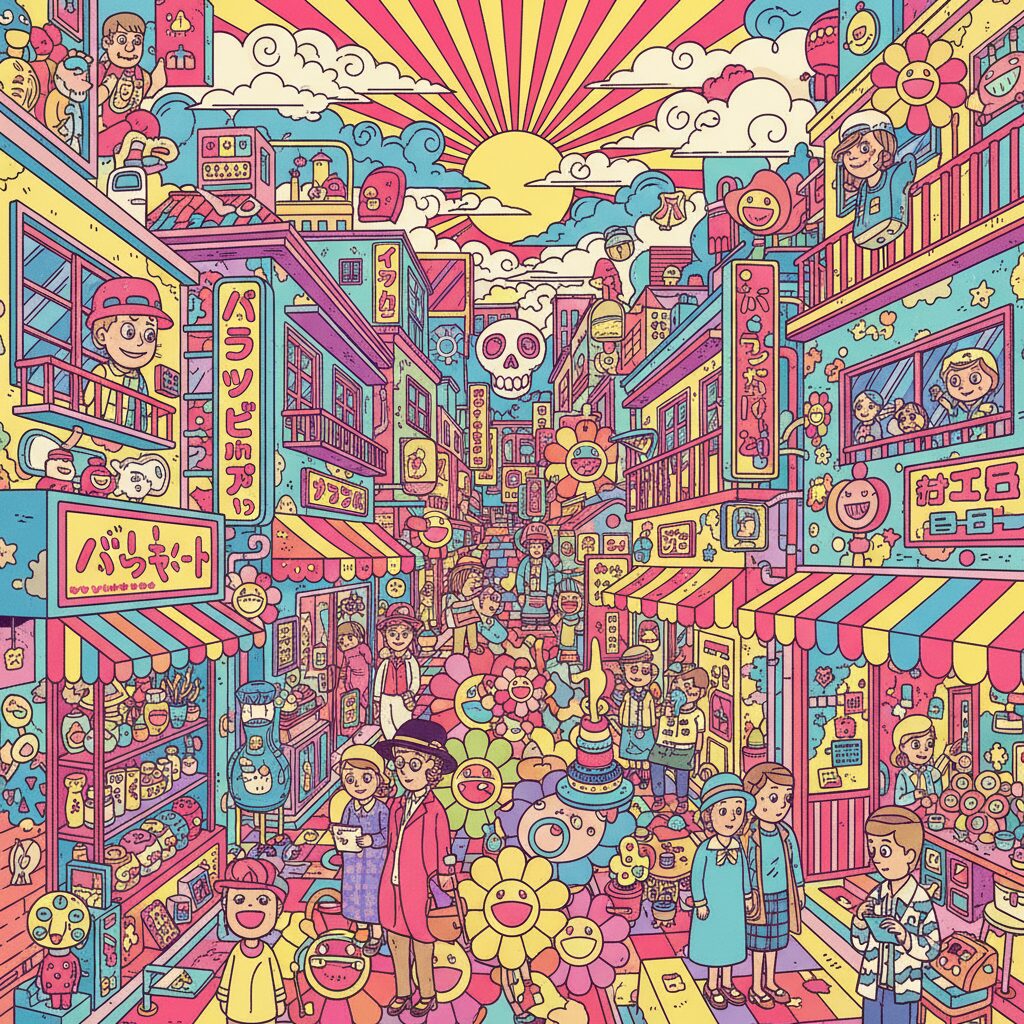
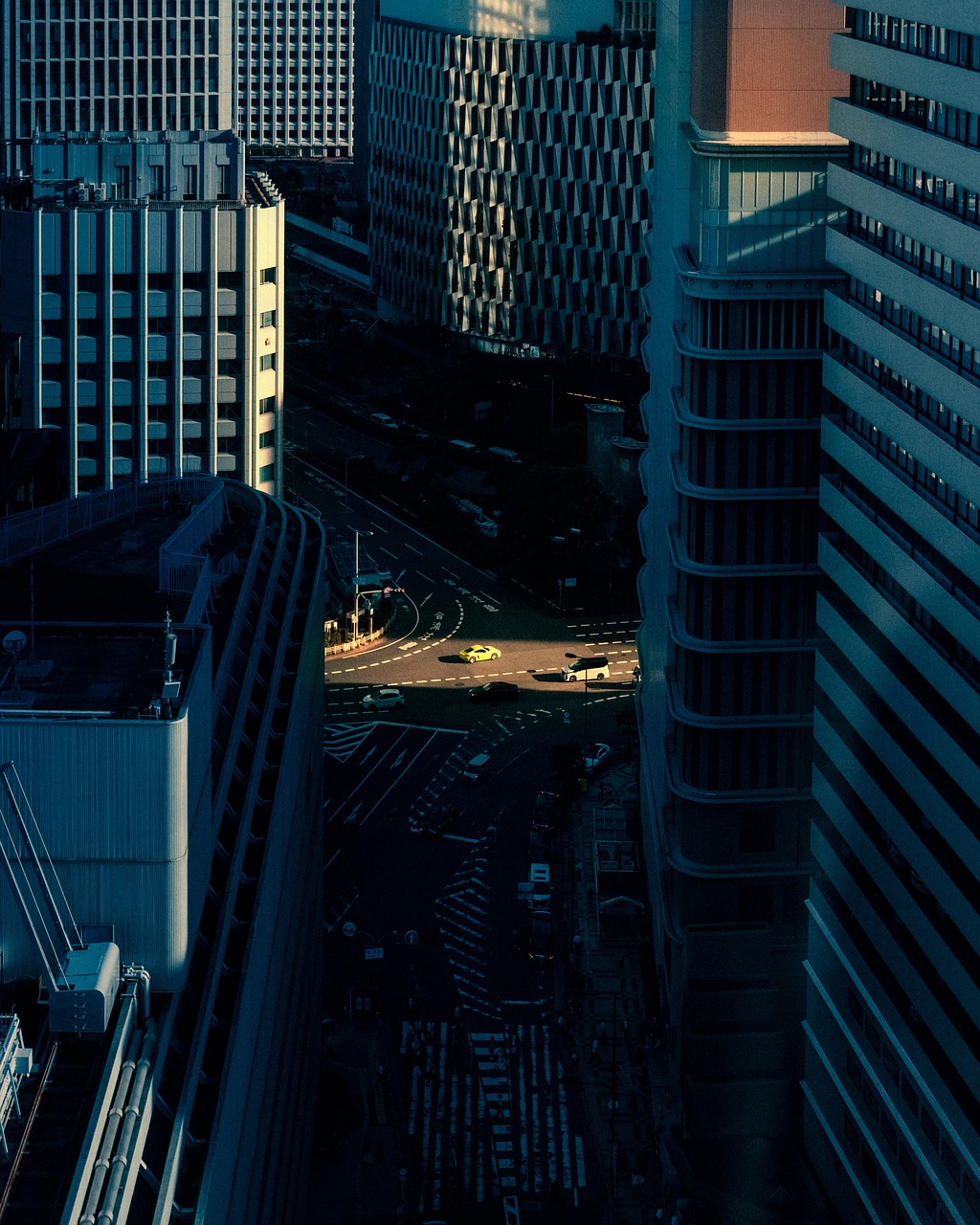
The best advice for any visitor to Nakazakicho is straightforward: forget the map. This neighborhood rewards aimless wandering. Its charm lies not in specific destinations but in the journey between them. The maze-like network of alleys invites serendipity. Every corner reveals something new: a beautifully overgrown vine climbing a wooden wall, a line of colorful potted plants tended by a local, or a hand-painted sign for a shop tucked away from the main path. Begin your exploration at Nakazakicho Station on the Tanimachi subway line, placing you right in the heart of the district. Alternatively, a pleasant walk from the bustling hubs of Umeda or Osaka Station transitions you from steel and glass to wood and tile within minutes. As you roam, engage all your senses. Listen for the distant rumble of the train line skirting the neighborhood, a sound that has accompanied daily life here for generations. Notice how light filters through narrow gaps between buildings, casting dramatic patterns of shadow and sun. Inhale the blended scents of coffee, incense from a small temple, and flowers from window boxes. While the main cluster of shops and cafes is east of the station, don’t hesitate to venture further. The quieter residential alleys offer an equally fascinating, unfiltered glimpse into a traditional Osaka neighborhood. Look for small details that reveal a lived-in community: bicycles leaning against walls, laundry drying on second-floor balconies, a sleeping cat curled on a warm patch of pavement. A great way to structure your day is by “hopping” between spots. Don’t limit yourself to one cafe—have coffee at one, wander a bit, then stop for cake or an ice cream float at another. This lets you soak in the unique ambiance of several places. Similarly, pop into any gallery or shop that catches your eye, even briefly. There’s no pressure to buy; the joy lies in seeing and discovering. For photographers, Nakazakicho is a paradise. The textures, light, and blend of old and new offer endless inspiration. The area’s aesthetic is especially striking during the late afternoon golden hour, when the setting sun casts long shadows and bathes wooden facades in a warm, nostalgic glow. However, it’s important to be mindful and respectful. This is a residential neighborhood, not a film set. Avoid loud conversations, don’t block pathways, and never photograph residents without their explicit consent. Nakazakicho’s beauty lies in its tranquil, authentic atmosphere, and visitors have a responsibility to help preserve it.
Practical Tips for the Thoughtful Traveler
To fully enjoy this enchanting part of Osaka, a bit of preparation and cultural awareness goes a long way. First and foremost, wear comfortable walking shoes. Nakazakicho’s charm is best discovered on foot, and you’ll cover more ground than expected as you explore its winding lanes. Many streets are uneven, and wandering here is meant to be a leisurely activity. The opening hours of shops and cafes are often as quirky as the neighborhood itself. Many are small, owner-operated businesses, which might open late in the morning or early afternoon and close one or two days during the week—commonly Mondays, Tuesdays, or Wednesdays. It’s wise to have a few places in mind but remain flexible. If you’re set on a particular cafe or gallery, a quick look at their social media can provide the most current information on hours. While Japan is becoming more card-friendly, in a neighborhood of small, independent shops like Nakazakicho, cash is still preferred. Many cafes and boutiques may not accept credit cards, so carry enough Japanese yen to cover purchases, from a coffee to a unique handmade souvenir. Etiquette is essential for a pleasant visit and respectful interaction. When entering a small shop or gallery, a quiet greeting like `Konnichiwa` (hello) is always welcomed. Handle items with care during browsing, as many are one-of-a-kind artworks, not mass-produced goods. When leaving, a simple `Arigato gozaimasu` (thank you very much) leaves a good impression. Most importantly, remember you are a guest in someone’s home. The beautiful old houses lining the alleys are private residences. Be mindful of noise, avoid peeking into windows, and resist stepping onto private property for better photos. The peaceful coexistence of residents and visitors is what makes Nakazakicho special. By being a considerate and mindful traveler, you help preserve the very atmosphere you came to enjoy.
An Invitation to Wander
Nakazakicho is more than merely a spot on the map; it is a feeling. It is the quiet joy of uncovering a hidden cafe, the excitement of discovering a piece of art that resonates with you, the simple comfort of a warm cup of coffee in a space that feels like a forgotten memory. In a city as vibrant and forward-thinking as Osaka, this neighborhood acts as a crucial link to the past. It reminds us that progress doesn’t have to mean erasure, and that there is deep beauty in things that are old, slow, and crafted by hand. It stands as a strong counterpoint to the uniformity of globalized culture, celebrating the local, the independent, and the deeply personal. Visiting here offers a chance to reset your internal clock, trading the hectic pace of modern life for a more reflective rhythm. It’s an invitation to wander aimlessly, to observe more closely, and to appreciate the small, quiet moments that often get drowned out by noise. Whether you are a history lover, a coffee aficionado, an art enthusiast, or simply a curious traveler seeking a different side of Japan, Nakazakicho provides a rich and fulfilling experience. So, leave your itinerary behind, follow your curiosity down a narrow, unnamed alley, and discover what timeless treasures await. Within the gentle, creative spirit of Nakazakicho, you may find a piece of Osaka that stays with you long after you’ve returned to the well-trodden path.