
Just a single breath away from the electric pulse and towering steel canyons of Umeda, there lies a world that time seems to have forgotten. It’s a place where the city’s frantic rhythm softens to a gentle hum, where narrow alleyways twist and turn like shy streams, and where the ghosts of a bygone era whisper from the wooden lattices of preserved post-war homes. This is Nakazakicho, Osaka’s hidden bohemian heart, a living, breathing museum of Showa-era Japan. It’s a neighborhood that stubbornly resisted the relentless march of modernity, and in doing so, cultivated a soul that is both profoundly old and refreshingly new. But beyond its vintage shops and miniature art galleries, a quiet revolution is taking root. Woven into its nostalgic fabric is an unexpectedly vibrant and forward-thinking vegan food scene. Here, in the shadows of rustic tiled roofs and amidst the fragrance of blooming hydrangeas, compassionate cuisine finds its most enchanting home. This is not just a guide to finding plant-based food; it is an invitation to get lost, to wander through a labyrinth of history, creativity, and flavor, and to discover how the gentle spirit of Osaka’s past is nourishing its future, one delicious, vegan meal at a time. Come, let’s step off the main road and into the quiet magic of the alleys.
While exploring the nostalgic lanes of Nakazakicho, you’re also perfectly positioned to dive into the vibrant world of Osaka’s iconic takoyaki just a short distance away in the Tenma district.
The Soul of Nakazakicho: Where Time Bends and Creativity Blooms

To truly grasp the essence of Nakazakicho, you must first understand what it is not. It is not polished, not grand, and certainly not designed for efficiency. Rather, it is a delicate ecosystem of memory and creation. Walking here is a deeply sensory experience. Your feet navigate slightly uneven stone paths, smoothed by decades of footsteps. The air carries a rich blend of damp earth after light rain, roasting coffee beans from a hidden kissaten, and a faint, sweet incense scent drifting from a tiny, unnamed shrine nestled between two houses. This neighborhood invites you to slow down, look closer, and notice the small details that compose its quiet, grand narrative.
A Living Museum of Post-War Japan
Nakazakicho’s story is one of survival. While much of Osaka was destroyed in World War II air raids, this small area by the railway lines was miraculously spared. As a result, it stands as one of the few places in the city where you can still wander through a pre-modern streetscape. The buildings are mainly nagaya—long wooden row houses typical of urban living in a past era. These are not pristine historical relics behind ropes; they are lived-in, worked-in, and cherished structures. History is visible in the grain of the dark, weathered wood facades, the intricate handcrafted metalwork on window grates, and the gentle sag of tiled roofs that have sheltered generations. Many homes have been lovingly restored, not to erase their age but to honor it. Sliding shoji screens that once opened to family life now reveal curated collections of vintage clothing, a spinning potter’s wheel, or the warm glow of a small café. This preservation reflects a conscious community choice—a collective resistance to the lucrative temptations of redevelopment that have overtaken much of urban Japan. It affirms that history and character hold value far beyond land price.
The Artistic Pulse of the Alleys
This preserved environment has grown into fertile ground for a thriving artistic community. Low rents and a distinctive atmosphere have long drawn dreamers, creators, and artisans who have transformed these old spaces into vibrant creative hubs. An unassuming door may lead you into a gallery no larger than a living room, its walls adorned with avant-garde photography or whimsical local illustrations. Around another corner, a former two-story residence now hosts a boutique filled with hand-stitched leather bags, their scent mingling with the building’s aged wood. Shops specialize in everything from antique kimonos, whose silks tell stories of forgotten festivals, to eccentric handmade jewelry crafted from found objects. Residents and shopkeepers act as curators of this living gallery, fostering an unpretentious, collaborative spirit. A barista might recommend a nearby exhibit; a gallery owner could direct you to their favorite vintage denim shop. It feels less like a commercial district and more like a sprawling open-air artist collective. Fashion on the streets is a spectacle itself—a blend of carefully curated vintage pieces, bold independent designer wear, and traditional Japanese garments with a modern twist. Here, self-expression is the shared language, and the entire neighborhood becomes a canvas.
The Plant-Based Renaissance in Retro Spaces
It might seem paradoxical that one of Osaka’s oldest neighborhoods has become a haven for one of its most modern dietary movements. Yet when you spend time in Nakazakicho, the connection feels completely natural. Both the Showa-era aesthetic and the vegan philosophy share mindfulness, a respect for simplicity, and a profound appreciation for the natural world. The careful preparation of vegetables and the use of humble ingredients like tofu and beans to create something exceptional echo the artisan’s craft of restoring an old wooden beam or repairing a delicate piece of pottery. It is a culture of thoughtful creation. The vegan cafes of Nakazakicho do more than serve food; they contribute to the neighborhood’s ongoing story of renewal and reinterpretation, demonstrating that tradition is not about being trapped in the past but about carrying its finest elements into a more conscious future.
Cafe Hoshizora: A Constellation of Flavors in a Renovated Nagaya
Finding Cafe Hoshizora, which means ‘Starry Sky Cafe’, offers your first gentle introduction to the Nakazakicho way of life. There is no large sign or flashy entrance. Your only guide is a small, hand-painted wooden board, barely visible behind a thriving shiso plant, and a simple indigo noren curtain hanging over a sliding door. Pushing it aside feels like entering a private home, and in many ways, it is. The cafe occupies the ground floor of a beautifully preserved nagaya, and the welcome is just as warm. The air inside is thick with the comforting scents of roasted hojicha tea and simmering daikon radish.
The Interior Ambiance
The interior is a masterclass in wabi-sabi aesthetics. You are invited to slip off your shoes at the genkan, the sunken entryway, and step onto the cool, smooth wooden floors. The main dining area has a few low tables set upon tatami mats, inviting you to sit on zabuton cushions on the floor in the traditional style. Soft, diffused light filters through delicate washi paper screens that look onto a tiny hidden courtyard garden, or tsuboniwa, where a single maple tree and a moss-covered stone lantern create a living painting. The walls are textured earthen plaster, and the original dark wooden beams and posts of the house are left exposed, showcasing the beauty of their age. The decor is minimal but meaningful: a single ikebana flower arrangement in a rustic ceramic vase, a collection of mismatched vintage teacups, and the gentle ticking of an old wall clock. It’s a space that encourages you to unplug, speak softly, and simply be present.
A Menu Crafted with Care
The food at Hoshizora reflects its environment: honest, beautiful, and deeply seasonal. The highlight is the daily lunch set, a vegan version of the traditional Japanese ichiju-sansai (one soup, three sides). What arrives at your table is a work of art. A bowl of steaming miso soup, perhaps with tiny nameko mushrooms and silky tofu. A main dish of perfectly steamed brown rice. And three side dishes, each a vibrant celebration of vegetables. One day it might be crisp lotus root kinpira, simmered in a sweet soy glaze; a delicate dish of blanched spinach with a creamy sesame and tofu dressing (shira-ae); and a piece of agedashi tofu, lightly fried and served in a savory dashi broth, topped with grated ginger and green onions. Another day might bring soy meat karaage, juicy and flavorful, served with a wedge of kabosu citrus. The desserts are equally thoughtful: a scoop of rich black sesame ice cream, a slice of matcha and adzuki bean pound cake, or a stunning parfait layered with tofu cream, seasonal fruits like figs or strawberries, and crunchy brown rice granola. Each ingredient is treated with reverence, a philosophy that extends to their drinks, from the nutty, comforting genmaicha to freshly ground pour-over coffee.
Green Leaf Komichi: Modern Veganism Meets Showa Charm
If Cafe Hoshizora is a deep bow to tradition, Green Leaf Komichi, tucked down another winding ‘komichi’ or small path, is a joyful dialogue between old and new. The building is another classic Nakazakicho structure, but stepping inside reveals a different energy. It’s bright, airy, and filled with a youthful, creative vibe. The owners have preserved the essential character of the house—the exposed timber frame, the original staircase—but paired it with modern design elements. The walls are clean, gallery-white, the floors polished concrete, and an abundance of hanging plants and potted succulents transform the space into a lush green oasis.
A Bright and Airy Haven
Light floods the space through large windows that once held paper screens. Seating includes a long communal wooden table, perfect for solo diners or making new friends, and smaller, intimate tables for two. The music is a curated playlist of chill indie tunes, and the walls often feature rotating works by local artists, turning the cafe into a gallery space. It’s popular among the neighborhood’s creative crowd, where you are likely to see people sketching in notebooks, typing on laptops, or engaged in passionate conversations about art and design. The atmosphere is relaxed and welcoming, a place to linger for hours over coffee and a good book.
Global Flavors, Local Heart
Green Leaf’s menu is internationally inspired, showcasing the versatility and excitement of modern vegan cuisine. They are famous for their hearty lunch plates. A standout is the vegan taco rice, a vibrant Okinawan-inspired dish with spiced soy mince, fresh salsa, shredded lettuce, and creamy avocado sauce over rice. Their signature Green Leaf Burger is another favorite, featuring a substantial house-made patty of lentils and mushrooms, topped with vegan cheese and caramelized onions, all sandwiched in a fluffy, custom-baked bun. The curries are complex and aromatic, often a fragrant Thai green curry loaded with eggplant and bamboo shoots or a rich Indian-style curry with chickpeas and spinach, served with turmeric rice and crisp papadum. The dessert case is tempting, with items like a fudgy gateau au chocolat whose secret ingredient is silken tofu, or a zesty lemon and poppy seed cake with cashew cream frosting. Their extensive drink menu ranges from expertly pulled espresso using locally roasted beans to vibrant smoothies packed with fruit and superfoods, alongside a selection of craft beers from Osaka breweries.
Navigating the Labyrinth: A Guide to Your Nakazakicho Adventure
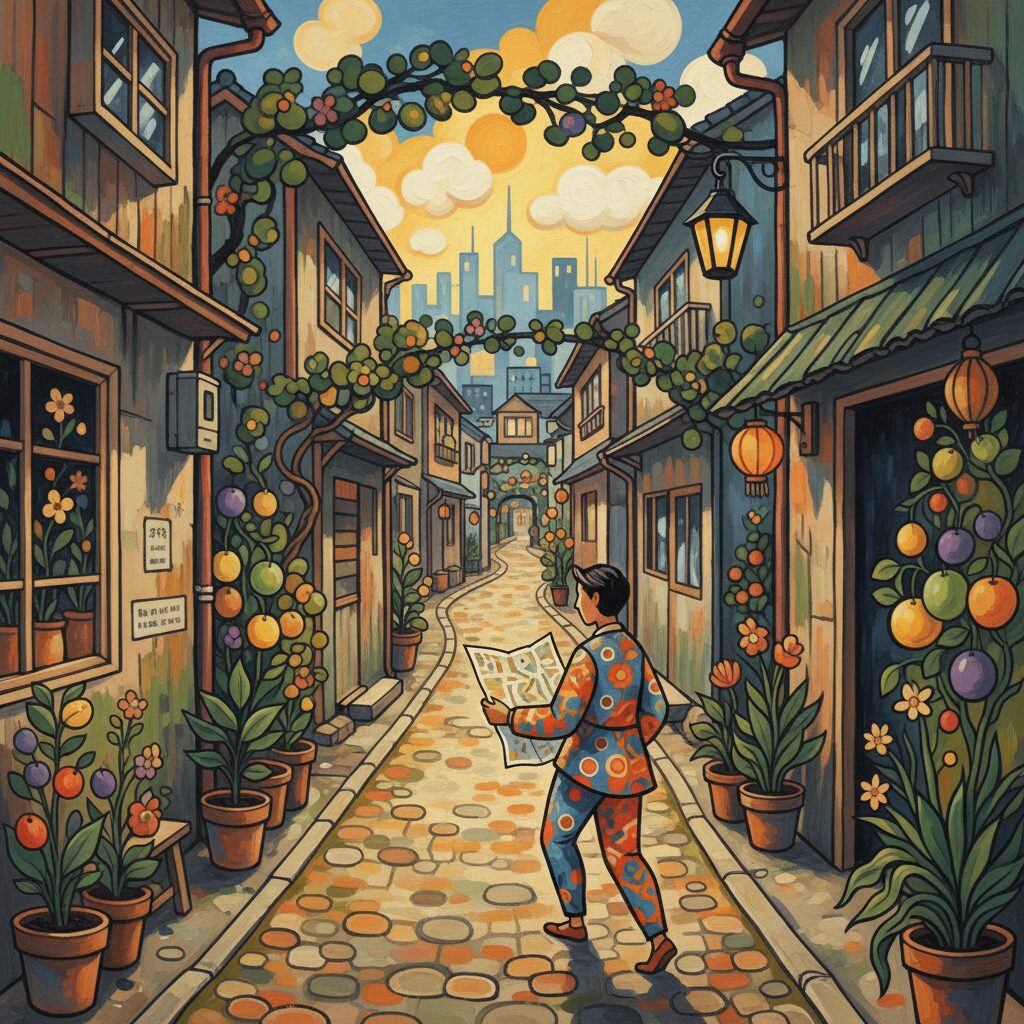
A good part of Nakazakicho’s deep charm stems from its delightful sense of disorientation. It’s a place meant for wandering and aimless exploration. While having a few destinations planned is lovely, the real enchantment lies in the moments in between—like following a curious cat down an alley you hadn’t noticed before, or letting the sound of wind chimes lead you to a shop you would never have found on a map. Think of it as a treasure hunt where the journey itself is the reward.
Practical Pathways: Getting There and Getting Around
Though it feels like a world apart, Nakazakicho is remarkably easy to reach. It’s just a 15-minute walk from the busy transportation hubs of JR Osaka Station and Hankyu Umeda Station. That short walk is a voyage in itself, as the cityscape shifts from towering skyscrapers to low-rise residential buildings. The quickest way is to take the Osaka Metro Tanimachi Line just one stop from Higashi-Umeda to Nakazakicho Station. Exiting through gates 2 or 4 will put you at the edge of the main network of historic alleys. Once there, my best advice is to put your phone away. The neighborhood is compact and truly hard to get lost in. Let your curiosity be your guide. Follow the sights of a charming street or the aroma of coffee to lead your steps. The joy lies in serendipity. And be sure to wear your most comfortable shoes. The district’s charm is best savored on foot, and you’ll cover more ground than you realize as you wander through its enchanting maze.
The Rhythm of the Neighborhood: When to Visit
Nakazakicho follows its own special rhythm. For its quietest, most genuine atmosphere, try visiting on a weekday afternoon. You’ll experience a slower pace, more locals going about their routines, and have the small shops and cafes mostly to yourself. Weekends, especially Saturday and Sunday afternoons, are livelier and busier, attracting shoppers and cafe-goers from across Osaka and beyond. While the atmosphere is fun and vibrant, be prepared for possible lines at the popular spots. A useful local tip is that many small, independent businesses in Nakazakicho close on a specific weekday, often Tuesday or Wednesday. If you’re hoping to visit a particular cafe or gallery, it’s always smart to check their Instagram or website in advance for current hours and closing days, as these can occasionally change without notice. The neighborhood is beautiful year-round but holds a special charm in late spring when hydrangeas bloom in full glory, their vivid colors contrasting with the dark wood of the houses, and in the crisp air of autumn, when the leaves of scattered maple trees turn brilliant crimson.
An Insider’s Etiquette for a Respectful Visit
To truly appreciate the warm and inviting spirit of Nakazakicho, it’s important to remember that you are a guest in a living community. This is not a theme park; it is a residential neighborhood where people live and work. A bit of cultural sensitivity will greatly enhance your experience, making it positive both for you and the locals.
First and foremost, be mindful of your volume. The narrow alleys amplify sound, so keep conversations at a respectful level, especially in the more residential areas. When taking photos, avoid capturing residents without their permission. While most shop owners welcome photos of their charming storefronts, it’s always courteous to ask before photographing inside a shop or cafe. Many lanes are very narrow, so be sure not to block pathways for residents or other pedestrians. One of the most practical tips is to carry enough Japanese yen with you. Although larger establishments may accept credit cards, many small, family-run cafes, vintage stores, and galleries only take cash. Finally, embrace the neighborhood’s unhurried pace. If a tiny cafe is full, don’t linger outside; instead, use it as a chance to explore another alley and return later. The charm of Nakazakicho lies in its slow rhythm, its intimacy, and the genuine human connections it encourages. By respecting this pace, you become part of its gentle harmony.
Nakazakicho is more than just a place; it’s an experience. It is the excitement of discovery in a world that often feels overly charted and predictable. It’s savoring a cutting-edge vegan meal inside a century-old house’s warm embrace. It serves as a powerful reminder that progress doesn’t require erasure, and that the most beautiful things frequently flourish in quiet, overlooked corners. It’s a place that invites you to look closer, walk slower, and listen to the stories whispered by old walls. So come wander, taste, and uncover your own secret garden in the heart of Osaka. You will leave with a satisfied appetite, a camera filled with beautiful images, and a renewed appreciation for the quiet magic found just around the corner.